 MomSkoop

Looking sharp at work isn’t just about vanity — it’s about making the right impression before you even say a word. The way you dress signals confidence, competence, and respect for the people around you.
Whether you’re stepping into a boardroom or a casual office, knowing the rules of business fashion gives you a real edge. Master these 11 principles and watch how your professional presence transforms.
1. Fit Comes Before Everything Else
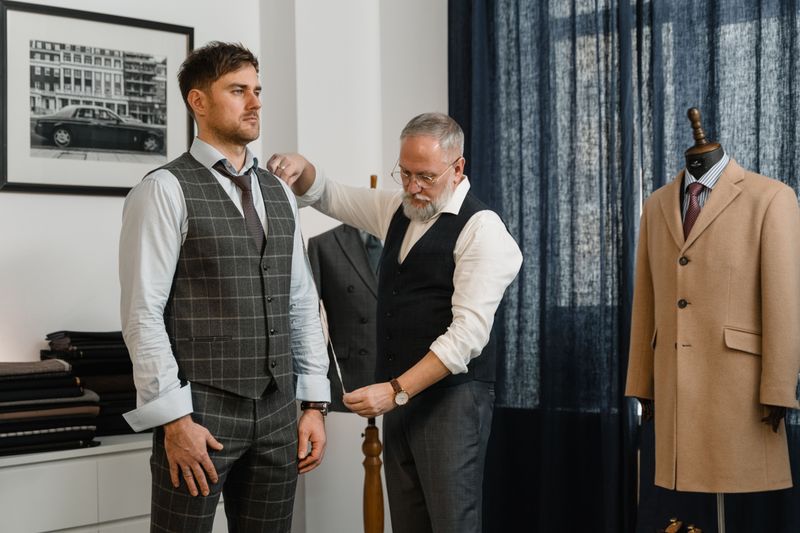
Here’s a truth that seasoned professionals learn early: a perfectly fitted $200 suit will always outshine a poorly fitted $2,000 one.
Fit is the single most powerful tool in your wardrobe.
When clothes hug your body in the right places — shoulders aligned, sleeves ending at the wrist bone, trousers breaking cleanly at the shoe — everything looks intentional and polished.
People notice this, even if they can’t explain why.
Find a good tailor and build a relationship with them.
Even off-the-rack clothing can look custom-made with the right adjustments.
Spending a little extra on alterations is always worth it.
Fit isn’t optional — it’s the foundation of every great outfit.
2. Dress for the Workplace, Not the Trend Cycle
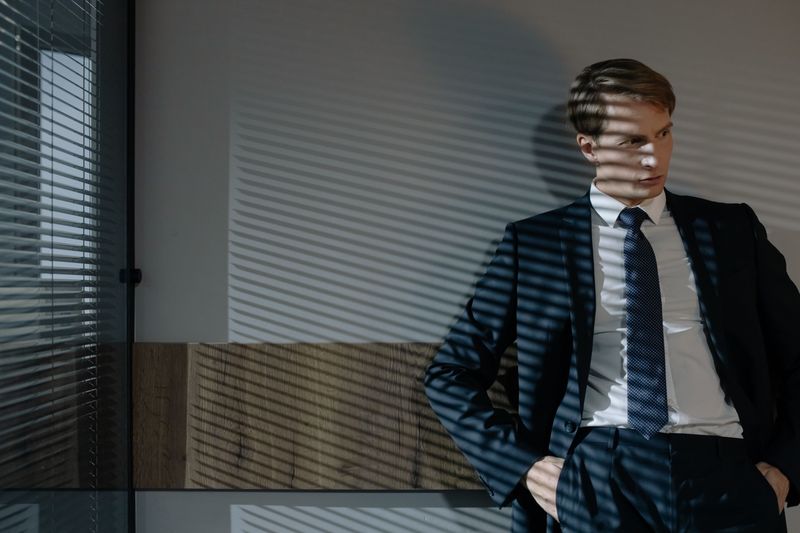
Fashion moves fast, but your career doesn’t have to chase it.
Wearing the trendiest pieces might earn you compliments on social media, but they can actually work against you in a professional setting.
Your industry sets the tone.
A lawyer needs a different wardrobe than a creative director, and that’s completely fine.
Study the unspoken dress code of your workplace and aim to dress one level above the average person in your role.
Classic styles — structured blazers, clean trousers, simple dress shirts — never go out of fashion because they were never really “in” fashion to begin with.
They just work.
Dress to fit your environment, and you’ll always look appropriate and authoritative.
3. Invest in Quality Basics
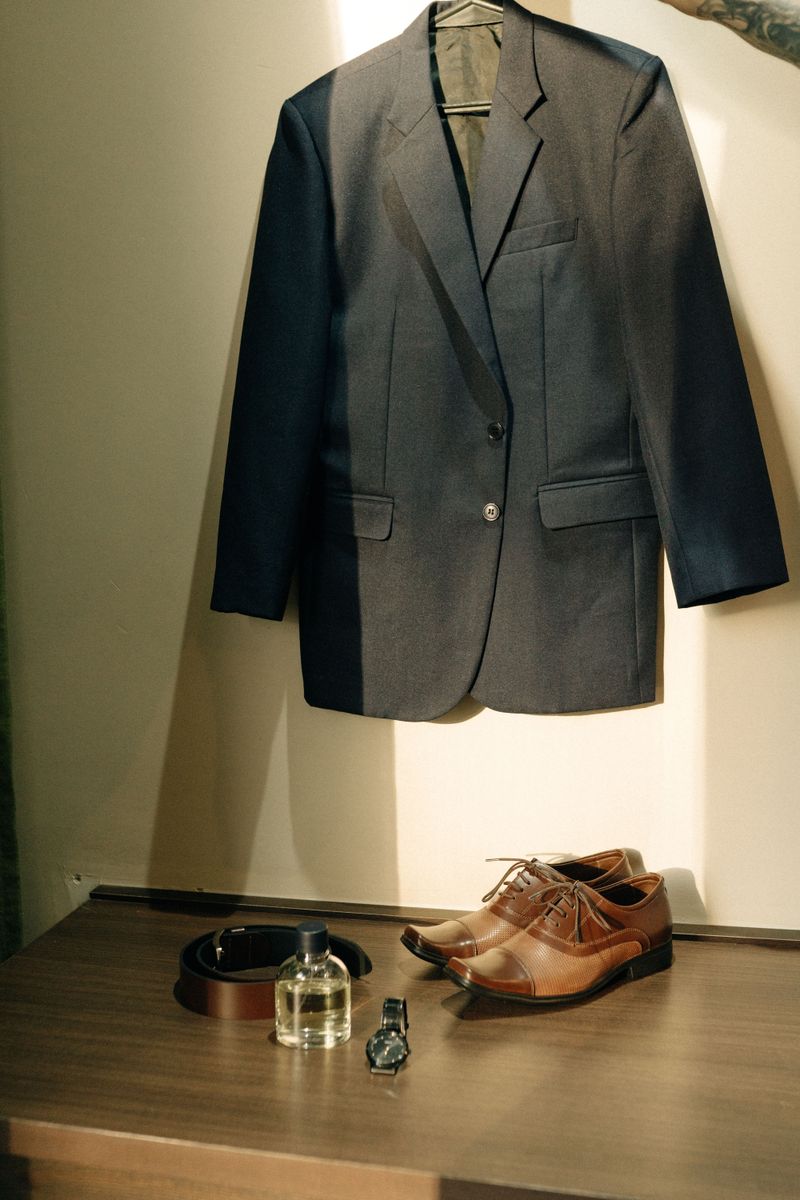
Think of your wardrobe like a financial portfolio — quality investments compound over time.
A well-constructed wool suit, a crisp white dress shirt, and a pair of genuine leather Oxford shoes will serve you far better than a closet packed with cheap, disposable pieces.
Quality fabrics drape better, last longer, and actually get more comfortable with wear.
Cheap materials, on the other hand, pill, fade, and fall apart quickly — costing you more in the long run.
Start with the essentials: two or three well-made suits, five quality dress shirts, two pairs of leather shoes, and matching belts.
Build slowly and deliberately.
A smaller, higher-quality wardrobe always beats a large, mediocre one.
4. Keep Colors Classic and Versatile
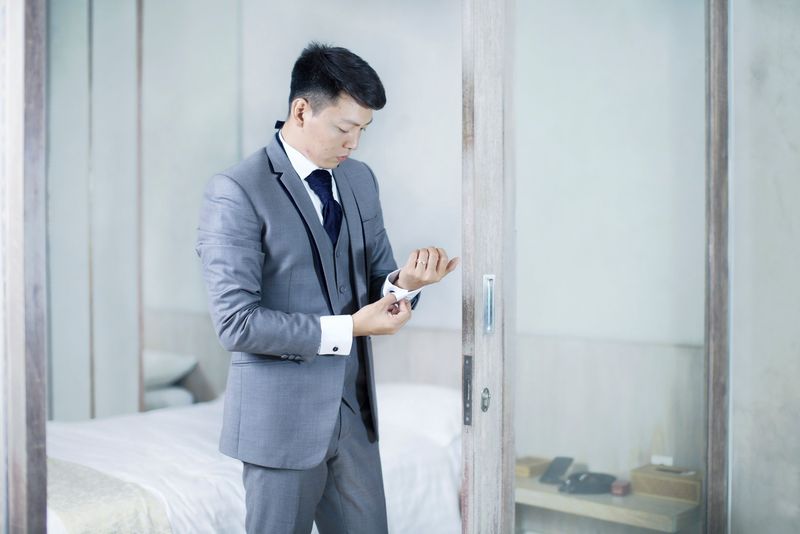
Color is one of the easiest places to go wrong in business fashion — and one of the easiest places to get it right.
Sticking to a core palette of navy, charcoal, gray, white, light blue, and black gives you maximum outfit combinations with minimal effort.
These shades work together almost automatically.
A navy suit pairs effortlessly with a white or light blue shirt.
Charcoal gray looks sharp with nearly any tie color.
Black shoes anchor almost every combination you can build.
Bold colors and loud prints have their place, but they require more skill to pull off professionally.
Master the classics first.
Once your foundation is solid, you can experiment with subtle patterns and accent colors without risking your overall look.
5. Shoes Can Make or Break the Outfit
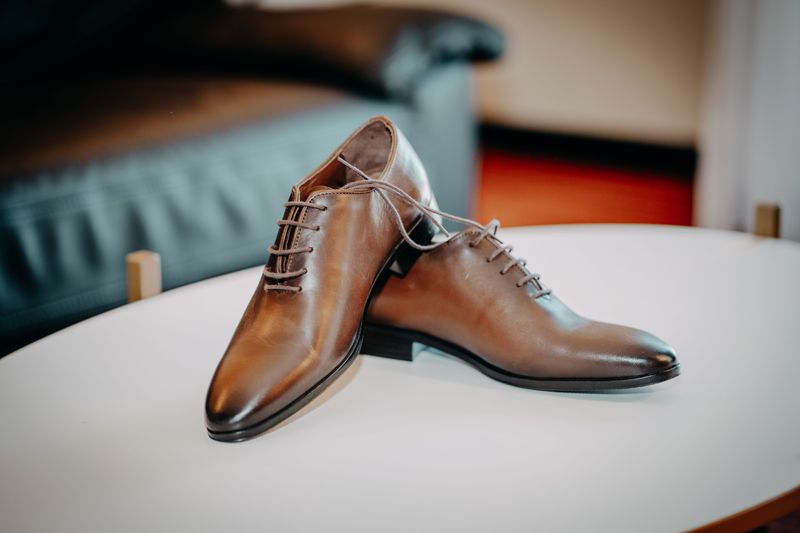
People look down more than you think.
Your shoes are often the first thing a sharp-eyed colleague or interviewer notices, and scuffed, worn-out footwear can quietly undo an otherwise excellent outfit.
Leather shoes — Oxfords, Derbies, and loafers — are the gold standard for professional settings.
Keep them clean, polished, and in good repair.
A shoe brush and a tin of polish are small investments that pay enormous dividends in appearance.
Rotate between at least two pairs to extend their lifespan, and use cedar shoe trees to maintain their shape.
Brown and black cover most occasions.
When your shoes look cared for, people subconsciously assume the rest of your life is organized and intentional too.
6. Grooming Is Part of Your Style

You could be wearing the sharpest suit in the room, but unkempt hair or patchy facial hair will pull focus immediately.
Grooming isn’t vanity — it’s an extension of the same attention to detail you bring to your clothing choices.
A clean, well-maintained haircut signals that you take yourself seriously.
Whether you prefer clean-shaven or a trimmed beard, consistency and neatness are what matter most in a professional environment.
Skincare matters too — healthy, hydrated skin looks more polished under any lighting.
Schedule regular haircuts, keep nails trimmed, and use a light, professional-appropriate fragrance.
These small habits build a complete image.
When every element — clothing and grooming — works together, you project a level of self-discipline that people genuinely respect.
7. Match Your Accessories Thoughtfully
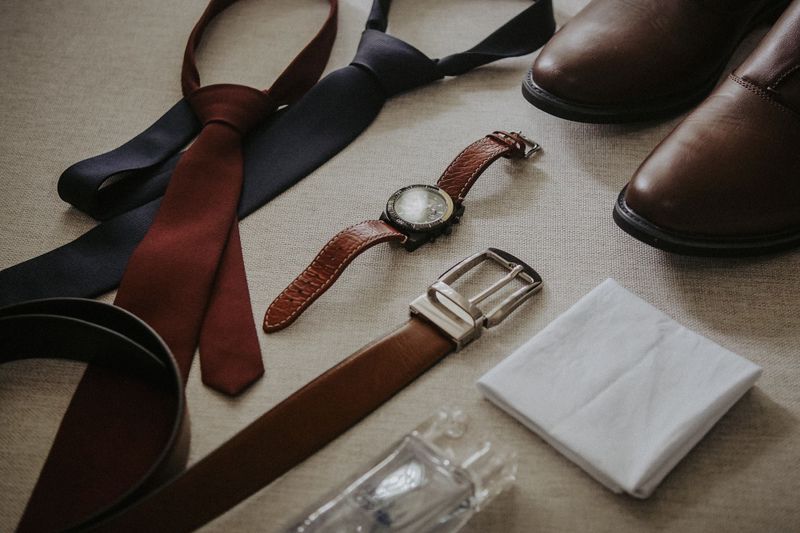
Accessories are where many men either elevate their look or accidentally derail it.
The goal isn’t to collect as many pieces as possible — it’s to make sure everything you wear belongs in the same conversation.
Your belt and shoes should share the same color family.
Your watch should feel proportional to your wrist and suit the formality of the occasion.
A silk tie in a complementary tone pulls a business suit together instantly.
Pocket squares, cufflinks, and tie bars add personality when used with restraint.
Think of accessories as supporting characters, not the main event.
They should enhance your outfit quietly, not compete with it.
When everything coordinates without looking overly matched, you’ve hit the sweet spot of effortless professional style.
8. Pay Attention to the Small Details
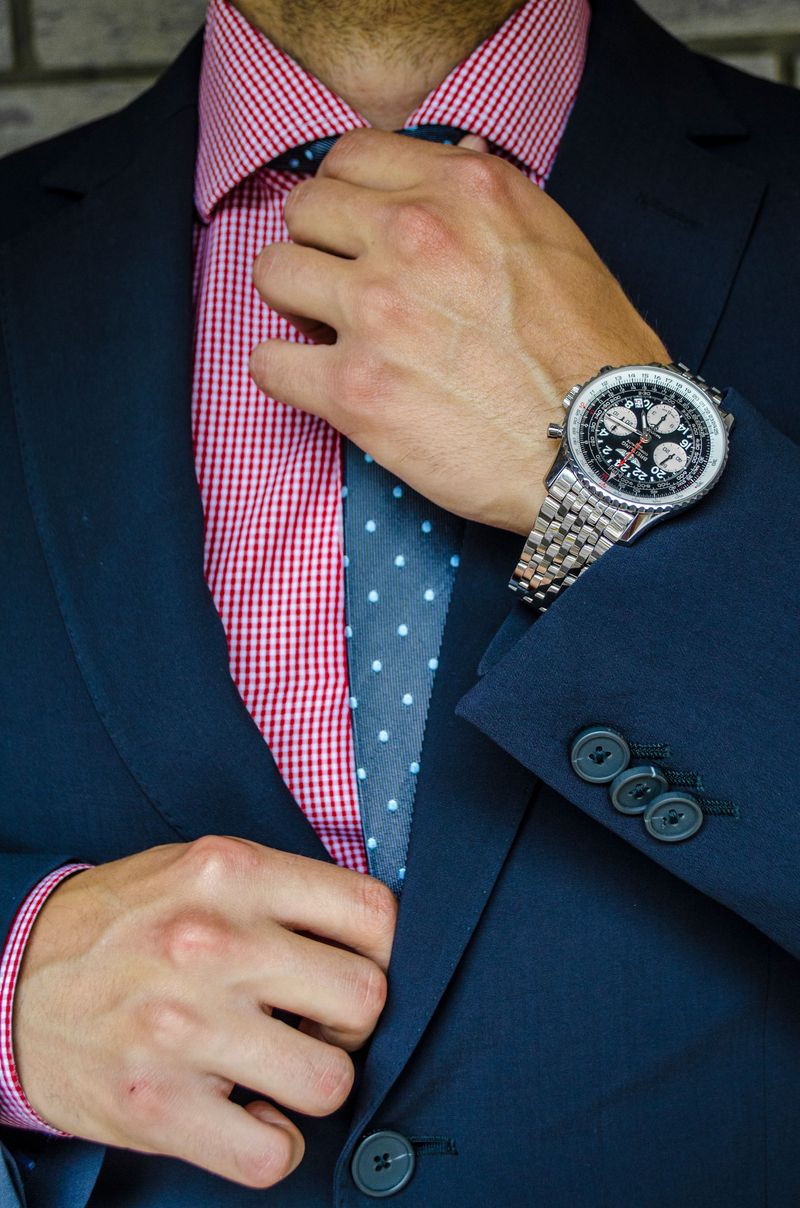
Small things speak loudly.
A wrinkled shirt collar, a loose thread dangling from a jacket sleeve, or a missing button sends a subtle but clear message: this person doesn’t notice details.
In business, that’s a reputation you don’t want.
Before every important day, do a quick audit.
Are your clothes pressed?
Are your shoes scuff-free?
Is your tie knotted evenly?
These checks take less than two minutes but make a visible difference in how others perceive you.
Keep a small kit at work — a lint roller, a spare button, a stain remover pen.
Professionals who manage the little things tend to be trusted with the bigger ones.
Attention to detail in your appearance signals attention to detail in your work.
9. Prioritize Comfort Without Sacrificing Professionalism

Comfort and professionalism aren’t opposites — when your clothes fit properly, they can coexist beautifully.
A suit that’s too tight across the shoulders or trousers that bunch at the waist will make you fidget, adjust, and distract both yourself and others throughout the day.
Choose breathable fabrics like wool, cotton, and linen blends that move with your body.
Opt for dress shoes with proper arch support if you’re on your feet all day.
A well-fitted suit with a little stretch in the fabric can feel nearly as comfortable as casual clothes.
When you feel physically at ease in what you’re wearing, your posture improves, your energy stays higher, and your confidence reads as genuine rather than forced.
Comfort is an underrated performance advantage.
10. Less Is Usually More
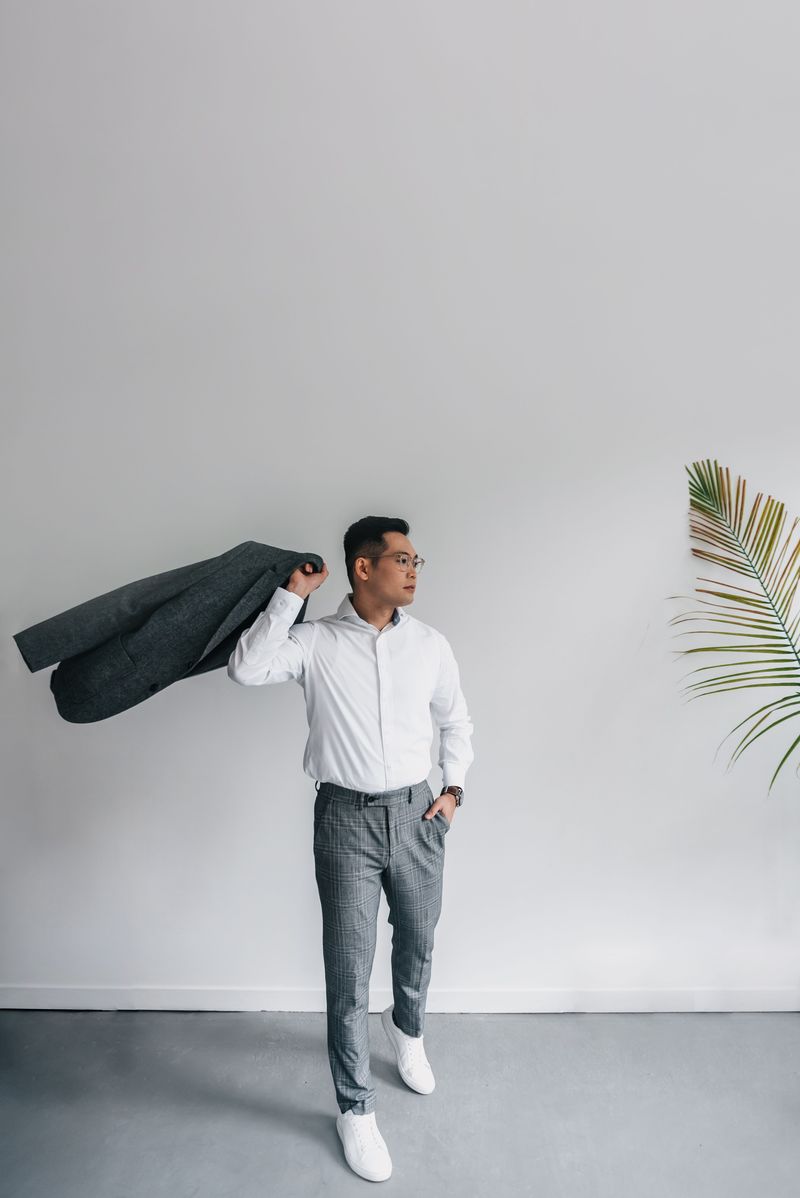
There’s a reason the most stylish men in any room often look the simplest.
Restraint is a skill, and in business fashion, it’s one of the most valuable ones you can develop.
Loud logos, busy patterns, and stacked accessories tend to signal insecurity rather than confidence.
When you strip your outfit down to clean, well-chosen pieces, each element gets a chance to shine.
A beautiful watch stands out more when it’s not competing with three bracelets.
A well-cut suit looks stronger without a chaotic pocket square stealing the spotlight.
The rule of thumb: before you leave the house, remove one accessory.
More often than not, the look improves immediately.
Simplicity communicates sophistication — and in professional settings, sophisticated is exactly what you want to be.
11. Wear Confidence as Your Final Layer
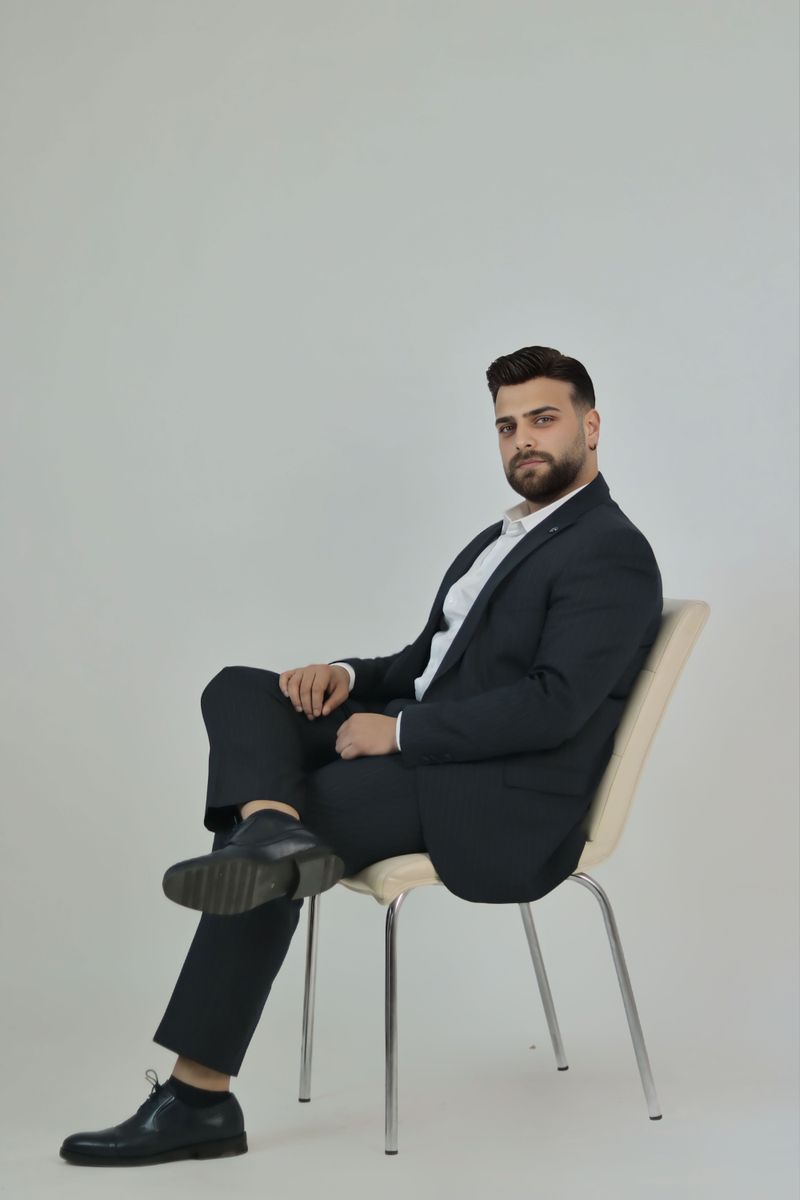
No amount of expensive clothing can substitute for genuine confidence.
The most stylish men in any room carry themselves with a quiet assurance that makes everything they wear look intentional and powerful.
Confidence in your appearance comes from preparation.
When you know your clothes fit, your shoes are polished, and your grooming is on point, you stop thinking about how you look — and start focusing on what you’re doing.
That mental shift is visible to everyone around you.
Stand tall, make eye contact, and move with purpose.
Style is ultimately a communication tool, and confidence is the message.
Clothes create the first impression, but how you carry yourself determines whether that impression actually sticks.
Wear your outfit — don’t let it wear you.