 MomSkoop

You might think the big moments in life define who you are, but it’s actually the small, everyday habits that tell the real story. From how you respond to a text message to where you sit in a room, these tiny choices add up to a surprisingly accurate portrait of your personality.
Most of us never stop to think about what these little actions mean. Get ready to see yourself in a whole new light.
1. How You Reply to Texts

Some people fire back a reply within seconds, complete with emojis and exclamation points.
Others let messages sit for hours — or even days — before responding.
Neither style is wrong, but both say something real about how you handle relationships and communication.
If you reply instantly, you likely value staying connected and hate leaving people hanging.
If you take your time, you might be more deliberate, processing things before you respond.
Emoji enthusiasts tend to be expressive and emotionally open, while one-word responders often prefer keeping things simple and direct.
Your texting habits also reflect your priorities.
Busy people sometimes go quiet not out of rudeness but because their attention is pulled elsewhere.
Pay attention to your own patterns — they reveal more than you think.
2. Your Coffee or Tea Order

There is something quietly telling about what you order at a coffee shop.
Are you the person who always gets the same thing without even glancing at the menu?
Or do you scan every option, excited to try whatever sounds new and interesting?
Routine drinkers — those loyal to their daily black coffee or plain green tea — tend to find comfort in consistency.
Novelty seekers who jump at seasonal specials or experimental flavor combinations are often more open to change and adventure in other areas of life too.
Research even suggests that black coffee drinkers tend to be straightforward and no-nonsense, while those who love elaborate, customized orders enjoy self-expression.
Your cup is basically a tiny personality test you take every morning without realizing it.
3. How You Walk Into a Room
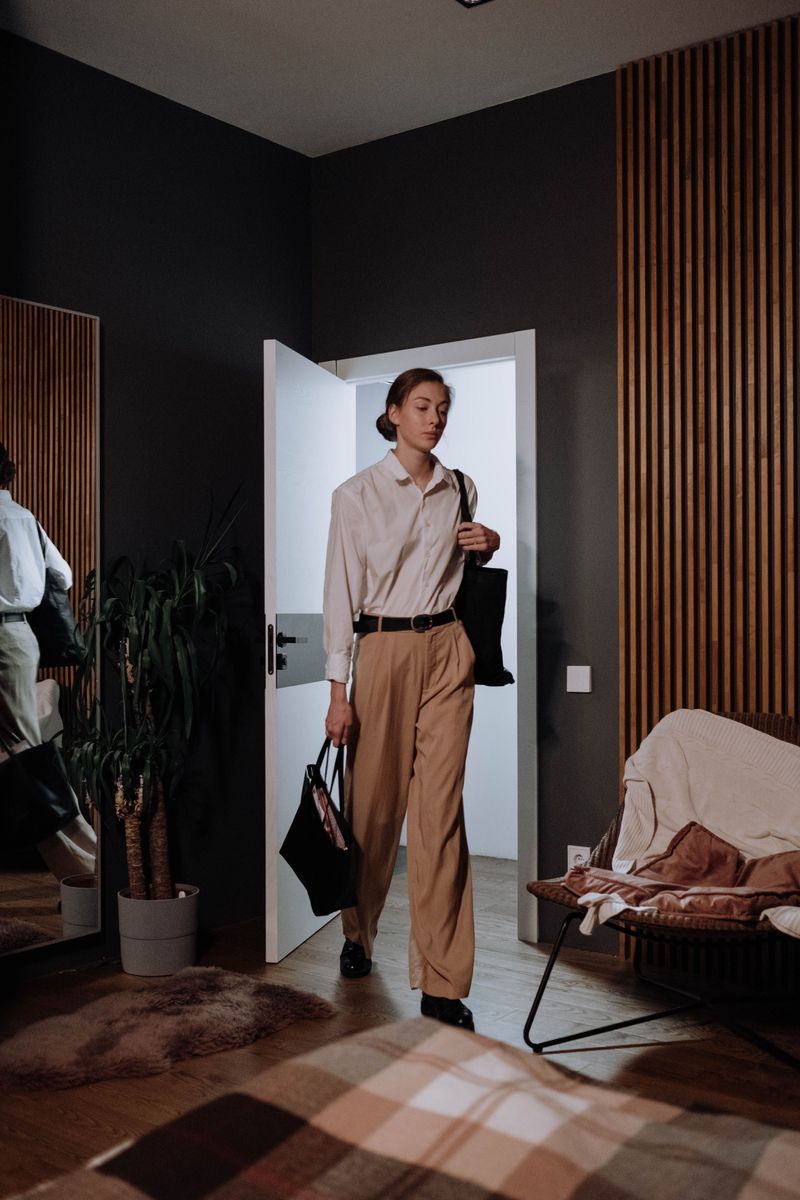
Picture this: you walk into a party where you only know one person.
Do you scan the room quietly, head straight for the familiar face, or confidently introduce yourself to whoever is nearby?
That first move says a lot.
People who enter rooms with energy and eye contact are often extroverted and comfortable drawing attention.
Those who quietly observe first tend to be more introverted or thoughtful — they like understanding their surroundings before engaging.
Neither approach is better; they just reflect different social styles.
Body language experts note that posture and pace matter too.
Walking in with your head up and shoulders back signals self-assurance, while hunching or rushing can hint at anxiety or discomfort.
Your entrance is basically a silent first impression before you even say a word.
4. The Way You Keep Your Workspace

Messy desk or spotless surface?
Your workspace is one of the most honest reflections of how your mind works.
Some people thrive in organized environments where everything has a place, while others do their best thinking surrounded by what looks like cheerful chaos.
Highly organized workspaces often belong to people who like structure, predictability, and clear systems.
A creatively messy desk, on the other hand, can belong to someone whose brain makes unexpected connections — studies have actually linked messier environments to more creative thinking.
Then there is the middle ground: piles that look random but make perfect sense to their owner.
That organized chaos often belongs to someone who is adaptable and self-directed.
Whatever your style, your workspace is essentially a map of how you process the world around you.
5. How You Handle Waiting in Line

Waiting in line might seem like a meaningless moment, but watch how someone behaves and you will learn a lot.
Some people pull out their phone immediately, using every spare second productively or just avoiding awkward stillness.
Others strike up conversations with total strangers without a second thought.
The phone-checkers are often efficiency-minded or socially reserved.
The chatters tend to be warm, extroverted, and genuinely curious about other people.
The patient, quiet waiters may be introverted, meditative, or simply good at tolerating discomfort without distraction.
Restless line-standers — those who sigh, shift their weight, and check the time repeatedly — often have a low tolerance for feeling like their time is being wasted.
That impatience can show up in other areas of life too, like deadlines, slow internet, or long meetings.
6. Whether You Return the Shopping Cart

Few habits have sparked as much internet debate as the shopping cart question.
Returning the cart is not required by law, nobody is watching, and there is no real punishment for leaving it in the middle of the parking lot.
That is exactly what makes it such a revealing test of character.
People who return the cart tend to score high on conscientiousness — a personality trait linked to responsibility, dependability, and caring about how your actions affect others.
They do the right thing even when no one is looking.
Those who leave carts wherever they please are not necessarily bad people, but they may be more comfort-oriented or less aware of the ripple effects of small choices.
This tiny habit has become a surprisingly popular way to measure civic-mindedness and everyday thoughtfulness in strangers.
7. How You React When Plans Change

Last-minute cancellations.
Unexpected detours.
Surprise schedule changes.
How you handle these moments can reveal a great deal about your flexibility — and your need for control.
Some people shrug it off and adapt with ease, even finding excitement in the unexpected shift.
Others feel genuinely stressed when plans fall apart, not because they are rigid, but because they have invested mental energy in preparing for what was supposed to happen.
That kind of planning-oriented thinking is common in highly organized, detail-focused personalities.
Interestingly, your reaction to plan changes can also reflect deeper things like anxiety levels, trust in others, or past experiences with unpredictability.
The key is not whether you prefer structure or spontaneity — it is how gracefully you handle the gap between what you expected and what actually happened.
8. The First Seat You Choose

Walk into any classroom, waiting room, or movie theater and notice where you naturally gravitate.
Front row?
Back corner?
Center of the action?
By the window?
That instinctive choice reveals something real about how you feel in social and public spaces.
Front-row sitters are often eager, engaged, and unafraid of visibility.
They want to be part of the experience, not observers of it.
Back-corner people tend to prefer a wider view of the room — they like knowing what is happening around them before fully committing to a space.
Window seats attract daydreamers and independent thinkers who enjoy a mental escape route.
Center-of-the-room choices often belong to social, adaptable people who are comfortable being seen from all angles.
Where you sit is a small but surprisingly honest signal of your comfort zone.
9. How You Treat Service Workers
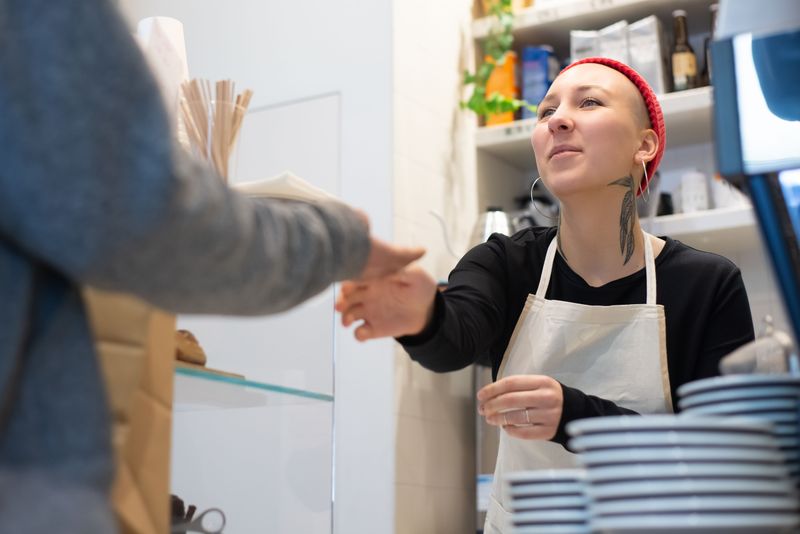
There is an old saying that you can judge a person’s true character by how they treat people who can do nothing for them.
Service workers — waitstaff, cashiers, delivery drivers, cleaning crews — often fall into that category.
Watching how someone interacts with them is remarkably telling.
People who are consistently kind, patient, and respectful toward service workers tend to carry those same qualities into all their relationships.
They recognize effort and understand that everyone deserves basic dignity, regardless of job title.
On the flip side, rudeness, impatience, or dismissiveness toward service workers often signals a sense of entitlement or a habit of valuing people based on status.
The way you speak to someone taking your order when you are tired, rushed, or frustrated — that is the real you showing up.
10. What Is on Your Phone’s Home Screen

Your phone’s home screen is like a tiny window into your brain.
Open it up and you will find clues about what you value, how you manage information, and what you want quick access to every single day.
It is one of the most personal digital spaces you own.
A minimalist layout with just a few apps suggests someone who values simplicity, focus, and mental clarity.
A packed screen with dozens of apps — organized or not — can point to someone who juggles many interests or struggles to let go of things they might need someday.
Folder organizers tend to be systematic and efficiency-driven.
Family photo wallpapers signal that relationships are a top priority.
Gaming apps front and center?
Fun and downtime matter to you.
Your home screen is basically a mood board for your daily priorities.