 MomSkoop
Some movies get better with age, just like a great book you re-read years later and suddenly understand on a whole new level. These classic films were not always box-office hits or critical darlings when they first came out, but time has been incredibly kind to them.
Whether it is because the world finally caught up to their ideas, or because new generations discovered them fresh, these movies now feel more powerful, more meaningful, and more relevant than ever. Get ready to revisit some of cinema’s greatest treasures.
1. Blade Runner (1982)
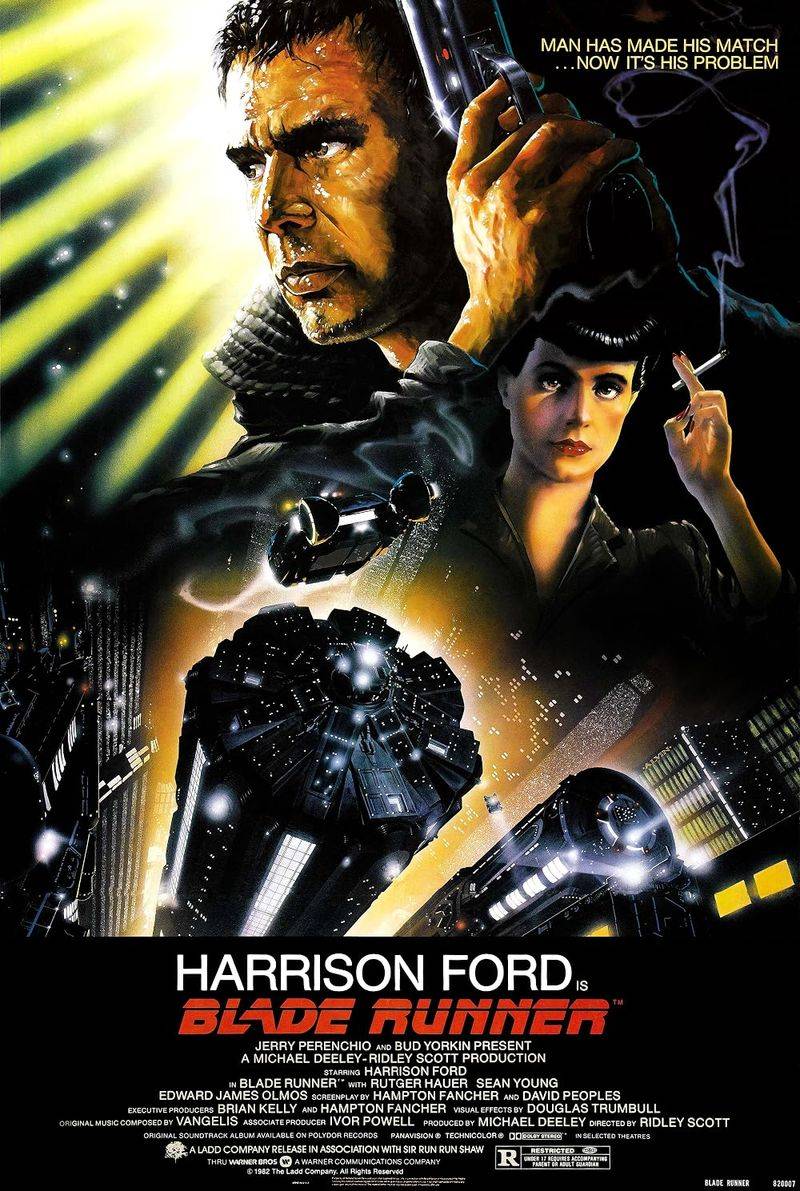
When Blade Runner hit theaters in 1982, audiences were not quite sure what to make of it.
The story of a detective hunting down human-like robots called replicants felt strange and slow to many viewers.
Critics were divided, and the film quietly faded from box offices.
But something fascinating happened over the decades.
As artificial intelligence grew from science fiction into daily reality, Blade Runner started feeling less like a fantasy and more like a warning.
Questions the film raises about what makes someone truly human now echo in real conversations about AI, robotics, and identity.
Its breathtaking visual design also inspired countless filmmakers and video games.
Ridley Scott created a world so detailed and moody that rewatching it today feels like discovering something brand new.
2. The Thing (1982)
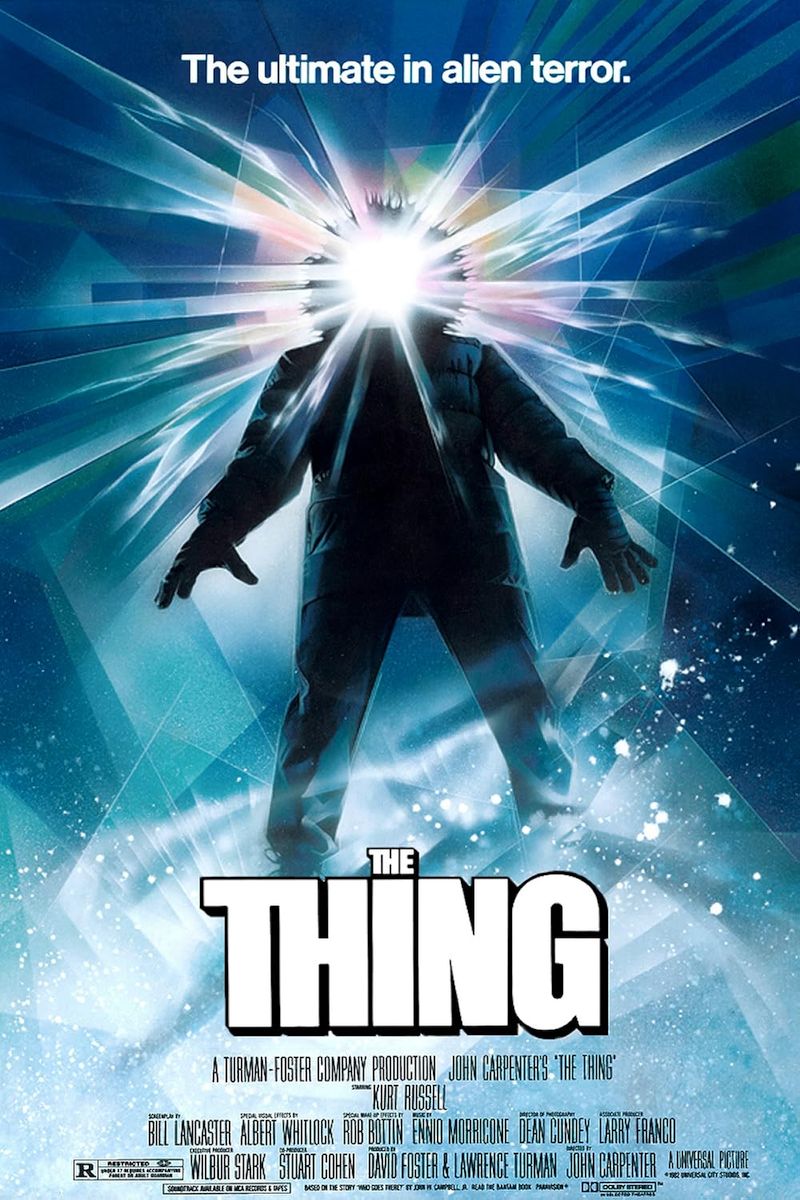
Imagine being trapped in a frozen research station with something that could look exactly like your best friend.
That terrifying premise is the heart of John Carpenter’s The Thing, and it flopped hard when it opened in 1982.
Audiences chose E.T. over it that summer, and critics called it disgusting.
But horror fans slowly rediscovered it on home video, and word spread fast.
The practical special effects, created entirely without computers, still look jaw-dropping today and actually feel more unsettling than most modern CGI monsters.
The film’s central theme of paranoia and not being able to trust the people around you has taken on new layers of meaning in an era of misinformation and social distrust.
It rewards every rewatch with fresh dread.
3. Vertigo (1958)
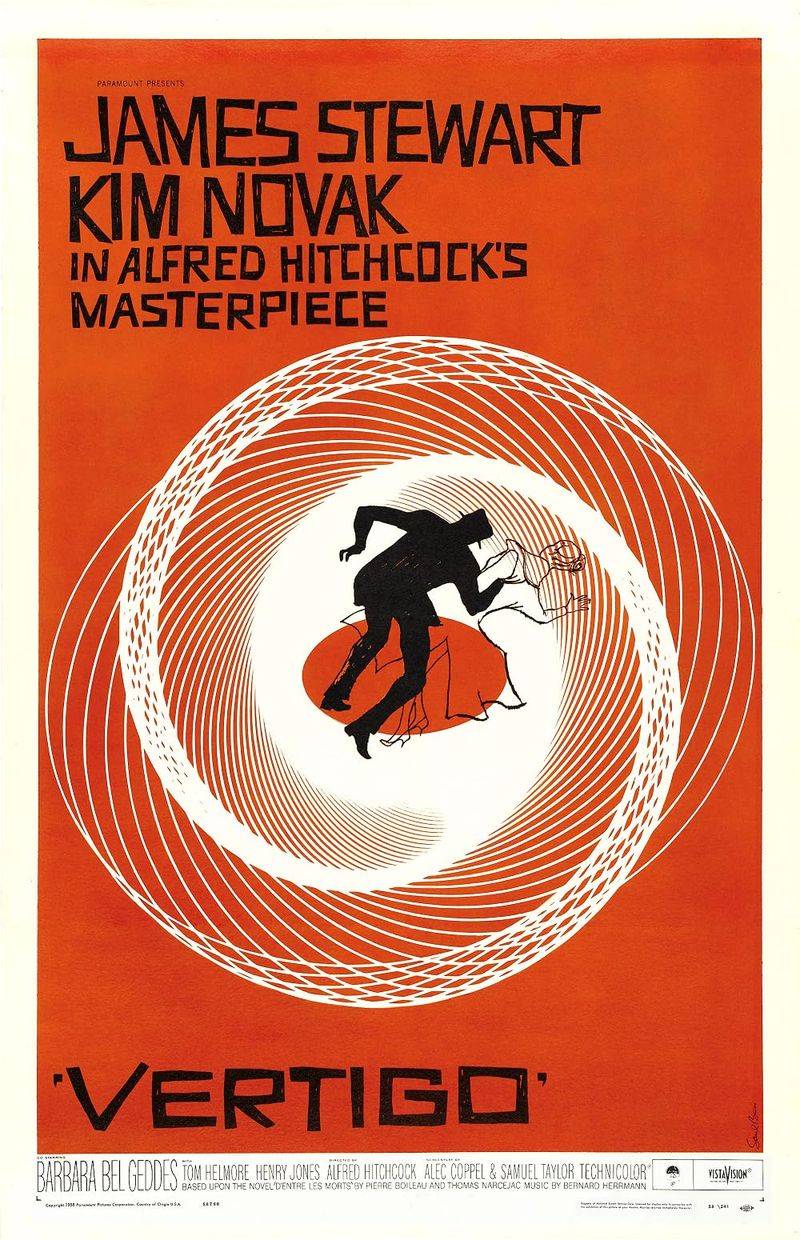
Alfred Hitchcock’s Vertigo received a polite but underwhelmed response when it opened in 1958.
Some critics found it too slow, too strange, and too obsessive.
Hitchcock himself pulled it from circulation for years.
Then something remarkable happened.
Film scholars began studying it more closely and realized they were looking at one of the most psychologically complex thrillers ever made.
The story of a detective who becomes dangerously obsessed with a mysterious woman unpacks themes of control, identity, and male obsession in ways that feel startlingly modern.
The famous dolly-zoom camera trick invented for this film is still used in movies today.
In 2012, Sight and Sound magazine ranked Vertigo the greatest film ever made, finally giving Hitchcock’s strange masterpiece the crown it always deserved.
4. The Shining (1980)
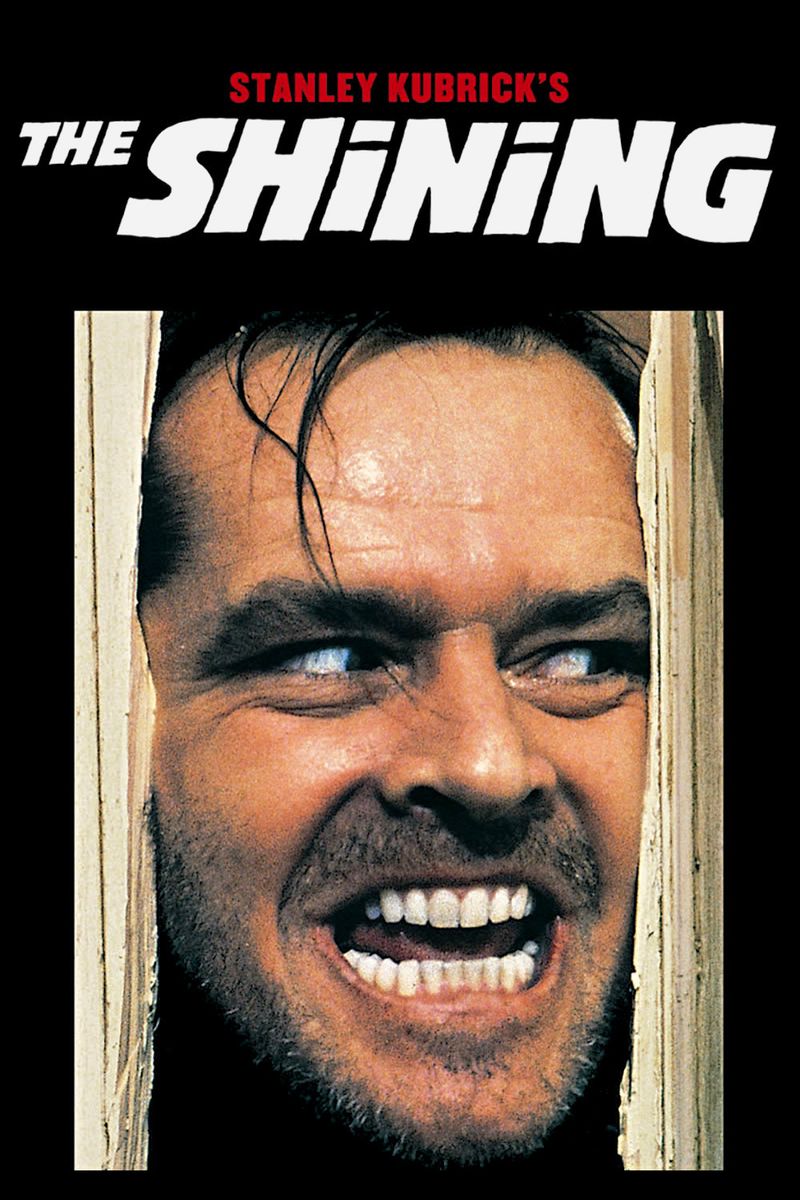
Stanley Kubrick’s The Shining confused a lot of people when it came out in 1980.
Stephen King, who wrote the original novel, famously disliked the film adaptation.
Early reviews were mixed, and it seemed like a stylish but cold horror movie that left audiences more puzzled than scared.
Decades later, The Shining is studied in film schools around the world.
Every shot, every carpet pattern, and every repeated number has sparked endless theories and analysis.
The documentary Room 237 is dedicated entirely to obsessive interpretations of the film’s hidden meanings.
Jack Nicholson’s unraveling performance and Kubrick’s suffocating atmosphere create a dread that builds slowly and never quite leaves you.
Watching it today feels like unlocking a puzzle box that gets more mysterious the longer you stare at it.
5. Citizen Kane (1941)
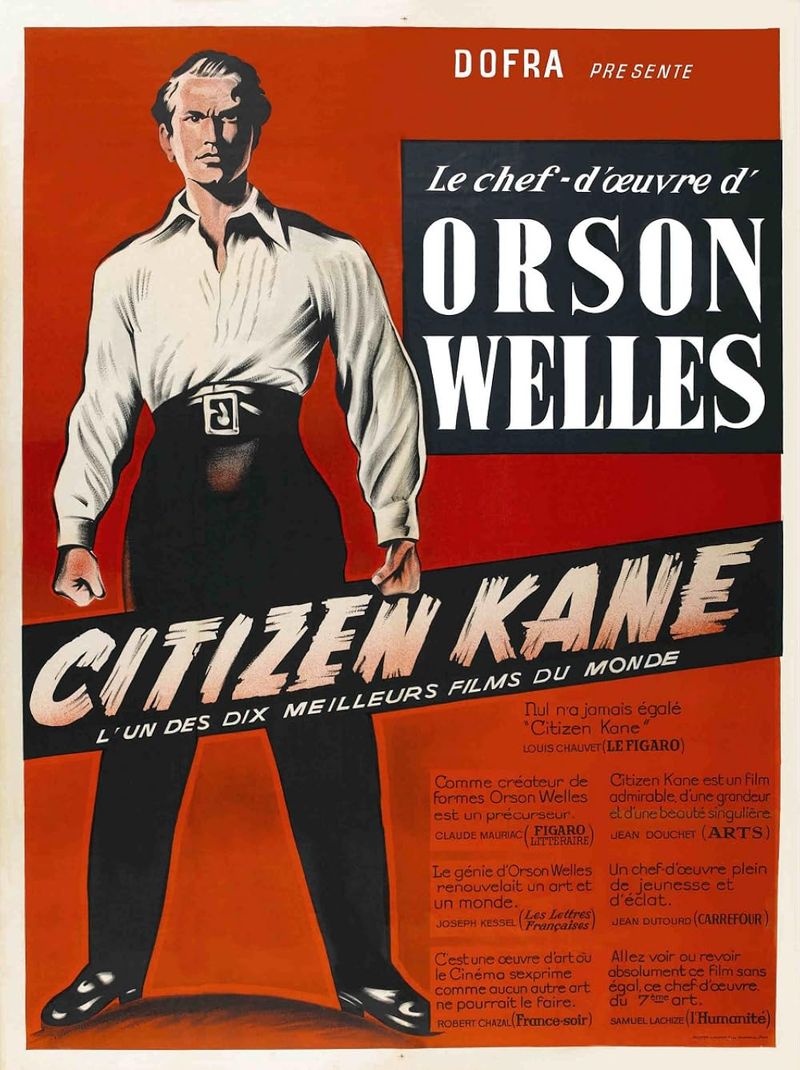
Citizen Kane arrived in 1941 already carrying a reputation, but it was also surrounded by controversy.
Newspaper tycoon William Randolph Hearst, whom the film was loosely based on, tried hard to suppress it.
Despite critical praise, it lost the Best Picture Oscar to How Green Was My Valley.
Yet Citizen Kane never stopped growing in stature.
Its revolutionary camera techniques, including deep focus photography and non-linear storytelling, were so far ahead of their time that filmmakers are still borrowing from it today.
Every film student watches it as a masterclass in visual storytelling.
The central mystery of Rosebud still lands emotionally after 80 years.
Orson Welles was only 25 when he made it, which makes the film’s technical brilliance even more astonishing to appreciate with modern eyes.
6. 12 Angry Men (1957)
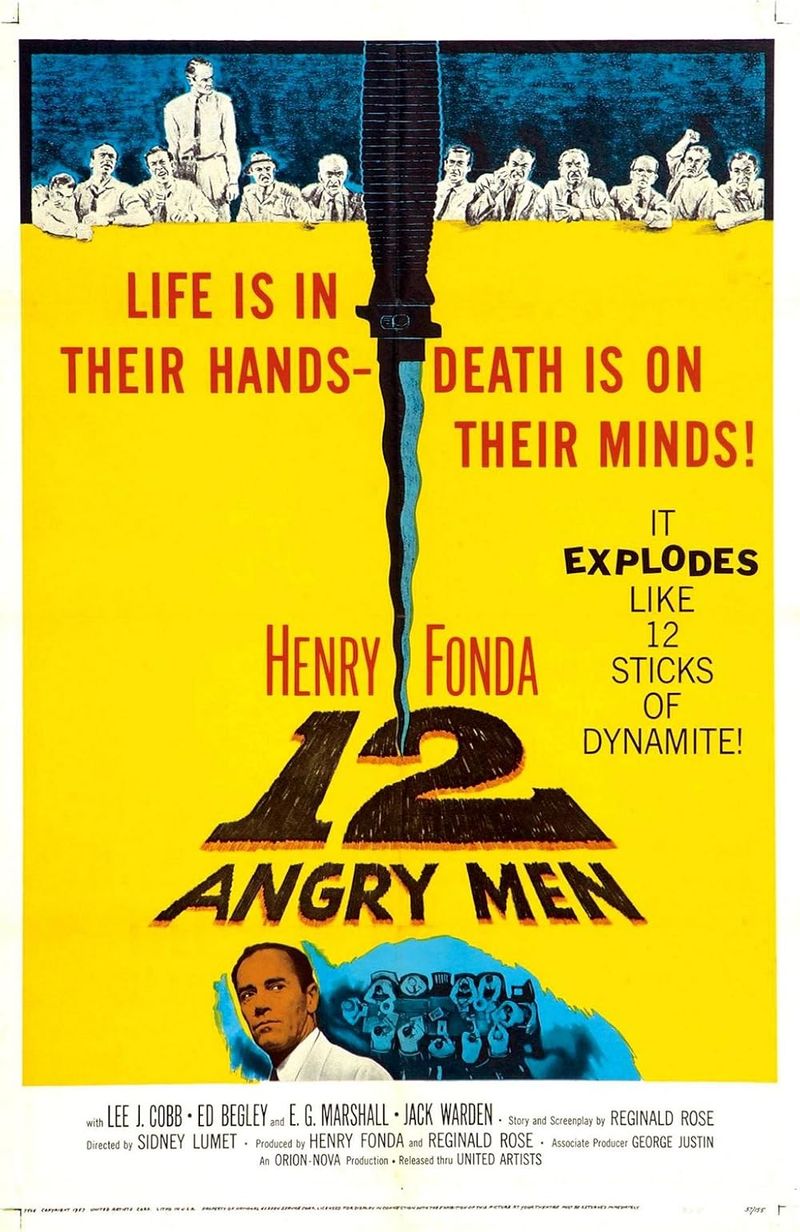
Almost the entire film takes place in one hot, stuffy room.
No explosions, no car chases, just twelve men arguing about whether a teenager is guilty of murder.
When 12 Angry Men came out in 1957, it was nominated for three Academy Awards but did not win any and barely made money.
Today, it plays like a thriller about democracy itself.
One man, played by Henry Fonda, refuses to rush a verdict and forces the group to actually examine their biases and assumptions.
Watching the jurors slowly confront their own prejudices feels electric, especially in a world still wrestling with questions of justice and fairness in courtrooms.
Teachers show it in civics and law classes because its lessons about critical thinking and standing up against the crowd are as urgent now as they were nearly 70 years ago.
7. 2001: A Space Odyssey (1968)
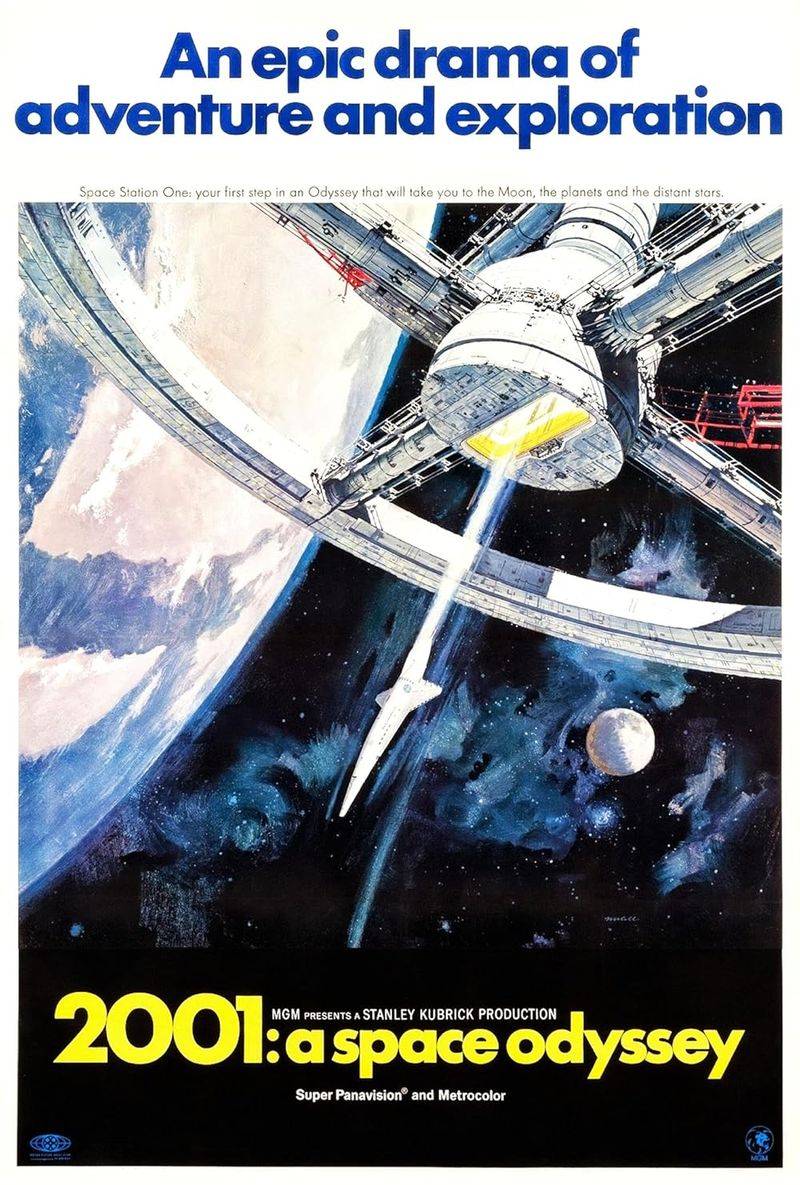
When 2001: A Space Odyssey premiered in 1968, some audience members actually walked out.
MGM executives wanted Kubrick to cut 17 minutes after early screenings.
The film was called pretentious, boring, and incomprehensible by many early viewers who expected a traditional space adventure.
Half a century later, it is considered one of the greatest films ever made, full stop.
Its special effects were so convincing that conspiracy theorists have used it to claim the moon landing was faked.
The red-eyed computer HAL 9000 is one of cinema’s most iconic villains, and conversations about his motives feel chillingly relevant now that real AI systems make real decisions affecting real lives.
The film asks enormous questions about human evolution and technology without offering easy answers, which is exactly why it keeps getting more interesting with every passing year.
8. Network (1976)
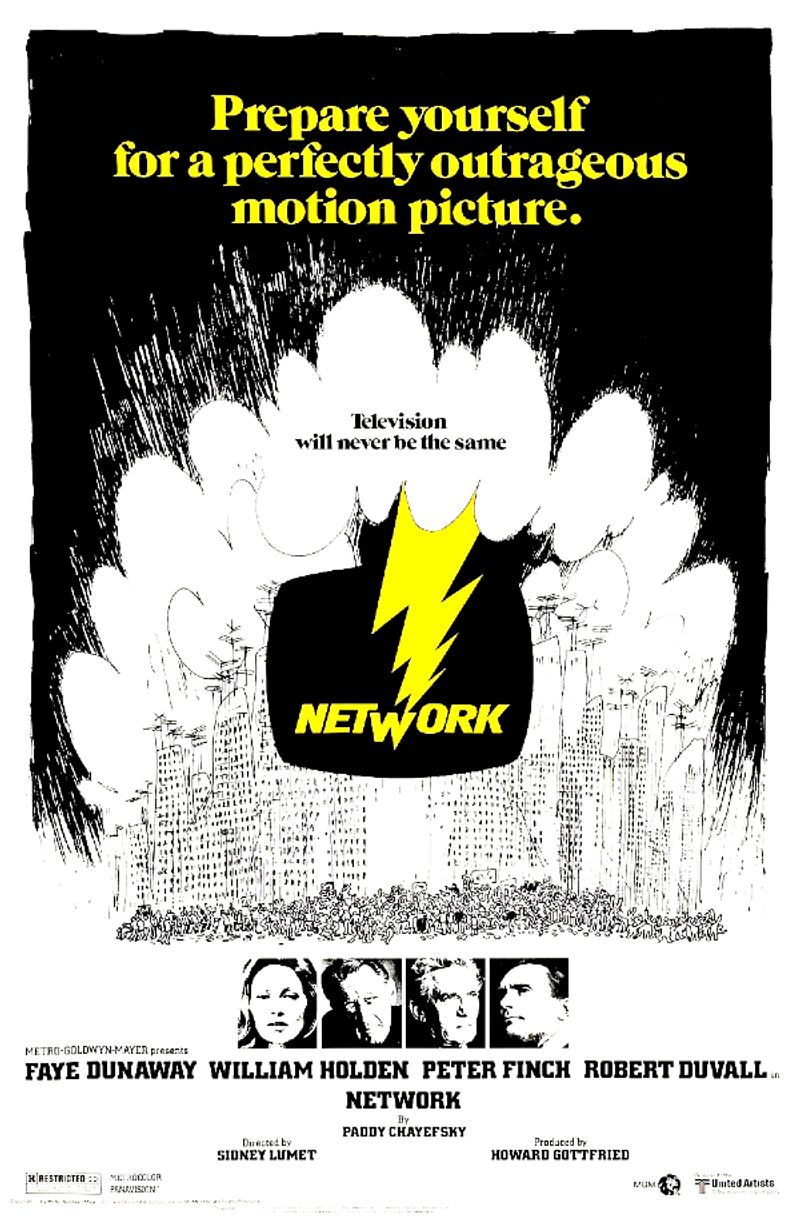
Back in 1976, Network felt like an outrageous exaggeration.
A mentally unstable news anchor becomes a ratings sensation after going on live television and screaming that he is mad as hell and not going to take it anymore.
Critics loved it, but general audiences found it a bit too over-the-top to take seriously.
Watch it now and your jaw will drop at how accurate it turned out to be.
The film predicted reality television, the blurring of news and entertainment, and the way outrage drives ratings decades before any of those things existed in their current forms.
Paddy Chayefsky’s screenplay reads like a detailed blueprint for modern media culture.
Every scene involving network executives treating human suffering as content feels less like satire and more like a documentary about how television and social media actually operate today.
9. The Third Man (1949)
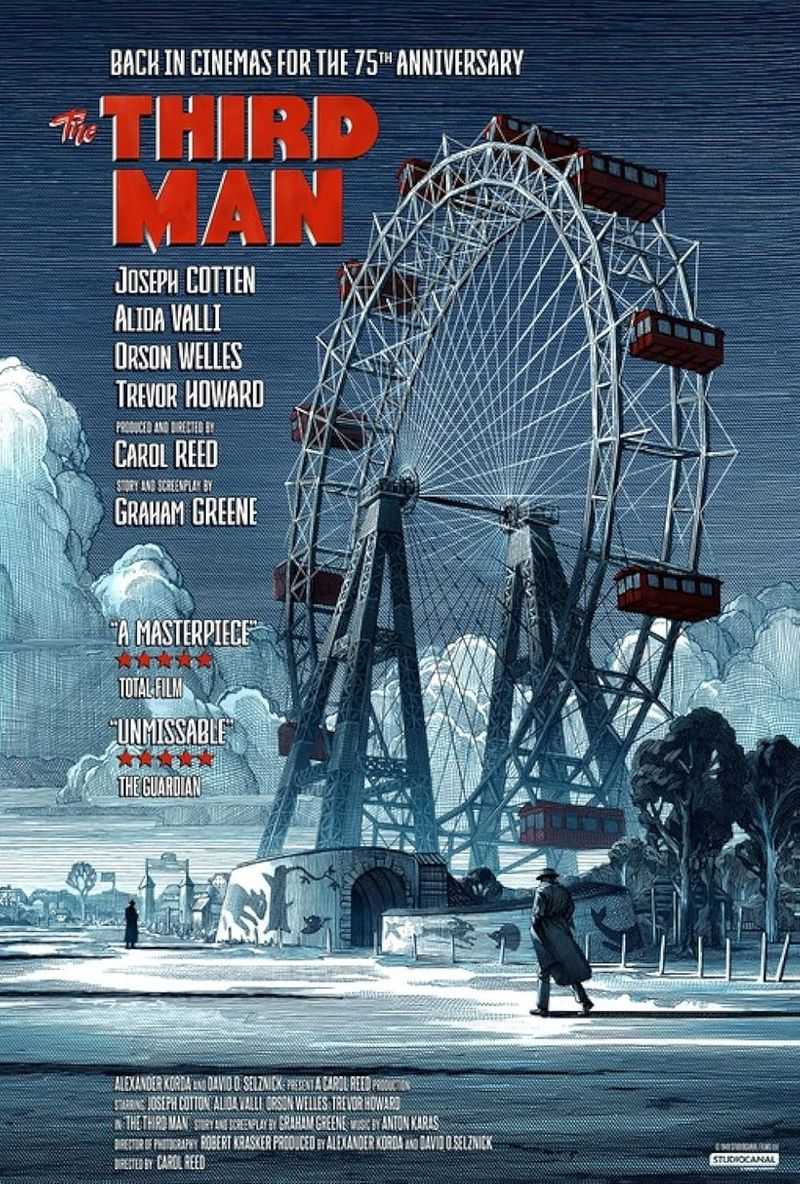
Set in the rubble of post-World War II Vienna, The Third Man follows a pulp novelist who arrives to visit a friend and finds himself tangled in a shadowy web of lies and black-market crime.
Carol Reed directed it with a visual style so distinctive that every tilted camera angle feels like the world itself is off balance.
The film’s moral center is genuinely unsettling.
The villain, played by Orson Welles, delivers one of cinema’s most chilling speeches justifying his crimes with a cold, almost logical elegance.
That kind of moral ambiguity hits harder now in a world where ethical lines blur constantly.
Anton Karas’s zither soundtrack is one of the most unforgettable in film history.
The Third Man rewards patient viewers with a story that lingers long after the final frame fades to black.
10. Metropolis (1927)
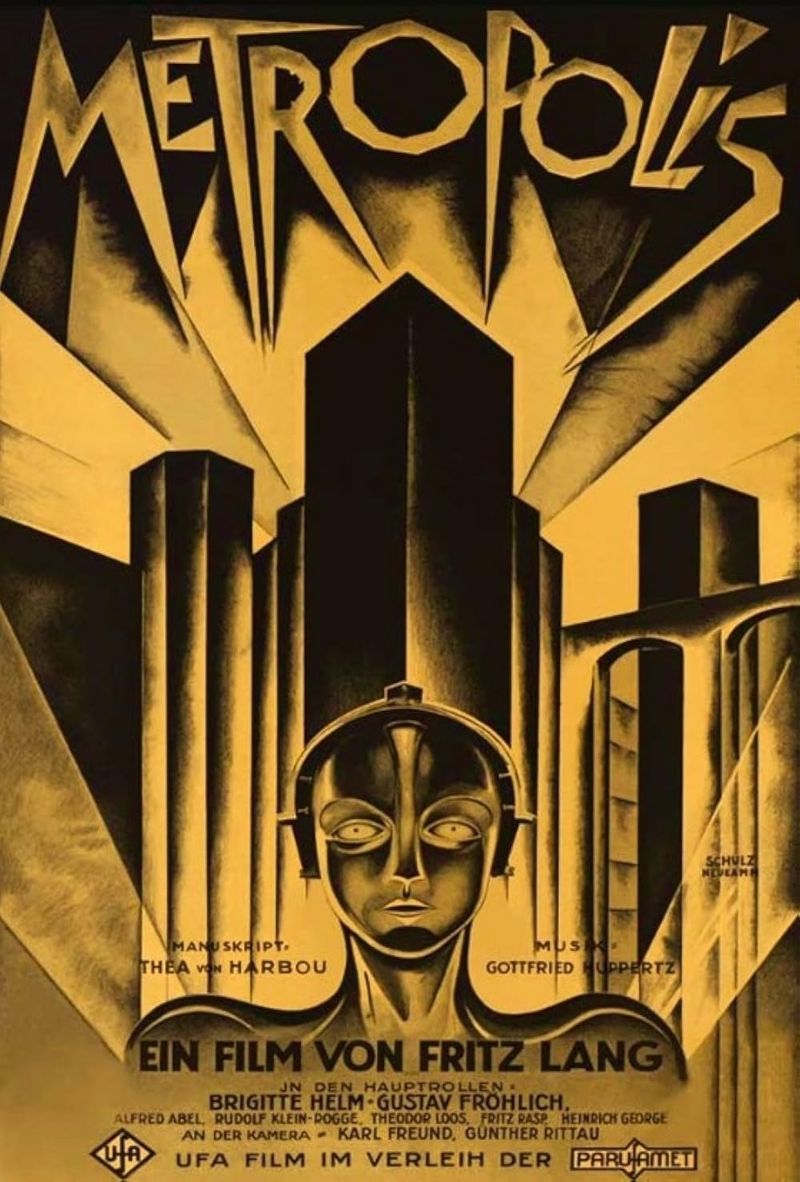
Fritz Lang made Metropolis in 1927, almost a century ago, and yet it looks like it could have inspired movies released last year.
The story of a gleaming city where wealthy elites live above ground while exhausted workers toil in underground machines below is not exactly subtle.
But its visual imagination is absolutely staggering.
The robot character Maria became the template for nearly every android in science fiction that followed, including C-3PO from Star Wars.
Themes of class inequality, worker exploitation, and the dangers of automation feel shockingly relevant in today’s conversations about wealth gaps and AI replacing human jobs.
For a silent film made nearly 100 years ago, Metropolis carries remarkable emotional and political weight.
Watching it today feels less like watching history and more like reading tomorrow’s headlines.
11. Rear Window (1954)
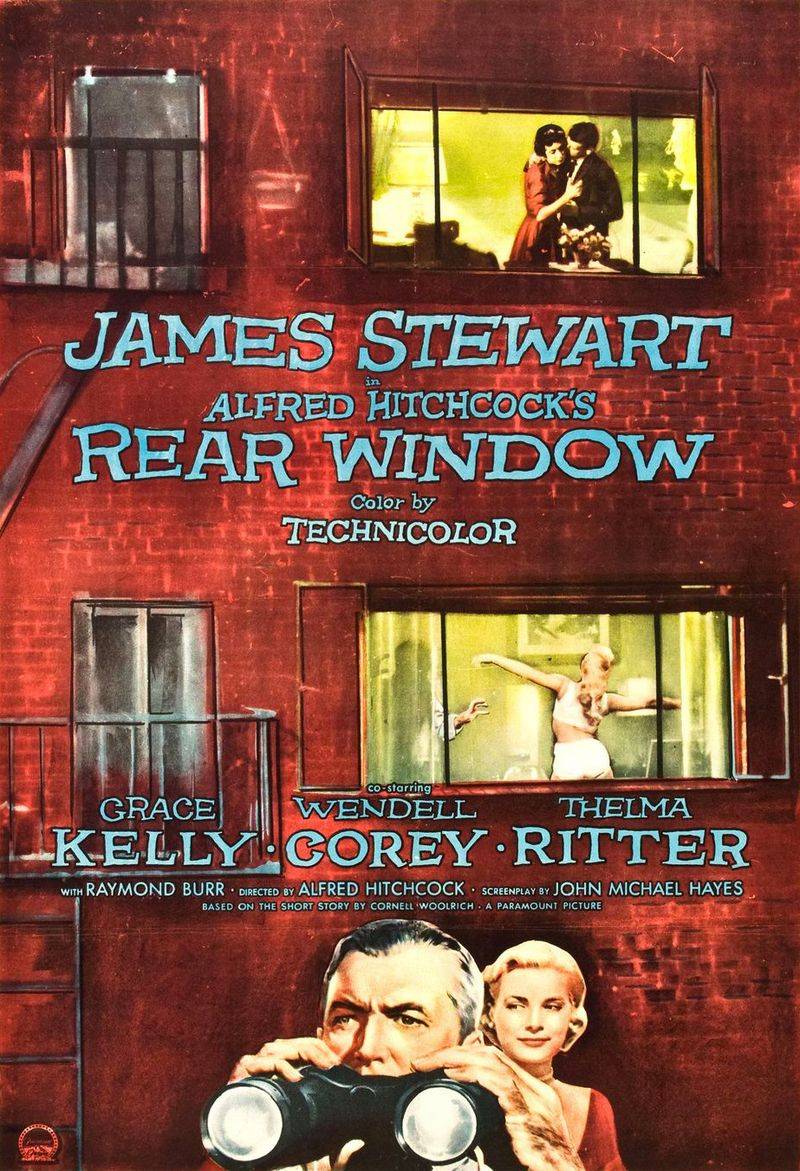
A man stuck in his apartment with a broken leg passes the time by spying on his neighbors through his rear window.
That simple setup from Alfred Hitchcock’s 1954 thriller was entertaining enough when it came out, but today it carries a whole extra layer of discomfort.
We live in a world of security cameras, social media stalking, doorbell cameras, and constant digital observation.
Rear Window now feels like a direct conversation about surveillance culture and the strange way modern technology has made voyeurs of us all.
The hero watches his neighbors the way we scroll through strangers’ Instagram stories.
Grace Kelly is luminous, James Stewart is perfectly cast, and the tension Hitchcock builds from a single window is masterful.
It is one of those films that becomes more thought-provoking with every new technological development in the real world.
12. Do the Right Thing (1989)
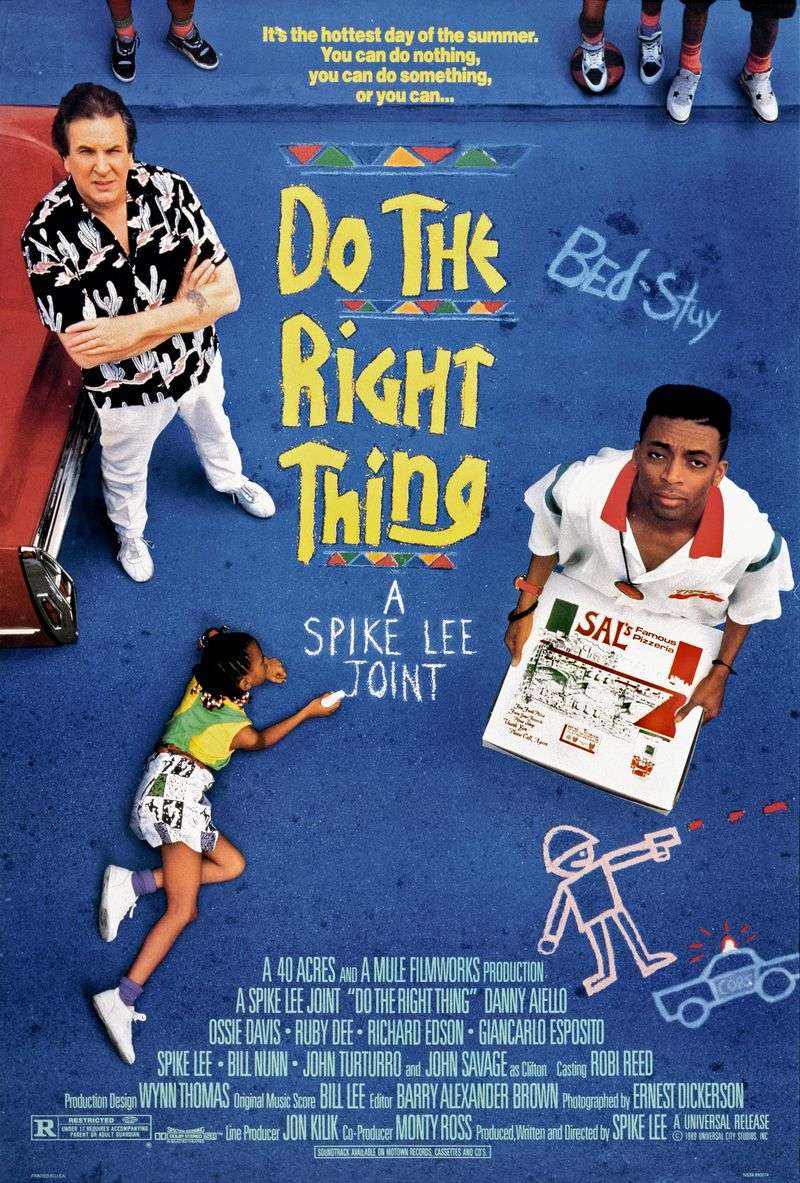
Spike Lee set his film on the hottest day of the year in a Brooklyn neighborhood, and the heat feels like it could ignite at any second.
When Do the Right Thing came out in 1989, some critics worried it would inspire real-world violence.
Others praised it as a bold, necessary film about racial tension in America.
No one could have predicted just how urgently relevant it would remain.
Conversations in the film about policing, systemic racism, and community frustration sound like they could have been recorded yesterday.
The film refuses to offer easy answers or a comfortable resolution, which made some viewers uneasy in 1989 and still does today.
Spike Lee was only 32 when he made it.
His fearless, vibrant direction turned a single Brooklyn block into a mirror for the entire nation, and that reflection has never looked clearer.
13. The Night of the Hunter (1955)
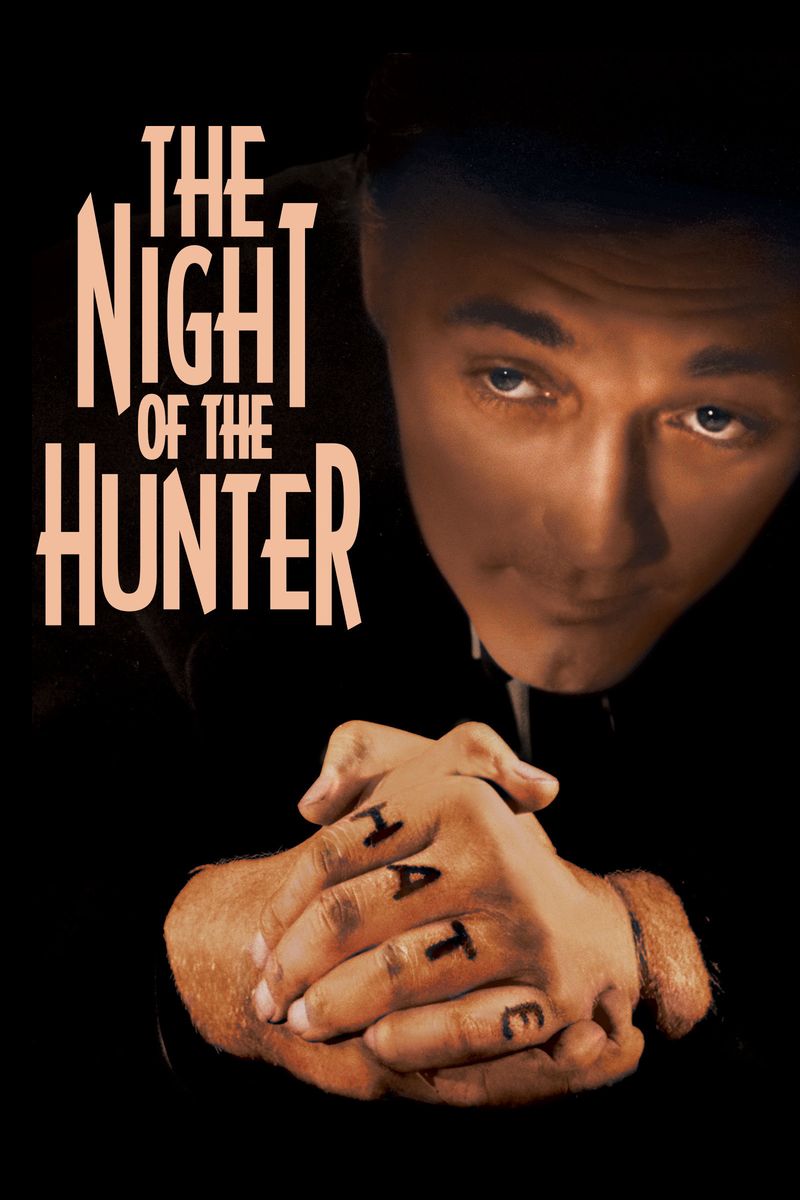
Only one film in his entire career was directed by the legendary actor Charles Laughton, and critics mostly shrugged when it came out.
The Night of the Hunter was considered too strange, too dark, and too visually odd for 1955 audiences who were not sure what genre it even belonged to.
Robert Mitchum plays a terrifying preacher with LOVE and HATE tattooed on his knuckles who hunts two children across a dark Southern landscape.
His performance is one of the most electrifying in all of American cinema, a genuinely scary portrayal of charismatic evil hiding behind religious language.
The film’s expressionistic black-and-white visuals look like a nightmare painted on film.
Today it is recognized as a masterpiece of American gothic storytelling, and its portrait of predatory manipulation dressed up as righteousness feels more relevant than ever.
14. The Iron Giant (1999)
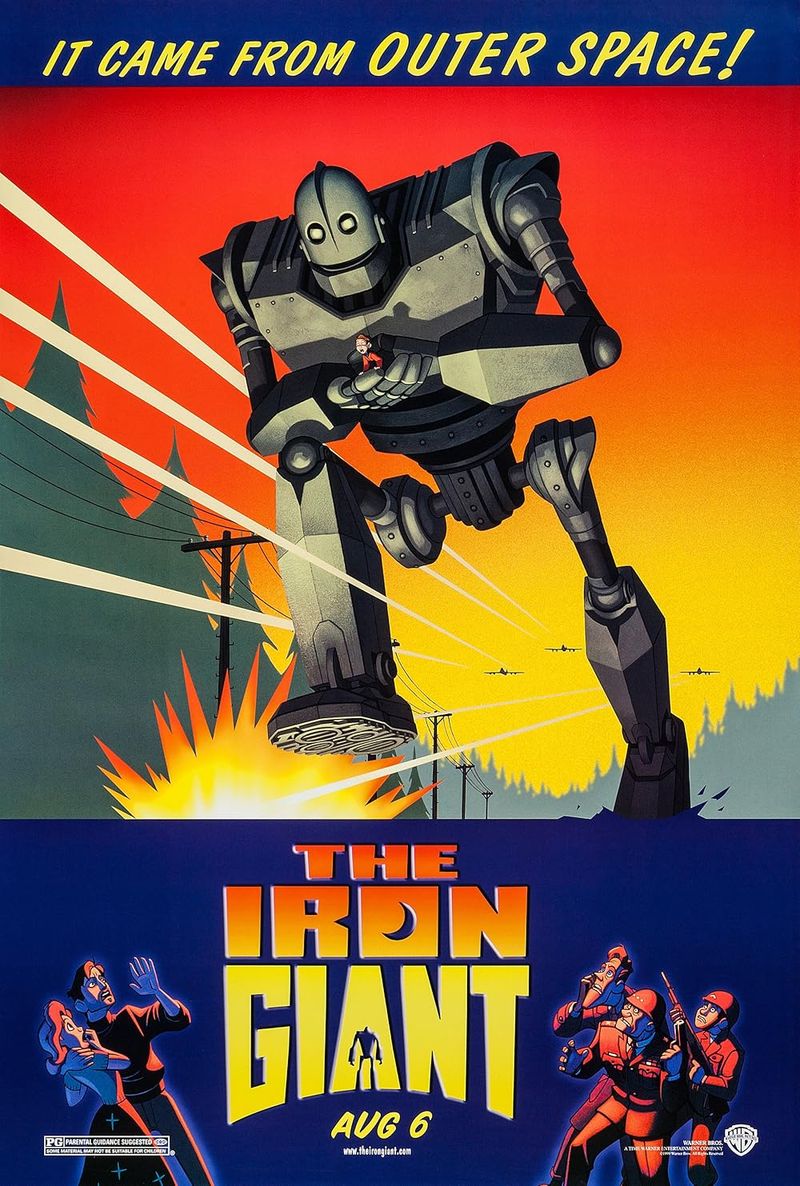
Brad Bird’s The Iron Giant opened in the summer of 1999 to warm reviews but disappointing ticket sales.
Warner Bros. barely promoted it, and audiences chose other films.
It came and went quietly, and that felt like a genuine injustice.
Then something beautiful happened.
Home video, cable television, and later streaming introduced the film to new generations of kids and parents.
Word spread that this was not just a good animated movie but a genuinely great one.
The story of a boy who befriends a giant alien robot carries an anti-war message wrapped inside an emotionally devastating climax that has made grown adults cry for 25 years.
The Iron Giant also tackles questions about identity and choosing who you want to be, themes that resonate deeply with young viewers today.
Its final scene remains one of the most quietly powerful moments in animation history.
15. It’s a Wonderful Life (1946)
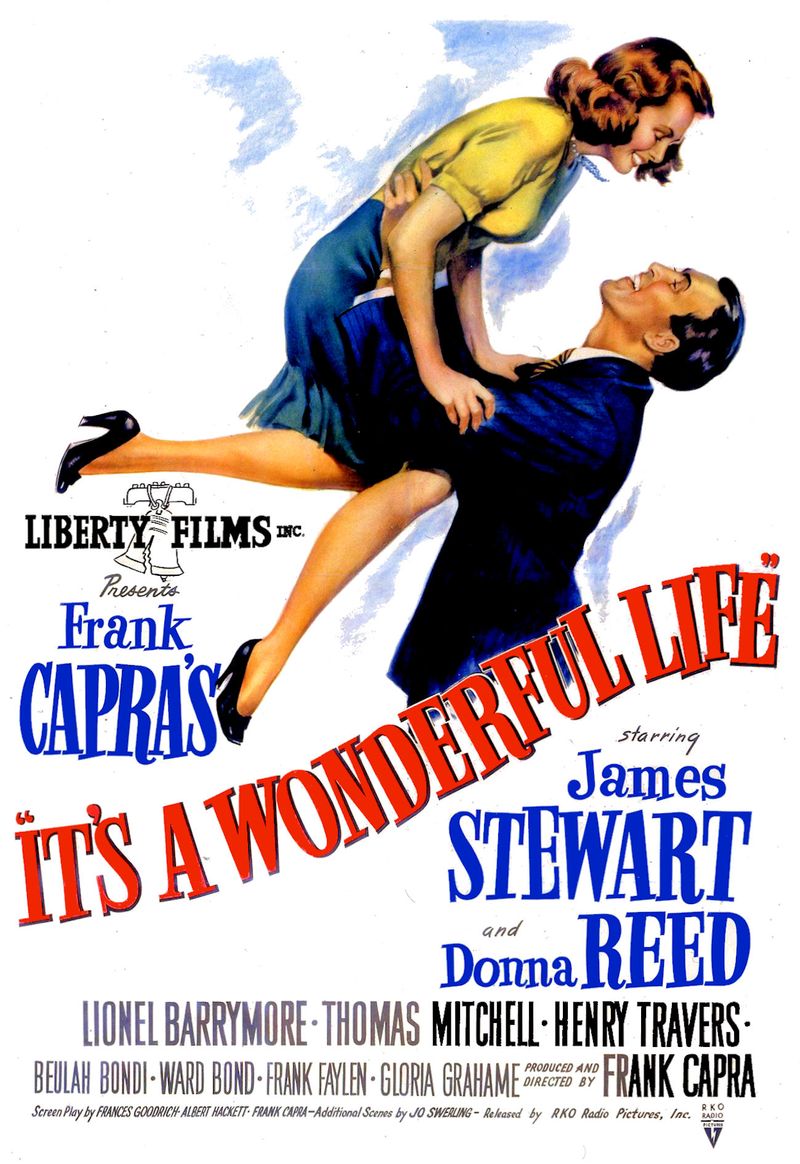
Frank Capra’s beloved holiday film was actually considered a flop when it opened in 1946.
It cost a lot to make and did not earn enough back, and the studio moved on.
For years it sat in relative obscurity until a copyright lapse in the 1970s allowed television stations to broadcast it freely every holiday season.
Suddenly, millions of families were watching it every Christmas.
George Bailey’s story of a man who wishes he had never been born and then discovers how much his life truly mattered became one of the most emotionally resonant films in American culture.
Today, in an era of anxiety, comparison culture, and social media pressure, the film’s message about the quiet but enormous value of an ordinary life hits differently and more powerfully than ever.
James Stewart’s performance is simply irreplaceable.