 MomSkoop

The 1950s are often remembered as a time of sock hops, drive-in movies, and white picket fences. But beneath that cheerful surface, everyday life included rules and attitudes that most people today would find shocking or deeply wrong.
Many behaviors that were totally normal back then are now illegal, widely condemned, or simply unrecognizable. Looking back at these forgotten norms is a powerful reminder of how much society has changed for the better.
1. Legally Enforced Racial Segregation
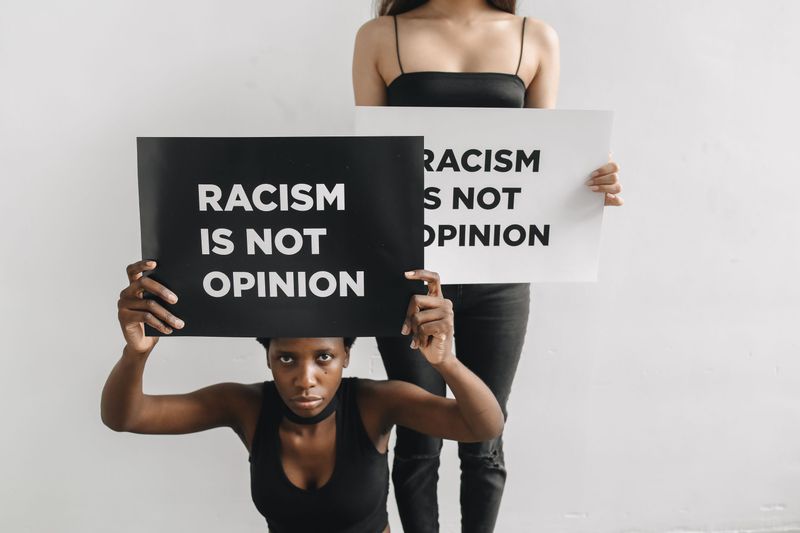
Imagine being told you cannot drink from the same water fountain as someone else simply because of your skin color.
That was daily life for millions of Black Americans in the 1950s.
Under laws known as Jim Crow, Black and white people were kept apart in schools, restaurants, buses, and hospitals.
The Supreme Court had declared segregation legal back in 1896 with its “separate but equal” ruling, even though the facilities were almost never equal.
Black schools received far less funding, and public spaces for Black Americans were often run-down and neglected.
The Civil Rights Movement of the 1950s and 1960s fought hard to dismantle these laws.
Today, enforced racial segregation is illegal and widely recognized as one of history’s greatest injustices.
2. Open Workplace Discrimination

Back in the 1950s, a job posting might openly state that only white men need apply.
Employers could legally turn away qualified candidates because of their race, religion, sex, or national origin without facing any consequences whatsoever.
Women who did manage to get hired were often passed over for promotions and paid significantly less than their male colleagues doing the exact same job.
Black workers, Jewish applicants, and others from minority groups faced walls of discrimination at nearly every turn.
The Civil Rights Act of 1964 changed everything by making workplace discrimination illegal.
Today, such blatant bias can result in serious lawsuits and public outrage.
The progress has been real, though many advocates argue there is still more work to be done.
3. Smoking Almost Everywhere

Hard to believe, but doctors once appeared in cigarette advertisements claiming their favorite brand was easy on the throat.
In the 1950s, smoking was everywhere — airplanes, hospital waiting rooms, offices, movie theaters, and even elementary school classrooms.
About 45 percent of American adults smoked during that decade, and it was considered sophisticated and even healthy by many.
Flight attendants handed out cigarettes on planes, and ashtrays were built into car dashboards as standard features.
The landmark 1964 Surgeon General’s report finally connected smoking to lung cancer and heart disease, slowly shifting public opinion.
Today, smoking is banned in most indoor public spaces across the country.
The cultural transformation from “cool habit” to serious health hazard happened remarkably fast by historical standards.
4. Strict Gender Roles

In the 1950s, the “ideal” American family had a clear script: Dad went to work, Mom stayed home, cooked dinner, and raised the kids.
Women who wanted careers were often seen as strange, selfish, or even threatening to the social order.
Girls were steered toward home economics classes while boys took shop.
Women who did work outside the home were funneled into low-paying roles like secretary, nurse, or teacher — rarely into leadership positions.
A married woman often could not even open a bank account without her husband’s signature.
The women’s liberation movement of the 1960s and 70s challenged these expectations head-on.
Today, women hold positions in every field imaginable, from astronauts to CEOs, though gender pay gaps and workplace barriers still exist in many industries.
5. Corporal Punishment in Schools

Getting sent to the principal’s office in the 1950s could mean more than just a stern lecture — it might mean a paddling.
Corporal punishment was a standard disciplinary tool in schools across the United States, and most parents fully supported it.
Teachers could strike students with rulers, paddles, or their bare hands for misbehaving, talking back, or even getting answers wrong.
The idea was simple: physical pain would teach obedience and respect.
Many adults who grew up in that era recall it as simply “the way things were.”
Research has since shown that physical punishment can cause emotional harm and does not effectively improve behavior.
Today, corporal punishment is banned in public schools in over 30 states, and many child development experts strongly oppose its use anywhere.
6. Routine Sexist Attitudes
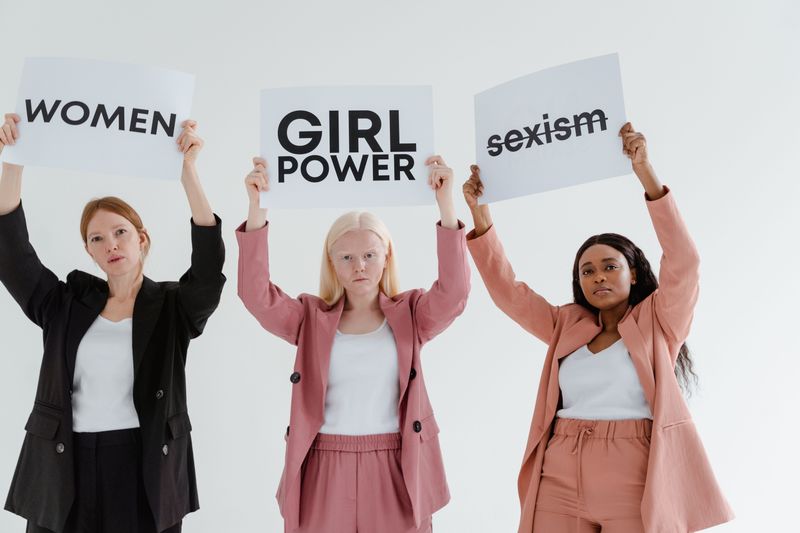
Sexism was not hidden in the 1950s — it was practically written into the rulebook.
Jokes about women being bad drivers or too emotional for serious work were considered harmless fun, repeated on television, in magazines, and around the office water cooler without a second thought.
Women were routinely passed over for promotions and paid less than men for identical work.
Some professions, like law, medicine, and engineering, were considered almost entirely male domains.
Female employees were often expected to make coffee, take notes, and smile pleasantly regardless of their actual job title.
The feminist movement forced a reckoning with these attitudes over the following decades.
While sexism has not disappeared entirely, openly expressing these views in a professional setting today would likely result in serious disciplinary action or social backlash.
7. Little Protection Against Harassment

The term “sexual harassment” did not even exist as a legal concept until the 1970s.
Before that, unwanted touching, lewd comments, and inappropriate advances in the workplace were largely treated as an unavoidable part of life for women.
Women who complained were often told they were being too sensitive, that they should be flattered, or that speaking up would cost them their job.
Many simply endured the behavior in silence because there was no formal process for reporting it and little chance of any outcome in their favor.
Legal protections began taking shape with Title VII of the Civil Rights Act and later court rulings.
Today, sexual harassment is illegal, and workplaces are required to have clear reporting policies.
The #MeToo movement further amplified how widespread and damaging this problem had always been.
8. Discrimination Against LGBTQ+ People

Being gay in the 1950s was not just socially risky — in many places, it was a criminal offense.
Same-sex relationships were illegal under sodomy laws in most American states, and LGBTQ+ individuals could be arrested, fired, or institutionalized simply for who they were.
The federal government actively purged gay and lesbian employees from government jobs during the so-called “Lavender Scare,” treating sexual orientation as a security threat.
Police regularly raided bars where LGBTQ+ people gathered, and newspapers sometimes published the names of those arrested to publicly shame them.
The Stonewall Riots of 1969 became a turning point for LGBTQ+ rights.
Decades of activism followed, leading to landmark legal victories including marriage equality in 2015.
The journey from criminalization to legal recognition represents one of the most dramatic civil rights shifts in modern American history.
9. Children Riding Without Safety Measures

Road trips in the 1950s looked very different from today.
Children bounced around freely in the back seat, babies sat on parents’ laps in the front, and nobody gave it a second thought.
Seat belts existed but were rarely installed in cars, and car seats for infants were not yet a safety standard.
At the time, cars were becoming faster and roads more crowded, but public awareness of crash risks for children was almost nonexistent.
Some families even let kids ride in the open beds of pickup trucks on highways.
The National Traffic and Motor Vehicle Safety Act of 1966 began pushing for safer cars.
Child safety seat laws were not passed in all 50 states until 1985.
Today, buckling up is not just common sense — it is the law, and for good reason.
10. Secondhand Smoke Around Children

Before the dangers of secondhand smoke were widely understood, lighting up around babies and toddlers was completely unremarkable.
Parents smoked at the dinner table, pediatricians smoked in their offices during checkups, and school bus drivers puffed away with a full load of kids behind them.
Tobacco companies actively targeted families in their advertising, with campaigns suggesting cigarettes were relaxing and even beneficial for health.
The idea that smoke could harm a nearby child who was not actually smoking would have seemed far-fetched to most people at the time.
By the 1980s and 90s, research on secondhand smoke was impossible to ignore.
Today, smoking around children is widely condemned, and many states have laws prohibiting it in cars with minors present.
The shift in public attitude has been dramatic and swift.
11. Mental Health Stigma

Feeling depressed or anxious in the 1950s was not something you talked about at the dinner table — or anywhere else, really.
Mental health struggles were widely seen as personal weakness, moral failure, or something to be ashamed of and hidden from the neighbors.
People dealing with serious conditions like schizophrenia or severe depression were often institutionalized in state hospitals where conditions could be harsh and treatments primitive, including lobotomies and electroshock therapy used without full understanding of their effects.
Women in particular were frequently dismissed as “hysterical” when they expressed emotional distress.
Thankfully, attitudes have shifted enormously since then.
Mental health awareness campaigns, better medications, and open conversations led by public figures have helped reduce stigma.
Seeking therapy today is widely accepted and even encouraged as a sign of self-awareness and strength.
12. Public Shaming of Unwed Mothers and Divorcees
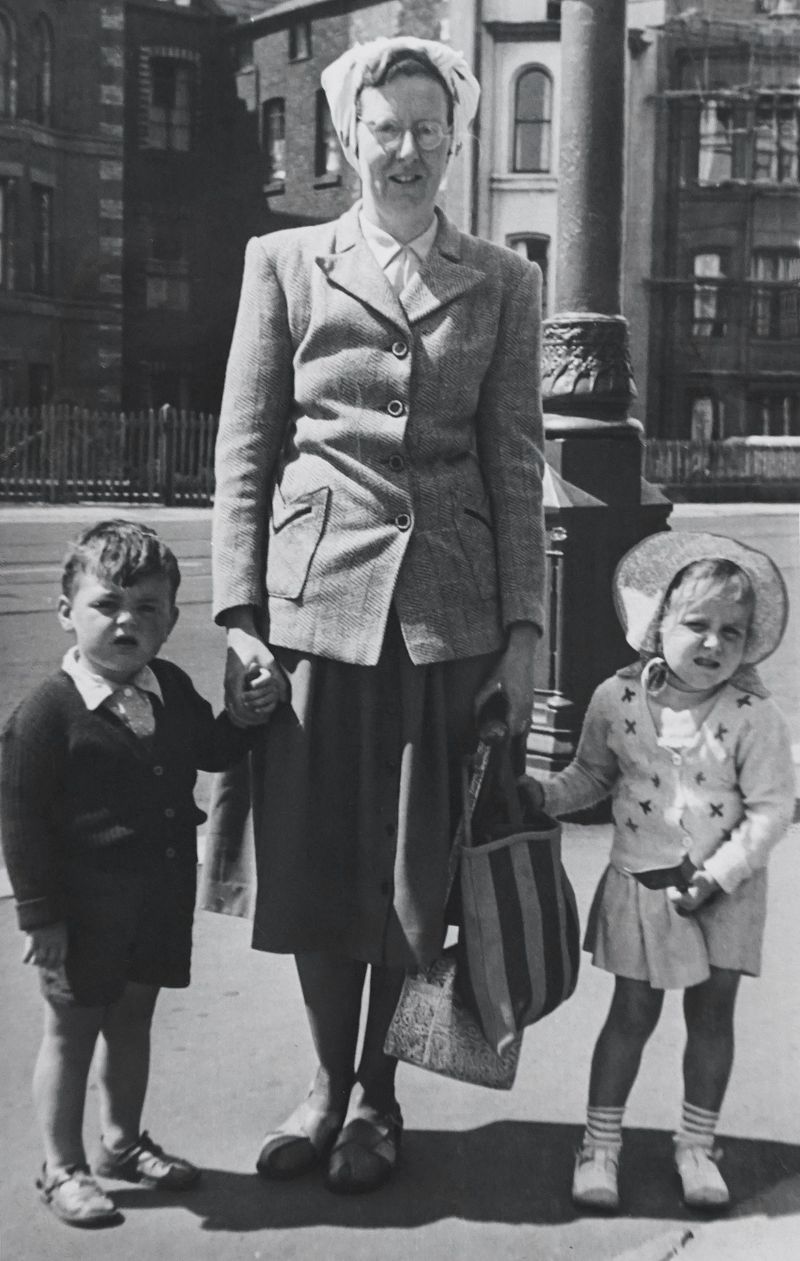
Getting pregnant outside of marriage in the 1950s could effectively destroy a woman’s reputation overnight.
Unwed mothers were often pressured to give up their babies for adoption, sent away to maternity homes in secret, or permanently labeled as immoral by their communities.
Divorce carried nearly as much stigma.
A divorced woman was frequently viewed with suspicion, pitied, or excluded from social circles.
Landlords could refuse to rent to her, and employers might question her character before hiring her.
Children of divorced parents sometimes faced teasing and social exclusion at school.
As divorce rates climbed through the 1960s and 70s and family structures diversified, these harsh judgments gradually softened.
Today, single parenthood and divorce, while still challenging, are recognized as personal matters rather than moral failures deserving public condemnation.
13. Casual Use of Ethnic and Racial Stereotypes

Flip through a 1950s magazine, watch an old TV commercial, or look at the era’s popular cartoons, and you will quickly notice something deeply uncomfortable: racial and ethnic caricatures were absolutely everywhere.
Exaggerated features, mock accents, and demeaning stereotypes were used to sell products, get laughs, and fill airtime.
Native Americans were reduced to war-whooping mascots.
Asian characters were drawn with exaggerated buck teeth and slanted eyes.
Black characters appeared in minstrel-style roles that reinforced harmful stereotypes.
These portrayals were not considered controversial — they were mainstream entertainment consumed by millions of families.
The civil rights era sparked serious conversations about media representation and dignity.
Today, such portrayals would trigger immediate public backlash and calls for accountability.
The evolution of media standards reflects a broader cultural reckoning with the harm these images caused and still cause.