 MomSkoop
Getting older comes with a lot of changes, and for many women over 60, one of the most unexpected shifts is finding themselves spending more time alone. Whether it’s due to loss, life transitions, or personal choices, the reasons behind this loneliness are often more complex than they appear.
Understanding these hidden factors can help women, and the people who care about them, take steps toward building more connected, fulfilling lives. Here’s a closer look at what’s really going on beneath the surface.
1. Loss of a Spouse or Partner
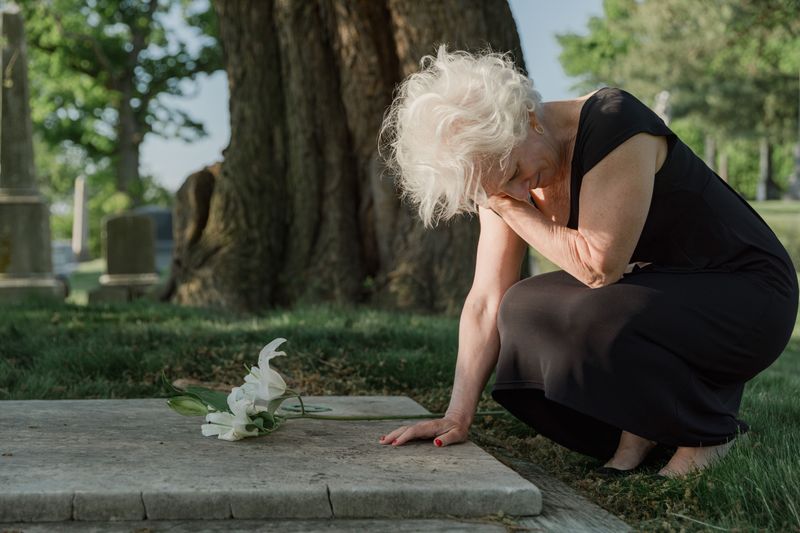
Losing a spouse or partner is one of the most life-altering experiences a person can face.
Widowhood affects millions of women over 60, and the silence that follows can be overwhelming.
Suddenly, daily routines built around another person simply disappear.
Gray divorce, or separating after decades together, is also on the rise.
Studies show that divorce rates among adults over 50 have doubled since the 1990s.
Many women find themselves starting over socially and emotionally at a stage of life when building new connections feels harder than ever.
Grief and adjustment take real time.
Reaching out to a counselor or support group can help ease the transition and open doors to new companionship.
2. Children Who Live Far Away
Back in the day, families often lived within a few miles of each other.
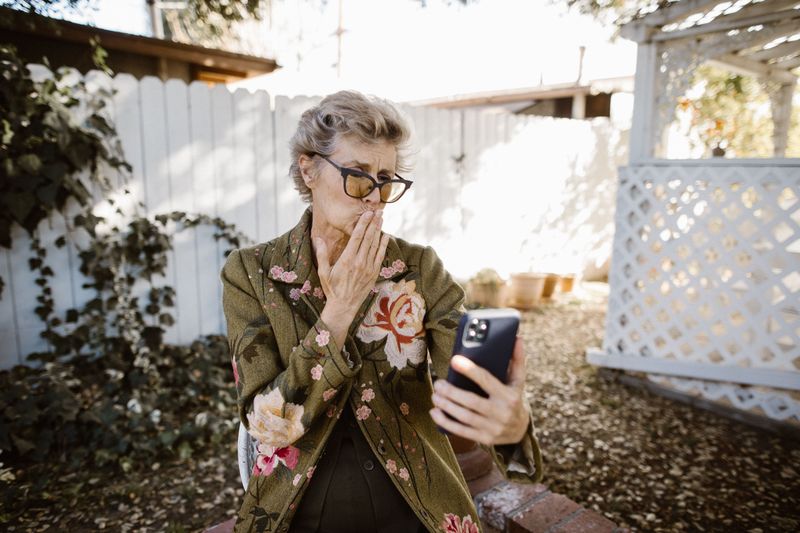
Today, adult children frequently relocate across the country or even overseas for career opportunities, partners, or a fresh start.
For many mothers, this shift creates a quiet but constant sense of absence.
Day-to-day companionship fades when kids are no longer nearby for Sunday dinners or casual drop-ins.
Phone calls and video chats help, but they can’t fully replace physical presence.
The emotional gap can grow wider over time without intentional effort on both sides.
Joining local community groups or volunteering can help fill that space with meaningful human connection closer to home.
3. Retirement Shrinks Social Circles
Work gives people more than a paycheck.
It provides structure, purpose, and a built-in social network that most people take for granted until it’s gone.
When retirement arrives, those daily hallway chats and lunch breaks disappear almost overnight.
Many women are surprised to discover how much of their social life was tied directly to their job.
Without that framework, weeks can pass without meaningful interaction.
The freedom of retirement can quietly turn into isolation if no plan is put in place.
Proactively joining clubs, taking classes, or even picking up part-time work can keep social energy alive.
Retirement works best when it’s treated as a new chapter, not just an ending.
4. Health or Mobility Challenges
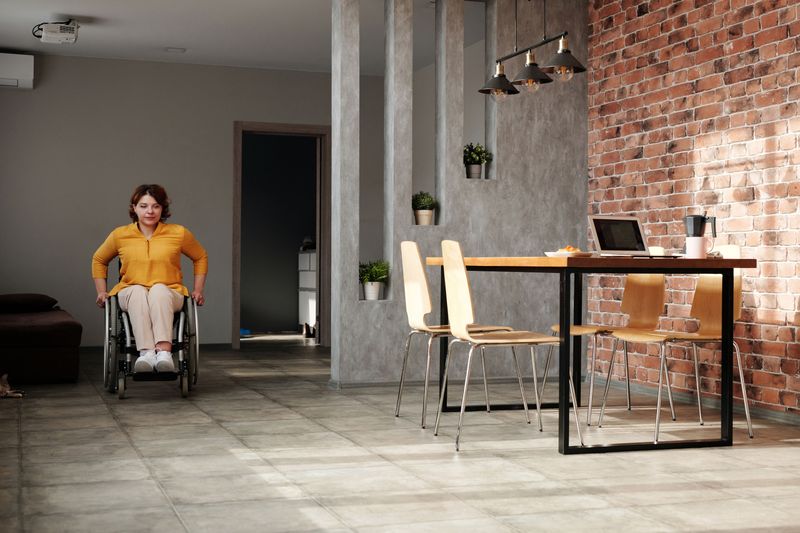
Chronic pain, limited mobility, or ongoing health conditions can quietly pull women away from the social world they once enjoyed.
Skipping one event turns into avoiding several, and before long, the habit of staying home becomes the default setting.
Physical challenges can also create feelings of embarrassment or being a burden to others.
Some women pull back from friendships rather than ask for accommodations or help with transportation.
That withdrawal, though understandable, can deepen loneliness faster than the health issue itself.
Technology offers some relief, from virtual book clubs to online fitness classes designed for seniors.
Small, consistent steps toward staying connected, even digitally, can make a real difference in overall well-being and mood.
5. Being Highly Independent
Independence is genuinely admirable, but taken too far, it can become a barrier.
Some women have spent decades handling everything on their own, raising kids solo, managing careers, and navigating challenges without leaning on anyone.
Over time, self-sufficiency can harden into an unspoken rule: I don’t need help.
That mindset, while powerful, can unintentionally push away people who want to offer support or companionship.
Friends and potential partners may feel unnecessary or unwelcome without realizing it.
Relationships require a certain level of mutual vulnerability to truly grow.
Learning to occasionally say yes to help, or simply to company, is not weakness.
It’s actually one of the most courageous things a fiercely independent woman can practice.
6. Narrowing Social Networks
Friendships that took years to build can unravel surprisingly quickly after 60.
Some friends relocate to be near their own grandchildren.
Others face serious illnesses, and some pass away entirely.
Each loss chips away at a social network that once felt solid and permanent.
Unlike earlier in life when new friendships formed naturally through school or work, making friends after 60 requires much more intentional effort.
Many women underestimate how hard this transition can be until they’re already feeling the emptiness.
The good news is that new, meaningful friendships are absolutely possible at any age.
Community centers, faith groups, fitness classes, and hobby clubs are all excellent places to start rebuilding a vibrant social world.
7. Fear of Being Hurt Again

Emotional scars don’t come with expiration dates.
A painful divorce, a deep betrayal, or the grief of losing a beloved partner can leave lasting imprints that make the idea of opening up again feel genuinely terrifying.
For many women over 60, the walls built for protection become the very thing keeping joy out.
Fear of vulnerability is completely human, but it can quietly become a life sentence of isolation if left unchecked.
Recognizing that not every new relationship will end in heartbreak is a crucial mental shift.
Therapy, journaling, or even honest conversations with trusted friends can help process old wounds.
Healing isn’t about forgetting the past; it’s about refusing to let it write the future.
8. Unrealistic Expectations in Dating

Dating after 60 comes with a unique set of challenges, and one of the biggest is holding on to an idealized image of what a partner should look like or be.
Comparing every prospect to a lost love or a fantasy standard means most real, flawed, wonderful human beings simply won’t measure up.
Perfectionism in romance isn’t just a young person’s problem.
Many women over 60 have refined their preferences so precisely over the years that the list of dealbreakers grows longer than the list of possibilities.
That narrowing can quietly close off genuine opportunities for connection.
Shifting focus from finding the perfect partner to finding a compatible one opens a much wider and more realistic door to meaningful companionship.
9. Not Prioritizing New Relationships
Friendships and romantic relationships rarely just fall into your lap after a certain age.
Building genuine connections requires showing up consistently, taking small social risks, and investing real time and energy.
For many busy or contented women over 60, this kind of deliberate effort simply doesn’t make the priority list.
Waiting for connections to happen organically, the way they seemed to in younger years, often leads to long stretches of unintended isolation.
Life doesn’t automatically deliver community to your doorstep anymore.
Making one new social plan per week, no matter how small, can gradually shift that pattern.
A coffee date, a class, or a neighborhood walk with an acquaintance can be the first step toward something lasting and deeply rewarding.
10. Changing Interests and Identity
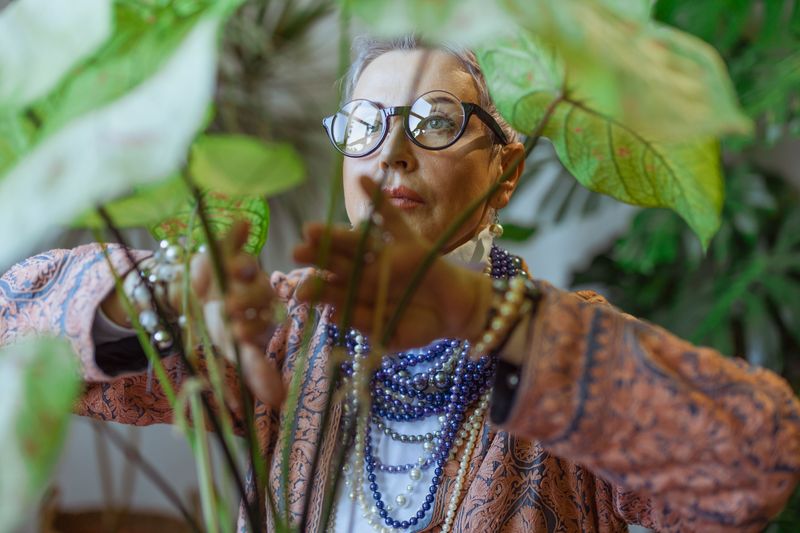
Major life transitions, like retirement, an empty nest, or the end of a long relationship, can leave a woman wondering who she actually is outside of her previous roles.
When your identity was wrapped up in being a mother, a wife, or a professional, losing those labels can feel disorienting and even lonely.
Old hobbies may no longer fit, and finding new communities that match an evolving sense of self takes time and experimentation.
Some women pull back from socializing during this uncertain period, which can deepen the sense of disconnection.
Exploring new interests, whether painting, hiking, writing, or traveling, is one of the most powerful ways to rediscover yourself and naturally attract like-minded people along the way.
11. Choosing Solitude Intentionally
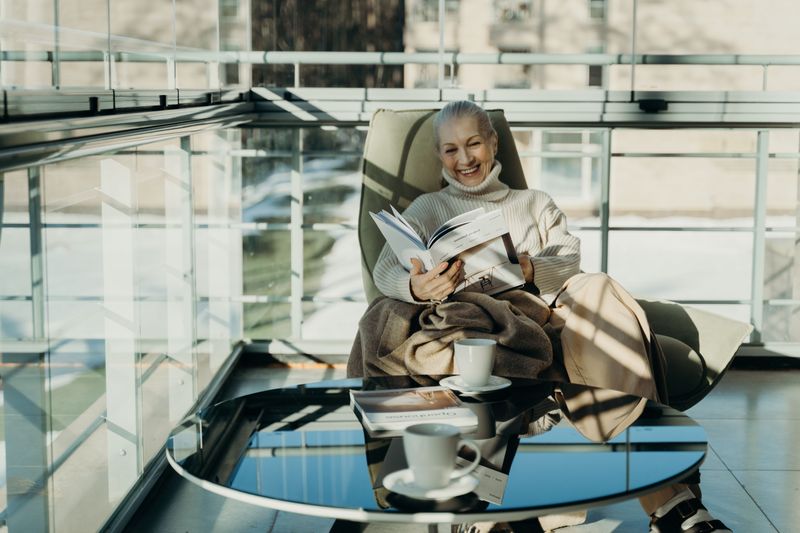
Not every woman who is alone after 60 is lonely.
For a growing number of women, solitude is a deliberate and deeply satisfying lifestyle choice rather than something that happened to them.
After decades of caregiving, compromising, and putting others first, having space and quiet can feel like a long-overdue gift.
Freedom to travel on a whim, decorate how you want, and spend time exactly as you please holds genuine appeal.
Many women in this group report high levels of happiness and personal fulfillment.
Society sometimes struggles to accept that a woman can be alone and truly thriving.
Choosing solitude wisely means staying socially engaged on your own terms, maintaining a few close relationships, and never letting independence slide into complete disconnection.