 MomSkoop
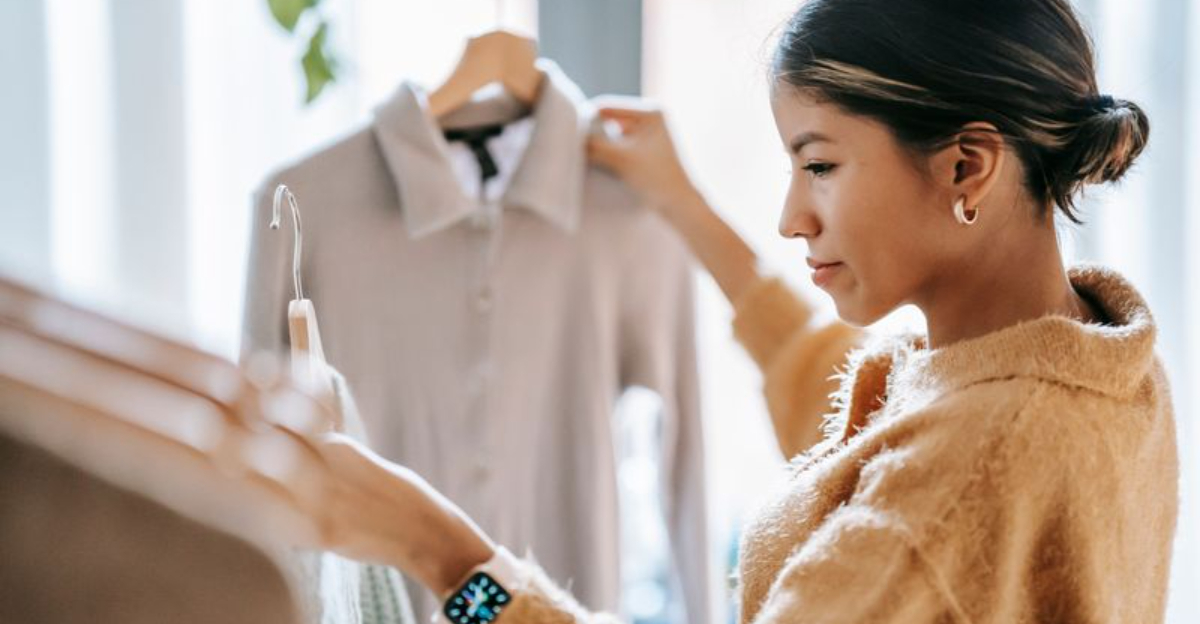
Most of us have at least one item hanging in our closet with the tags still on. You bought it with the best intentions, but somehow it never made it out of the house.
If your wardrobe is full of clothes you never wear, you are definitely not alone. Understanding why this happens can help you shop smarter and actually enjoy what you own.
1. They Romanticize Their Future Selves
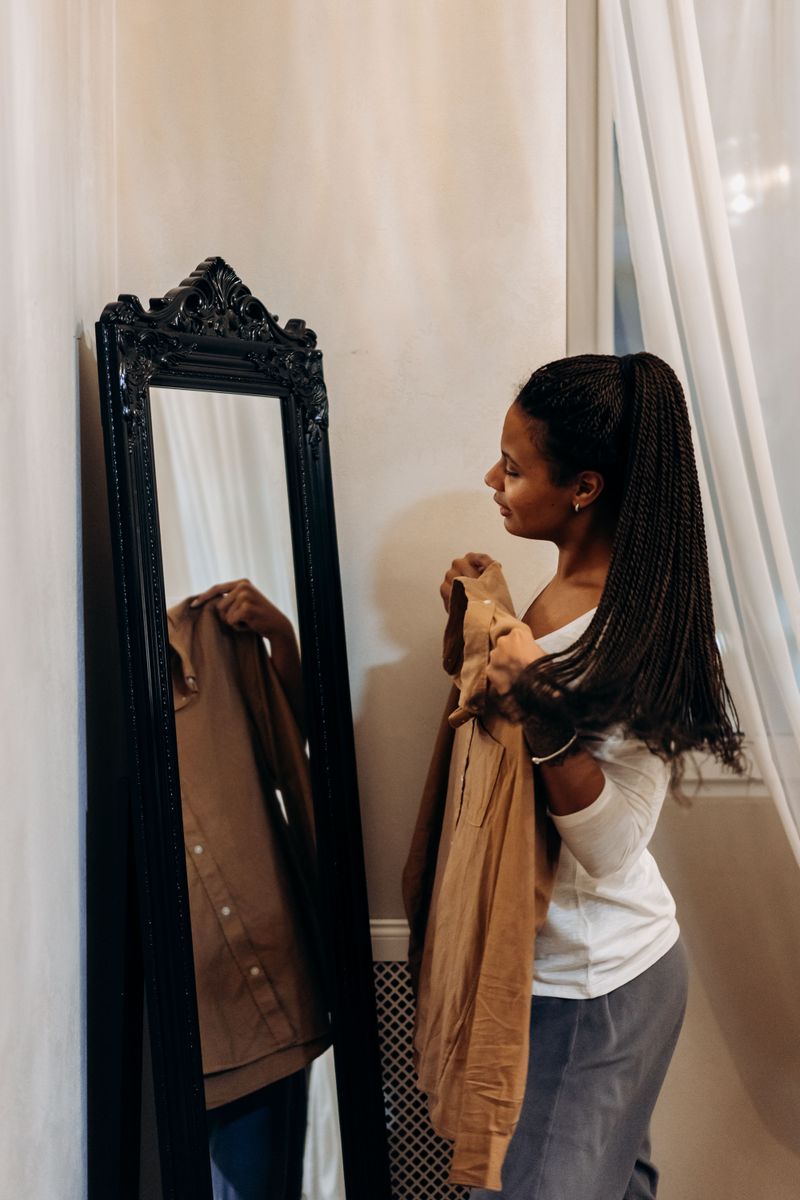
You spot a sleek blazer and suddenly imagine yourself as a confident, polished version of who you are today.
That imagined person wears it perfectly.
The problem?
You are shopping for someone who does not quite exist yet.
Many people buy clothes based on who they hope to become rather than who they actually are right now.
It feels motivating in the moment, but those items end up collecting dust.
Your current lifestyle deserves a wardrobe that fits it.
Next time you reach for something, ask yourself honestly if the person you are today would wear it this week.
That one question can save you a lot of money.
2. Emotional Shoppers Who Buy for a Mood Boost

Retail therapy is real.
When stress hits hard or a bad day drags on, walking into a store and buying something new can feel like an instant fix.
That rush of excitement is actually a small hit of dopamine, the brain’s feel-good chemical.
The trouble is, the mood lift fades fast, but the unworn clothes stick around.
Emotional shoppers often do not realize they are using purchases to manage feelings rather than fill a genuine wardrobe need.
Recognizing this pattern is the first step to breaking it.
Try swapping a shopping trip for a walk, a call with a friend, or a favorite snack.
Your emotions and your bank account will thank you.
3. Struggling to Tell Want from Need

When something catches your eye, it can feel absolutely necessary in that moment.
Your brain quickly convinces you that life will somehow be better with that item in your hands.
That blurry line between desire and need is one of the sneakiest traps in shopping.
People who struggle here often walk out of stores with things that seemed urgent but end up forgotten by the following week.
A helpful trick is to wait 48 hours before buying anything that is not on your planned list.
If you still think about it two days later, it might actually be worth getting.
More often than not, the urge fades and you realize you never truly needed it at all.
4. Highly Aspirational Dressers
Some wardrobes look like they belong to a completely different person.
Formal blazers, elegant gowns, and trendy pieces fill the space, while the owner leaves the house every day in jeans and a hoodie.
Aspirational dressers build closets around their goals, not their reality.
There is something genuinely exciting about having big dreams, and that energy often spills into shopping choices.
Wanting to dress for the life you desire is not wrong, but balance matters.
A wardrobe that mixes a few aspirational pieces with plenty of practical everyday options tends to work much better.
You can hold onto your ambitions without letting them turn your closet into a very expensive vision board.
5. Always Waiting for the Perfect Occasion
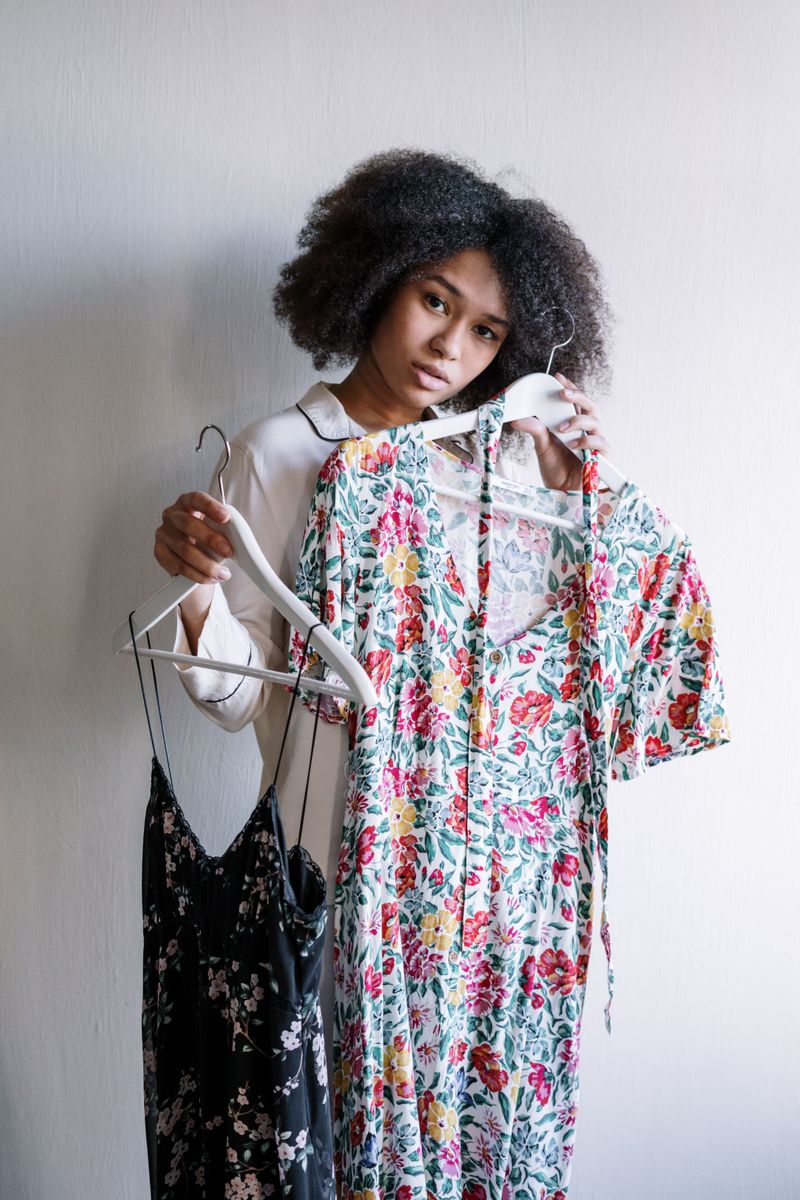
“I am saving it for something special.” Sound familiar?
Lots of people buy gorgeous pieces fully expecting a perfect occasion to magically appear.
The dress stays wrapped.
The shoes stay boxed.
The event never quite arrives.
Optimism is a lovely quality, but when it keeps clothes permanently on standby, it becomes a problem.
Life rarely delivers the exact moment you imagined when you bought something.
Wearing special items on ordinary days actually makes those days feel more memorable and meaningful.
You do not need a grand event to put on something you love.
Wearing that beautiful blouse to brunch or that nice jacket to the grocery store is more than enough reason.
6. Fear of Missing Out Drives Their Purchases

Flash sales, limited-edition drops, and “only 3 left in stock” warnings create a sense of urgency that is very hard to ignore.
When the fear of missing out kicks in, logical thinking tends to take a back seat.
The item feels less like a choice and more like a rescue mission.
Retailers understand this psychology extremely well and use it on purpose.
Recognizing that pressure for what it is can seriously change your shopping habits.
Ask yourself: would I still want this if it were available all year long?
If the answer is no, the scarcity is doing the convincing, not your genuine taste.
Walking away from a sale is not losing.
Sometimes it is the smartest win you can make.
7. Chasing the Thrill of Something New

Novelty is addictive.
There is something undeniably fun about unboxing a new outfit or pulling something fresh off a rack.
The newness itself feels like a reward, completely separate from whether the item actually fills a gap in your wardrobe.
For novelty seekers, the excitement peaks at purchase and drops quickly once the item is home.
Suddenly it looks a lot like the three similar shirts already hanging up.
This cycle repeats because the feeling being chased is not really about clothes at all.
It is about stimulation and variety.
Trying new experiences outside of shopping, like cooking a new recipe or exploring a new hobby, can satisfy that craving without filling your closet with duplicates.
8. Clothing as a Statement of Identity
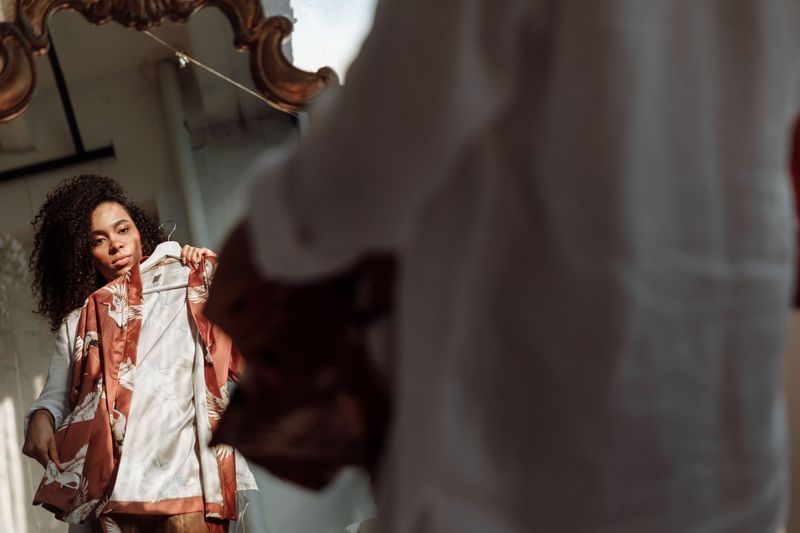
For many people, clothes are not just fabric.
They are a message about who you are or who you want the world to see.
Buying a certain style can feel like stepping into a new chapter of your personality, even before you have truly lived that chapter yet.
Identity-driven shoppers often collect pieces that represent different versions of themselves: the adventurer, the creative, the executive.
Each purchase feels meaningful and expressive.
The challenge is that a closet full of identities can leave you feeling overwhelmed rather than empowered.
Focusing on a style that feels genuinely true to your everyday life helps create a wardrobe you actually reach for, rather than one that just looks impressive on the hanger.
9. Difficulty Letting Go of Unworn Pieces
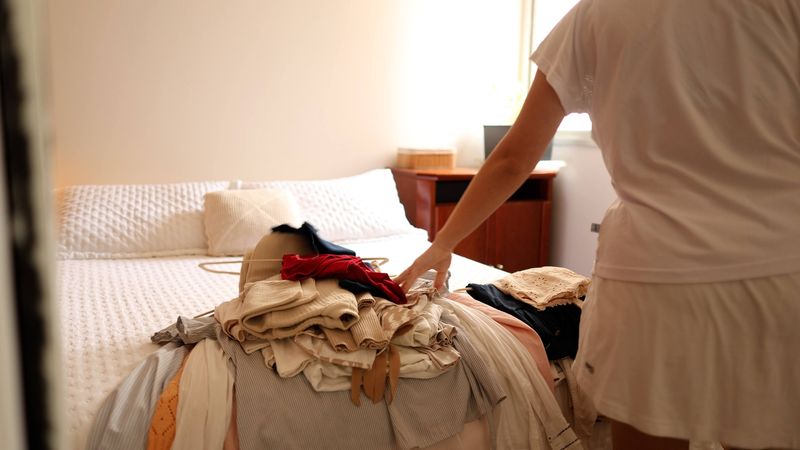
Getting rid of something you paid good money for feels like admitting defeat.
Even when a piece has never been worn, tossing it out seems wasteful and final.
This thinking keeps closets stuffed with items that serve no real purpose other than taking up space.
Psychologists call this the sunk cost fallacy: holding onto something because of what you already spent, even when keeping it no longer makes sense.
Letting go of unworn clothes does not erase the past purchase.
It frees up space, mental energy, and even a bit of guilt.
Donating to someone who will actually wear the item turns a stuck situation into something genuinely positive.
Your closet and your peace of mind will breathe easier.
10. Underestimating Practicality When Shopping
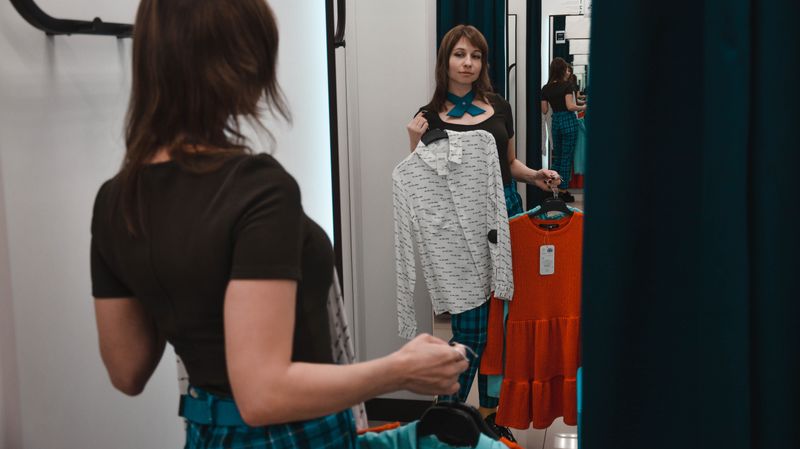
A pair of sky-high heels looks incredible on the shelf.
A silk blouse photographs beautifully.
But neither survives a regular Tuesday of commuting, school pickups, or long work shifts.
When appearance wins every decision, practicality loses every time.
Shoppers who skip the practical checklist often end up with stunning items that simply do not fit their real lives.
Before buying, running a quick mental test helps a lot.
Where would you actually wear this?
How often?
Can you wash it easily?
Does it work with things you already own?
These questions sound simple, but they prevent a surprising number of regret purchases.
Style and practicality are not enemies.
The best wardrobe choices manage to be both attractive and genuinely livable.
11. Easily Swayed by Social Media and Influencers
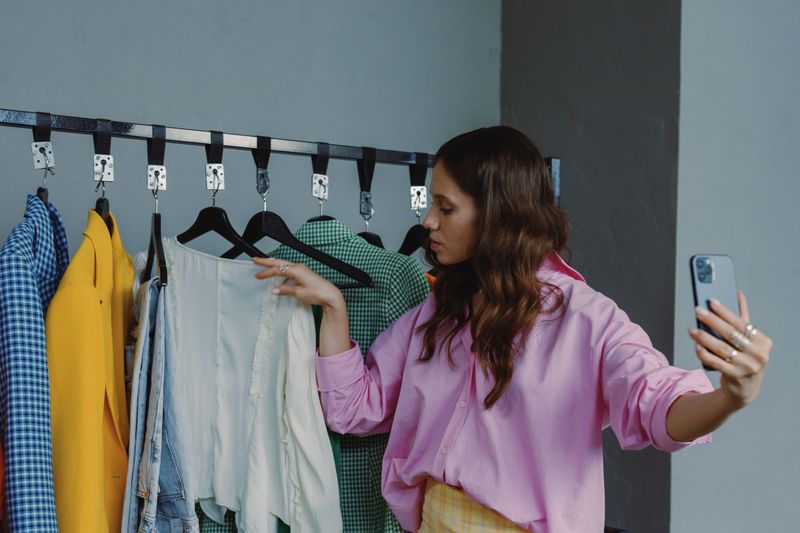
An influencer makes an outfit look effortless and stunning.
A friend posts a photo in something you have never considered, and suddenly it seems like something you desperately need.
Social media has a way of making clothes look far more wearable than they turn out to be in real life.
What works perfectly on a curated feed, with good lighting and a professional photographer, does not always translate to your actual Tuesday morning.
Influenced buyers often find themselves with trendy pieces that looked great online but feel awkward in person.
Following accounts that show a realistic range of styles, and pausing before clicking “add to cart,” can help break the scroll-and-shop cycle that leaves closets full and wallets empty.
12. Buying Feels Like Preparing for the Future
Buying new workout clothes feels like starting a fitness journey.
Picking up a polished suit feels like preparing for a big career move.
There is a satisfying sense of readiness that comes with a purchase, almost like checking something off a to-do list before the task has even begun.
The problem is that ownership is not the same as action.
Having the gear does not mean the goal gets done.
Many people unconsciously use shopping as a substitute for actually starting something they are nervous about.
If you notice yourself buying things to feel prepared rather than to fill a current need, it might be worth asking what is really holding you back.
The answer is usually not a missing outfit.
13. Shopping to Mark Emotional Milestones

A promotion at work, the end of a relationship, a stressful exam season, or the excitement before a vacation can all trigger a shopping trip.
Big emotional moments often come with an urge to mark them somehow, and buying something new feels symbolic and satisfying in the moment.
Milestone shoppers are not being reckless on purpose.
They are processing emotions through a very socially accepted outlet.
The clothes they buy often carry the weight of that moment, which makes them harder to wear casually later.
Recognizing that you shop during emotional peaks allows you to pause and choose a different way to honor the moment.
Journaling, celebrating with friends, or treating yourself to an experience can feel just as meaningful without the closet clutter.
14. Believing the Right Outfit Will Change Everything

There is a quiet hope attached to many clothing purchases: maybe this jacket will make me feel bold, or this dress will make me feel beautiful enough to finally go for what I want.
Clothes can absolutely influence mood and confidence to some degree, and that is not a myth.
But when the expectation is too high, even a perfect outfit falls short.
The confidence boost lasts about as long as the dopamine hit from buying it.
Real confidence tends to grow from actions, habits, and mindset shifts rather than from what is hanging in a closet.
A great outfit can support how you feel, but it rarely transforms it.
Knowing that difference keeps both your expectations and your wardrobe in a much healthier place.