 MomSkoop

Most guys want to make a great impression when dating, but some common habits quietly push people away without them even knowing it. Small things like talking too much, texting too often, or ignoring body language can seriously hurt your chances of building a real connection.
The good news is that once you recognize these patterns, changing them is easier than you think. Here are ten dating habits that might be holding you back and what to do instead.
1. Talking More Than Listening

You walk away from a date feeling great about yourself, but the other person barely got a word in.
Talking too much is one of the most common mistakes men make without realizing it.
When you dominate the conversation, your date feels invisible and unimportant.
Genuine curiosity is one of the most attractive qualities a person can have.
Asking thoughtful follow-up questions like “What made you choose that career?” shows real interest.
People remember how you made them feel, not just what you said.
Active listening means making eye contact, nodding, and responding to what was actually shared.
Try the 50/50 rule: talk half the time and listen the other half.
That balance can completely transform a date.
2. Coming Across as Desperate

Sending five texts when you haven’t gotten a reply to the first one is a fast track to scaring someone off.
Desperation has a way of leaking through even when you’re trying to hide it.
It creates pressure that makes the other person want to pull away instead of getting closer.
Attraction grows best when both people feel free, not chased.
Constantly seeking reassurance or pushing to define the relationship too early signals insecurity rather than confidence.
People are drawn to those who seem comfortable with themselves and their pace.
Give the connection room to breathe.
Respond thoughtfully rather than immediately every single time.
When you stop treating dating like a race to win, things tend to fall into place much more naturally.
3. Being Too Agreeable

Always saying yes might feel polite, but it actually works against you.
When you agree with everything just to avoid tension, you start to seem like you have no real personality.
People want a partner, not a yes-machine who mirrors everything back at them.
Having your own opinions, even when they differ from your date’s, is actually attractive.
It shows confidence and self-awareness.
You don’t need to start arguments, but respectfully disagreeing can spark interesting, memorable conversations.
Try sharing your actual thoughts on topics like travel, food, or hobbies.
Say things like, “I see it differently, actually” and explain why.
Authenticity is far more compelling than constant agreement, and it helps the other person see who you really are.
4. Neglecting Grooming and Appearance

You never get a second chance at a first impression, and appearance plays a bigger role than most guys want to admit.
Wrinkled clothes, unclean nails, or an unkempt hairstyle can send a silent message that you don’t put in much effort.
That message tends to stick.
Good grooming isn’t about looking like a model.
It’s about showing that you respect yourself and the person you’re meeting.
A fresh haircut, clean shoes, and clothes that fit well can make a huge difference in how confident you feel and how others perceive you.
Start simple: shower before every date, iron your shirt, and check your breath.
These small acts of self-care signal maturity and thoughtfulness.
When you look put-together, your date feels valued before you even say a word.
5. Complaining Too Much

Nobody wants to sit through a date that feels like a therapy session for someone else’s complaints.
Venting about your boss, trashing your ex, or listing everything wrong with your life sends a signal that you carry a lot of emotional baggage.
It drains the energy right out of a conversation.
Negativity is contagious, and it’s exhausting.
When every topic loops back to frustration or criticism, your date starts associating you with those bad feelings.
First dates especially should feel light, fun, and curious, not heavy and draining.
Practice shifting the focus.
If work comes up, mention one challenge but pivot to something you’re excited about.
Being honest about life’s difficulties is fine, but leading with optimism and energy makes you someone people genuinely want to spend more time around.
6. Only Talking About Yourself

Sharing your story is part of any good date, but when the spotlight never shifts, the whole thing starts to feel like a one-man show.
There’s a difference between being confident and being self-absorbed.
If your date barely gets a chance to share anything about themselves, something is off.
People feel most connected when they feel seen and heard.
Conversations should flow back and forth like a good game of catch, not like a monologue.
Asking about her experiences, opinions, and dreams signals that you genuinely care about who she is.
A simple habit fix: after sharing something about yourself, invite her in.
Try phrases like, “What about you?” or “Have you ever experienced that?” That small shift creates real dialogue and builds the kind of chemistry that keeps someone coming back.
7. Trying Too Hard to Impress

Dropping your salary into conversation, mentioning your car brand twice, or name-checking fancy places you’ve been can feel impressive in your head but land very differently in reality.
Overcooking the effort to impress often signals insecurity rather than success.
People sense when someone is performing instead of just being real.
True confidence doesn’t need a spotlight.
The most attractive version of yourself is relaxed, present, and genuinely interested in the other person.
Status and achievements are fine conversation topics, but they shouldn’t be the foundation of your personality on a date.
Let your qualities show up naturally through how you treat the server, how you listen, and how you carry yourself.
Those quiet moments reveal far more about your character than any highlight reel ever could.
Real impressions are built, not announced.
8. Ignoring Nonverbal Cues

Words only tell part of the story.
If your date is leaning away, giving short answers, or checking her phone, those are signals worth paying attention to.
Ignoring body language is like driving with your eyes closed and hoping for the best.
Reading nonverbal cues isn’t some mysterious superpower.
It’s about slowing down and actually observing the person in front of you.
Is she leaning in when you talk?
Making eye contact?
Laughing freely?
Those are green lights.
Crossed arms, short replies, and wandering eyes are the opposite.
When you notice signs of discomfort or disengagement, adjust your approach.
Lighten the mood, ask an open question, or simply check in.
Paying this kind of attention shows emotional intelligence, and that quality is genuinely rare and deeply attractive to most people.
9. Living Only for Dating
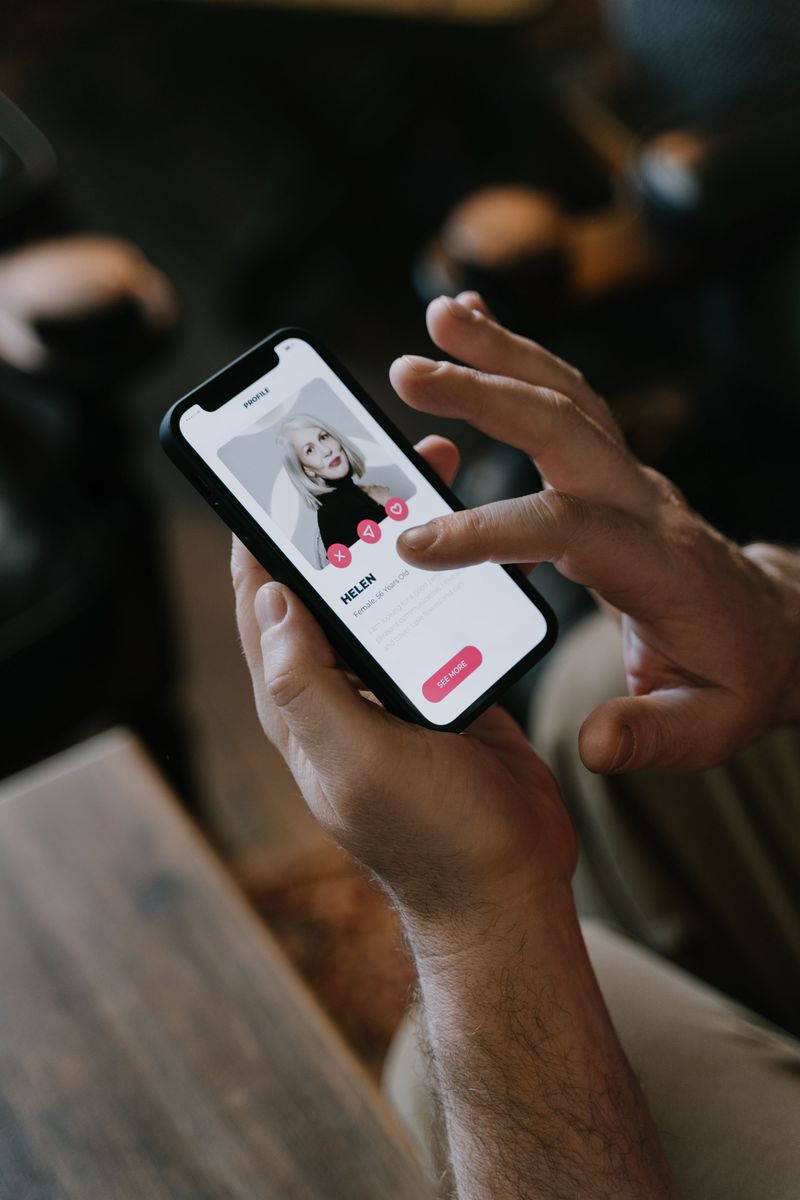
When dating becomes the entire center of your world, something quietly goes wrong.
You start measuring your worth by matches and replies, and every rejection feels catastrophic.
Ironically, making dating your whole personality actually makes you less attractive to the people you’re trying to connect with.
A full life is magnetic.
Hobbies, friendships, fitness goals, creative projects, and personal ambitions make you interesting and grounded.
When someone asks what you do for fun, having genuine answers beyond swiping apps is a game-changer in how they see you.
Think of dating as one part of a bigger, richer life, not the main event.
When you’re genuinely fulfilled on your own, you stop chasing validation from others.
That self-sufficiency is one of the most quietly powerful things you can bring to any relationship.
10. Taking Rejection Personally

Rejection stings.
There’s no way around it.
But treating every “no” as proof that something is fundamentally wrong with you is a mindset that quietly destroys confidence over time.
Most rejections have nothing to do with your value as a person.
Dating involves two people with their own histories, preferences, and timing.
Sometimes the chemistry just isn’t there, and that’s completely okay.
A person who wasn’t interested wasn’t the right match, and no amount of self-criticism will change that reality.
Start reframing rejection as useful information.
It narrows the field and points you toward someone who’s actually a better fit.
The most confident daters treat a “no” as a redirect, not a verdict.
Dust yourself off, keep showing up, and trust that the right connection is still out there waiting.