 MomSkoop

Aging is something we all go through, but the way we age has a lot to do with the choices we make every single day. Some habits quietly speed up the aging process without us even realizing it.
The good news is that most of these habits can be changed, and it is never too late to start. Here are ten common habits that might be holding you back from aging the way you deserve.
1. Skipping Sunscreen
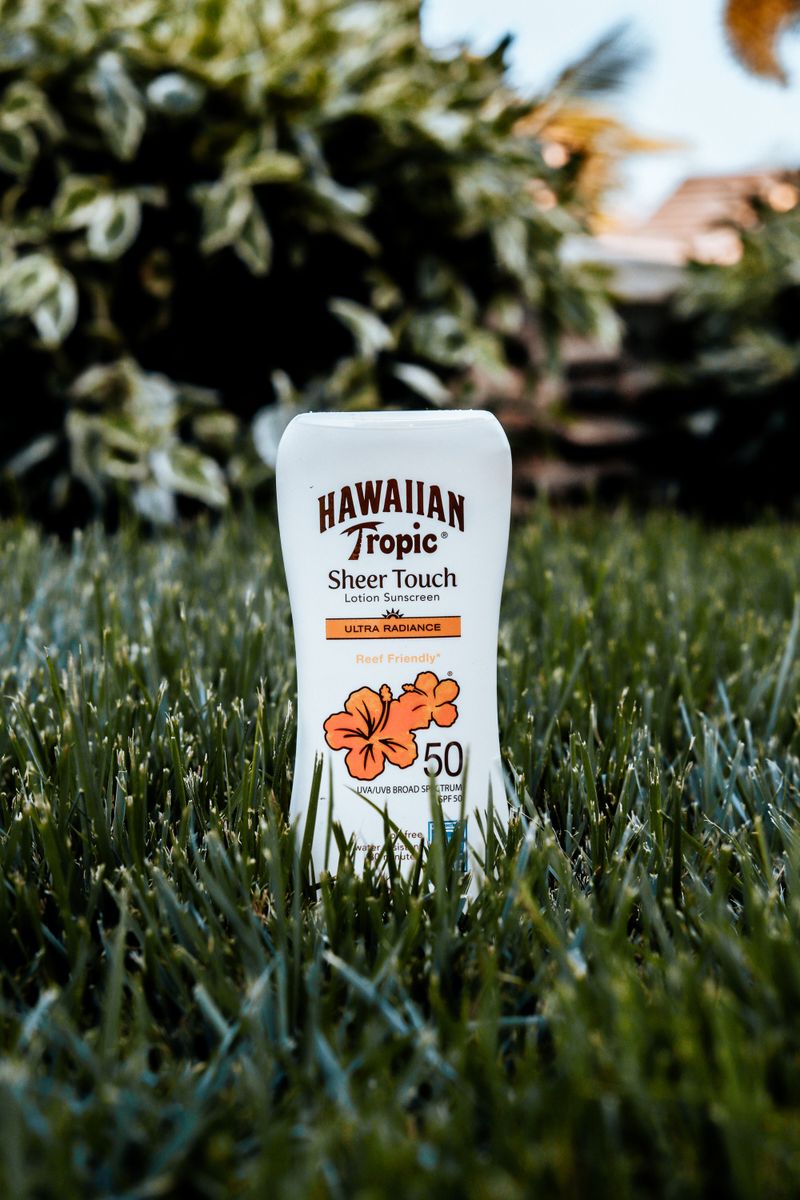
Every time you step outside without sunscreen, your skin pays the price.
UV rays from the sun are the number one cause of premature aging, responsible for wrinkles, dark spots, and the breakdown of skin elasticity.
Even on cloudy days, those rays are still reaching your skin.
Think of sunscreen as your skin’s daily armor.
Dermatologists recommend using at least SPF 30 every morning, even if you are just running errands.
The damage builds up over years, so the earlier you start protecting your skin, the better off you will be.
A simple two-minute habit each morning can make a massive difference in how your skin looks and feels decades from now.
2. Smoking
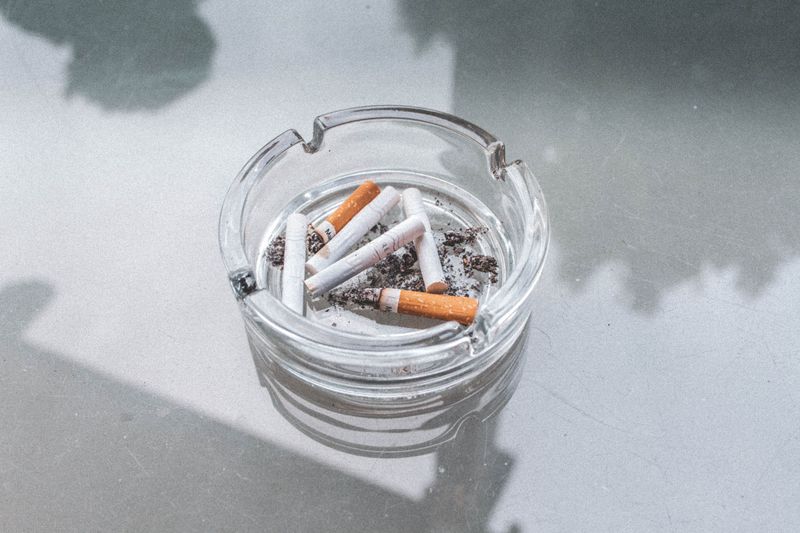
Smoking does far more damage than most people realize, and your skin is one of its biggest victims.
Every puff reduces blood flow to your face, starving your skin of the oxygen and nutrients it needs to stay healthy.
Over time, this causes deep wrinkles, a dull complexion, and a loss of that natural glow.
Nicotine also destroys collagen and elastin, the proteins that keep skin firm and bouncy.
That is why longtime smokers often look noticeably older than non-smokers of the same age.
Quitting smoking at any age brings real benefits.
Within months of stopping, circulation improves and skin begins to recover.
Your future self will absolutely thank you for making the switch.
3. Drinking Too Much Alcohol
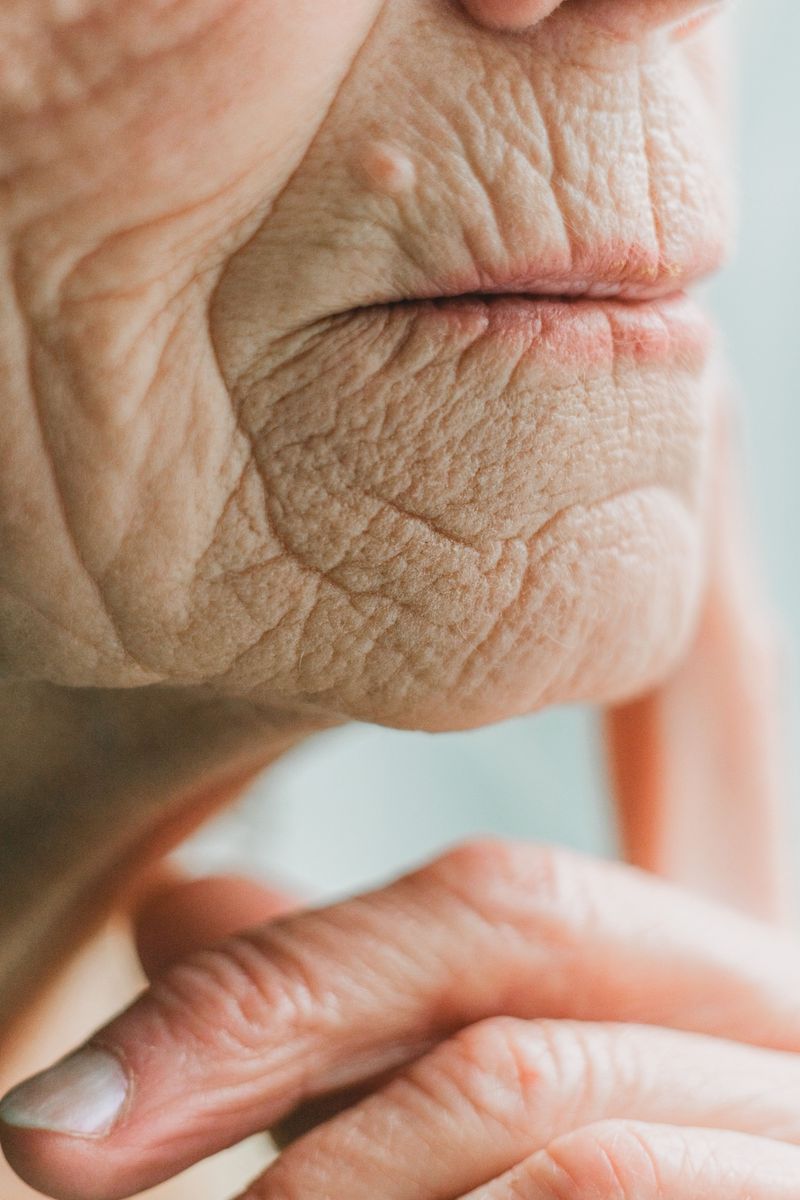
A glass of wine here and there is one thing, but regularly drinking too much alcohol takes a serious toll on how you age.
Alcohol is a diuretic, meaning it pulls water out of your body and leaves your skin looking dry, dull, and tired.
Chronic dehydration from drinking accelerates the appearance of fine lines.
Beyond the skin, heavy alcohol use disrupts your sleep cycles and triggers inflammation throughout the body.
Both of these effects speed up the aging process from the inside out.
Cutting back on alcohol does not mean giving up fun.
Swapping a few drinks for sparkling water with fruit can feel surprisingly refreshing, and your skin, sleep, and energy levels will all reflect the change.
4. Not Getting Enough Sleep

Sleep is when your body does its most important repair work, and skimping on it has consequences that show up on your face and in your health.
During deep sleep, your skin produces collagen, repairs damage, and regenerates cells.
Without enough rest, that process gets cut short night after night.
Chronic sleep deprivation also throws off your hormones, weakens your immune system, and has been linked to memory problems and increased risk of serious illness.
The bags under your eyes after a bad night are just the beginning.
Most adults need seven to nine hours of quality sleep each night.
Creating a consistent bedtime routine, dimming lights early, and putting away screens can make falling and staying asleep much easier.
5. Eating Too Much Sugar and Processed Food

Sugar might taste great in the moment, but your body pays for it over time.
When you eat too much sugar, a process called glycation occurs inside your body.
During glycation, sugar molecules attach to collagen and elastin fibers and make them stiff and brittle, leading to sagging skin and wrinkles.
Processed foods are equally problematic.
They are often loaded with salt, unhealthy fats, and additives that trigger inflammation, disrupt gut health, and rob your body of the nutrients it needs to function well.
Swapping out chips and candy for whole foods like fruits, vegetables, and lean proteins does not have to be boring.
Small, gradual changes to your diet can dramatically shift how you look and feel as you age.
6. Living a Sedentary Lifestyle

Sitting for most of the day has been called the new smoking, and for good reason.
A sedentary lifestyle causes muscle mass to decline faster, weakens bones, slows metabolism, and increases the risk of heart disease, diabetes, and other age-related conditions.
Regular movement, even just walking 30 minutes a day, helps keep your cardiovascular system strong, your joints flexible, and your mood lifted.
Physical activity also boosts circulation, which delivers nutrients to your skin and gives you that healthy, natural flush.
You do not need a gym membership to get moving.
Dancing in your kitchen, taking the stairs, or stretching during TV commercials all count.
The goal is to make movement a natural, enjoyable part of your everyday routine.
7. Chronic Stress

Stress is a normal part of life, but when it becomes a constant companion, it starts doing real damage.
Long-term stress keeps your body flooded with cortisol, a hormone that breaks down collagen, disrupts sleep, and fuels inflammation throughout the body.
That combination ages you faster than almost anything else.
Chronic stress has also been linked to a weakened immune system, increased risk of heart disease, and even shorter telomeres, which are the protective caps on your DNA that determine how quickly cells age.
Finding healthy outlets for stress is not a luxury; it is a necessity.
Regular exercise, time in nature, deep breathing, and strong social connections are all proven tools for keeping stress at a manageable level and protecting your long-term health.
8. Neglecting Strength Training
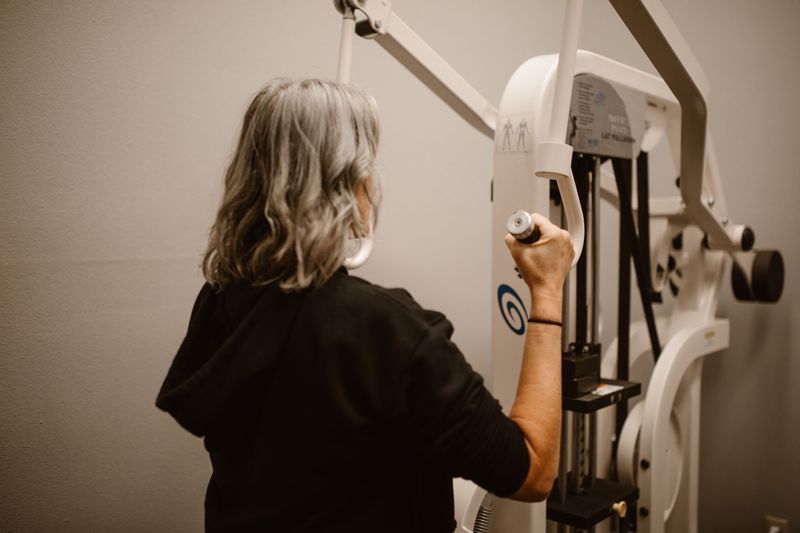
After the age of 30, adults can lose up to five percent of their muscle mass per decade if they do not actively work to maintain it.
That loss, known as sarcopenia, affects balance, metabolism, bone density, and your ability to do everyday tasks with ease.
Strength training two to three times a week reverses that trend.
Lifting weights or doing bodyweight exercises like squats and push-ups signals your body to build and preserve muscle tissue, even as you get older.
The benefits go beyond just looking toned.
Strong muscles protect your joints, reduce the risk of falls, and keep your metabolism running efficiently.
Starting a simple strength routine at any age is one of the smartest investments you can make in your future health.
9. Poor Hydration

Water is involved in nearly every process your body runs, from flushing out toxins to keeping your joints lubricated and your skin plump.
When you do not drink enough of it, those processes slow down and the effects show up quickly, especially on your face.
Dehydrated skin loses its elasticity faster, making fine lines more noticeable.
Beyond appearance, poor hydration affects kidney function, digestion, brain clarity, and energy levels.
Many people mistake dehydration headaches or fatigue for other problems entirely.
Most adults need around eight cups of water a day, though that number goes up with exercise or hot weather.
Carrying a reusable water bottle, eating water-rich foods like cucumbers and watermelon, and limiting caffeine can all help you stay consistently well-hydrated.
10. Ignoring Preventive Healthcare

Skipping your annual checkup might seem harmless, but preventive healthcare is one of the most powerful tools you have for aging well.
Regular screenings can catch high blood pressure, high cholesterol, diabetes, and even early-stage cancers before they become serious problems.
Early detection almost always means better outcomes.
Dental visits, eye exams, and recommended vaccinations are equally important.
Gum disease has been linked to heart disease, and vision changes caught early are far easier to manage.
These appointments are not just about treating illness; they are about staying ahead of it.
Think of preventive care as maintenance for your body, just like oil changes for a car.
Scheduling those visits consistently and keeping up with your health records is one of the most proactive things you can do for a longer, healthier life.