 MomSkoop

Most of us try to be kind and get along with others, but some habits can push people away without us even realizing it. Whether it happens at school, work, or home, certain behaviors quietly make others uncomfortable or frustrated.
The tricky part is that the people doing these things often have no idea how they come across. If you want stronger friendships and better relationships, it helps to know which habits are silently driving people away.
1. Constantly Interrupting People While They Speak

You finally get a chance to share something important, and someone cuts you off before you even finish your thought.
Few things feel as disrespectful as being interrupted repeatedly.
It sends a clear message that your words don’t matter.
Chronic interrupters often don’t realize they’re doing it.
They get excited or impatient and just blurt things out.
But over time, people start avoiding deep conversations with them altogether.
Breaking this habit starts with awareness.
Try counting to three silently after someone finishes speaking before you respond.
That small pause shows respect and gives others space to fully express themselves.
People will notice the difference and genuinely appreciate it.
2. Making Every Conversation About Yourself

Ever talked to someone who somehow turns every topic back to their own life?
You mention a vacation, and suddenly they’re telling you about their trip.
You share a struggle, and they immediately one-up it with their own story.
This habit can feel exhausting for the people on the receiving end.
It makes others feel invisible, like their experiences are just a springboard for someone else’s spotlight moment.
Good conversations are a two-way street.
Showing genuine curiosity about other people’s lives makes you instantly more likable.
Ask follow-up questions.
Listen without redirecting.
When people feel truly heard, they remember you as someone worth talking to again and again.
3. Never Admitting When You Are Wrong

Admitting a mistake takes courage, but refusing to do so takes a serious toll on your relationships.
Nobody is right 100% of the time, and pretending otherwise doesn’t make you look confident.
It actually makes you look insecure.
People who can never say “I was wrong” tend to twist facts, deflect blame, or go silent rather than own up.
Those around them quickly learn not to trust their judgment or count on honest communication.
Saying “you’re right, I messed up” is one of the most powerful things a person can do.
It builds trust, earns respect, and shows emotional maturity.
Ironically, admitting fault often makes people like and trust you more, not less.
4. Complaining About Everything

There’s a difference between venting occasionally and turning every single moment into a gripe session.
Chronic complainers drain energy from those around them.
After a while, people start mentally bracing themselves before spending time with someone who always finds something wrong.
Constant negativity creates a heavy atmosphere that others want to escape.
Even small complaints, repeated daily, can wear people down and make them reluctant to reach out.
Breaking the complaining cycle doesn’t mean pretending life is perfect.
It means making a conscious effort to balance criticism with appreciation.
Try mentioning one good thing for every complaint you voice.
Over time, this shift in mindset makes you far more pleasant and magnetic to be around.
5. Gossiping or Talking Badly About Others

Gossip might feel like harmless fun in the moment, but it quietly destroys trust.
When you talk badly about others, the person listening always wonders one thing: what do you say about me when I’m not around?
People who gossip frequently are often seen as untrustworthy, even if they’re fun to be around at first.
Over time, others pull back and stop sharing personal things, knowing their words might end up as tomorrow’s hot topic.
Real connection is built on loyalty and discretion.
If someone shares something private, keep it that way.
Choosing not to gossip signals to others that you’re someone safe, dependable, and genuinely worth trusting with the things that matter most.
6. Being Consistently Late Without Apologizing

Showing up late once in a while is understandable.
Life happens.
But being chronically late, and acting like it’s no big deal, sends a loud message: your time matters more than everyone else’s.
People who are always late without acknowledging it often frustrate even the most patient friends or coworkers.
It forces others to wait, reschedule, or cover for them, which builds quiet resentment over time.
A simple apology goes a long way. “Sorry I’m late, I really should have left earlier” shows self-awareness and respect.
Even better, work on the root cause.
Whether it’s poor planning or underestimating travel time, fixing the habit shows others that you genuinely value their time.
7. Ignoring Personal Hygiene or Cleanliness
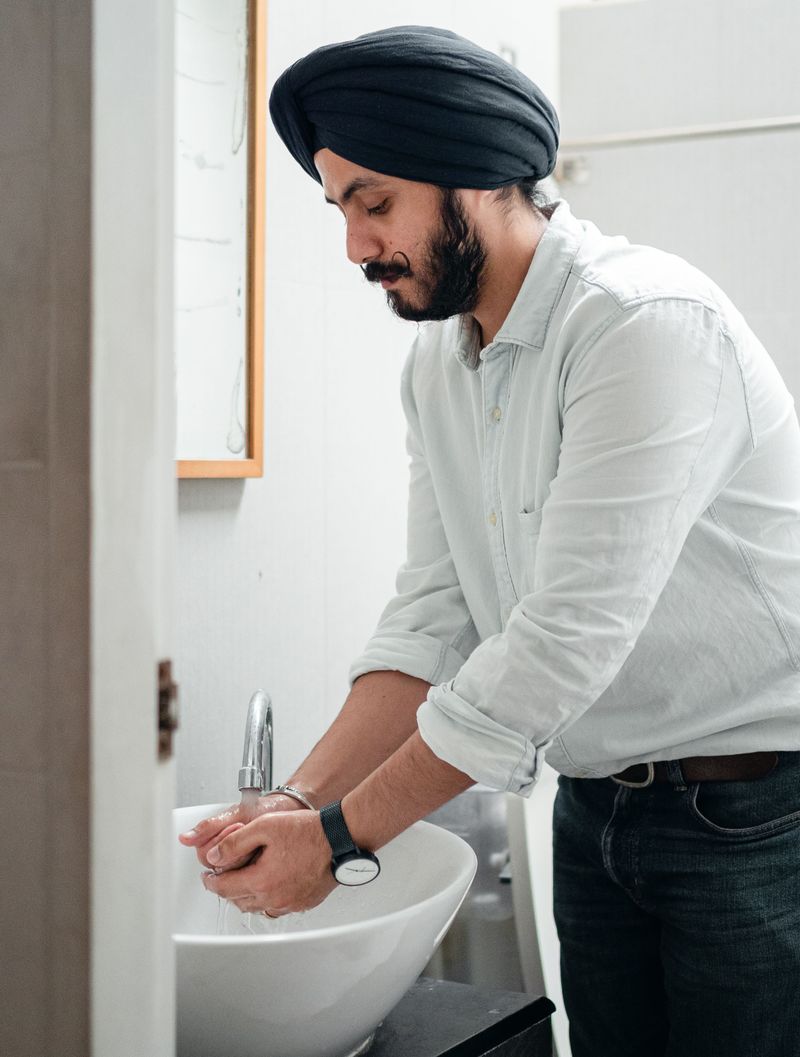
Personal hygiene is one of those topics nobody wants to bring up, but everyone notices.
Body odor, unwashed clothes, or consistently messy appearance can make social situations deeply uncomfortable for the people nearby.
Most people won’t say anything directly.
Instead, they quietly create distance, avoid sitting close, or stop inviting the person to group activities.
The social fallout can be significant, even if it’s never spoken aloud.
Taking care of your appearance isn’t about vanity.
It’s a form of respect for yourself and the people around you.
Simple routines like regular showers, clean clothes, and basic grooming take minimal effort but make a massive difference in how others perceive and interact with you.
8. Acting Arrogant or Looking Down on Others

Confidence is attractive.
Arrogance, on the other hand, is a fast way to make people secretly dislike you.
There’s a fine line between believing in yourself and making others feel small by comparison.
Arrogant people often speak over others, dismiss different opinions, or act as if they’re doing people a favor by being around them.
Even if they’re talented or successful, this attitude makes genuine connection nearly impossible.
True confidence doesn’t need to put anyone down to feel tall.
The most admired people in any room are those who lift others up, stay curious, and treat everyone with equal respect.
Humility and kindness are far more powerful than any achievement or status symbol ever could be.
9. Using Your Phone While Someone Is Talking to You

Few things sting quite like looking up mid-sentence and realizing the person you’re talking to is scrolling through their phone.
It’s a modern form of dismissal, and it happens all the time.
The message it sends?
Whatever is on that screen is more interesting than you.
Phone distraction during conversations is one of the most common complaints people have about others today.
It breaks focus, kills intimacy, and makes meaningful connection nearly impossible.
Putting your phone face-down or in your pocket during a conversation is a small gesture with a huge impact.
It signals presence, respect, and genuine interest.
People feel valued when you give them your full attention, and they remember that feeling long after the conversation ends.
10. Giving Unsolicited Advice All the Time

Helpful intentions don’t always lead to helpful actions.
When someone jumps in with advice before being asked, it can feel less like support and more like criticism.
It implies you think the other person can’t figure things out on their own.
Serial advice-givers often mean well, but the habit creates a dynamic where others feel judged rather than supported.
People stop sharing their problems because they know a lecture is coming instead of a listening ear.
The golden rule here is simple: wait to be asked.
When someone shares a problem, try responding with empathy first. “That sounds really tough” goes further than a five-step solution nobody requested.
Listening without fixing is a skill, and people deeply respect those who have it.
11. Bragging About Your Achievements or Possessions

There’s nothing wrong with being proud of what you’ve accomplished.
The problem starts when pride turns into a performance.
Constantly name-dropping achievements, salary figures, or expensive purchases signals deep insecurity, not genuine confidence.
Braggers often think they’re impressing people, but the opposite tends to happen.
Listeners feel uncomfortable, competitive, or simply bored.
After a while, people start avoiding conversations with someone who always seems to be keeping score.
Letting your actions and character speak for themselves is far more impressive than any verbal highlight reel.
Share accomplishments when it’s genuinely relevant, not to seek validation.
People are drawn to those who are quietly secure in themselves, not those who need constant applause to feel worthwhile.
12. Being Rude to Service Workers or Strangers

How someone treats a waiter, cashier, or janitor says everything about their character.
It’s easy to be polite to people who can do something for you.
Being kind to someone who can’t is a true test of who you really are.
People who snap at servers, talk down to retail workers, or ignore strangers who need help are quickly labeled as unkind.
Even if they’re charming to their close friends, this behavior reveals a side that others find deeply off-putting.
Basic decency costs nothing.
A thank-you, a smile, or a moment of patience can make someone’s entire shift better.
And those watching?
They quietly file it away as one of the most telling signs of a person’s true character.
13. Breaking Promises or Being Unreliable

Reliability is the foundation of every strong relationship.
When someone consistently cancels plans, misses deadlines, or breaks promises, people stop counting on them.
And once trust is gone, it’s incredibly hard to earn back.
The tricky thing about unreliability is that it often comes with good excuses.
But over time, even the best excuse stops working.
People start to realize the pattern and quietly lower their expectations, or pull away entirely.
Following through on commitments, even small ones, builds a reputation that money can’t buy.
If you say you’ll call, call.
If you make a promise, keep it.
Being the person others can genuinely count on is one of the most valuable and attractive qualities anyone can develop.
14. Never Listening, Only Waiting for Your Turn to Speak

Real listening is rarer than most people think.
Many people aren’t actually listening during a conversation.
They’re just waiting, mentally rehearsing what they want to say next the moment there’s a pause.
This habit makes others feel unseen and unimportant.
When your response has nothing to do with what the other person just said, it becomes obvious you weren’t paying attention.
That realization stings, and it quietly damages the relationship.
Active listening means staying fully present, making eye contact, and responding to what was actually said.
It means asking questions that show you absorbed what you heard.
People who genuinely listen are magnetic, rare, and deeply valued.
In a world full of noise, being truly heard is one of the greatest gifts you can offer someone.