 MomSkoop

Fashion today is all about personal expression, comfort, and breaking the rules. But step back to the 1950s, and many of our go-to everyday outfits would have caused serious double-takes.
Back then, strict dress codes and social expectations shaped what people wore in public. From ripped jeans to visible tattoos, here are 16 modern fashion choices that would have left 1950s folks absolutely speechless.
1. Ripped Jeans

Picture walking down a 1950s Main Street in jeans with holes ripped across the knees.
People would have assumed you simply couldn’t afford new clothes.
Back then, worn-out clothing was a sign of poverty, not style.
Denim itself was mostly workwear or casual wear for young people, but it was always expected to look neat and intact.
Deliberately distressing fabric would have seemed wasteful and strange.
The idea of paying extra for pre-ripped jeans would have been completely baffling.
Today, distressed denim is a multi-billion dollar fashion category.
Ripped jeans didn’t go mainstream until the punk and grunge movements of the 1970s and 1990s pushed them into everyday wardrobes.
2. Leggings as Pants

Leggings worn as standalone bottoms are so common today that most people don’t think twice about them.
In the 1950s, however, form-fitting stretch pants worn without a skirt or dress over them would have been considered deeply inappropriate for public settings.
Tight, body-hugging garments were associated with athletic activity or undergarments, not street fashion.
A woman stepping out in leggings alone would have drawn shocked stares and possibly been asked to cover up.
Modesty in silhouette was a real social expectation.
The athleisure revolution that made leggings a wardrobe staple didn’t arrive until the 1980s and beyond.
Today, they come in every pattern imaginable and are worn absolutely everywhere without a second thought.
3. Mini Skirts

Hemlines in the 1950s told a very clear story.
Skirts and dresses were expected to fall below the knee, and anything significantly shorter was considered scandalous.
A mini skirt showing off the thighs would have been jaw-dropping.
The mini skirt didn’t burst onto the fashion scene until designer Mary Quant popularized it in the mid-1960s, making it a symbol of youth rebellion and changing social attitudes.
Before that cultural shift, such a short hemline simply didn’t exist in mainstream fashion.
Today, mini skirts are a wardrobe classic worn by people of all ages.
It’s hard to imagine that just a few decades ago, showing that much leg in public would have been considered outrageous and even indecent.
4. Crop Tops
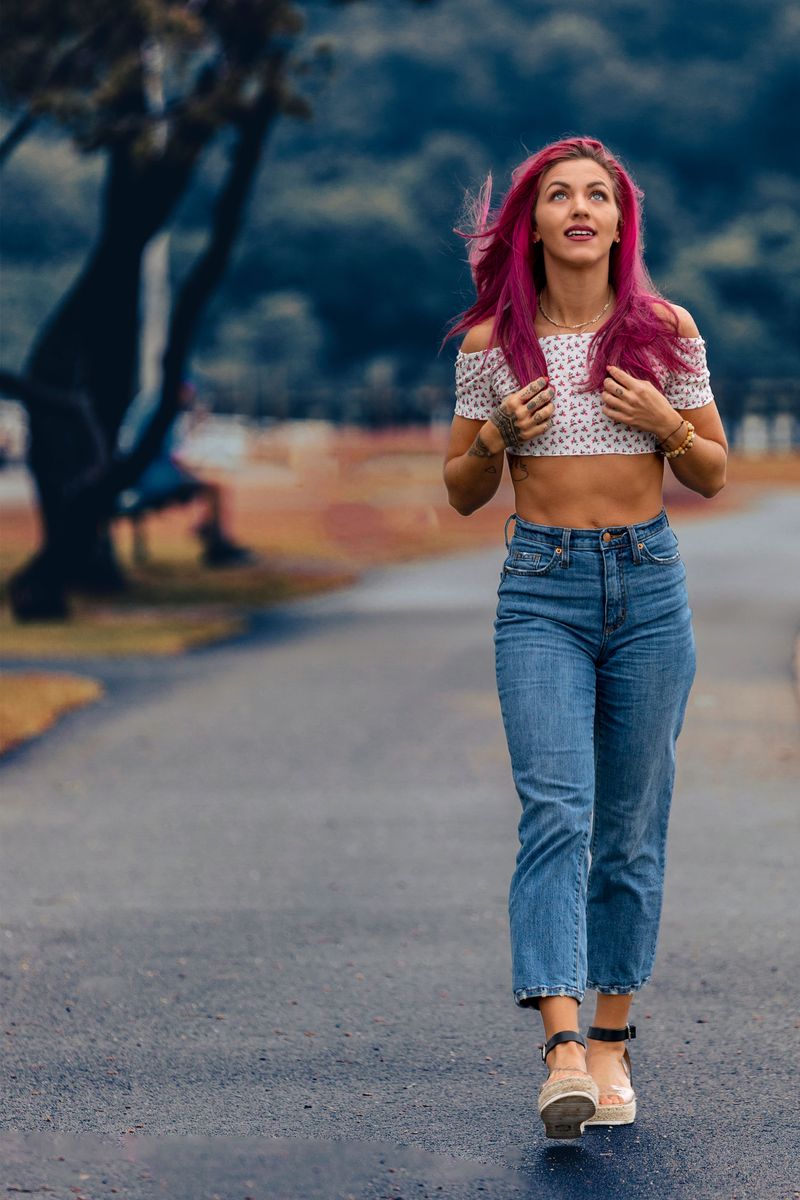
Showing off your midriff while grabbing groceries or heading to school?
Completely normal today.
In the 1950s, though, a bare stomach in public was strictly reserved for the beach, the pool, or a Hollywood movie set.
Everyday women were expected to keep their torsos fully covered.
Even fitted blouses were tucked in and modest.
Midriff-baring outfits carried a certain boldness that mainstream society simply wasn’t ready for outside of vacation settings.
Interestingly, some performers and exotic dancers of the era wore crop-style tops on stage, which actually reinforced the idea that showing the midriff was something risque rather than casual.
It took decades of shifting attitudes before crop tops became a true everyday wardrobe staple for all ages.
5. Bikinis in Most Public Settings
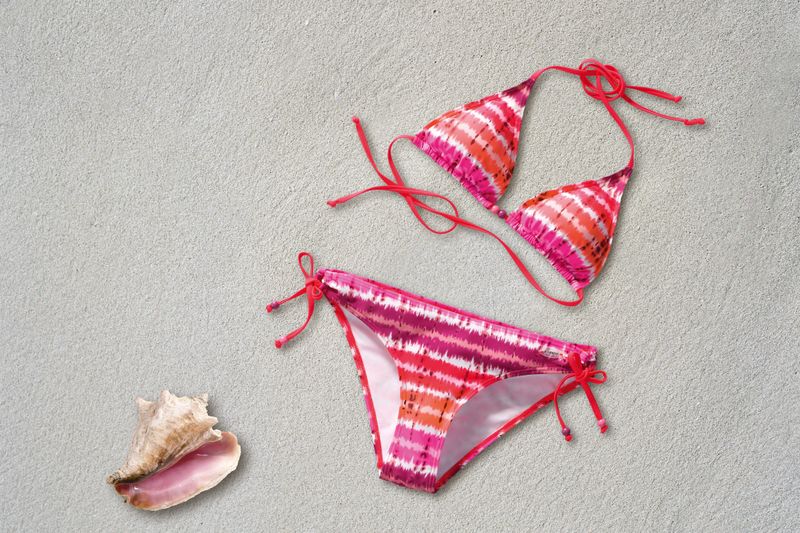
The bikini was technically invented in 1946, but calling it accepted fashion would be a stretch.
When French designer Louis Reard unveiled it, the reaction was so shocking that he had difficulty finding a model willing to wear it.
Many beaches across the United States and Europe quickly banned them.
In the 1950s, most women wore one-piece bathing suits or modest two-pieces with high-waisted bottoms that covered the navel.
The idea of wearing a skimpy two-piece to a public beach was considered bold to the point of being inappropriate.
Today, bikinis are the global standard for beachwear.
But it took the cultural revolution of the 1960s and the influence of celebrities to slowly shift public opinion and make the bikini the everyday swimwear choice it is now.
6. Yoga Pants
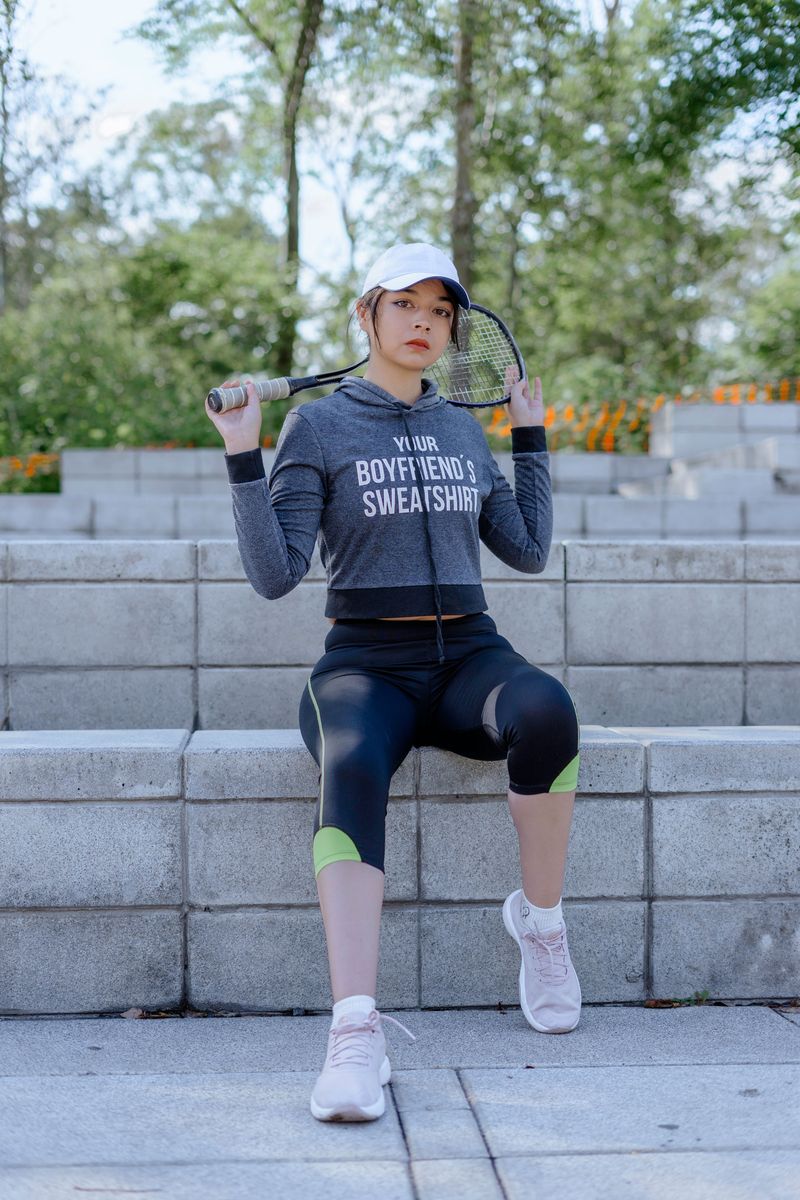
Running errands in yoga pants is practically a modern ritual.
The stretchy, form-fitting bottoms have become so normalized that many people wear them from the gym straight to the coffee shop without changing.
That kind of casual flexibility in dress simply didn’t exist in the 1950s.
Athletic clothing back then was strictly for athletic situations.
Women wore skirts or trousers in public, and showing up to a store in tight workout gear would have seemed wildly out of place.
The concept of athleisure as a fashion category hadn’t been invented yet.
Yoga itself wasn’t widely practiced in Western culture until the late 1960s and beyond.
The yoga pants we know today weren’t mass-produced as fashion items until the 1990s, largely thanks to brands like Lululemon redefining activewear.
7. Graphic T-Shirts with Large Logos or Slogans
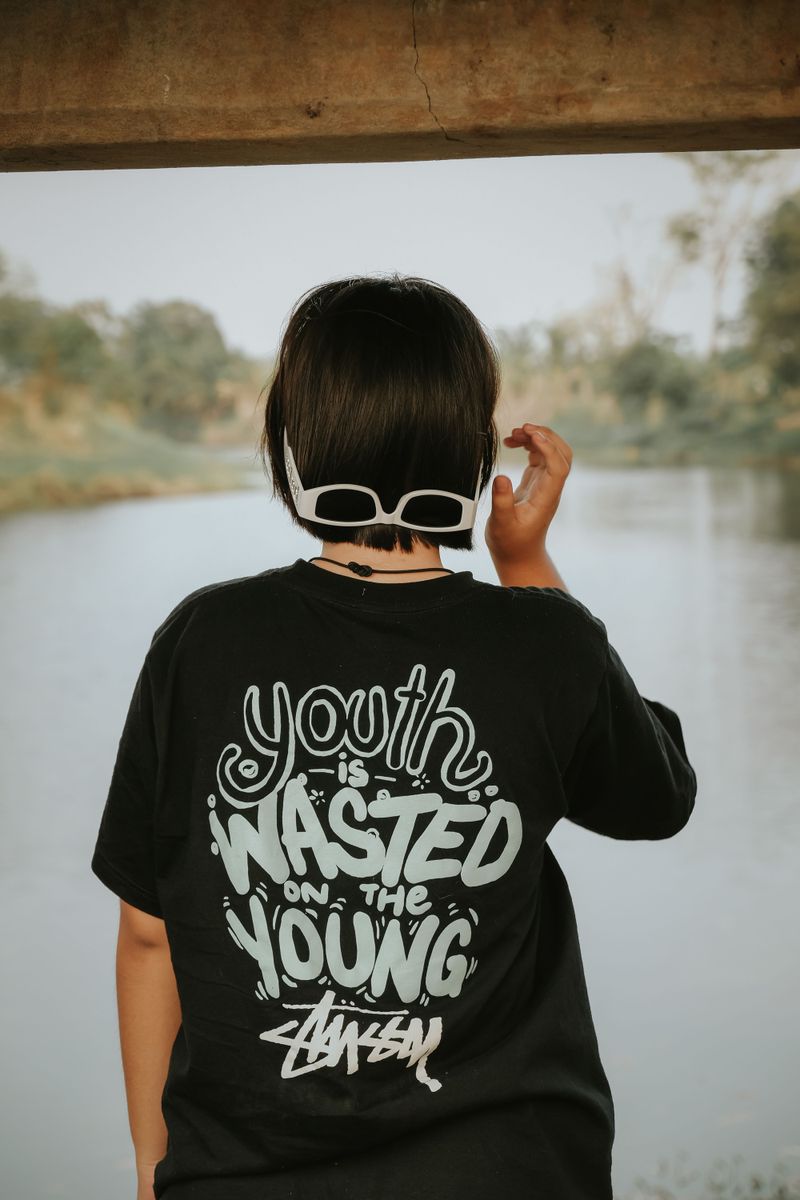
Wearing your favorite band name, a funny slogan, or a massive brand logo across your chest is so common today that blank t-shirts almost feel boring by comparison.
Back in the 1950s, printed tees were practically nonexistent as everyday streetwear.
T-shirts at the time were considered undershirts, plain white garments worn beneath dress shirts.
Marlon Brando and James Dean helped make the plain white tee cool as outerwear, but even that was edgy for the era.
A shirt covered in graphics or text would have looked bizarre.
The graphic tee explosion happened in the late 1960s and 1970s, fueled by screen-printing technology and rock music culture.
Today, graphic tees are one of the best-selling clothing items in the world and a primary way people express identity.
8. Visible Sports Bras or Bralettes
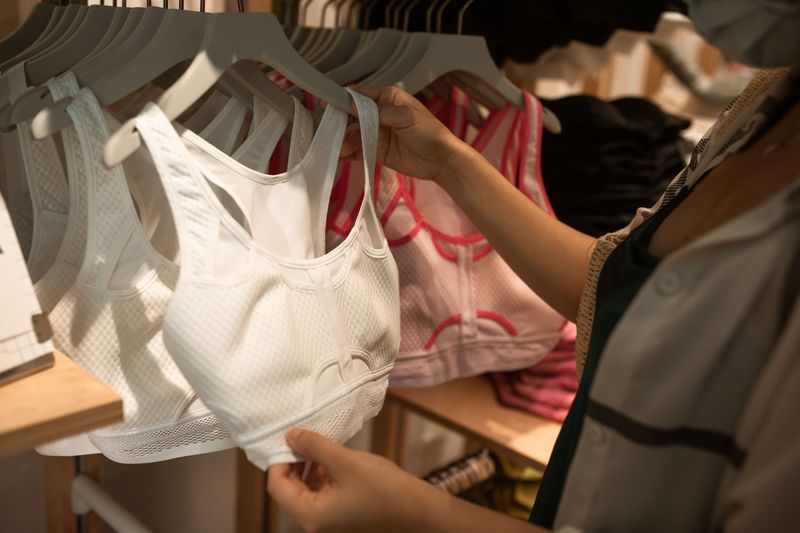
Wearing a sports bra as a top or letting a bralette peek out from beneath a low-cut shirt is a completely normal fashion move today.
In the 1950s, the very idea of undergarments being visible in public was considered a serious breach of etiquette and modesty.
Women wore structured undergarments like girdles, full slips, and padded bras, all carefully hidden beneath their clothing.
If a bra strap accidentally showed, it was quickly tucked away in embarrassment.
Intentionally showing undergarments would have been unthinkable for a respectable woman.
The shift toward visible bralettes and sports bras as outerwear came gradually through the 1990s and accelerated in the 2010s.
Today, it’s a celebrated fashion statement rather than a wardrobe malfunction, a complete reversal of how undergarments were once treated.
9. Low-Rise Jeans
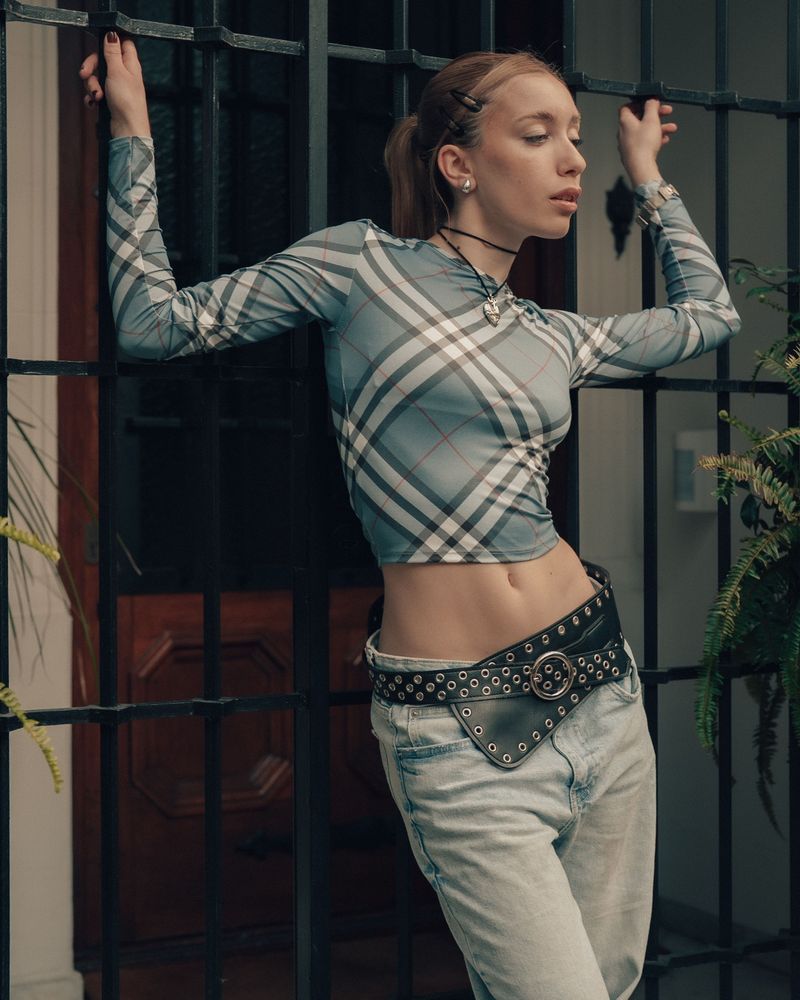
Low-rise jeans had their massive moment in the early 2000s, and they’ve recently made a comeback with younger generations.
But take that trend back to the 1950s and the reaction would have been outright scandal.
In the postwar decade, high-waisted silhouettes were the standard.
Pants, skirts, and shorts all sat at or above the natural waist, creating a polished, structured look.
Anything sitting low on the hips and revealing the lower abdomen would have been seen as immodest and inappropriate for public settings.
The waistline is a surprisingly powerful fashion statement.
It signals social norms about the body and propriety.
The dramatic drop from 1950s high waists to Y2K low-rises reflects just how radically attitudes about the body and self-expression changed over those decades.
10. Sheer Mesh Tops

Transparent clothing has become a bold but widely accepted fashion statement on runways and city streets alike.
Sheer mesh tops, often layered over bralettes or worn with high-waisted bottoms, are a regular sight in modern fashion.
In the 1950s, that level of see-through styling would have been absolutely scandalous.
Transparent fabric outside of bridal veils or theatrical costumes had no place in everyday fashion.
The expectation was that clothing should conceal the body, not reveal it.
Even slightly sheer blouses were typically lined or layered to prevent any hint of transparency.
The shift toward sheer styling came through high fashion in the 1960s and 1970s.
Today, designers regularly send sheer looks down major runways, and everyday people have embraced the trend as a creative, confident form of self-expression.
11. Off-the-Shoulder Casual Tops

Exposed shoulders have a long history in formal and evening fashion, but wearing an off-the-shoulder top to run errands or meet friends for lunch is a modern casual concept.
In the 1950s, baring the shoulders was reserved for specific occasions, not Tuesday afternoon outings.
Daytime clothing was expected to cover the shoulders completely.
Blouses had sleeves, and even summer dresses often included straps wide enough to maintain a modest look.
An off-the-shoulder neckline on casual daywear would have raised eyebrows and likely prompted comments about appropriateness.
The off-the-shoulder style surged in mainstream casual fashion during the 1980s and again in the 2010s.
What was once an evening luxury became a breezy summer staple, worn everywhere from backyard barbecues to beach vacations without a second thought.
12. Oversized Hoodies

Few clothing items feel more universally comforting than an oversized hoodie.
Whether worn for lounging, commuting, or just staying warm, the hoodie is a modern wardrobe hero.
But in the 1950s, this cozy staple had a very different image and a very limited audience.
Hooded sweatshirts existed in the postwar era, but they were strictly functional garments worn by factory workers, athletes, and laborers.
Wearing one casually in public, especially oversized and slouchy, would have looked sloppy and out of place for anyone not actively doing physical work.
Champion and other sportswear brands helped push the hoodie into youth culture during the 1970s and 1980s.
From there, it became a symbol of street style and eventually high fashion, with luxury brands producing hoodies that sell for hundreds of dollars today.
13. Rompers or Playsuits for Adults
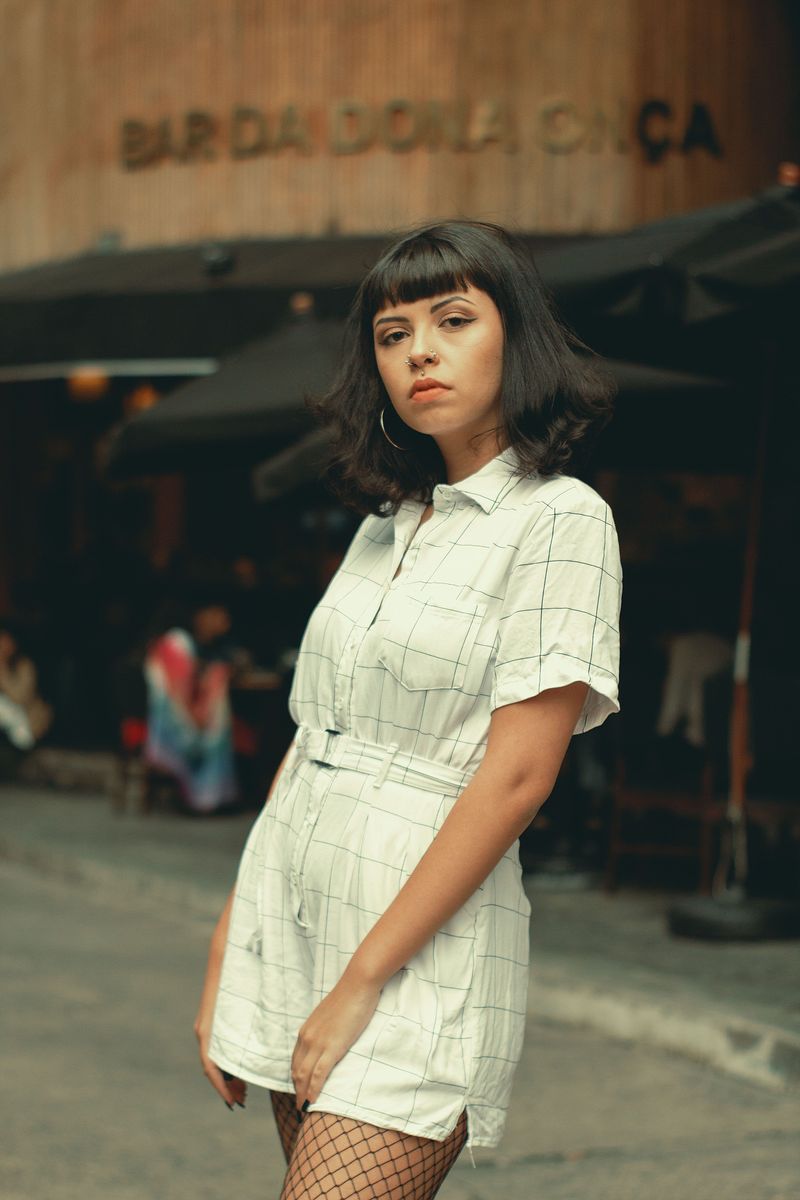
Rompers are one of those fun, breezy fashion items that feel totally natural on an adult today.
Worn to brunch, festivals, or casual outings, the one-piece short-and-top combo is a summer staple.
Back in the 1950s, though, adults wearing rompers would have turned heads for all the wrong reasons.
Playsuits and rompers were children’s clothing, plain and simple.
Adults, particularly women, were expected to maintain a polished, grown-up appearance in public.
Wearing something associated with toddlers would have undermined that image entirely and drawn amused or disapproving looks.
The adult romper trend really took off in the 1970s as fashion became more playful and experimental.
By the 2000s, it had fully cemented itself as legitimate women’s fashion.
Today, there are even rompers designed for men, which would have caused an entirely different kind of shock in the 1950s.
14. Visible Tattoos Paired with Sleeveless Clothing
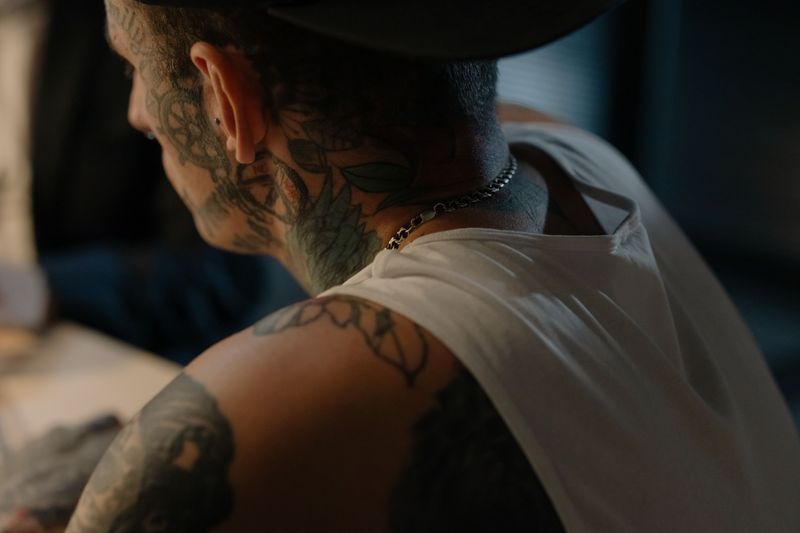
Tattoos are everywhere today.
Athletes, teachers, doctors, and celebrities all sport visible ink without it defining their social standing.
Pair a full sleeve tattoo with a sleeveless shirt on a summer day and most people won’t look twice.
That level of mainstream acceptance would have been unimaginable in the 1950s.
Back then, visible tattoos were strongly associated with sailors, soldiers, carnival workers, and people considered to be on the social margins.
A tattooed person in polite company might face real judgment or even discrimination.
The idea of a professional or a homemaker casually showing off tattoos was essentially unheard of.
The tattoo renaissance began in the late 1960s and grew through punk and rock subcultures.
By the 1990s and 2000s, tattoos had crossed firmly into mainstream culture, becoming one of the most popular forms of personal artistic expression worldwide.
15. Gender-Neutral or Androgynous Clothing
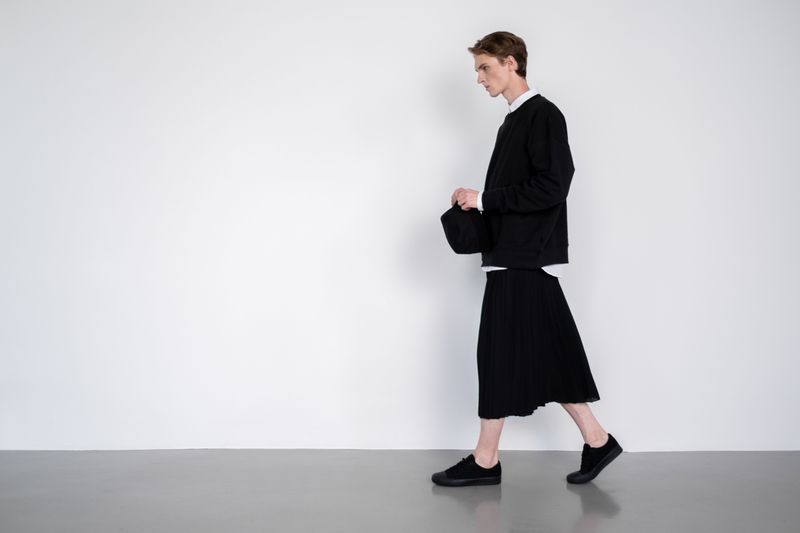
Gender-neutral fashion is one of the most talked-about trends in modern clothing, with major brands releasing unisex collections and many people choosing to dress outside traditional gender lines.
In the 1950s, clothing was rigidly divided by gender, and crossing those lines was genuinely controversial.
Women wearing trousers was becoming more accepted by the late 1950s, but masculine-style suits on women or any hint of feminine clothing on men would have challenged deeply held social norms.
The pressure to dress according to your assigned gender was intense and socially enforced.
Fashion icons like David Bowie in the 1970s helped push androgynous style into the spotlight.
Today, gender-fluid fashion is celebrated on runways and in mainstream retail, representing a massive cultural shift from the strictly binary dress codes of the postwar era.
16. Facial Piercings with Visible Jewelry
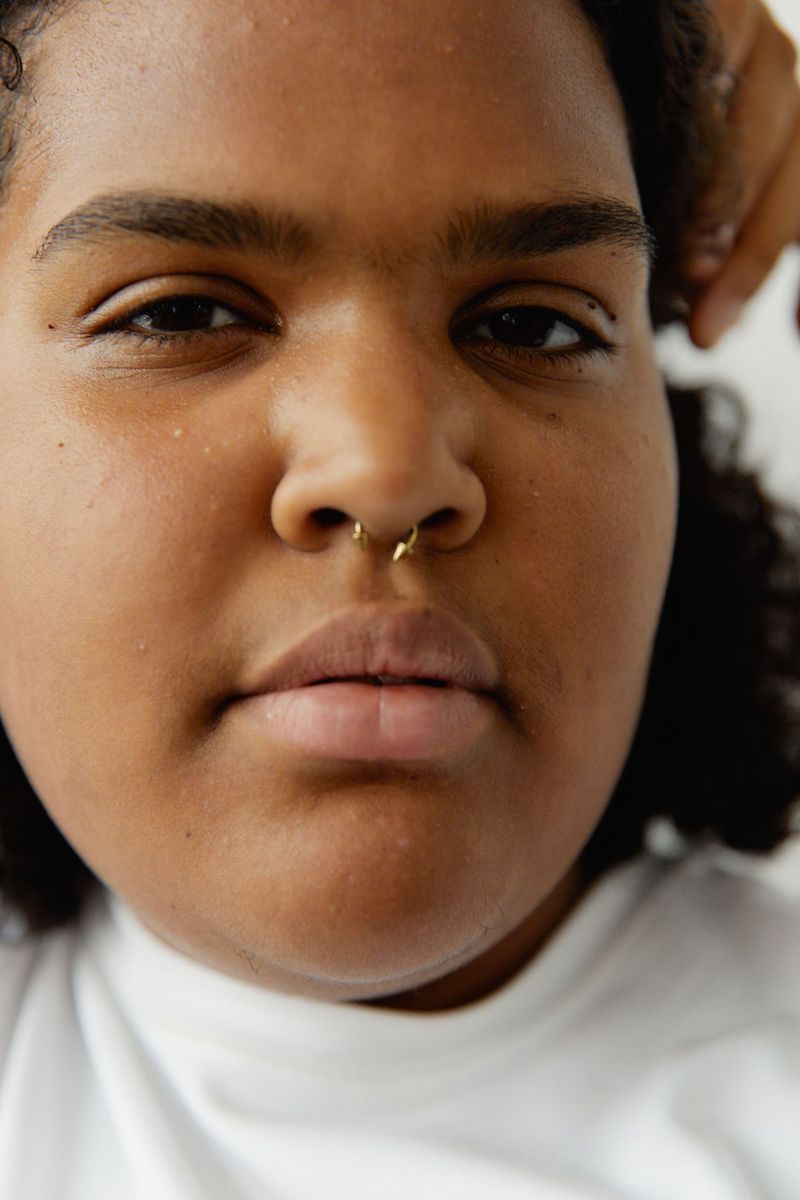
Nose rings, eyebrow studs, and lip piercings are a common sight in schools, offices, and coffee shops today.
Many people have multiple facial piercings and wear them as a natural extension of their personal style.
In the 1950s, the concept of piercing anything other than earlobes was virtually nonexistent in mainstream Western culture.
Even pierced ears were considered somewhat daring in certain American social circles during that era, with clip-on earrings being a popular alternative for those who preferred not to pierce.
The idea of jewelry in the nose, eyebrow, or lip would have seemed wildly foreign and associated with distant cultures rather than everyday fashion.
Facial piercing culture in the West grew through punk movements in the late 1970s and became more mainstream through the 1990s.
Today, facial piercings are widely accepted across generations and professions, a far cry from the pearl-clutching they would have caused seventy years ago.