 MomSkoop
Growing up a few decades ago was a completely different world. From spinning a rotary phone dial to waiting weeks for a letter in the mailbox, everyday life required patience, creativity, and a little bit of luck.
Baby Boomers often shake their heads and smile when they think about the experiences that shaped their childhoods. Kids today have amazing technology, but they are missing out on some truly unforgettable moments that their grandparents still talk about with a grin.
1. Using a Rotary Phone
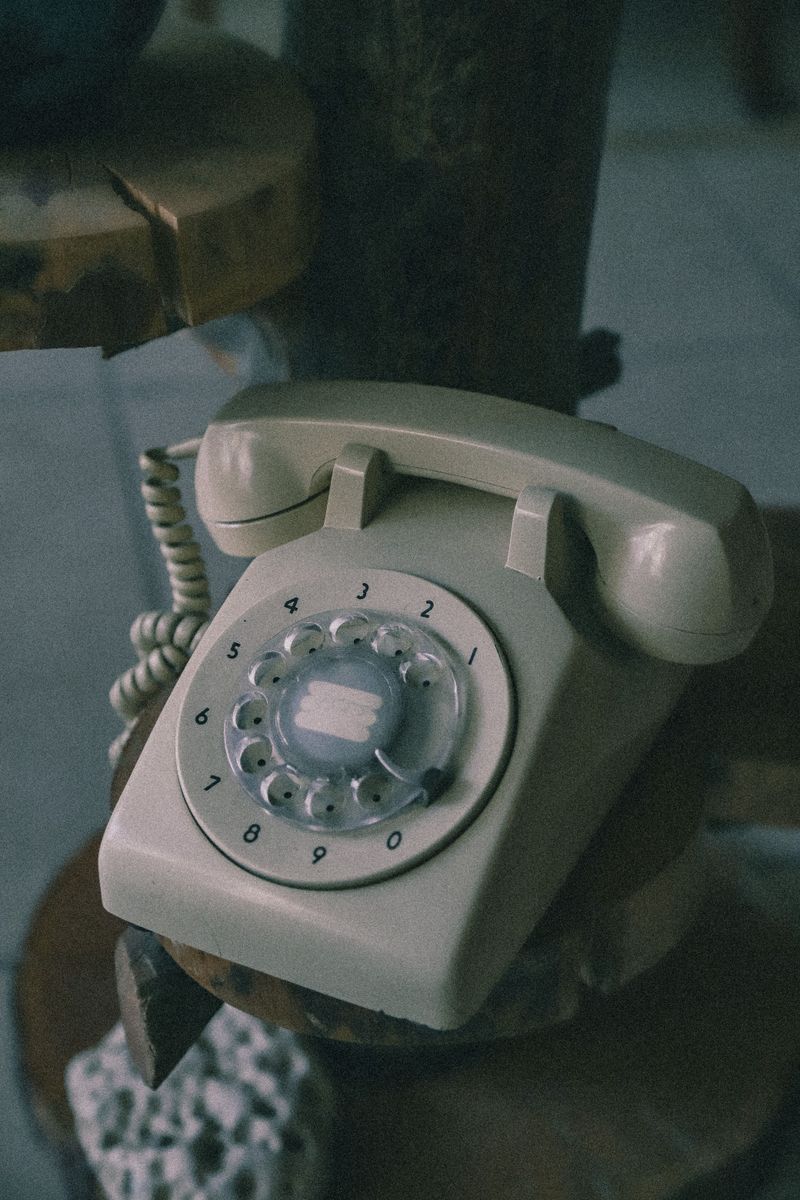
Pick up the handset, stick your finger in a hole, and spin — that was the art of making a phone call back in the day.
Rotary phones required you to dial each digit one at a time, waiting for the dial to slowly rotate back before moving on to the next number.
There was no autocomplete, no saved contacts, and definitely no emojis.
If you accidentally slipped your finger out too early, you had to hang up and start all over again.
The whole process could take 30 seconds just to dial a seven-digit number.
It taught patience in a way that modern touchscreens simply cannot replicate.
Boomers say the satisfying click of that spinning dial is something they will never forget.
2. Memorizing Phone Numbers by Heart
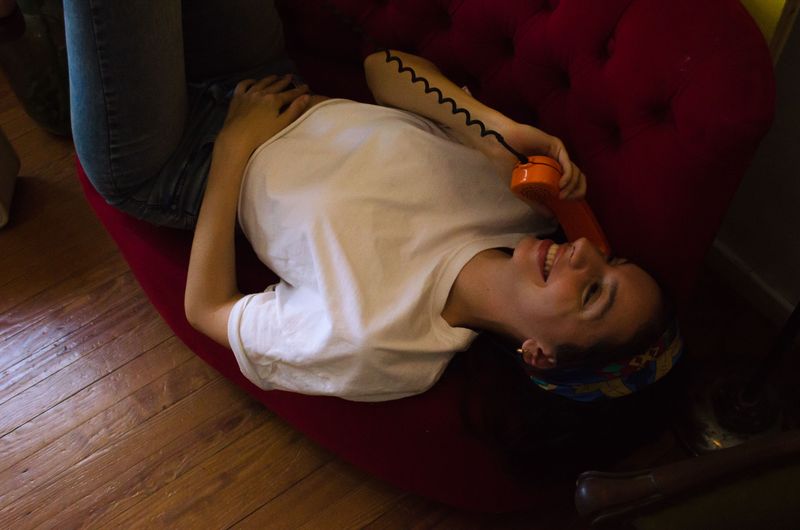
Ask most adults today to recite five phone numbers from memory and watch the blank stares roll in.
Before smartphones stored every contact automatically, people had to memorize the numbers of family, friends, neighbors, and even the local pizza place.
Your brain was your address book, and it had to work hard.
Kids growing up in the Boomer era could rattle off a dozen numbers without blinking.
Forgetting a number meant you were simply out of luck unless you found a phone book.
There was something oddly impressive about knowing your grandmother’s number by heart since age seven.
Today, most people do not even know their own cell phone number, which is a wild change in just a few decades.
3. Getting Up to Change the TV Channel
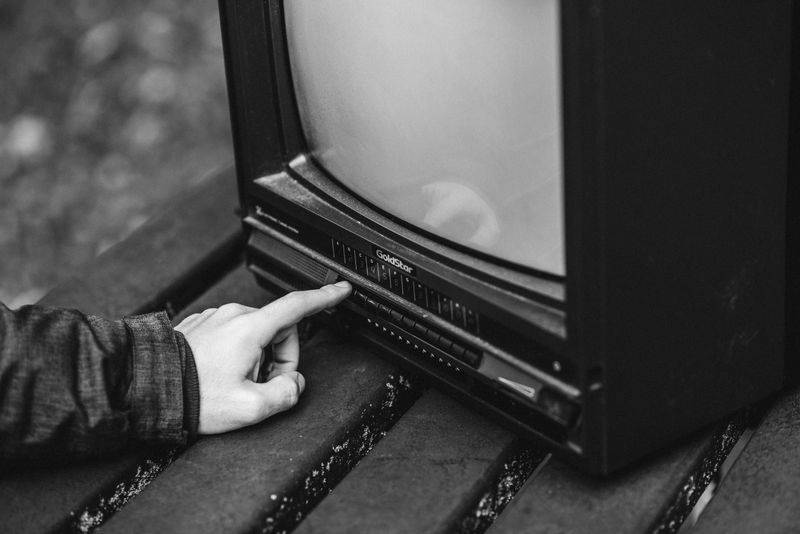
Whoever sat closest to the television was automatically the human remote control.
Before remotes became standard, changing the channel meant physically walking across the room and turning a chunky dial on the front of the set.
There were only a handful of channels to choose from, which made the decision feel surprisingly important.
Families would debate what to watch, and the person who controlled the dial held real power in that living room.
Sometimes the picture would go fuzzy, and someone had to wiggle the antenna — called rabbit ears — just right to get a clear image.
It was part science experiment, part family negotiation.
Boomers laugh about it now, but back then, being the designated channel changer was a real responsibility.
4. Recording Songs from the Radio onto Cassette Tapes
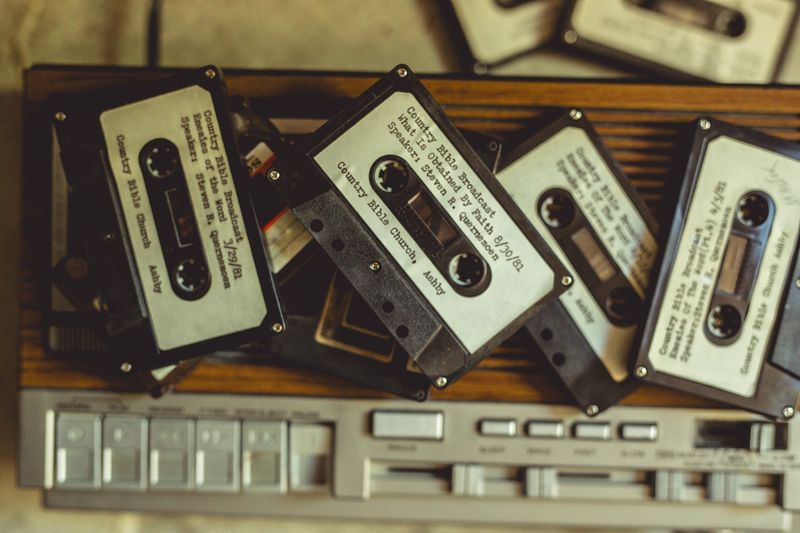
There was no playlist, no streaming service, and no download button — just a blank cassette tape and a whole lot of hope.
Recording your favorite song off the radio meant sitting perfectly still, finger on the Record button, praying the DJ would stop talking before the chorus kicked in.
It was nerve-wracking in the best possible way.
Building a mixtape took real dedication.
You had to listen for hours, react fast, and accept that half your recordings might have a few seconds of DJ chatter at the start.
Still, holding that finished tape felt like an achievement.
Sharing a mixtape with a friend or a crush was one of the most personal gifts you could give.
Streaming a playlist just does not carry the same weight.
5. Using Paper Maps for Road Trips

Road trips before GPS were a true adventure — sometimes in ways nobody planned.
Families relied on large fold-out paper maps that covered the entire dashboard when fully opened.
Reading one correctly was practically a skill you had to learn, and getting it refolded was somehow even harder than reading it.
Arguments about directions were a classic part of any long car ride.
Someone would confidently announce a turn, everyone would trust them, and fifteen minutes later the family would be completely lost on a back road.
Gas station attendants became unexpected heroes who could point you back on track.
Despite the chaos, there was something exciting about figuring out the route together as a family.
GPS is convenient, but it removed that shared sense of adventure entirely.
6. Writing Letters by Hand to Stay in Touch
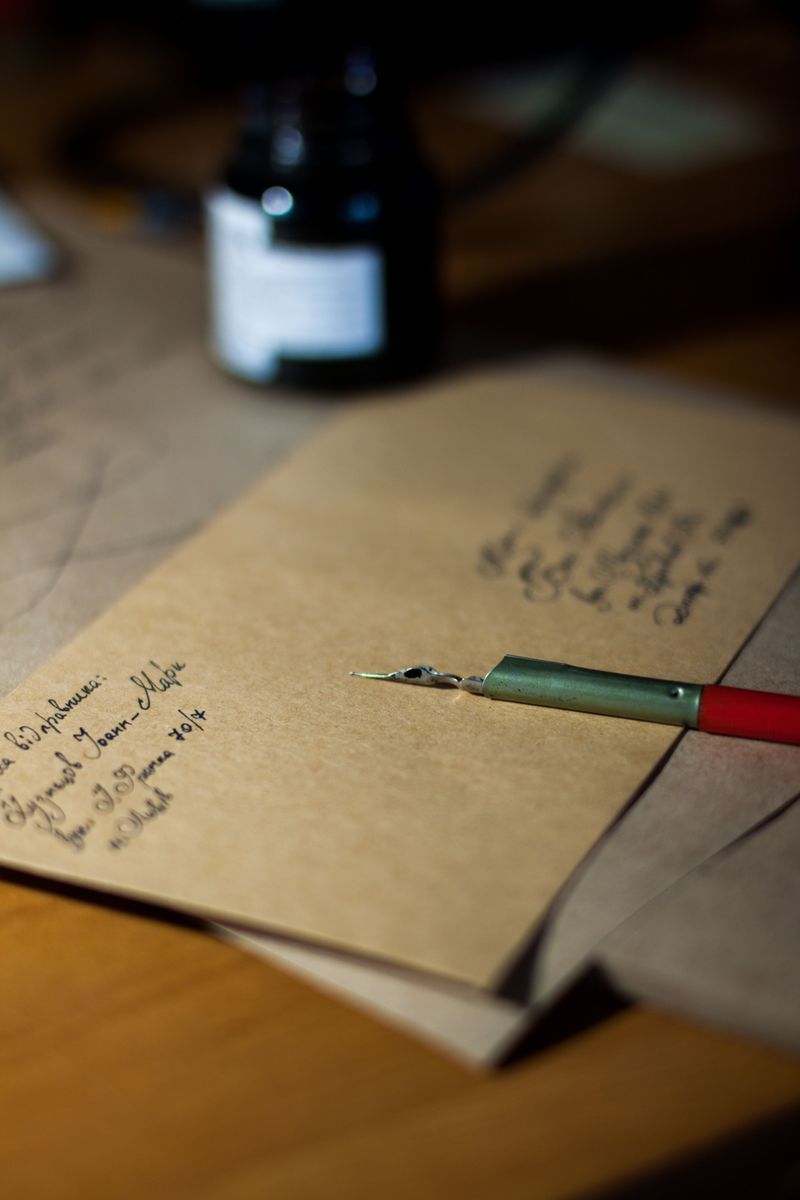
Before email and text messages, keeping in touch with someone far away meant sitting down, picking up a pen, and actually putting your thoughts into words on paper.
Handwritten letters took time and effort, which somehow made them feel more meaningful when they finally arrived.
You could feel the personality of the writer in every curve of their handwriting.
Waiting for a reply could take a week or even longer, depending on how far away the person lived.
That anticipation made receiving a letter feel like a small celebration.
People saved letters in shoeboxes and drawers for years, rereading them long after the friendship or relationship had changed.
A text message disappears in a scroll, but a handwritten letter can last a lifetime.
That kind of connection feels almost lost today.
7. Developing Film and Waiting for Your Photos
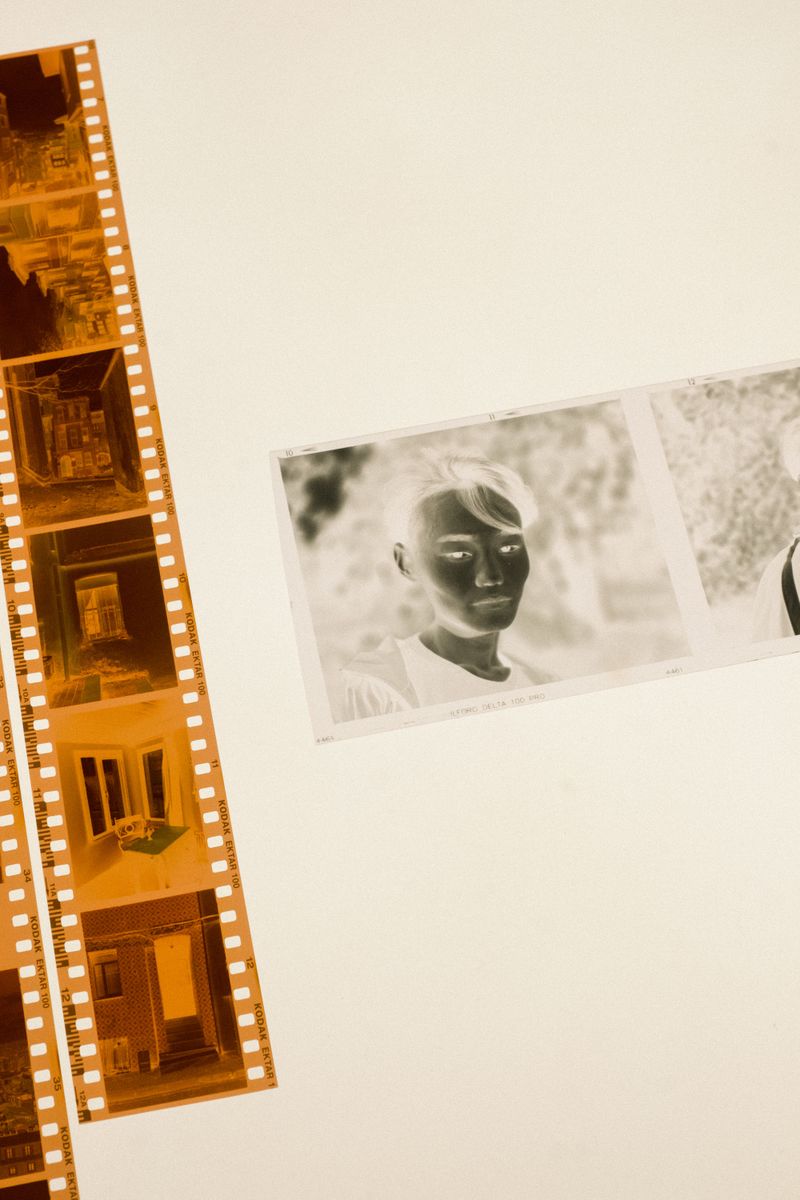
Every photo you took back then was a commitment.
Film cameras held a limited number of shots — usually 24 or 36 — and you had no idea if the picture turned out well until the whole roll was developed.
There was no preview screen, no delete button, and no second chance if someone blinked.
Once the roll was finished, you dropped it off at a drug store or photo lab and waited anywhere from one hour to several days.
Tearing open that envelope of freshly developed prints was genuinely exciting.
Sometimes the photos were blurry, overexposed, or accidentally included a thumb over the lens.
But when a great shot came out perfectly, it felt like magic.
Today, snapping and deleting photos instantly has made that kind of anticipation completely disappear.
8. Playing Outside Until the Streetlights Came On
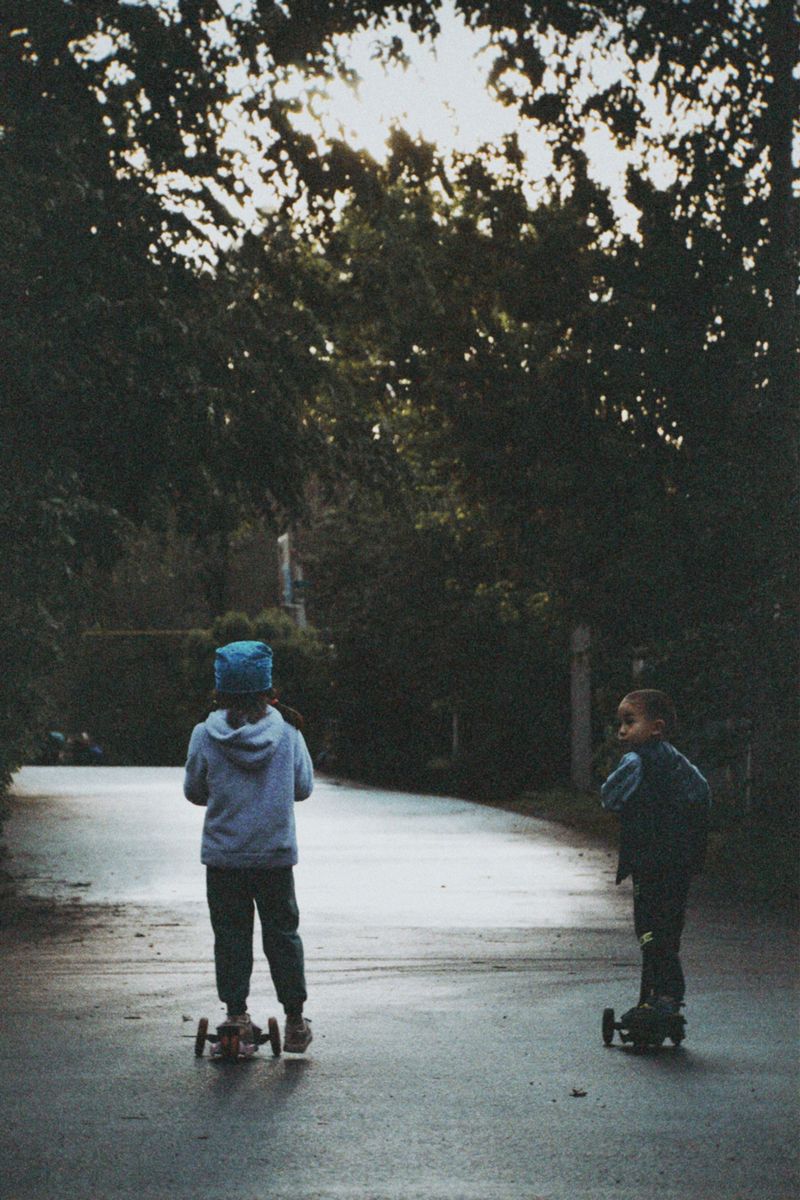
The rule was simple and universally understood: when the streetlights flicker on, get home.
No cell phones, no check-ins, no GPS tracking — just kids roaming the neighborhood freely for hours on end.
Parents trusted the neighborhood, and kids trusted themselves to figure out adventures along the way.
A summer day meant building forts, catching fireflies, riding bikes down hills, and making up games that had no official rules.
The world outside was the playground, and it was wide open.
Scraped knees were common, and so was genuine laughter that came from actually being present with friends.
Many Boomers say those long, unstructured outdoor days were some of the best of their lives.
The freedom children had back then feels almost unimaginable compared to today’s scheduled, screen-heavy routines.
9. Using Encyclopedias for School Research

Homework used to start with a trip to the bookshelf or the school library, not a search bar.
Encyclopedias were thick, heavy books filled with facts, maps, and black-and-white photographs, organized alphabetically across dozens of volumes.
Finding information meant flipping through pages, scanning headings, and hoping the right topic was covered in enough detail.
Families who owned a full set of encyclopedias at home were considered especially lucky.
The information inside was written by experts and carefully fact-checked, but it also went out of date quickly since a new edition was not published every year.
If a book from 1968 was all you had, that was what your report was based on.
Kids today have instant access to constantly updated information, which is powerful but removes the patience and resourcefulness that encyclopedia research quietly taught.
10. Renting Movies from a Video Store
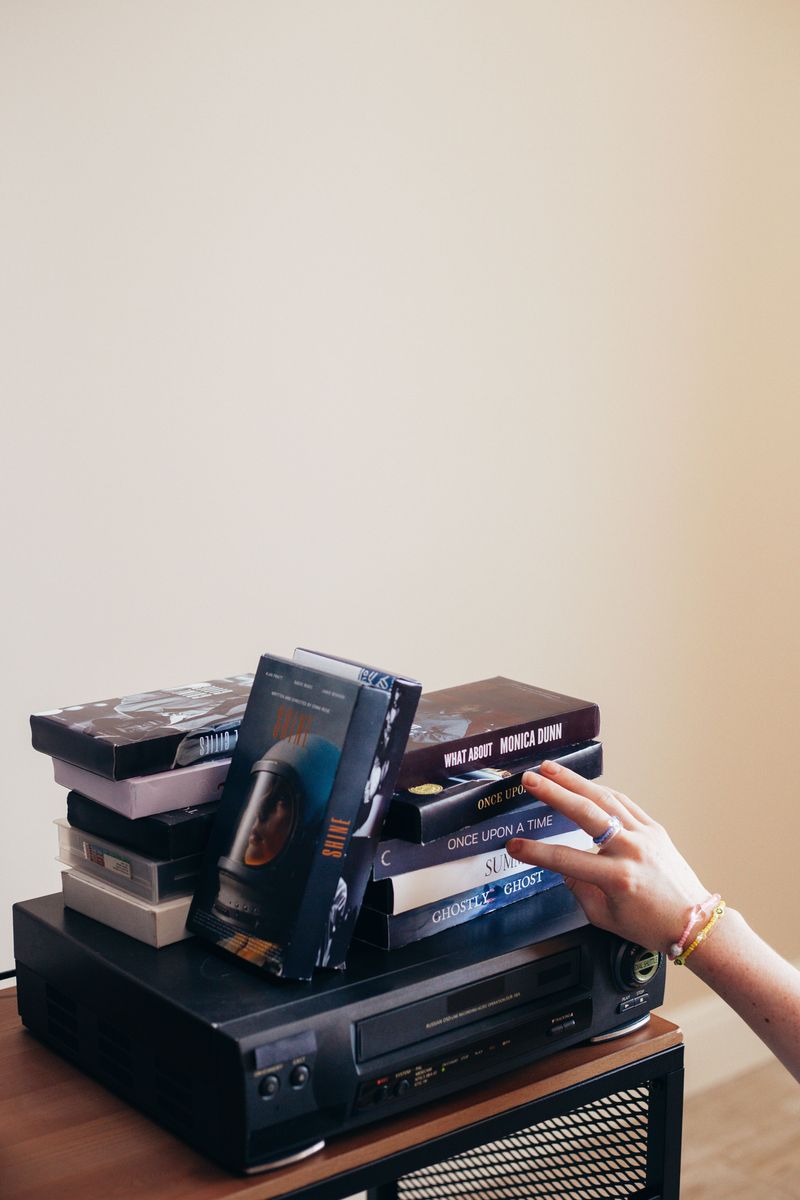
Friday night used to mean one thing: a trip to the video store.
Walking down those aisles of VHS tapes and DVD cases, reading the back covers, and debating which movie to pick was an event in itself.
The whole family had an opinion, and reaching a decision sometimes took longer than the drive there.
New releases were always the most popular, and if you waited too long, the copy you wanted would already be gone.
Late fees were a real consequence if you forgot to return the tape on time, which happened more often than most families would like to admit.
There was something magical about holding the physical case and feeling genuinely excited about movie night.
Scrolling through a streaming menu for twenty minutes just does not recreate that same anticipation or sense of occasion.