 MomSkoop
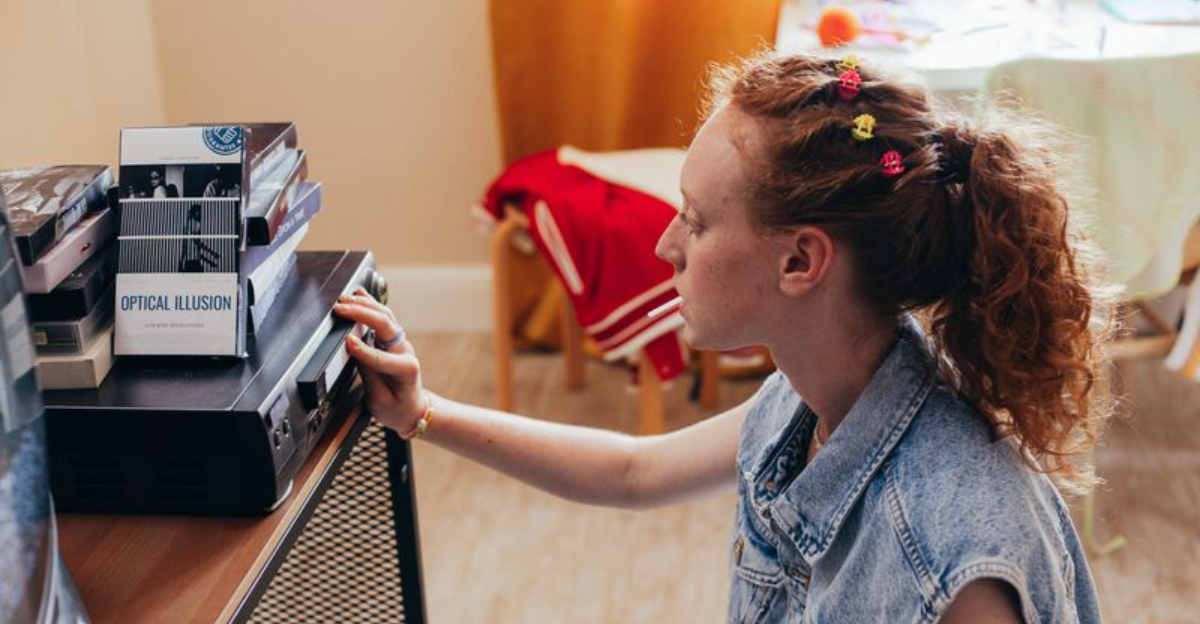
Before smartphones and streaming services took over, people in the 1990s filled their free time with hands-on hobbies that were surprisingly good for the mind. From crafting mixtapes to writing letters by hand, these everyday activities offered something screens rarely can — real focus, creativity, and human connection.
Looking back, many of these forgotten pastimes were quietly doing wonders for mental health without anyone even realizing it. Get ready to feel a wave of nostalgia and maybe even discover a few habits worth bringing back.
1. Making Mixtapes
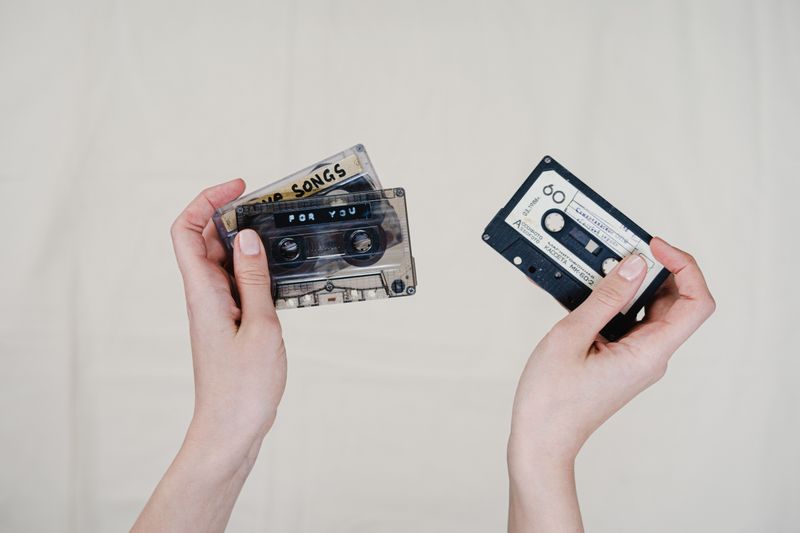
There was something almost magical about pressing record at just the right moment to capture your favorite song off the radio.
Making a mixtape was an act of patience — you had to really listen, plan, and feel every track you chose.
One wrong move and the whole thing was ruined.
Putting together a mixtape for a friend or crush meant thinking deeply about what songs matched their personality or your shared memories.
That kind of emotional attention is a form of mindfulness most people never even named back then.
Each tape told a story.
Studies show that creative expression helps reduce stress and boost mood.
Mixtape-making quietly checked every box — focus, emotion, creativity, and heartfelt connection — wrapped up in a tiny plastic cassette.
2. Writing Letters to Friends
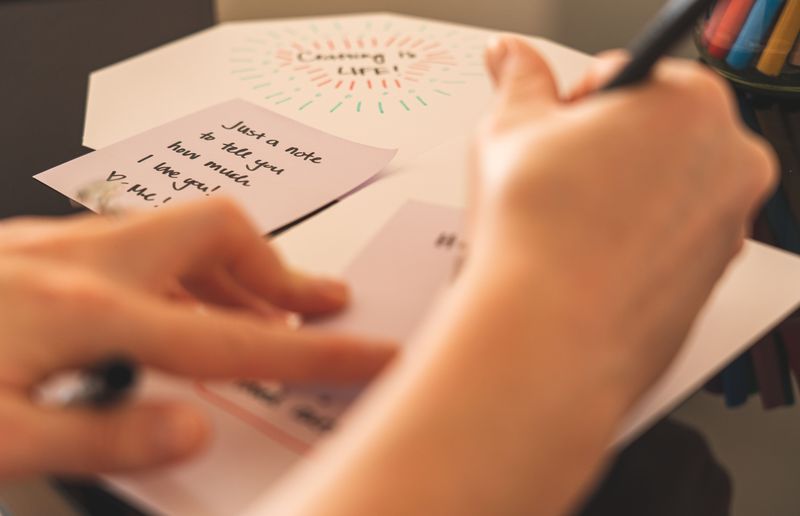
Back before a text message could be sent in seconds, writing a letter meant sitting down, slowing your thoughts, and actually thinking about what you wanted to say.
That quiet pause was powerful.
Putting pen to paper forced a kind of reflection that felt almost like journaling, but with someone else in mind.
Handwritten letters also built stronger friendships.
Knowing someone took the time to write — and then waited days for a reply — made every word feel more meaningful.
Gratitude and appreciation naturally grew from that process.
Research supports what 90s kids already knew instinctively: expressing feelings through writing reduces anxiety and strengthens emotional bonds.
Letter writing was social media before social media, and honestly, it was better for the brain.
3. Browsing Libraries for Hours
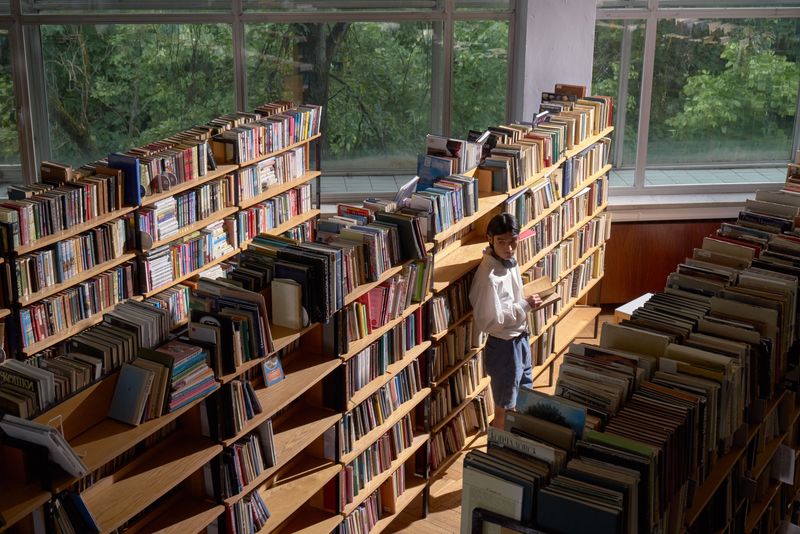
Wandering the aisles of a library without any particular goal was one of the most underrated pleasures of the 1990s.
You never quite knew what you were going to find — a book about volcanoes, a mystery novel, or a photography collection that stopped you in your tracks.
That sense of discovery was genuinely exciting.
Unlike scrolling through an endless digital feed, library browsing had a calming, almost meditative quality.
The quiet atmosphere, the smell of old pages, and the slow pace all worked together to lower stress and sharpen focus in ways that felt effortless.
Stumbling upon an unexpected book also sparked curiosity and imagination.
Librarians often say the best reads are the ones nobody planned to find — and that kind of happy accident was pure mental nourishment.
4. Playing Outside Until Sunset

Tag, kickball, hide-and-seek, capture the flag — the list of outdoor games 90s kids played until the streetlights flickered on was practically endless.
Nobody called it exercise.
It was just fun, pure and simple, and it happened every single day after school.
What those kids were actually getting, without knowing it, was a powerful combination of physical activity, fresh air, social bonding, and unstructured creative play.
All four of those things are now backed by science as serious mood-boosters and anxiety-reducers.
Playing outside also meant navigating real social situations — settling arguments, making up rules, and dealing with losing gracefully.
Those low-stakes challenges quietly built emotional resilience.
No app, screen, or guided mindfulness session could replicate the mental benefits of a good old-fashioned neighborhood game.
5. Keeping a Personal Journal
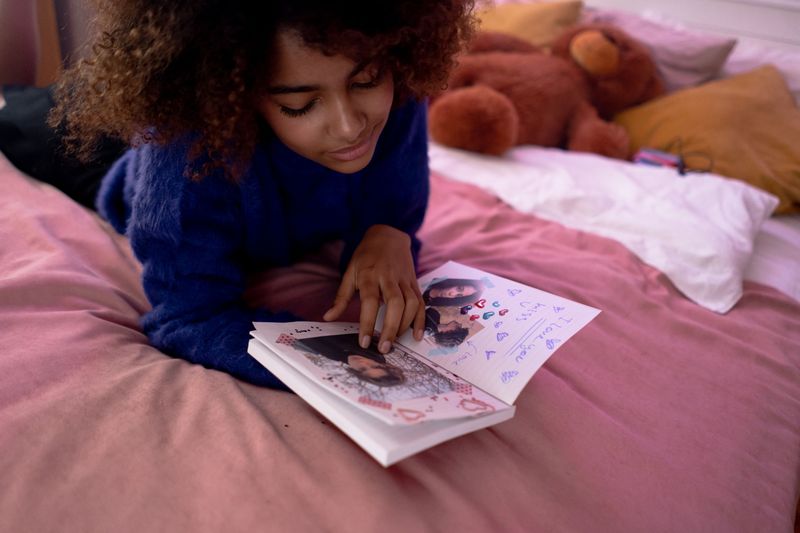
Millions of 90s kids had a diary — sometimes with a tiny lock and a key they definitely lost within a week.
Whether they wrote about crushes, school drama, or random daily thoughts, the act of putting feelings onto paper was doing serious emotional heavy lifting behind the scenes.
Journaling is one of the most well-researched tools for mental health.
It helps people process difficult emotions, notice patterns in their thinking, and feel a sense of release after a stressful day.
Back then, it was just called writing in your diary.
Self-awareness grows when you regularly check in with your own feelings, and that is exactly what journaling builds over time.
Kids who kept journals were, without realizing it, developing one of the most valuable emotional skills a person can have.
6. Building Model Kits
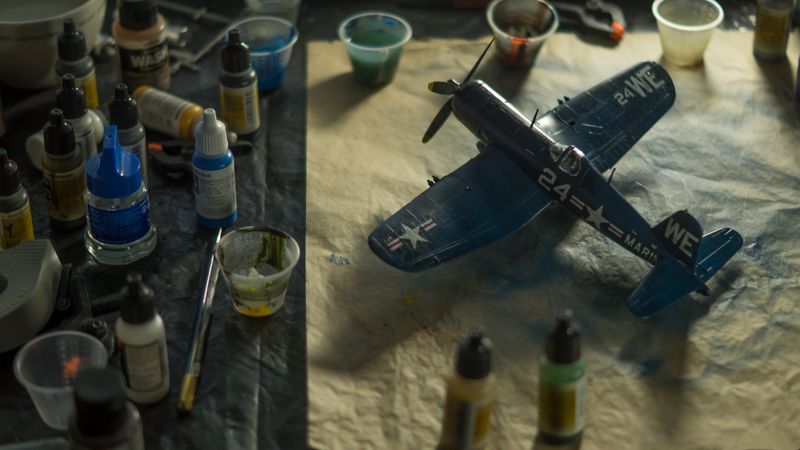
Opening a model kit box was a commitment.
Tiny plastic pieces, detailed instructions, a tube of glue that somehow ended up on your fingers — and hours of careful, focused work ahead.
For kids who loved building things, it was pure joy wrapped in a cardboard box.
That kind of slow, deliberate assembly is essentially a form of flow state — a mental zone where time disappears and concentration is total.
Flow is strongly linked to reduced anxiety, improved mood, and a deep sense of satisfaction.
Model builders stumbled into it regularly without any fancy wellness routine.
Finishing a model also delivered a real sense of accomplishment.
Holding up a completed ship or biplane that took days of careful effort felt genuinely rewarding, building confidence and patience that carried into other areas of life.
7. Doing Jigsaw Puzzles
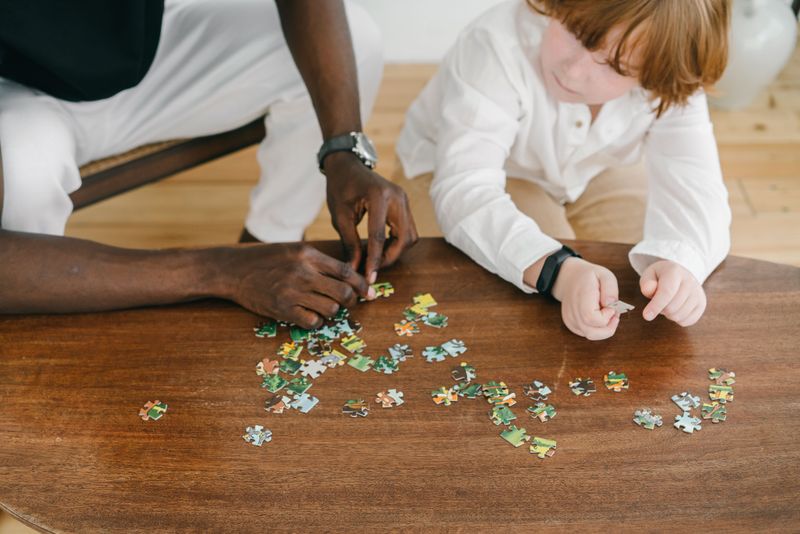
Rainy Saturday afternoons and jigsaw puzzles went together like peanut butter and jelly in the 1990s.
Someone would dump the pieces out, the border would go up first, and suddenly the whole family was crowded around the table trying to find that one weirdly shaped blue piece.
Puzzles are quietly brilliant for the brain.
They work both the logical and creative sides simultaneously, which improves memory, sharpens problem-solving skills, and promotes a relaxed but engaged mental state.
That combination is rare and genuinely therapeutic.
What made puzzle sessions especially powerful was the social element.
Working toward a shared goal, celebrating small wins together, and spending screen-free time as a group created moments of real connection.
Those afternoons were more mentally nourishing than they ever got credit for.
8. Collecting Trading Cards or Stickers
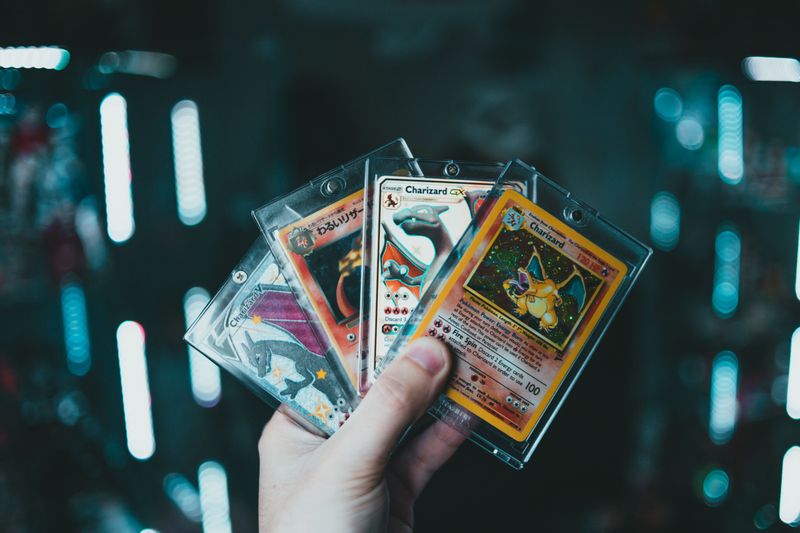
Whether it was holographic Pokémon cards, baseball rookies, or puffy sticker albums filled with fruit-scented sheets, collecting was serious business in the 1990s.
Kids organized, categorized, protected, and obsessed over their collections with a dedication that would impress any adult project manager.
All that organizing was actually great for the developing brain.
Setting goals, tracking progress, and maintaining order are executive function skills — the same mental tools used for planning, focus, and decision-making.
Collectors were building them naturally through play.
Trading cards also created rich social rituals.
Negotiating trades taught fairness, communication, and compromise.
Showing off a rare find built confidence.
Even the disappointment of a bad pack taught emotional regulation.
Collecting was never just a hobby — it was quietly a masterclass in life skills.
9. Listening to the Radio
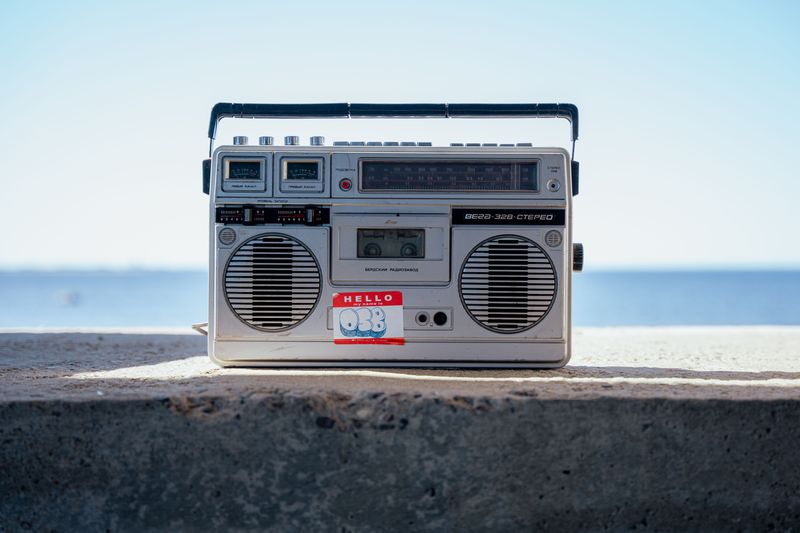
Waiting for your favorite song to come on the radio was an experience that required something modern life rarely demands — patience.
You could not skip, rewind, or queue it up.
You just had to listen, stay present, and hope the DJ played it before dinner.
That act of waiting built a kind of mindful attention that is surprisingly rare today.
When the song finally hit, the payoff felt electric.
Anticipation made everything sound better, and shared countdowns like Casey Kasem’s Top 40 turned music into a weekly communal event.
Listening to the radio also connected people to a shared cultural moment.
Everyone heard the same songs, the same jokes, the same news.
That sense of belonging — of being part of something bigger — is a genuine mental health benefit hiding in plain sound.
10. Board Game Nights
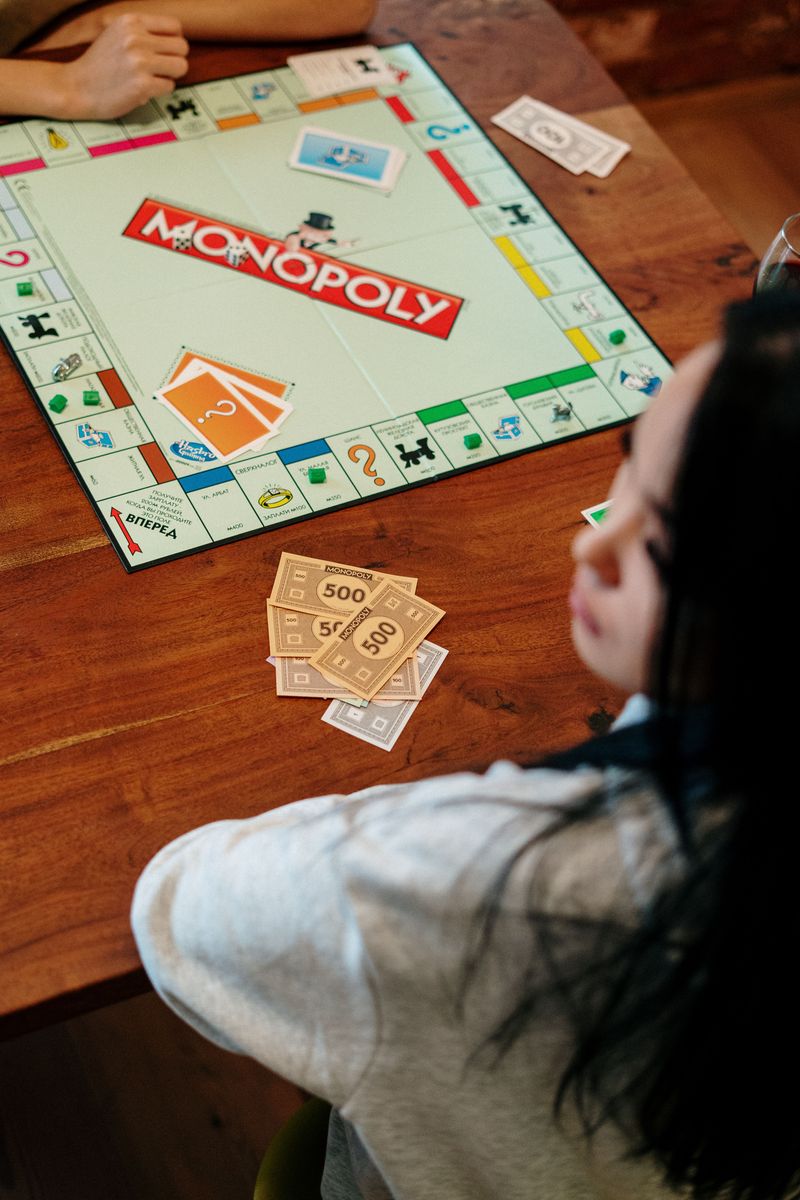
Monopoly arguments, Scrabble debates, and Clue accusations — board game nights in the 1990s were loud, competitive, and absolutely wonderful.
Someone always accused someone else of cheating, and somehow that made it even more fun.
These nights were a staple of family life before streaming took over the living room.
Board games are remarkably good for mental wellness.
They require communication, strategic thinking, and the ability to handle both winning and losing gracefully.
Laughter — which flows naturally during game nights — is one of the most effective stress-relievers known to science.
Perhaps most importantly, board games pulled people out of isolation and into real face-to-face connection.
Feeling seen, heard, and included at a shared table does something for the human spirit that no solo screen activity can replicate.
11. Browsing Video Rental Stores

Walking into Blockbuster on a Friday night felt like entering a land of infinite possibility.
The smell of popcorn, the rows of colorful VHS boxes, the little arguments about whether to get a comedy or an action film — it was all part of the ritual.
Choosing the movie was half the fun.
That process of browsing, debating, and deciding together was a form of shared decision-making that brought families and friends closer.
Everyone had a voice, and the final pick felt like a group achievement before the first scene even played.
Turning movie night into an event — rather than just hitting play on a streaming queue — created anticipation and meaning.
Those Friday trips made memories that stuck.
The experience itself, not just the film, became something worth remembering.