 MomSkoop
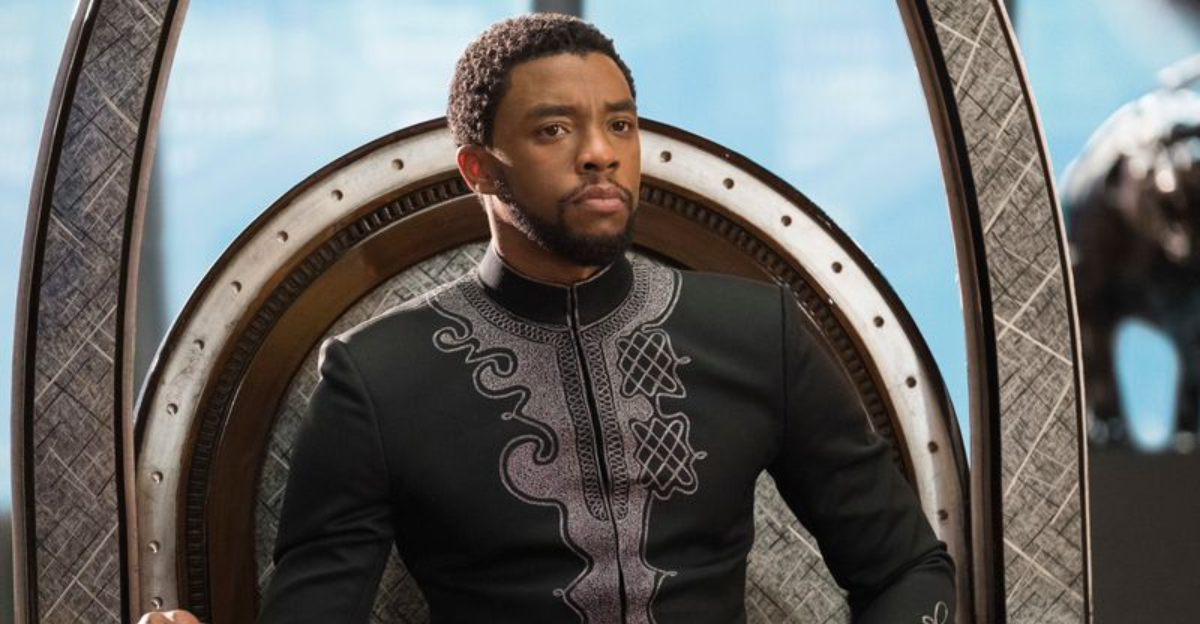
Some actors never got to see the full impact of their greatest performances. Whether they passed away before a film was released or their legacy simply grew stronger with time, these talented individuals left behind work that the world wasn’t quite ready to fully appreciate.
Hollywood has a complicated relationship with recognizing greatness, and sometimes that recognition comes too late. Here are thirteen actors whose most celebrated career moments arrived after they had already left us.
1. Heath Ledger – The Dark Knight (2008)
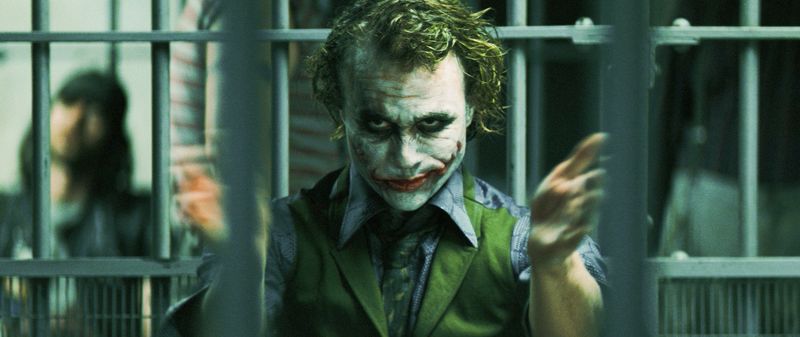
Few performances in cinema history have hit audiences as hard as Heath Ledger’s Joker.
His portrayal was so terrifyingly real, so unpredictable, that it redefined what a comic book villain could be on screen.
Ledger finished filming and then passed away in January 2008, months before the movie opened.
When The Dark Knight premiered that summer, audiences and critics were stunned.
The Academy Award for Best Supporting Actor was awarded to him posthumously in 2009, making it one of the most emotional Oscar moments ever witnessed.
His family accepted the award on his behalf.
Ledger was just 28 years old.
His Joker remains a gold standard that actors and filmmakers still reference today.
2. Peter Finch – Network (1976)
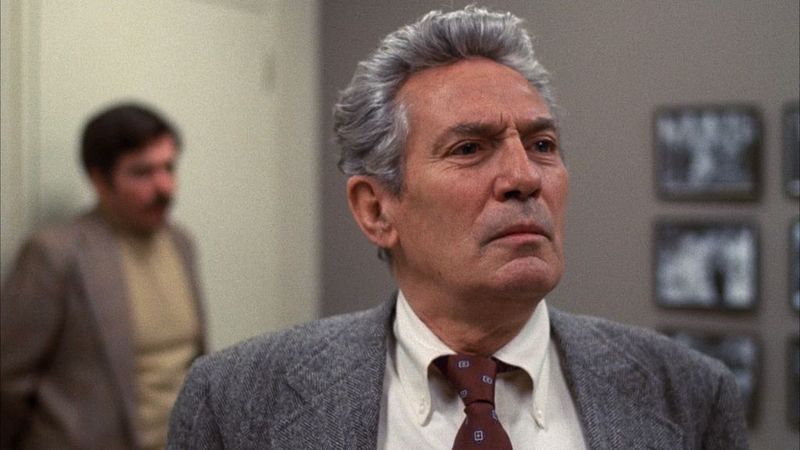
“I’m mad as hell, and I’m not going to take this anymore!” That line, delivered by Peter Finch in Network, became one of cinema’s most quoted moments.
His portrayal of a mentally unraveling TV news anchor was raw, uncomfortable, and completely unforgettable.
Finch passed away from a heart attack in January 1977, just weeks before the Academy Awards ceremony.
When his name was called for Best Actor, he became the first performer in history to win an acting Oscar posthumously.
His wife accepted the award in his place.
Network itself was a sharp critique of television culture, and Finch’s performance was its beating, broken heart.
His place in Oscar history is permanently secured.
3. James Dean – Two Posthumous Oscar Nominations
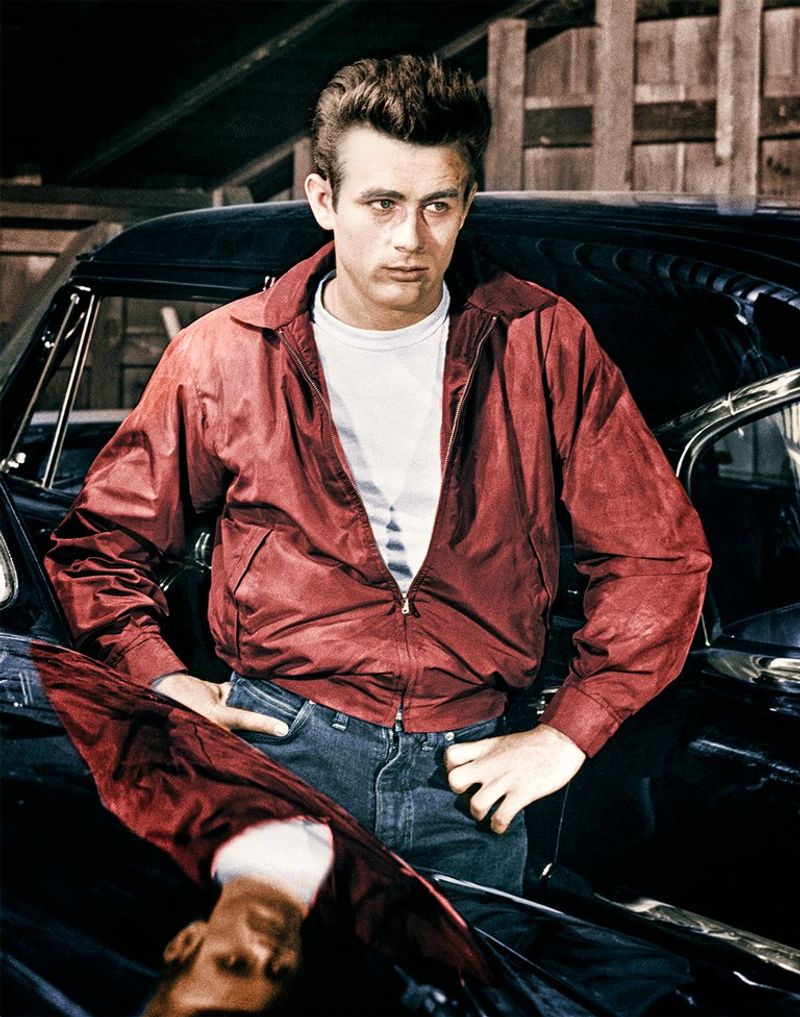
James Dean made only three feature films before dying in a car crash at age 24 in September 1955.
Yet two of those films, East of Eden and Giant, earned him posthumous Academy Award nominations for Best Actor, making him the only actor in Oscar history to receive two nominations after death.
East of Eden came out in 1955, and Giant followed in 1956.
Both films showcased a smoldering intensity that Hollywood had rarely seen.
Directors and fellow actors spoke about his almost supernatural screen presence.
Decades later, Dean is still the ultimate symbol of youthful rebellion and unfulfilled promise.
His face remains one of the most recognizable in pop culture worldwide, proof that some stars never really fade.
4. Chadwick Boseman – Ma Rainey’s Black Bottom (2020)
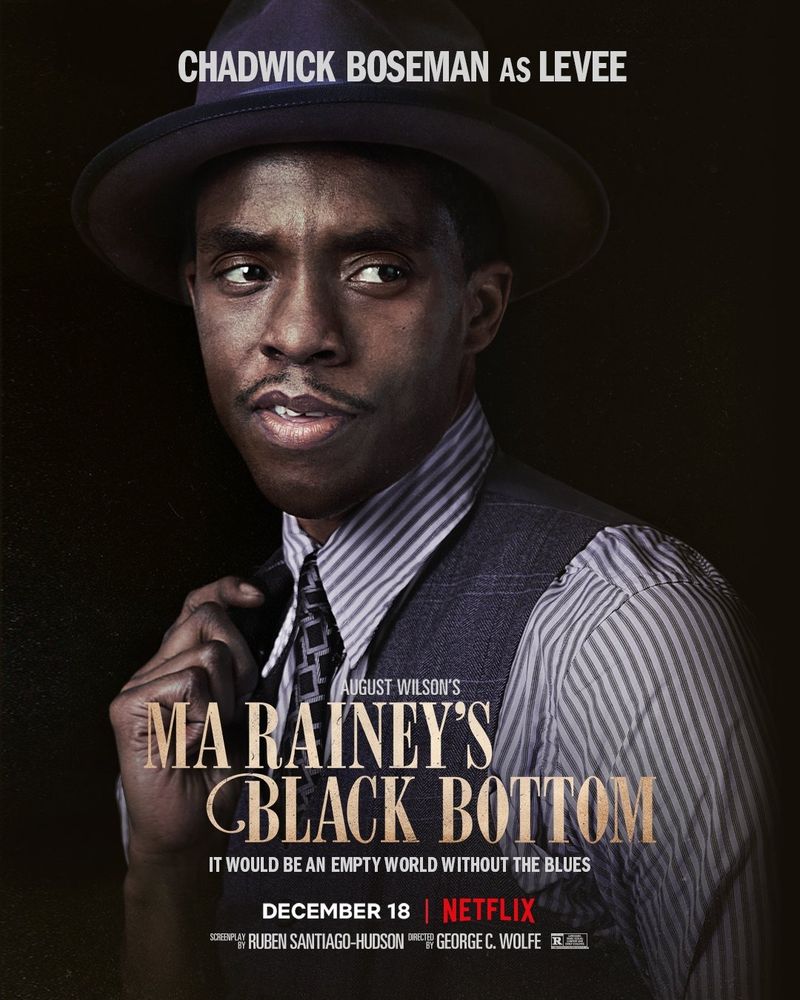
Chadwick Boseman spent his final years quietly battling colon cancer while still delivering some of the most powerful performances of his career.
His work as Levee in Ma Rainey’s Black Bottom was electric, full of ambition, pain, and fire that felt deeply personal in ways audiences only understood later.
After his passing in August 2020, the film’s release brought an overwhelming wave of grief mixed with awe.
He won the Golden Globe, SAG Award, and Critics’ Choice Award posthumously for the role.
Many expected the Oscar to follow, though Anthony Hopkins ultimately won that night.
Boseman’s legacy as Black Panther made him a superhero to millions.
But Ma Rainey reminded everyone he was also one of his generation’s most gifted dramatic actors.
5. Brandon Lee – The Crow (1994)
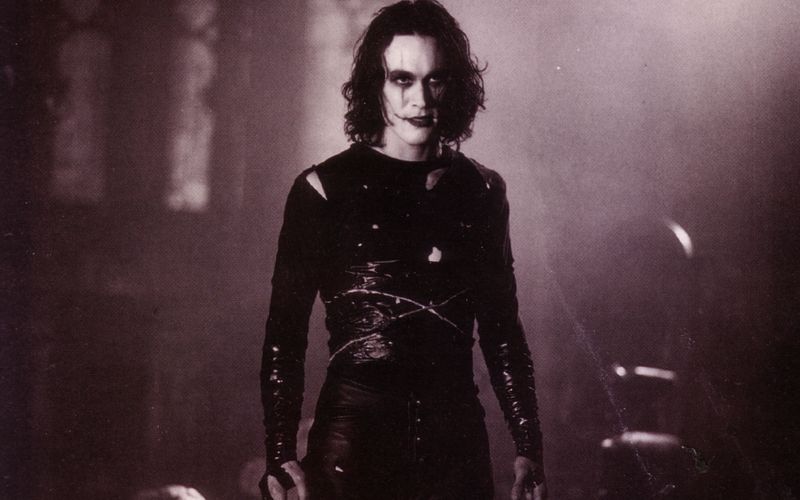
There is something hauntingly poetic about The Crow.
Brandon Lee plays a man who returns from the dead for revenge, and tragically, Lee himself died during the film’s production after an accidental on-set shooting in 1993.
The movie was completed using existing footage and visual effects.
When it released in 1994, The Crow became a cult phenomenon almost immediately.
Audiences were captivated by Lee’s charisma and physicality, and the film’s dark, gothic atmosphere made it unlike anything else at the time.
Brandon was the son of martial arts legend Bruce Lee, and many wondered if he would step out of that shadow.
The Crow answered that question definitively.
It remains his defining role, a performance preserved forever in a film that carries real tragedy within every frame.
6. Philip Seymour Hoffman – A Most Wanted Man (2014)
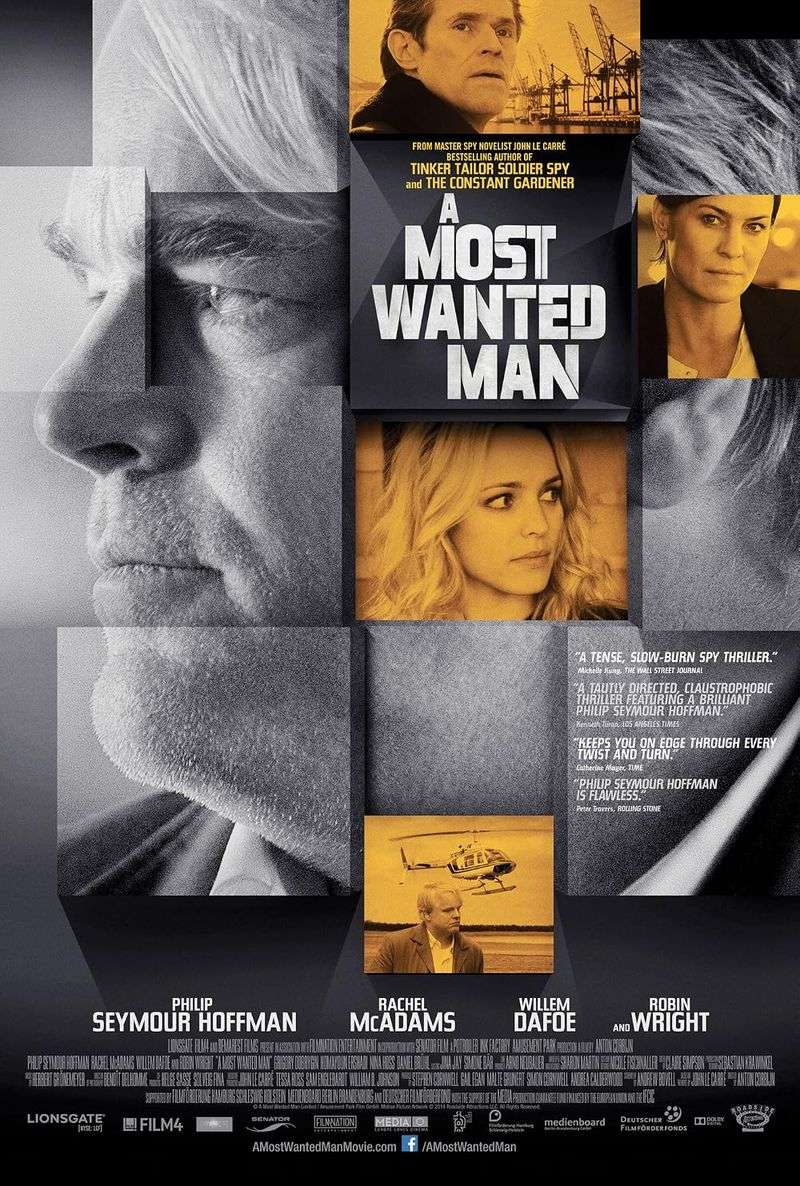
Philip Seymour Hoffman was already considered one of the greatest actors of his generation long before his passing in February 2014.
But A Most Wanted Man, a spy thriller released that same year, gave audiences one final chance to see just how effortlessly he could command the screen.
His performance as a weary German intelligence officer was understated yet completely gripping.
Critics praised it as a masterclass in restrained acting.
The film arrived in theaters just months after his death, giving it an unavoidable emotional weight.
Watching him work in that film feels like a farewell gift.
Every glance, every pause carries meaning.
Hoffman’s filmography is extraordinary, but A Most Wanted Man stands as a bittersweet reminder of everything audiences lost far too soon.
7. Anton Yelchin – Star Trek Beyond and Green Room (2016)
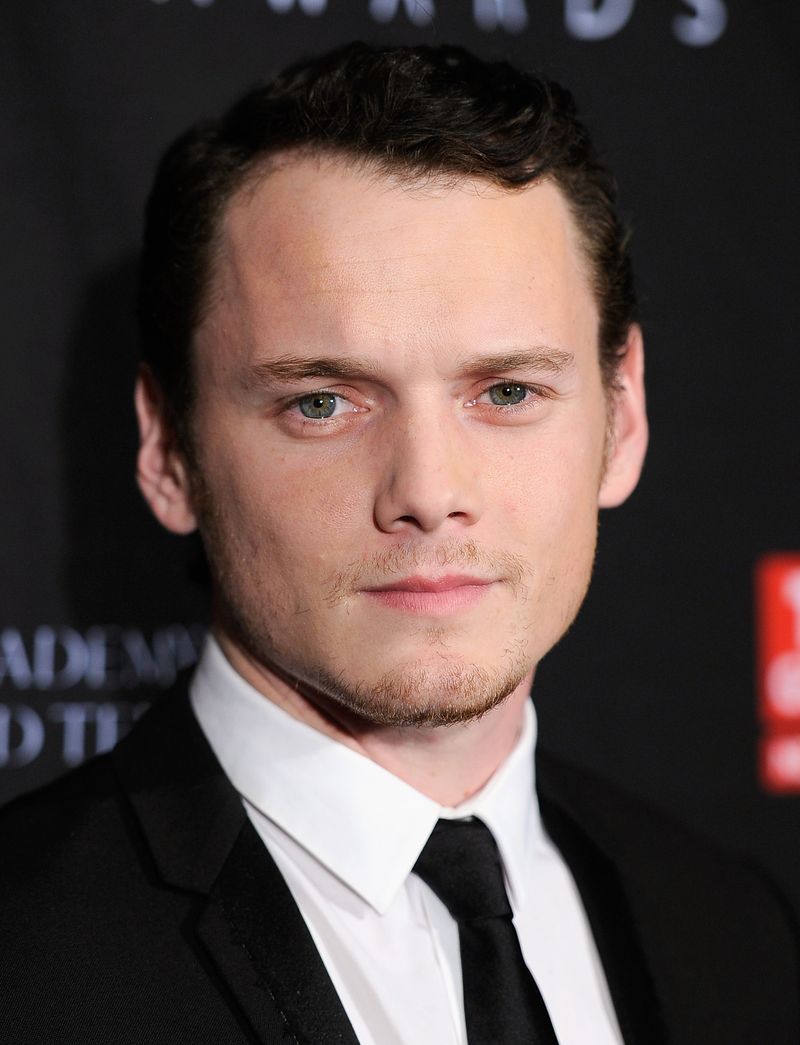
Anton Yelchin had that rare quality of making every character feel like a real person you might actually know.
He was charming, quirky, and remarkably versatile for someone still in his 20s.
His sudden accidental death in June 2016 shocked the entire film community.
That same year, two very different films showcased the full range of his talent.
Star Trek Beyond featured his beloved Chekov, while Green Room showed a grittier, more intense side of his abilities as a young man trapped in a terrifying situation.
Both films gained renewed attention and appreciation following his passing.
Fans and filmmakers alike began looking back at his body of work with fresh eyes.
Yelchin had been quietly building something remarkable, and the world was only beginning to notice.
8. River Phoenix – A Legacy That Only Grew
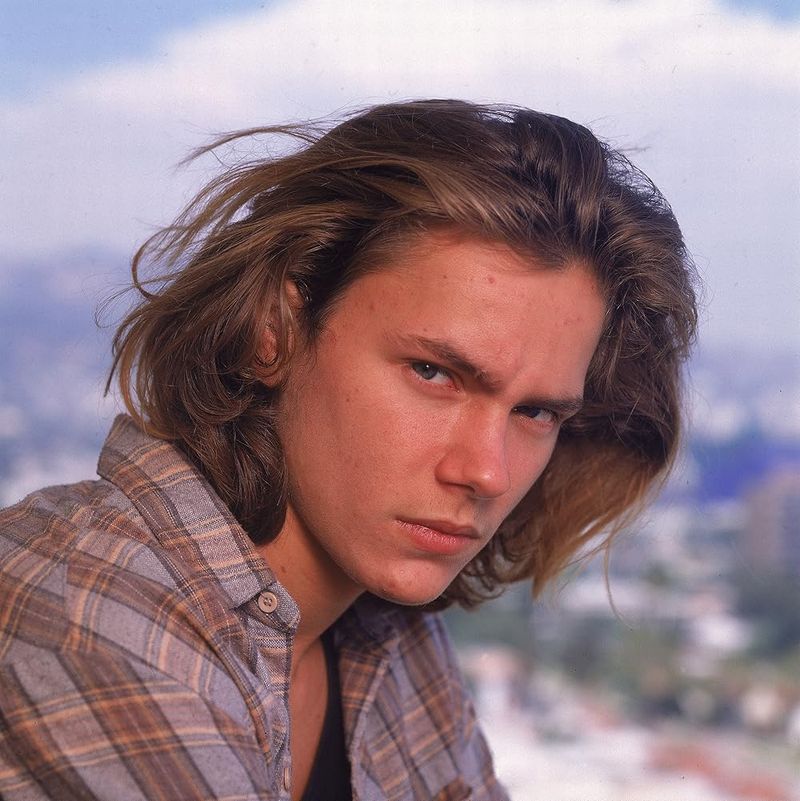
River Phoenix was only 23 when he died outside a Hollywood nightclub in October 1993.
Even at that young age, he had already delivered work that placed him among the most gifted actors of his era.
My Own Private Idaho in particular earned him widespread critical admiration for its raw emotional honesty.
His final completed film, Dark Blood, sat unfinished for years before premiering in 2012, nearly two decades after his death.
The release reignited conversations about what Phoenix might have achieved had he lived.
What makes his story especially poignant is how his reputation has only strengthened with time.
Younger generations keep discovering his work and feeling that same electric connection.
He left behind just enough to make the loss feel permanent and profound.
9. John Cazale – Every Film Nominated for Best Picture
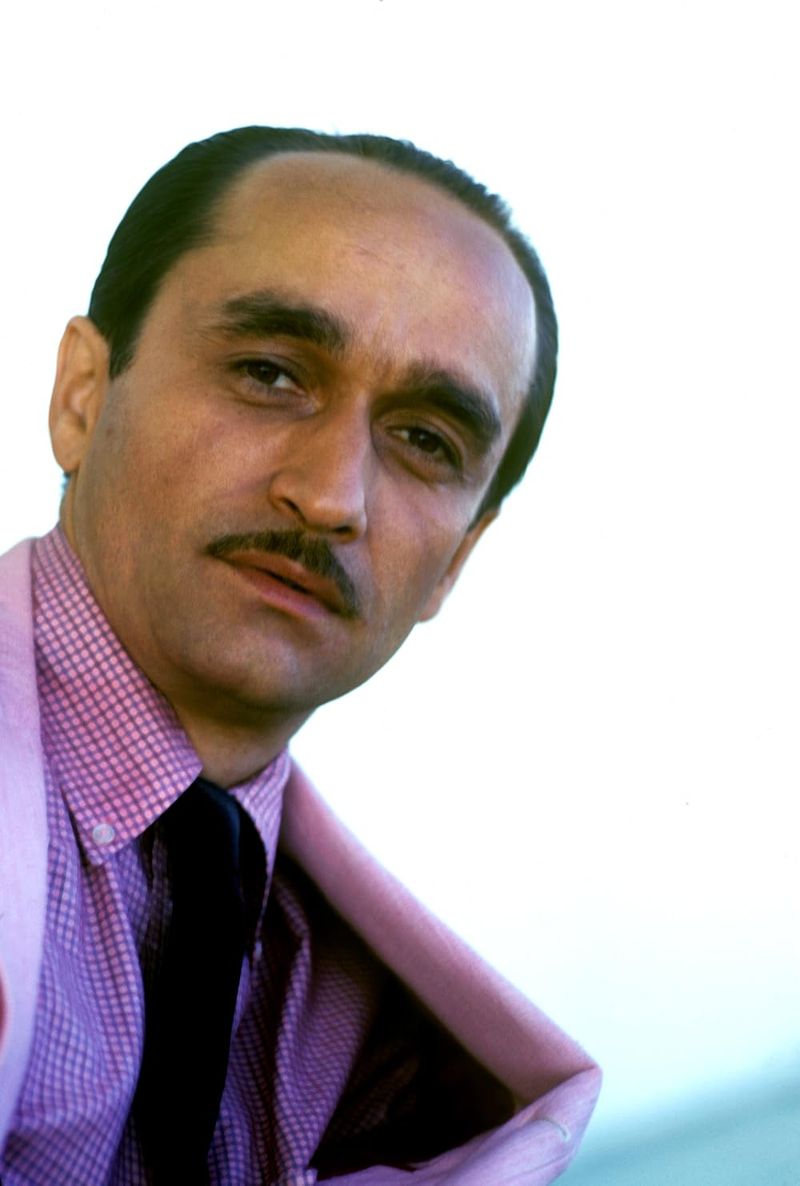
John Cazale appeared in only five feature films during his lifetime, and every single one of them received a Best Picture nomination at the Academy Awards.
That statistic alone makes him one of the most remarkable performers in Hollywood history.
He died of lung cancer in 1978 at age 42.
His films include The Godfather, The Godfather Part II, The Conversation, Dog Day Afternoon, and The Deer Hunter.
He played Fredo Corleone in the first two, a character whose tragic arc is one of cinema’s most heartbreaking.
During his life, Cazale was respected but not widely famous.
In the decades since, his reputation has grown into something close to legend.
Film students and cinephiles consistently hold him up as the ultimate example of quality over quantity in an acting career.
10. Jean Harlow – Saratoga (1937)
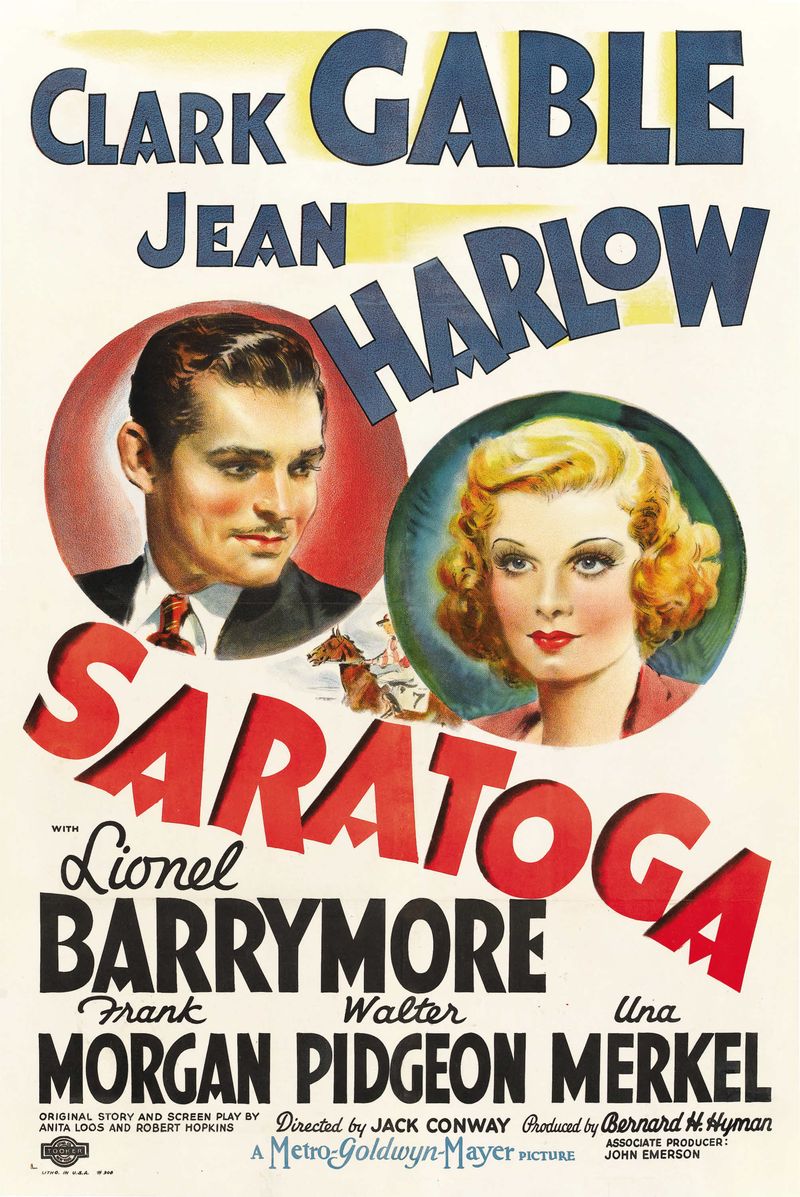
Jean Harlow was the original platinum blonde bombshell, a screen presence so magnetic that audiences simply could not look away.
She died suddenly from kidney failure in June 1937 at just 26 years old, while still in the middle of filming Saratoga alongside Clark Gable.
MGM made the difficult decision to complete the film using a body double and existing footage.
Rather than hurting the movie, Harlow’s absence seemed to draw even more attention to it.
Saratoga became one of MGM’s biggest box-office hits of that entire year.
Audiences came partly out of grief, wanting one last glimpse of her.
What they found was a genuinely entertaining film that showcased why she had been such a star.
Harlow’s warmth and comedic timing shine through even in those final, bittersweet frames.
11. Aaliyah – Queen of the Damned (2002)
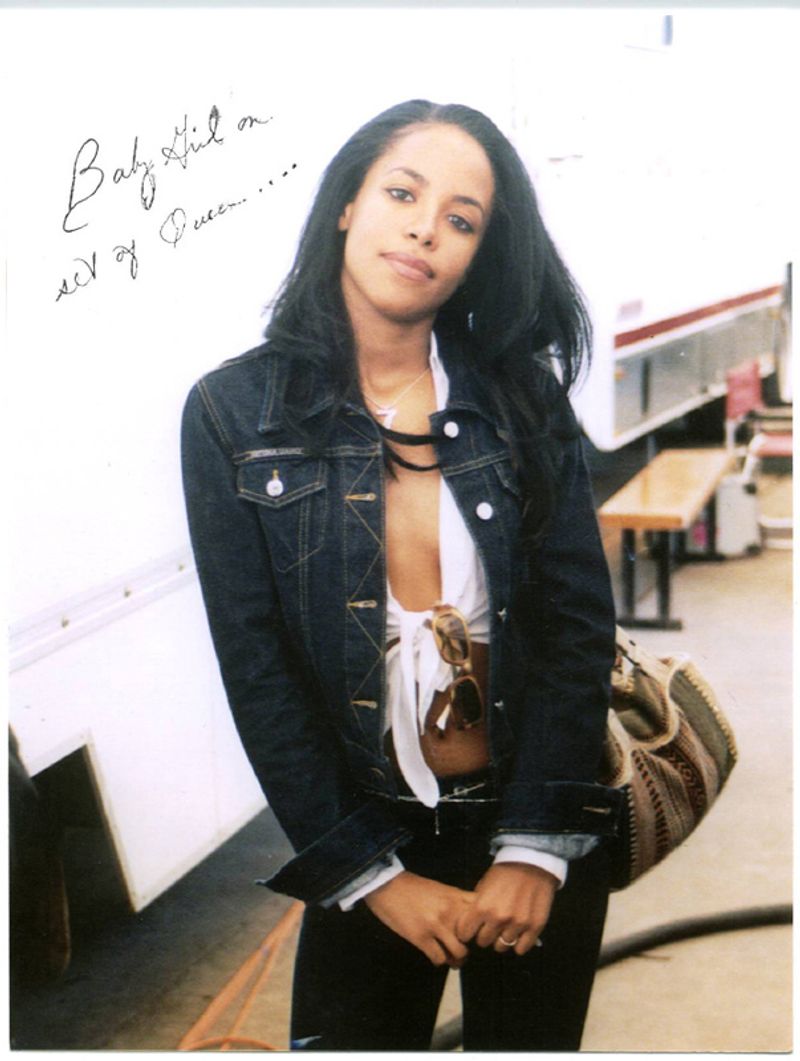
Aaliyah was already a music superstar when she began building a serious film career.
Her role in Romeo Must Die showed real screen presence, and the world was watching to see what she would do next.
Tragically, she died in a plane crash in August 2001, before her most anticipated film role reached theaters.
Queen of the Damned, released in February 2002, featured Aaliyah as the ancient vampire queen Akasha.
The role was physically demanding, theatrically bold, and completely unlike anything she had done before.
Audiences were moved seeing her inhabit the character with such fearless confidence.
The film became her most recognized acting performance.
For many fans, it serves as both a celebration of her expanding talent and a painful reminder of the career that was just getting started when it was cut short.
12. Bruce Lee – Enter the Dragon (1973)
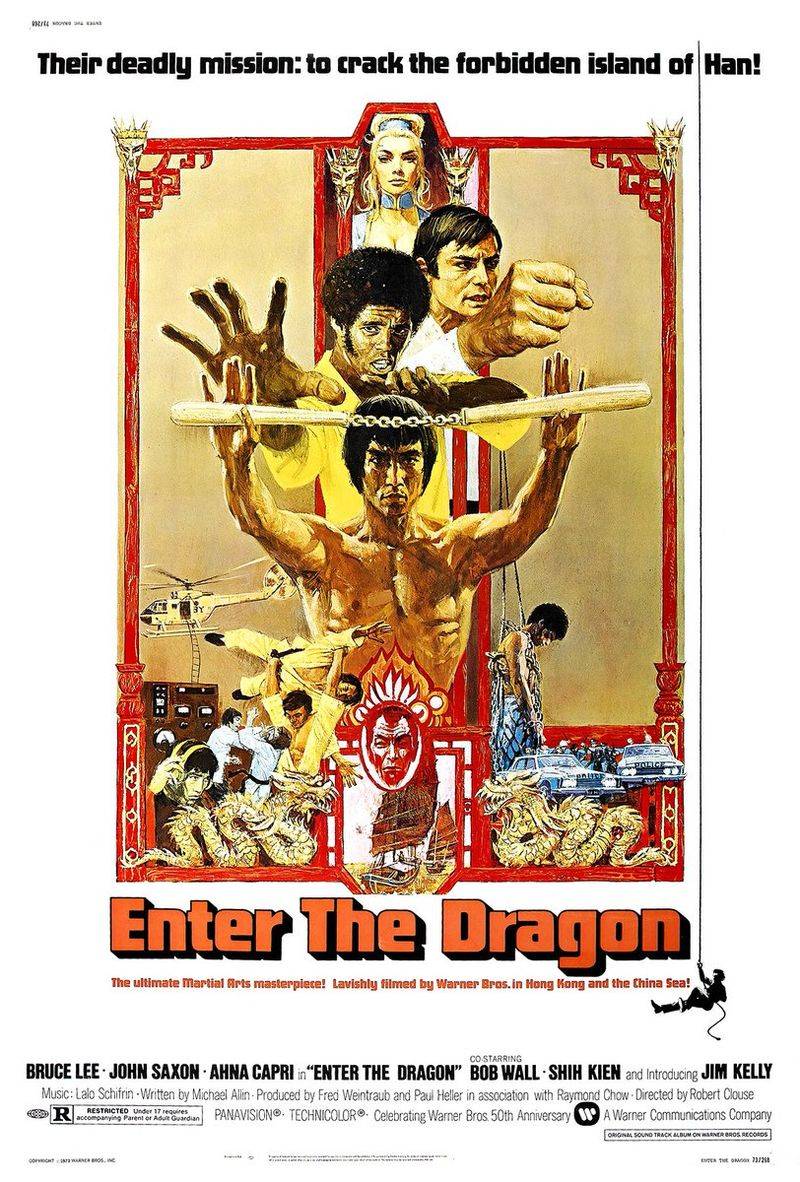
Bruce Lee had been building a devoted following through his Hong Kong films, but Enter the Dragon was supposed to be his breakthrough into mainstream Western cinema.
He died in July 1973, just six days before the film’s release, never knowing the global phenomenon he had created.
Enter the Dragon became a massive international hit and launched martial arts films into a completely new stratosphere of popularity.
Lee’s speed, charisma, and physical artistry were unlike anything audiences had ever seen.
The film made him an icon overnight, though he wasn’t there to experience it.
Decades later, Bruce Lee is recognized as one of the most influential figures in both film and martial arts history.
Enter the Dragon remains the cornerstone of that legacy, a triumph delivered entirely after his time had passed.
13. Bela Lugosi – The Enduring Dracula
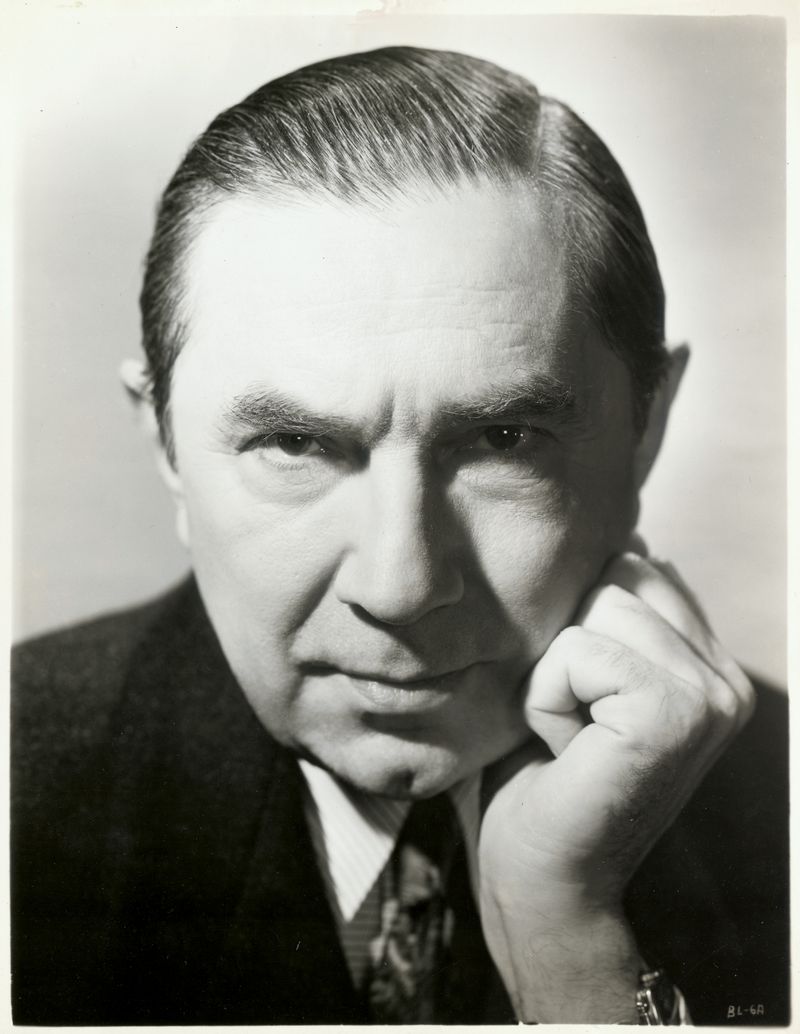
Bela Lugosi’s career was complicated and often painful.
By the time he died in 1956, he had fallen far from his 1931 Dracula glory days and was working with low-budget filmmaker Ed Wood.
His footage was briefly used in Plan 9 from Outer Space, released in 1959 after his passing.
Plan 9 became famous mostly as a joke, widely mocked as one of the worst films ever made.
But something unexpected happened over the following decades.
Lugosi’s cultural status as the definitive screen Dracula grew enormously, fueled by Halloween, pop culture references, and renewed appreciation for classic horror.
Today, Lugosi’s image is instantly recognizable worldwide.
His portrayal of Dracula shaped vampire mythology in ways that still influence films, television, and literature.
That kind of lasting cultural impact is a triumph no box-office number can fully measure.