 MomSkoop
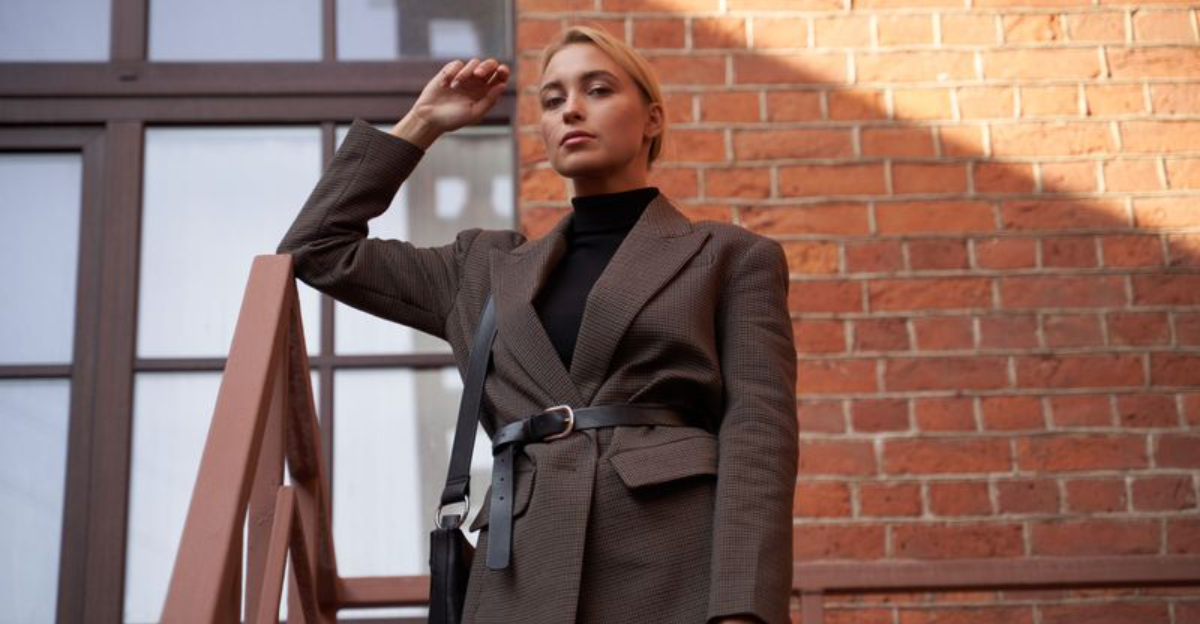
A belt is one of the most underrated accessories in your wardrobe. The right belt, worn the right way, can completely transform an outfit from basic to polished in seconds.
Whether you are dressing up for school, a casual outing, or a special event, these simple tricks will make your look feel more put-together and expensive without spending a lot of money.
1. Match Your Belt to Your Shoes
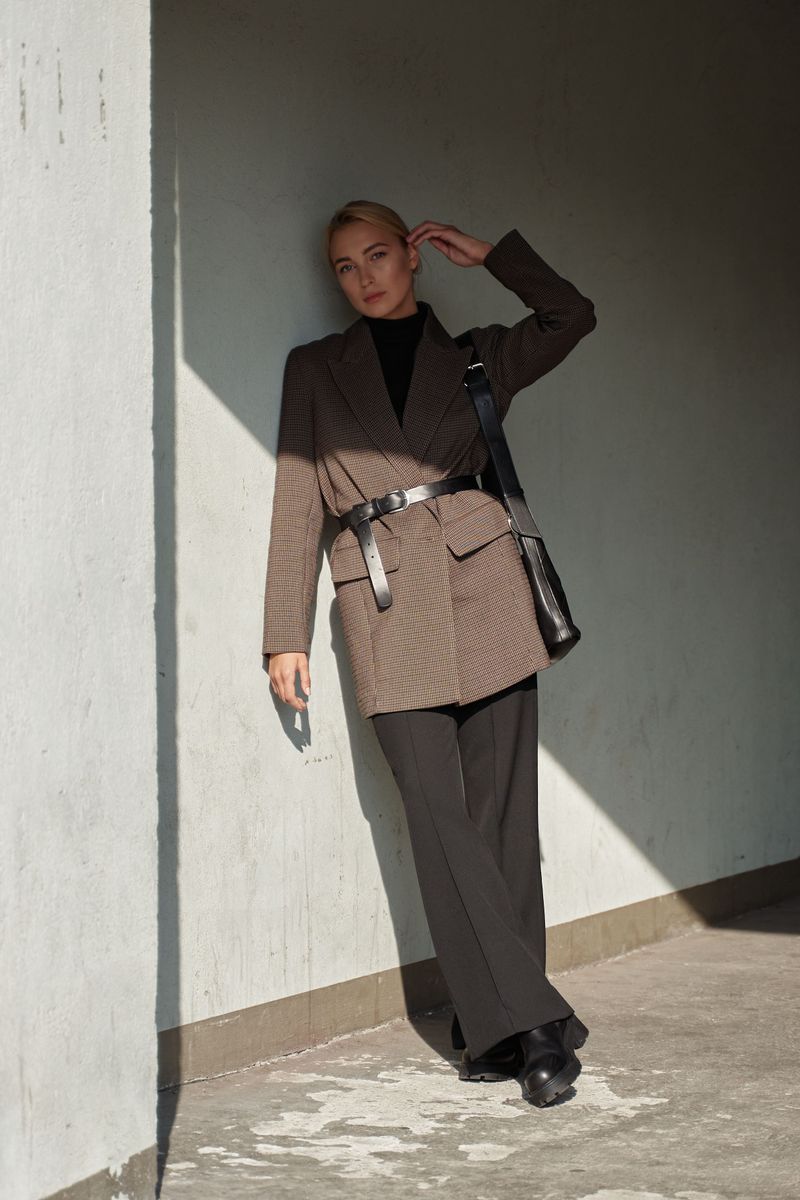
There is a reason fashion stylists swear by this classic rule: matching your belt to your shoes is one of the easiest ways to look polished.
Black belt with black shoes, brown belt with brown shoes — it creates a visual harmony that signals intentional dressing.
When your accessories connect like this, the eye flows smoothly from top to bottom without any distracting mismatches.
It gives the impression that you carefully planned every detail of your outfit, even if you threw it together in five minutes.
This trick works for casual jeans and sneakers too.
Just swap the leather belt for a matching tone, and suddenly the whole look feels more coordinated and elevated.
2. Choose a Minimal Buckle
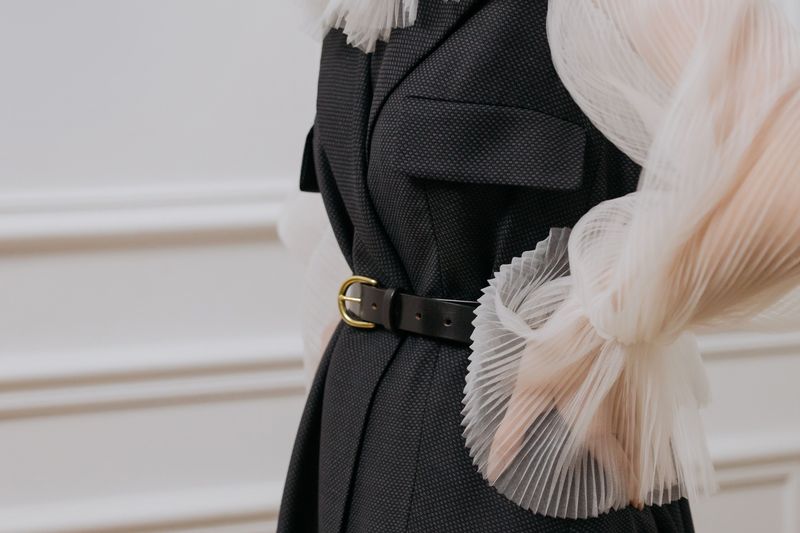
Oversized, flashy buckles can scream costume rather than class.
A sleek, minimal buckle in gold, silver, or matte black does the opposite — it whispers confidence without trying too hard.
Think about the buckles you see on luxury brand belts.
They are almost always clean and understated.
That simplicity is what makes them look expensive.
You do not need a designer label to achieve the same effect — just swap out chunky hardware for something refined.
Shopping tip: look for belts with flat, rectangular, or oval buckles at thrift stores or budget-friendly shops.
The shape alone will upgrade your entire outfit and make even affordable pieces look intentional and high-end.
3. Belt an Oversized Blazer
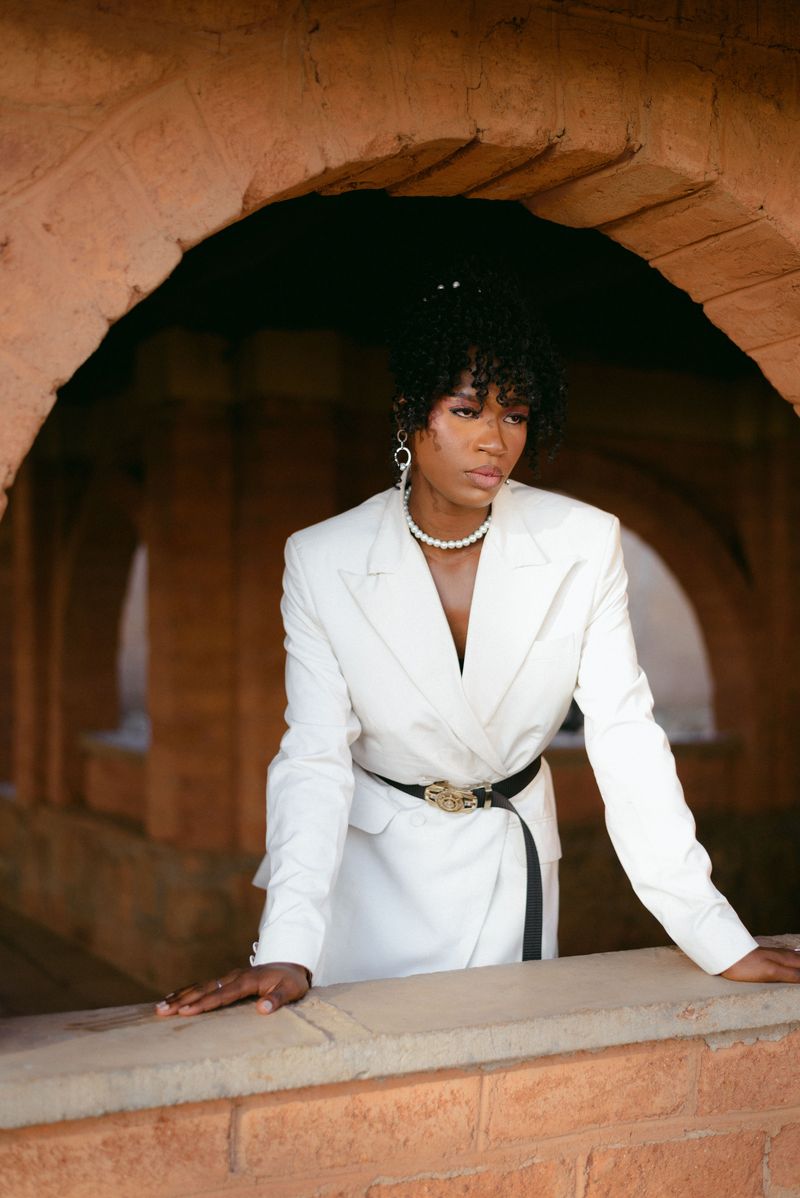
Oversized blazers are everywhere right now, and for good reason — they are comfortable, cool, and endlessly versatile.
But without a belt, they can sometimes look shapeless or like you borrowed something from a much bigger person.
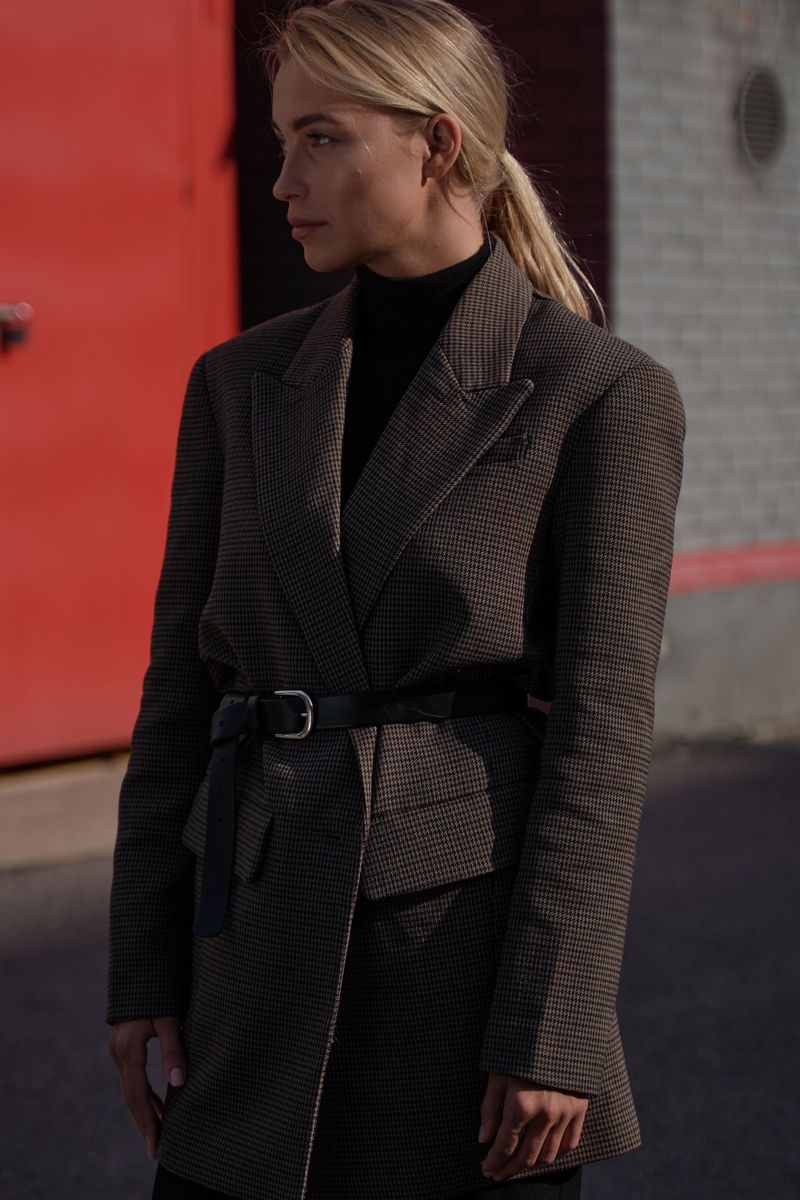
Cinching an oversized blazer at the waist with a slim or medium-width belt instantly creates structure.
Suddenly, the blazer looks tailored and intentional rather than just baggy.
This trick works especially well with monochrome or neutral-colored blazers.
Try a matching leather belt for a sleek, sophisticated finish, or use a contrasting color belt to add a pop of personality.
Either way, your blazer goes from borrowed-feeling to runway-ready with just one simple accessory adjustment.
4. Use a Belt Over Dresses

Loose, flowy dresses are comfortable and breezy, but they do not always show off your shape.
Adding a belt changes everything.
A slim or medium-width belt placed at the natural waist defines your silhouette and gives the dress a more structured, elevated appearance.
This trick works on maxi dresses, shirt dresses, and even casual sundresses.
The belt acts like a visual anchor, breaking up the fabric and drawing attention to the waist in a flattering way.
For the most expensive-looking result, choose a belt in a neutral tone close to your dress color.
A tone-on-tone approach keeps the outfit cohesive while still adding that waist definition that makes the whole look feel intentional and styled.
5. Tuck in Your Top
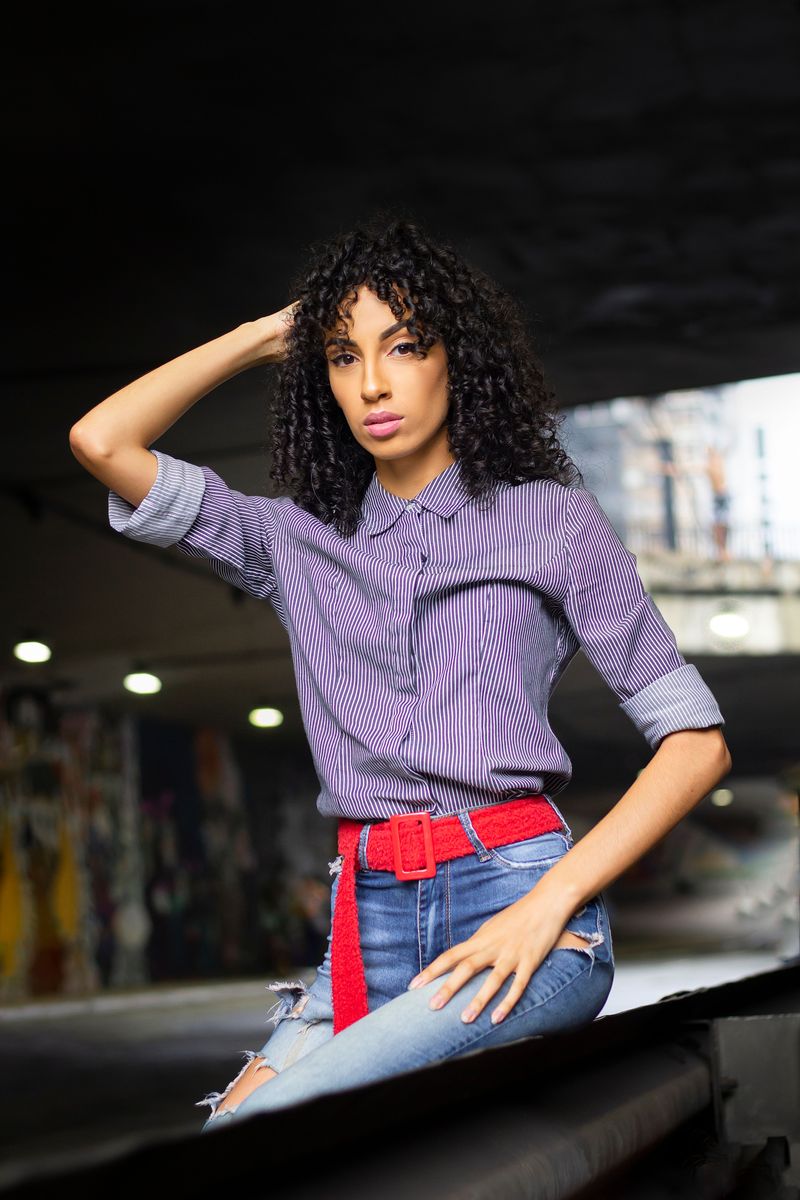
Here is a simple move that makes a huge difference: tuck in your top.
Whether you go for a full tuck or just a front tuck, this small adjustment lets your belt become a visible, stylish focal point rather than an afterthought hidden under fabric.
A front tuck — where only the front portion of your shirt is tucked in — works especially well for casual looks.
It feels relaxed but still intentional, which is exactly the balance that makes outfits look effortlessly put-together.
The belt becomes the star of the outfit when it is visible.
Even a simple, affordable belt looks elevated when it sits neatly above well-fitted pants or jeans with a clean tuck framing it perfectly.
6. Try the Belt-Tuck Trick
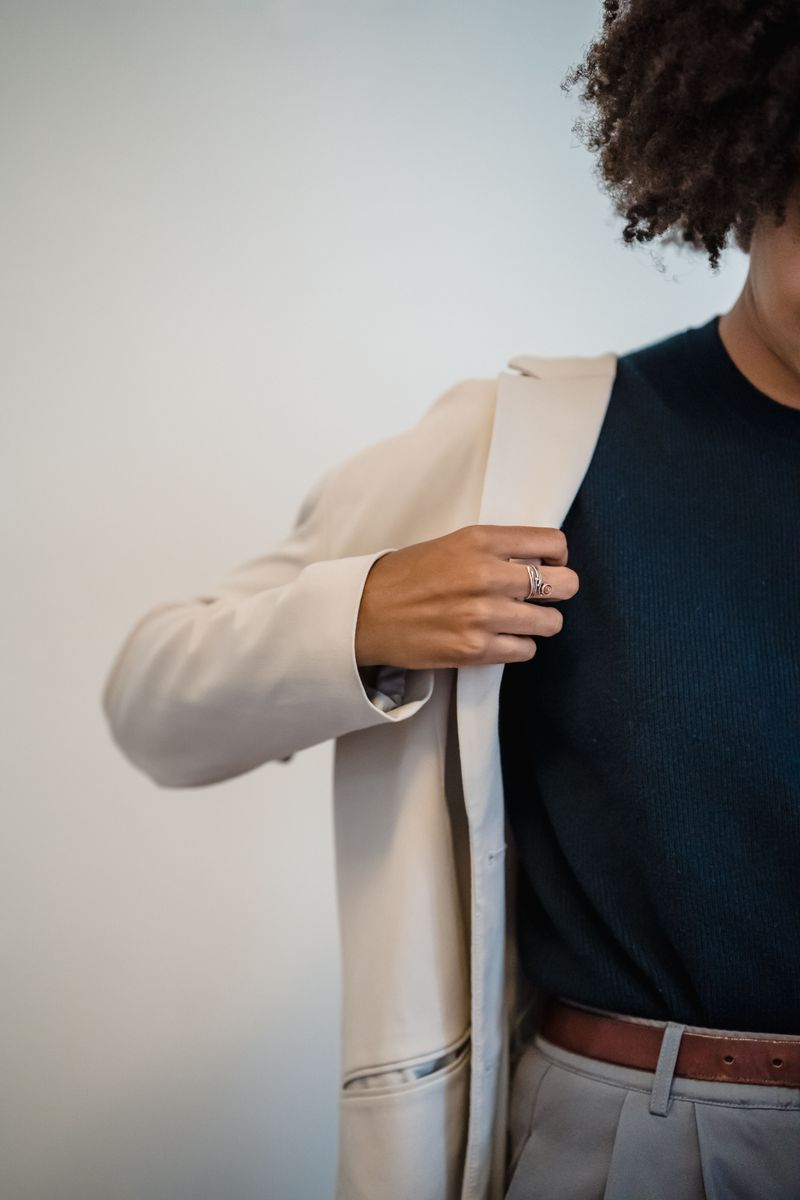
You know that awkward extra piece of belt that flops around after you fasten it?
That dangling tail can make even a nice belt look messy and cheap.
The belt-tuck trick solves this instantly.
After buckling your belt, simply tuck the remaining tail underneath the belt itself, between the belt and your waistband.
The result is a clean, smooth finish that looks intentional and modern.
No hardware clips or belt keepers required.
This is one of those tiny details that separates a carefully styled outfit from a carelessly thrown-together one.
Stylists use this trick constantly on photo shoots and runways.
Now you can bring that same level of polish to your everyday wardrobe without spending a single extra dollar.
7. Choose Leather or High-Quality Faux Leather
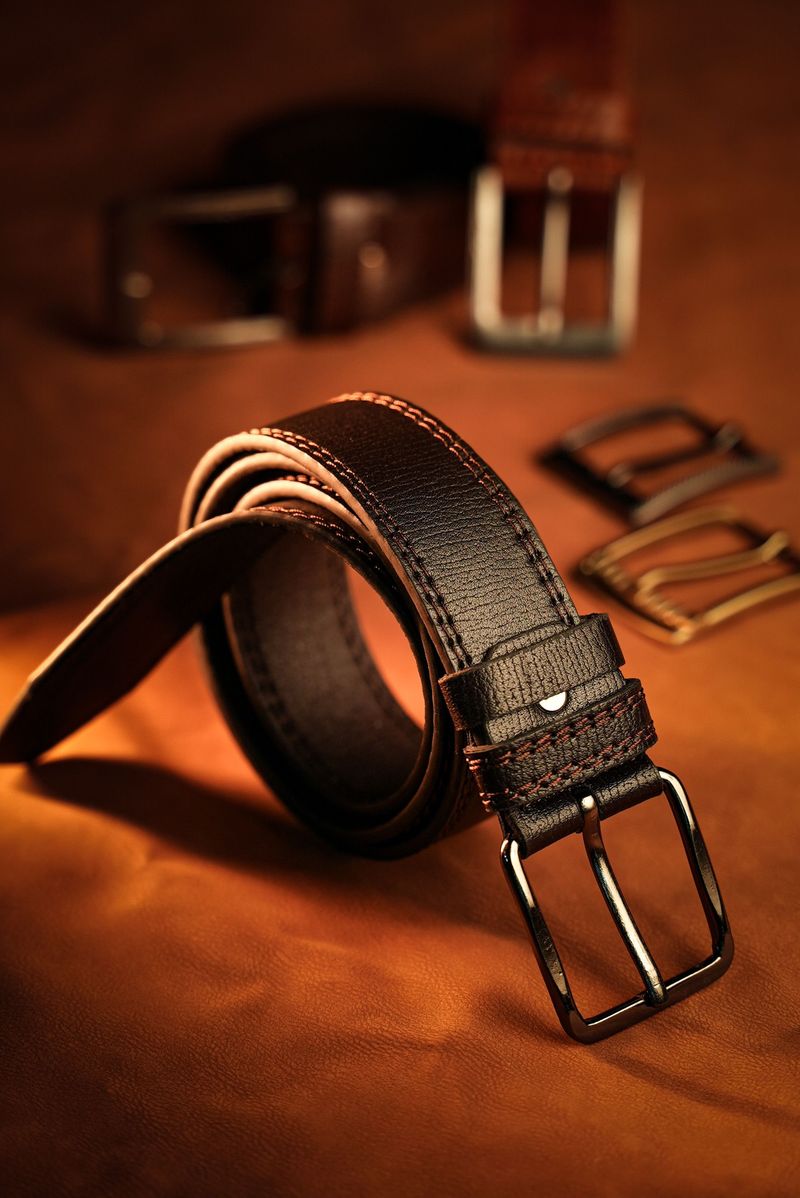
Material matters more than most people realize.
A flimsy, fabric-based belt with uneven edges instantly reads as cheap, no matter how much you paid for it.
Smooth leather — or well-made faux leather — has a structured quality that looks premium from across the room.
The good news is that high-quality faux leather has come a long way.
Many budget-friendly belts now mimic the look and feel of genuine leather convincingly.
What to look for: clean, even edges, consistent color, and a slightly stiff structure that holds its shape.
Avoid belts that feel papery or bendy.
A belt that holds its form when you pick it up is almost always going to look more expensive when worn, regardless of the price tag on the label.
8. Wear a Belt with Monochrome Outfits
All-white, all-black, or all-beige outfits have a naturally elegant, high-fashion feel.
Adding a contrasting belt introduces just enough visual interest to keep the look dynamic without disrupting its clean simplicity.
A tan belt on an all-white outfit, or a black belt on an all-grey look, adds definition and breaks the silhouette in a flattering way.
The contrast draws the eye to your waist, creating shape and balance that makes the overall outfit appear more considered and refined.
The key is to keep the belt simple and the contrast subtle rather than jarring.
A single pop of contrast through a well-chosen belt can make a plain monochrome outfit look like it came straight off a high-end fashion mood board.
9. Cinch Knitwear
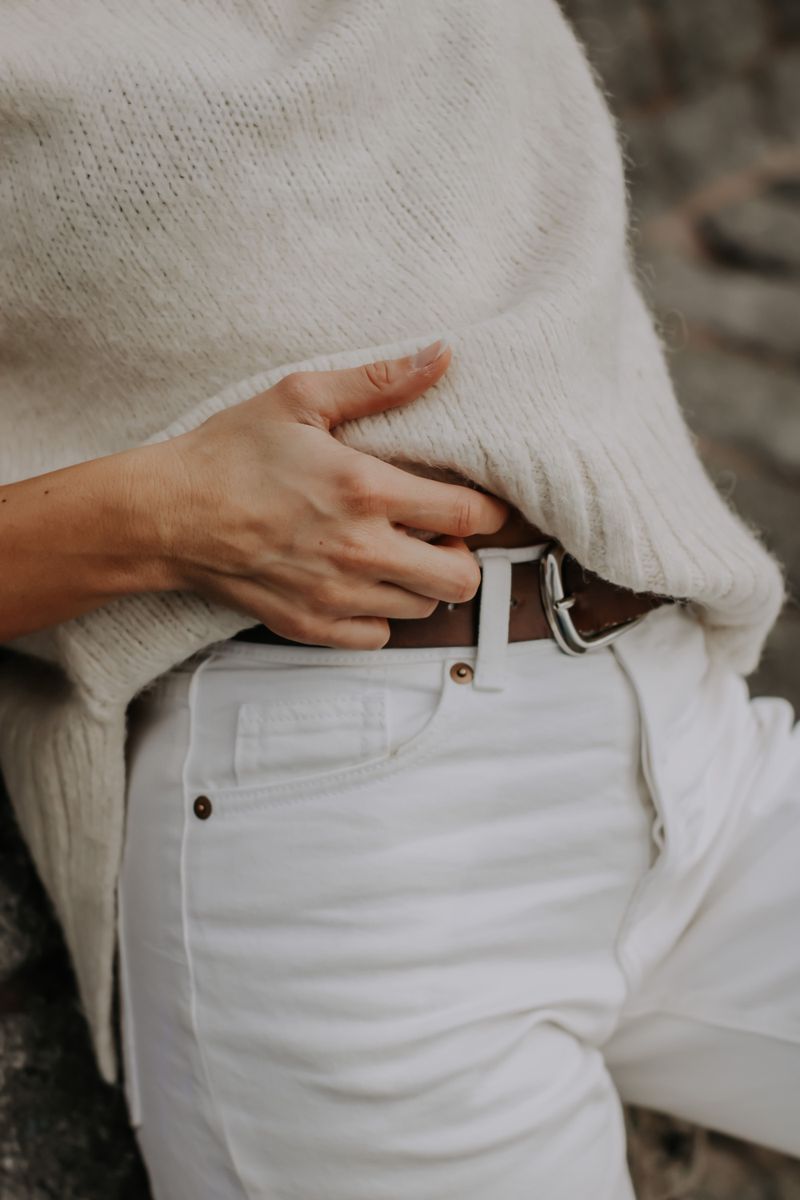
Oversized sweaters and chunky cardigans are cozy favorites, but without any shaping, they can look like a shapeless blob of fabric.
Belting knitwear is the styling trick that transforms cozy into chic.
Place a wide or medium-width belt over your sweater at the natural waist.
The belt creates a defined silhouette, making the oversized knit look intentional and fashion-forward rather than just comfortable.
It also works beautifully when worn as a dress with knee-high boots.
One styling tip: if your sweater is chunky and textured, pair it with a smooth leather belt for contrast.
The mix of textures adds visual depth and makes the outfit feel layered and thoughtfully put together, like something you would spot in a fashion magazine spread.
10. Coordinate Your Hardware
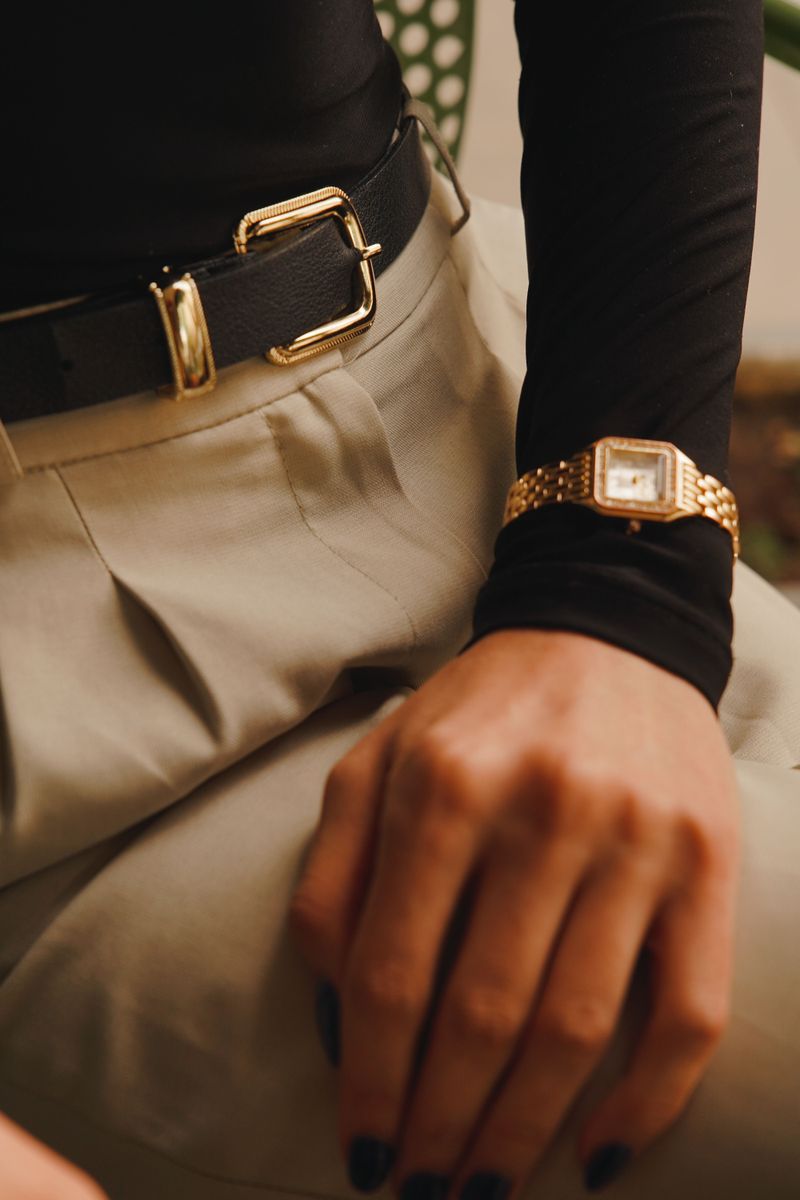
Here is a detail that most people overlook but stylists obsess over: matching your belt buckle to the rest of your metal accessories.
Gold buckle with gold jewelry, silver buckle with silver jewelry — it sounds small, but the visual consistency it creates is remarkable.
When all your metals match, the outfit feels curated rather than random.
It is the kind of detail that makes people say your look is expensive without being able to pinpoint exactly why.
The harmony of matched hardware creates a subconscious sense of intentionality.
If you wear mixed metals in your jewelry, choose a neutral matte buckle to avoid clashing.
A brushed nickel or antique brass tone can bridge the gap beautifully and still pull the whole look together with effortless cohesion.
11. Use a Skinny Belt for Delicate Looks

Not every outfit needs a bold, statement belt.
Sometimes the most elegant move is to use a very thin, delicate skinny belt that adds polish without drawing too much attention to itself.
Skinny belts work especially well with feminine silhouettes: flowy dresses, tailored trousers, wrap skirts, and lightweight blouses.
They add a subtle waist definition without overpowering the softness of the fabric or the overall delicacy of the look.
Width matters a lot in styling.
A thick belt on a delicate dress can look heavy and mismatched.
A skinny belt, by contrast, feels proportionate and refined.
Think of it as a whisper of structure — just enough to say your outfit was intentionally styled without shouting it out loud.
12. Choose the Right Belt Width
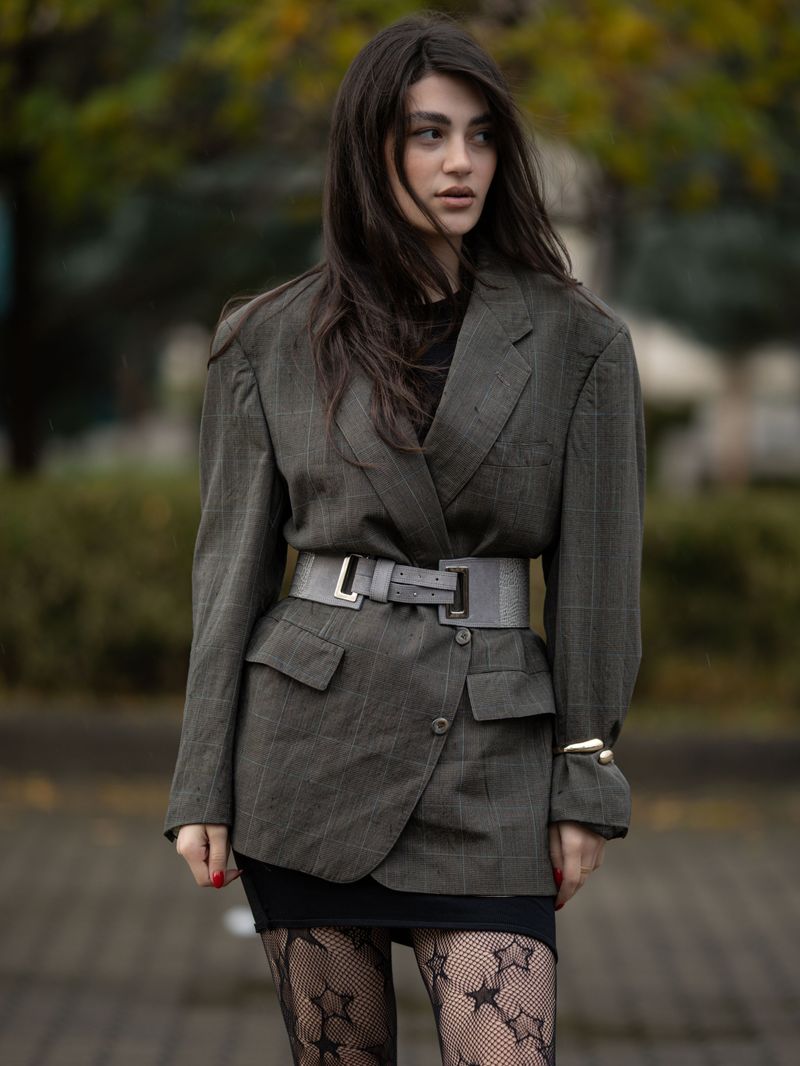
Belt width is one of those details that can either make or break an outfit.
Get it right, and your look feels balanced and proportional.
Get it wrong, and something just feels off, even if you cannot explain why.
As a general rule: wider belts pair best with heavier, more structured pieces like coats, blazers, and thick trousers.
The substantial width matches the visual weight of the garment.
Slimmer belts complement lighter fabrics, dresses, and tailored pants where a wide belt would feel overwhelming.
When in doubt, hold the belt up against the outfit before putting it on.
If the belt seems to compete with the garment rather than complement it, try a different width.
Proportion is everything in fashion styling.
13. Keep Your Belt in Great Condition
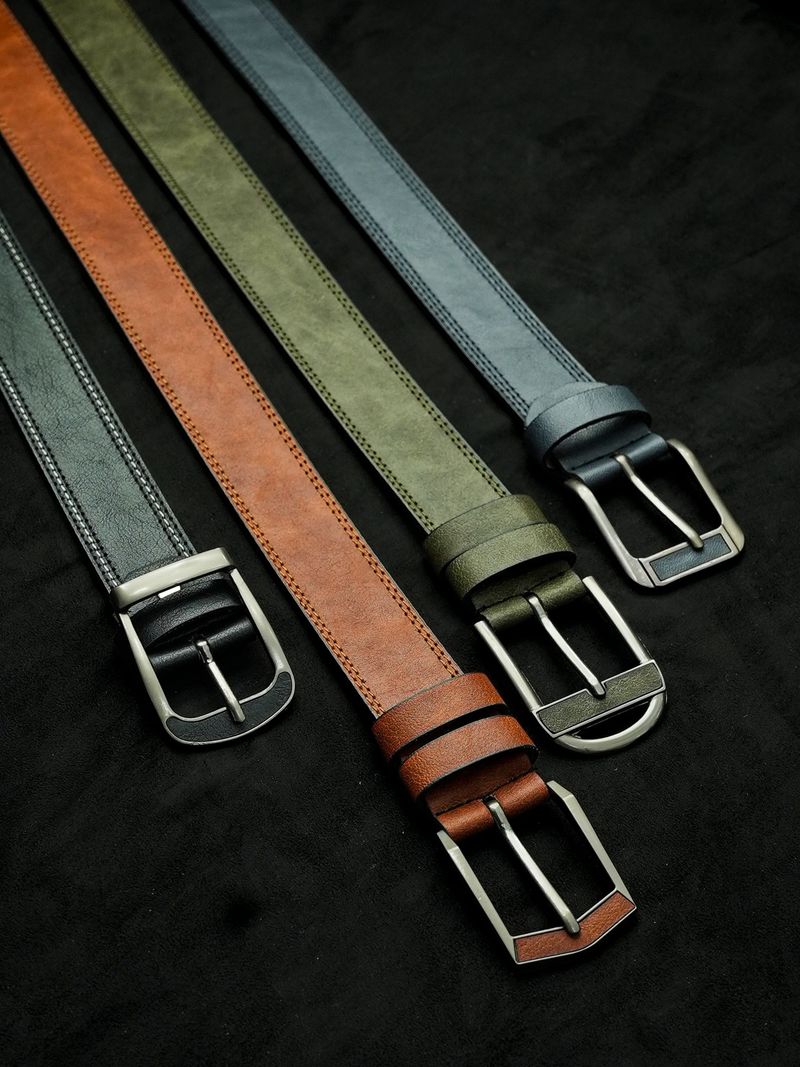
Even the most perfectly chosen belt can ruin an outfit if it looks worn, cracked, or scratched.
Belt maintenance is the unsung hero of expensive-looking style.
A clean, well-conditioned leather belt elevates even the simplest outfit, while a peeling, beat-up one drags the whole look down.
Wipe leather belts regularly with a damp cloth and apply leather conditioner every few months to prevent cracking.
Store belts rolled or hung rather than folded to avoid permanent creases.
Clean your buckle with a soft cloth to remove scratches and tarnish.
Replace belts before they start showing serious wear.
An affordable, fresh belt always looks better than an expensive one that has seen better days.
Condition matters more than cost when it comes to lasting style.