 MomSkoop

Times change, and so do the habits of an entire generation. Baby Boomers, born between 1946 and 1964, shaped many of the biggest trends of the 20th century.
But as life evolves, many of those once-beloved habits are quietly being left behind. From how they watch TV to what they drive, Boomers are making some surprising shifts.
1. Cable TV Subscriptions
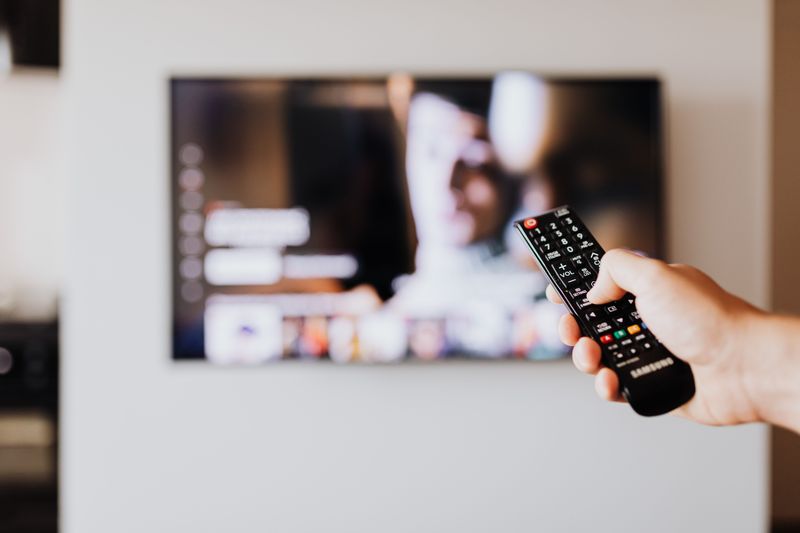
Remember flipping through 200 channels and still finding nothing to watch?
Cable TV was once the king of home entertainment, but those days are fading fast.
Monthly bills that could top $150 made many Boomers stop and think twice.
Streaming platforms like Netflix, YouTube, Hulu, and Disney+ offer more flexibility at a fraction of the cost.
You watch what you want, when you want — no commercials, no contracts.
That kind of control is hard to argue with.
Studies show that cord-cutting among adults over 55 has jumped significantly in recent years.
The shift is not just about saving money; it is about watching smarter and living simpler.
2. Landline Telephones
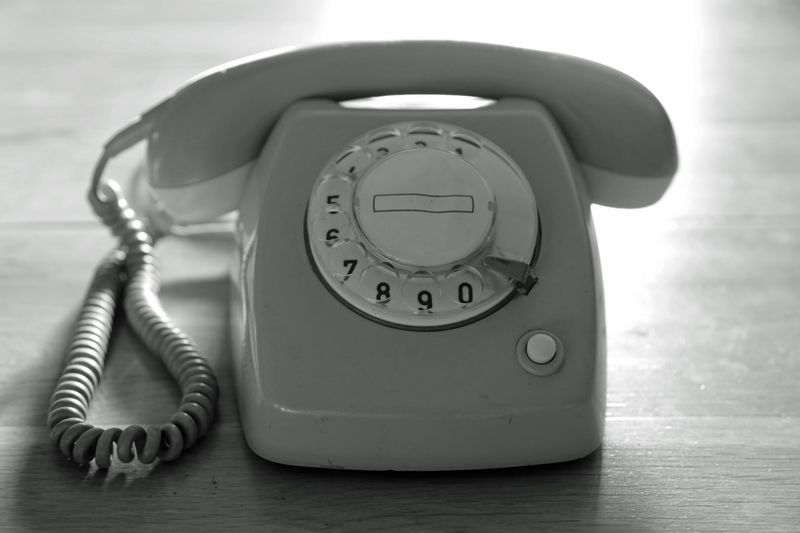
There was a time when the home phone was the heartbeat of a household.
Everyone knew the number by heart, and the dinner-time ring was practically a family ritual.
That era has quietly slipped away.
Mobile phones have taken over almost completely, even for older adults who once swore they would never give up their landlines.
Smartphones now offer texting, video calls, and GPS — all things a wall phone could never dream of doing.
According to the CDC, more than 70% of U.S. adults now live in wireless-only homes.
Boomers are recognizing that keeping a landline is more habit than necessity, and many are finally pulling the plug for good.
3. Writing Paper Checks
Writing a check used to feel official — like handling real, grown-up business.
The careful handwriting, the carbon copy, the trip to the mailbox.
It had a certain charm, but let us be honest: it was also a lot of work.
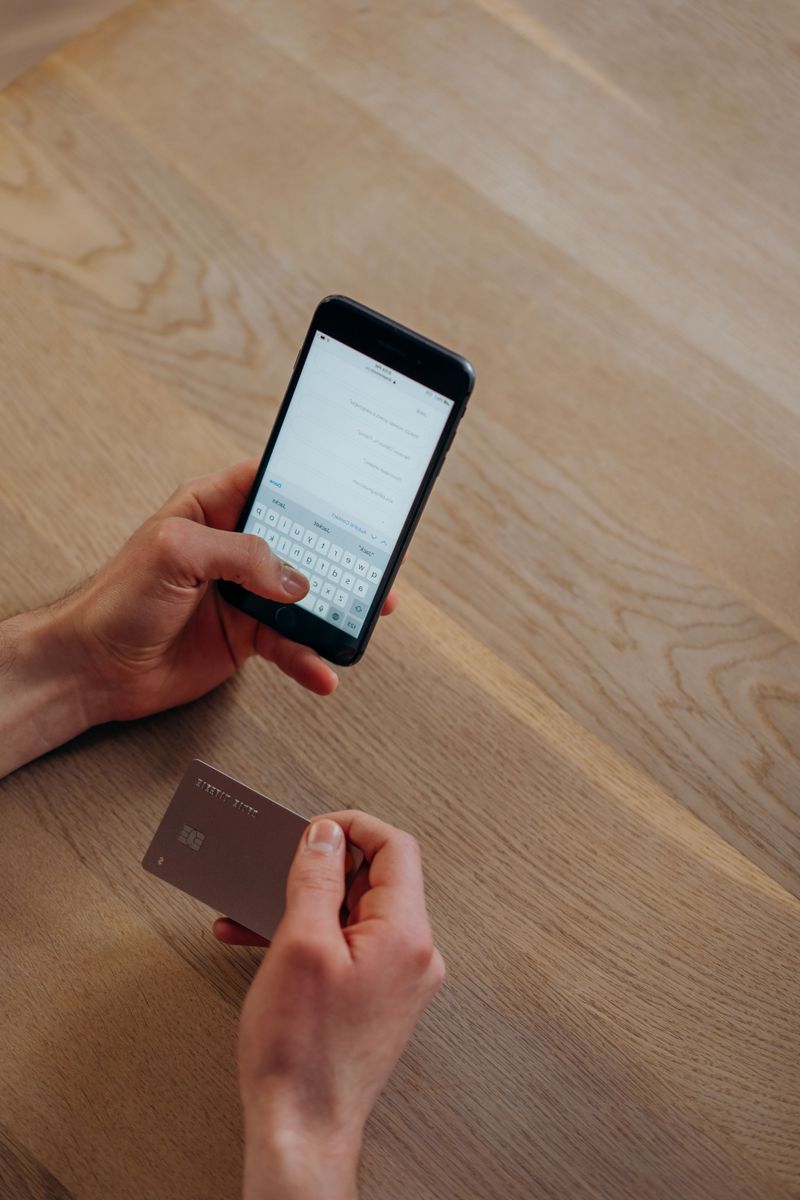
Online banking, mobile payment apps like Venmo and Zelle, and contactless cards have made paper checks feel like ancient history.
Paying bills or splitting dinner costs now takes about ten seconds on a phone.
Many banks are even discouraging check use by charging fees or limiting access.
Boomers who once kept a checkbook in every purse or wallet are now embracing digital payments — and wondering why they waited so long to make the switch.
4. Large Family Homes
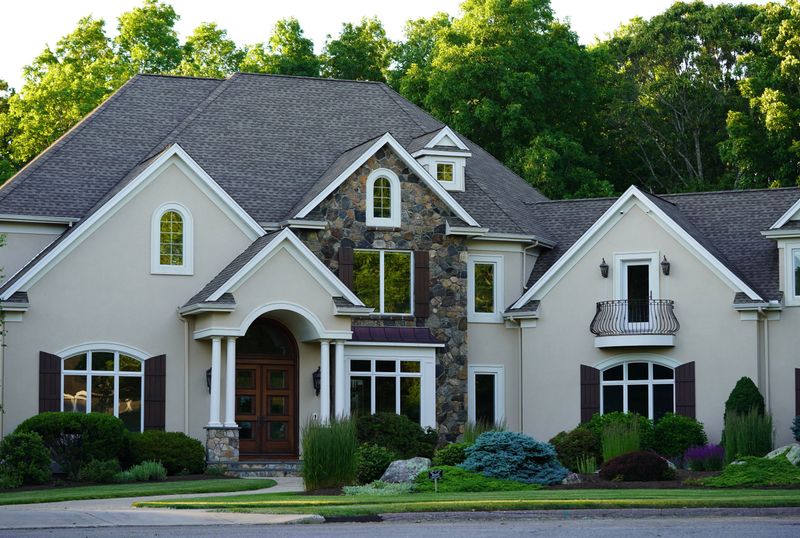
A big house with a big yard was once the ultimate American dream.
For Boomers raising families in the 1980s and 90s, more square footage meant more success.
But the kids have grown up and moved out, leaving behind rooms that echo.
Empty nesters are increasingly choosing to downsize into smaller homes, condos, or retirement communities.
Less space means less cleaning, lower utility bills, and far fewer weekend hours spent on maintenance and repairs.
There is also a lifestyle appeal to it.
Smaller homes often place people closer to city centers, walkable neighborhoods, and social activities.
Many Boomers say downsizing felt like a weight lifted — both financially and emotionally — freeing them to focus on experiences rather than square footage.
5. Fine China and Formal Dining Sets
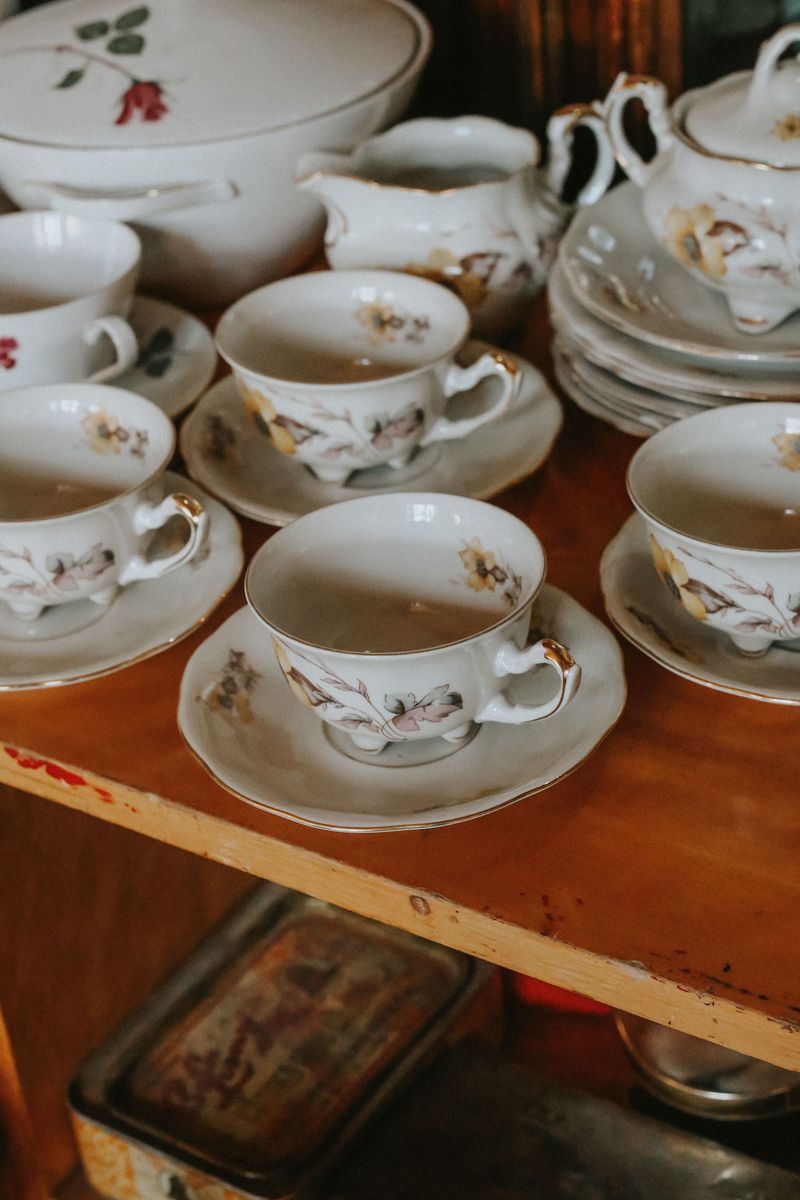
Fine china was once a wedding registry staple.
Couples received full sets of delicate, hand-painted plates meant for “special occasions” — which somehow never quite arrived often enough.
Many sets spent decades locked behind glass cabinet doors.
Casual dining has become the new normal, and Boomers are finally admitting that pulling out the good china for Sunday dinner just is not happening anymore.
Everyday dishes work perfectly well, and they go in the dishwasher without worry.
Estate sales and online marketplaces are now flooded with fine china sets being sold or donated.
Rather than passing them on to kids who do not want them either, many Boomers are choosing to simplify and embrace a more relaxed approach to setting the table.
6. Owning Physical Media
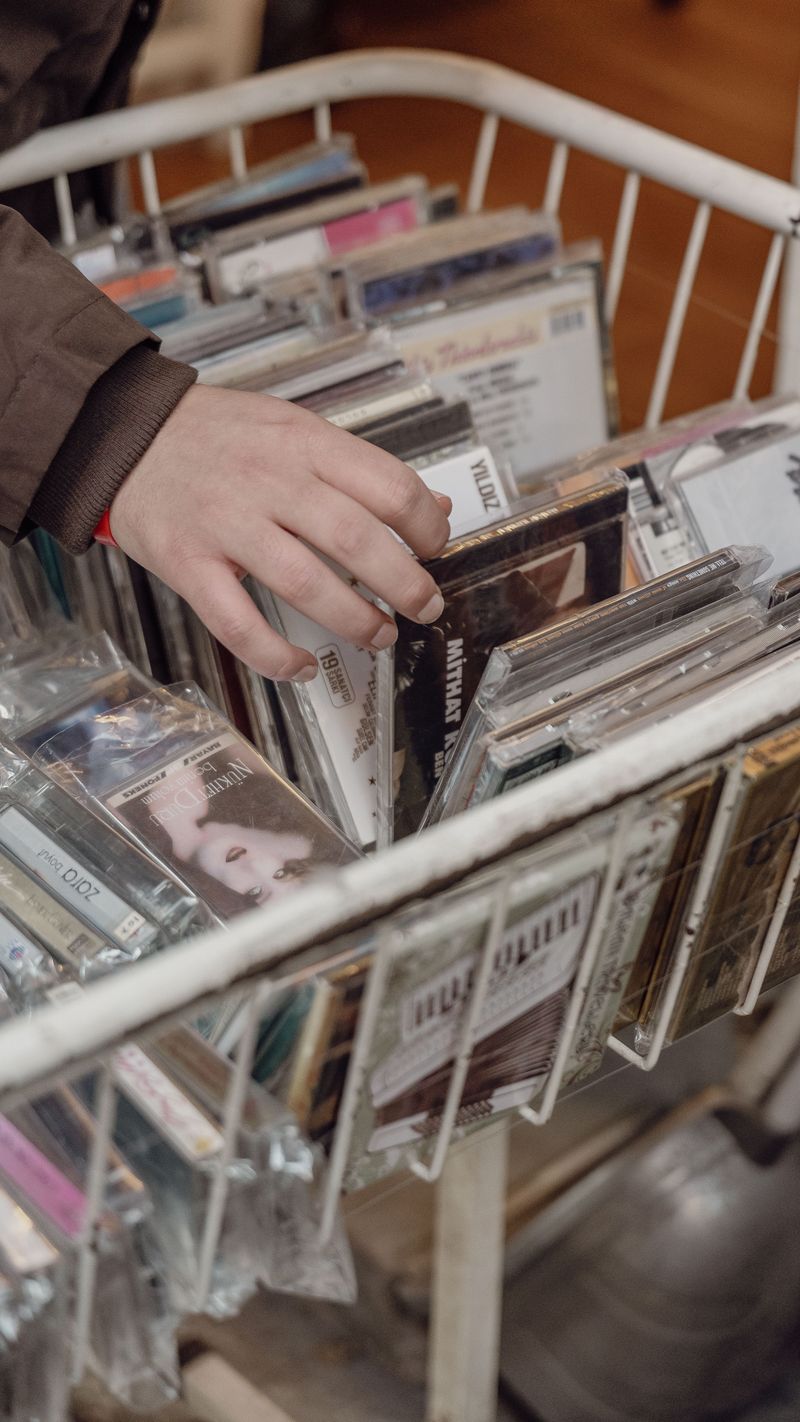
At one point, a wall lined with DVDs and CDs was a point of pride.
Building a music or movie collection felt meaningful — something you could hold, display, and share.
Printed photo albums sat on coffee tables and told the story of a family’s life.
Digital streaming and cloud storage have quietly made all of that physical stuff feel like clutter.
Why store 500 DVDs when every film ever made is available with a tap on your tablet?
Online photo libraries have replaced bulky printed albums, keeping memories safe without taking up shelf space.
Boomers are clearing out their media collections in record numbers, and many say the digital switch has made their homes feel noticeably lighter and more organized.
7. Formal Dress Codes

Suits, ties, pantyhose, and heels — for decades, dressing formally was a sign of respect and professionalism.
Boomers grew up in workplaces where appearance carried enormous weight, and looking polished was simply expected.
Fast forward to today, and comfort has taken the crown.
Many Boomers have retired from those strict office environments and are happily trading in their blazers for breathable fabrics and sensible shoes.
And honestly, who can blame them?
Even social events that once required formal attire have relaxed their standards.
Weddings, dinner parties, and even some workplaces now welcome smart-casual looks.
Boomers are leaning into this shift wholeheartedly, discovering that looking put-together does not have to mean being uncomfortable all day long.
8. Traditional Print Newspapers
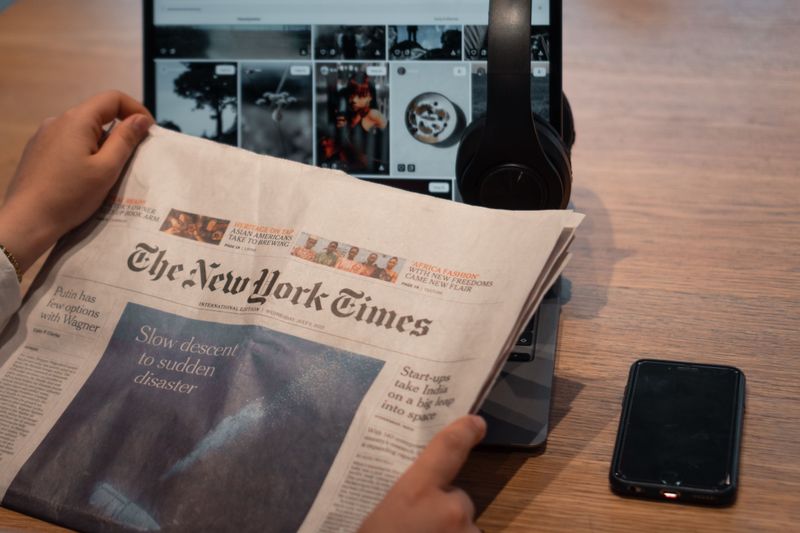
The morning newspaper was once a sacred ritual.
Coffee in one hand, the paper in the other — it was how millions of Boomers started their day for decades.
The smell of fresh ink, the rustle of pages, the crossword puzzle tucked inside.
But print circulation has been dropping for years, and Boomers are part of that shift.
News websites, apps, social media feeds, and digital subscriptions now deliver headlines faster than any printed page ever could.
Many newspapers have responded by building strong digital platforms, keeping loyal readers while attracting new ones.
Boomers who once refused to read anything on a screen have come around, finding that digital news is easier to search, share, and access from anywhere at any time.
9. Department Store Shopping
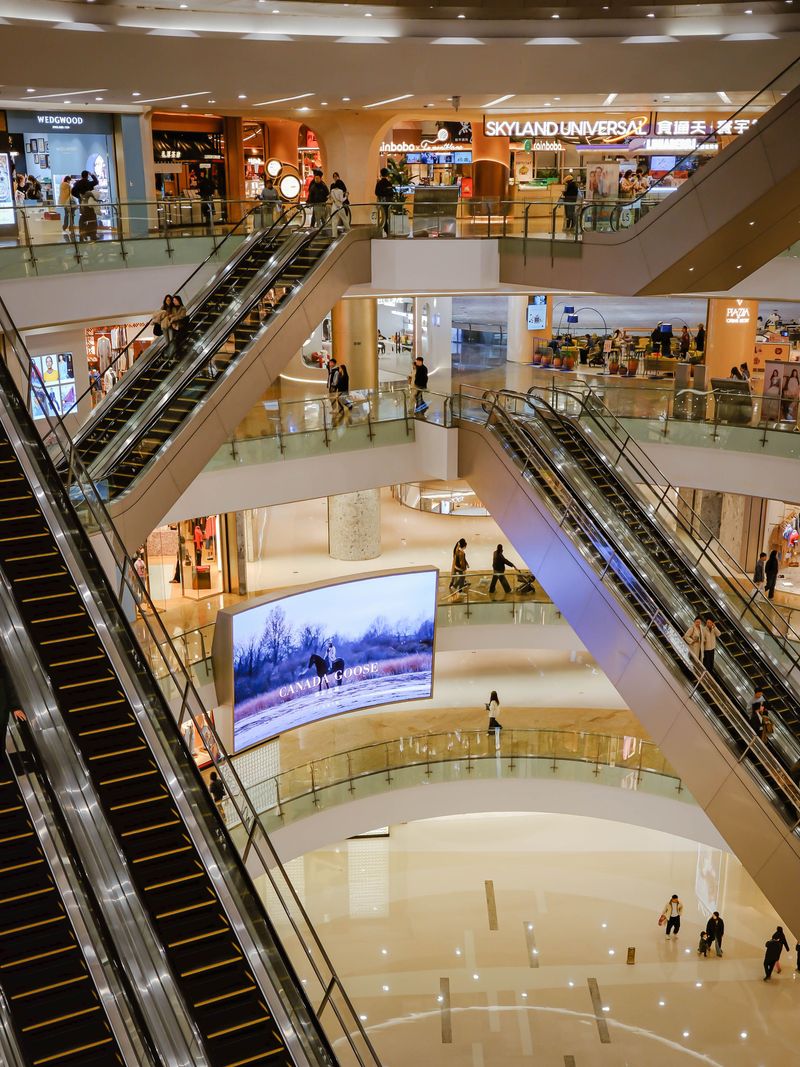
Walking through a sprawling department store used to be an event in itself.
Macy’s, Sears, JCPenney — these were destinations where you could spend hours browsing everything from housewares to handbags.
For many Boomers, it was practically a hobby.
Online shopping changed the game entirely.
Direct-to-consumer brands now offer better prices, free shipping, and easy returns — all without leaving the couch.
The convenience factor is simply too strong to ignore.
Major department store chains have been closing locations at an alarming rate, and Boomers who once filled their Saturday afternoons with mall trips are now filling their online carts instead.
The experience is different, but the savings and ease have won over even the most loyal in-store shoppers.
10. Collecting Antiques and Heavy Furniture
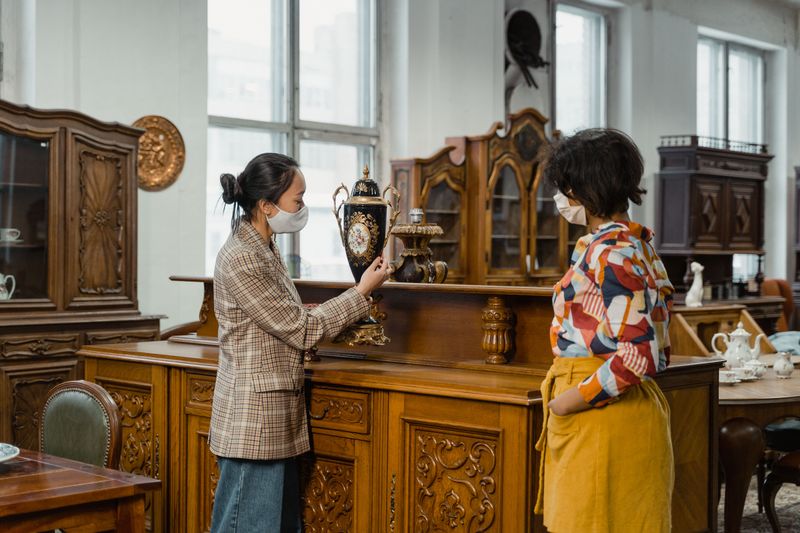
Antique collecting was a beloved pastime for many Boomers.
Hunting for treasures at flea markets, estate sales, and antique shops felt exciting — and filling a home with heavy, ornate furniture felt like building something lasting and meaningful.
Younger generations tend to prefer minimalist or modern decor, which means those prized heirloom pieces are not being passed down the way Boomers hoped.
Many are now selling or donating bulky furniture rather than watching it sit unused in storage.
There is also a practical side to this shift.
Heavy furniture is hard to move, difficult to maintain, and takes up serious space.
Boomers who are downsizing or simplifying their lives find that letting go of the collection feels surprisingly freeing rather than sad.
11. Keeping Cars for Status

A shiny luxury car in the driveway once said everything about where you stood in the world.
Cadillacs, Lincoln Town Cars, and big SUVs were status symbols that Boomers worked hard to afford — and proudly displayed to the neighbors.
That mindset is shifting in a big way.
Practicality, fuel efficiency, and reliability are now topping the priority list when Boomers shop for vehicles.
A car that gets great mileage and needs fewer repairs just makes more sense, especially on a fixed retirement income.
Electric and hybrid vehicles are also gaining serious traction among this age group.
Many Boomers say they no longer feel the need to impress anyone with what they drive — and that freedom from keeping up appearances feels better than any luxury badge ever did.