 MomSkoop
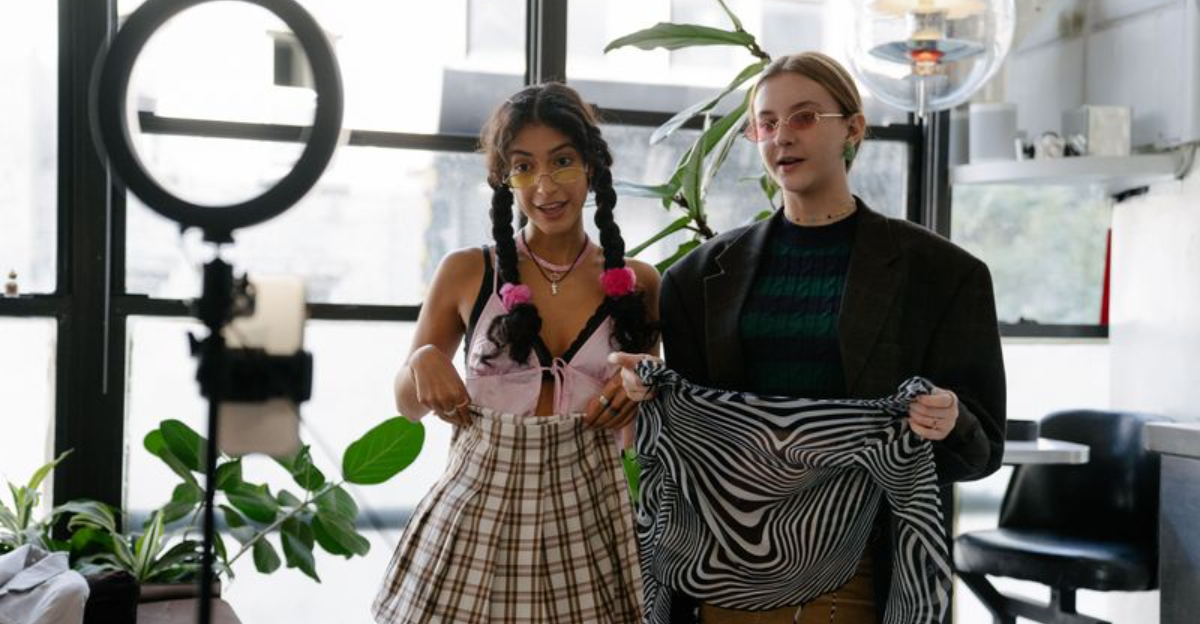
Fashion used to be decided by a small group of designers and magazine editors, but that world has completely changed. Social media influencers have taken the reins, reshaping how people discover, wear, and buy clothes every single day.
From turning unknown brands into overnight sensations to making sustainable style cool, their impact is hard to ignore. Here are ten surprising ways influencers have flipped the fashion world upside down.
1. Made Micro-Trends Go Viral
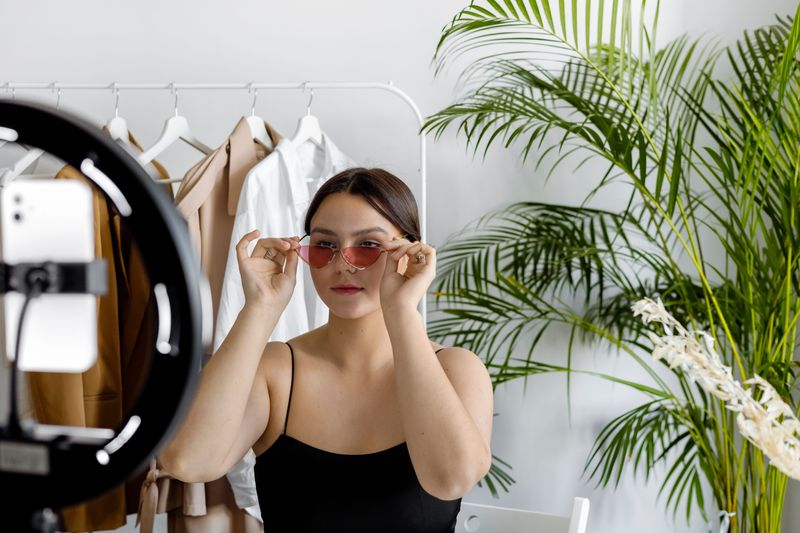
One morning, a teen in her bedroom posts a video wearing a quirky bucket hat and mismatched prints.
By nightfall, thousands of people are copying the look.
That is the power of influencers when it comes to micro-trends.
Platforms like TikTok and Instagram work like fashion rocket ships, sending niche styles into the mainstream at lightning speed.
Before social media, trends took months to spread.
Now, a single viral post can turn an obscure style into a global movement within 48 hours.
Micro-trends like “cottagecore,” “mob wife aesthetic,” and “quiet luxury” all exploded online through influencer content.
These rapid-fire style moments keep fashion feeling fresh, exciting, and constantly evolving for millions of followers worldwide.
2. Shifted Power from Fashion Magazines
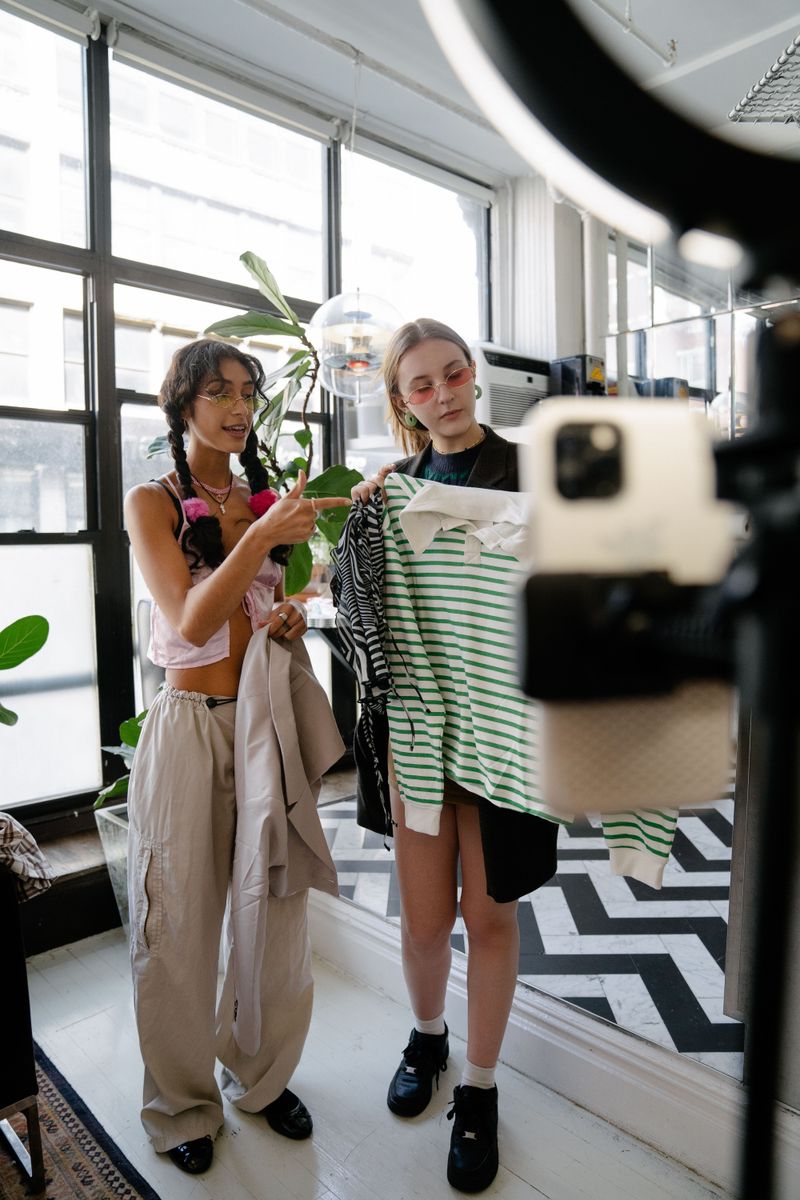
For decades, glossy magazines like Vogue and Harper’s Bazaar were the ultimate fashion authorities.
If they said wide-leg trousers were in, everyone believed it.
That era of top-down style control is fading fast.
Today, regular people with smartphones and authentic personalities are setting the trends.
Followers trust influencers because they feel like real friends rather than distant editors behind polished desks.
That personal connection changes everything about how style advice lands.
Major fashion brands have noticed the shift too.
Many now invite influencers to front-row seats at runway shows that were once reserved exclusively for magazine editors.
The fashion gatekeepers have changed, and the new ones speak directly to millions of loyal followers every day.
3. Popularized Affordable Fashion
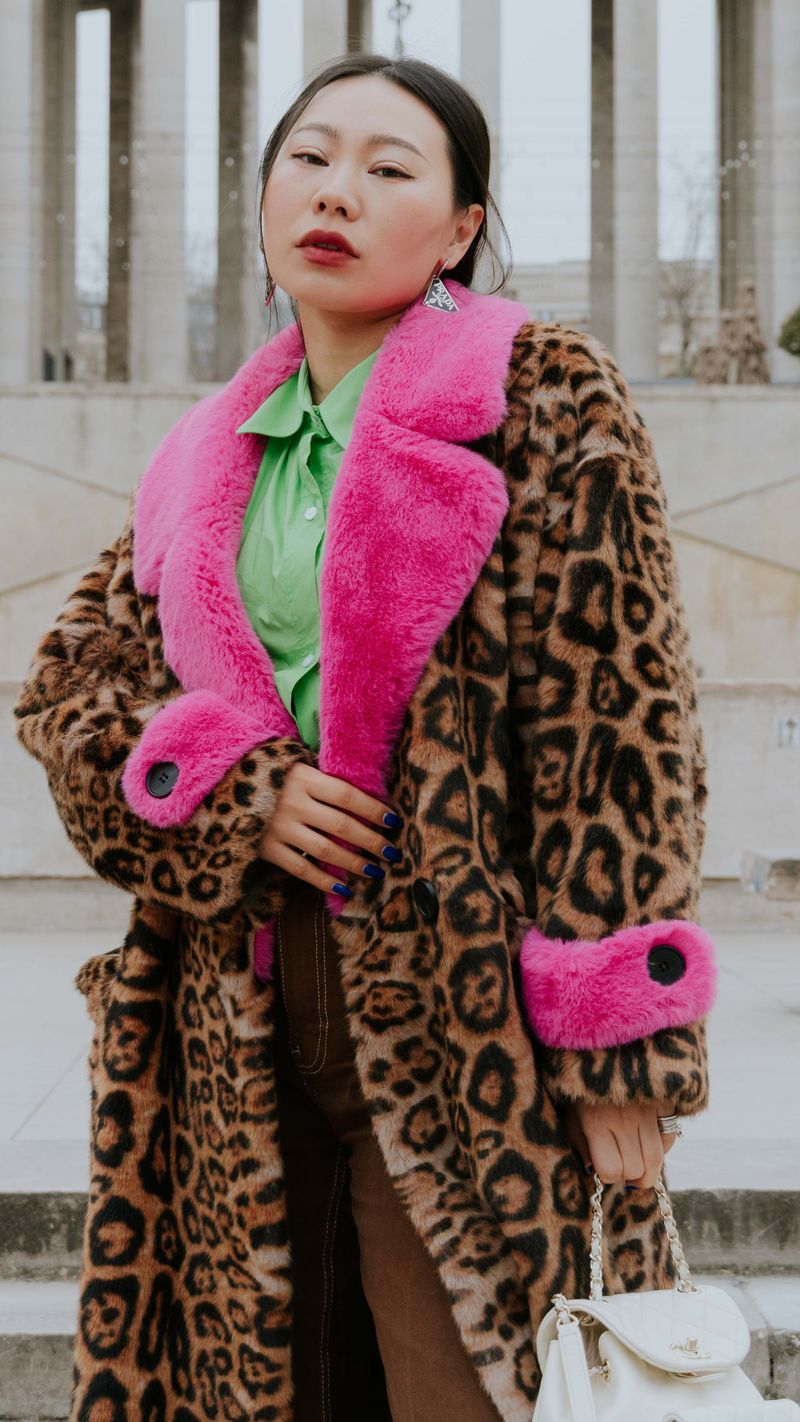
Mixing a designer handbag with a ten-dollar thrifted blouse used to feel strange.
Now, thanks to influencers, it is practically a fashion art form.
Budget-friendly styling has never looked so good or felt so empowering.
Influencers regularly share “get the look for less” posts, pairing luxury pieces with affordable finds from stores like Shein, Zara, or Target.
This approach tells followers that great style does not require a massive budget, which is a genuinely refreshing message in a world of expensive runway fashion.
The result is a more democratic fashion landscape where creativity matters more than cash.
Younger audiences especially appreciate this, since it makes experimenting with personal style feel achievable, fun, and completely pressure-free no matter what your wallet looks like.
4. Boosted Small and Independent Brands
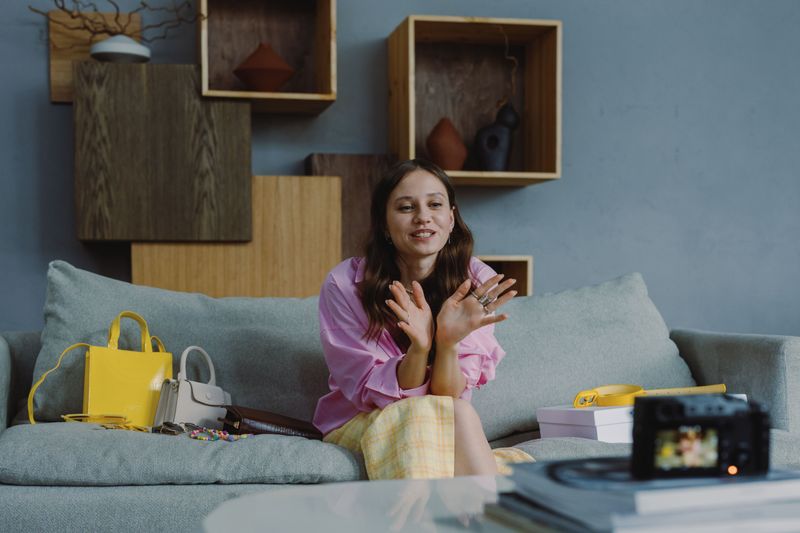
Imagine running a tiny candle and clothing shop out of your garage, then waking up to thousands of orders after one influencer mentions your brand in a story.
That is not a fantasy anymore.
It happens regularly.
A single shoutout from a well-followed influencer can send a small brand’s website crashing from traffic overload.
Independent designers who once struggled to get noticed now find themselves competing with major labels almost overnight, all because of one authentic recommendation from the right person.
This ripple effect has been a game-changer for local artisans, sustainable makers, and niche designers who could never afford traditional advertising.
Influencers essentially act as word-of-mouth marketers with megaphones, giving underdogs a real shot at serious success in the fashion world.
5. Encouraged Personal Style
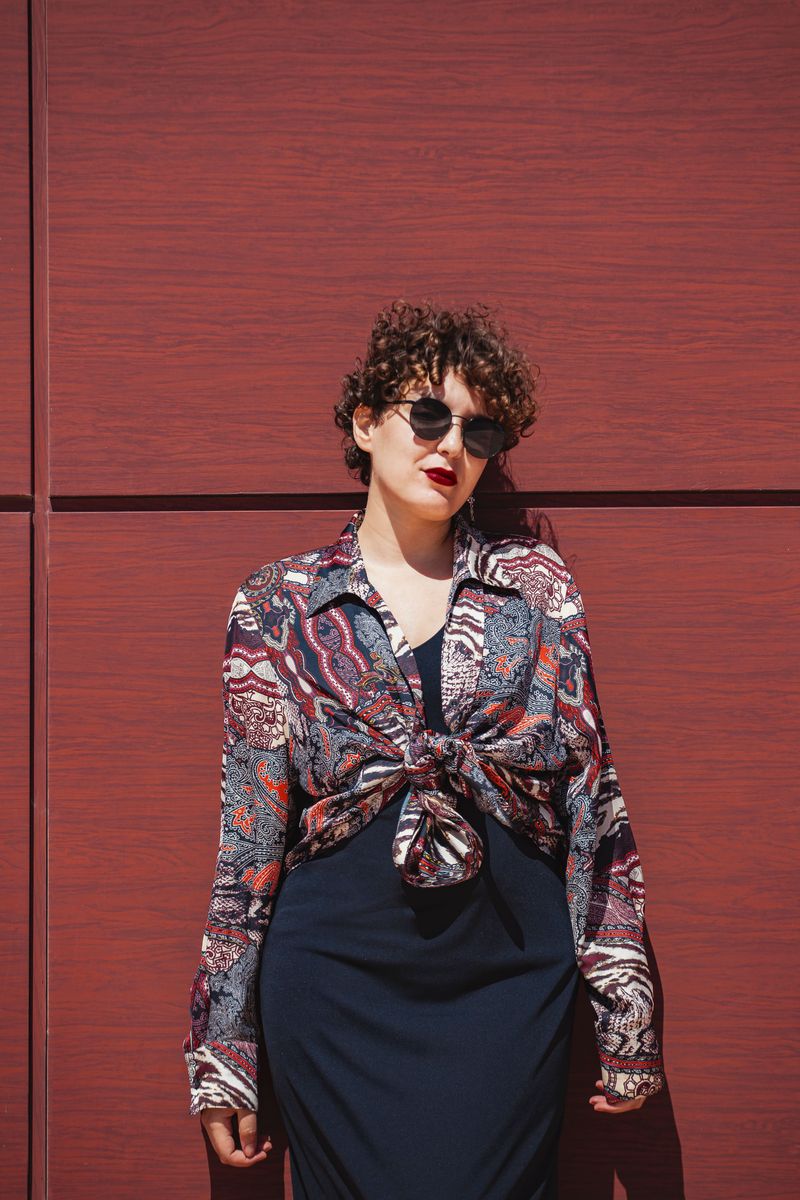
For a long time, fashion told people what to wear and how to wear it.
Rules like “no white after Labor Day” or “stripes and plaid never mix” made style feel restrictive and intimidating.
Influencers have happily thrown those rulebooks out the window.
By showcasing their own bold, quirky, and deeply personal wardrobes, influencers send a clear message: wear what makes you happy.
Whether that means clashing patterns, gender-fluid clothing, or head-to-toe vintage, self-expression is celebrated loudly and proudly across social media every single day.
Young people especially have absorbed this lesson.
Studies show Gen Z values individuality over fitting in, and influencers have played a huge role in nurturing that mindset.
Fashion is finally starting to feel like a creative playground rather than a strict dress code.
6. Increased Demand for Sustainable Fashion
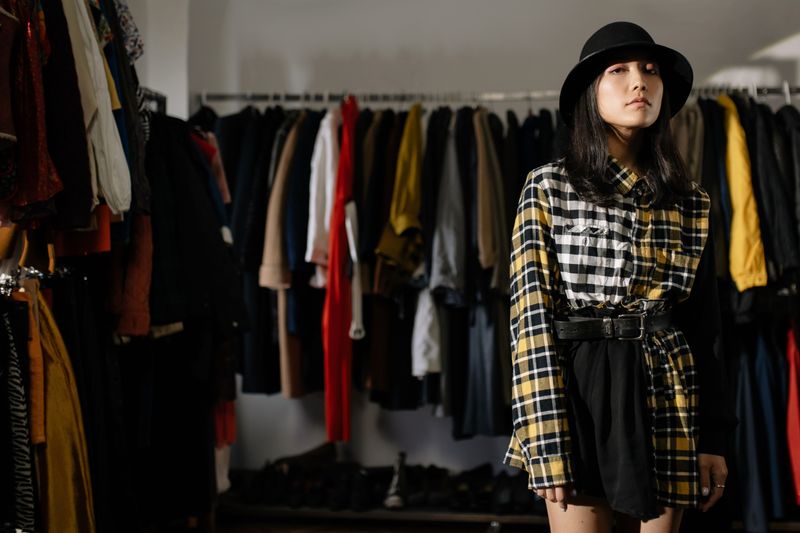
Thrift stores used to carry a social stigma.
Now, thanks to influencers who proudly show off their secondhand hauls, thrifting is not just acceptable, it is genuinely cool.
Environmental awareness and style have officially merged.
Influencers promoting sustainable fashion brands, clothing swaps, and rental services have shifted consumer expectations in a major way.
Followers who admire their favorite creators are more likely to rethink fast fashion habits and consider the environmental cost of their clothing choices.
Brands have responded by launching eco-friendly collections and being more transparent about their supply chains.
While the fashion industry still has a long way to go environmentally, influencer-driven conversations about sustainability have clearly moved the needle.
Green fashion is no longer a fringe movement, it is becoming mainstream.
7. Created Instant Shopping Experiences
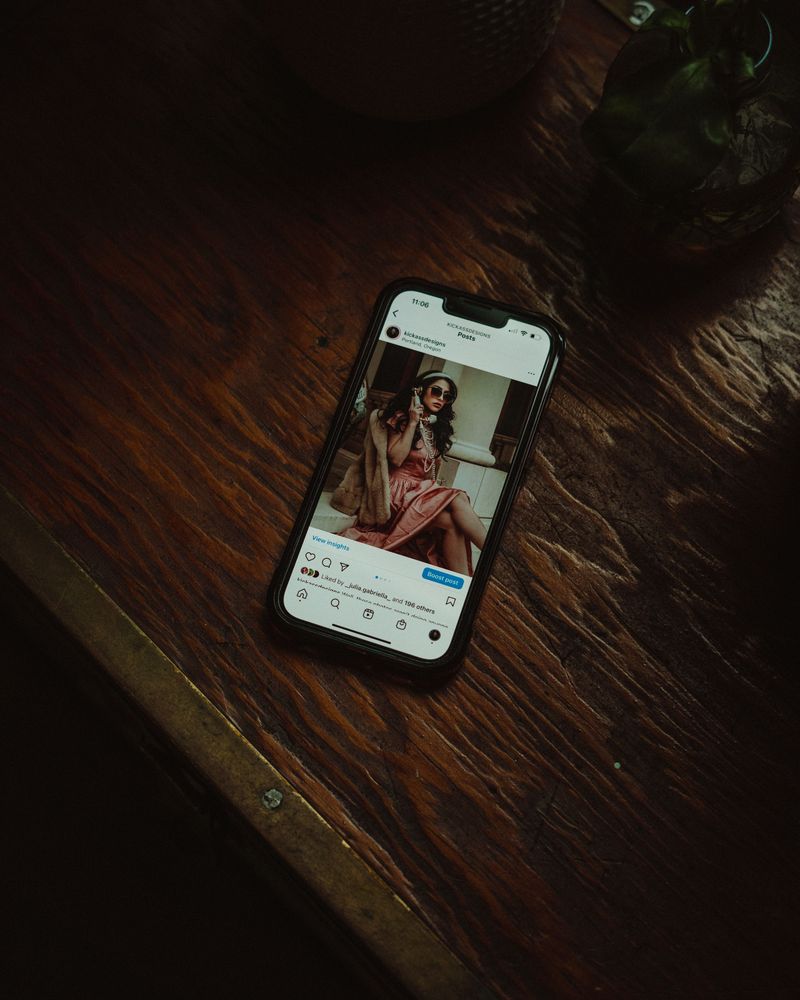
Remember flipping through a magazine, loving an outfit, and having absolutely no idea where to buy it?
That frustrating experience is essentially extinct now.
Influencers have turned browsing into buying with remarkable speed and ease.
Shoppable Instagram posts, TikTok Shop links, and YouTube description boxes full of affiliate codes mean followers can go from seeing an outfit to owning it in under two minutes.
The shopping journey has been compressed into a seamless, almost effortless experience that traditional retail never imagined possible.
This shift has been hugely profitable for both brands and influencers.
Creators earn commissions while brands enjoy skyrocketing conversion rates.
For shoppers, it feels less like advertising and more like getting a hot tip from a stylish friend who always seems to know exactly where to shop.
8. Changed Marketing Strategies
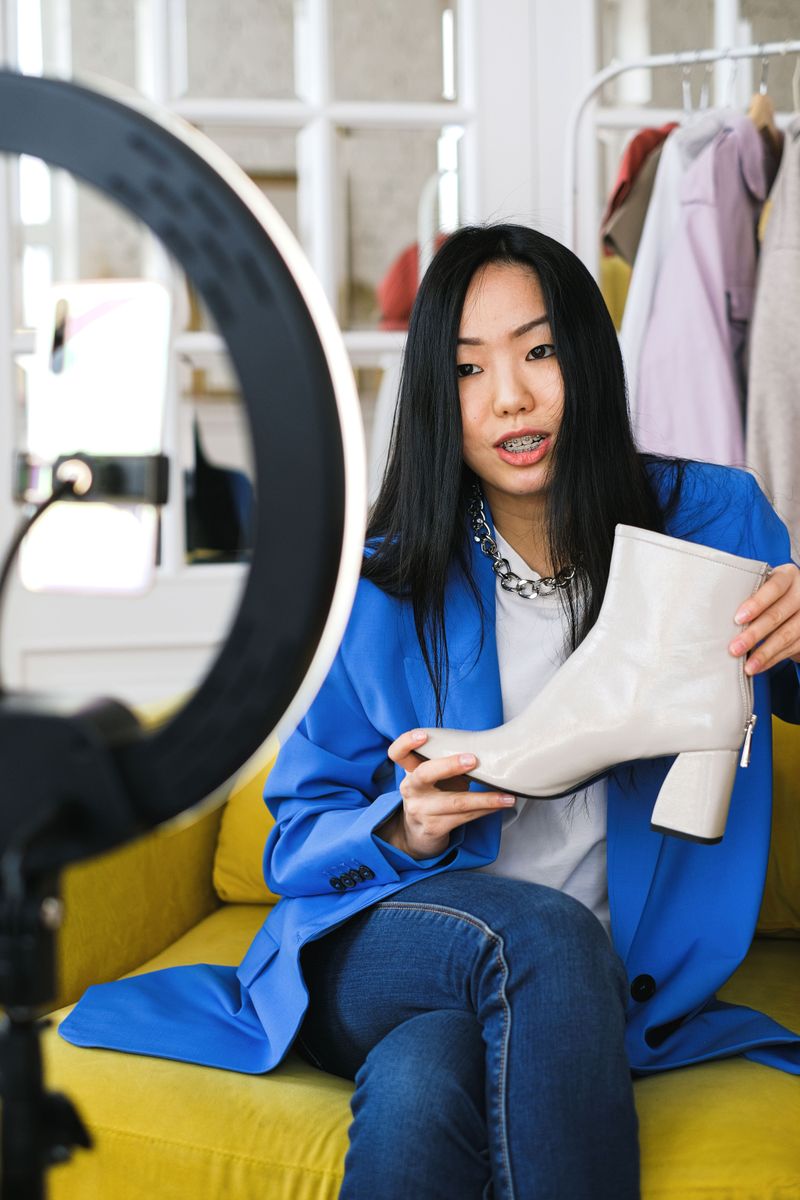
A full-page magazine ad once cost a brand hundreds of thousands of dollars and reached a somewhat passive audience.
Today, a single sponsored post from a relatable influencer with 500,000 engaged followers can outperform that ad at a fraction of the cost.
Fashion brands have completely rethought their marketing budgets.
Many now allocate more money to influencer partnerships than to traditional TV or print campaigns.
The shift makes sense because influencer content feels authentic, targeted, and conversational in ways that polished commercials rarely achieve.
Micro-influencers, those with smaller but highly loyal audiences, have become especially valuable.
Their followers trust their opinions deeply, making product recommendations feel genuine rather than scripted.
Marketing in fashion will never look the same again, and brands that ignored this shift early on paid a steep price.
9. Made Fashion More Inclusive
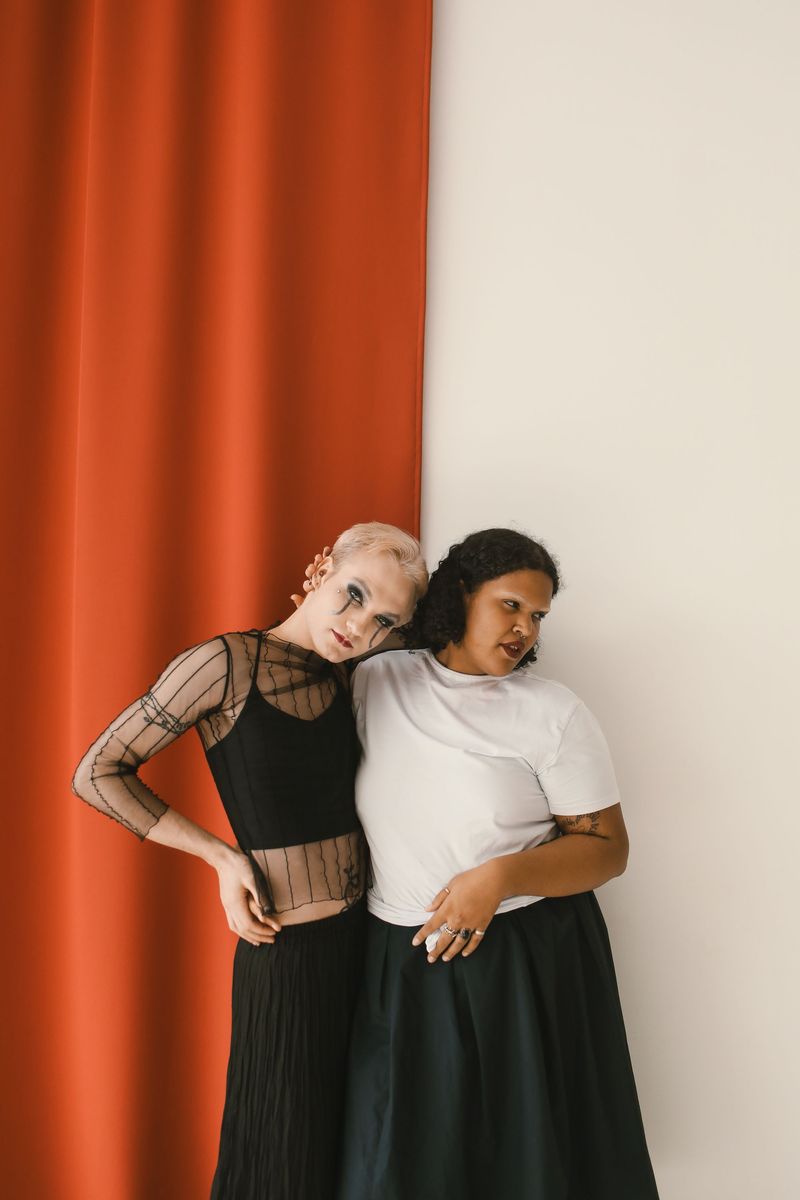
For too long, fashion runways and magazine spreads showed a very narrow version of beauty: tall, thin, and rarely diverse.
Influencers have loudly and visibly challenged that standard by showing the world that style belongs to everyone.
Body-positive influencers, creators with disabilities, older fashionistas, and people of all ethnic backgrounds have built massive followings by simply being themselves.
Their presence on social media forced brands to pay attention and start casting more diverse faces in their campaigns and product lines.
The change has been meaningful.
Plus-size fashion lines have expanded, adaptive clothing has gained visibility, and representation in advertising has improved noticeably over the last decade.
Influencers did not just talk about inclusion; they modeled it daily, creating a new standard that the entire fashion industry is slowly being held accountable to meet.
10. Accelerated Fashion Cycles
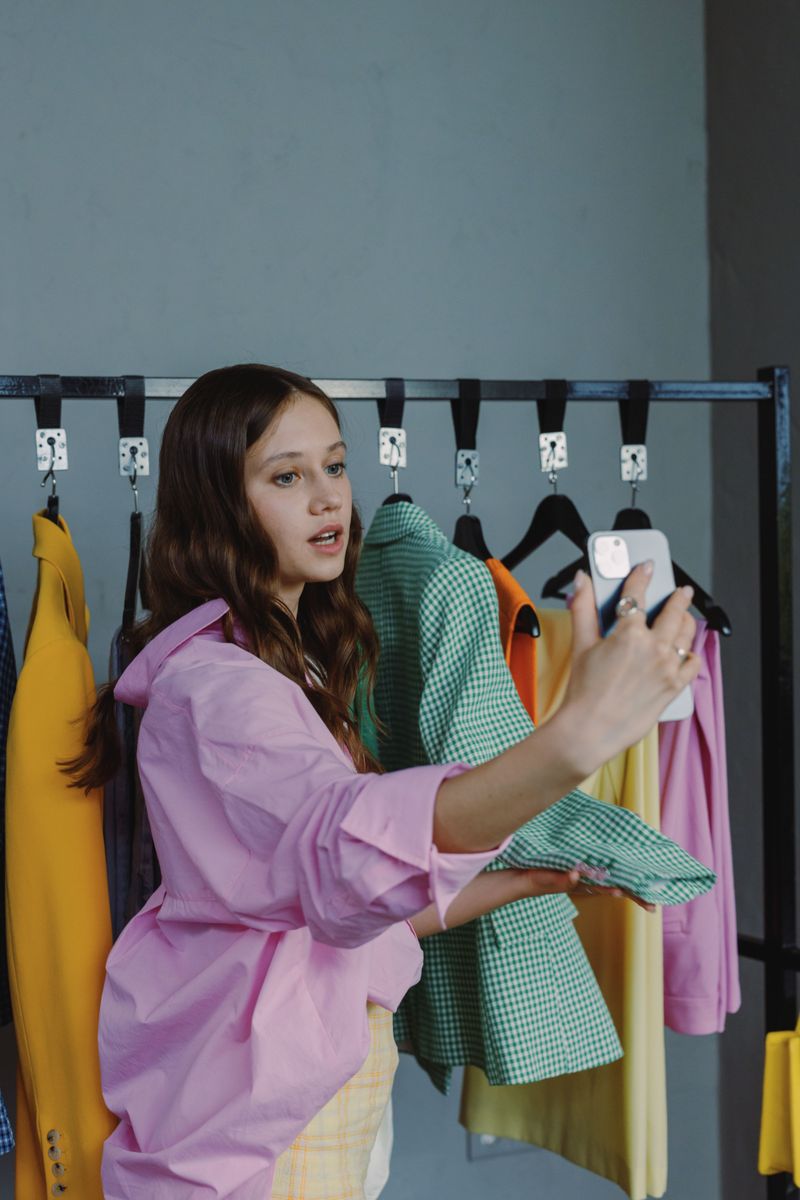
Seasons used to define fashion.
Spring collections, fall collections, and a handful of major trend moments per year kept things relatively predictable.
Influencers have shattered that calm, steady rhythm completely.
Now, micro-trends can rise and fall within a single month.
An aesthetic that blows up in January might feel outdated by March because influencers are constantly introducing new looks, collaborating with brands on limited drops, and chasing the next viral moment.
The pace is thrilling but also exhausting for consumers trying to keep up.
This acceleration has sparked important conversations about overconsumption and waste in the fashion industry.
While the speed keeps things exciting, many creators are now encouraging followers to invest in timeless pieces rather than chasing every fleeting trend, striking a healthier balance between novelty and sustainability.