 MomSkoop
Korean cinema has a special talent for getting under your skin and staying there. From nerve-shredding thrillers to emotionally devastating dramas, these films go far beyond simple entertainment.
They ask difficult questions, explore dark corners of human nature, and leave you thinking for days. If you are ready to experience some of the most unforgettable movies ever made, this list is for you.
1. The Wailing (2016)
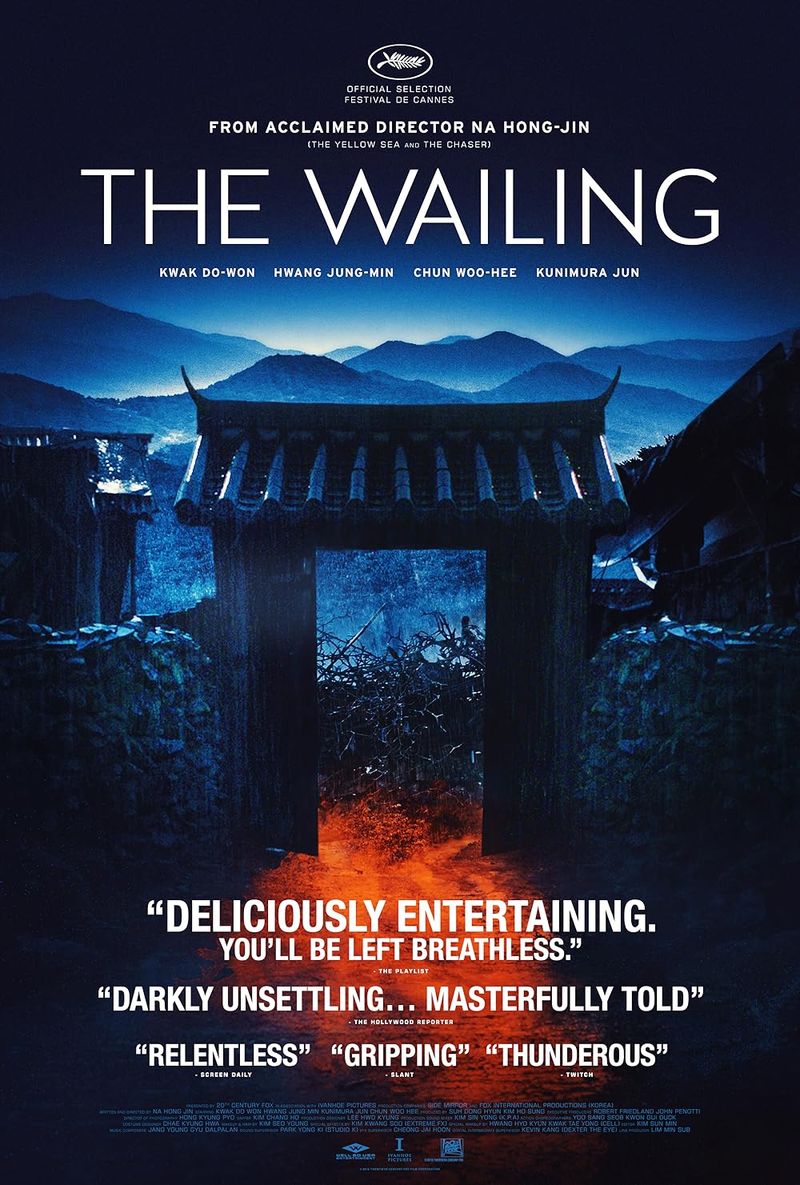
Few films manage to make you question everything you just watched the way The Wailing does.
Set in a quiet mountain village, the story begins when a mysterious stranger arrives and people start dying in horrifying ways.
A bumbling but likable local police officer tries to unravel what is happening, and the investigation pulls him into something far darker than he imagined.
Director Na Hong-jin weaves together Korean shamanism, Christian symbolism, and folklore into a tension-filled nightmare.
Every clue you think you understand gets flipped on its head.
The final act is one of the most emotionally brutal and morally confusing endings in cinema history.
You will replay it in your mind for weeks.
2. Memories of Murder (2003)
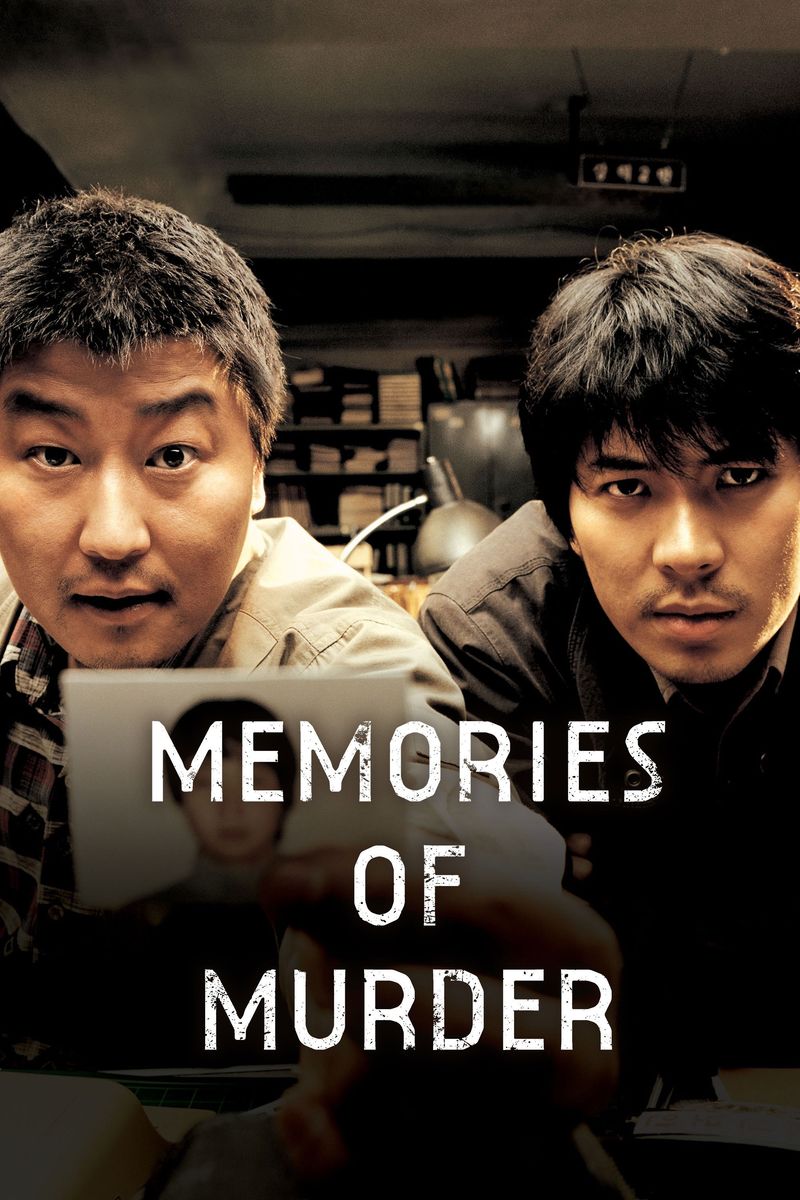
Before Bong Joon-ho won the world over with Parasite, he made this chilling masterpiece based on Korea’s first confirmed serial murder case.
Two very different detectives team up to catch a killer who always seems to be one step ahead.
Their frustration, desperation, and occasional dark humor make them feel completely real.
What makes this film so haunting is not blood or jump scares.
It is the creeping sense that justice may never come.
The case went unsolved for decades in real life, and the movie captures that helplessness perfectly.
The final scene, where one detective stares directly into the camera, is quietly devastating.
It asks you a question you cannot easily shake off.
3. I Saw the Devil (2010)
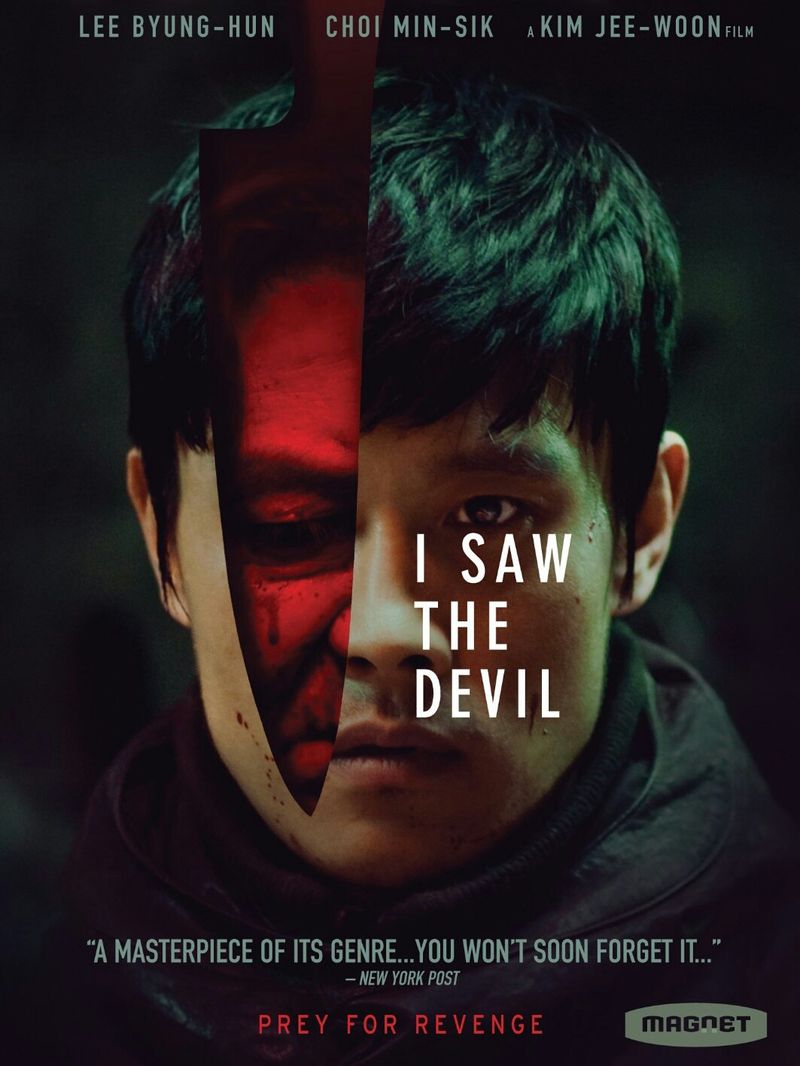
What would you do if someone you loved was taken from you in the most brutal way possible?
I Saw the Devil answers that question in the most uncomfortable way imaginable.
A highly trained secret agent hunts down his fiancee’s killer, but instead of finishing it quickly, he chooses to make the killer suffer slowly.
Director Kim Jee-woon turns the revenge thriller inside out.
The film forces you to watch the hunter gradually lose his own humanity.
By the end, the line between hero and monster has completely disappeared.
It is viscerally violent and deeply unsettling, but also genuinely thought-provoking.
This is not a film that lets you feel good about vengeance.
It punishes that desire instead.
4. Hope (2013)
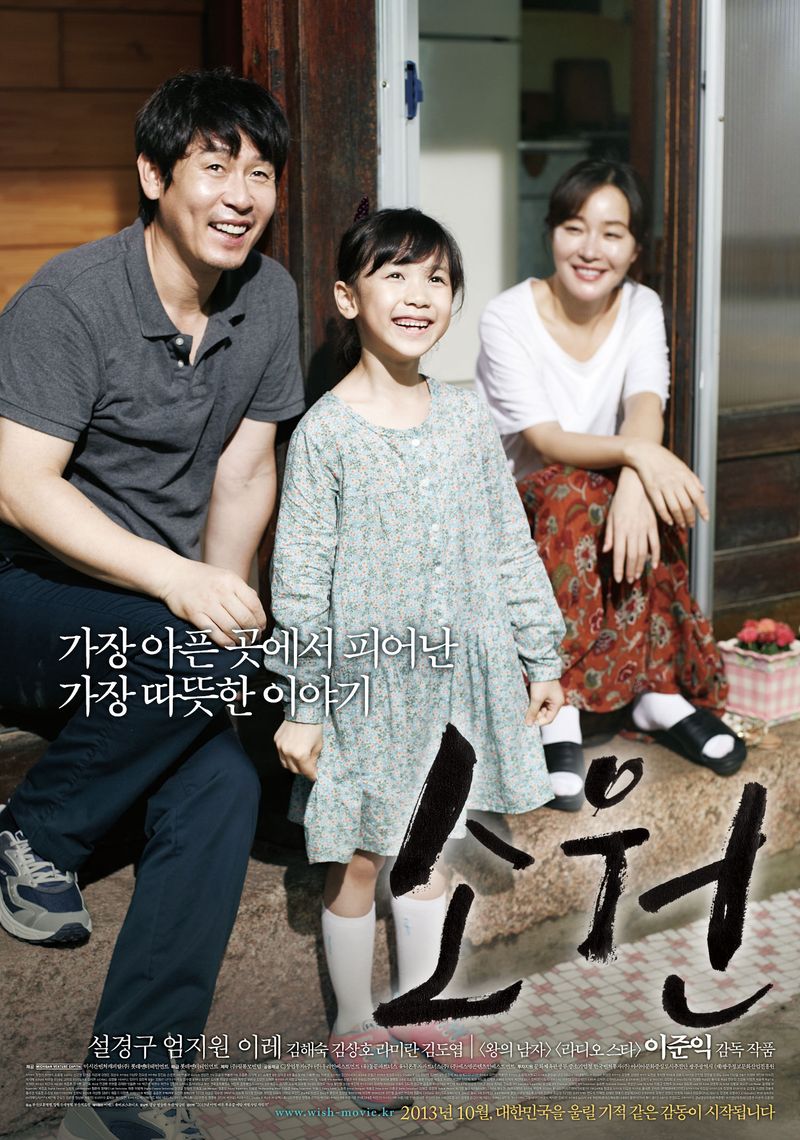
Some films hurt because they are fiction.
Hope hurts because it actually happened.
Based on a real case that shocked South Korea, the story follows a young girl named So-won as she and her family try to rebuild their lives after a devastating assault.
The film does not sensationalize the crime.
Instead, it focuses entirely on healing.
Director Lee Joon-ik handles the subject with remarkable sensitivity and care.
The performances, especially from the young actress playing So-won, are heartbreakingly real.
Her father’s fierce, tender love for her is the emotional core of the entire story.
Hope is not an easy watch, but it leaves you with something genuinely meaningful.
It is a film about the stubborn, quiet power of love.
5. A Tale of Two Sisters (2003)
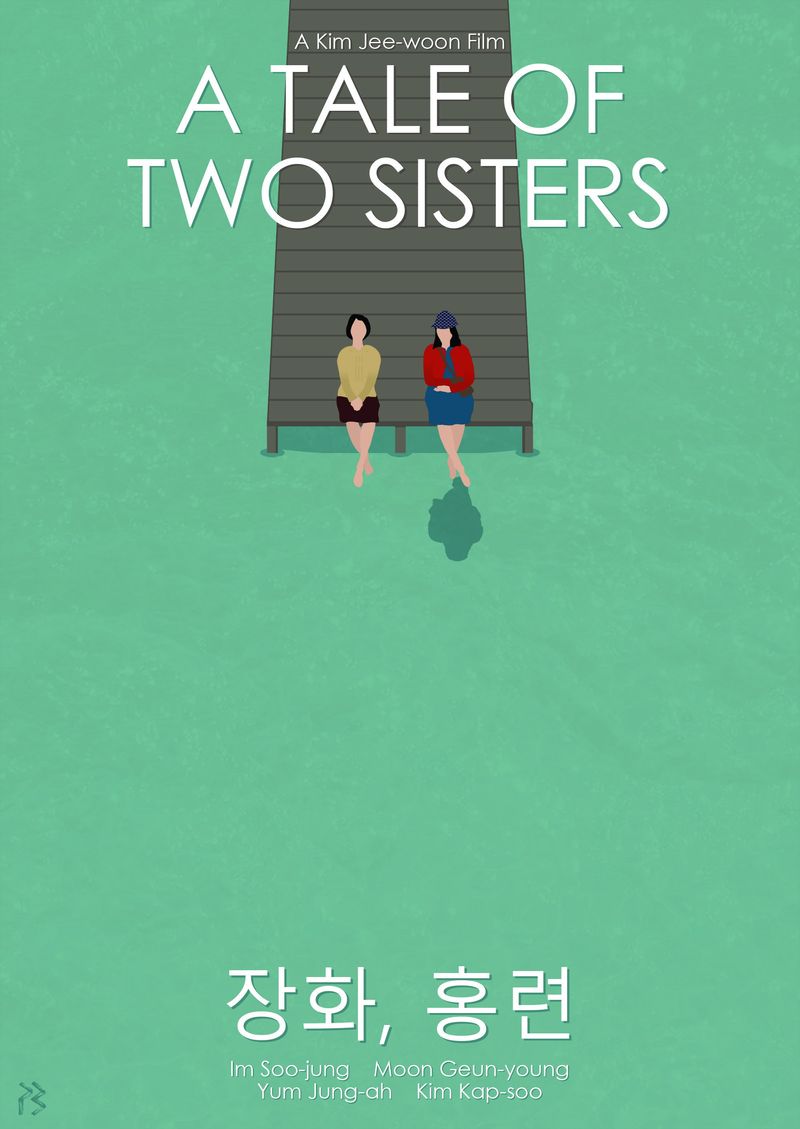
Visually, A Tale of Two Sisters might be the most gorgeous horror film ever made in Korea.
Every frame looks like a painting, with rich colors and carefully arranged compositions.
But underneath that beauty is a story so psychologically twisted that it demands a second viewing just to fully understand it.
Two sisters return home after a stay at a psychiatric facility, and strange, terrifying things begin happening almost immediately.
Their cold stepmother and withdrawn father add to the suffocating tension.
The film withholds information carefully, rewarding patient viewers with a twist that completely reframes everything.
Director Kim Jee-woon builds dread so skillfully that even quiet scenes feel unbearable.
By the final revelation, you may feel genuinely heartbroken rather than simply scared.
6. Oldboy (2003)
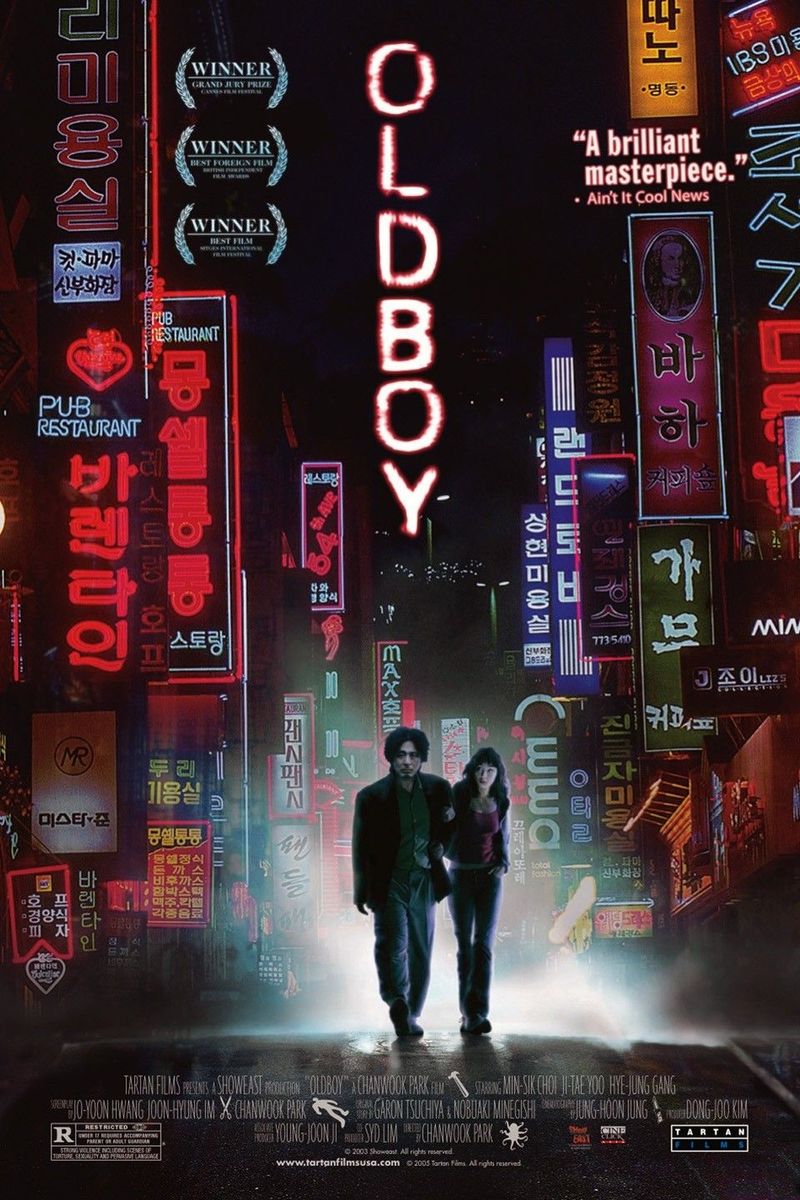
Oldboy is one of those rare films where knowing nothing going in is absolutely the best way to experience it.
Oh Dae-su wakes up imprisoned in a hotel room with no explanation.
Fifteen years later, he is released just as mysteriously, and his obsessive search for answers leads somewhere almost no one sees coming.
Park Chan-wook directs with extraordinary confidence, blending brutal action, dark humor, and psychological horror into something completely unique.
The hallway fight scene is legendary in film history, shot in one continuous take that feels exhausting in the best possible way.
But it is the ending that truly defines Oldboy.
It is one of cinema’s most shocking conclusions, and it sticks with you like a bad dream you cannot shake.
7. Lady Vengeance (2005)
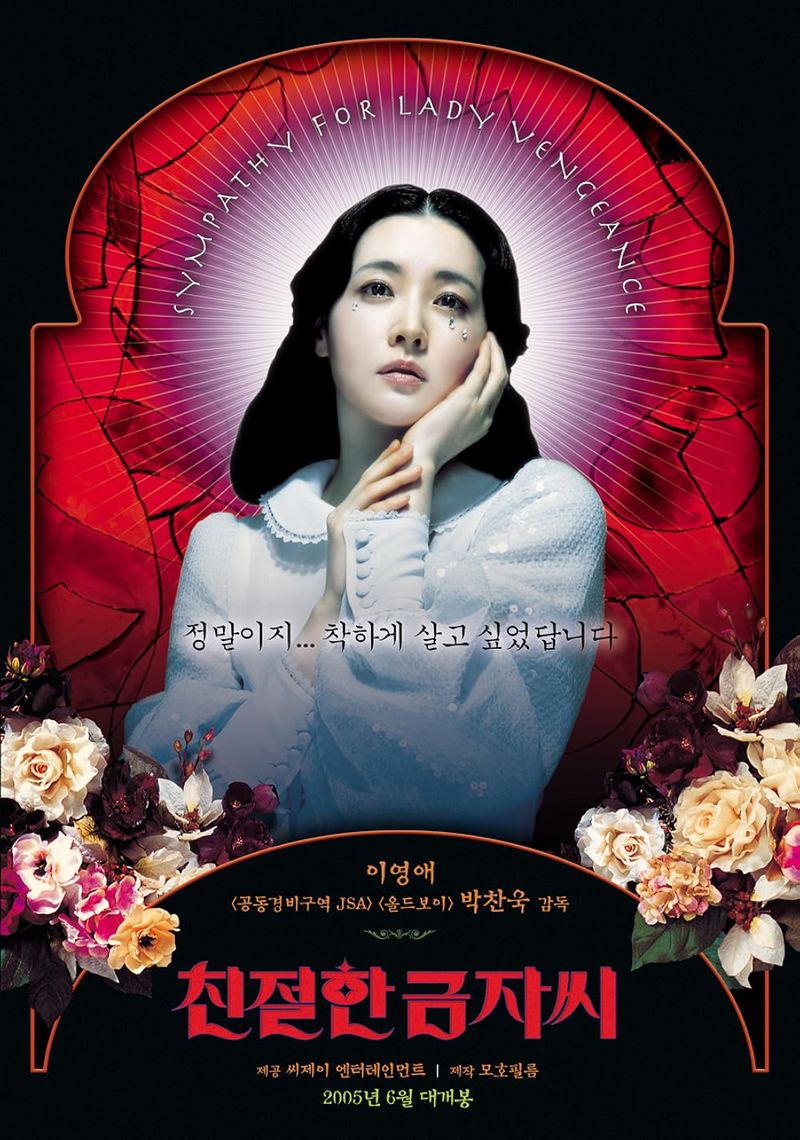
The final chapter of Park Chan-wook’s Vengeance Trilogy is arguably his most emotionally complex work.
Geum-ja was wrongfully imprisoned for the murder of a child, a crime committed by a man who manipulated her completely.
After thirteen years behind bars, she walks out with a perfectly crafted plan for revenge.
But the film is far too smart to make that revenge feel triumphant.
What sets Lady Vengeance apart is its moral seriousness.
Park asks whether revenge actually heals anything, and the answer he gives is deeply uncomfortable.
The film’s final act, which involves the victims’ families, is unlike anything else in cinema.
It is stylish and cold on the surface, but profoundly sad underneath.
Few films leave you questioning justice this thoroughly.
8. Cinderella (2006)
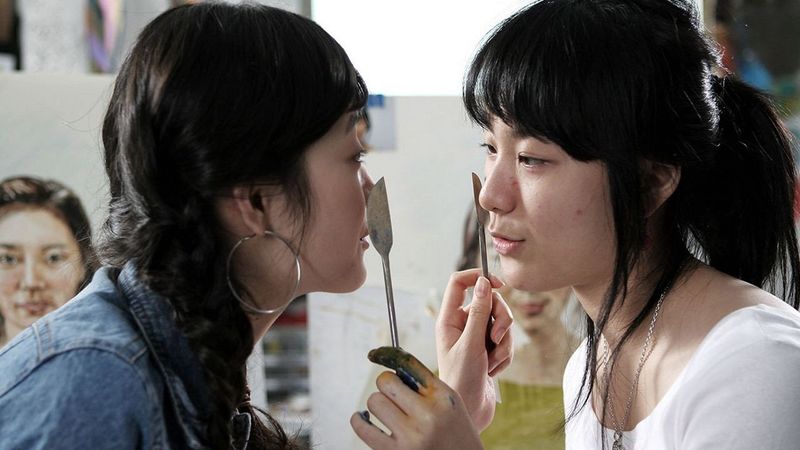
Forget glass slippers.
This Korean reimagining of the classic fairy tale swaps magic for something far more disturbing.
A plastic surgeon’s teenage daughter begins experiencing terrifying visions connected to her mother’s work.
Friends who undergo cosmetic procedures start behaving strangely, and the line between beauty and horror begins to blur.
Cinderella taps into anxieties that feel very relevant today, especially in a culture where appearance is tied so heavily to identity and worth.
The body horror elements are genuinely creepy, but the film also works as a psychological drama about guilt and secrets.
It is not perfect, but its central idea is unsettling in a way that lingers.
The film leaves you thinking uncomfortably about the lengths people go to in order to feel beautiful.
9. Hansel and Gretel (2007)
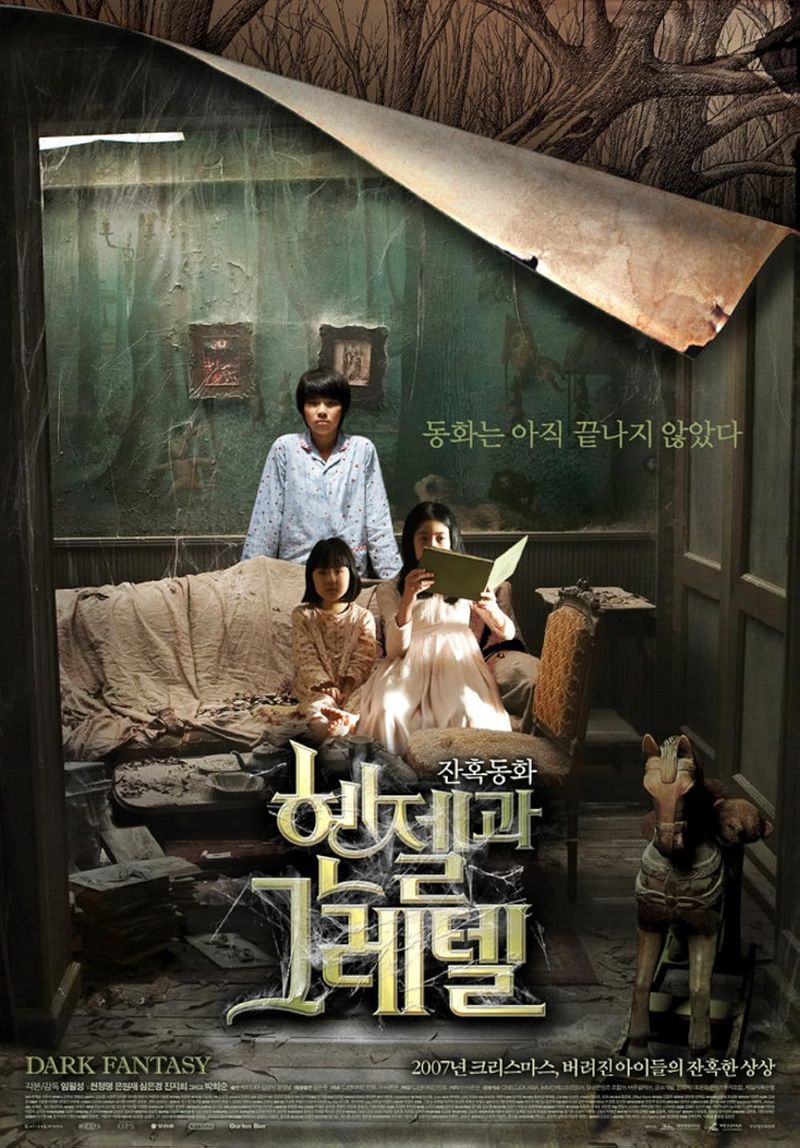
At first glance, Hansel and Gretel looks like a whimsical fairy tale.
The house is bright and warm, the children are charming, and the forest feels magical.
But something is deeply wrong, and the film slowly, carefully reveals just how wrong things really are.
After a car accident, a young man named Eun-soo stumbles upon an isolated home filled with three children who seem thrilled to have a guest.
He quickly realizes he cannot leave.
Director Pil-sung Yim uses the fairy tale framework to explore childhood trauma, abandonment, and the desperate need for love.
The story grows genuinely heartbreaking as it unfolds.
By the end, you may find yourself feeling more sorry for the children than frightened of them, which is exactly the point.
10. Death Bell (2008)
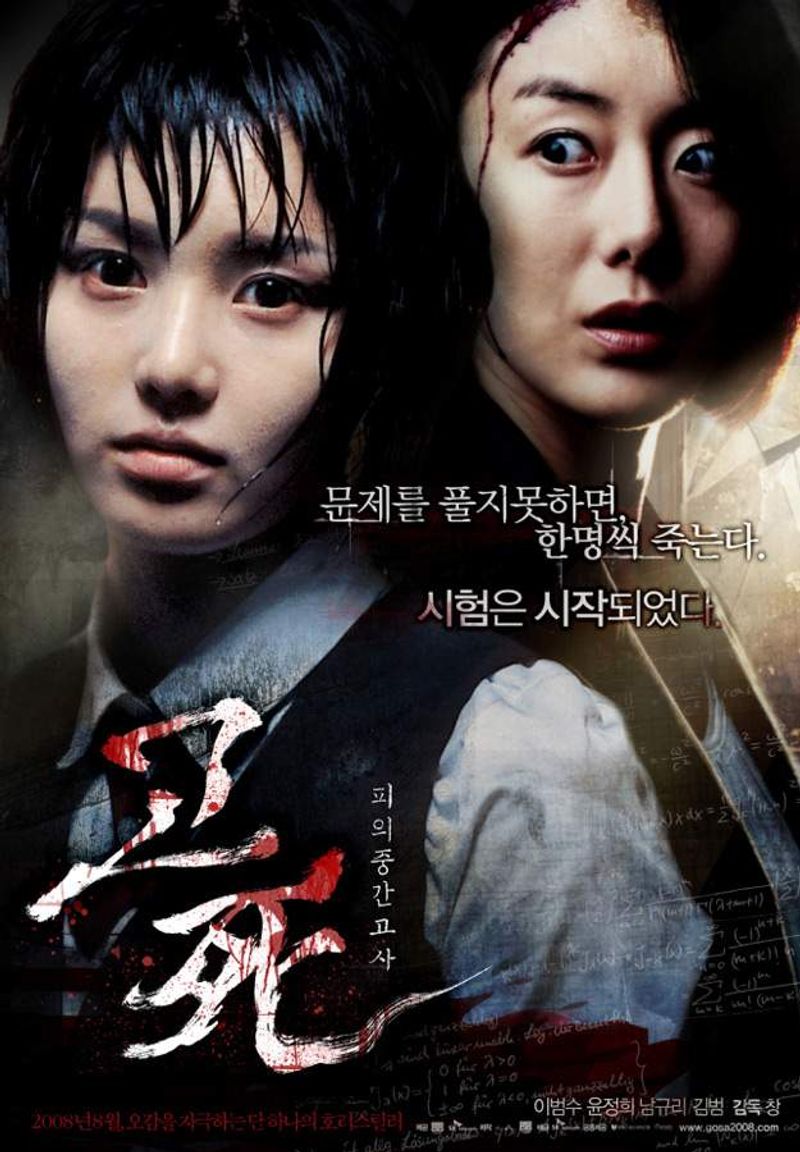
Think of your least favorite exam and then imagine the stakes were literally life or death.
That is the twisted premise of Death Bell.
A group of elite high school students preparing for college entrance exams suddenly finds themselves locked inside their school.
A mysterious voice announces that unless they solve puzzles correctly, their classmates will die.
The film cleverly uses South Korea’s intense academic pressure as its horror backdrop.
The fear of failure is baked into the very structure of the story.
While it follows familiar slasher conventions, the setting gives it a distinctly Korean edge.
The kills are shocking and the tension is relentless.
It is not a deep film, but it is extremely effective at what it sets out to do, which is keep you on the edge of your seat.
11. The Red Shoes (2005)
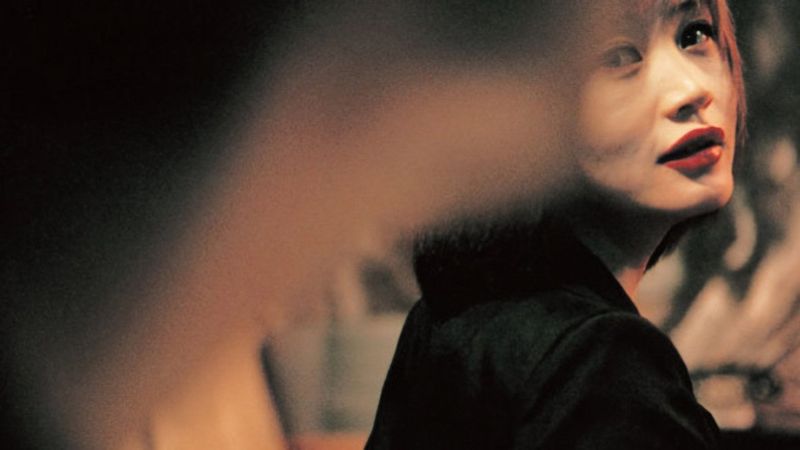
Based loosely on the Hans Christian Andersen fairy tale and Korean urban legend, The Red Shoes tells the story of a woman who finds a pair of stunning pink shoes on a subway platform.
They are beautiful.
They are also cursed.
Anyone who wears them becomes dangerously obsessed, and the consequences are deadly.
Director Kim Yong-gyun uses the shoes as a symbol for vanity, jealousy, and the destructive side of desire.
The film is drenched in cold, pale visuals that make everything feel slightly wrong.
The supernatural elements are creepy and effective, but the real horror comes from watching ordinary people tear each other apart over something as trivial as footwear.
It is a ghost story with surprisingly sharp things to say about human greed and obsession.
12. The Doll Master (2004)
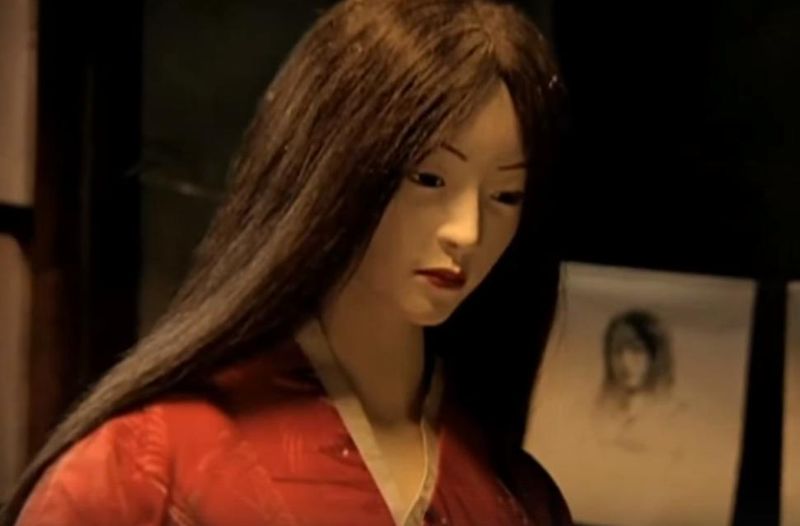
Dolls are unsettling by nature, and The Doll Master leans into that discomfort with obvious enthusiasm.
A group of strangers is invited to a remote doll museum where a sculptor creates eerily realistic human-like figures.
Almost immediately, people start dying, and the dolls seem to know more than they should.
The film does not reinvent the horror wheel, but its atmosphere is genuinely effective.
The museum setting is beautifully creepy, with dim lighting and dolls positioned just slightly too close to human.
Director Yong-ki Jeong builds unease steadily rather than relying on cheap jump scares.
There is also a surprisingly emotional backstory that gives the horror some weight.
For fans of slow-burn supernatural scares, The Doll Master delivers exactly the kind of unsettling experience its premise promises.
13. Whispering Corridors (1998)
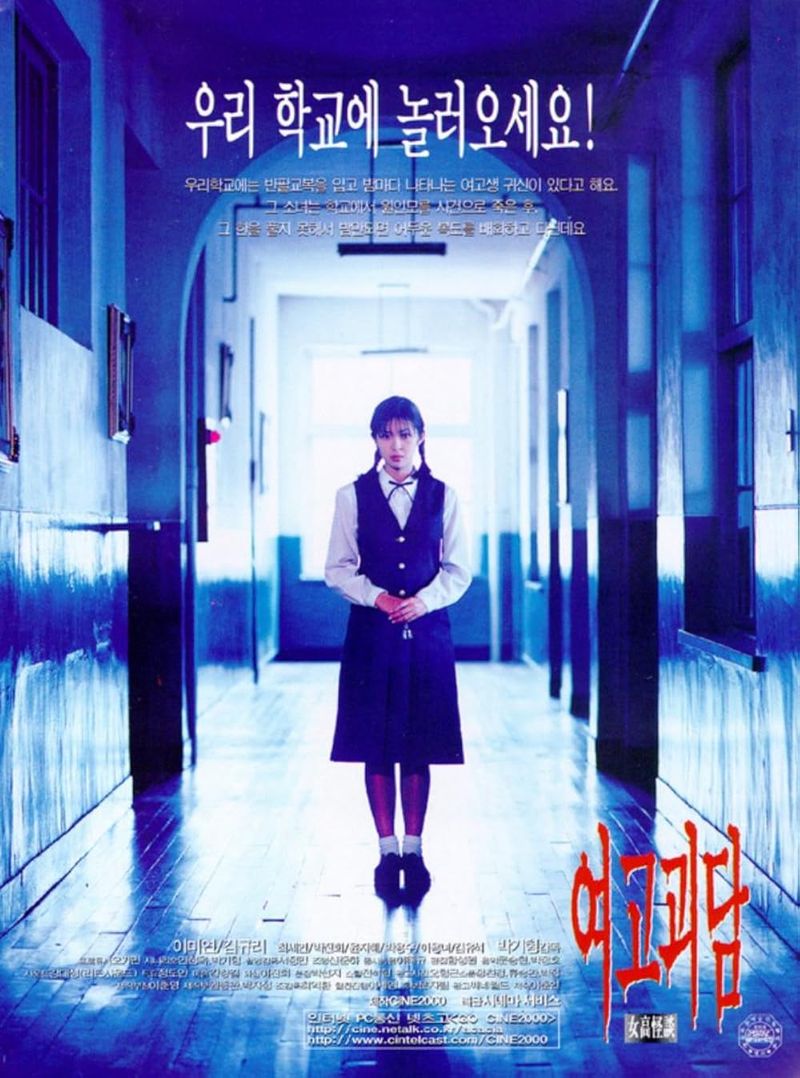
Long before K-horror became internationally famous, Whispering Corridors was quietly setting the template.
Released in 1998, this influential film takes place inside a strict all-girls high school where a student ghost seeks revenge against abusive teachers.
The school itself becomes a character, its oppressive rules and hallways dripping with dread.
What makes it stand out is how seriously it treats its social themes.
Bullying, academic cruelty, and the psychological damage caused by authoritarian education systems are all central to the story.
The horror grows naturally from these real pressures rather than feeling imposed.
It launched one of Korea’s most successful horror franchises, with five loosely connected sequels.
Going back to the original now, it still feels sharp, sad, and surprisingly relevant to students anywhere in the world.
14. The Chaser (2008)
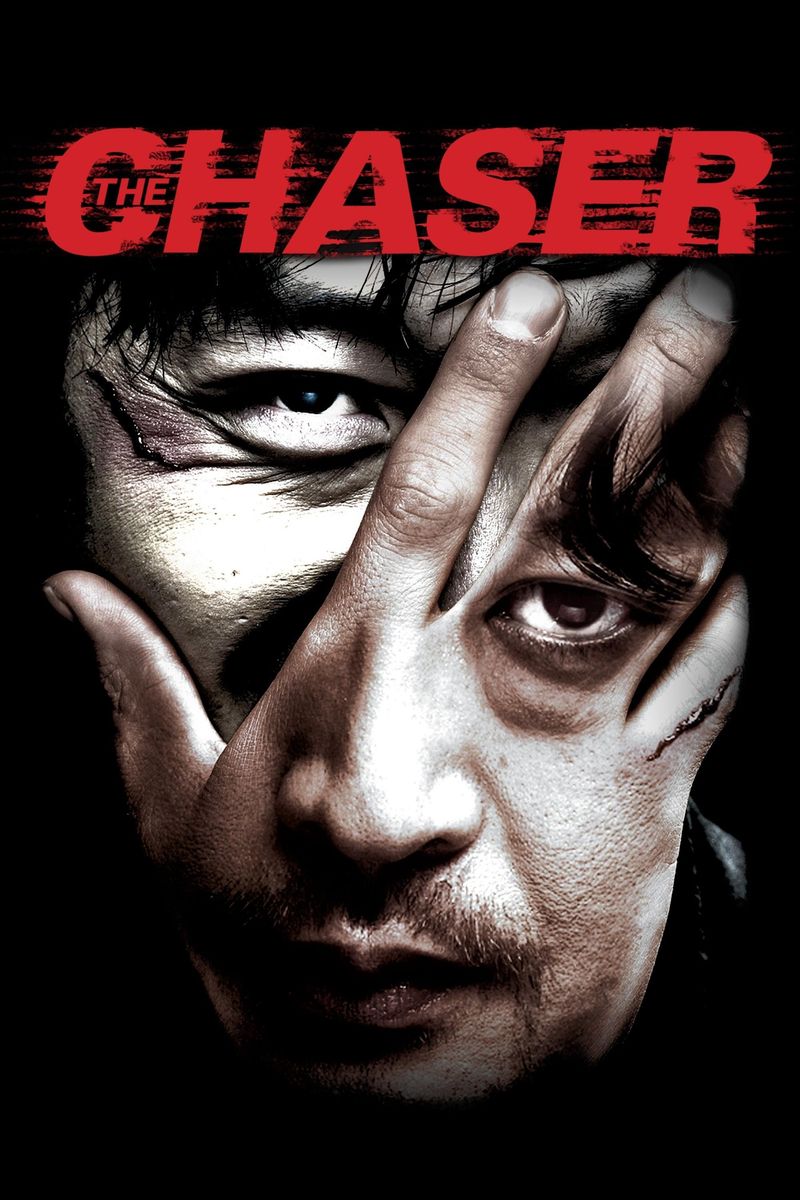
Na Hong-jin’s debut film hits like a punch to the stomach and never really lets up.
A former detective now working as a pimp realizes some of his women have gone missing.
When a suspicious client surfaces, he becomes convinced the man is responsible.
What follows is one of the most relentlessly tense chase films ever made.
The Chaser is brutally, almost unbearably realistic.
There are no slick action sequences or satisfying heroic moments.
The killer is caught early, but the system fails at every turn.
Bureaucratic incompetence and bad timing conspire to make justice feel completely out of reach.
The film’s conclusion is devastating precisely because it feels so plausible.
Na Hong-jin announced himself as a major talent with this film, and it remains a high-water mark for Korean crime cinema.
15. The Hunt (2016)
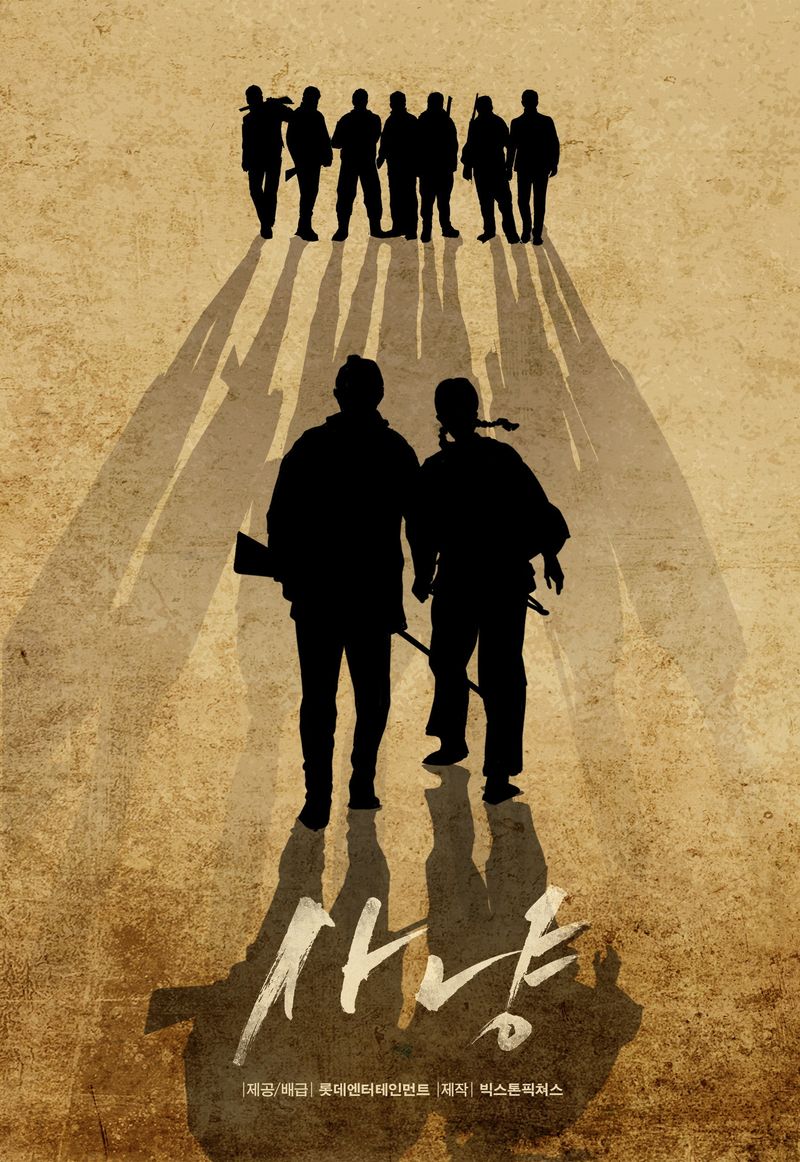
Greed has a way of turning ordinary people into something unrecognizable, and The Hunt documents that transformation with cold precision.
When a remote mountain village community discovers what appears to be a massive hidden treasure, excitement quickly curdles into suspicion, accusation, and violence.
Nobody trusts anyone, and the community tears itself apart.
Director Yoon Jong-bin keeps the setting deliberately small and claustrophobic.
The mountain village feels cut off from any civilizing influence, which makes the escalating brutality feel horrifyingly plausible.
This is less a thriller about treasure and more a study of how quickly social bonds collapse when self-interest takes over.
The performances are raw and convincing throughout.
The Hunt is the kind of film that makes you uncomfortably aware of how thin the line between community and chaos actually is.
16. Silenced (2011)
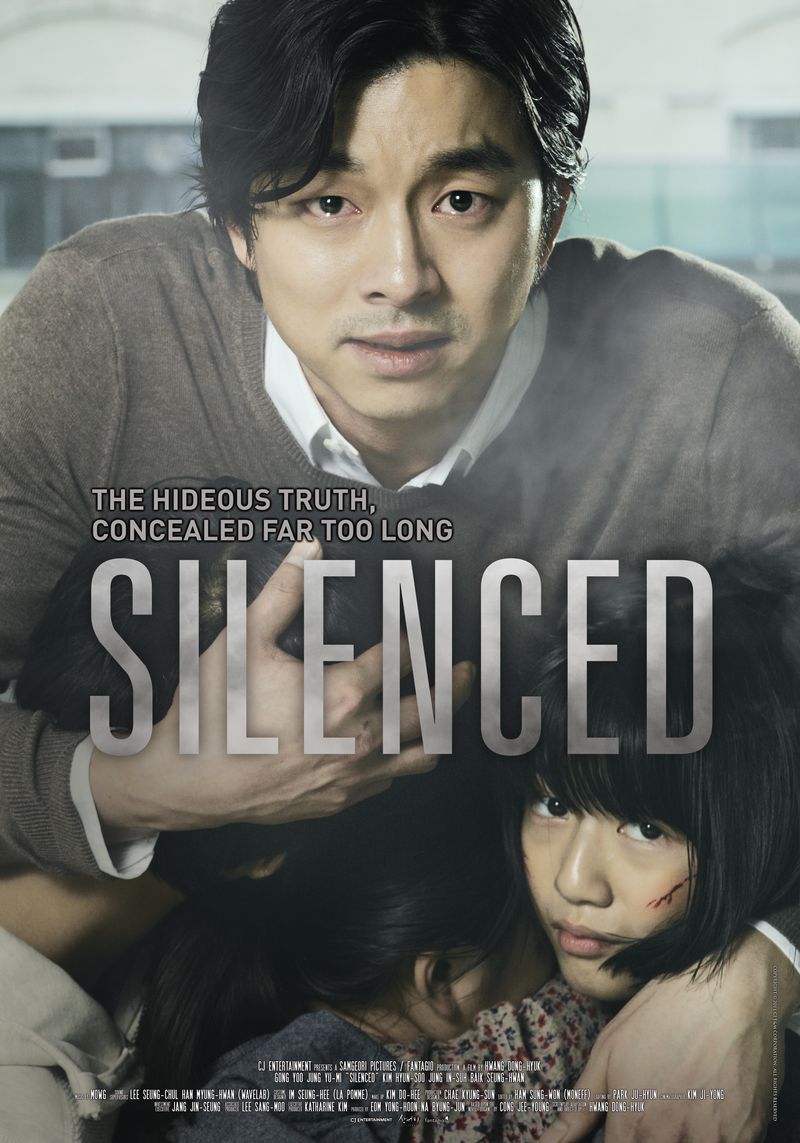
Some films change the real world, and Silenced is one of them.
Based on actual events, the story follows a new teacher at a school for deaf children who discovers that staff members have been systematically abusing students for years.
His attempts to expose the truth run into corruption, indifference, and institutional power at every turn.
The film is emotionally devastating in ways that go beyond typical dramatic manipulation.
Because the victims are real, and because the perpetrators largely escaped serious punishment, every scene carries extra weight.
After Silenced was released, public outrage was so intense that the South Korean government passed new legislation specifically to address the failures the film exposed.
It is haunting as cinema and historically significant as a document of real injustice.
Few films have mattered this much.