 MomSkoop
First impressions are shaped by a combination of appearance, communication style, and everyday behavior. While everyone has their own preferences, certain habits can unintentionally create the impression that someone expects a lot of time, attention, or effort from others—even when that isn’t the case.
Of course, these behaviors don’t automatically mean a woman is high-maintenance, and context always matters. Many are simply personal preferences or routines. Still, being aware of how certain habits may be perceived can help avoid misunderstandings. Here are 14 small habits that can make women come across as high-maintenance.
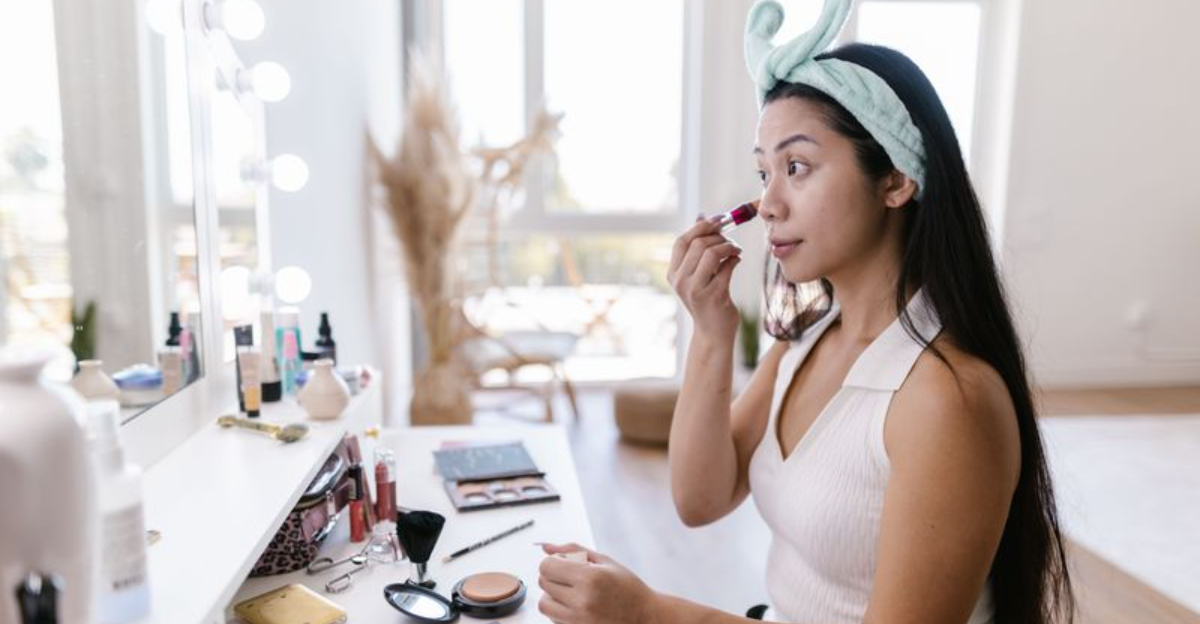
1. Constantly Fixing Hair or Makeup

Picture someone who pulls out a mirror every few minutes at dinner, adjusting their eyeliner or smoothing their hair between bites.
It happens so often that conversations get interrupted and the moment feels less about connection and more about appearance.
Caring about how you look is totally reasonable, but when it becomes a repeated pattern throughout the day, it can signal insecurity or self-absorption to others.
People around you may start to feel like they’re playing second fiddle to your reflection.
A quick touch-up before heading out is perfectly fine.
Saving the mirror checks for bathroom breaks rather than mid-conversation moments can make a big difference in how present and engaged you seem to others.
2. Taking Forever to Make Decisions

“I don’t know, what do you think?” — said five times before a restaurant is even chosen.
Sound familiar?
Chronic indecisiveness, especially about small things like where to eat or what to wear, can wear on the patience of friends, partners, and coworkers alike.
There’s a difference between thoughtful decision-making and endless back-and-forth that leaves everyone else stuck waiting.
When every outing requires a lengthy negotiation process, people may start to dread making plans altogether.
Practicing small acts of decisiveness can build confidence over time.
Try setting a personal time limit — give yourself two minutes to choose from a menu.
It feels empowering, and the people around you will genuinely appreciate the smoother, more relaxed experience.
3. Expecting Premium Treatment by Default

Walking into a hotel and automatically expecting a room upgrade, or assuming a restaurant will bend its rules just for you — these moments can reveal a sense of entitlement that others find off-putting.
Expecting VIP treatment without any special reason tends to rub people the wrong way.
There’s nothing wrong with knowing your worth or asking politely for something extra.
The issue arises when the expectation is silent, automatic, and accompanied by disappointment or attitude when it doesn’t happen.
Approaching service situations with gratitude rather than assumption changes the whole energy.
You’re far more likely to actually receive exceptional treatment when you’re kind and realistic, rather than assuming it’s owed to you from the start.
4. Being Very Particular About Food

Ordering a salad with the dressing on the side, no croutons, grilled chicken instead of fried, extra lemon, and light cheese — then sending it back anyway — is a real experience for many restaurant servers and dining companions.
Food allergies and genuine dietary needs absolutely deserve respect and accommodation.
But when the substitution list grows long without a medical reason behind it, it can make group dining feel stressful and overly complicated for everyone involved.
Being flexible when possible shows social awareness and consideration for others.
You can still have preferences without turning every meal into a custom order.
Keeping special requests to the truly important ones makes you easier and more enjoyable to dine with.
5. Frequently Dropping Luxury Brand Names

Slipping “my Chanel bag” or “when I stayed at the Four Seasons” into casual conversation once is fine.
Doing it repeatedly — almost like a personal branding exercise — starts to feel less like sharing and more like showing off.
Constantly referencing expensive items or exclusive experiences can create distance in social settings.
It may make others feel judged, left out, or simply exhausted by the ongoing highlight reel of luxury living.
Genuine conversations connect people through shared feelings and experiences, not price tags.
If designer items are part of your life, that’s great — but letting them speak for themselves rather than narrating them constantly makes you far more relatable, approachable, and genuinely interesting to be around.
6. Needing Extensive Time to Get Ready
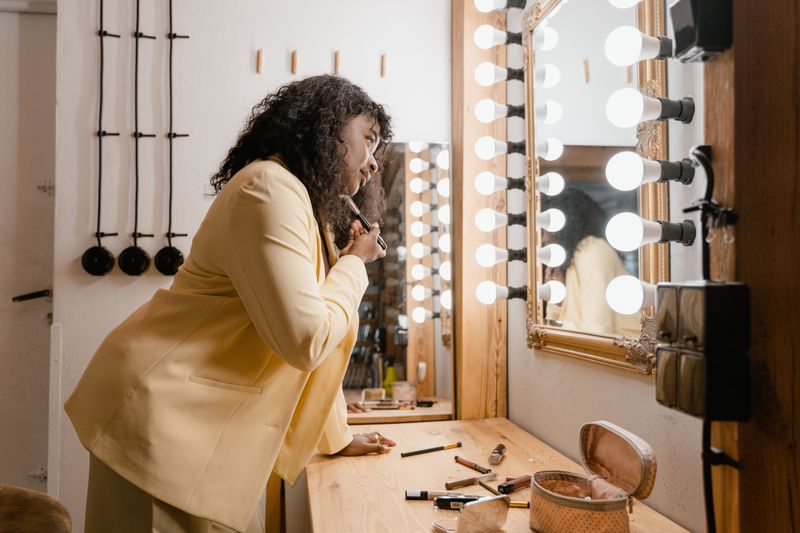
There’s something almost legendary about the “I’ll be ready in five minutes” that somehow stretches into an hour.
While a thorough beauty routine is a personal choice, consistently making others late can quietly build frustration over time.
Plans get shifted, reservations get missed, and people start factoring in a “buffer hour” whenever they make plans with you.
That kind of reputation can make others hesitant to include you in time-sensitive situations.
Streamlining your routine for outings with others — saving the full glam for solo or low-pressure occasions — shows respect for everyone’s time.
A little preparation the night before can also cut morning stress dramatically, making the whole experience smoother for you and everyone waiting.
7. Complaining About Minor Inconveniences

A lukewarm latte.
A table near the kitchen.
A slight delay in service.
These things happen to everyone — but for some people, each minor hiccup becomes a full-on grievance that needs to be voiced, discussed, and dwelled upon.
Frequent complaining about small inconveniences signals low tolerance and can drain the energy of those around you.
What feels like venting can actually come across as an exhausting habit that makes outings feel tense rather than fun.
Choosing to let small things go is genuinely freeing.
Not every imperfection needs a comment.
When you save your feedback for situations that truly matter, people take you more seriously — and spending time with you becomes something others actually look forward to rather than brace for.
8. Expecting a Partner to Cover Every Expense

Splitting a check used to feel awkward, but modern relationships have largely normalized sharing costs.
When one partner consistently expects the other to pay — for every date, every trip, every outing — it can start to feel less like romance and more like a financial arrangement.
Treating payment as a partner’s obligation rather than a mutual decision creates an imbalance that quietly breeds resentment.
It also sends the message that affection or effort is measured in dollars spent rather than time and care given.
Occasionally picking up the tab, suggesting budget-friendly dates, or simply offering to contribute shows thoughtfulness and partnership.
Relationships feel healthier when both people feel valued for who they are, not just what they provide financially.
9. Frequently Changing or Canceling Plans

Last-minute cancellations sting, especially when it happens repeatedly. “Something came up” or “I’m just not feeling it” might feel honest in the moment, but to the people on the receiving end, it signals that their time and effort don’t really matter.
Frequently rescheduling because something better appeared on the radar is a particularly frustrating pattern.
It tells others they’re a backup option — someone to fill time until a more exciting opportunity comes along.
Honoring your commitments, even when enthusiasm fades, builds trust and a reputation for reliability.
If plans genuinely need to change, giving as much notice as possible and making an effort to reschedule shows that the relationship matters more than the inconvenience.
10. Requiring Constant Reassurance

“Do I look okay?” “Are you sure you’re not mad at me?” “Do you still find me attractive?” Asking these questions occasionally is completely human.
Asking them daily — or multiple times a day — is a different story.
Needing constant validation can place a heavy emotional load on a partner or friend.
Over time, no amount of reassurance feels like enough, and the cycle becomes draining for both people involved.
It can also signal deeper confidence issues that external compliments can’t truly fix.
Building internal self-assurance takes time but pays off enormously.
Journaling, therapy, or simply practicing self-affirmations can help reduce the need for outside validation.
When your sense of worth comes from within, relationships naturally become more balanced and fulfilling for everyone.
11. Having Very Specific Standards for Everything

A very specific coffee order is one thing — oat milk, extra shot, 130 degrees, light foam.
But when everything from the hotel room thread count to the exact style of a birthday gift needs to meet a precise checklist, it becomes exhausting for everyone involved.
Ultra-specific standards for everyday things signal that pleasing you requires significant effort and research.
Friends and partners may start to feel like they’re always falling short, no matter how hard they try to get it right.
Flexibility is a social superpower.
Knowing what truly matters to you — and letting go of the rest — makes you easier to love and spend time with.
Save your high standards for things that genuinely affect your wellbeing, not just your preferences.
12. Insisting on Expensive Gifts or Dates

When a homemade dinner or a wildflower bouquet gets met with a polite but unmistakably underwhelmed reaction, it sends a message: affection is measured in price tags.
Equating effort with expense is one of the clearest high-maintenance signals out there.
Insisting on costly dates or dropping hints about specific luxury gifts puts enormous pressure on a partner — particularly one who may be on a tight budget.
It shifts the focus from emotional connection to financial performance, which isn’t a recipe for genuine intimacy.
Thoughtfulness and creativity often mean far more than dollars spent.
A partner who plans a meaningful, personalized experience is showing deep care.
Recognizing and appreciating that kind of effort makes relationships richer than any designer item ever could.
13. Overpacking and Carrying Everything Everywhere

A quick brunch shouldn’t require a rolling suitcase’s worth of supplies.
Yet some people arrive at casual outings loaded with backup outfits, full skincare kits, multiple pairs of shoes, and enough snacks to survive a small emergency — just in case.
Overpacking for routine situations can signal anxiety, poor planning, or an inability to adapt to unexpected circumstances.
It also puts pressure on others to accommodate extra bags, make room in the car, or wait while things are reorganized.
Traveling lighter — literally and figuratively — creates more ease and spontaneity.
Choosing a few essentials rather than preparing for every possible scenario makes outings more relaxed for you and everyone around you.
Less stuff often means more fun and genuine freedom.
14. Being Difficult to Please

Some people walk into a situation and immediately notice what’s wrong — the lighting is off, the music is too loud, the food arrived slightly cold.
Rarely do they pause to appreciate what’s actually going right.
That pattern, over time, becomes emotionally draining for everyone nearby.
Being hard to please communicates that nothing is ever quite good enough.
Friends stop suggesting new places.
Partners stop trying new things.
People quietly start to wonder why they bother putting in effort at all.
Gratitude is a habit, just like criticism.
Actively looking for what’s working — and saying so out loud — shifts the entire energy of a room.
People are naturally drawn to those who find joy easily, and that magnetic quality makes every experience better for everyone involved.