 MomSkoop
Some movies never get old, no matter how many years pass. While new films hit theaters every week, a handful of older classics continue to outshine them in storytelling, acting, and emotional depth.
These films prove that great cinema isn’t about flashy effects or big budgets — it’s about connecting with audiences in a real and lasting way. Whether you’re a longtime film fan or just starting to explore the world of movies, this list is a great place to start.
1. The Shawshank Redemption (1994)
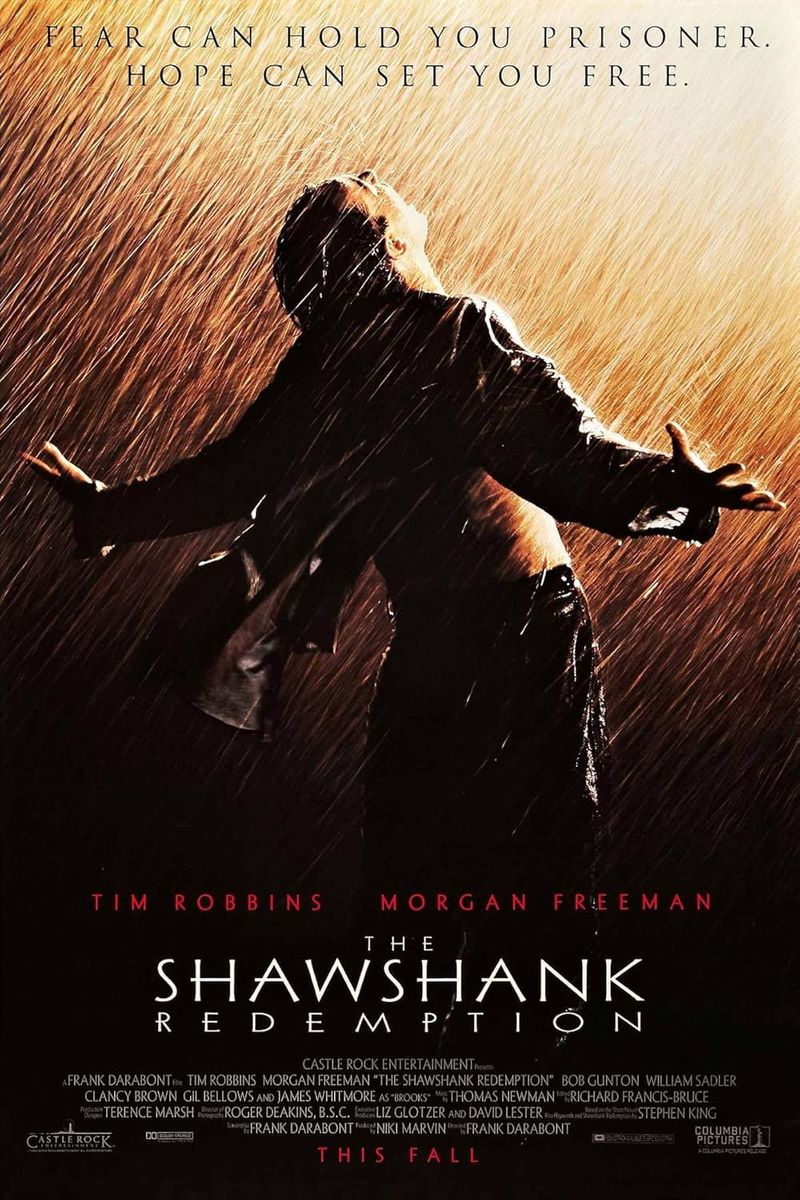
Few films have ever captured the power of hope quite like The Shawshank Redemption.
Andy Dufresne, wrongly convicted and sent to prison, refuses to let the walls break his spirit.
His quiet determination and unshakable belief in a better future make every scene feel deeply personal.
The friendship he builds with fellow inmate Red is the emotional backbone of the entire story.
Morgan Freeman’s narration adds a warmth and wisdom that stays with you long after the credits roll.
The film was actually a box office disappointment when it first released but found its audience through home video.
Today, it consistently ranks as one of the greatest films ever made — and for very good reason.
2. The Godfather (1972)
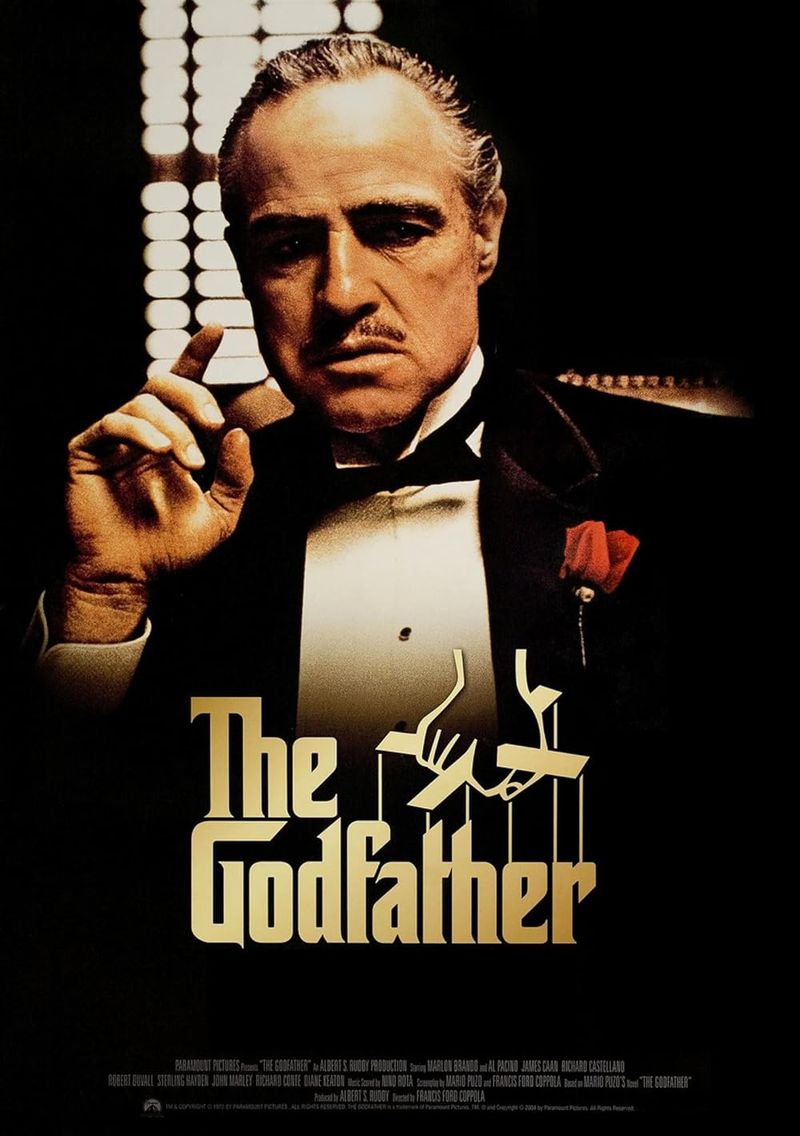
Francis Ford Coppola’s The Godfather is the kind of film that filmmakers still study today.
Released in 1972, it redefined what a crime movie could be — less about action and more about family, loyalty, and the brutal cost of power.
Marlon Brando’s performance as Vito Corleone is one of the most iconic in cinema history.
Al Pacino plays Michael Corleone, a war hero who slowly gets pulled into a world he never wanted.
Watching his transformation is both fascinating and heartbreaking.
The film swept the Academy Awards and became a massive cultural touchstone almost overnight.
Even after more than 50 years, its storytelling feels tighter and more gripping than most modern blockbusters.
3. The Godfather Part II (1974)
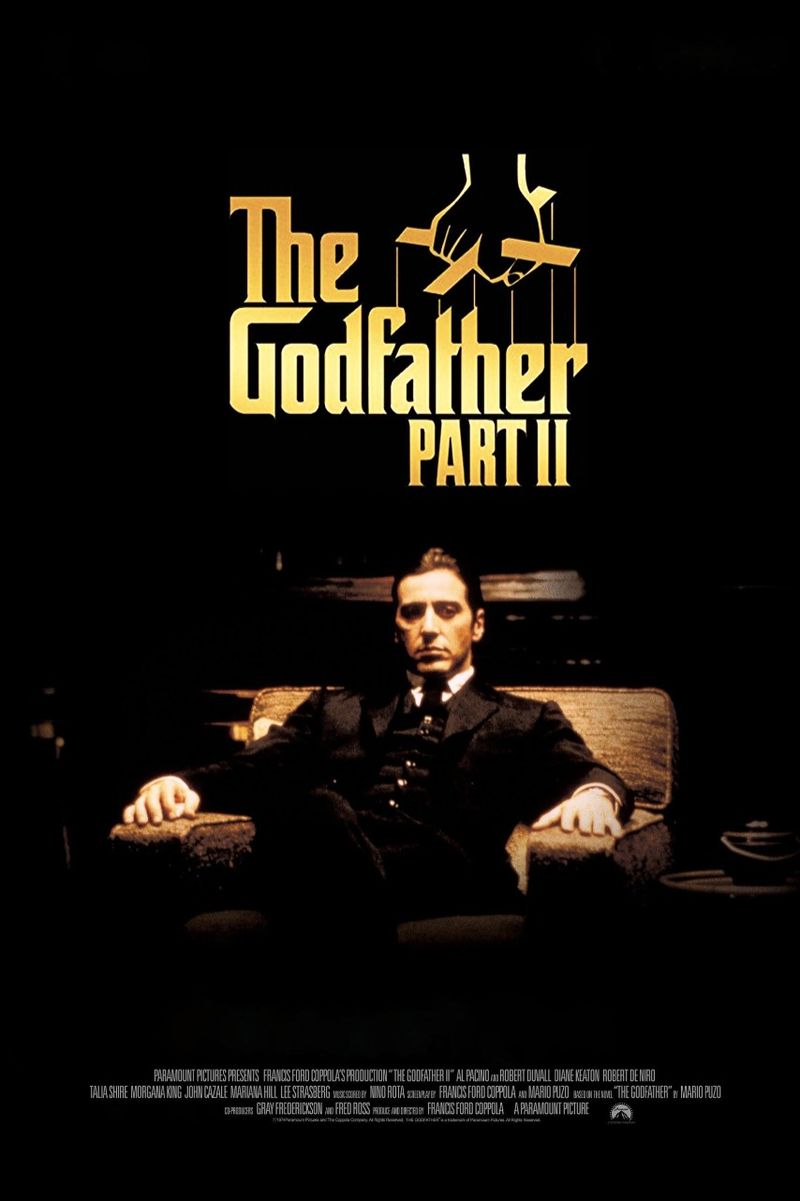
Pulling off a sequel that matches the original is nearly impossible — The Godfather Part II actually surpassed it for many fans.
Released just two years after the first film, it tells two stories at once: Michael Corleone’s rise to power and young Vito Corleone’s beginnings as an immigrant in New York.
Robert De Niro won an Oscar for playing the young Vito, delivering a quietly magnetic performance entirely in Italian.
Meanwhile, Al Pacino shows Michael becoming colder and more isolated with every choice he makes.
The contrast between the two timelines gives the film a richness that few movies ever achieve.
It won six Academy Awards, including Best Picture, and remains a masterclass in cinematic storytelling.
4. 12 Angry Men (1957)
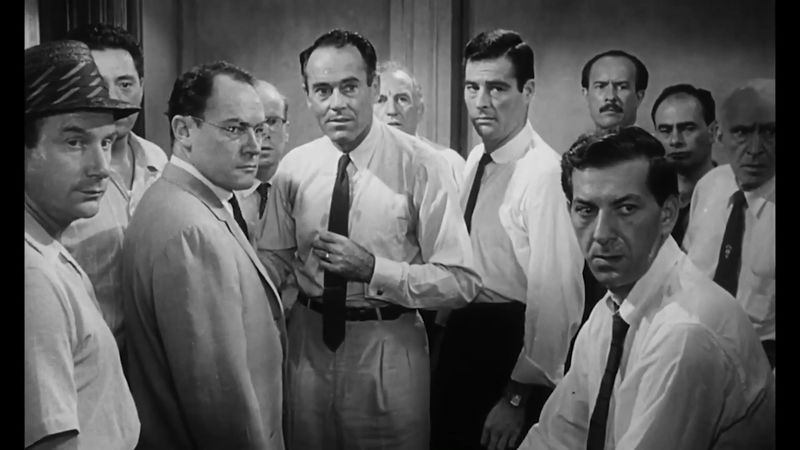
Imagine making a film that takes place almost entirely in one room — and somehow keeping the audience completely riveted.
That’s exactly what director Sidney Lumet accomplished with 12 Angry Men.
The entire story unfolds in a jury deliberation room where twelve men must decide the fate of a young man accused of murder.
Henry Fonda plays the one juror who isn’t convinced of the boy’s guilt.
Watching him calmly challenge the assumptions and biases of the others is genuinely thrilling.
The film is a brilliant exploration of prejudice, justice, and the courage it takes to stand alone.
Made on a tiny budget with no special effects, it proves that great writing and acting are all a movie really needs.
5. The Dark Knight (2008)
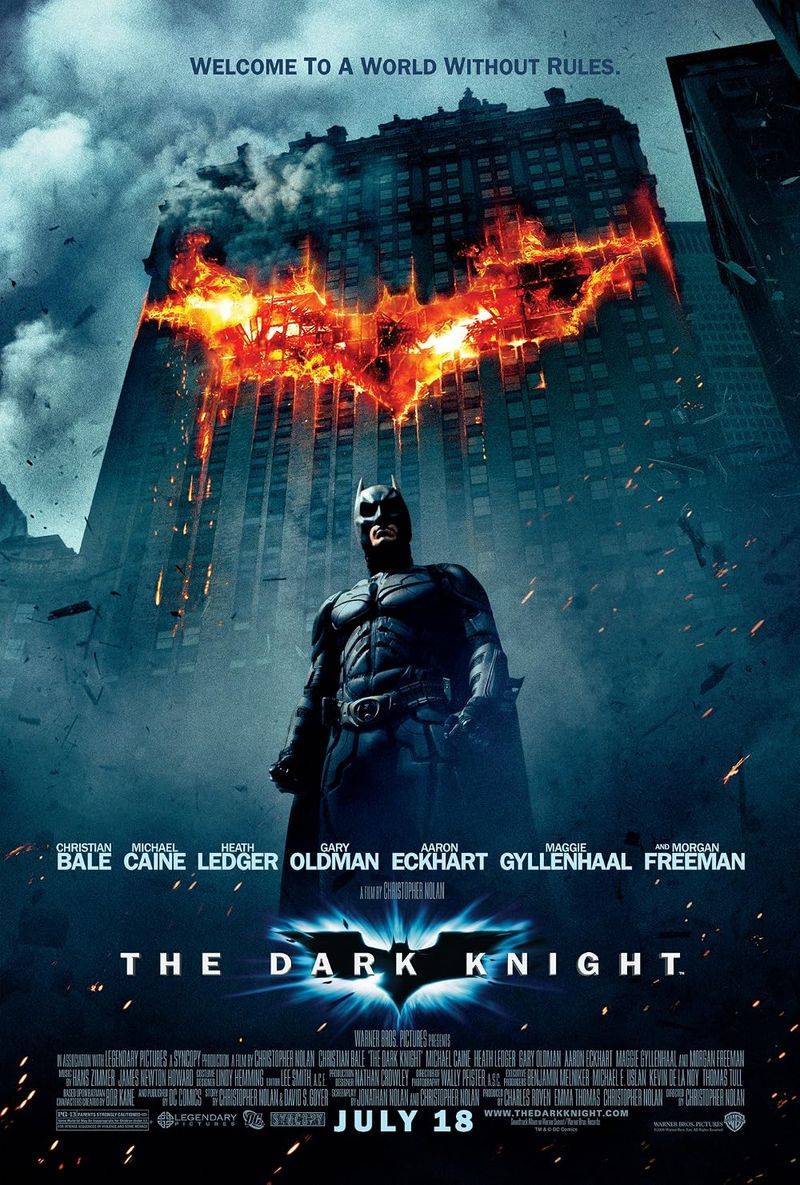
Christopher Nolan’s The Dark Knight isn’t just a superhero movie — it’s a full-blown crime epic that happens to star Batman.
Released in 2008, it raised the bar for what comic book films could achieve in terms of writing, tension, and moral complexity.
The film asks hard questions about chaos, justice, and how far a hero can go before losing himself.
Heath Ledger’s portrayal of the Joker is one of the most unforgettable performances in film history.
He won a posthumous Academy Award for the role, and it’s easy to see why.
Every scene he appears in crackles with unpredictable energy.
Even compared to today’s superhero-packed cinema landscape, The Dark Knight stands completely alone at the top.
6. Schindler’s List (1993)
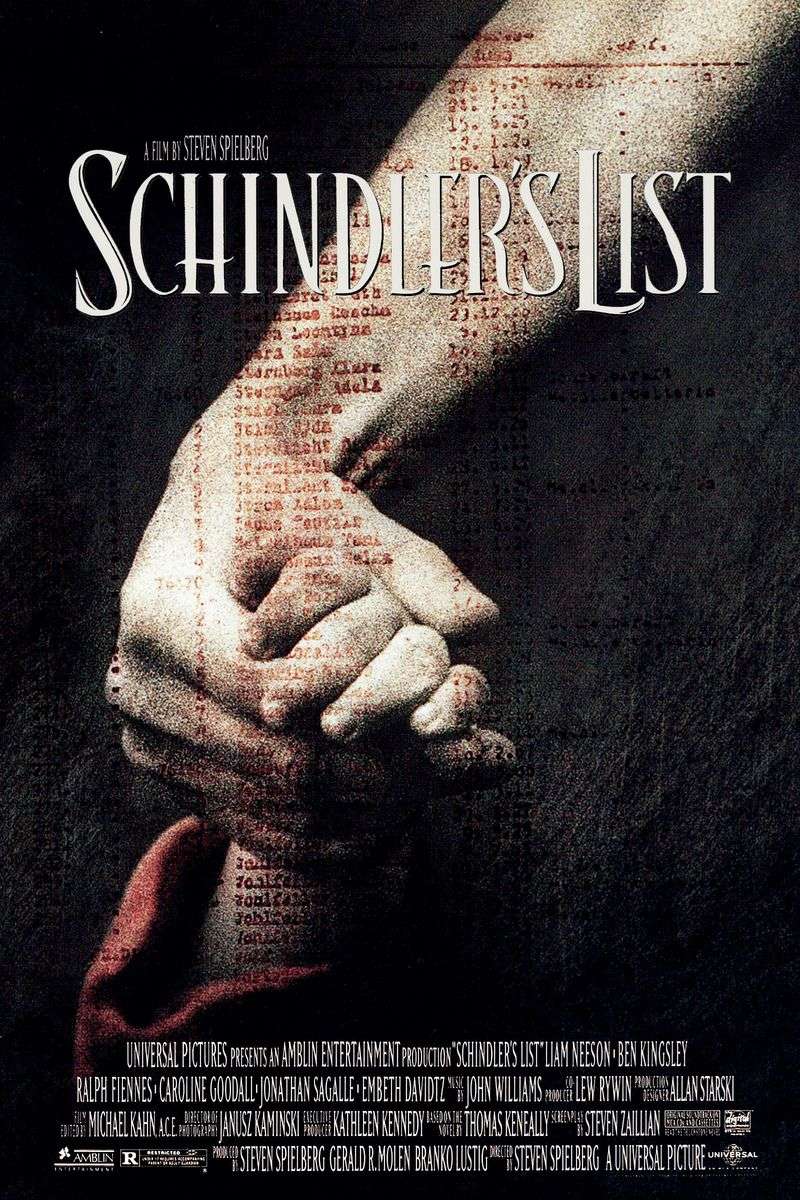
Steven Spielberg’s Schindler’s List is one of the most emotionally powerful films ever committed to the screen.
Shot almost entirely in black and white, it tells the true story of Oskar Schindler, a German businessman who saved over a thousand Jewish lives during the Holocaust.
The contrast between the horror around him and his growing humanity forms the heart of the film.
Liam Neeson delivers a career-defining performance, while Ralph Fiennes is terrifyingly believable as a sadistic Nazi officer.
Spielberg chose not to take a salary for the film, calling it “blood money” given the subject matter.
Winning seven Academy Awards including Best Picture, Schindler’s List remains an essential piece of cinema and a vital reminder of history.
7. The Lord of the Rings: The Return of the King (2003)
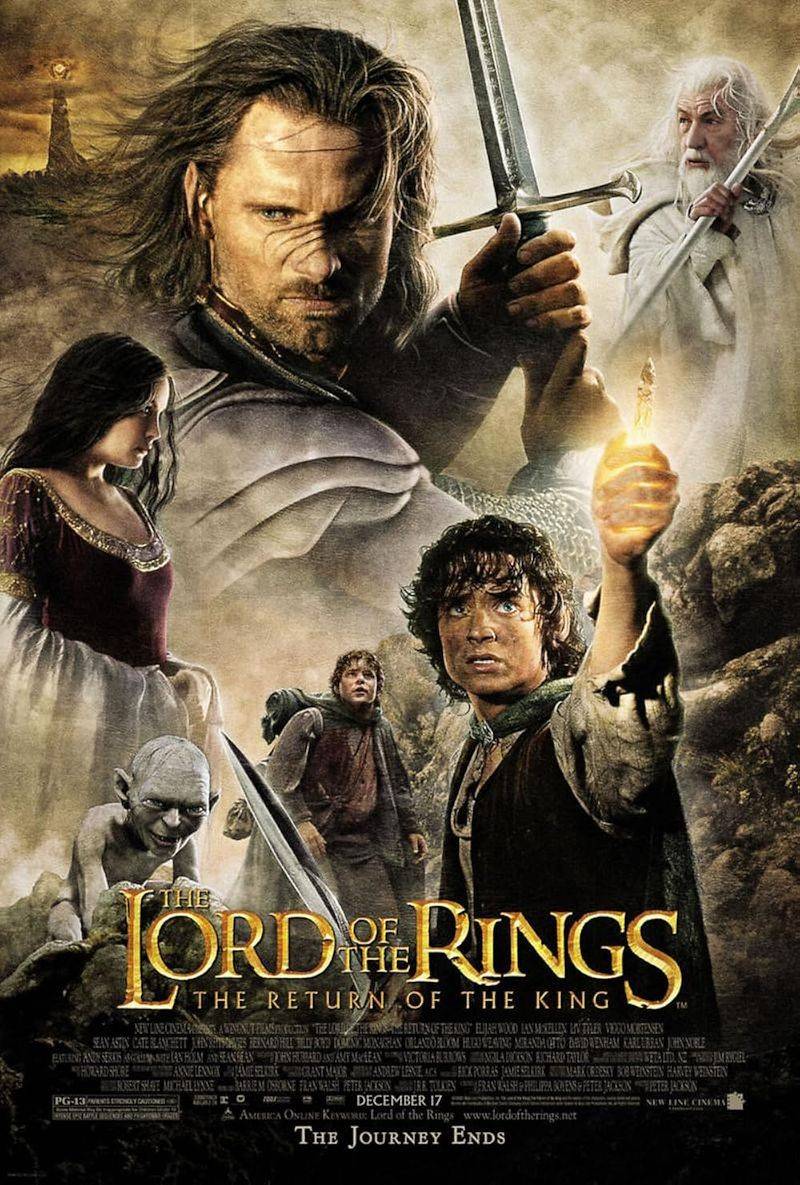
Winning all 11 of its Academy Award nominations — including Best Picture — The Return of the King delivered one of the most satisfying conclusions in film history.
Peter Jackson’s final chapter in the Lord of the Rings trilogy brought Frodo’s journey to an end with jaw-dropping battles and genuine emotional weight.
It’s the kind of film that makes audiences feel like they’ve been on the adventure themselves.
The Battle of Pelennor Fields remains one of the most breathtaking action sequences ever put on film.
Yet the movie never loses sight of its quieter, human moments.
Frodo and Sam’s friendship carries as much power as any battle scene.
No fantasy film since has come close to matching the trilogy’s ambition, craft, and heart.
8. Pulp Fiction (1994)
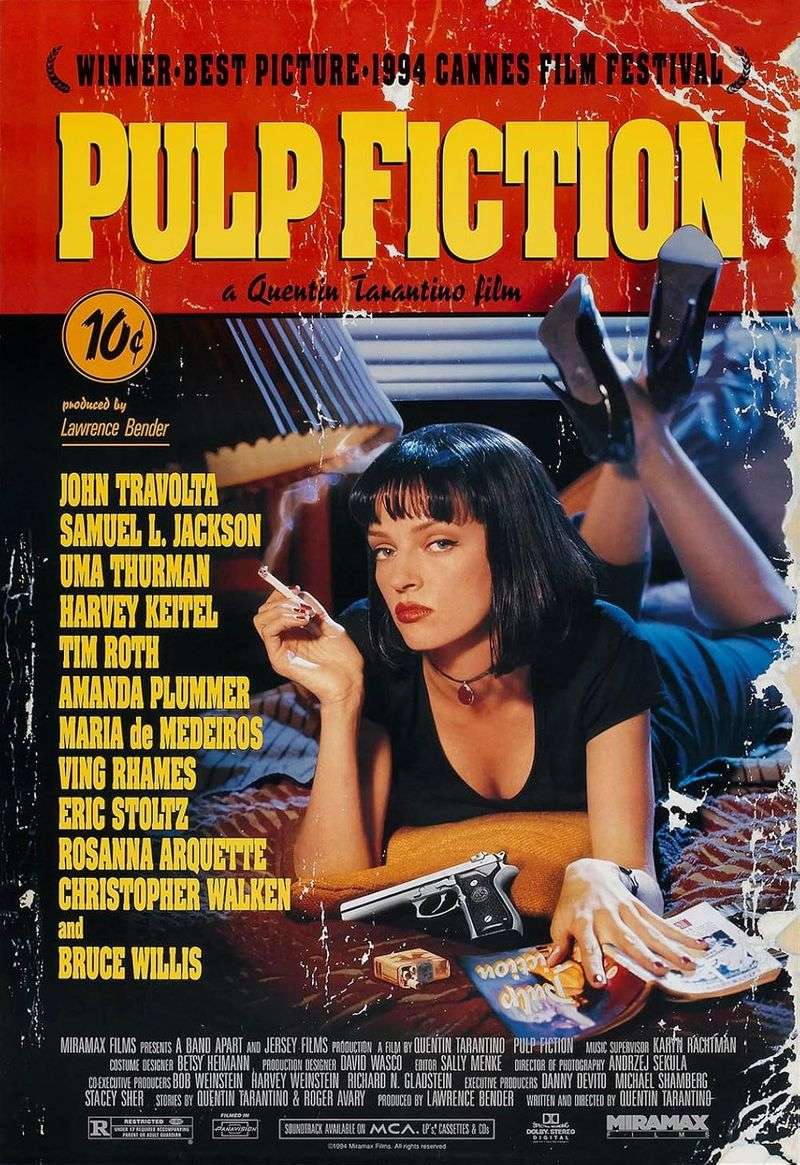
Quentin Tarantino’s Pulp Fiction changed cinema the moment it hit theaters in 1994.
The film tells several interconnected crime stories out of chronological order, creating a puzzle-like structure that was unlike anything audiences had seen before.
Its sharp, witty dialogue became instantly quotable and hugely influential on filmmakers who followed.
John Travolta’s career was famously revived by his role as hitman Vincent Vega, while Samuel L.
Jackson delivered one of the most electrifying performances of the decade.
The film won the Palme d’Or at Cannes and earned seven Academy Award nominations.
More than 30 years later, Pulp Fiction still feels fresh, bold, and brilliantly alive — a reminder that originality in storytelling never goes out of style.
9. Goodfellas (1990)
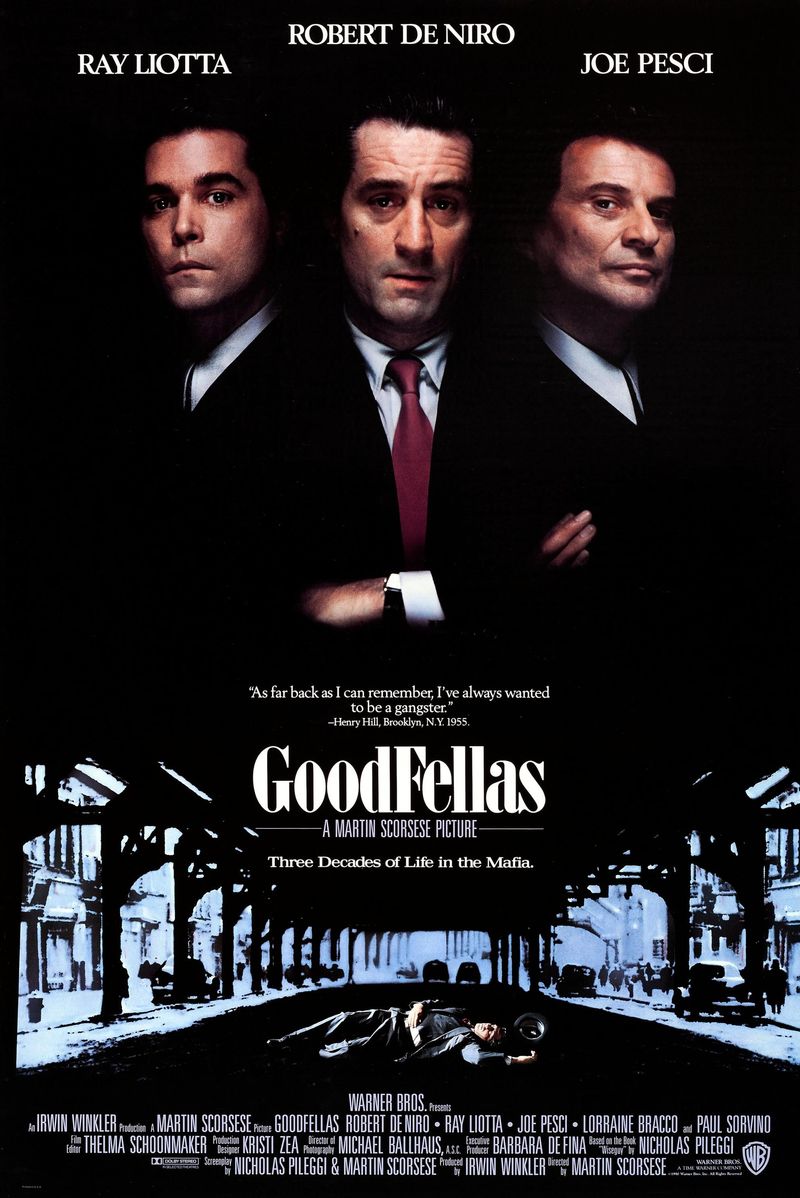
Martin Scorsese’s Goodfellas is the definitive mob film for a generation of moviegoers.
Based on the true story of Henry Hill, it follows his rise through the ranks of the New York mafia with breathless energy and razor-sharp style.
From its legendary Copacabana tracking shot to its explosive finale, every scene feels perfectly constructed.
Ray Liotta, Joe Pesci, and Robert De Niro form one of cinema’s greatest acting trios.
Pesci won an Oscar for his terrifying turn as the unpredictable Tommy DeVito.
The film never glamorizes the lifestyle without also showing its brutal and destructive consequences.
Roger Ebert called it one of the best films ever made, and it’s hard to argue.
Goodfellas remains endlessly rewatchable and perpetually relevant.
10. The Silence of the Lambs (1991)
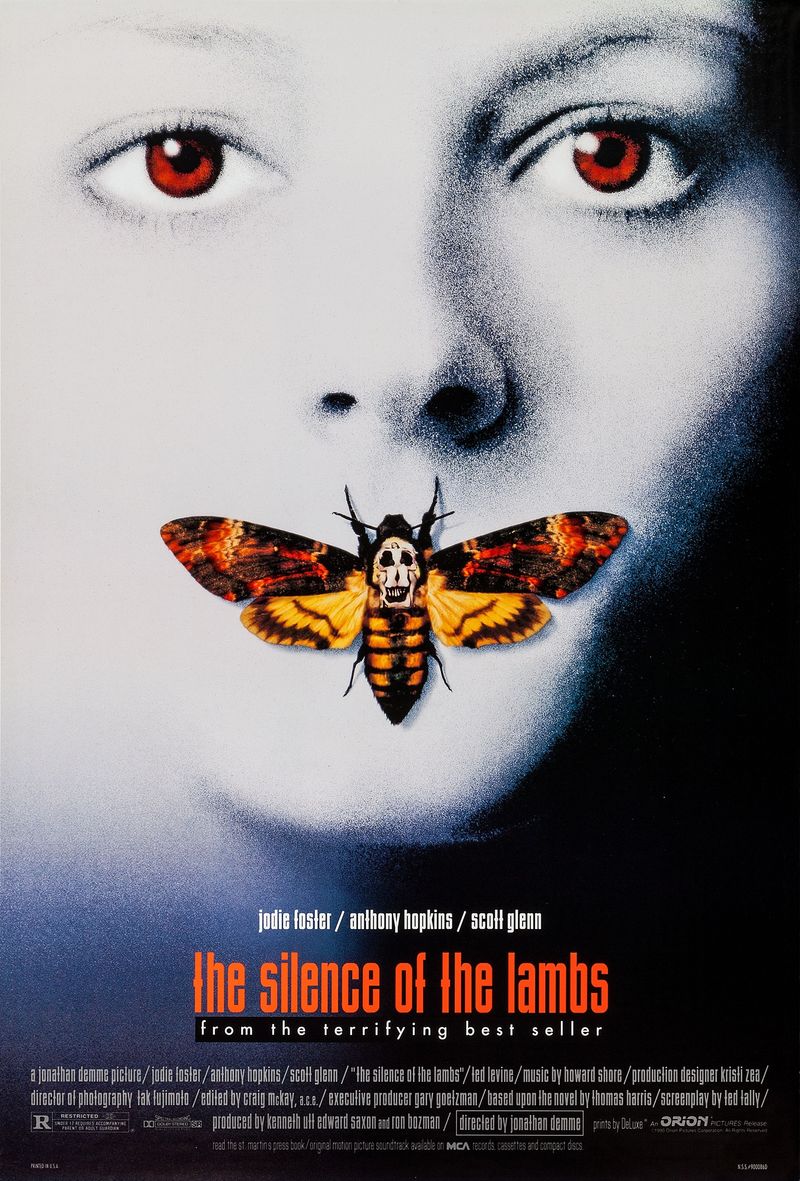
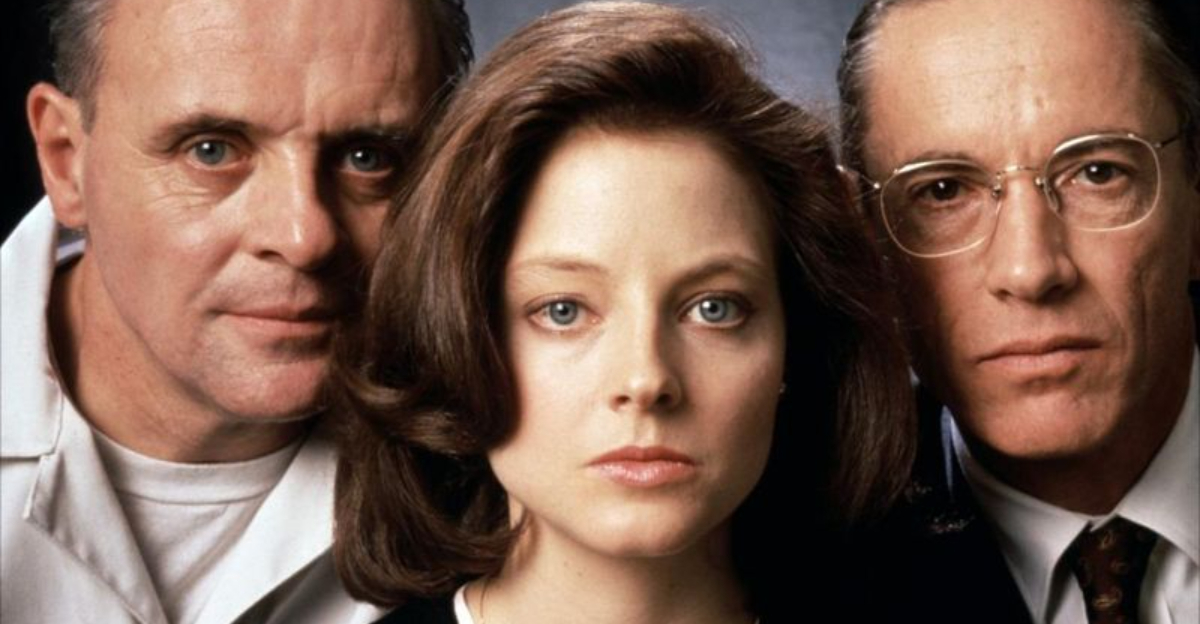
The Silence of the Lambs achieved something no other horror-thriller had managed before: it swept all five major Academy Awards, winning Best Picture, Best Director, Best Actor, Best Actress, and Best Adapted Screenplay.
Jodie Foster plays FBI trainee Clarice Starling, who must seek help from imprisoned cannibal Dr. Hannibal Lecter to catch a serial killer on the loose.
Anthony Hopkins plays Lecter with chilling precision and unsettling charm.
Though he appears on screen for less than 25 minutes, his presence dominates the entire film.
The dynamic between Clarice and Hannibal is one of the most compelling in cinema history.
Smart, terrifying, and brilliantly acted, The Silence of the Lambs set a benchmark for psychological thrillers that remains unmatched decades later.
11. Fight Club (1999)
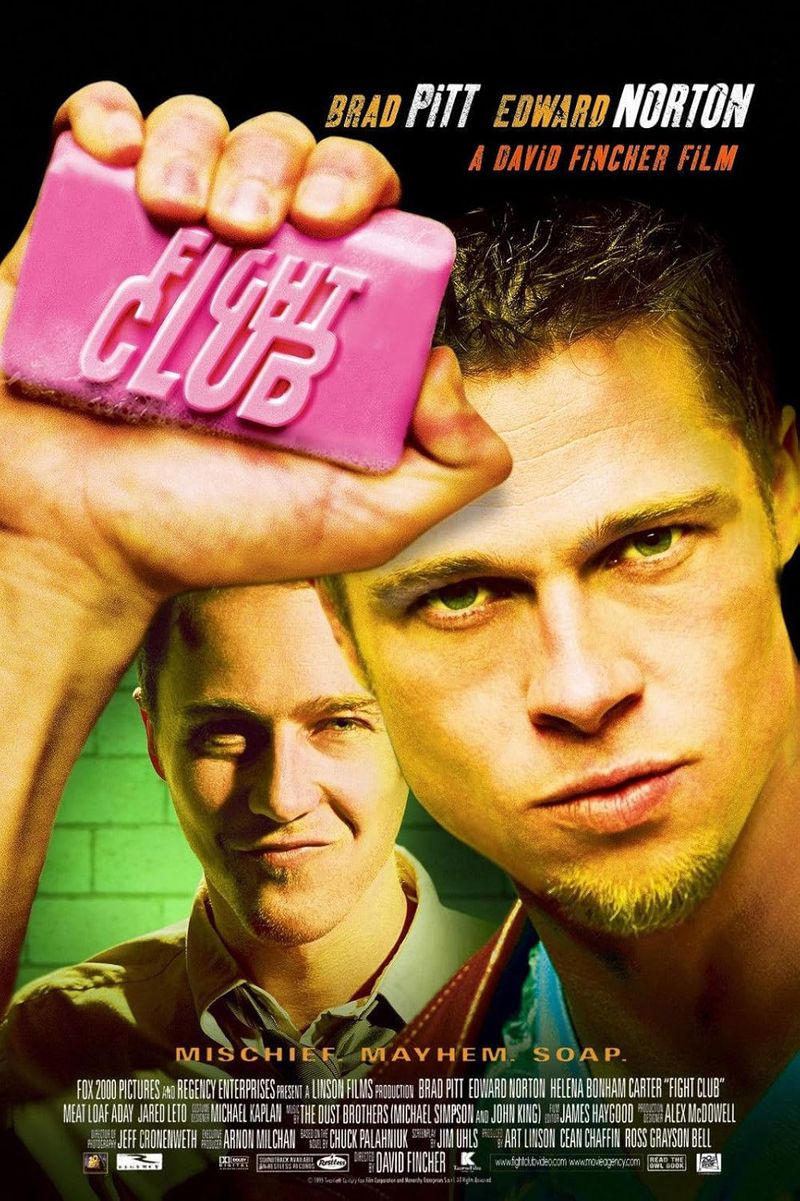
When Fight Club first released in 1999, it divided critics and confused studio executives.
Today, it’s recognized as one of the most daring and thought-provoking films of its era.
David Fincher’s adaptation of Chuck Palahniuk’s novel is a searing critique of consumerism, masculinity, and the search for identity in a hollow modern world.
Brad Pitt’s Tyler Durden became an instant cultural icon — charismatic, destructive, and impossible to look away from.
Edward Norton’s unnamed narrator grounds the film with quiet desperation.
The twist ending remains one of the most discussed in film history.
Misunderstood on arrival and celebrated for decades after, Fight Club rewards every rewatch with new layers of meaning that most modern films never even attempt.
12. The Matrix (1999)
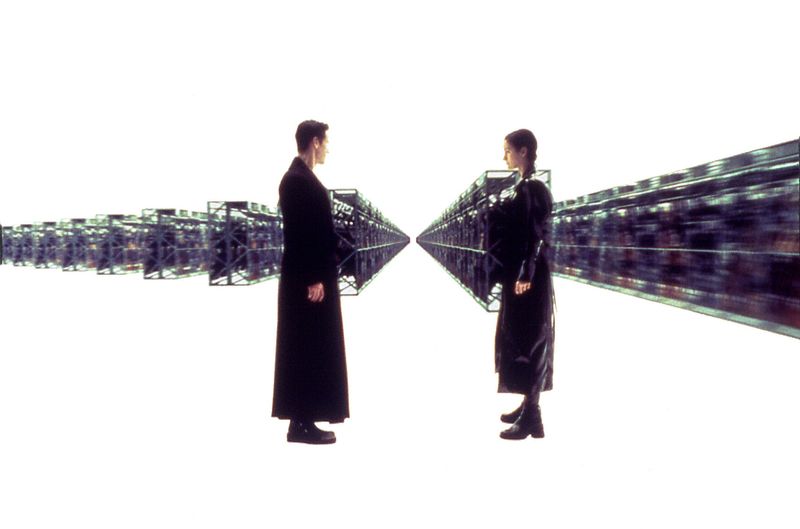
Few films have redefined their genre the way The Matrix did in 1999.
The Wachowskis created a sci-fi action film that was also a deeply philosophical exploration of reality, free will, and human identity.
On top of all that, it introduced bullet-time photography and a visual style that influenced cinema and pop culture for years to come.
Keanu Reeves brings a quiet, understated quality to Neo that makes his transformation from ordinary man to chosen hero feel earned.
Laurence Fishburne and Carrie-Anne Moss round out a cast that fully commits to the film’s wild vision.
The action sequences are still spectacular by any standard.
Original, visually stunning, and genuinely intelligent, The Matrix is the rare blockbuster that rewards both the eyes and the mind.
13. Se7en (1995)
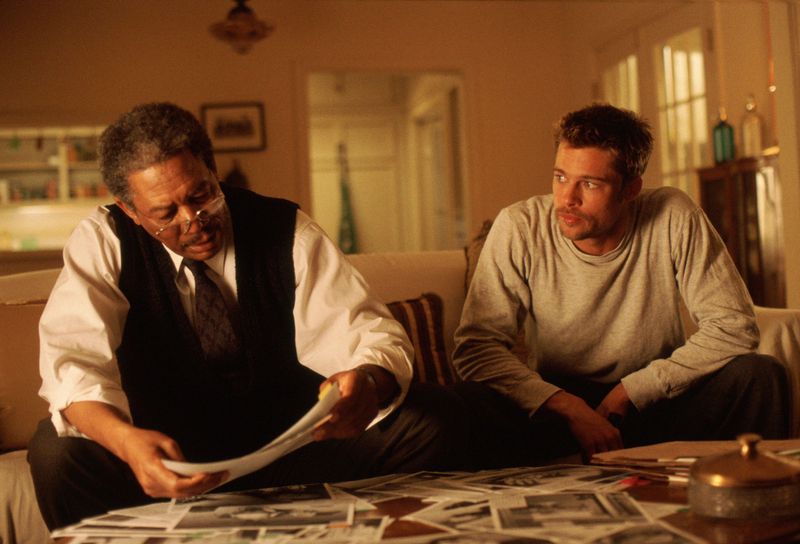
David Fincher directed Se7en just one year after his troubled debut on Alien 3, and the result was one of the darkest and most gripping crime thrillers ever made.
Brad Pitt and Morgan Freeman play two detectives hunting a serial killer who models his murders on the seven deadly sins.
The film’s relentlessly grim atmosphere builds tension with every scene.
Freeman brings gravitas and world-weariness to Detective Somerset, while Pitt’s younger, impulsive Mills provides a sharp contrast.
Kevin Spacey delivers a performance as the killer that is calm, calculated, and deeply unsettling.
The now-legendary ending shocked audiences worldwide and is still discussed today.
Se7en is not an easy watch, but it is an unforgettable one — a masterpiece of sustained dread and moral complexity.
14. No Country for Old Men (2007)
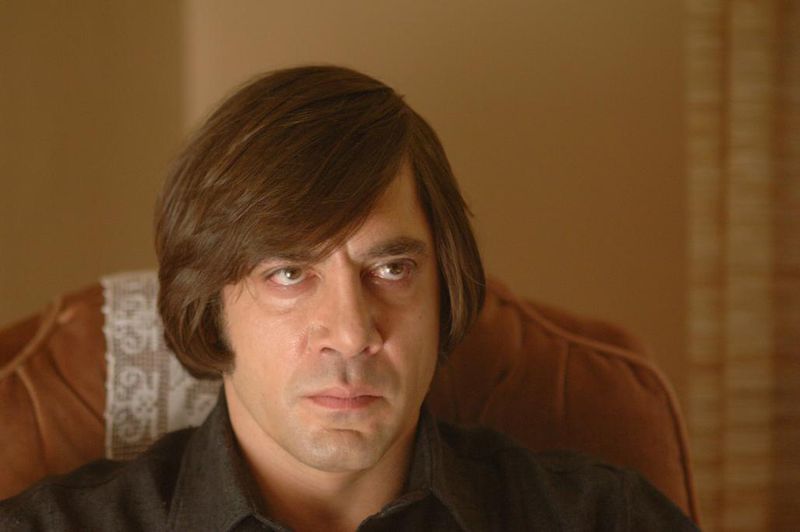
Joel and Ethan Coen won four Academy Awards for No Country for Old Men, including Best Picture and Best Director.
Based on Cormac McCarthy’s novel, the film follows a hunter who stumbles upon the aftermath of a drug deal gone wrong and makes the fateful decision to take the money.
What follows is one of cinema’s most relentless and chilling pursuits.
Javier Bardem’s Anton Chigurh is one of the most terrifying villains ever put on screen — methodical, emotionless, and utterly unstoppable.
Tommy Lee Jones anchors the film as an aging sheriff reflecting on a world that no longer makes sense to him.
Quiet, brutal, and philosophically rich, No Country for Old Men challenges audiences in ways that most modern thrillers simply aren’t brave enough to attempt.
15. The Prestige (2006)
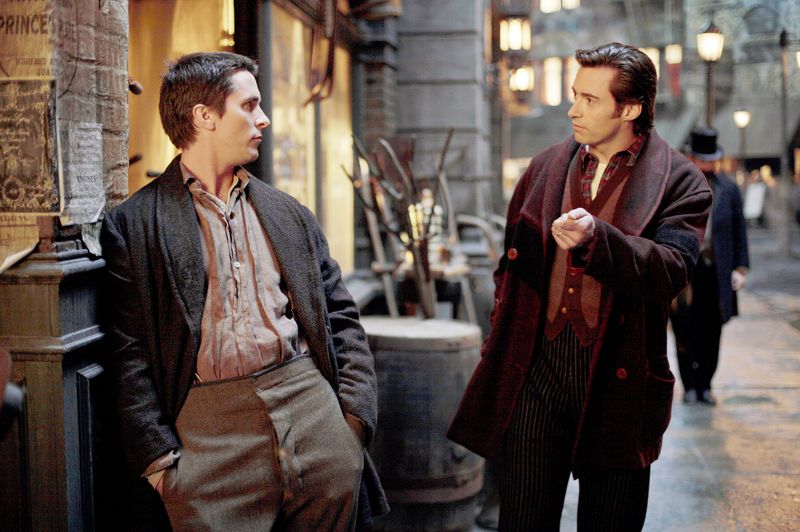
Christopher Nolan’s The Prestige is a film that demands your full attention — and rewards it generously.
Set in the world of Victorian-era stage magic, it follows two rival magicians whose obsession with outdoing each other leads them down increasingly dark paths.
The film is itself structured like a magic trick, with a setup, a turn, and a prestige.
Hugh Jackman and Christian Bale are perfectly matched as the competing magicians, bringing intensity and ambiguity to every scene.
Michael Caine, David Bowie, and Scarlett Johansson round out a remarkable supporting cast.
The twists are earned rather than cheap, and the film’s themes of sacrifice and obsession linger long after viewing.
Smart, stylish, and endlessly surprising, The Prestige is the kind of film that makes you want to watch it again immediately.
16. Spirited Away (2001)
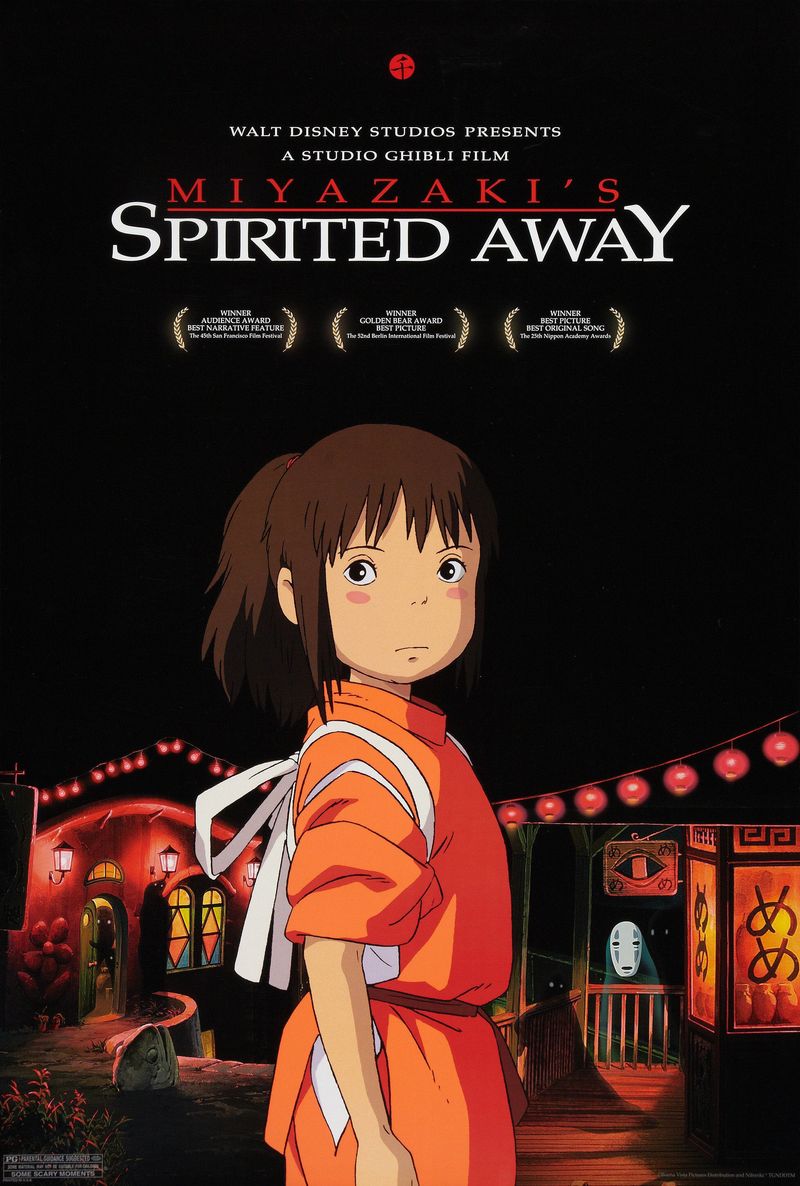
Hayao Miyazaki’s Spirited Away is one of the most imaginative films ever made — animated or otherwise.
When ten-year-old Chihiro wanders into a spirit world with her parents, she must find the courage and resourcefulness to survive and find her way home.
The world Miyazaki creates is so rich and strange that it feels completely alive.
Every background, creature, and character is packed with detail and personality.
The film won the Academy Award for Best Animated Feature and became the highest-grossing film in Japanese history at the time.
Roger Ebert gave it four stars and called it a “masterpiece.”
Unlike many animated films aimed at children, Spirited Away never talks down to its audience.
It trusts young viewers to feel, wonder, and think — and that respect is exactly what makes it timeless.