 MomSkoop

Being alone and being lonely are two very different things. When you’ve truly mastered the art of being alone, something shifts inside you — a quiet confidence that doesn’t need the approval of others to feel complete.
Most people never reach this level of self-awareness, but those who do carry a certain peace that’s hard to fake. If any of the signs below sound familiar, you might already be further along on this journey than you think.
1. Silence Feels Like a Friend, Not a Threat

Most people feel uneasy the moment a room goes quiet.
But for someone who has truly mastered being alone, silence isn’t something to fill — it’s something to enjoy.
You no longer reach for your phone the second things get still.
That shift is huge.
Silence becomes a space where your best thinking happens, where creativity grows, and where you finally hear yourself clearly.
You stop running from it and start welcoming it like an old friend who always shows up at the right time.
When quiet stops feeling awkward and starts feeling restful, you know something real has changed inside you.
That comfort with stillness is one of the clearest signs of inner growth.
2. Your Own Company Is Actually Enjoyable

There’s a funny thing that happens once you’ve learned to be comfortable with yourself — you genuinely start to like hanging out alone.
Going to a movie solo or cooking a meal just for you stops feeling sad and starts feeling like a treat.
You become your own good company.
You know what makes you laugh, what you enjoy, and how to make an ordinary afternoon feel special without needing anyone else to be part of it.
This isn’t about shutting people out.
It’s about knowing that your own presence is enough.
When spending time with yourself feels like a reward rather than a punishment, you’ve clearly done some serious inner work.
3. You No Longer Need Constant Validation

Chasing likes, waiting for compliments, or constantly checking if people approve of your choices — sound exhausting?
Once you’ve truly gotten comfortable with yourself, that cycle slows down dramatically.
You stop needing others to confirm that you’re doing okay.
Your sense of worth comes from within, not from how many people respond to your posts or pat you on the back.
You make decisions based on what feels right to you, not what looks best to everyone else.
This doesn’t mean feedback stops mattering entirely.
It just means outside opinions don’t have the power to shake your confidence anymore.
You trust yourself enough to stand firm, even when no one else is cheering you on.
4. Solitude Recharges You Instead of Draining You
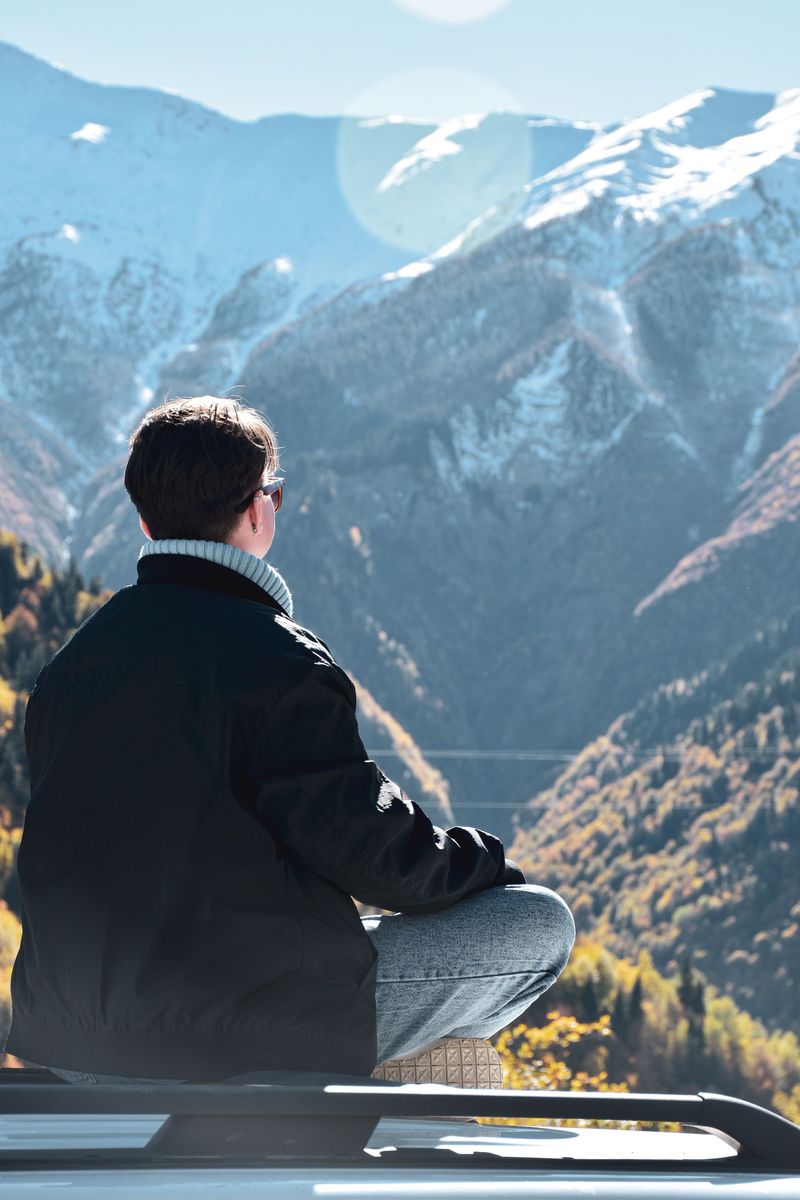
For a long time, being alone might have felt draining or even a little depressing.
But once you’ve mastered it, something flips.
Time by yourself becomes the thing that actually fills your energy back up, not social events or constant busyness.
You start to notice that after a quiet evening alone, you feel more creative, more focused, and more like yourself.
Solitude becomes your reset button — the thing that helps you show up better for everything else in your life.
Psychologists actually call this being an emotionally self-sufficient person.
When alone time feels like restoration rather than isolation, you’ve reached a level of self-awareness that many people spend years working toward without ever quite getting there.
5. Boredom Sparks Creativity Instead of Anxiety

Remember when boredom felt unbearable?
When every quiet moment sent you scrolling, snacking, or texting someone just to kill time?
That restless energy shifts once you’ve grown comfortable with being alone.
Boredom stops being the enemy.
Instead, it becomes a doorway.
Those slow, unscheduled moments are exactly when your imagination kicks in.
You start writing, building, cooking something new, or just daydreaming in a way that feels productive rather than pointless.
Studies have shown that boredom can actually boost creative thinking.
When your brain isn’t constantly stimulated, it starts making new connections on its own.
Embracing that quiet space — instead of fearing it — is one of the clearest signs you’ve truly learned to be at peace with yourself.
6. Boundaries Come Naturally Without Guilt
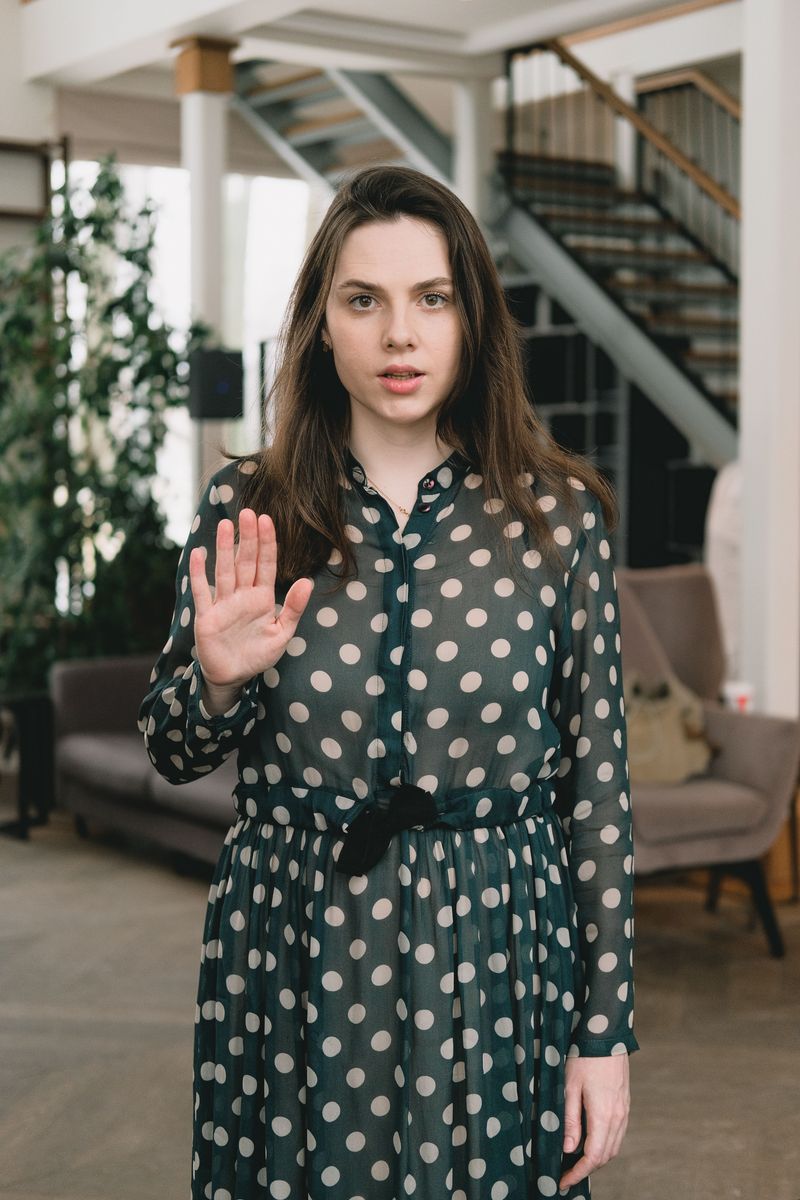
Setting limits used to feel like you were being selfish or mean.
But once you’ve spent real time getting to know yourself, boundaries stop feeling like walls and start feeling like doors — ones you control.
You say no without a long explanation attached.
You stop canceling plans you actually wanted to keep just because someone else pushed back.
You stop agreeing to things that drain you just to avoid conflict.
Your time and energy feel worth protecting.
What’s really happening is that you’ve developed a clearer sense of your own values.
When you know what matters to you, it becomes much easier to protect it.
That quiet confidence in saying no — without guilt — is a powerful sign of emotional maturity.
7. Relationships Feel Chosen, Not Desperate

Here’s something that surprises a lot of people: once you stop being afraid of being alone, your relationships actually get better.
You stop clinging to friendships or partnerships out of fear and start choosing them because they genuinely add something to your life.
You’re no longer willing to settle for connections that feel one-sided, draining, or built on habit rather than real affection.
You’d rather have fewer, deeper relationships than a crowded social calendar full of surface-level interactions.
That shift changes everything.
You show up to relationships as a whole person rather than someone looking to be completed.
And somehow, that wholeness makes you a much better friend, partner, and presence in the lives of people who truly matter to you.
8. You’ve Stopped Comparing Your Life to Others

Scrolling through social media used to sting a little — someone’s vacation, someone’s promotion, someone’s seemingly perfect relationship.
But once you’ve truly found peace with your own path, that sting fades.
Other people’s highlight reels just don’t hit the same way anymore.
You stop measuring your progress against someone else’s timeline.
Your life has its own rhythm, and you’ve made peace with that.
What someone else is doing simply stops feeling like a reflection of what you’re lacking.
This kind of contentment is rare and genuinely hard-earned.
It doesn’t mean you’ve stopped having goals — it means your goals come from your own desires rather than from trying to keep up with anyone else.
That’s a deeply freeing place to live from.
9. Alone Time Is Planned, Not Just Tolerated
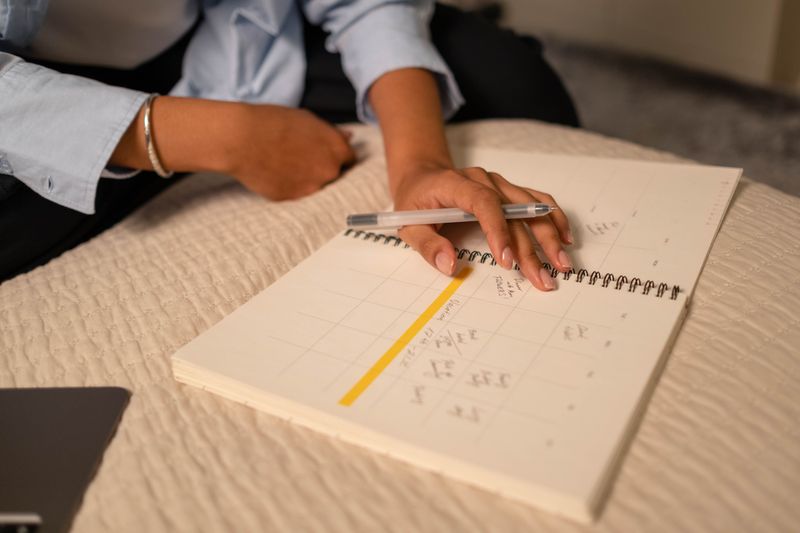
There’s a big difference between being alone because nothing else is happening and actually scheduling time for yourself on purpose.
Once you’ve mastered solitude, you start protecting your alone time the same way you’d protect an important appointment.
You block off a Saturday morning for a solo hike.
You plan a quiet evening with a book and no interruptions.
You look forward to those stretches of time because you know how good they feel once you’re in them.
That intentionality says a lot about where you are emotionally.
You’ve stopped treating solitude as a last resort and started treating it as a priority.
When alone time becomes something you genuinely look forward to, that’s a sign you’ve found a healthy relationship with yourself.
10. Your Emotions Don’t Overwhelm You Anymore

One unexpected benefit of spending real time alone is that you get to know your emotions on a much deeper level.
You’ve sat with sadness instead of distracting yourself from it.
You’ve let anxiety pass without immediately reaching for something to numb it.
Over time, that practice builds emotional resilience.
Feelings still come, of course — but they don’t knock you over the way they once did.
You’ve learned that most emotions are temporary, and you’ve built the inner tools to ride them out.
This kind of emotional steadiness is one of the quieter signs of personal growth.
It doesn’t always look dramatic from the outside.
But people who know you well will notice that you handle hard moments with a calm that wasn’t always there before.
11. Self-Care Feels Like a Habit, Not a Chore
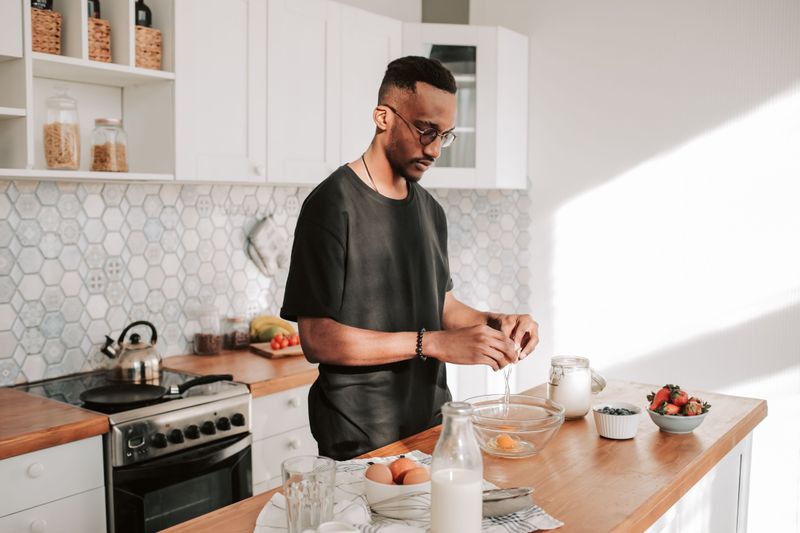
When you first start working on yourself, self-care can feel like effort — another thing on a to-do list that you have to force yourself through.
But something changes once you’ve truly settled into your own company.
Taking care of yourself starts to feel natural.
You eat better not because someone told you to, but because you actually value how your body feels.
You sleep enough, move your body, and rest when you need to — not out of obligation, but out of genuine self-respect.
That shift from forced routine to effortless habit is a real sign of growth.
You’ve stopped treating yourself like an afterthought.
Caring for your own well-being has become as automatic as brushing your teeth — and that’s exactly where it should be.
12. You Know Yourself on a Genuinely Deep Level

Spending real time alone forces you to confront yourself — your habits, your patterns, your fears, and your dreams.
There’s nowhere to hide when it’s just you.
And over time, that honesty becomes one of the most valuable things you own.
You know what triggers you.
You know what lights you up.
You know the difference between what you actually want and what you’ve been told you should want.
That clarity is rare and incredibly powerful.
People who truly know themselves make better decisions, build better relationships, and feel less rattled by life’s surprises.
When you can honestly say, “I know who I am,” — and actually mean it — you’ve reached a level of self-awareness that most people are still searching for.
13. Outside Chaos Doesn’t Shake Your Inner Calm
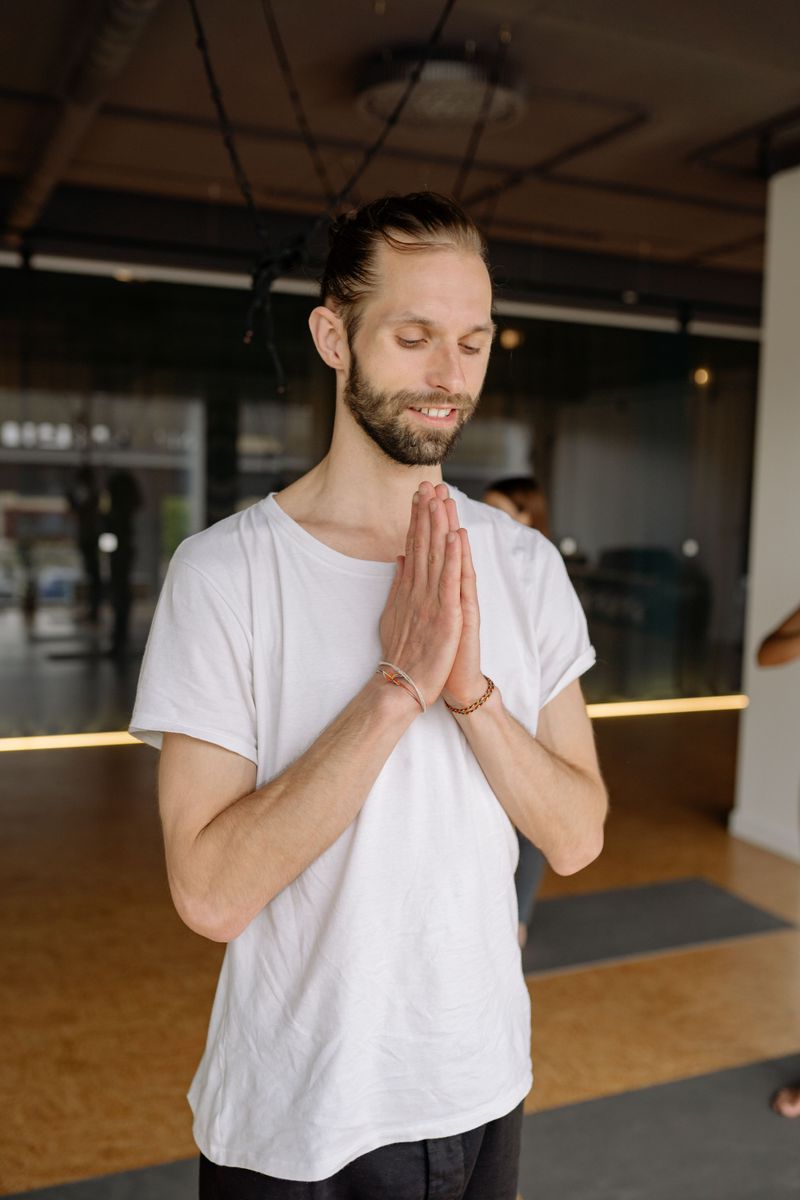
Life is unpredictable.
Plans fall apart, people disappoint, and unexpected problems show up without warning.
For someone who hasn’t done the inner work, that kind of chaos can feel completely destabilizing.
But when you’ve spent real time building a relationship with yourself, your inner foundation gets stronger.
You don’t panic the way you used to.
When things go sideways, you give yourself a moment, breathe, and figure out what to do next.
The storm outside doesn’t automatically become a storm inside.
That steadiness isn’t about being emotionally detached — it’s about being emotionally anchored.
You’ve built something solid inside yourself through all those hours of quiet reflection, and that inner stability shows up most clearly when everything around you is anything but stable.
14. You’ve Made Peace With Your Past
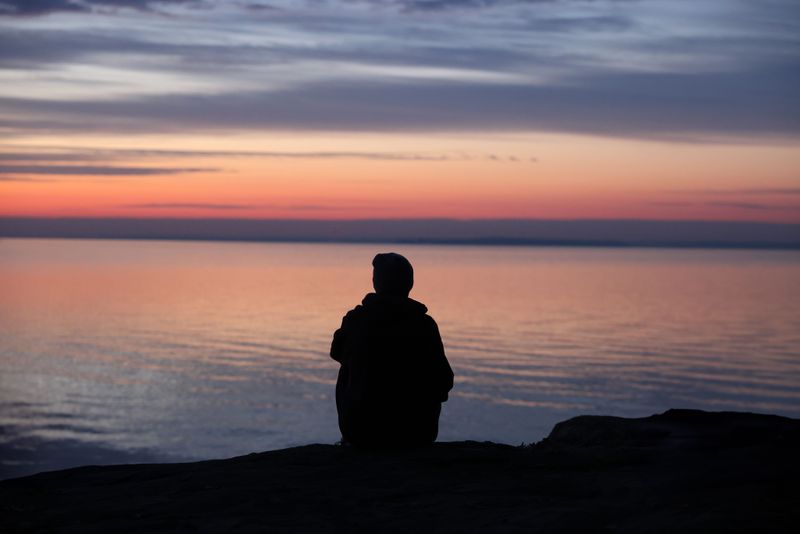
One of the most powerful things that happens when you truly learn to be alone is that you finally get still enough to face your history.
The memories you’ve been avoiding, the mistakes you’ve been punishing yourself for, the relationships that ended badly — all of it comes up eventually.
And instead of running, you sit with it.
You process, you grieve, you forgive — sometimes yourself more than anyone else.
That process takes time, but it’s one of the most freeing things a person can do.
When your past no longer hijacks your present, you know you’ve done real work.
Old wounds stop reopening every time something reminds you of them.
That kind of peace isn’t handed to you — it’s built through honest, quiet reflection over time.
15. You’re Comfortable Eating or Traveling Solo

Eating alone at a restaurant used to feel embarrassing for a lot of people.
Traveling solo seemed intimidating.
But once you’ve gotten comfortable in your own skin, those solo experiences stop feeling awkward and start feeling liberating.
You order exactly what you want.
You explore at your own pace.
You don’t have to compromise on where to go, how long to stay, or what to do next.
There’s a certain freedom in it that you can only really appreciate once you stop worrying about how it looks to others.
Solo travel and solo dining are actually two of the most confidence-building things a person can do.
When you stop needing a companion to feel comfortable in public, you’ve clearly grown into a version of yourself that is genuinely self-sufficient and secure.
16. Helping Others Comes From Fullness, Not Emptiness

Some people help others because they’re looking for a sense of purpose, approval, or a way to avoid dealing with their own inner life.
There’s nothing wrong with that — it’s human.
But once you’ve done the work of being truly okay on your own, the way you give to others changes.
You help because you want to, not because you need to feel needed.
Your generosity comes from a place of genuine abundance rather than from trying to fill a gap inside yourself.
That difference is felt by everyone around you.
When kindness flows from a full heart rather than a searching one, it lands differently.
You give without keeping score, without burning out, and without expecting anything in return.
That kind of wholehearted giving is one of the most beautiful signs that you’ve truly found yourself.