 MomSkoop
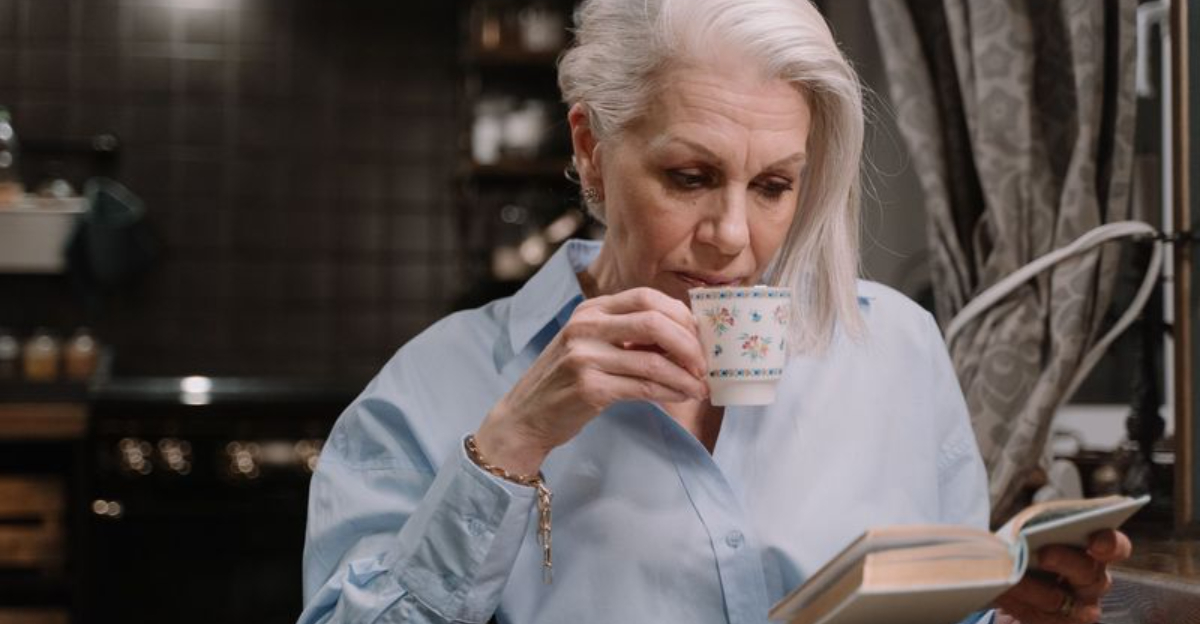
Living alone later in life is often portrayed as something to fear, but for many older adults, it becomes a chapter filled with freedom, confidence, and renewed purpose. Without the constant demands of sharing a home, there’s more space to focus on personal interests, well-being, and the lifestyle that feels most fulfilling.
While solo living comes with responsibilities, it also offers countless rewards that are easy to overlook. From enjoying complete independence to creating daily routines that bring genuine happiness, these benefits show why many people find living alone later in life to be one of their most satisfying experiences.
1. Complete Independence

Imagine waking up every morning and knowing that every single decision of the day is entirely yours to make.
No negotiating over what to watch on TV, no adjusting your schedule for someone else, and no compromises on how you spend your afternoon.
That kind of freedom is something many older adults living alone say is genuinely life-changing.
Experts in aging and psychology point out that autonomy is closely tied to happiness and mental well-being.
When you call all the shots, you naturally feel more capable and empowered.
Over time, that confidence grows and touches every part of daily life, from how you organize your kitchen to how you plan your week.
2. Freedom to Follow Your Own Schedule
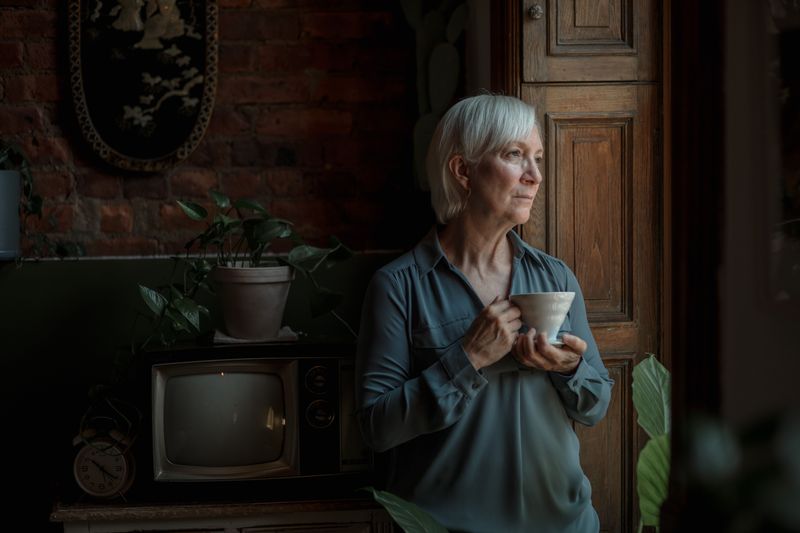
There is something quietly wonderful about eating dinner at 4 p.m. if you feel like it, or staying up until midnight just because a good movie is on.
When you live alone later in life, the clock answers to you and nobody else.
That kind of scheduling freedom is something many people only discover after years of fitting into someone else’s rhythm.
Nutritionists and sleep researchers both agree that syncing your habits with your own natural body clock can improve energy levels, digestion, and even mood.
Older adults especially benefit from honoring their personal rhythms rather than conforming to household routines set by others.
Living solo makes that surprisingly easy to do every single day.
3. Greater Sense of Peace and Quiet
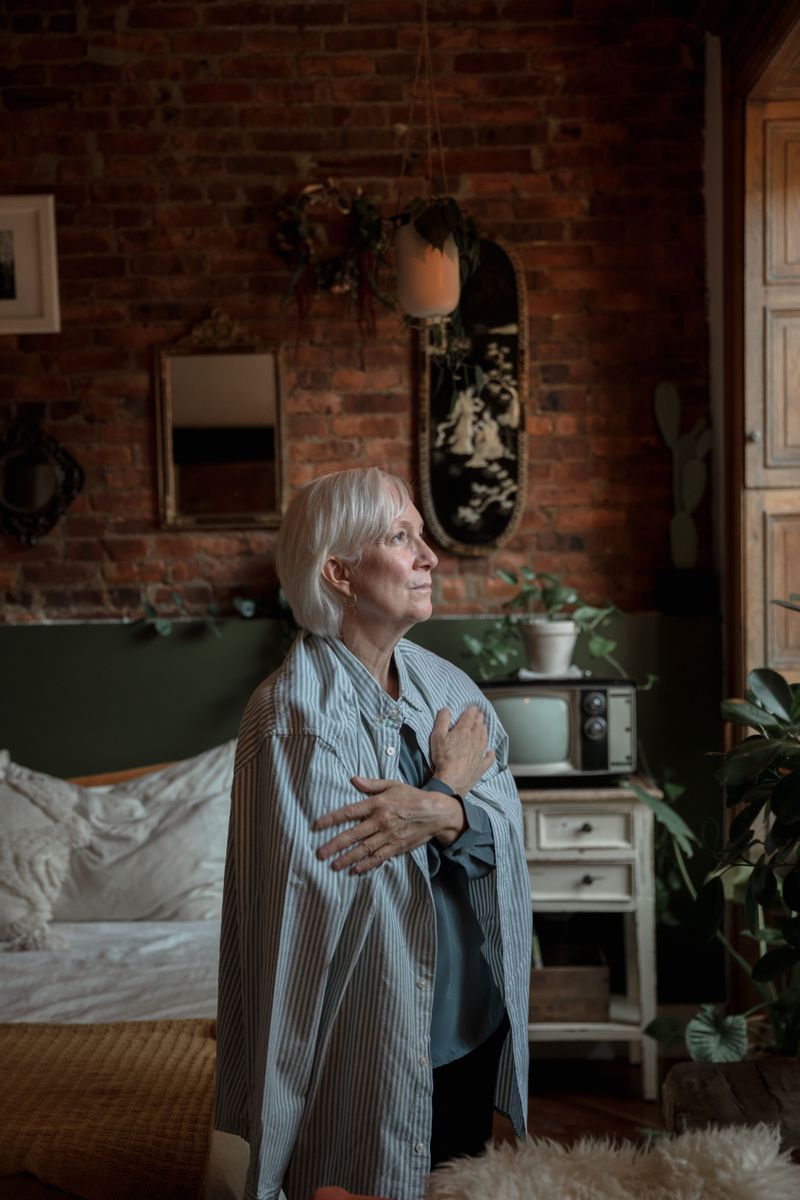
Silence has a kind of power that most people underestimate until they finally experience it regularly.
For older adults living alone, a calm and quiet home environment is one of the most consistently reported joys of solo living.
Without the background noise of a busy household, the mind gets a chance to truly rest and reset.
Research on stress and the nervous system shows that chronic noise exposure raises cortisol levels and disrupts sleep patterns over time.
A quieter living environment, by contrast, supports better rest, sharper thinking, and lower anxiety.
Many seniors who live alone describe their homes as a personal sanctuary, a place where they feel genuinely at ease without needing to explain that to anyone.
4. More Personal Growth

Some of the most meaningful self-discovery happens in the quiet hours when no one else is around.
Living alone gives older adults the kind of uninterrupted inner space that encourages genuine reflection.
Many people report picking up journaling, meditation, or creative writing for the first time after moving into their own space later in life.
Psychologists who work with older populations note that solitude, when embraced rather than feared, often sparks curiosity and a hunger for new experiences.
Without the daily noise of shared living, people start asking themselves bigger questions about what they truly enjoy and what kind of life they want to build going forward.
That kind of self-awareness is a gift at any age.
5. Improved Self-Reliance

Handling your own affairs day after day builds a quiet, steady kind of confidence that is hard to develop any other way.
Older adults who live alone often surprise themselves with how capable they become at managing everything from finances to home repairs to medical appointments.
Each small win adds up to a much larger sense of personal strength.
Gerontologists point out that self-efficacy, which is your belief in your own ability to handle challenges, is one of the strongest predictors of healthy aging.
Living independently pushes people to stretch their problem-solving skills in ways that shared living rarely does.
Far from being a burden, that daily practice of self-management becomes a source of real pride and ongoing resilience for many solo seniors.
6. Full Control Over Your Living Space
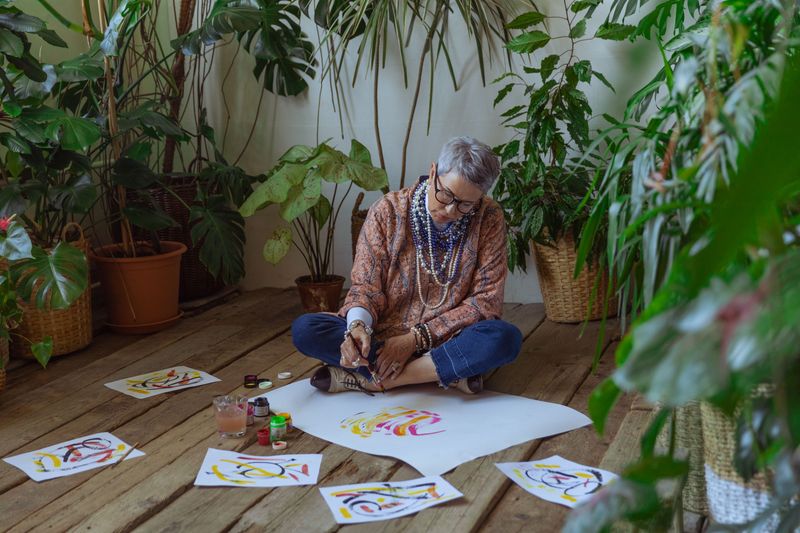
Your home is your canvas, and when you live alone, you get to paint it exactly the way you want.
No more debating paint colors, furniture arrangements, or whether the thermostat should go up or down.
Every corner of the space reflects your own personality, your history, and your taste, and that sense of ownership feels deeply satisfying.
Interior designers who work with older clients often note that personalizing a living space has genuine emotional benefits.
Surrounding yourself with things that bring you joy, whether that is a gallery wall of travel photos or a cozy reading nook, actively supports mental well-being.
Studies in environmental psychology confirm that people feel calmer and more content in spaces they have shaped to match their own sense of comfort and identity.
7. Better Privacy
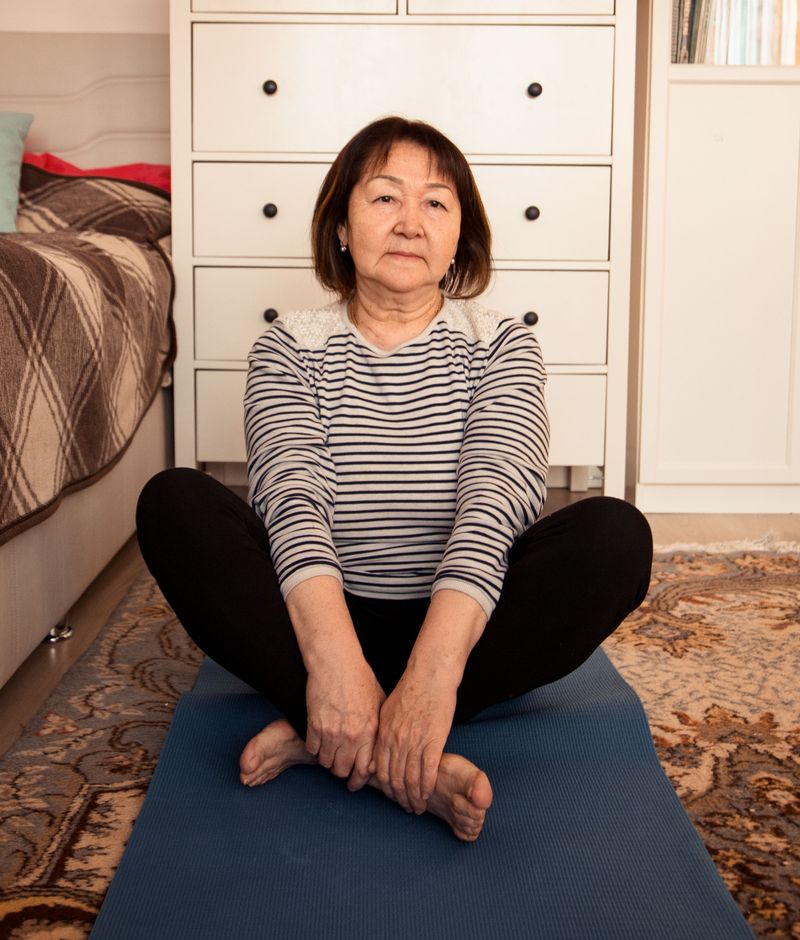
Privacy is one of those things you might not fully appreciate until you have plenty of it.
For many older adults, having uninterrupted personal space is a genuine luxury that shared living rarely allows.
Whether it is taking a long bath, making a phone call without an audience, or simply sitting in comfortable silence, solo living protects that personal boundary effortlessly.
Mental health professionals frequently highlight the importance of having private space as people age, noting that it supports emotional processing and reduces low-level social stress.
When every interaction is by invitation only, social energy is spent more intentionally and more joyfully.
Many seniors describe feeling a new kind of lightness once they no longer feel constantly observed or accountable to another person under the same roof.
8. Opportunity to Build Stronger Friendships
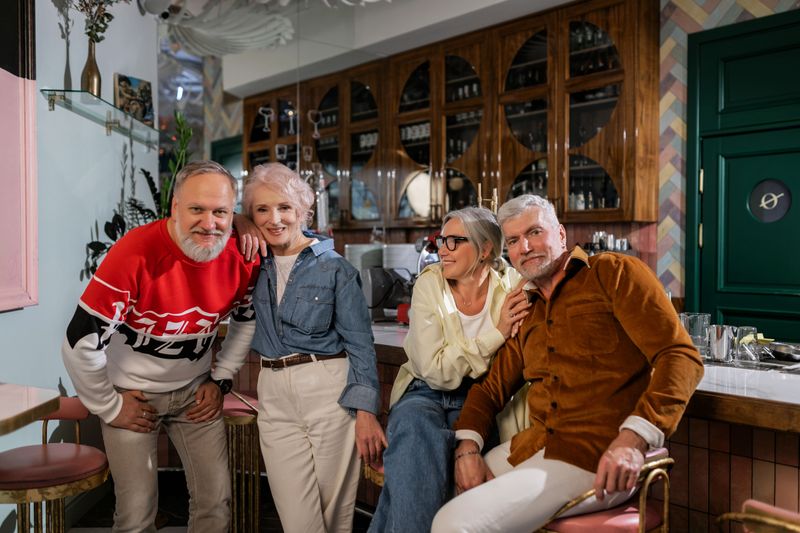
Here is something that surprises a lot of people: living alone often leads to richer, more intentional friendships than shared living does.
When you do not have a built-in companion at home, you tend to invest more energy in the relationships that genuinely matter to you.
Phone calls become longer, lunch dates become more regular, and connections deepen in ways they might not have otherwise.
Social researchers studying aging have found that older adults who live alone frequently report higher satisfaction with their friendships compared to those in shared households.
Because every social interaction is chosen rather than automatic, those moments carry more meaning.
Many solo seniors build vibrant social networks that keep them engaged, supported, and looking forward to each new week with genuine enthusiasm.
9. More Time for Hobbies
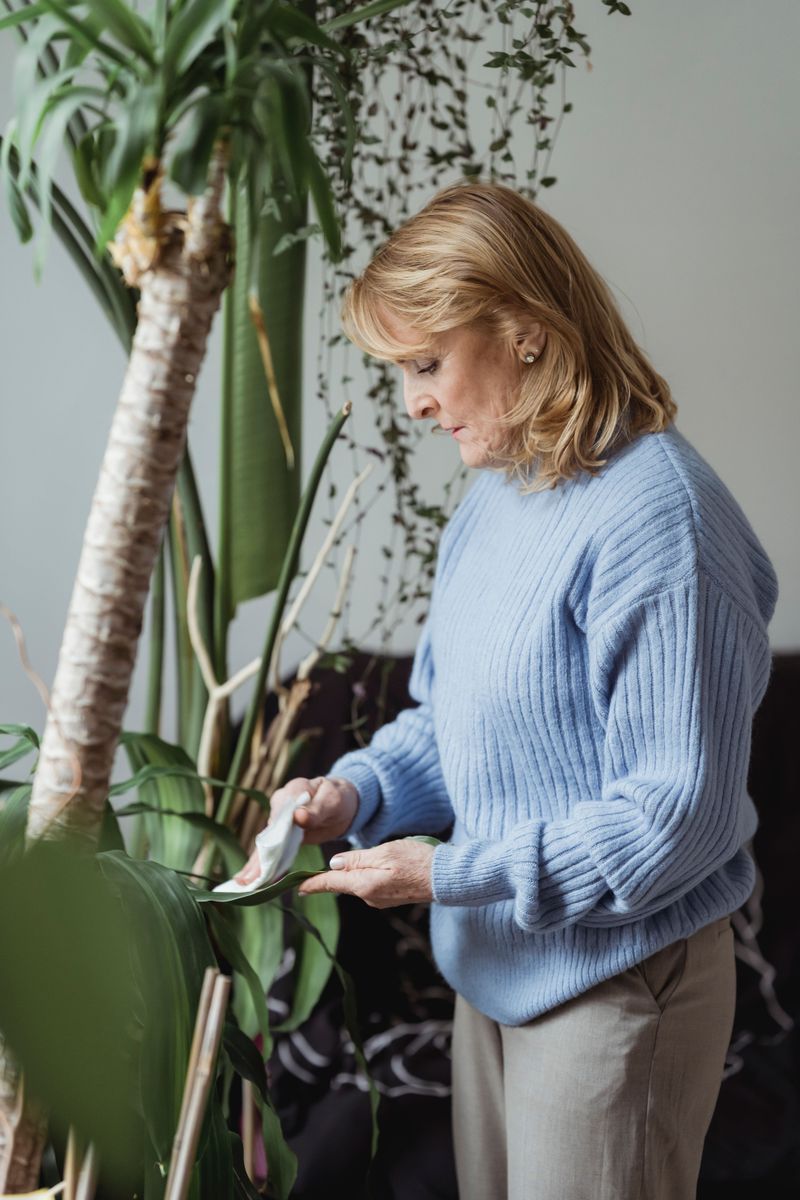
Gardening on a Tuesday afternoon, painting without interruption, or finally finishing that novel you started three years ago, these are the everyday joys that open up beautifully when you live alone.
Time becomes yours in a way that feels almost indulgent at first, but quickly becomes one of the most treasured parts of solo life after sixty.
Occupational therapists who work with older adults consistently emphasize the health benefits of sustained hobby engagement, linking it to lower rates of depression, sharper cognitive function, and a stronger sense of purpose.
Without the competing demands of a shared household, hobbies move from afterthought to priority.
Many seniors discover entirely new passions during this chapter, from pottery to bird watching to learning a second language, and flourish because of it.
10. Reduced Household Conflict

Household friction is one of those slow, grinding stressors that wears people down without them even realizing it.
Arguments over chores, clashing sleep schedules, different standards of tidiness, these small daily tensions add up over months and years into significant emotional fatigue.
Living alone simply removes that entire category of stress from the equation.
Conflict resolution experts point out that even loving relationships involve a certain level of ongoing negotiation that takes real mental energy.
Older adults who step into solo living often describe feeling an almost immediate emotional lightness once that background tension disappears.
Without daily friction to manage, people sleep better, feel calmer, and approach their relationships with others from a place of genuine warmth rather than accumulated irritation.
That shift alone can feel transformative.
11. Greater Financial Control

Money decisions feel very different when you are the only one making them.
Older adults who live alone often describe a new sense of financial clarity, knowing exactly where every dollar goes and feeling genuinely in charge of their own future.
There are no disagreements over spending priorities, no shared accounts to navigate, and no compromises that leave you feeling unheard.
Financial planners who specialize in retirement note that solo budgeting, while it requires discipline, often leads to smarter spending habits over time.
People living alone tend to become more intentional shoppers and more thoughtful savers.
Many discover that they actually spend less overall once they stop absorbing the financial preferences of others.
That sense of control over personal finances contributes meaningfully to overall life satisfaction and long-term peace of mind.
12. Improved Emotional Resilience
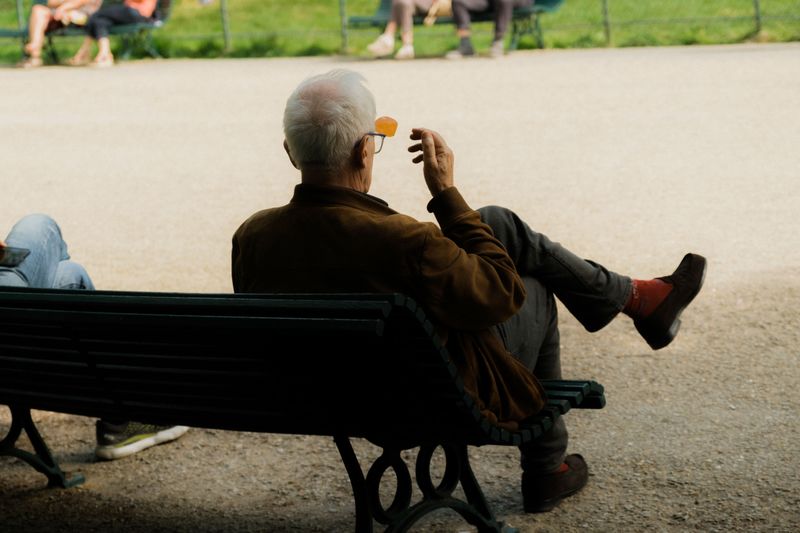
Living alone is not always easy, and that is actually part of what makes it so quietly powerful.
Navigating daily life independently, especially during difficult moments, builds an emotional toughness that is genuinely hard to develop any other way.
Older adults who have spent years on their own often describe a kind of inner steadiness that surprises even them.
Psychologists studying resilience in aging populations have found that people who manage solo households develop stronger coping skills, better emotional regulation, and a greater ability to sit with uncertainty without panic.
Each challenge faced and resolved alone adds another layer to that inner foundation.
Rather than making people fragile, solo living in later life tends to forge a quiet, grounded strength that serves them well through whatever comes next.
13. Better Focus on Health and Self-Care
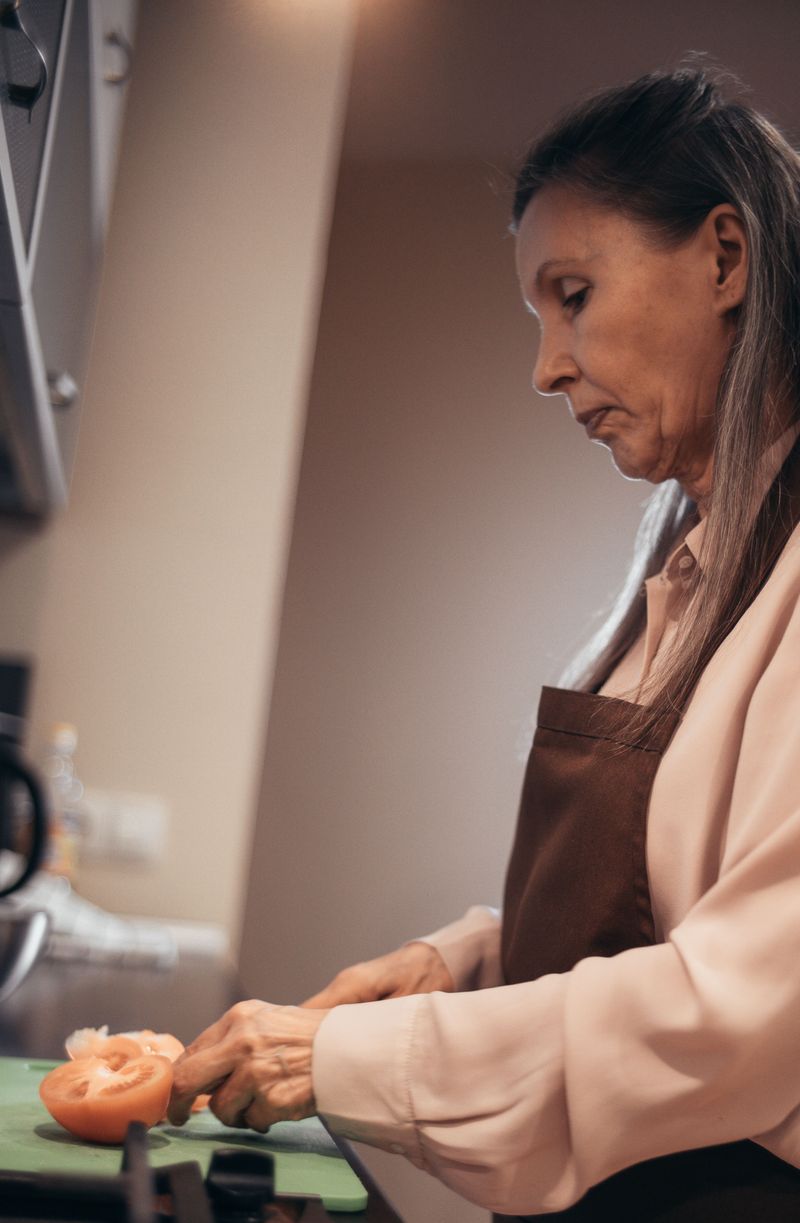
When your daily routine belongs entirely to you, prioritizing health becomes surprisingly straightforward.
There is no one else’s eating schedule to work around, no compromise on what goes into the refrigerator, and no guilt about spending an hour on a morning walk instead of doing something for someone else.
Self-care stops being a luxury and starts being a natural part of the day.
Wellness coaches who work with older adults note that solo living often correlates with more consistent exercise habits, better dietary choices, and more regular medical check-ins.
Without the social complexity of a shared household, people find it easier to stick to the routines that genuinely support their physical and mental health.
Many seniors report feeling healthier and more energetic in their solo years than they did during decades of shared living.
14. Freedom to Reinvent Yourself
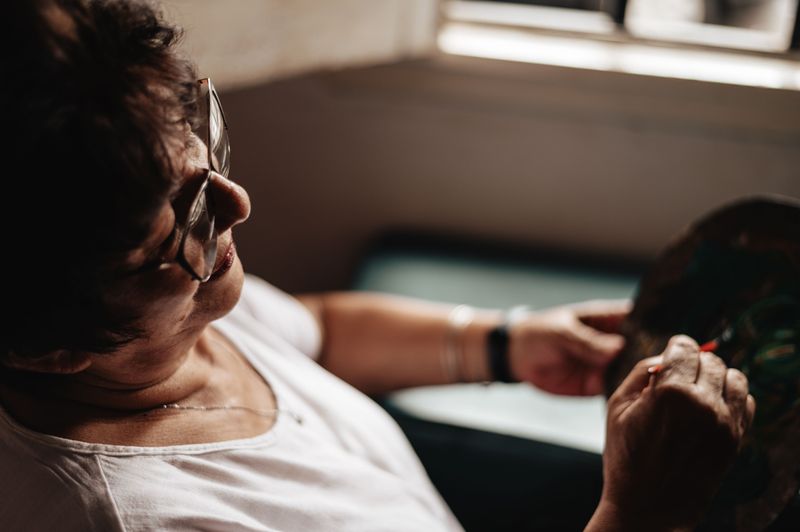
Later life is not a closing chapter.
For many people who begin living alone after sixty, it feels more like a fresh start than anything else.
Freed from the roles and routines that defined earlier decades, solo living opens up a wide, exciting space to ask a simple but powerful question: who do I actually want to be now?
Life coaches who specialize in midlife and beyond report that their solo-living clients are often among the most energized and purpose-driven people they work with.
Trying a new career path, moving to a different city, learning to paint, or simply changing how they dress, these reinventions happen with remarkable frequency among older adults living independently.
The absence of a shared identity makes personal transformation feel not just possible, but genuinely thrilling.
15. Greater Appreciation for Solitude
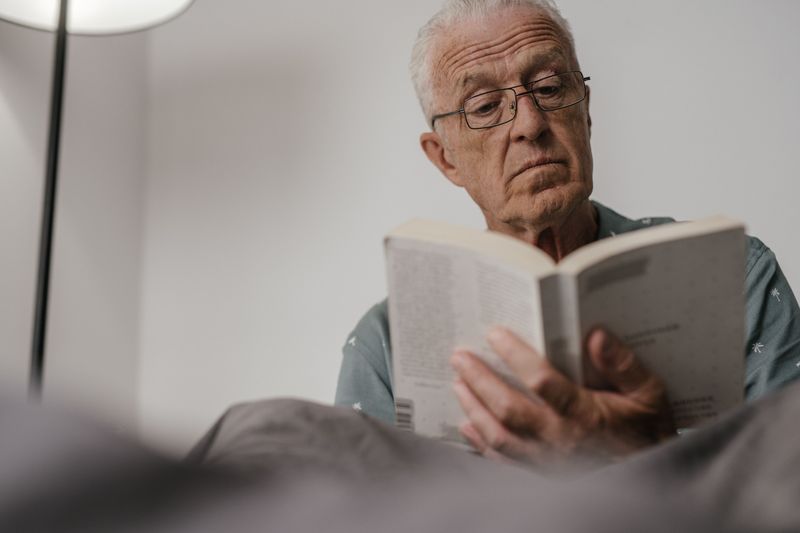
Most people spend their whole lives slightly uncomfortable with silence, always reaching for a screen or a conversation to fill the gap.
Older adults who live alone often describe a gradual but profound shift in how they experience solitude, moving from something that felt like absence to something that feels like abundance.
That transformation, experts say, is one of the most underrated gifts of solo living.
Mindfulness researchers have found that people who regularly spend time in comfortable solitude show lower levels of anxiety and greater overall life satisfaction.
Learning to enjoy your own company is a skill, and like any skill, it deepens with practice.
Many seniors who live alone report that the quiet hours of their day have become their favorite, not despite the solitude, but because of it.
16. Stronger Sense of Autonomy and Life Satisfaction
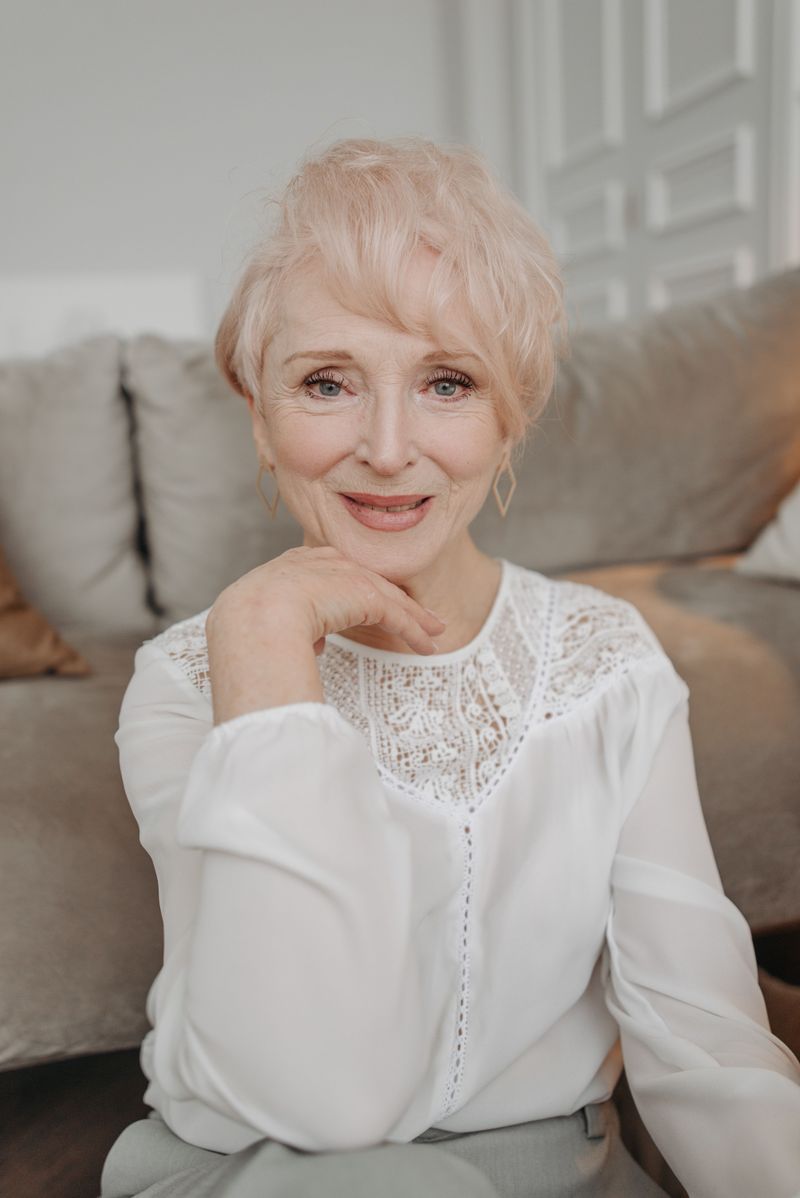
Study after study has turned up the same finding: older adults who live alone and feel in control of their lives consistently report high levels of happiness and fulfillment.
That might seem counterintuitive to younger people who associate solo living with loneliness, but the research tells a much more nuanced and encouraging story.
Autonomy, it turns out, is one of the most powerful ingredients in a satisfying life at any age.
Gerontologist Dr. Sara Arber, whose research has tracked solo-living seniors across multiple countries, found that personal agency, the feeling that you are steering your own life, is a stronger predictor of well-being than living situation alone.
Older adults who embrace independent living often describe a profound sense of ownership over their days, their choices, and their identity, and that ownership, they say, makes all the difference.