 MomSkoop

Have you ever had a conversation that felt a little off, even though nothing was obviously wrong? Sometimes people feel uneasy around others but try hard not to show it.
Learning to read these hidden signals can help you become more socially aware and improve your relationships. Here are 15 signs that someone might secretly be uncomfortable in your presence.
1. Limited Eye Contact
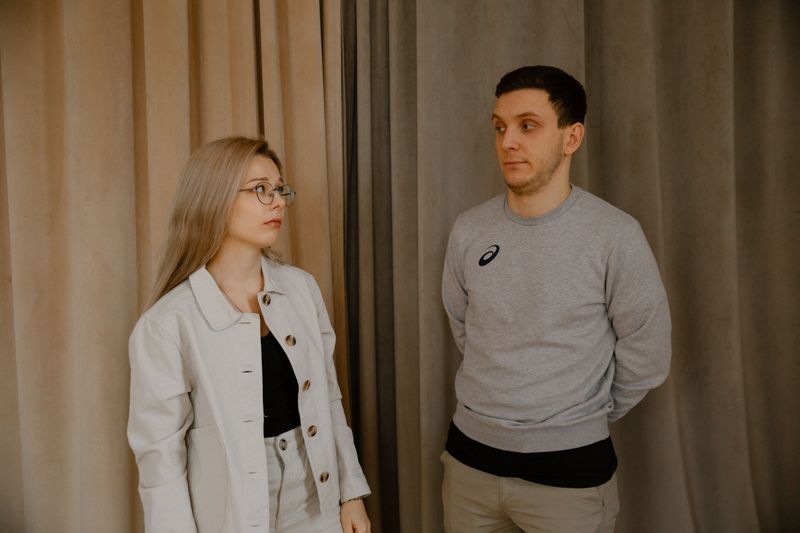
Eye contact is one of the most natural parts of human connection.
When someone keeps glancing at their phone, staring at the floor, or looking past you, it could mean they feel uneasy.
Most people naturally hold eye contact when they feel comfortable and engaged.
Of course, some people are just naturally shy or introverted.
But if someone who is usually direct suddenly avoids your gaze, pay attention.
Their eyes might be telling you something their words are not.
Try not to take it personally right away.
Instead, observe whether this happens consistently.
Patterns are more revealing than a single glance away.
2. Closed-Off Body Language

Body language speaks louder than words, and sometimes it shouts.
Crossed arms, hunched shoulders, or a body turned slightly away from you are classic signs that someone has mentally put up a wall.
These postures create a physical barrier between you and them.
Psychologists have long studied how posture reflects emotional states.
A relaxed, open stance signals trust, while a closed-off posture often signals the opposite.
It does not always mean hostility, but it usually means discomfort.
Watch for clusters of signals rather than one sign alone.
If the arms are crossed and they are also leaning away, that combination is hard to ignore.
3. Short or One-Word Responses

Imagine asking someone how their weekend was and getting a flat “Fine” in return.
Short, clipped answers are a subtle but clear signal that someone is not invested in the conversation.
When people feel comfortable, they naturally open up and share details.
One-word responses can feel like a door being slowly closed in your face.
It is not always about you, but if this pattern repeats, it is worth noticing.
Comfortable people tend to ask follow-up questions and keep the conversation flowing naturally.
Try changing the topic or asking an open-ended question.
If they still stay guarded, the discomfort likely runs deeper than just a bad mood.
4. Forced or Polite Smiles

A genuine smile lights up the whole face, including the eyes.
Scientists call this a Duchenne smile, and it is nearly impossible to fake convincingly.
When someone flashes a quick, tight grin that fades almost instantly, they are likely just going through the motions.
Polite smiles are like social masks, designed to keep things pleasant without revealing true feelings.
You might notice the corners of their mouth move, but their eyes stay flat or even look slightly tense.
That mismatch is the giveaway.
Spotting a forced smile takes practice, but once you see it, you cannot unsee it.
It is one of the most honest clues your gut will ever give you.
5. Increased Physical Distance
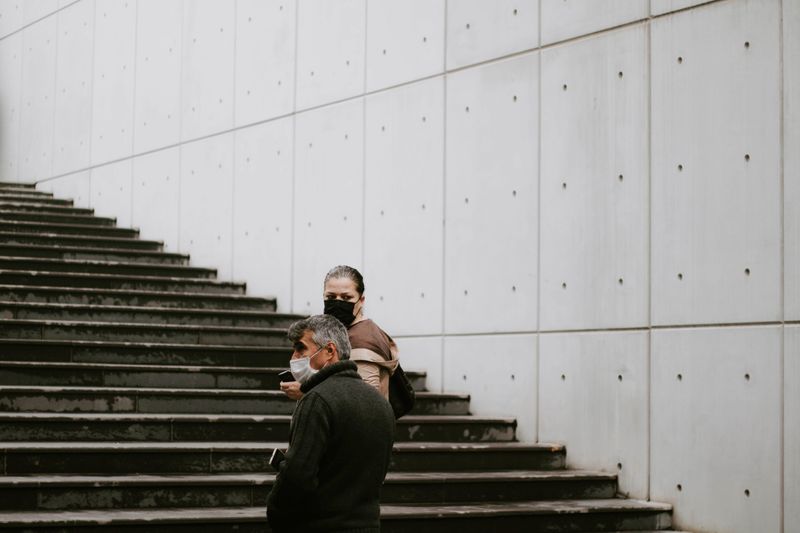
Personal space is deeply connected to how safe we feel around others.
When someone repeatedly steps back, leans away, or chooses a seat far from you, they are using distance as a comfort tool.
It is not always dramatic, just a subtle inch or two that adds up over time.
Researchers who study proxemics, the science of personal space, have found that people unconsciously adjust their distance based on how comfortable they feel.
Strangers naturally keep more distance, but so do people who feel uneasy, even with someone they know.
If you notice someone consistently creating space between you two, respect it.
Closing the gap forcefully tends to make things worse, not better.
6. Frequent Glances Around the Room

Ever talked to someone whose eyes kept drifting to the nearest exit?
That wandering gaze is a well-known sign of discomfort.
When people feel trapped or uneasy, their brain starts scouting for an escape route, and their eyes follow along.
This behavior is sometimes called the “door glance,” and it is surprisingly common in uncomfortable social situations.
It can look like distraction, but it is often more than that.
The person is mentally rehearsing how they might exit the conversation.
If you notice this happening, try to keep things light and give them an easy out.
Sometimes offering a graceful exit actually makes someone feel more comfortable staying.
7. Fidgeting
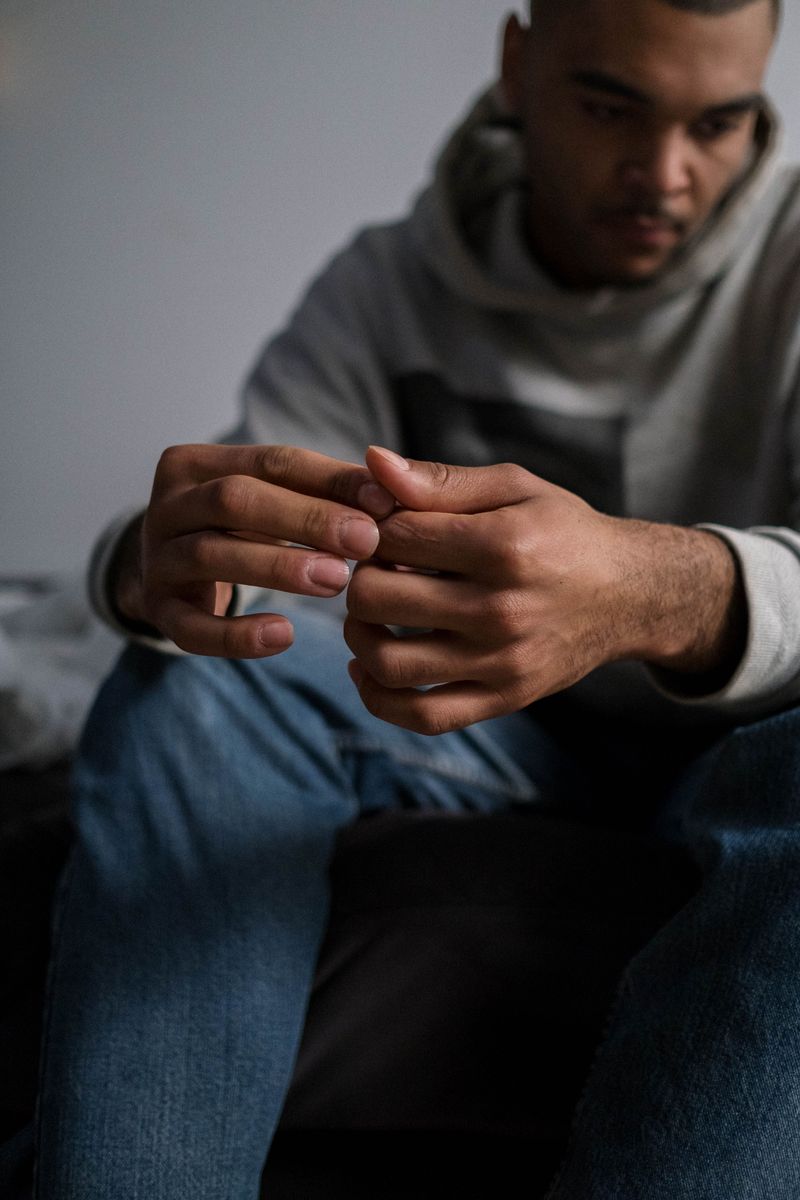
Nervous energy has to go somewhere.
When someone fidgets, taps their foot, twirls their hair, or constantly adjusts their clothing, their body is releasing tension it cannot hold in.
Fidgeting is one of the most automatic and honest reactions to discomfort.
It is not always easy to control, which is exactly what makes it such a reliable signal.
People can carefully choose their words, but they rarely notice when their hands are giving them away.
Watch for repeated, restless movements that seem out of place.
Keep in mind that some people fidget as a habit regardless of mood.
Context matters.
If the fidgeting increases specifically around you, that detail becomes more significant.
8. Nervous Laughter

Laughter is supposed to be joyful, but not all laughter comes from happiness.
Nervous laughter pops up at odd moments, like when nothing funny was said or right after an awkward silence.
It is the social equivalent of a pressure valve releasing built-up tension.
You might notice it sounds a little hollow or comes too quickly.
It is often followed by an uncomfortable pause or a sudden topic change.
The person using it is usually not even fully aware they are doing it.
Rather than pointing it out, try softening the conversation.
A warmer, more relaxed tone from your side can ease the pressure and make the nervous laughter slowly disappear on its own.
9. Minimal Engagement

There is a big difference between someone who is quiet and someone who is emotionally checked out.
Minimal engagement looks like blank stares, slow nods, or responses that barely acknowledge what you just said.
It feels like talking to a wall with manners.
When people feel comfortable, they naturally mirror energy and contribute to the conversation.
They react, ask questions, and show curiosity.
A person who is secretly uncomfortable often goes into a kind of social autopilot just to get through the interaction.
Do not mistake this for rudeness every time.
Sometimes people are overwhelmed or anxious.
A simple, low-pressure check-in like “You okay?” can open a door they were afraid to knock on themselves.
10. Avoiding Being Alone With You

Group settings feel safer when someone is uncomfortable.
If a person consistently shows up only when others are around, always brings a friend, or suddenly remembers something urgent whenever you are about to be alone together, that is a pattern worth noticing.
One-on-one time requires more vulnerability and direct interaction, which can feel threatening to someone who is uneasy around you.
Groups offer an easy buffer, plenty of distractions, and a way to avoid prolonged personal conversation.
This does not automatically mean they dislike you.
Sometimes people avoid solo interactions because of their own anxiety or past experiences.
Still, if it happens repeatedly, it is a clear signal that something about the dynamic feels unsafe to them.
11. Delayed Responses

Most natural conversations have a steady rhythm.
When someone pauses unusually long before answering even simple questions, it can signal that they are carefully managing what they say.
That hesitation is often rooted in anxiety or discomfort.
Delayed responses can look like deep thinking, but there is a difference between thoughtful pauses and uneasy ones.
Thoughtful pauses come with engaged body language.
Uneasy pauses often come with averted eyes, stiff posture, or a faint look of tension across the face.
If you notice this regularly, try making your questions feel less loaded or high-stakes.
Lighter, more casual conversation can reduce the pressure someone feels and naturally speed up their response time without them even realizing it.
12. Frequent Excuses to Leave

“Oh, I just remembered I have to make a call.” Sound familiar?
When someone regularly invents reasons to cut conversations short, they are sending a polite but unmistakable message.
The excuses themselves are rarely the point, the urgency to leave is.
People who feel comfortable in your presence tend to lose track of time.
Those who feel uneasy tend to watch the clock.
Frequent, convenient exits are a soft but consistent way of saying the interaction feels like too much.
Rather than feeling hurt, consider whether there is something specific that triggers their exits.
Adjusting your conversational approach, tone, or even just the setting can sometimes completely change how someone feels about spending time with you.
13. Stiff Posture

Comfort shows up in the body in very specific ways.
Relaxed shoulders, easy movements, and a loose posture are all signs that someone feels at ease.
Stiffness, on the other hand, is the body bracing itself, like it is preparing for something uncomfortable.
You might notice someone sitting unusually straight, holding their arms close to their body, or barely moving during a conversation.
That physical rigidity often mirrors emotional tension.
The body is essentially on alert even if the face is trying to look calm.
A stiff posture is especially telling when contrasted with how a person normally carries themselves.
If they are usually relaxed but tense up around you specifically, that contrast is one of the clearest signs of hidden discomfort.
14. Mirroring Does Not Happen

Mirroring is one of the most fascinating things humans do without realizing it.
When two people feel connected, they naturally start copying each other’s gestures, posture, and even speech patterns.
It is the brain’s way of saying, “I am with you.”
When mirroring is absent, conversations can feel slightly off, like two people talking at each other rather than with each other.
The person who is uncomfortable tends to stay locked in their own posture, not reflecting any of your movements or energy back to you.
This is not a definitive sign on its own, but when combined with other signals on this list, it becomes a meaningful clue.
Connection requires mutual openness, and mirroring is one of the first things to disappear when that openness is missing.
15. Reduced Initiative

When someone genuinely enjoys your company, they reach out.
They text first, suggest plans, or bring up topics they know you both enjoy.
A person who feels uncomfortable in your presence tends to let all of that fade.
They respond when spoken to but rarely make the first move.
Reduced initiative is one of those slow-burning signs that is easy to miss at first.
It creeps in gradually, and one day you realize you are always the one starting every conversation.
That imbalance usually means something has shifted in how comfortable they feel around you.
Pay attention to the effort gap.
Relationships and interactions thrive on mutual energy.
When one person stops initiating, it is often because the interaction no longer feels rewarding or safe enough to pursue.