 MomSkoop
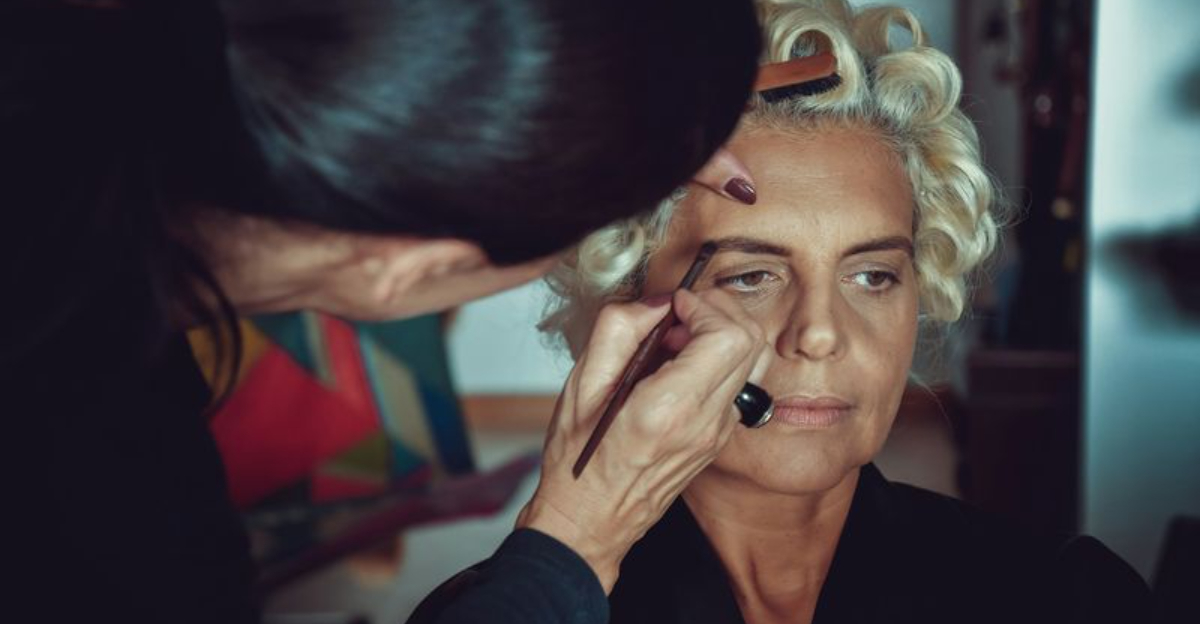
Getting older is something to celebrate, but your makeup routine might not be keeping up with your skin’s changing needs. What worked beautifully in your 30s can actually highlight wrinkles, dryness, and fine lines once you hit 50.
The good news is that a few simple tweaks can make a world of difference. Read on to find out which common makeup habits might be adding years to your look — and how to fix them.
1. Applying Too Much Foundation
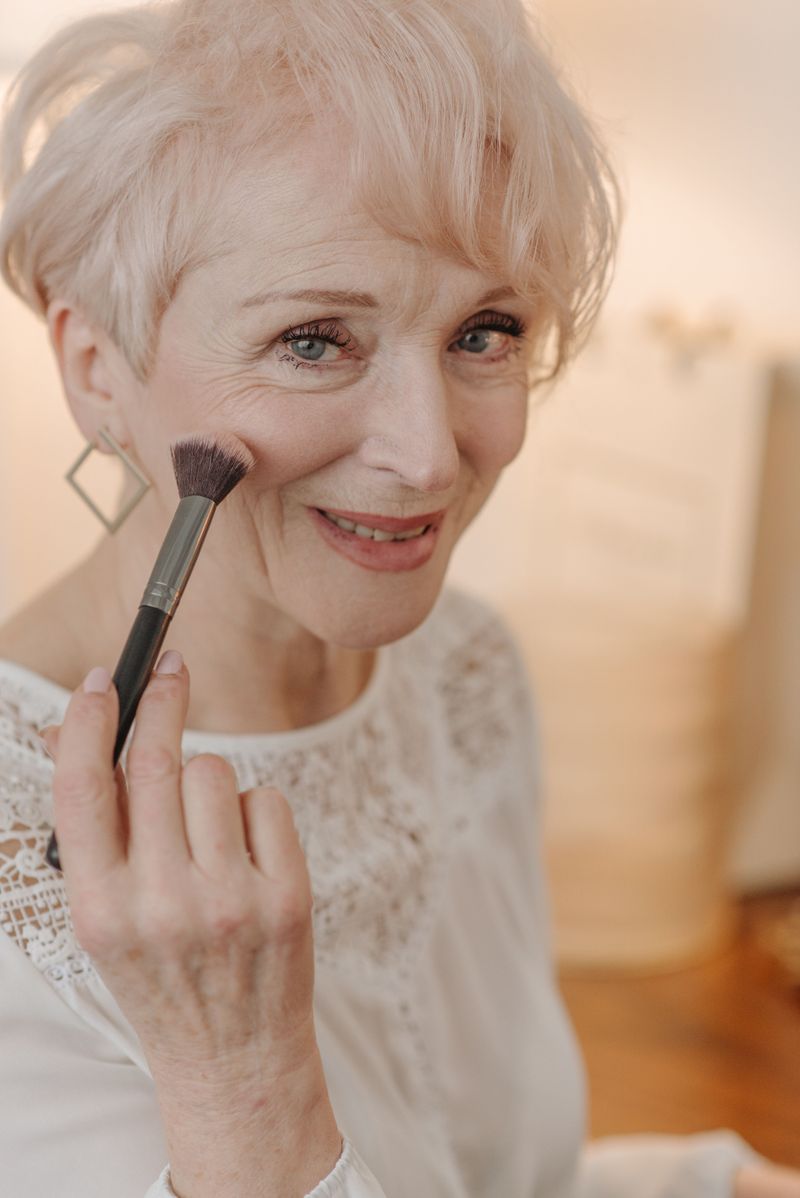
A little foundation goes a long way — especially as skin changes with age.
Heavy layers tend to sink right into fine lines and creases, making them look more pronounced instead of smoothed over.
The result can feel cakey rather than polished.
Switching to a lightweight, hydrating formula can change everything.
Look for foundations labeled “skin tint,” “serum foundation,” or “dewy finish” for a more natural look.
Apply with a damp sponge and use only where you actually need coverage, like around the nose or any redness.
Letting your natural skin show through in areas with good texture keeps the overall look fresh and youthful rather than heavy and overdone.
2. Skipping Moisturizer Before Makeup
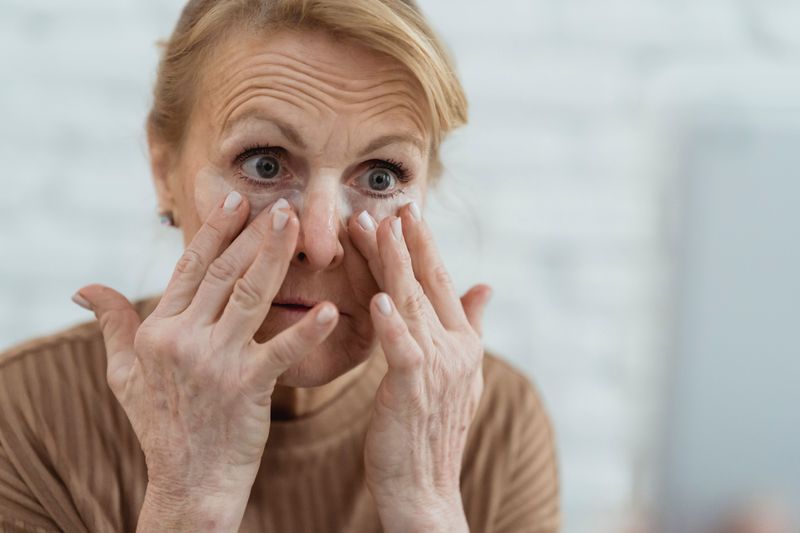
Skipping moisturizer before reaching for your foundation is one of the most common — and costly — beauty shortcuts.
Dry skin grabs onto makeup unevenly, making it look patchy, dull, and flaky by midday.
Think of moisturizer as the primer that keeps everything else in place.
After 50, skin naturally produces less oil, which means hydration becomes even more essential.
A good moisturizer with hyaluronic acid or glycerin plumps the skin and creates a smooth canvas for any product layered on top.
Give it a minute or two to absorb before applying foundation.
That small pause allows the moisturizer to settle in properly and helps your makeup blend much more seamlessly throughout the day.
3. Using Matte Foundation on Dry Skin
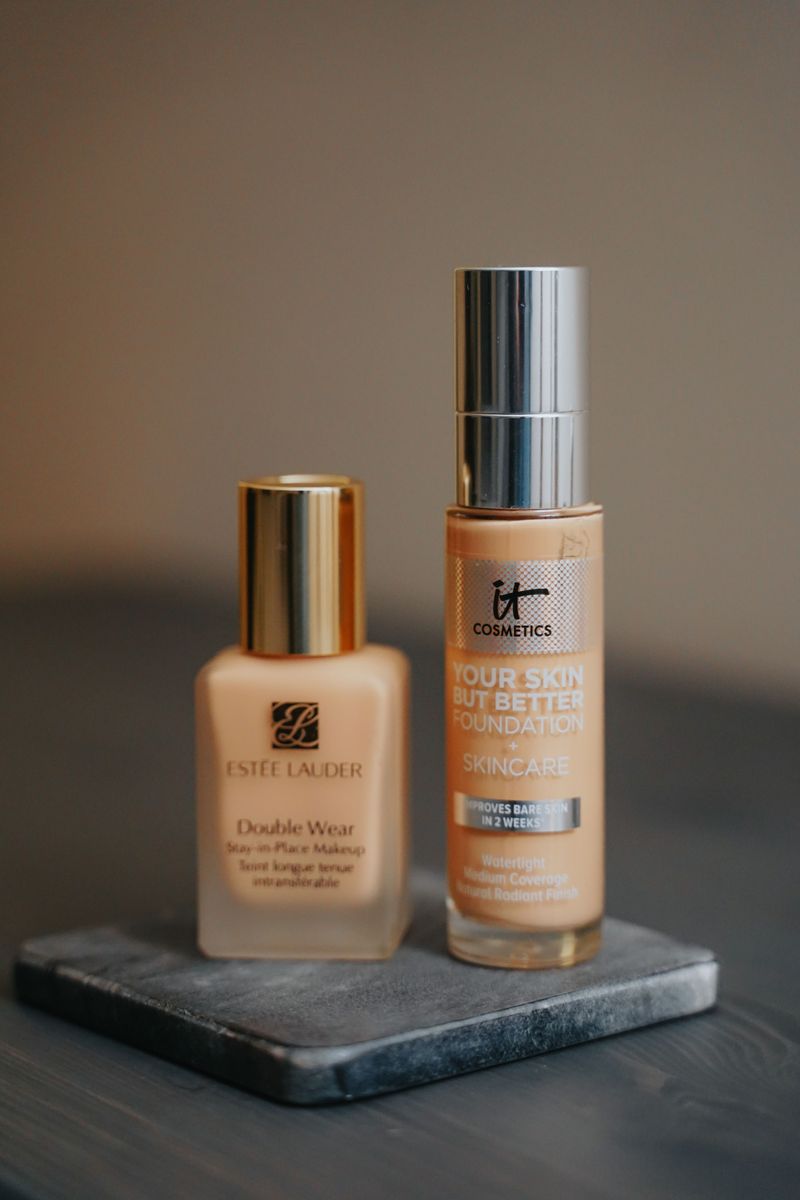
Matte foundations were designed to control oil — which sounds appealing, but can backfire on skin that’s already on the drier side.
Ultra-matte formulas can make mature skin look flat, almost chalky, and they tend to cling to dry patches in an unflattering way.
A natural or satin finish is usually a much better match for skin over 50.
These formulas reflect light in a softer, more flattering way and don’t strip away the subtle glow that makes skin look healthy and alive.
If shine control is still a concern, a light dusting of translucent powder only on the T-zone is a smarter solution than committing to a full matte base all over the face.
4. Choosing the Wrong Concealer
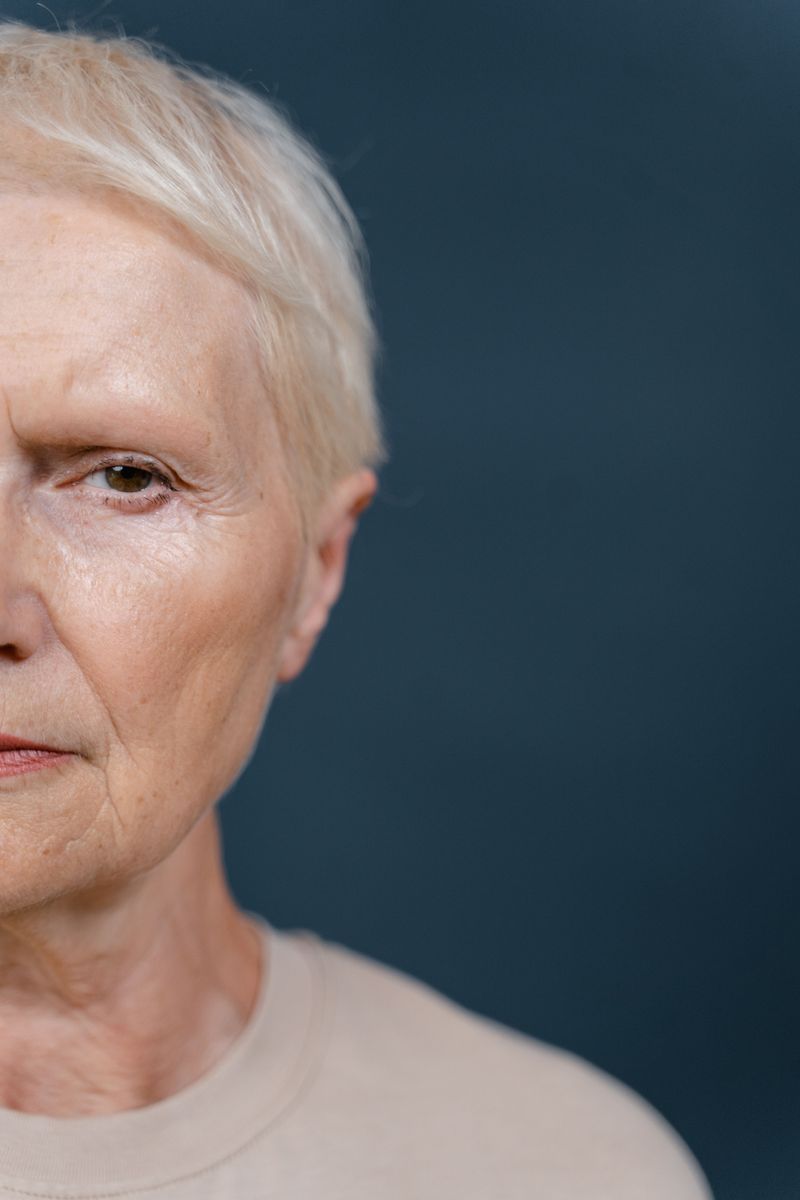
Under-eye concealer can be your best friend or your worst enemy — it all comes down to picking the right one.
A shade that’s too light or a formula that’s too thick will actually draw attention to fine lines and dark circles rather than hiding them.
Creamy, skin-tone-matching concealers are the gold standard for mature skin.
They blend softly into the delicate under-eye area without tugging or settling into creases.
Avoid anything labeled “full coverage” or “long-wear” in this area, as those tend to be drier and more prone to creasing.
A small amount goes further than you think.
Pat it in gently with your ring finger, which naturally applies less pressure and protects the thin skin around your eyes.
5. Over-Powdering the Face
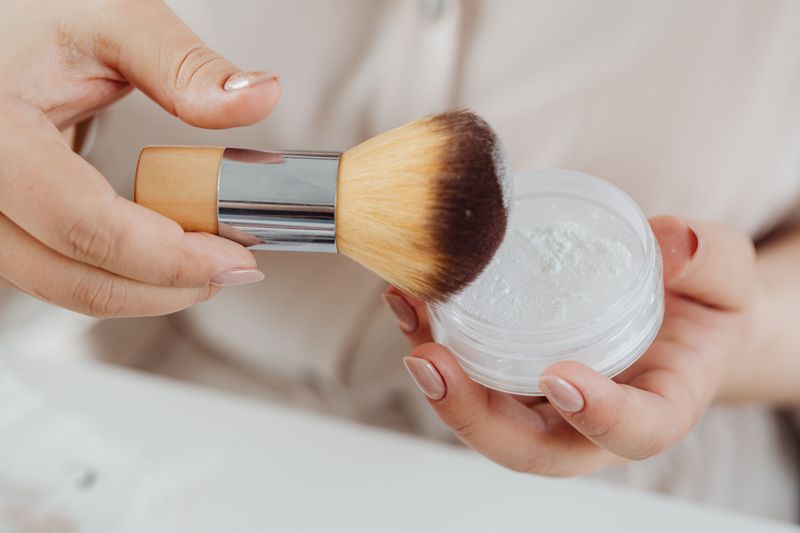
Powder has its place in any makeup routine, but too much of it can quickly become a problem for skin over 50.
When powder is applied heavily all over, it settles into lines and wrinkles throughout the day, making them far more visible than they would be otherwise.
The trick is to use powder sparingly and strategically.
Focus only on areas that genuinely get shiny — like the forehead, nose, and chin — and leave the rest of the face alone.
A fluffy brush with a light hand gives much more control than pressing powder all over with a puff.
Translucent or finely milled setting powders are the most forgiving options.
They set makeup without adding heaviness or dulling the natural radiance that makes skin look healthy.
6. Ignoring Your Brows
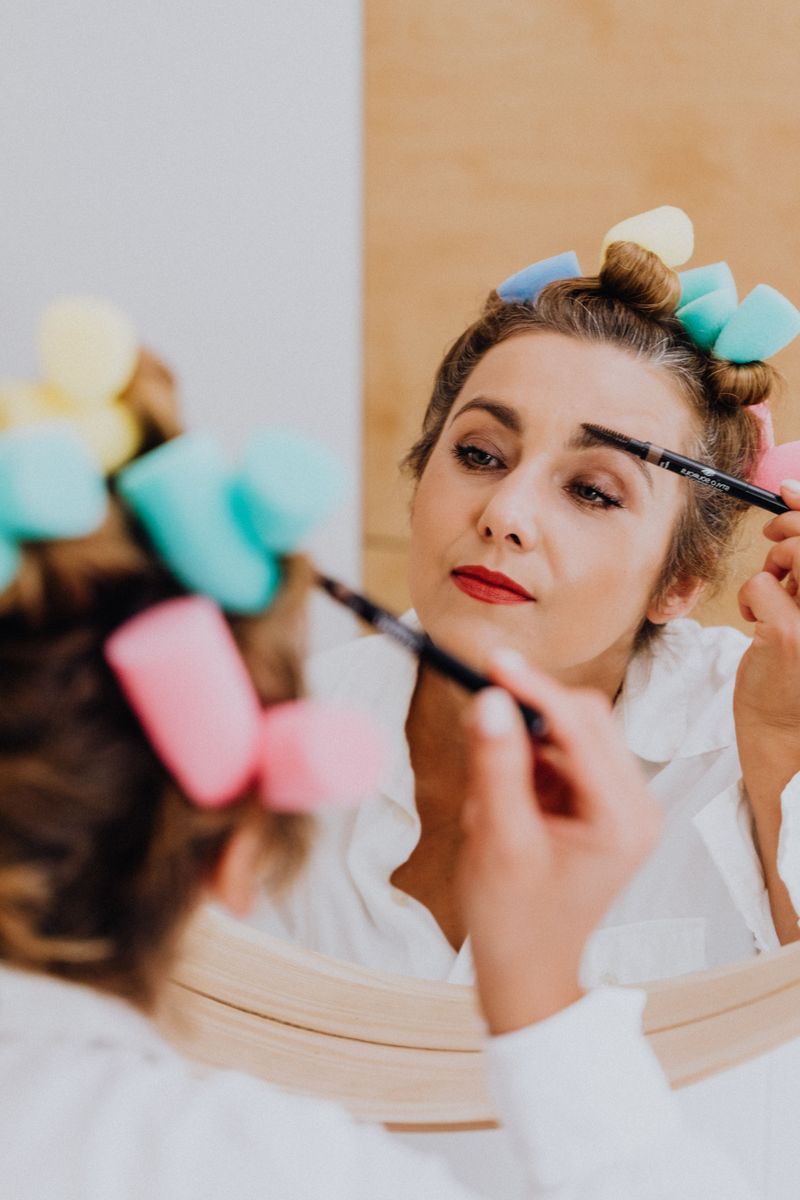
Eyebrows are the frame of the face, and when they’re sparse or overplucked, the whole face can look less defined and somehow older.
Many women in their 50s are still dealing with the aftermath of the ultra-thin brow trend from decades past — and it can really affect the overall balance of their features.
Filling in brows with light, hair-like strokes makes a remarkable difference.
A brow pencil, powder, or fiber gel works beautifully to recreate natural-looking fullness without the drawn-on look that can feel harsh or artificial.
Stick to a shade one or two tones lighter than your brow hairs for the most natural finish.
As hair color lightens with age, brows often need to be softened too to avoid looking stark against the skin.
7. Wearing Harsh Black Eyeliner
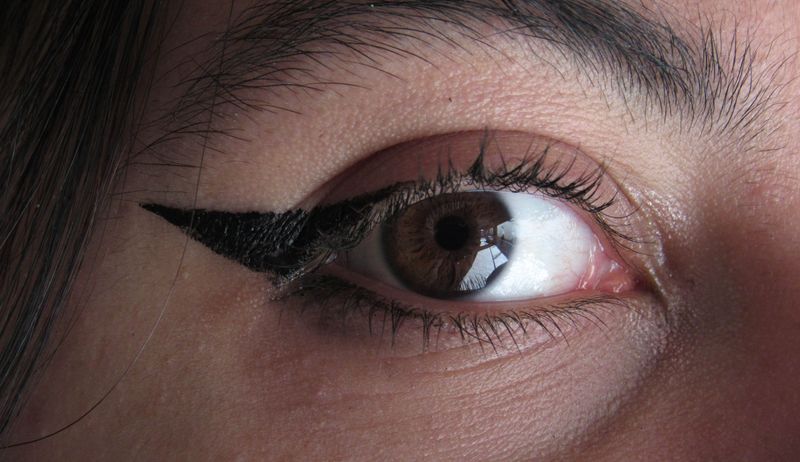
Black eyeliner ringing the entire eye was a go-to look for decades, but it can work against you as you get older.
Lining the waterline and lower lash line with heavy black liner tends to make eyes look smaller and more closed off — the opposite of what most people are going for.
Softer colors like dark brown, charcoal, or even deep plum are much more flattering on mature eyes.
They define without overwhelming and have a naturally blended quality that feels fresh rather than harsh.
Another easy fix is to apply liner only along the upper lash line, which opens the eyes rather than boxing them in.
A smudged or slightly smoky upper line gives depth without the heavy, shrinking effect of full-circle liner.
8. Using Shimmery Eyeshadow All Over the Lid
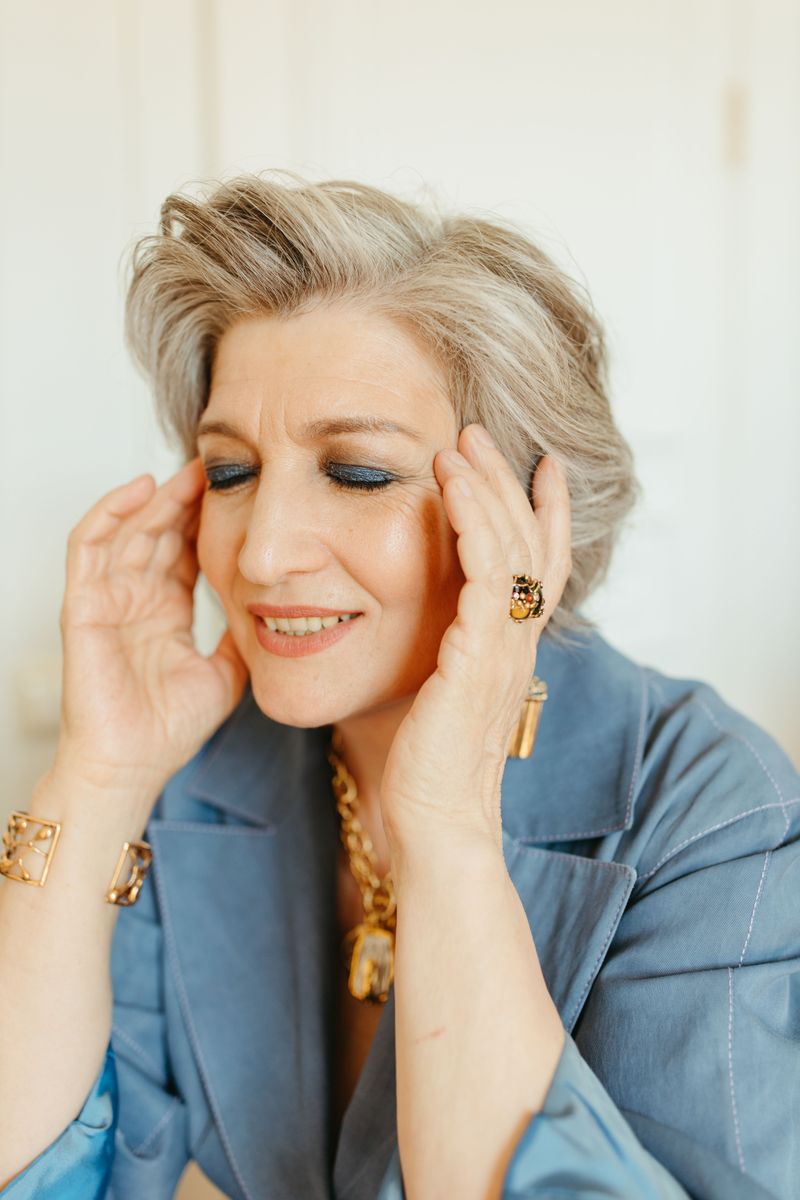
Shimmer eyeshadow has a way of catching light beautifully — but it also catches texture, and that’s where things can go sideways.
Frosty or glittery shadows applied all over the lid tend to highlight crepey skin and fine lines rather than creating the luminous effect you’re going for.
The smarter approach is to use matte or satin shades as your base across the lid, then add a touch of shimmer only to the inner corners or center of the lid.
This creates brightness and dimension without emphasizing texture.
Champagne, gold, and rose gold shimmers work especially well when used selectively.
A small dab with your fingertip gives just enough glow to make eyes look awake and refreshed without going overboard.
9. Applying Too Much Blush or the Wrong Placement
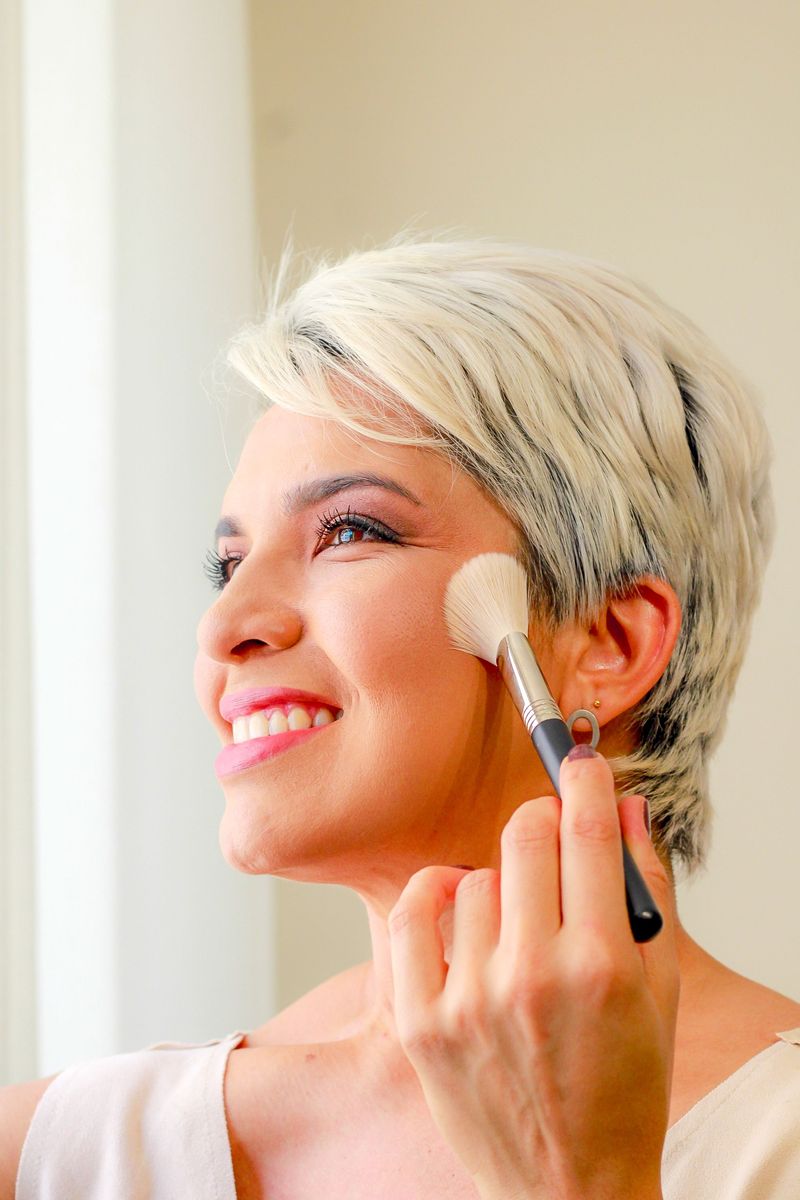
Blush placement matters more than most people realize.
When blush is swept too low on the cheeks — close to the mouth or jawline — it can actually pull the face downward, creating a drooping effect that adds years to your appearance without you even knowing why.
Lifting your blush application higher on the face is one of the easiest ways to create a more youthful look.
Smile gently, apply blush to the apple of your cheeks, and blend upward toward the temples in a sweeping motion.
Peachy, rosy, and warm coral shades tend to be especially flattering on mature skin.
They mimic the natural flush of healthy skin and add warmth without looking overdone or out of place on your complexion.
10. Choosing Drying Lipsticks
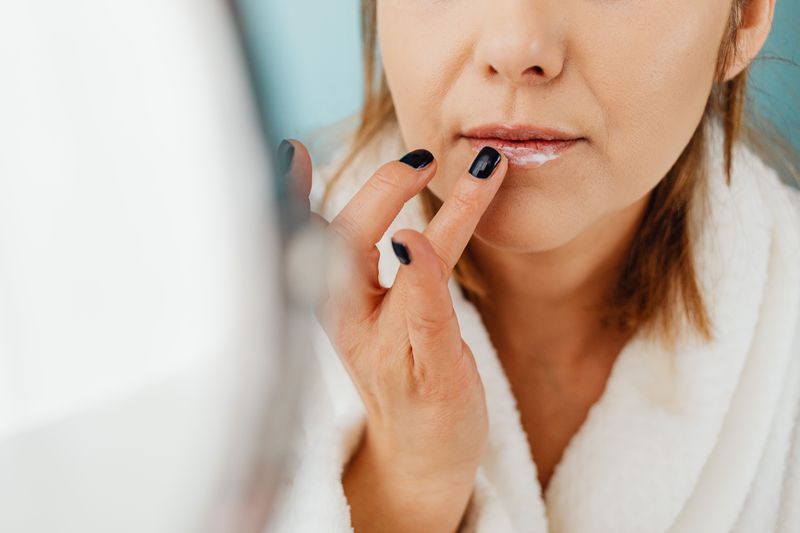
Matte liquid lipsticks had a major moment — and while they look stunning in photos, they can be tough on mature lips.
The ultra-drying formulas tend to settle into lip lines and feather outward, and they can actually make lips appear thinner and more dehydrated than they really are.
Cream, satin, and moisturizing lipstick formulas are far more forgiving after 50.
They reflect light softly, keep lips looking plump, and don’t cling to dry patches the way matte formulas do.
A hydrating lip balm worn underneath adds another layer of comfort and longevity.
Berry, mauve, and soft rose shades are particularly flattering because they add color without overwhelming the face.
Avoid going too dark or too pale, as both extremes can make lips look less full.
11. Skipping Lip Liner
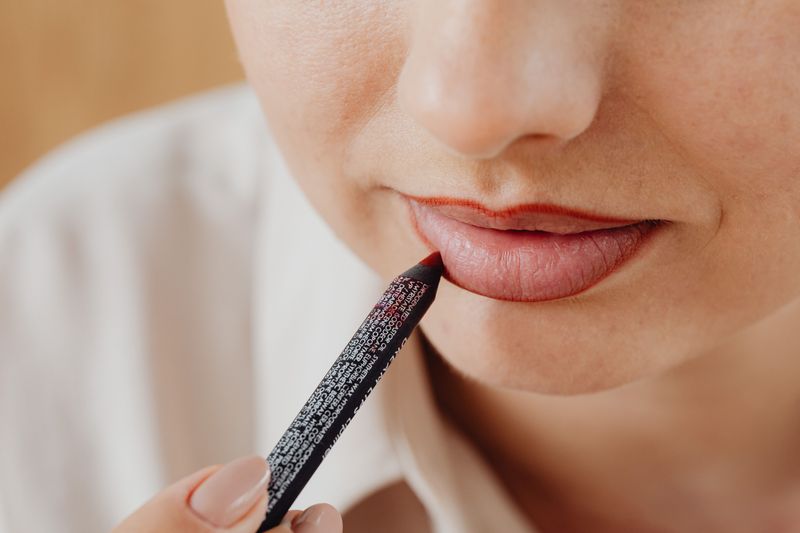
Lip liner might feel like an old-fashioned extra step, but it’s actually one of the most effective tools in a mature makeup kit.
As lips lose volume and definition with age, color tends to bleed into the fine lines around the mouth — and lip liner is the most reliable way to stop that from happening.
The key is choosing a shade that closely matches your natural lip color or your lipstick.
Lining just outside the natural lip border very subtly can even give the illusion of slightly fuller lips without looking overdone or obviously lined.
Clear lip liners are also a great option for those who want the anti-feathering benefit without committing to a specific color.
They work with any lipstick and keep everything neatly in place all day.
12. Forgetting to Update Your Makeup Routine
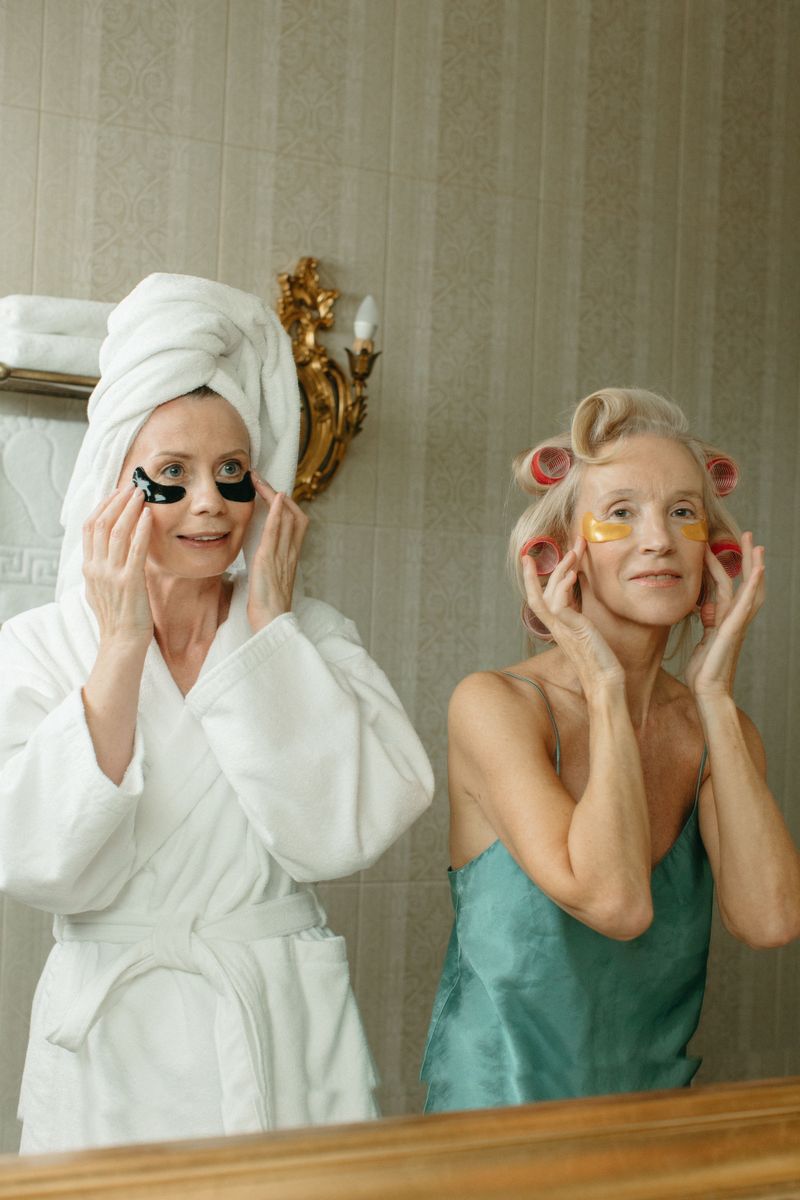
Sticking with the same makeup routine you had in your 20s or 30s is a bit like wearing the same hairstyle for 30 years — comfortable, sure, but maybe not doing you any favors.
Skin changes significantly over time, and what once made you look polished can now work against your natural features.
Small updates make a big impact.
Swapping heavy coverage for lighter formulas, trading powder blush for cream blush, and using a highlighting touch on the high points of the face can instantly modernize your look and bring a fresher energy to your everyday style.
You don’t need to overhaul everything at once.
Try one or two changes at a time, see how your skin responds, and build a routine that actually celebrates the skin you’re in right now.