 MomSkoop
The 1990s gave us some truly unforgettable movies, but not all of them deserved the massive praise they received. Some films rode waves of hype, clever marketing, or star power to reach legendary status, even when their stories had serious flaws.
Looking back now, it’s easier to spot which films were genuinely great and which ones were mostly just popular. Here are 16 movies from the 90s that many people consider more overrated than outstanding.
1. Titanic (1997)
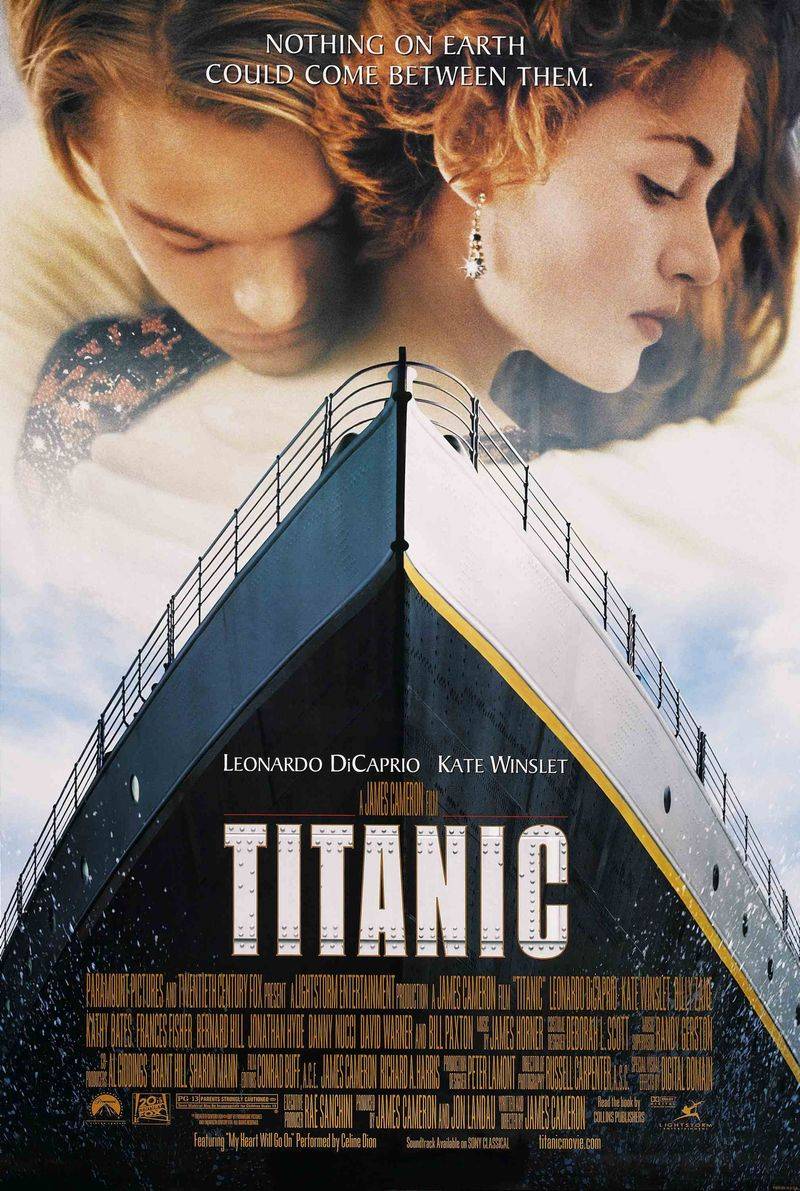
Few movies have ever matched the cultural explosion that came with Titanic’s release in December 1997.
James Cameron’s massive production broke box office records worldwide and swept the Academy Awards, winning 11 Oscars including Best Picture.
But beneath the stunning visuals and sweeping orchestral score lies a romance that many critics found painfully thin.
Jack and Rose’s love story relies on clichéd dialogue and cardboard villain Cal to move the plot forward.
The famous “I’m the king of the world” line still makes some viewers cringe.
The ship’s sinking remains genuinely spectacular filmmaking, but the human drama surrounding it often feels like a soap opera wearing a tuxedo.
2. Forrest Gump (1994)
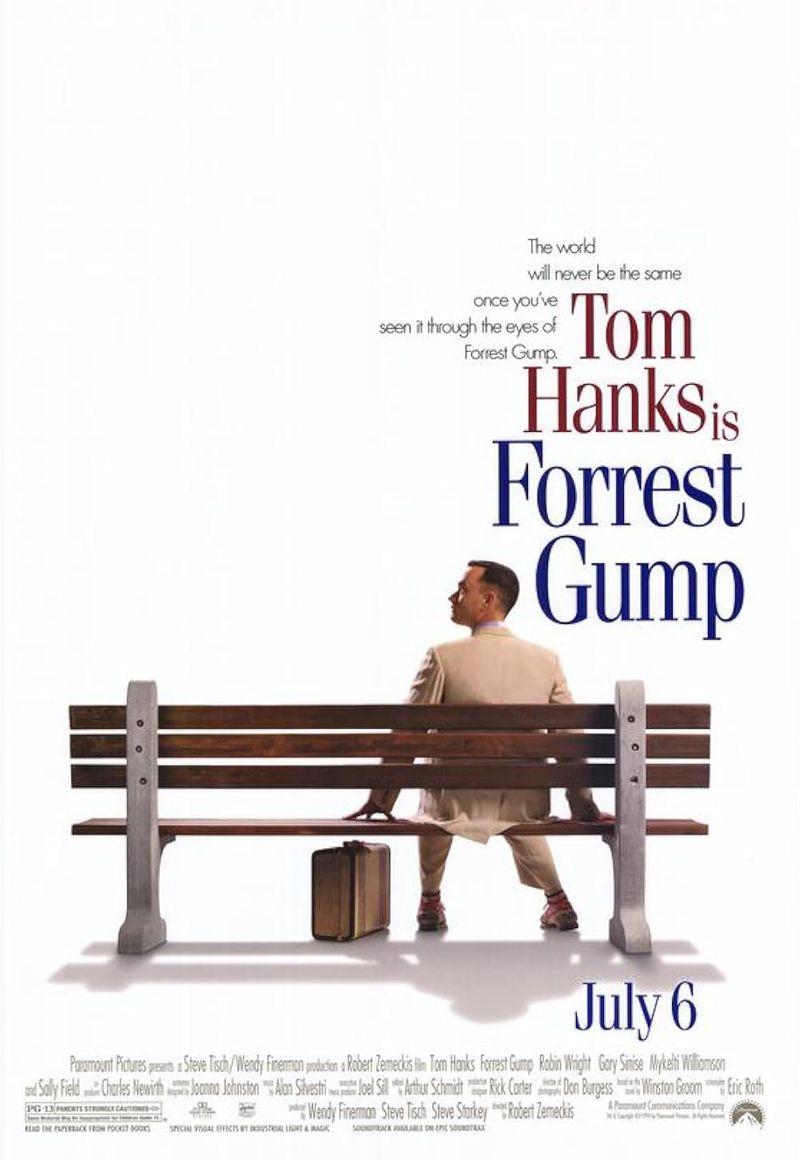
“Life is like a box of chocolates” became one of the most quoted movie lines of the entire decade.
Tom Hanks won his second consecutive Oscar for playing Forrest, a kind-hearted man from Alabama who accidentally stumbles through major historical events.
Critics who push back on the film’s legacy argue that it presents American history as a feel-good fairy tale, glossing over the real pain and complexity of events like Vietnam and the Civil Rights Movement.
Forrest himself barely understands what’s happening around him, which some viewers find charming and others find frustrating.
Pulp Fiction lost Best Picture to this film that same year, a fact that still sparks heated debates among movie fans decades later.
3. The Blair Witch Project (1999)
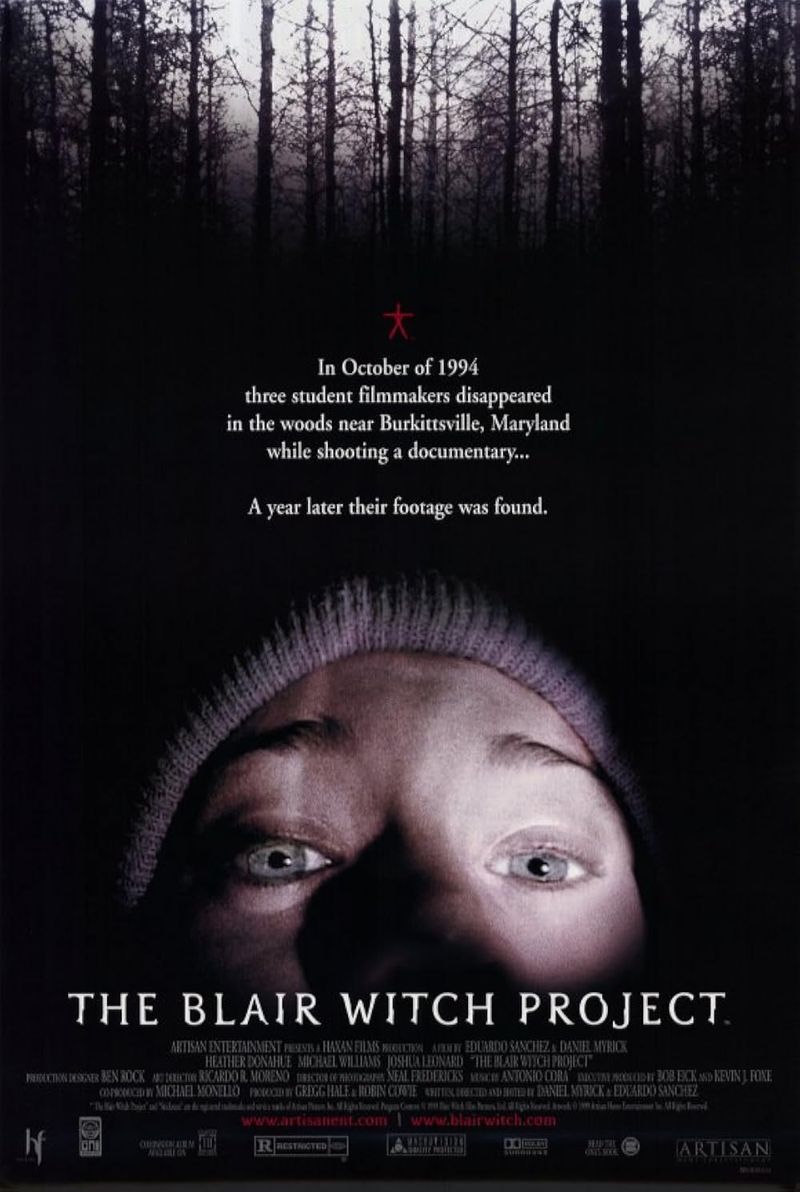
Before social media existed, The Blair Witch Project pulled off one of the greatest marketing tricks in Hollywood history.
The film’s website convinced many viewers that the footage was real, turning three unknown actors into overnight sensations and earning nearly $250 million on a budget of roughly $60,000.
Watching it today, though, the experience can feel more exhausting than terrifying.
Long stretches of shaky camera footage show little more than trees, crying, and arguing.
For audiences raised on tighter horror storytelling, the patience required can be genuinely punishing.
The movie deserves full credit for launching the found-footage horror genre.
Whether that genre has been a blessing or a curse for horror fans is another conversation entirely.
4. Independence Day (1996)
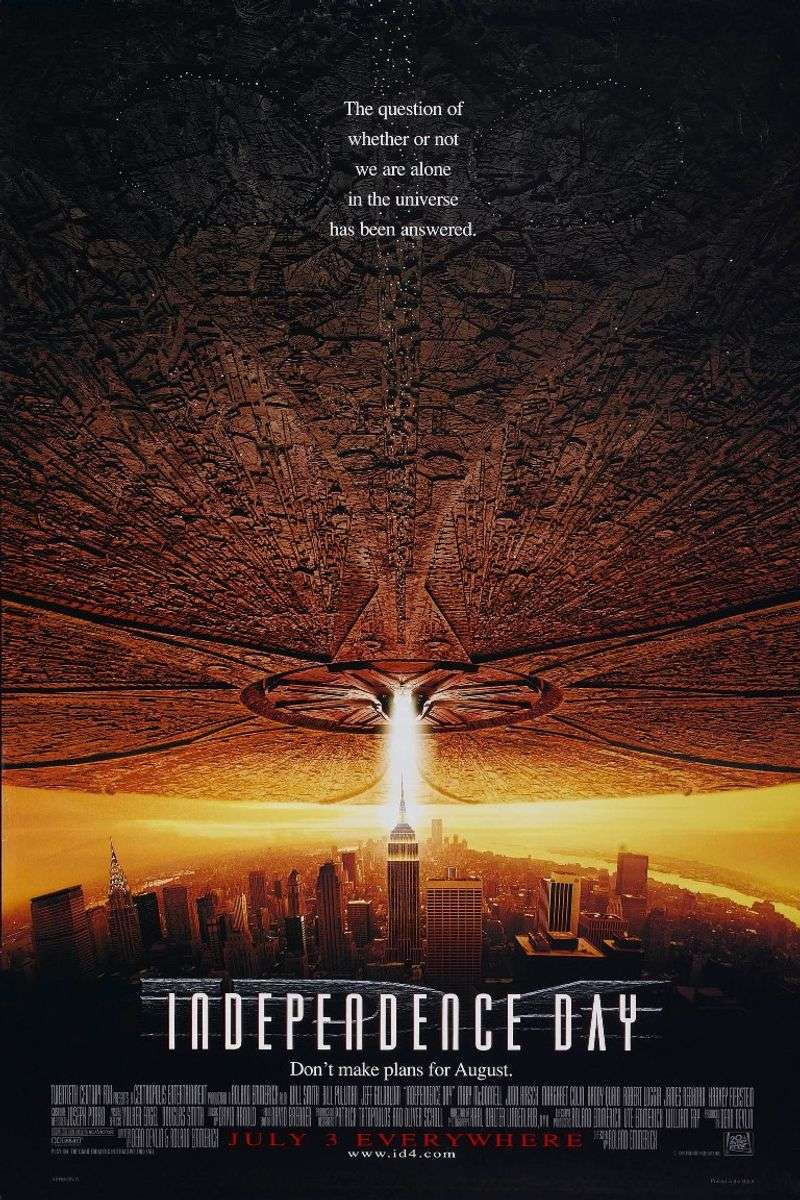
Watch the White House explode on screen in the summer of 1996 and you understood exactly what Independence Day was selling: pure, unfiltered spectacle.
Will Smith and Jeff Goldblum made for an undeniably entertaining pair, and audiences absolutely loved every minute of the alien invasion chaos.
Strip away the special effects, though, and the movie’s bones are surprisingly bare.
Characters exist mostly to deliver one-liners or sacrifice themselves dramatically at convenient plot moments.
The president’s rousing speech before the final battle is the kind of thing that sounds inspiring in a theater and slightly embarrassing everywhere else.
Roland Emmerich has built an entire career on this formula, which tells you something about how well it works commercially, even when critics roll their eyes.
5. The English Patient (1996)
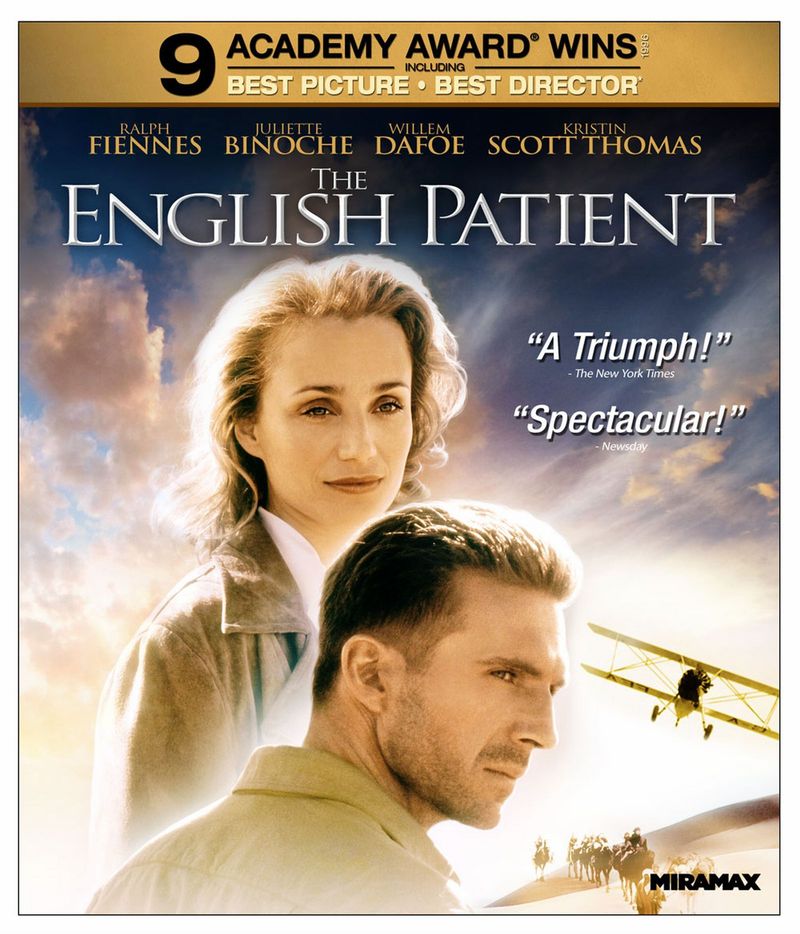
The English Patient won nine Academy Awards including Best Picture, cementing its place as one of the decade’s most celebrated films.
Anthony Minghella’s adaptation of Michael Ondaatje’s novel is undeniably beautiful, filled with sweeping desert landscapes and gorgeous cinematography.
Seinfeld famously mocked it with an entire episode where Elaine refuses to pretend she loves the film, and honestly, many viewers quietly agreed with her.
The pacing is deliberately slow, the romance unfolds in non-linear fragments, and the emotional payoff requires serious patience from the audience.
For viewers who connect with its melancholy rhythm, the experience is deeply moving.
For everyone else, it can feel like watching someone describe a dream they had that you were not part of.
6. Armageddon (1998)
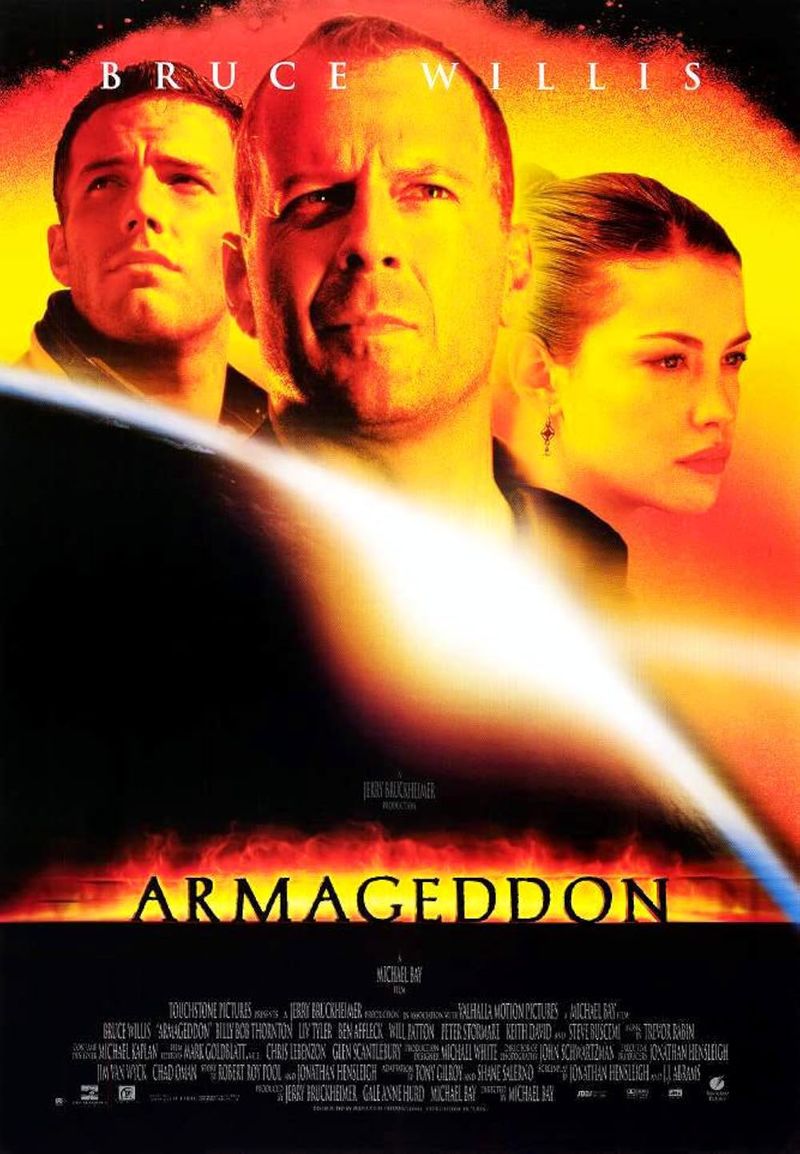
NASA reportedly uses Armageddon as a training exercise, asking new recruits to count all the scientific errors in the film.
According to reports, they found over 160 mistakes.
That statistic alone tells you something important about how seriously this movie takes realism.
Michael Bay cranked his signature style to maximum volume here: slow-motion walks, lens flares, weeping families, and enough American flags to cover a football stadium.
Bruce Willis leading a team of oil drillers into space to blow up an asteroid is gloriously ridiculous, and the film knows it.
The problem is that Armageddon also wants you to cry during its emotional farewell scenes, which is a lot to ask when the entire premise refuses to obey basic physics at every single turn.
7. Jerry Maguire (1996)
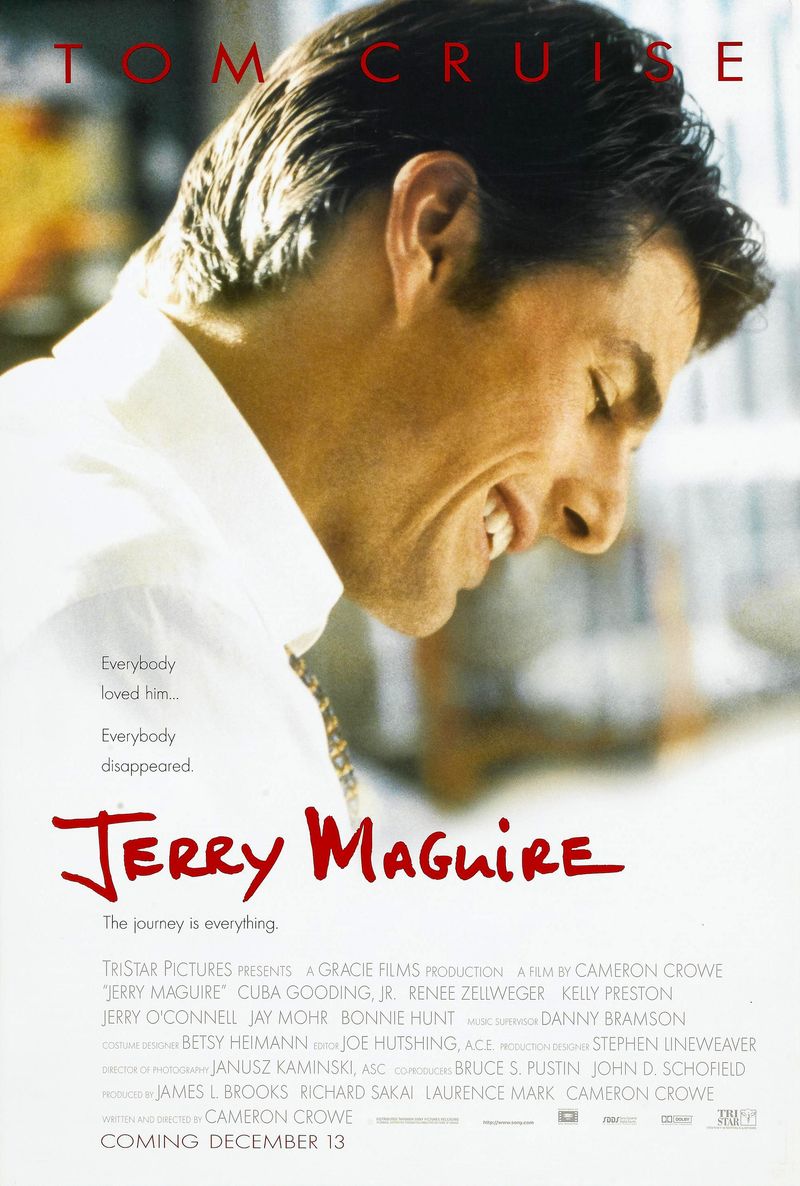
“Show me the money!” and “You complete me” entered everyday conversation almost immediately after this film hit theaters.
Tom Cruise delivered one of his most charming performances, and Cuba Gooding Jr. won a well-deserved Oscar for his electric supporting role as Rod Tidwell.
Years later, the film’s reputation rests almost entirely on those two famous quotes and the memory of how fun it felt in 1996.
Revisiting it reveals a romantic plot that moves in predictable directions and a sports agency storyline that never quite finds its footing.
Cameron Crowe is a genuinely talented filmmaker, and Jerry Maguire is certainly watchable.
Whether it belongs on greatest-films lists alongside the competition it beat out that year is the question worth asking.
8. American Beauty (1999)
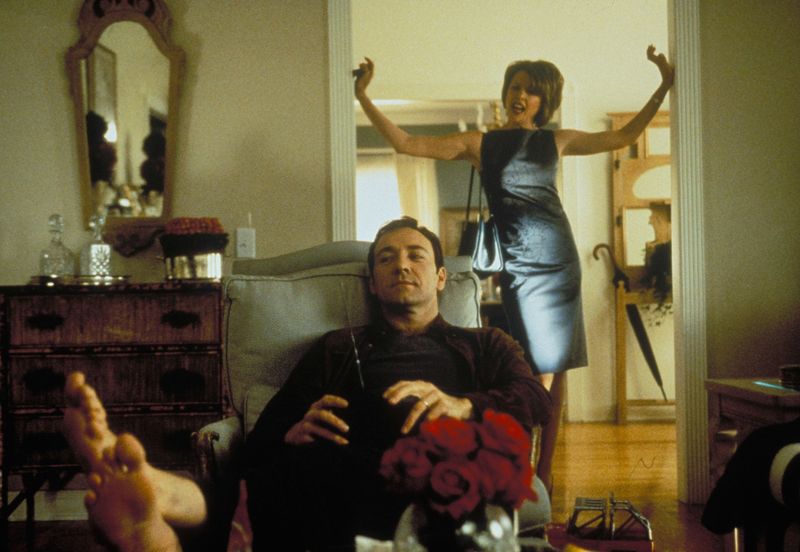
When American Beauty swept the 1999 Oscars, critics lined up to call it a devastating portrait of suburban emptiness and American disillusionment.
Kevin Spacey’s performance as a middle-aged man having a midlife crisis felt raw and honest to audiences at the time.
Two decades of distance have made the film’s themes look considerably less profound.
The “edgy” suburban satire now feels like something a teenager wrote after reading too much Catcher in the Rye.
Lester Burnham’s obsession with his daughter’s teenage friend has aged especially poorly, feeling less like brave filmmaking and more like a significant blind spot.
The film remains technically well-crafted, but its status as a generation-defining masterpiece has quietly crumbled under the weight of honest reexamination.
9. The Sixth Sense (1999)
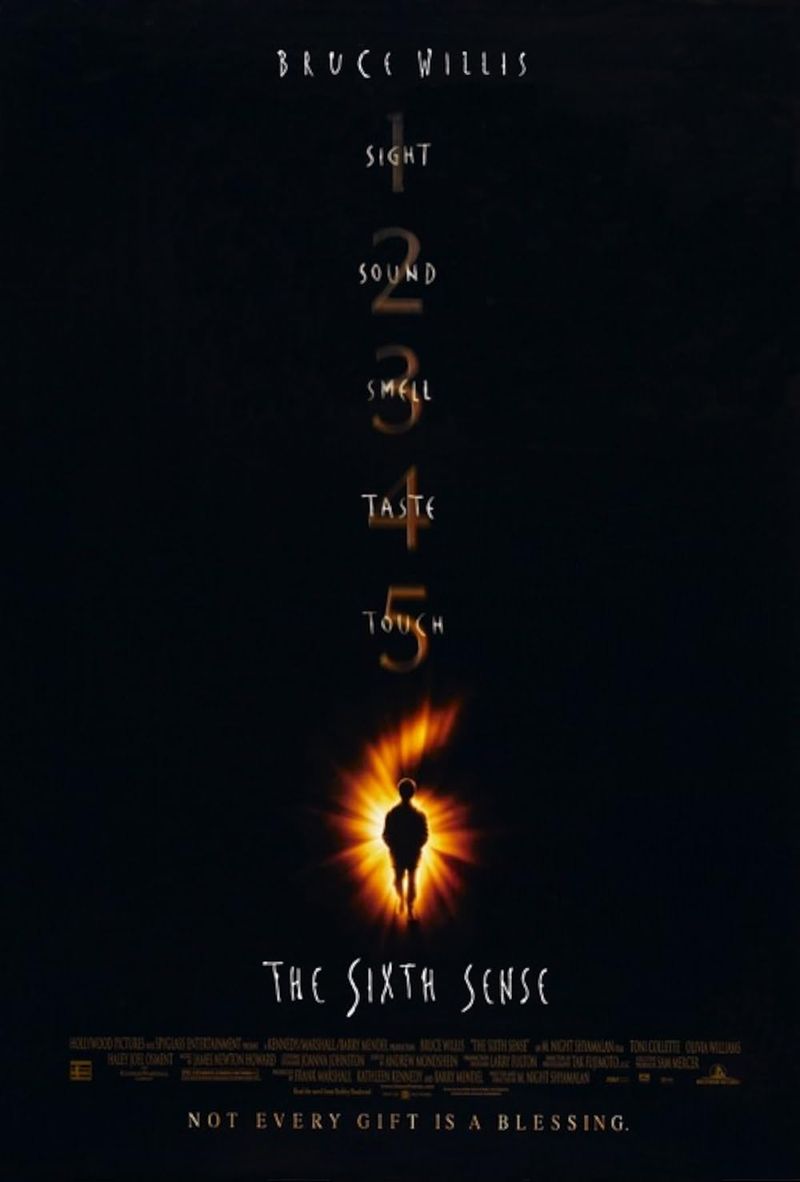
“I see dead people.” Few lines from any 1990s film hit as hard as Haley Joel Osment’s quiet, terrified delivery of those four words.
M.
Night Shyamalan’s psychological thriller built incredible tension and delivered one of cinema’s most genuinely shocking twist endings.
Here is the honest problem: once you know the twist, the movie loses most of its power.
Rewatching it becomes an exercise in spotting clues rather than experiencing suspense, and the emotional journey feels considerably less involving the second time through.
The film essentially exists to deliver its final-act surprise.
That makes The Sixth Sense a brilliant puzzle box but a somewhat hollow drama.
Shyamalan never quite recaptured this magic, which perhaps says something about how much the twist carried the entire experience.
10. Braveheart (1995)
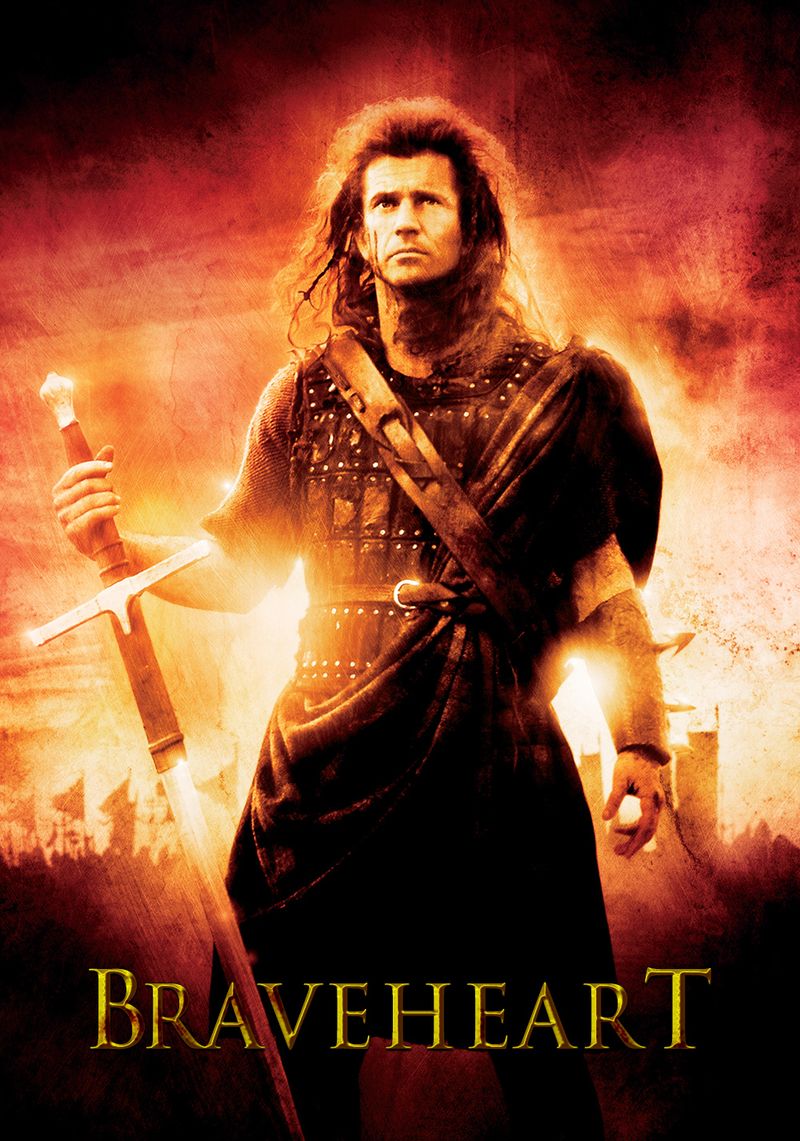
Mel Gibson’s passion project about Scottish warrior William Wallace is genuinely rousing filmmaking.
The battle sequences pulse with raw energy, the performances are committed, and the final act lands with real emotional weight.
It won five Oscars, including Best Picture and Best Director.
Scottish historians, however, have spent decades pointing out that Braveheart treats actual history roughly the way a blender treats fruit.
Wallace’s kilt?
Kilts were not worn in 13th-century Scotland.
His romance with Princess Isabella?
She was about three years old when Wallace died.
The blue face paint?
That was the Picts, who lived a thousand years earlier.
For many viewers, the inaccuracies simply do not matter.
For history enthusiasts, watching Braveheart requires a very deliberate decision to switch off a large portion of your brain.
11. The Matrix (1999)
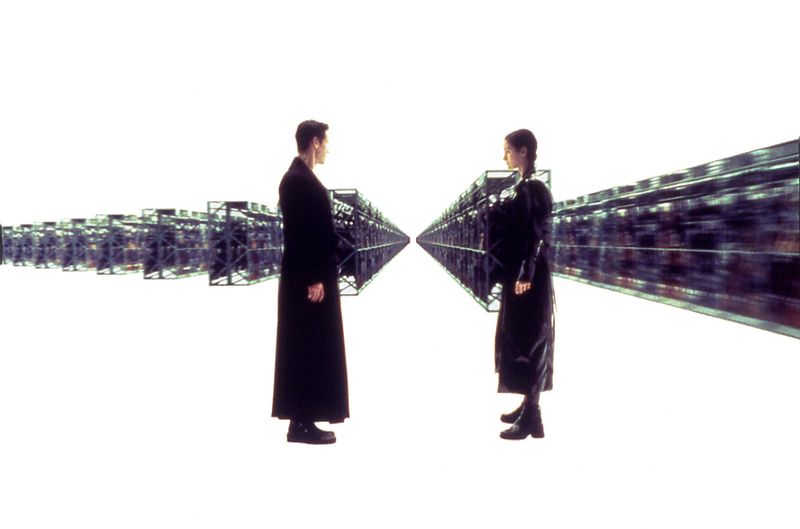
Bullet time changed action filmmaking forever.
The Wachowskis crafted a visually revolutionary film that genuinely deserves credit for pushing cinema’s technical boundaries in ways that still echo through Hollywood today.
Keanu Reeves as Neo remains one of the decade’s most iconic screen heroes.
The philosophical layer underneath all those sunglasses and leather coats, though, is thinner than the film’s devoted fans tend to admit.
The Matrix borrows heavily from Baudrillard, Plato, and Buddhist philosophy without always fully engaging with what those ideas actually mean.
Citing a philosopher’s name is not the same as wrestling seriously with their arguments.
As a thrilling action film, it is nearly flawless.
As the mind-bending philosophical statement its fans describe it as, it requires more generosity than some critics are willing to offer.
12. Space Jam (1996)
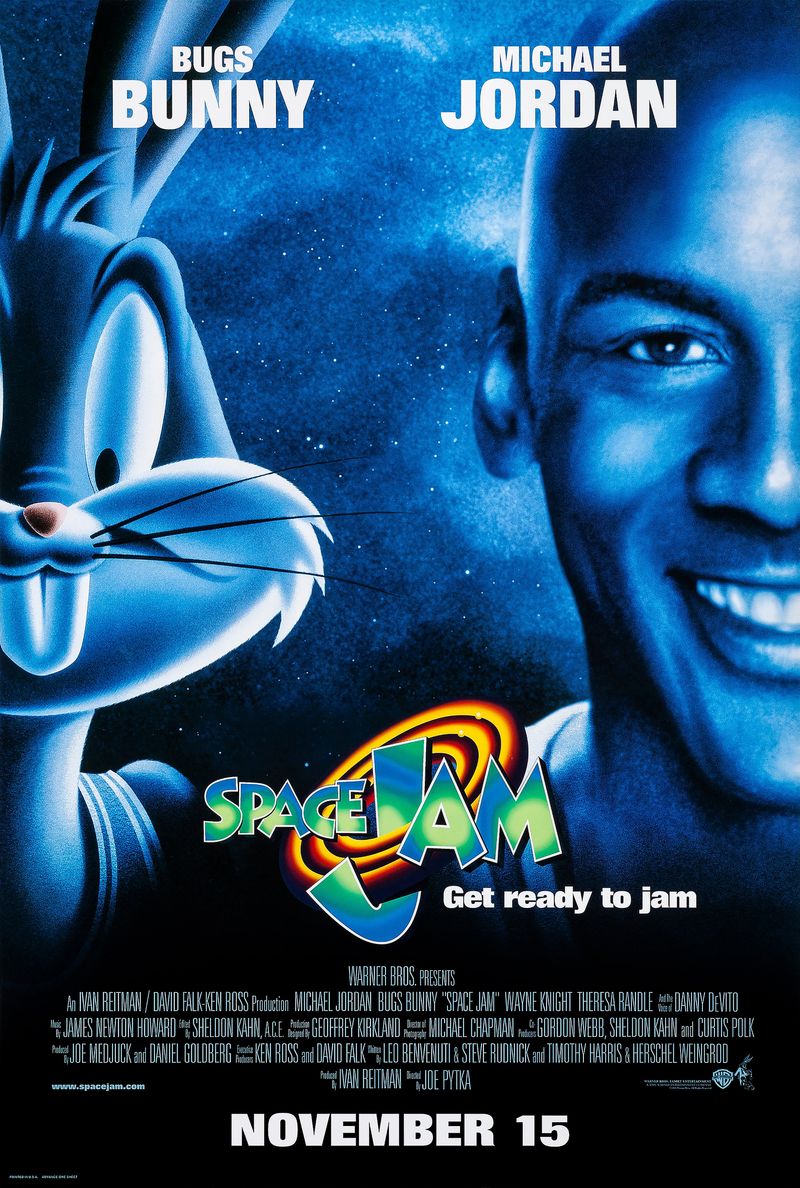
Ask almost any millennial about Space Jam and their face will light up with genuine warmth.
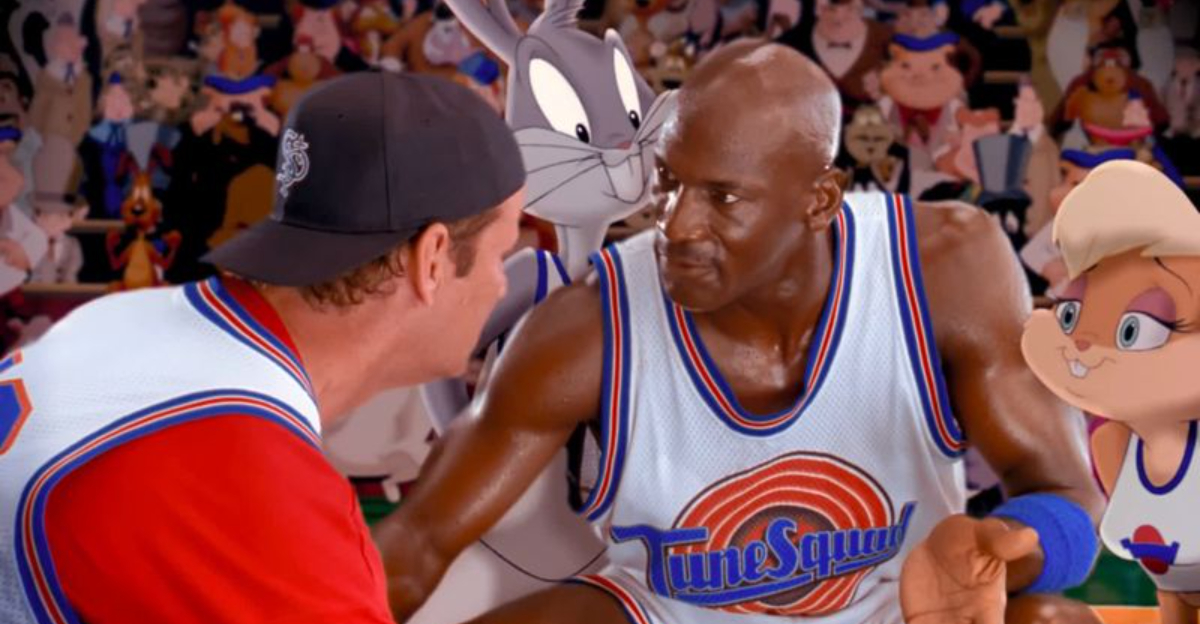
Michael Jordan teaming up with Bugs Bunny to defeat alien basketball players is exactly as wonderfully strange as it sounds, and for an entire generation, this film is essentially childhood itself compressed into 88 minutes.
Nostalgia, though, is doing enormous heavy lifting here.
The story is essentially a Nike commercial stretched into feature length, the live-action performances are stiff, and the humor aimed at adults lands with a soft, disappointing thud.
Jordan, for all his athletic genius, was not a natural screen presence.
Space Jam is a perfectly enjoyable piece of 90s marketing magic.
Calling it a great film, however, requires nostalgia goggles so thick they qualify as blindfolds.
13. Hook (1991)
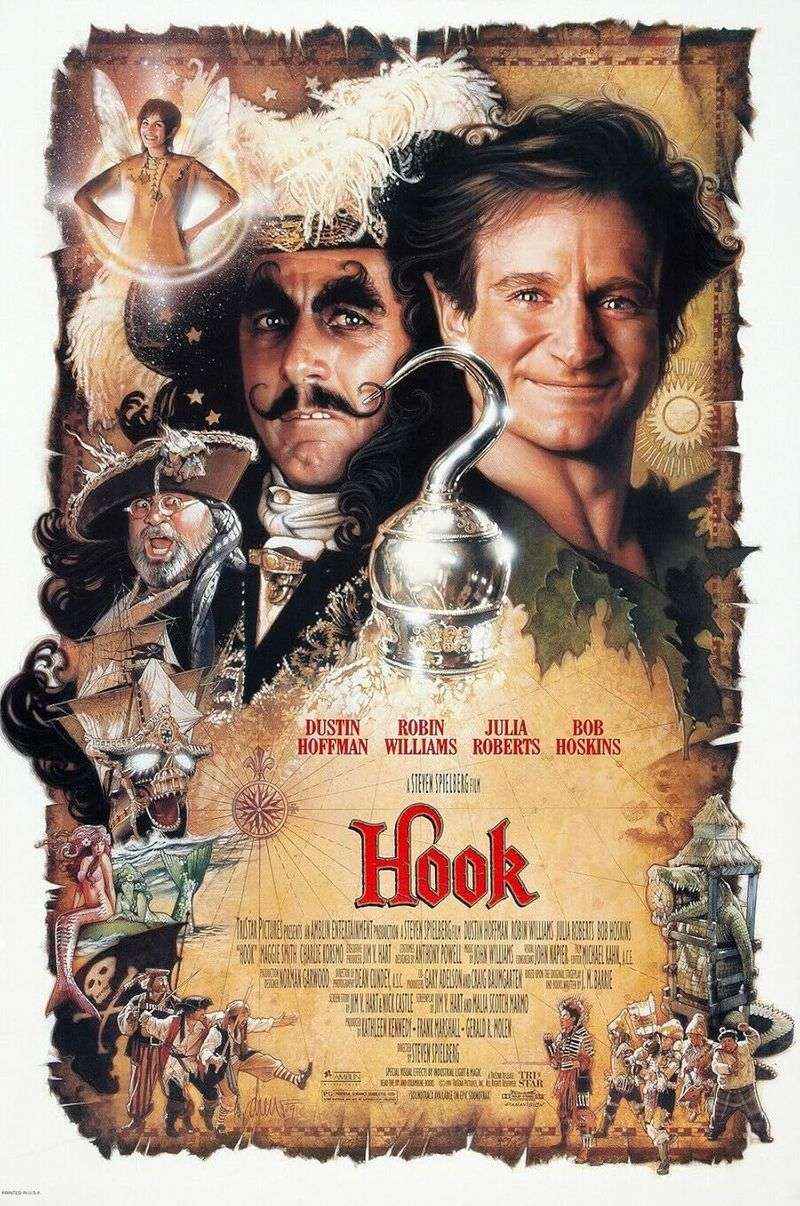
Steven Spielberg directing Robin Williams as a grown-up Peter Pan sounds like a guaranteed masterpiece.
The cast alone is staggering: Dustin Hoffman as a flamboyant Captain Hook, Julia Roberts as Tinkerbell, and a young Dante Basco stealing scenes as Rufio.
The production design is genuinely spectacular.
At nearly two and a half hours, though, Hook tests patience in ways that a children’s adventure movie probably should not.
The first act drags considerably before Peter even reaches Neverland, and several subplots never pay off with satisfying results.
Williams is charming but the script does not always give him the right material to work with.
Spielberg himself has called Hook one of his least favorite films he has made, which is a remarkably candid admission from the director who created it.
14. Twister (1996)
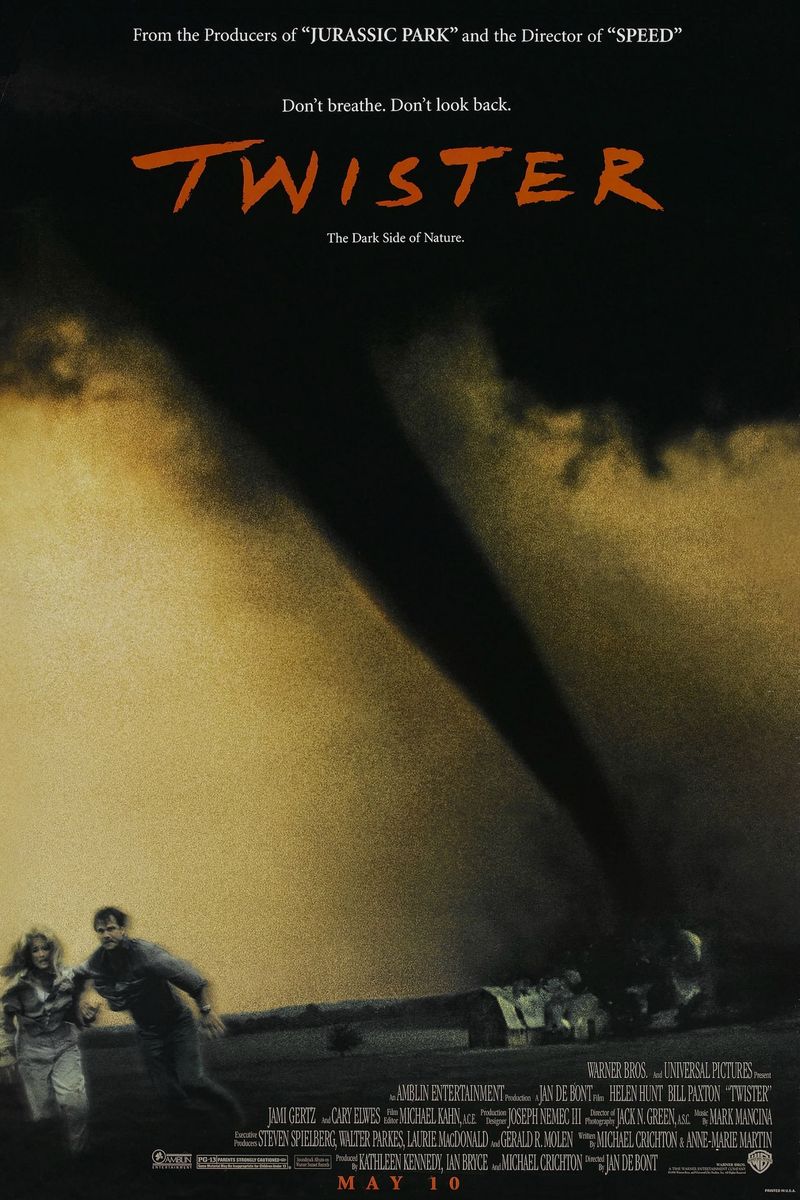
Summer 1996 belonged to tornado chasers.
Jan de Bont’s disaster film sent audiences running to theaters with promises of spectacular storm footage and edge-of-your-seat thrills.
The special effects genuinely delivered, and for about fifteen minutes after leaving the theater, everyone wanted to be a meteorologist.
Give it another hour of runtime and the cracks appear quickly.
Helen Hunt and Bill Paxton are likable enough leads, but their characters are defined almost entirely by their relationship drama and their ability to drive trucks toward dangerous weather.
The script treats meteorology as something you can fully explain in thirty-second bursts between explosions.
The flying cow scene remains genuinely fun.
Everything surrounding it, including the forgettable villain and the rushed romantic subplot, evaporates from memory almost immediately after the credits roll.
15. Robin Hood: Prince of Thieves (1991)
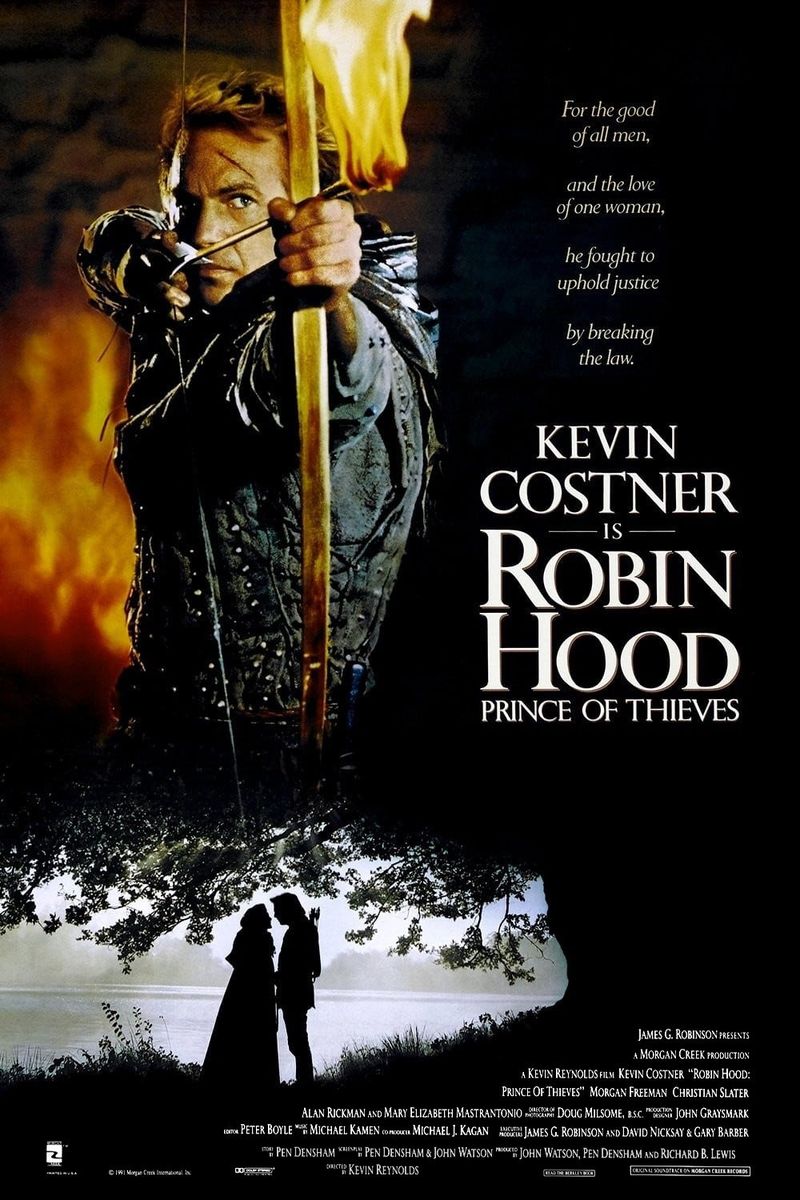
Kevin Costner as Robin Hood was controversial from the very first trailer, and not in an exciting way.
His thoroughly modern American accent wandering through medieval England became the film’s most discussed feature, and not always affectionately.
Alan Rickman’s wildly over-the-top Sheriff of Nottingham remains the only genuinely memorable performance in the entire production.
The film was a massive commercial success, which says more about the early 90s appetite for adventure epics than about the movie’s actual quality.
Historical accuracy was treated as an optional suggestion rather than a creative guideline, which might be forgivable if the story itself were tighter or more compelling.
Bryan Adams’ “Everything I Do” spent weeks at the top of music charts, making the soundtrack arguably more successful and certainly more beloved than the film it accompanied.
16. The Bodyguard (1992)
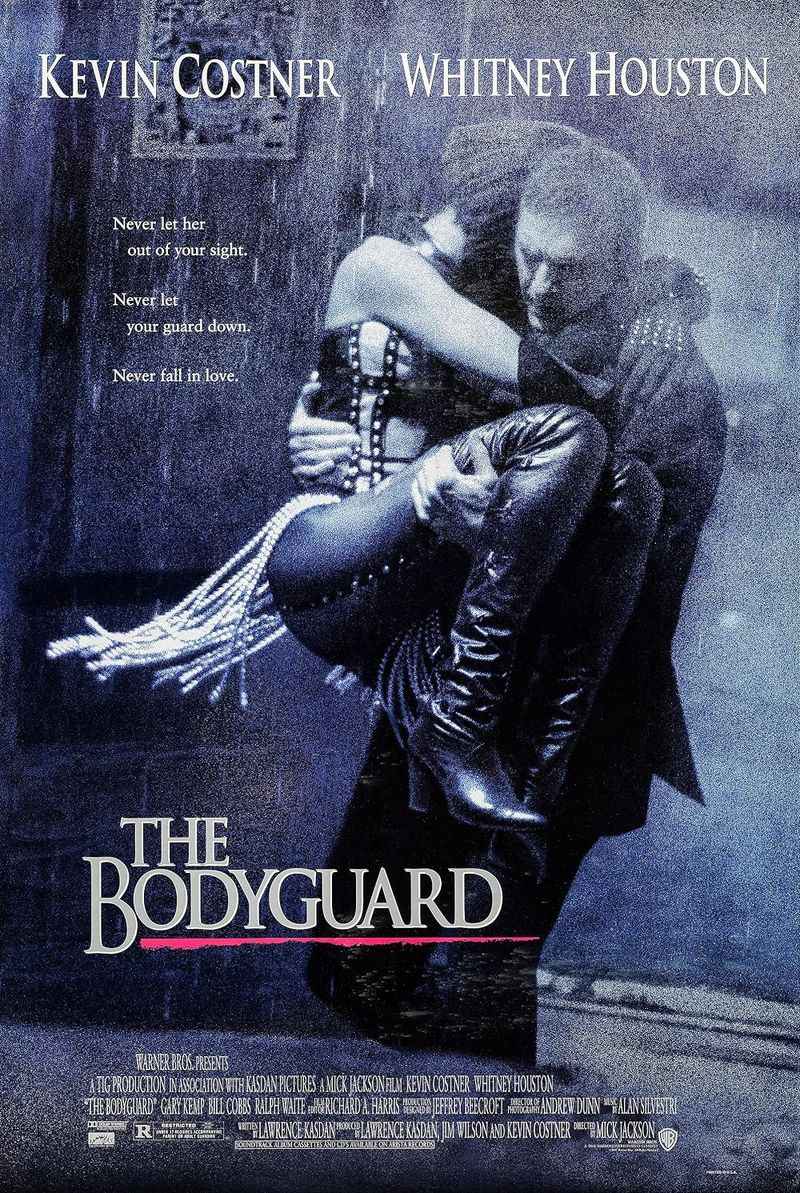
Whitney Houston’s voice could make almost anything feel transcendent, and her rendition of “I Will Always Love You” remains one of the most powerful vocal performances ever recorded.
The soundtrack album sold over 45 million copies worldwide, making it one of the best-selling soundtracks in music history.
The film attached to that extraordinary music, though, is considerably less impressive.
Kevin Costner and Whitney Houston have charm individually, but their on-screen chemistry never quite convinces you their romance is real.
The thriller plot involving a stalker feels generic and moves through familiar beats without surprising the audience even once.
The Bodyguard is essentially a very expensive music video with a predictable action movie wrapped loosely around it.
Whitney Houston deserved a far better film to showcase what she could do as a performer.