 MomSkoop

Most people think aging well is all about finding the right cream or serum, but the truth is much simpler than that. The habits you practice every day — from what you eat to how much you sleep — play a much bigger role in how your skin looks over time.
People who seem to age slowly often share a set of common behaviors they avoid, and many of them are totally free to skip. Here are 17 things gracefully aging people never do.
1. Skipping Sunscreen
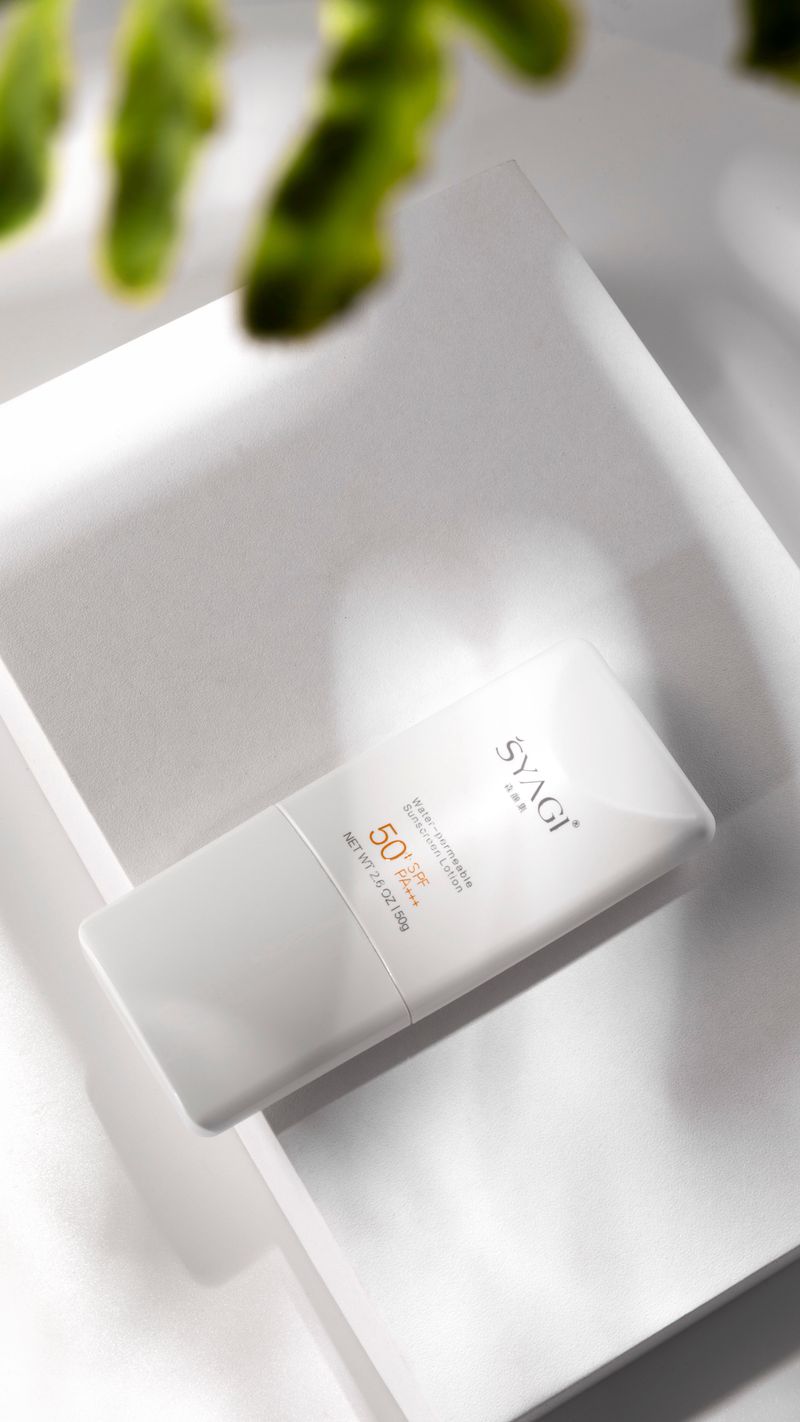
Sun damage is sneaky.
You might not notice it happening, but every unprotected minute in the sun adds up to wrinkles, dark spots, and skin that looks years older than it should.
UV rays break down collagen — the stuff that keeps your skin firm and bouncy.
People who age gracefully treat sunscreen like a non-negotiable daily step, rain or shine.
Even on cloudy days, UV rays still reach your skin.
A broad-spectrum SPF 30 or higher applied every morning is one of the simplest, most affordable habits you can build.
Skipping it, even occasionally, is one of the fastest ways to speed up visible aging.
2. Smoking
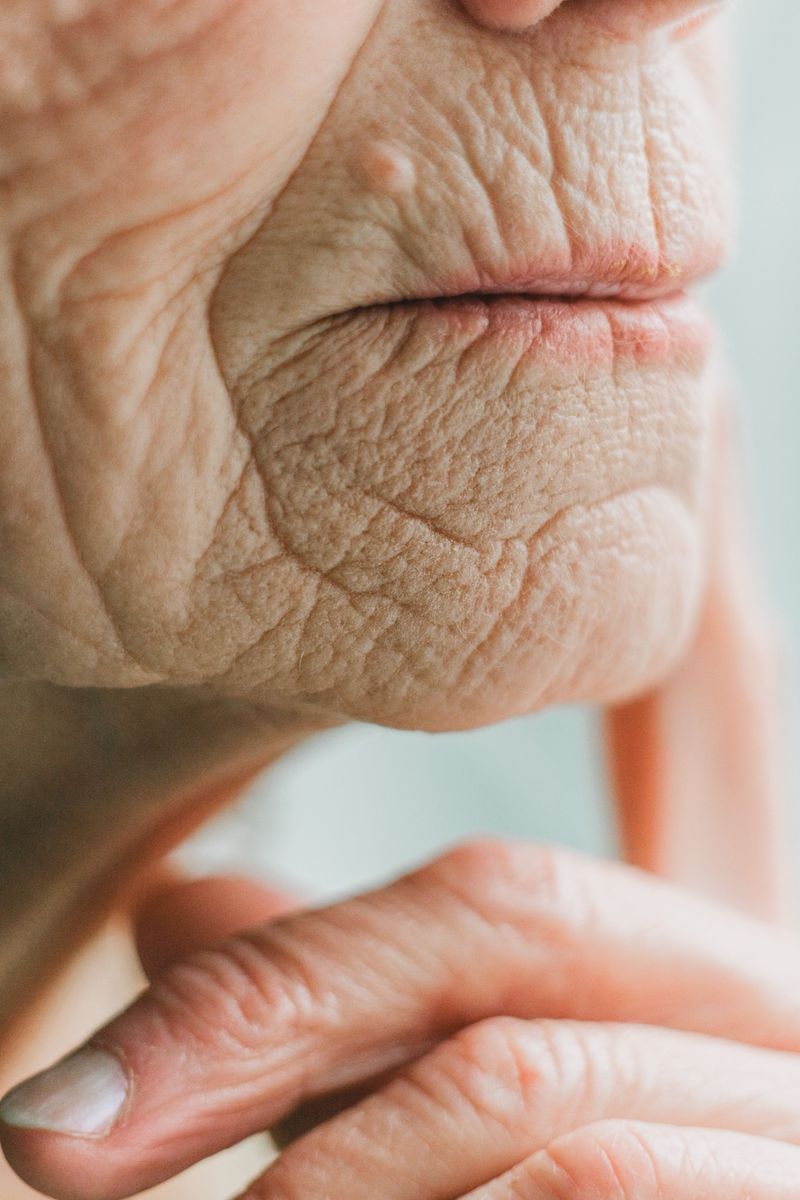
Every cigarette chips away at something your skin desperately needs — collagen and elastin.
These two proteins are responsible for keeping skin firm, smooth, and elastic.
Smoking breaks them down faster than almost anything else, leaving behind deep lines, sagging, and a grayish, tired complexion.
The damage goes beyond the surface.
Smoking reduces blood flow to the skin, meaning fewer nutrients and less oxygen reach your cells.
Long-term smokers often look significantly older than their actual age.
Quitting — even later in life — can slow this damage and allow some recovery.
Your skin is remarkably resilient when given the chance to breathe again.
3. Drinking Excessive Alcohol
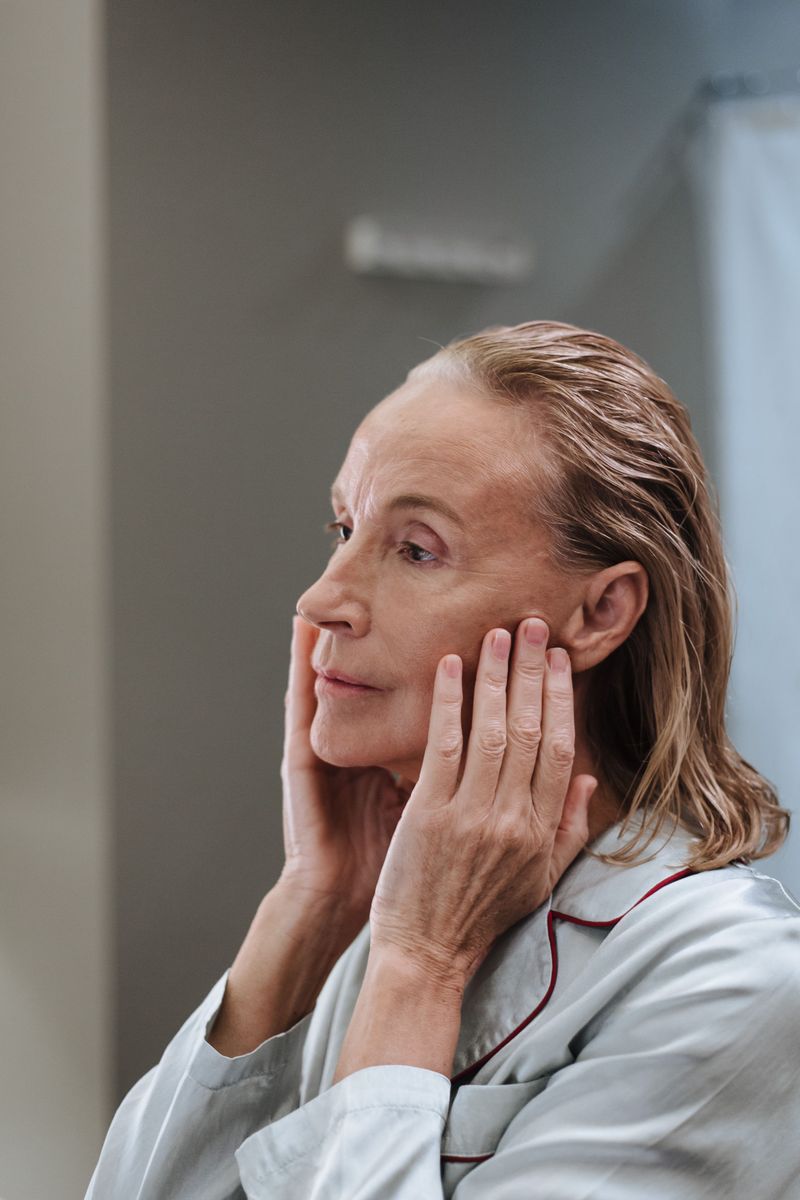
A glass of wine now and then is one thing, but heavy or frequent drinking takes a real toll on your skin.
Alcohol is a diuretic, meaning it pulls water out of your body and leaves your skin looking dry, dull, and deflated.
Over time, that chronic dehydration shows up as fine lines and a lackluster complexion.
Alcohol also triggers inflammation throughout the body, which accelerates cellular aging.
It can cause broken capillaries, puffiness, and redness — especially around the nose and cheeks.
People who age well tend to keep alcohol consumption moderate or minimal.
Swapping late-night drinks for water and herbal tea might sound boring, but your skin will absolutely notice the difference.
4. Sleeping Too Little

Sleep is when your body goes into full repair mode.
Skin cells regenerate, collagen production ramps up, and inflammation decreases — all while you snooze.
Consistently getting fewer than seven hours a night interrupts this process and leaves your skin looking tired, puffy, and older than it really is.
Chronic sleep deprivation also raises cortisol levels, a stress hormone that breaks down collagen and contributes to inflammation.
Dark circles, fine lines around the eyes, and uneven skin tone are classic signs of too many late nights.
People who age gracefully prioritize quality sleep like it is part of their skincare routine — because honestly, it is one of the most powerful tools they have.
5. Eating Too Much Sugar

Sugar might taste great, but it quietly does damage at the cellular level.
When you consume excess sugar, it triggers a process called glycation, where sugar molecules attach to proteins like collagen and make them stiff and brittle.
The result?
Skin that loses its bounce and develops wrinkles faster than it should.
Diets high in refined sugar and processed carbs also spike inflammation, which speeds up aging throughout the entire body — not just the skin.
People who age gracefully tend to satisfy their sweet tooth with whole fruits rather than candy, pastries, or sodas.
Small swaps like cutting back on sugary drinks can make a surprisingly visible difference in how your skin looks and feels over time.
6. Ignoring Hydration

Water is one of the most underrated beauty tools on the planet, and it costs almost nothing.
When your body is even mildly dehydrated, your skin is often the first place it shows — looking dull, feeling tight, and showing fine lines more prominently than usual.
Skin cells need water to function properly.
Without enough of it, they cannot repair themselves efficiently or maintain that plump, healthy look most people associate with youthful skin.
Experts generally recommend aiming for around eight glasses of water a day, though individual needs vary.
People who age well make hydration a consistent habit — carrying a water bottle, eating water-rich foods like cucumbers and watermelon, and limiting drinks that dehydrate like coffee and soda.
7. Frequently Tanning
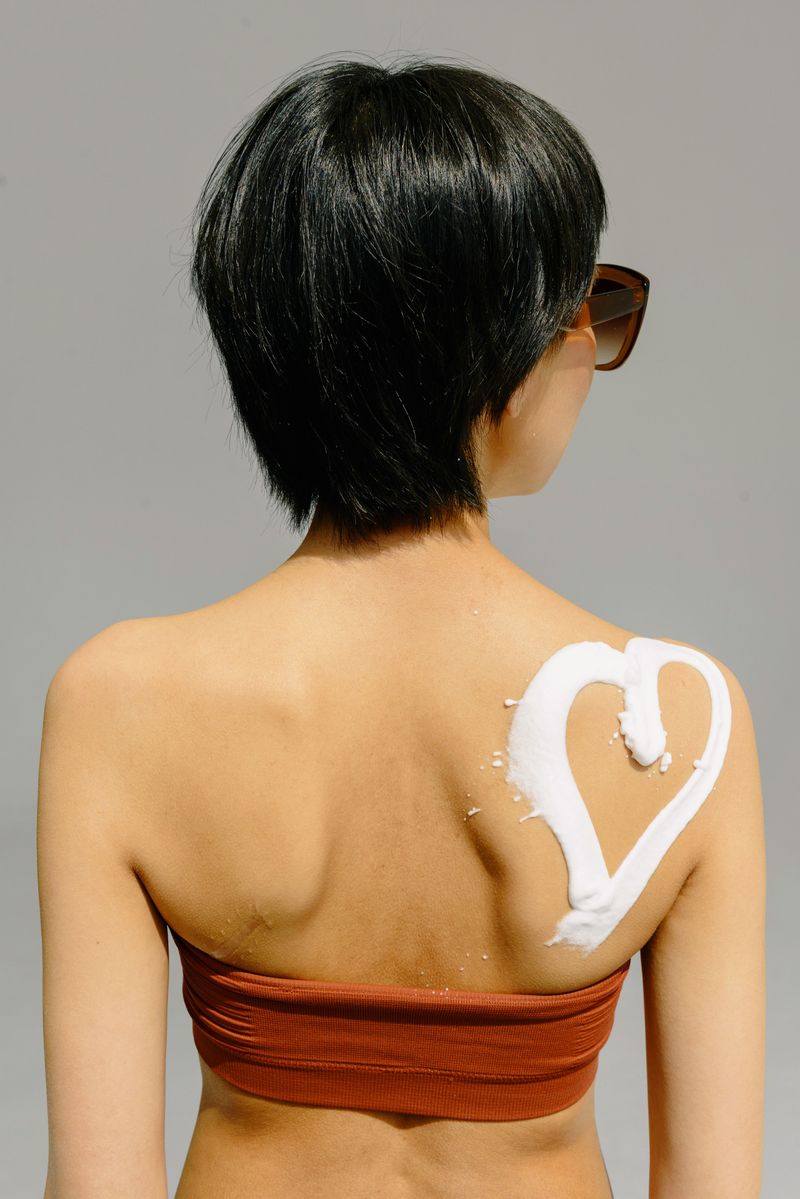
A golden tan might look appealing in the short term, but it comes at a steep long-term cost.
Whether from the sun or a tanning bed, UV exposure is one of the most well-documented causes of accelerated skin aging.
Dermatologists even have a term for it — photoaging — and it accounts for up to 90 percent of visible skin changes over time.
Tanning beds are especially risky because they emit concentrated UV radiation directly onto the skin.
Regular use dramatically increases the risk of melanoma, the deadliest form of skin cancer.
People who age gracefully have largely ditched the tanning habit and embraced their natural skin tone.
Self-tanners and bronzers offer a safe glow without the cellular damage that comes from UV exposure.
8. Neglecting Exercise

Regular movement does so much more than keep your waistline in check.
Exercise boosts circulation, which means more oxygen and nutrients reach your skin cells, giving you that post-workout glow that no highlighter can quite replicate.
It also helps flush out toxins through sweat and supports the production of collagen-stimulating growth hormones.
Research has shown that active people tend to have younger-looking skin at the cellular level compared to sedentary peers of the same age.
Even moderate exercise — a brisk 30-minute walk most days — can make a meaningful difference.
People who age gracefully treat physical activity as a daily non-negotiable, not just a weight-loss tool.
Movement is medicine, and your skin is one of the biggest beneficiaries.
9. Living With Chronic Unmanaged Stress

Stress is not just a mental burden — it has real, measurable effects on your skin.
When you are chronically stressed, your body pumps out cortisol, a hormone that breaks down collagen, increases oil production, and triggers inflammation.
Over time, that combination leads to breakouts, dullness, and accelerated wrinkling.
Unmanaged stress also disrupts sleep and can lead to unhealthy coping habits like poor eating or drinking more alcohol — all of which compound skin damage.
People who age gracefully tend to have consistent stress-management practices, whether that is meditation, journaling, regular walks, or simply protecting their boundaries.
Managing stress is not a luxury — it is a foundational part of aging well, inside and out.
10. Sleeping With Makeup On
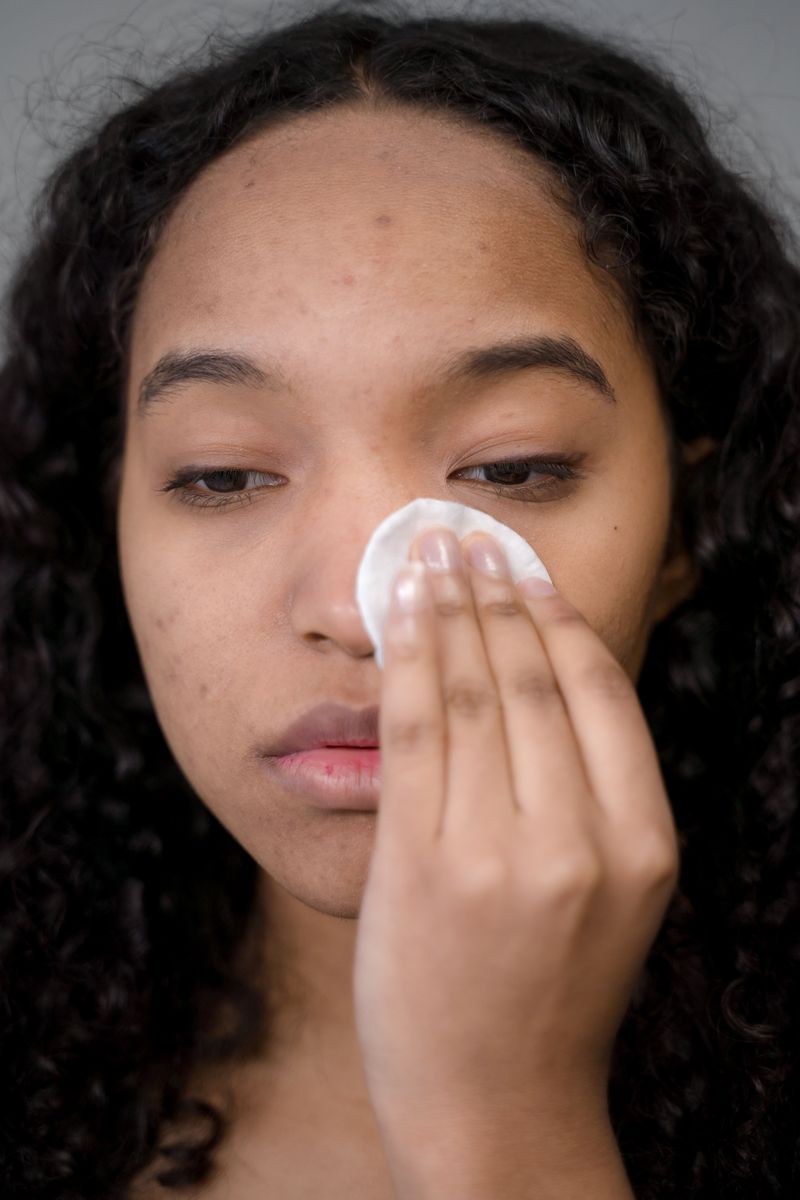
Falling asleep with a full face of makeup might feel harmless after a long day, but your skin pays the price.
At night, your skin goes into repair mode — and a layer of foundation, concealer, or mascara sitting on top creates a barrier that clogs pores, traps pollutants, and prevents that natural renewal process from happening properly.
Over time, regularly skipping the cleanse leads to dull skin, enlarged pores, breakouts, and even premature fine lines.
Mascara left on overnight can irritate the eyes and cause lash breakage.
Keeping facial wipes or a gentle micellar water on your nightstand removes any excuse.
Two minutes of cleansing before bed is one of the easiest habits that pays back in noticeably healthier-looking skin.
11. Using Harsh Skincare Products Excessively
More is not always better when it comes to skincare.
Over-exfoliating, layering too many strong actives, or using products with high concentrations of acids and retinoids too frequently can seriously damage your skin barrier.
That barrier is your first line of defense against environmental damage, moisture loss, and irritants.
When the skin barrier is compromised, you might notice redness, stinging, increased sensitivity, or breakouts — all signs your skin is struggling, not thriving.
People who age gracefully often follow surprisingly minimal routines.
A gentle cleanser, a reliable moisturizer, and daily sunscreen outperform complicated ten-step routines for most people.
Listening to your skin and pulling back when it shows signs of irritation is a skill that pays off enormously over time.
12. Ignoring a Diet Rich in Fruits and Vegetables
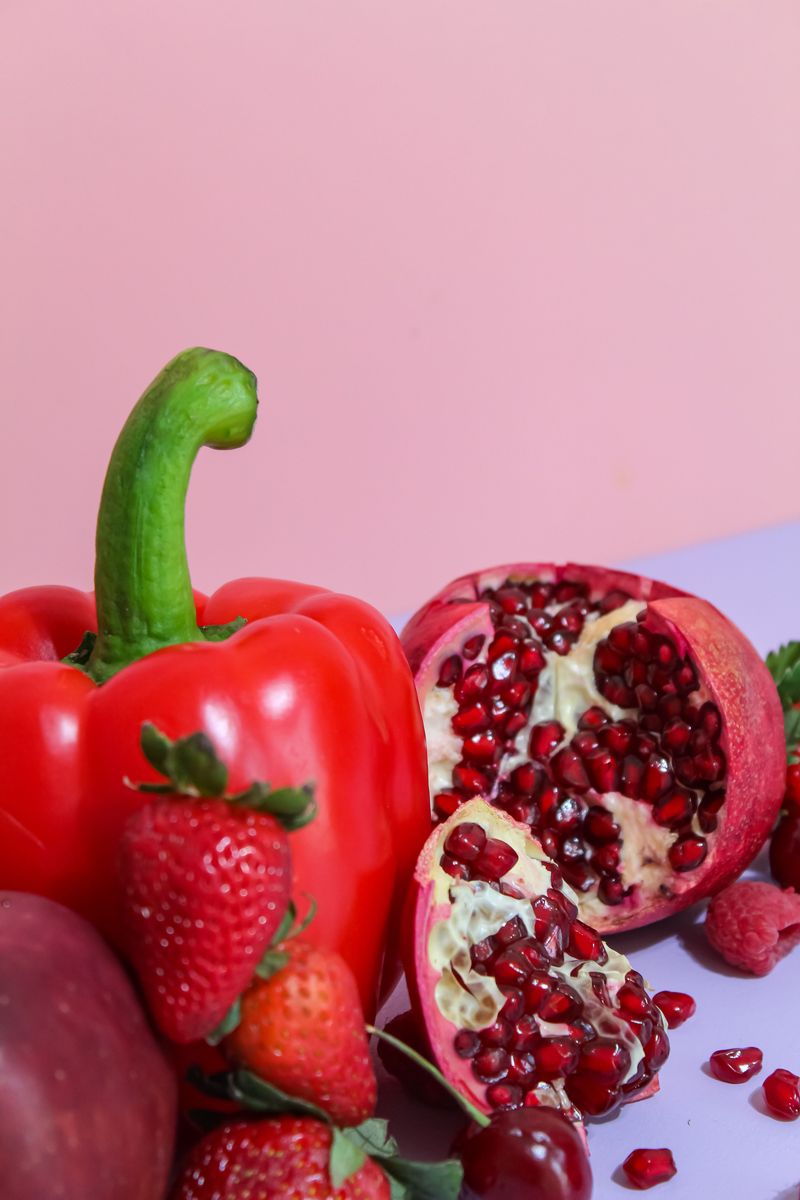
Your skin is a reflection of what you eat, and nowhere is that more obvious than when comparing someone who eats mostly processed food versus someone who loads up on colorful produce.
Fruits and vegetables are packed with antioxidants — compounds that neutralize free radicals, the unstable molecules that damage cells and accelerate aging.
Vitamins C and E, found abundantly in berries, leafy greens, and citrus, are particularly powerful for skin health.
Vitamin C is essential for collagen synthesis, while vitamin E protects cell membranes from oxidative damage.
People who age gracefully tend to eat the rainbow consistently, not just occasionally.
Food really is one of the most potent anti-aging tools available, and it does not require a prescription.
13. Constantly Rubbing or Picking at the Skin
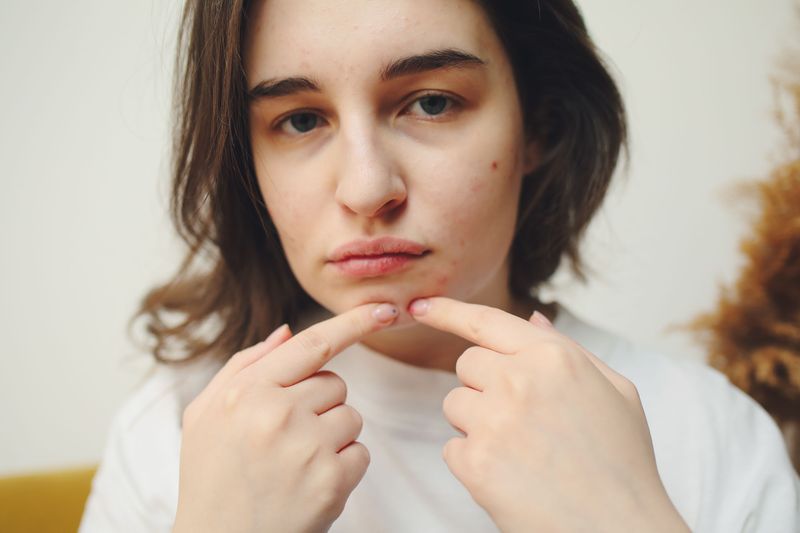
Picking at blemishes, rubbing your eyes aggressively, or tugging at your skin might feel satisfying in the moment, but the consequences linger far longer than the habit itself.
Picking at spots introduces bacteria, prolongs healing, and almost always leads to scarring or post-inflammatory pigmentation that can stick around for months.
The delicate skin around the eyes is especially vulnerable to repeated rubbing.
Over time, that friction breaks down collagen and contributes to sagging and dark circles.
Gracefully aging people tend to keep their hands away from their faces as much as possible.
When a breakout appears, treating it with a targeted spot treatment and some patience is always the smarter — and less damaging — approach.
14. Poor Posture
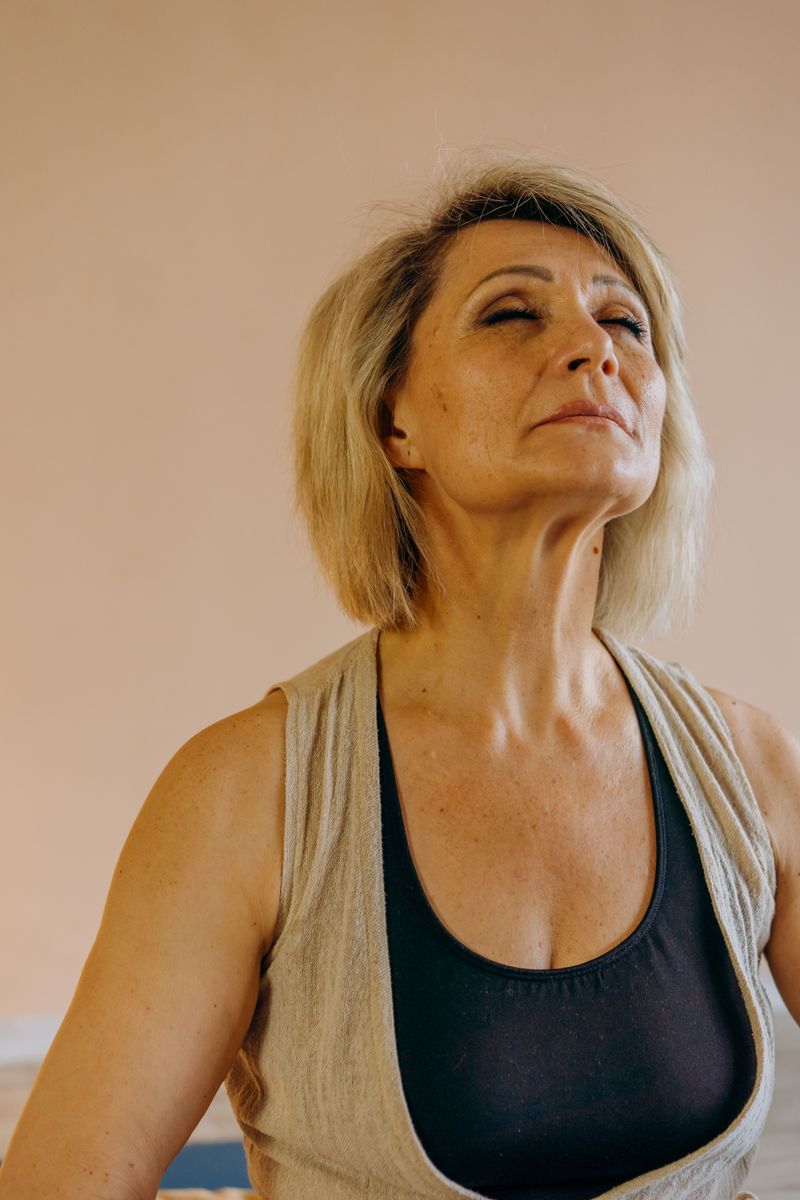
Posture might not be the first thing that comes to mind when you think about aging gracefully, but it plays a surprisingly significant role.
Chronic slouching puts strain on the spine, neck, and shoulders, contributing to back pain, reduced mobility, and a hunched appearance that can make a person look much older than their years.
Good posture also affects how you carry yourself — confidence and upright bearing communicate vitality and energy in a way that no anti-aging cream can mimic.
Over time, poor posture can even contribute to the formation of a so-called tech neck — horizontal lines across the neck from constantly looking down at screens.
Simple daily habits like shoulder rolls, core strengthening, and screen-height adjustments can make a real, lasting difference.
15. Not Managing Chronic Health Conditions
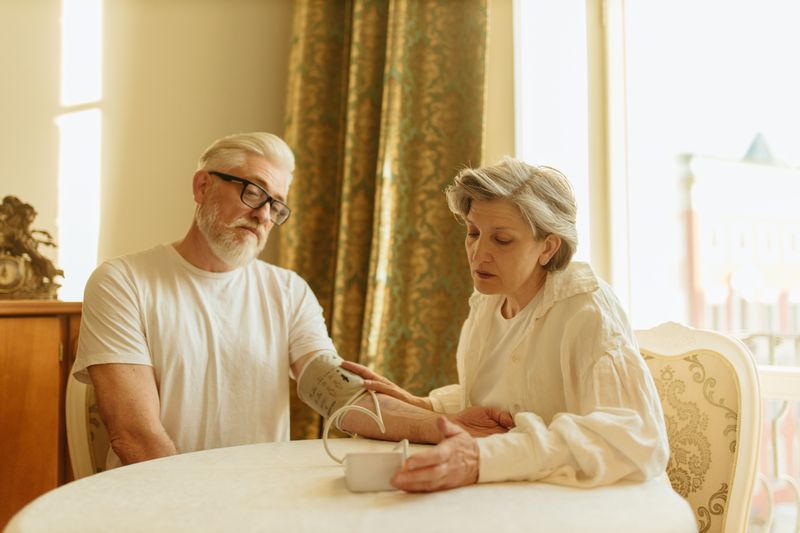
Conditions like type 2 diabetes, high blood pressure, and thyroid disorders do not just affect your internal health — they show up on your skin and in your overall vitality, too.
Uncontrolled blood sugar, for example, accelerates glycation, the same process triggered by a high-sugar diet.
High blood pressure can damage blood vessels that supply nutrients to skin cells.
People who age gracefully tend to take their health management seriously.
Regular checkups, consistent medication routines when needed, and lifestyle adjustments that support condition management all contribute to healthier aging from the inside out.
Ignoring a chronic condition might not seem urgent day to day, but the cumulative effects on your skin and overall appearance become much more visible over the years.
16. Being Sedentary

Sitting for extended periods without getting up and moving is quietly one of the most damaging things you can do for long-term health and appearance.
Research consistently links prolonged sedentary behavior with faster cellular aging, increased inflammation, and higher risks of chronic diseases that themselves accelerate visible aging.
Even if you exercise regularly, sitting for eight or more hours a day still carries its own risks — researchers sometimes call this the sitting disease.
Breaking up long periods of sitting with short walks, standing stretches, or even just moving around the house every hour makes a measurable difference.
People who age well tend to stay naturally active throughout the day, not just during a scheduled workout.
Small movements add up to big benefits over time.
17. Relying Only on Expensive Skincare
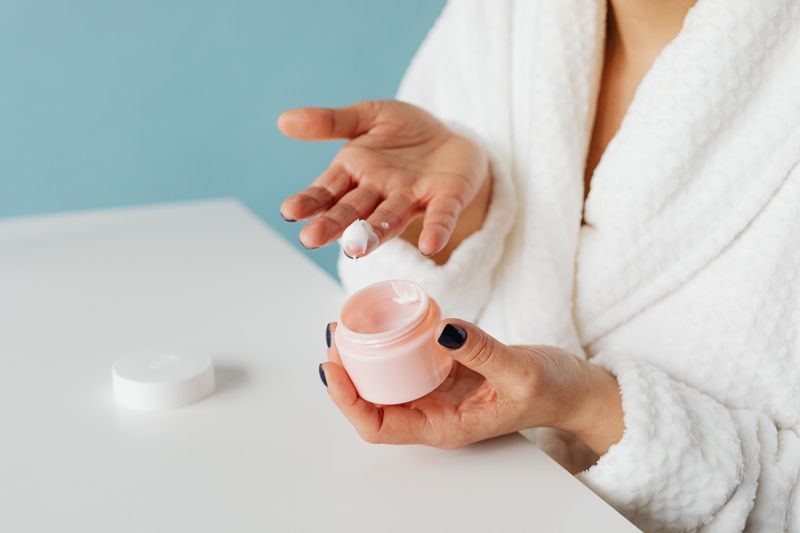
High-end serums and luxury creams are tempting, especially when they promise to turn back the clock.
But here is the reality — the basics consistently outperform the extravagance.
Daily sunscreen, a gentle cleanser, and a good moisturizer form the foundation that even the most celebrated dermatologists recommend above all else.
Nutrition, sleep, exercise, hydration, and avoiding harmful habits do more for your skin than any $200 bottle sitting on a shelf.
People who age gracefully understand that consistency with simple, proven steps beats an expensive but inconsistent routine every time.
Spending money on a premium moisturizer while skipping sleep and eating poorly is a bit like polishing a car with a cracked engine.
The fundamentals always win in the long run.