 MomSkoop

Getting older is a natural part of life, but some common habits can make the process much harder than it needs to be. Many mature women unknowingly make choices that speed up aging, drain their energy, or chip away at their health over time.
The good news is that most of these mistakes are completely fixable once you know what to look for. Small, smart changes can make a real difference in how you feel, look, and live every single day.
1. Chasing Weight Loss Instead of Protecting Muscle
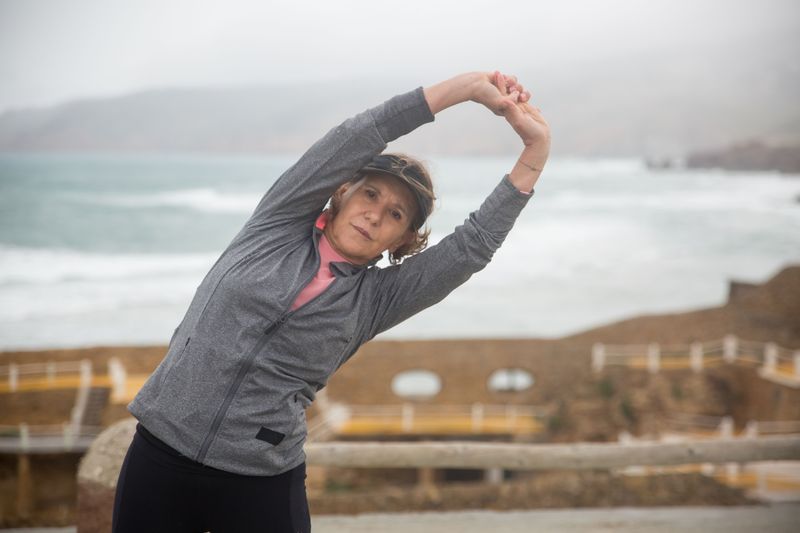
Stepping on the scale every morning might feel motivating, but the number staring back at you does not tell the whole story.
After menopause, muscle loss quietly accelerates, and many women never notice until everyday tasks start feeling harder than they used to.
Muscle is your metabolism’s best friend.
Losing it means burning fewer calories at rest, feeling weaker, and becoming more vulnerable to falls and injury.
Focusing only on dropping pounds while ignoring muscle can actually leave your body worse off.
Shifting your goal toward building and preserving strength changes everything.
Combine resistance training with balanced eating, and your body will thank you with more energy, better posture, and lasting vitality.
2. Walking Every Day but Never Strength Training
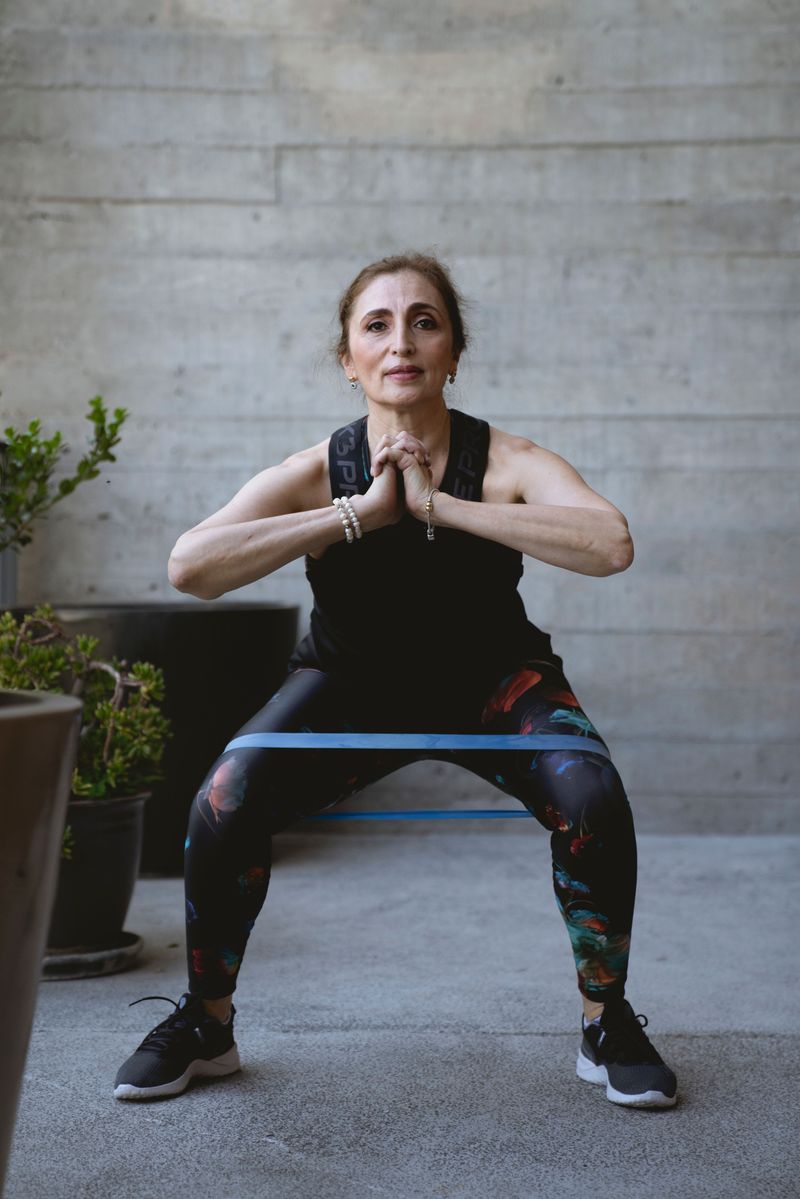
Walking is wonderful, and there is no reason to stop.
It supports heart health, lifts your mood, and keeps your joints moving.
But here is something many women do not realize: walking alone cannot stop the slow erosion of muscle and bone that comes with aging.
Resistance training, whether with weights, bands, or even your own body weight, sends a direct signal to your muscles and bones to stay strong.
Studies consistently show that women who lift weights a few times a week have better bone density, stronger muscles, and fewer fractures as they age.
Think of strength training as the missing piece of your fitness puzzle.
Adding it just twice a week can produce noticeable results within a few months.
3. Eating Too Little Protein
Here is a fact that surprises many people: your protein needs actually go up as you get older, not down.
Yet many mature women eat less food overall and end up falling far short of what their bodies genuinely need to stay strong and healthy.
Without enough protein, muscles shrink faster, wounds heal more slowly, and your immune system struggles to do its job.
Even your hair and skin can suffer when protein intake drops too low for too long.
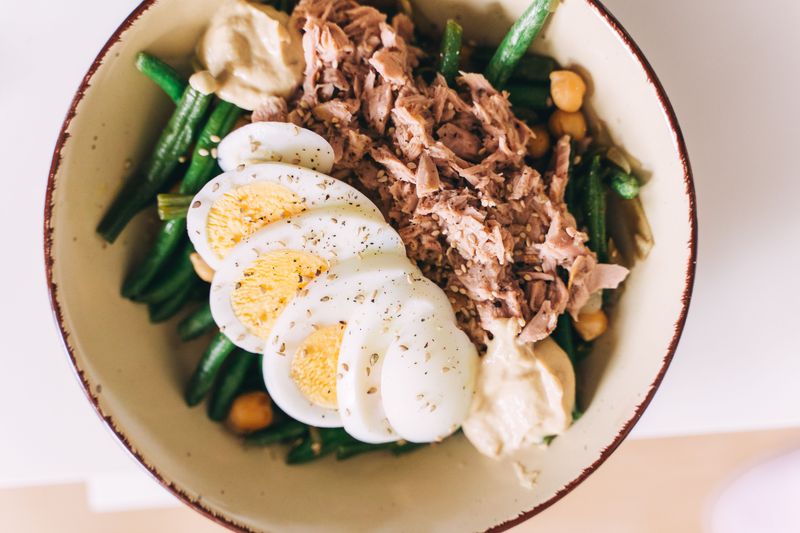
Aim to include a good protein source at every meal, think eggs, fish, chicken, Greek yogurt, beans, or tofu.
Spreading protein throughout the day helps your muscles absorb and use it more effectively than loading it all into one sitting.
4. Forgetting Daily Sun Protection
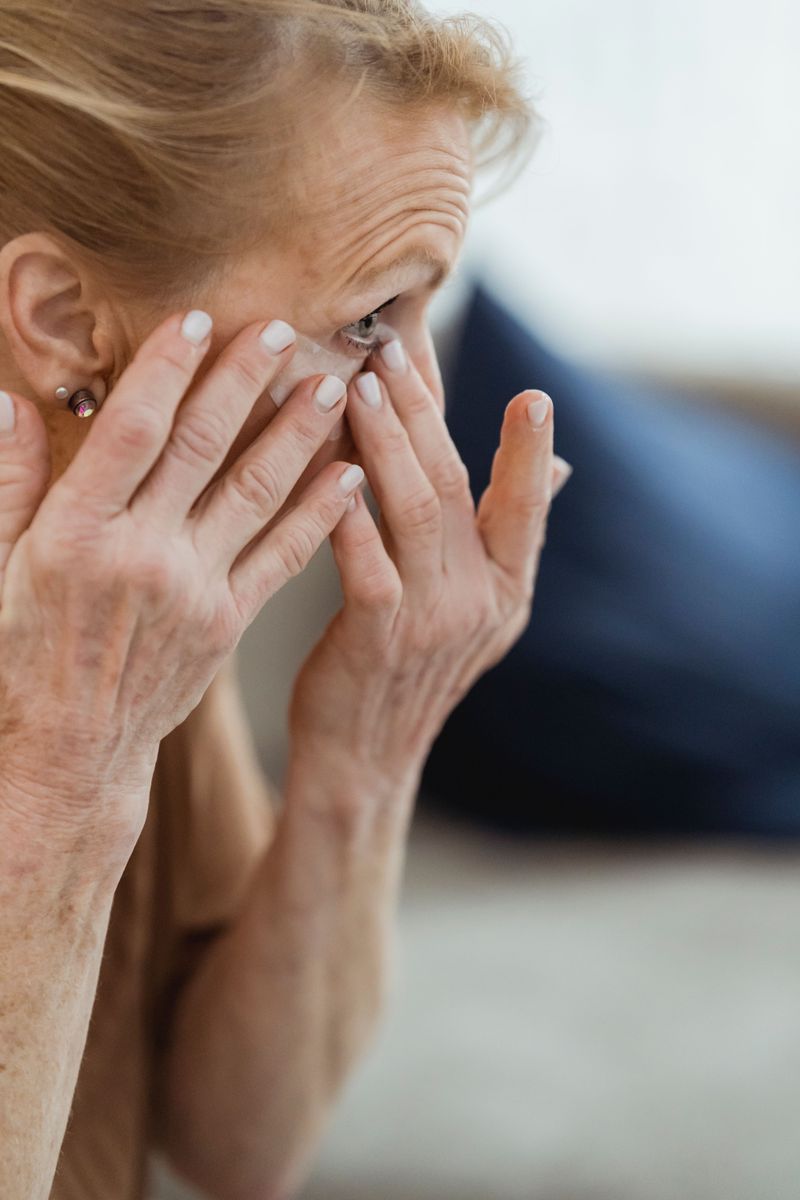
Wrinkles, dark spots, and uneven skin tone are often blamed on getting older, but research tells a different story.
Up to 80 percent of visible skin aging is actually caused by cumulative sun exposure, not the passage of time itself.
UV rays damage collagen, break down elastin, and increase the risk of skin cancer, and they do all of this even on cloudy days or through car windows.
Many women apply sunscreen only at the beach, missing the slow daily damage that adds up over decades.
Making SPF 30 or higher a non-negotiable part of your morning routine is one of the simplest and most powerful things you can do for your skin.
Your future self will genuinely notice the difference.
5. Ignoring Poor Sleep
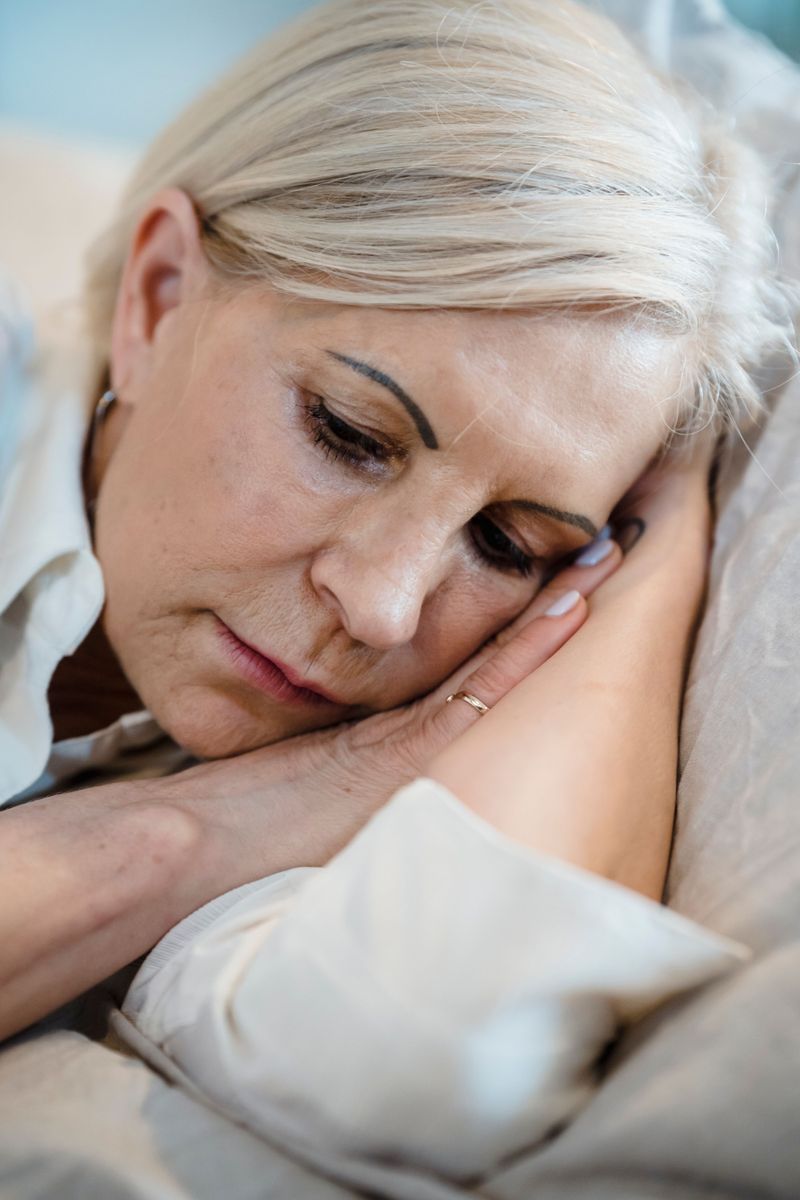
Many women quietly accept broken sleep as an unavoidable side effect of getting older.
But poor sleep is not something you simply have to live with, and treating it that way can cost you more than you realize.
During deep sleep, your body repairs tissues, balances hormones, consolidates memories, and resets your immune system.
When sleep is consistently disrupted, everything from your skin to your mood to your metabolism takes a hit.
Research even links chronic poor sleep to a higher risk of dementia and heart disease.
Talk to your doctor if sleep problems are a regular occurrence.
Solutions like improving sleep hygiene, treating sleep apnea, or adjusting medications can make a dramatic difference in how you feel and function every day.
6. Assuming Constant Fatigue Is Just Part of Aging
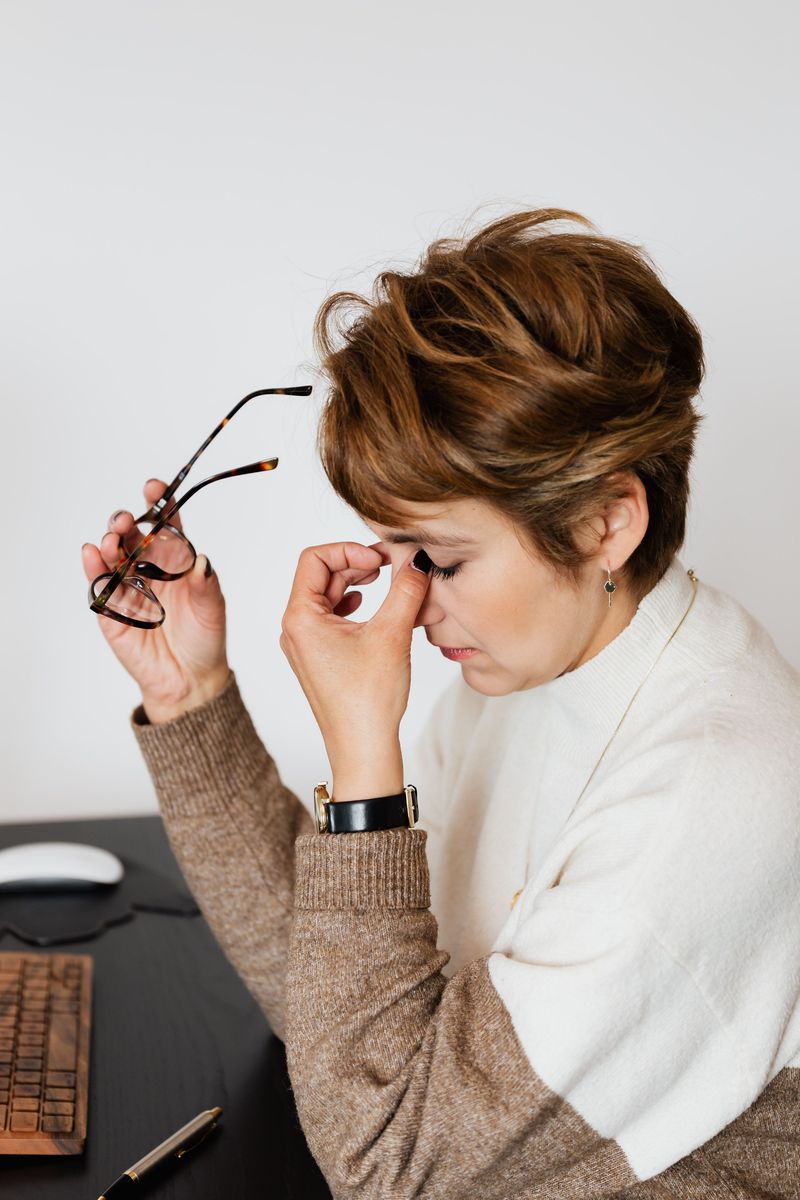
Feeling tired occasionally is completely normal, but dragging yourself through every single day is not something you simply have to accept as an aging tax.
Persistent fatigue is your body sending an urgent message that something needs attention.
Thyroid disorders are incredibly common in women over 50 and are a leading cause of unexplained exhaustion.
Anemia, vitamin B12 deficiency, low iron, sleep apnea, and even depression can all cause the same bone-deep tiredness that many women mistakenly chalk up to age.
Getting a thorough blood panel done is a smart starting point.
Many of these conditions are highly treatable, and finding the root cause can genuinely restore the energy and spark that you thought were simply gone for good.
7. Drinking Less Water Because Thirst Decreases
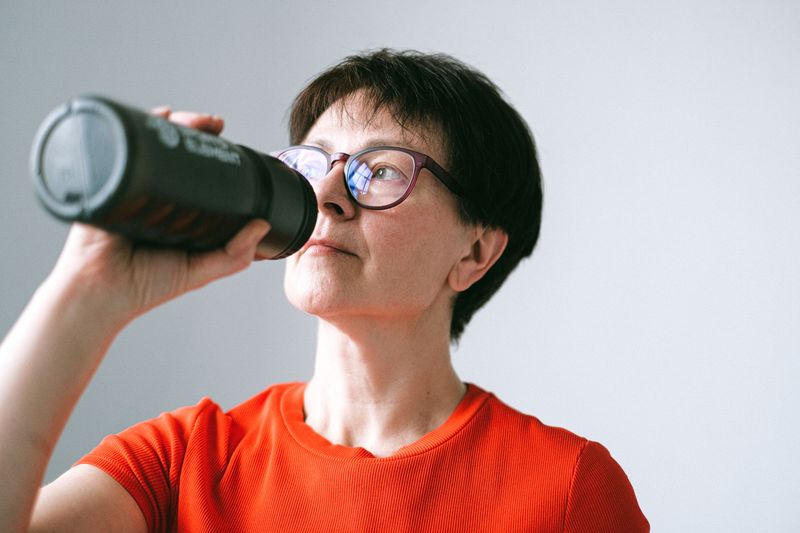
Your body is remarkably clever, but one thing it becomes less reliable at with age is signaling thirst accurately.
The internal alarm system that once told you to grab a glass of water starts to quiet down, leaving many older adults mildly dehydrated without ever feeling particularly thirsty.
Even mild dehydration has real consequences.
It can cause headaches, constipation, dizziness, difficulty concentrating, and dry, dull-looking skin.
Over time, chronic low-level dehydration puts stress on the kidneys and can worsen urinary tract infections.
Building a habit of drinking water on a schedule, rather than waiting for thirst to strike, is a simple strategy that works well.
Carry a water bottle, sip with every meal, and aim for at least six to eight glasses daily.
8. Depending on Skincare Instead of Healthy Habits
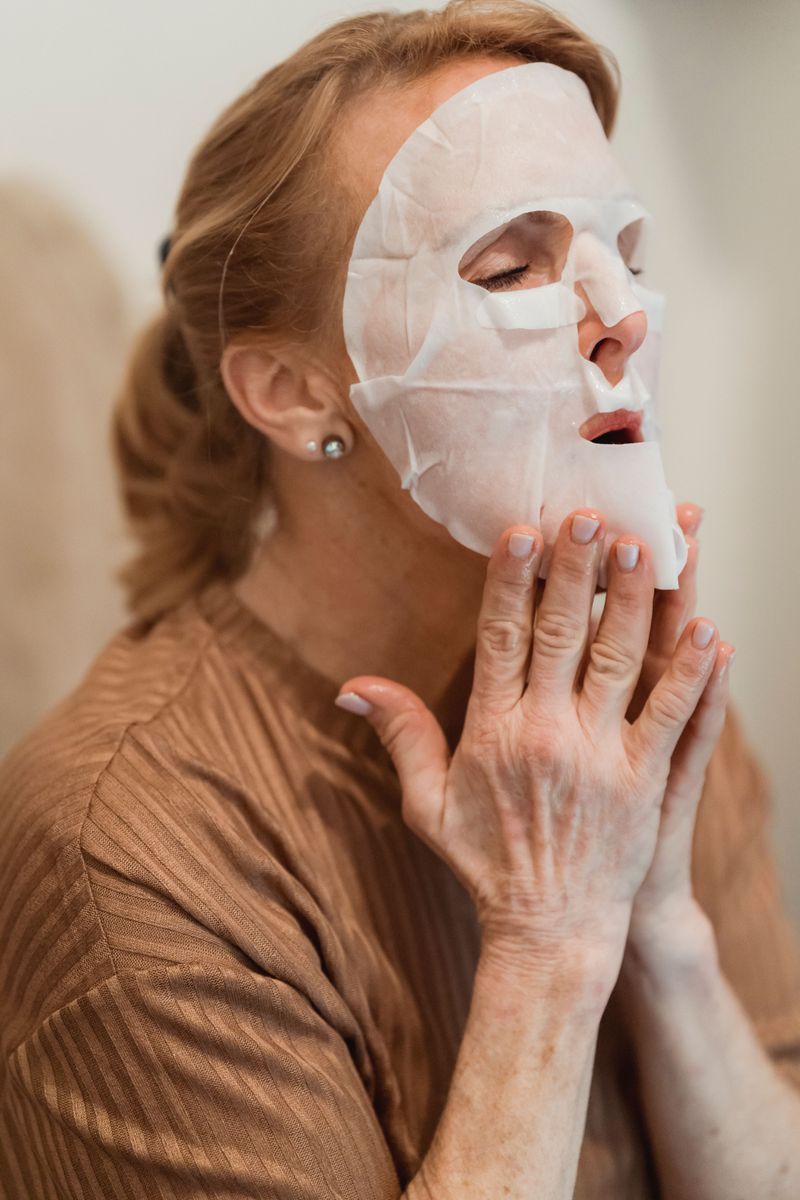
The skincare industry is worth billions of dollars, and it knows exactly how to speak to women who want to look and feel their best.
Promises of younger-looking skin in a jar are everywhere, and while some products genuinely help, none of them can outwork a poor lifestyle.
Regular physical activity increases circulation and delivers oxygen to skin cells.
Quality sleep allows nightly tissue repair.
A diet rich in antioxidants, healthy fats, and protein provides the raw materials your skin needs to stay resilient.
Sun protection prevents the damage that no cream can fully undo.
Think of your favorite serums as a bonus layer, not the foundation.
The real anti-aging magic happens in the gym, at the dinner table, and in a good night of rest.
9. Avoiding Exercise Because of Joint Pain

Joint pain can feel like a convincing reason to sit still, but resting too much often makes stiff, achy joints feel even worse over time.
Movement is actually one of the best medicines available for most types of joint discomfort.
Gentle, consistent exercise lubricates joints, reduces inflammation, and strengthens the surrounding muscles that act as natural shock absorbers.
Swimming, water aerobics, cycling, yoga, and resistance training are all excellent options that are easy on the joints while delivering real benefits.
The key is finding the right type of exercise for your specific situation, which is why talking to a physical therapist or doctor is always a smart first step.
Staying active with joint pain is not only possible, it is often the fastest path to feeling better.
10. Neglecting Bone Health
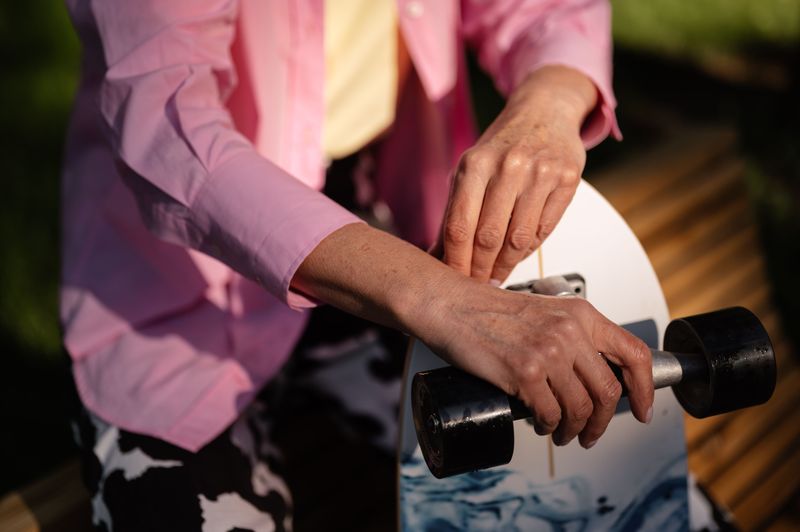
Bones are living tissue, constantly being broken down and rebuilt throughout your life.
After menopause, that rebuilding process slows significantly, and bone loss can happen faster than most women expect, often without any warning signs until a fracture occurs.
Osteoporosis affects roughly one in three women over 50, yet many never think about bone health until something breaks.
The good news is that prevention works, and it is never too early or too late to start paying attention.
Weight-bearing exercises like walking, dancing, or lifting weights stimulate bone growth.
Getting enough calcium and vitamin D through food and supplements supports bone density.
Asking your doctor about a bone density scan gives you a clear picture of where you currently stand.
11. Ignoring Balance and Posture

Falls are the leading cause of injury-related death among older adults, and poor balance is the primary reason they happen.
What makes this especially striking is that balance is a trainable skill, yet most women never practice it intentionally until after a fall has already occurred.
Posture plays a connected role.
Years of sitting at desks, looking at phones, and carrying bags on one shoulder quietly reshape the way the body holds itself upright.
Rounded shoulders and a forward head position shift your center of gravity, making balance even harder to maintain.
Simple daily exercises like standing on one foot while brushing your teeth or practicing tai chi can measurably improve balance within weeks.
Better balance means fewer falls, more confidence, and greater independence as the years go on.
12. Spending Too Much Time Indoors

Modern life has made it incredibly easy to spend entire days without ever stepping outside.
Between streaming shows, online shopping, and working from home, many women are getting far less natural light, movement, and fresh air than their bodies actually need.
Sunlight triggers vitamin D production in the skin, which supports bone health, immune function, and mood regulation.
Natural light also helps regulate your circadian rhythm, which directly affects sleep quality.
Social isolation, which often comes hand in hand with staying indoors, increases the risk of depression and cognitive decline.
Even twenty to thirty minutes outside each day can shift your energy, brighten your mood, and support your overall health.
A short walk around the block counts, and it adds up faster than you might think.
13. Skipping Preventive Health Screenings
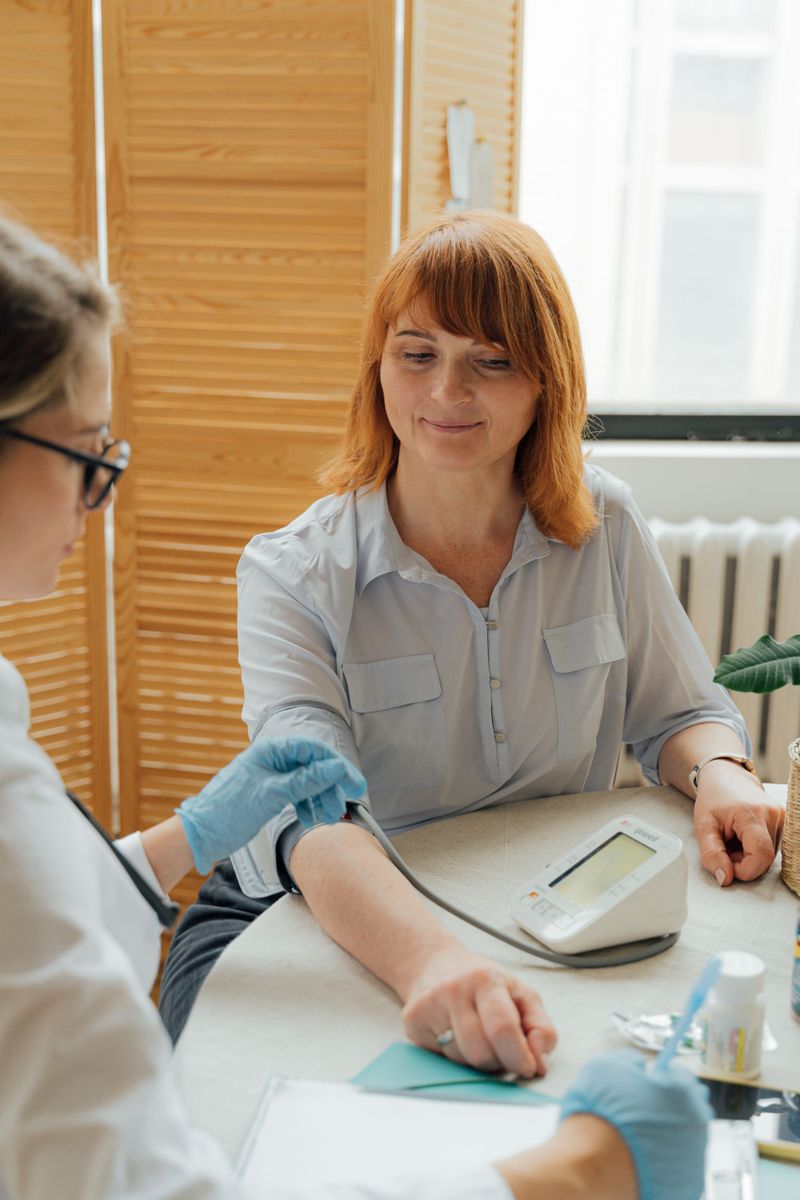
Many serious health conditions, including high blood pressure, type 2 diabetes, certain cancers, and high cholesterol, develop quietly for years before producing any noticeable symptoms.
By the time something feels wrong, the condition has often had plenty of time to cause real damage.
Regular screenings are specifically designed to catch these silent problems early, when treatment options are broader and outcomes are typically much better.
Mammograms, colonoscopies, blood pressure checks, blood glucose tests, and skin exams are all part of a smart preventive care routine for women over 50.
Skipping appointments because you feel fine is one of the most common and costly mistakes mature women make.
Staying on top of your screenings is not pessimistic thinking, it is one of the smartest forms of self-care available to you.
14. Living With Constant Stress
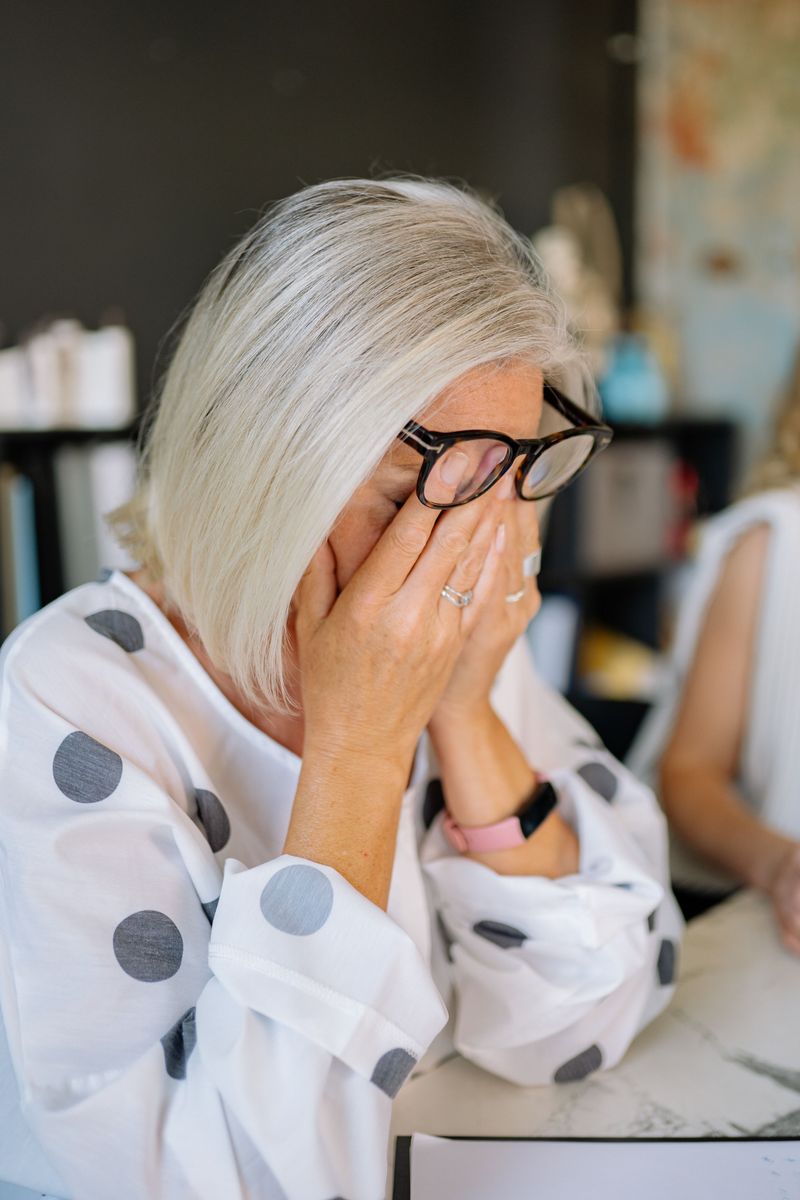
Stress is a normal part of life, but there is a significant difference between occasional pressure and the grinding, relentless stress that many women carry as a constant companion.
Long-term stress floods the body with cortisol, a hormone that, in high doses over time, is genuinely destructive.
Chronic elevated cortisol breaks down muscle tissue, disrupts sleep, suppresses immune function, accelerates skin aging, and raises the risk of heart disease.
It also affects memory and makes it harder to manage emotions, creating a cycle that is difficult to break without intentional effort.
Stress management is not a luxury, it is a health strategy.
Regular movement, time in nature, creative hobbies, therapy, meditation, and strong social connections are all evidence-based tools for lowering cortisol and protecting your long-term well-being.
15. Becoming Socially Isolated
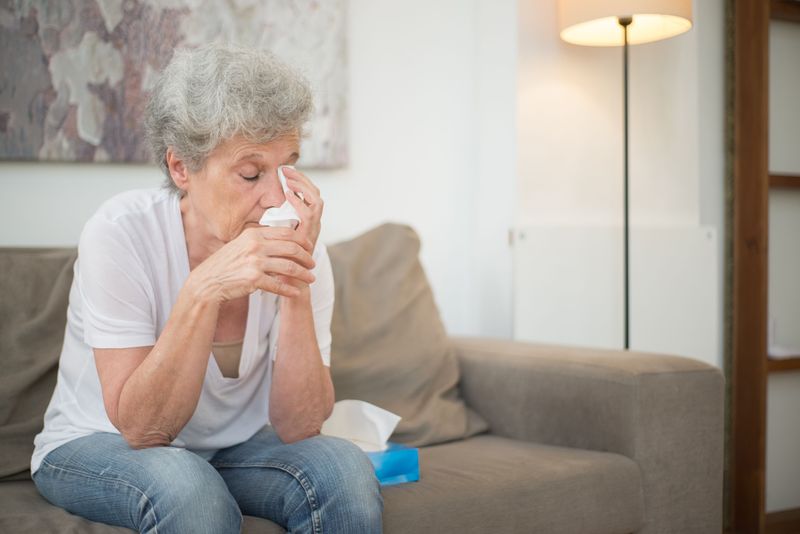
Loneliness has been called a public health epidemic, and older women are among the most affected.
Retirement, children moving away, the loss of close friends, and reduced mobility can all quietly shrink a person’s social world without them fully realizing what is happening.
The health consequences of social isolation are not minor.
Research consistently links loneliness to a higher risk of dementia, heart disease, depression, and even early death.
Having strong social connections, on the other hand, is associated with sharper thinking, greater happiness, and a longer life.
Reconnecting does not require grand gestures.
Joining a walking group, taking a class, volunteering, or simply calling an old friend regularly can meaningfully rebuild a sense of belonging and community that nourishes both the brain and the heart.
16. Believing It Is Too Late to Improve Your Health
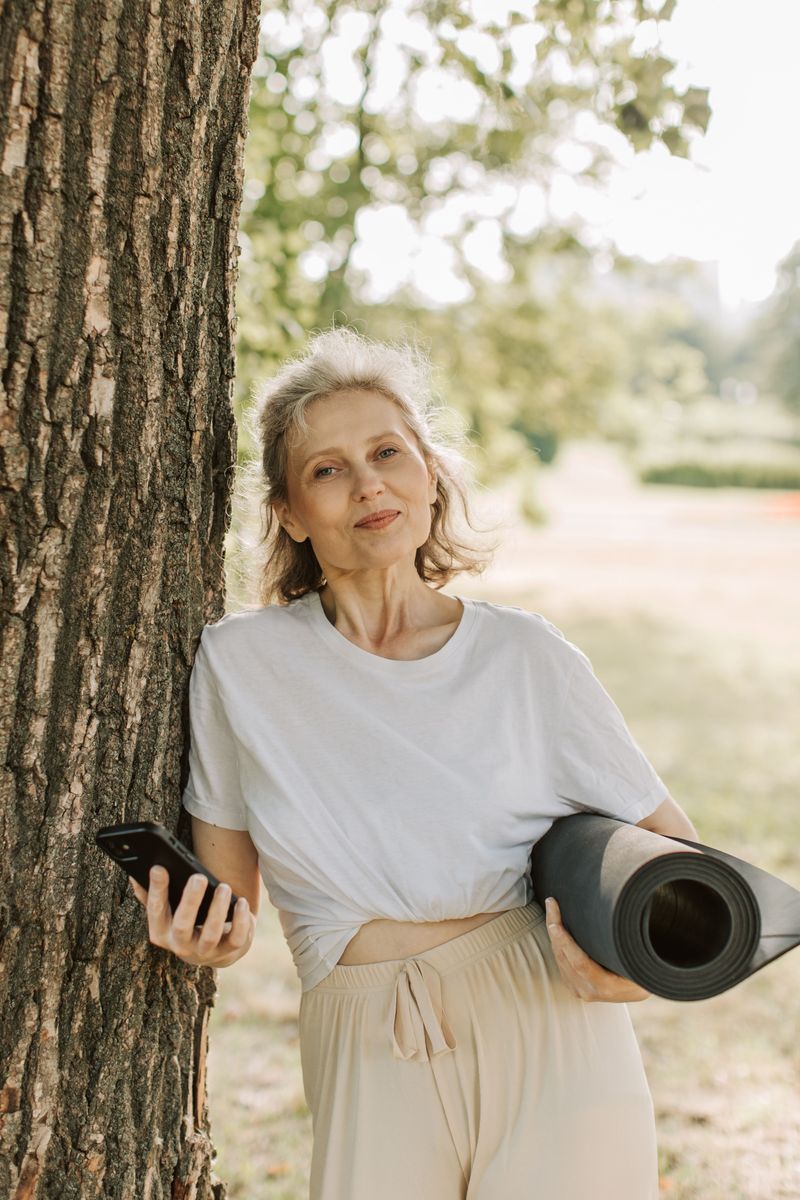
Of all the mistakes on this list, this one may be the most limiting.
The belief that a certain age marks the end of meaningful health improvement stops countless women from even trying to make positive changes, and that belief is simply not supported by science.
Research has shown that women in their 70s and 80s can build measurable muscle strength through resistance training.
Balance improves with practice at any age.
Quitting smoking, improving diet, and increasing physical activity all deliver real benefits even when started later in life.
Your biology is not finished with you, and you are not finished with it.
Every positive change you make today, no matter how small, moves the needle toward a stronger, healthier, more vibrant version of the life you still have ahead of you.