 MomSkoop
Food and entertainment have always had a tasty relationship. From animated cartoons to blockbuster movies, some of our favorite fictional worlds have introduced us to real foods we now crave every day.
A single TV show or viral moment can turn an ordinary dish into a worldwide obsession. Here are 14 foods that pop culture helped push from local specialty to global superstar.
1. Ramen – Naruto’s Noodle Obsession

Every time Naruto Uzumaki sat down at Ichiraku Ramen, fans around the world suddenly craved a bowl of their own.
The anime series turned ramen — especially miso and tonkotsu pork broth varieties — into a symbol of comfort and determination.
Suddenly, ramen shops started popping up in cities far outside Japan.
Before Naruto, many people outside Asia had never thought much about ramen beyond the instant noodle cup.
The show changed that completely.
Fans began seeking out authentic Japanese ramen restaurants just to experience what their favorite ninja loved so much.
Today, ramen tourism in Japan is booming, and ramen festivals happen globally every year.
Naruto made slurping noodles feel like a heroic act.
2. Butterbeer – Harry Potter’s Magical Brew
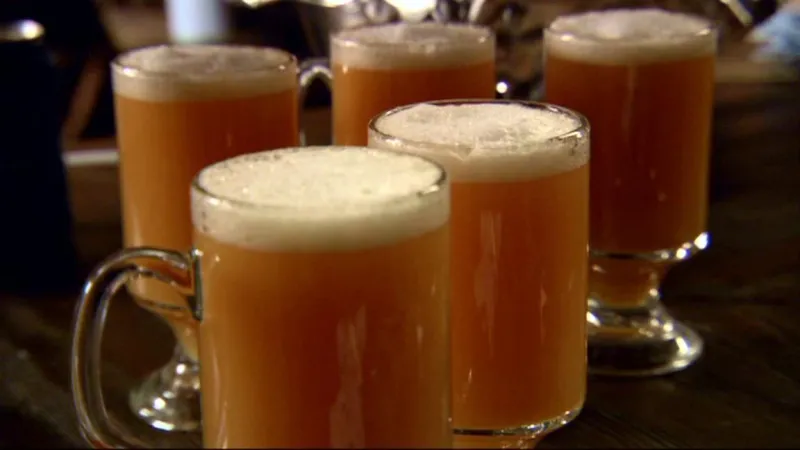
Long before anyone could taste it, Harry Potter fans were already imagining what Butterbeer might feel like warming their hands on a cold Hogsmeade night.
J.K. Rowling described it as slightly alcoholic for wizards but harmless for humans — and that mystery made everyone want a sip.
Universal Studios brought Butterbeer to life as a creamy, butterscotch-flavored cold or hot drink, and the lines to get one have never been short.
Cafés around the world started crafting their own versions, from frozen slushies to warm lattes.
The drink became more than a theme park treat — it became a symbol of belonging to the wizarding world.
Butterbeer proved that fictional drinks could have very real, very delicious consequences.
3. Krabby Patty – SpongeBob’s Secret Formula
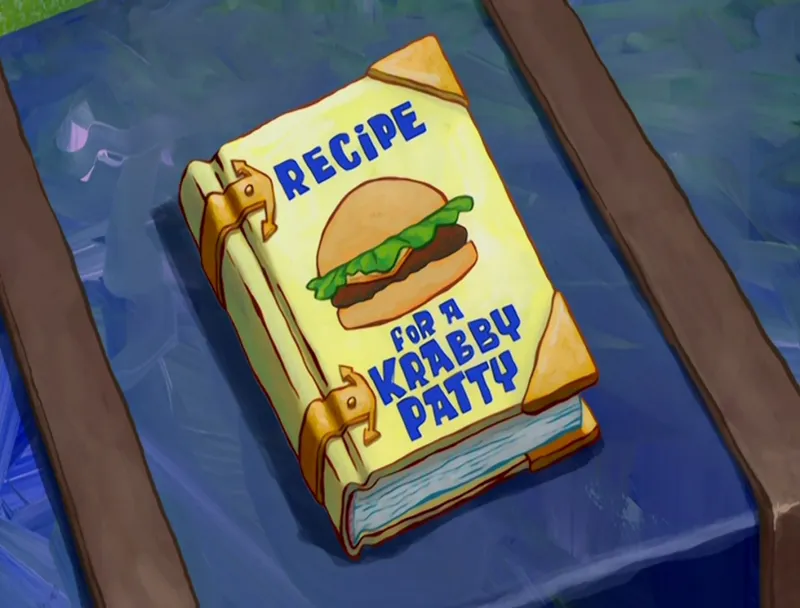
No burger in television history has been guarded more fiercely — or craved more intensely — than the Krabby Patty.
SpongeBob SquarePants built an entire underwater empire around this fictional sandwich, and fans spent decades wondering what the secret formula actually tasted like.
The show inspired countless burger restaurants and food trucks to create their own Krabby Patty-themed meals.
The fictional burger even got a real-world moment when Burger King released a limited Krabby Patty collaboration, sending fans absolutely wild.
What makes the Krabby Patty so powerful is the mystery.
SpongeBob never revealed the secret formula, which kept audiences hooked for over 25 years.
Sometimes the most irresistible ingredient in any recipe is a little imagination.
4. Turkish Delight – Narnia’s Sweetest Temptation
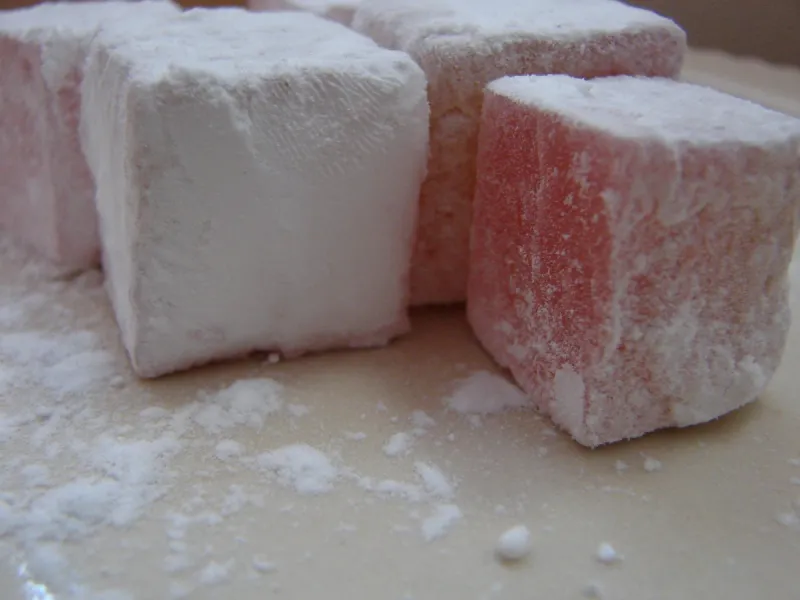
Edmund Pevensie made one of literature’s most famous mistakes — betraying his family for a box of Turkish Delight offered by the White Witch.
C.S. Lewis wrote it so convincingly that generations of readers immediately wanted to try this mysterious candy for themselves.
Before The Chronicles of Narnia, Turkish Delight was mainly known in Middle Eastern and Mediterranean countries.
After the books — and especially the 2005 film adaptation — curiosity about this rose-flavored, powdered-sugar-dusted confection spread worldwide.
Specialty candy shops reported huge spikes in Turkish Delight sales after the movie’s release.
It became one of pop culture’s greatest food advertisements, proving that a villain with good taste can accidentally become the world’s best candy salesperson.
5. Eggo Waffles – Eleven’s Favorite Breakfast
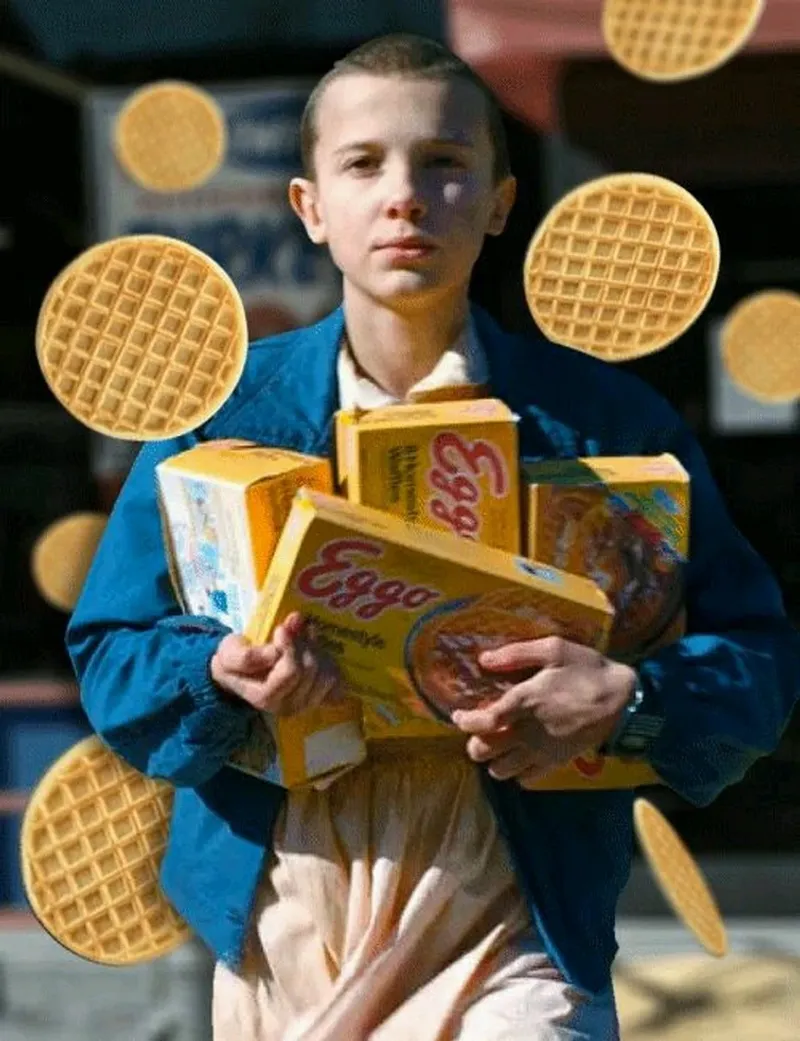
Eleven from Stranger Things didn’t say much, but her love for Eggo waffles spoke volumes.
Every time she clutched that waffle like it was the most precious thing in the world, viewers everywhere had one thought: maybe waffles are actually that good.
Kellogg’s Eggo brand saw a measurable sales boost after Stranger Things premiered in 2016.
The show turned a simple frozen breakfast food into a cultural icon tied to nostalgia, friendship, and supernatural adventure.
Grocery stores even reported temporary shortages in some areas.
Eggo waffles existed for decades before Eleven came along, but Stranger Things gave them a whole new identity.
Sometimes all a classic snack needs is a telekinetic superfan to remind the world just how great it is.
6. Pizza – The Ninja Turtles’ Fuel of Choice
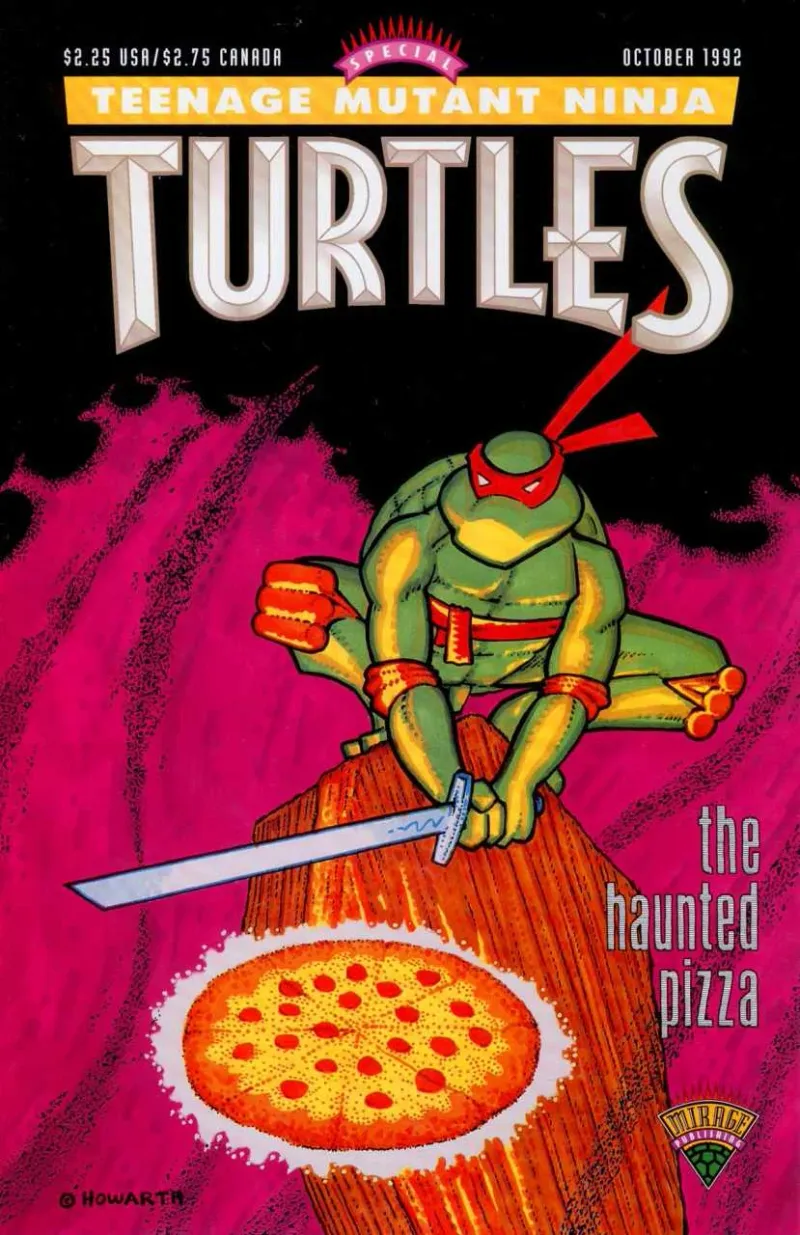
Leonardo, Donatello, Michelangelo, and Raphael didn’t just fight bad guys — they showed the world that pizza was the ultimate reward for a hard day’s work.
The Teenage Mutant Ninja Turtles treated every slice like a victory lap, and kids everywhere took notes.
Pizza already existed as a popular food before the Turtles arrived, but TMNT gave it a cooler, more adventurous personality.
The show aired in the late 1980s and throughout the 1990s, during a period when American pizza chains were aggressively expanding worldwide.
Many food historians credit the show with boosting pizza’s image among younger audiences globally.
The combination of cartoon excitement and cheesy goodness was basically unstoppable marketing.
Cowabunga — and pass another slice.
7. Spaghetti and Meatballs – Cinema’s Most Romantic Meal
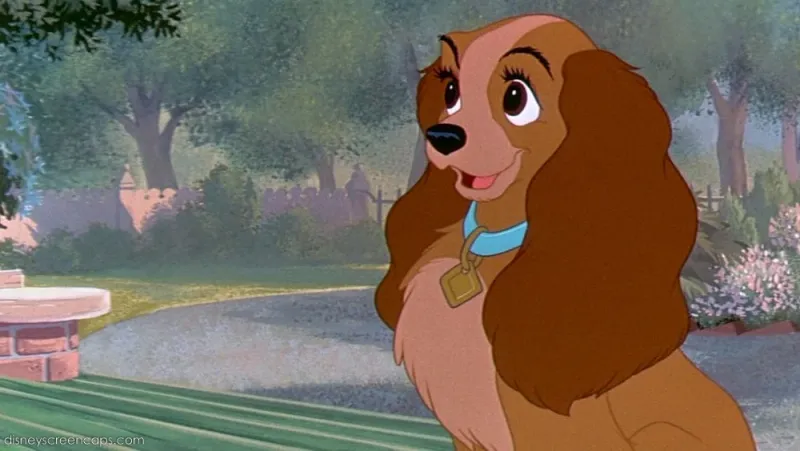
That spaghetti scene in Lady and the Tramp is one of the most replicated moments in film history.
Two dogs sharing a plate of spaghetti under the stars, accidentally kissing through a noodle — it sounds ridiculous, but it made the entire world fall in love with pasta all over again.
The 1955 Disney film turned spaghetti and meatballs into the ultimate symbol of romance and simple joy.
Italian restaurants around the world began marketing the dish as a date-night must-have, sometimes even recreating the candlelit alley atmosphere.
Decades later, the scene still appears in romantic comedies, TV shows, and social media recreations.
A plate of spaghetti has never looked more emotionally powerful than when two animated dogs shared it in the moonlight.
8. Donuts – Homer Simpson’s Pink-Glazed Passion
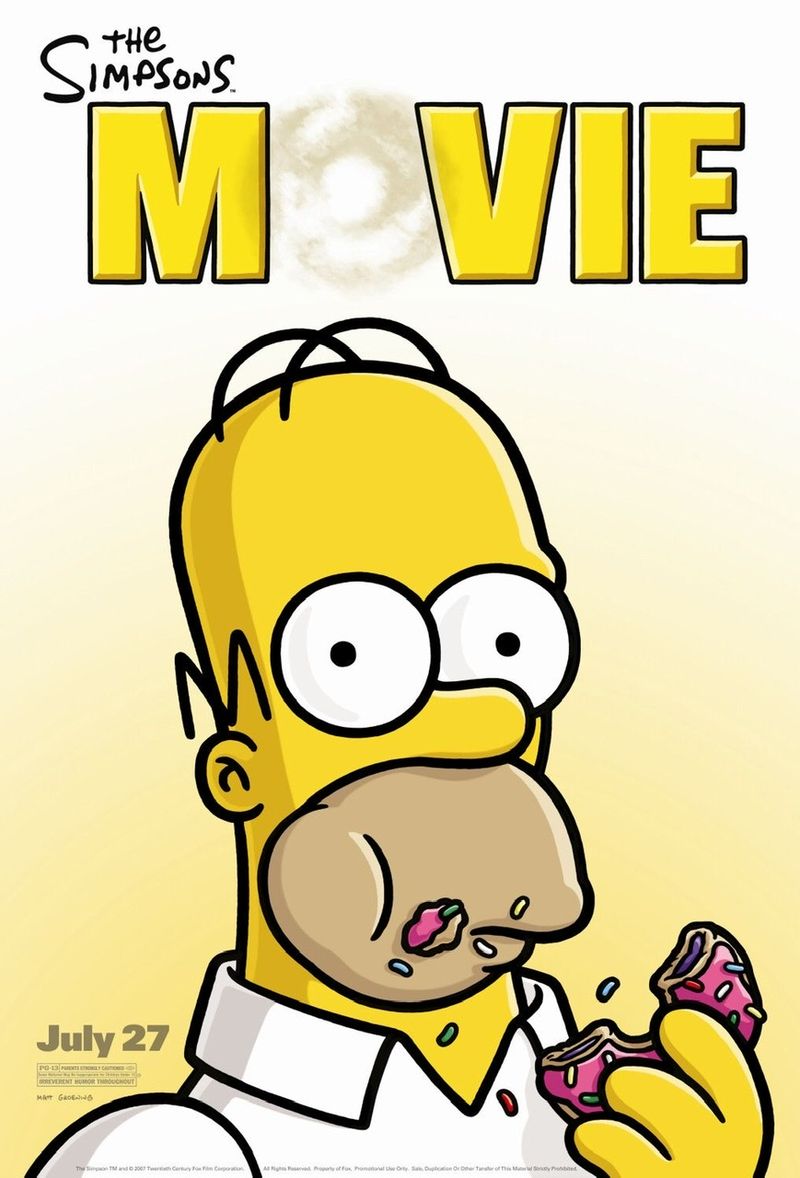
Homer Simpson’s relationship with donuts is one of television’s greatest love stories.
His signature “Mmm… donuts” drool became a global catchphrase, and the pink-glazed donut with sprinkles became an instantly recognizable symbol of indulgence and happiness.
The Simpsons first aired in 1989, and for over 35 years, Homer’s donut obsession has kept the treat in the cultural spotlight.
Donut chains worldwide have capitalized on the connection, with some even creating Homer-themed donut boxes and limited editions.
Interestingly, Springfield’s favorite snack helped fuel the gourmet donut movement — chefs started taking donuts seriously as a canvas for creative flavors and toppings.
Homer unknowingly inspired a whole new generation of artisan donut shops.
Not bad for a guy in yellow.
9. Bubble Tea – K-Drama and Anime’s Go-To Drink

Before bubble tea became a global phenomenon, it was already a beloved staple across Taiwan, Hong Kong, and parts of Southeast Asia.
But something changed when K-dramas and anime started featuring characters casually sipping boba in nearly every other scene.
Seeing stylish, relatable characters enjoying colorful drinks with chewy tapioca pearls made audiences worldwide want in on the experience.
Social media accelerated this trend massively — a photogenic boba cup practically begs to be photographed and shared.
Bubble tea shops now exist in nearly every major city on every continent.
The drink comes in hundreds of flavors, from taro to matcha to brown sugar milk tea.
What started as a Taiwanese street drink is now a full-blown global lifestyle brand, one chewy sip at a time.
10. Chicken Wings – Hot Ones’ Spicy Challenge Food
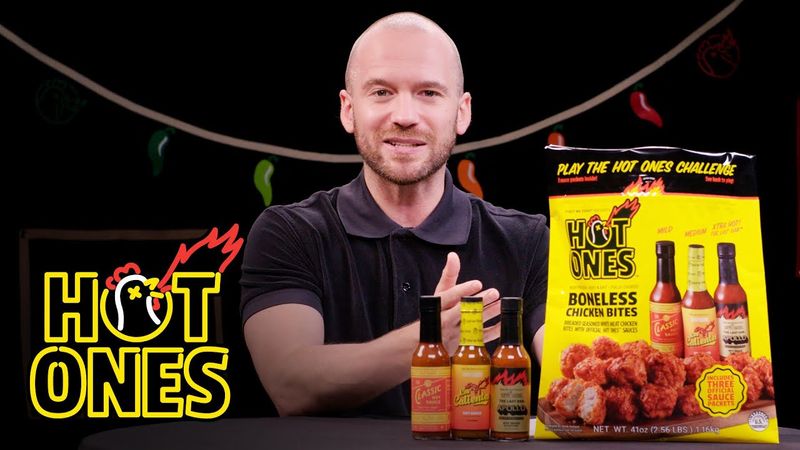
Hot Ones, the YouTube interview show where celebrities eat increasingly spicy chicken wings, turned a classic bar food into an international spectacle.
Watching famous people sweat, cry, and struggle through scorching hot sauces became oddly addictive viewing for millions.
The show launched in 2015 and quickly became one of YouTube’s most-watched series.
It didn’t just make wings cool again — it created an entire ecosystem of hot sauce brands, wing restaurants, and spicy food challenges inspired by the format.
Fans started hosting their own Hot Ones-style dinner parties, ordering the exact sauces used on the show.
Chicken wings went from game-day snack to cultural challenge food practically overnight.
Credit goes to host Sean Evans, who somehow keeps his cool while his guests absolutely do not.
11. Avocado Toast – Instagram’s Brunch Royalty
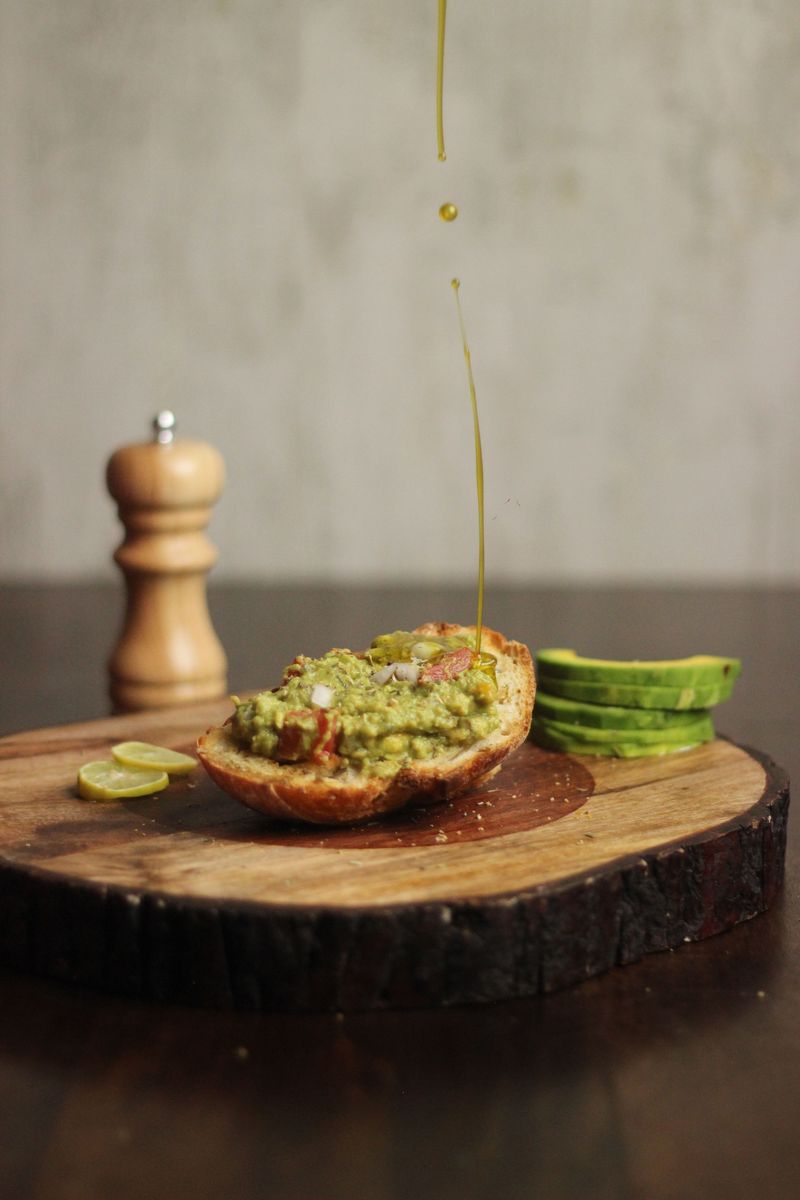
Avocado toast didn’t become a global brunch staple by accident — it became one through thousands of perfectly lit Instagram photos posted by food bloggers and lifestyle influencers.
The dish is visually stunning, easy to customize, and carries a certain aspirational energy that social media loves.
Cafés around the world quickly caught on, adding avocado toast to menus knowing it would drive foot traffic and social shares.
Avocado imports skyrocketed in countries that had barely used the fruit before.
Farmers in Mexico and Peru could barely keep up with global demand.
Love it or roll your eyes at it, avocado toast genuinely changed how people think about breakfast.
A simple combination of bread and fruit somehow became the defining food symbol of an entire generation’s brunch culture.
12. Macarons – Marie Antoinette’s Pastel Legacy
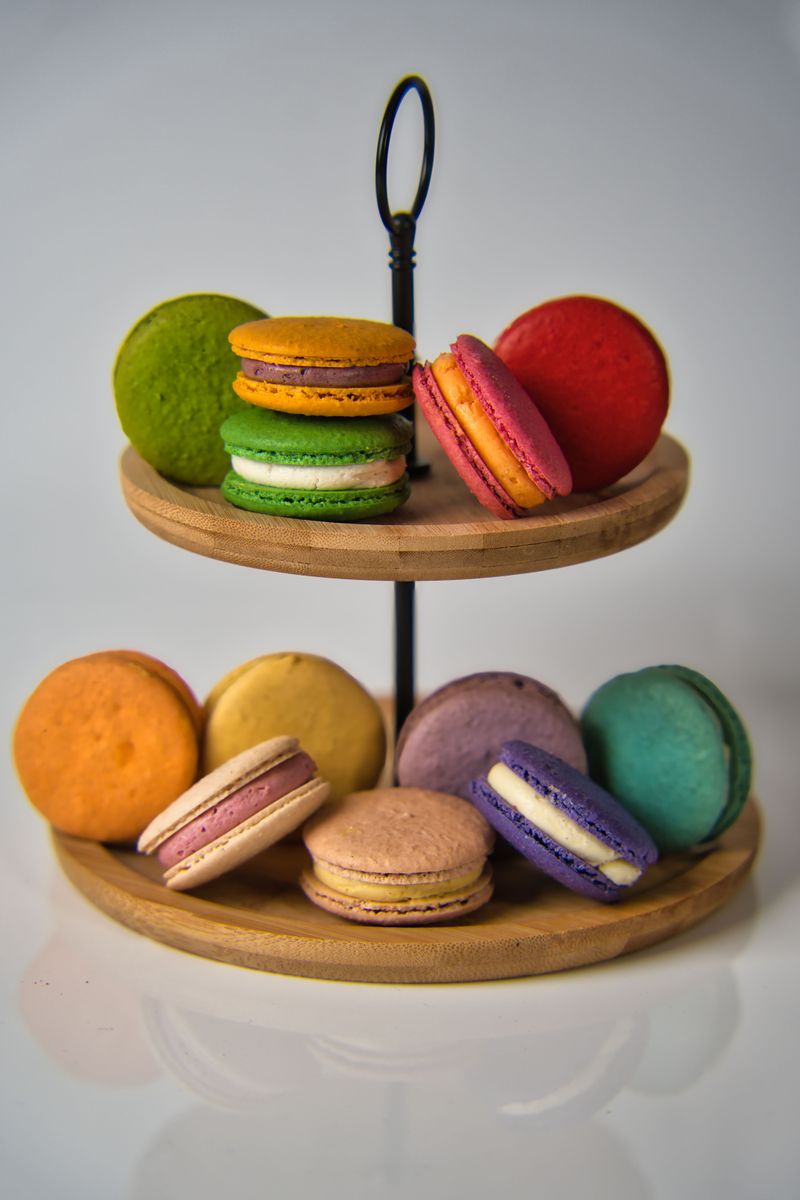
Sofia Coppola’s 2006 film Marie Antoinette featured gorgeous pastel macarons in nearly every other scene, and suddenly the delicate French confection became associated with luxury, beauty, and indulgence on a cinematic scale.
The film’s aesthetic was basically a masterclass in making food look breathtaking.
Before the film, macarons were beloved in France but relatively unknown globally.
After it, patisseries worldwide began stocking colorful macaron towers, and social media turned them into one of the most photographed desserts of the 21st century.
High-end bakeries from Tokyo to New York now build entire reputations on their macaron craftsmanship.
The combination of a visually stunning film and Instagram-ready presentation transformed a traditional French treat into a worldwide luxury symbol.
Versailles would be proud.
13. Dalgona Coffee – TikTok’s Pandemic Obsession
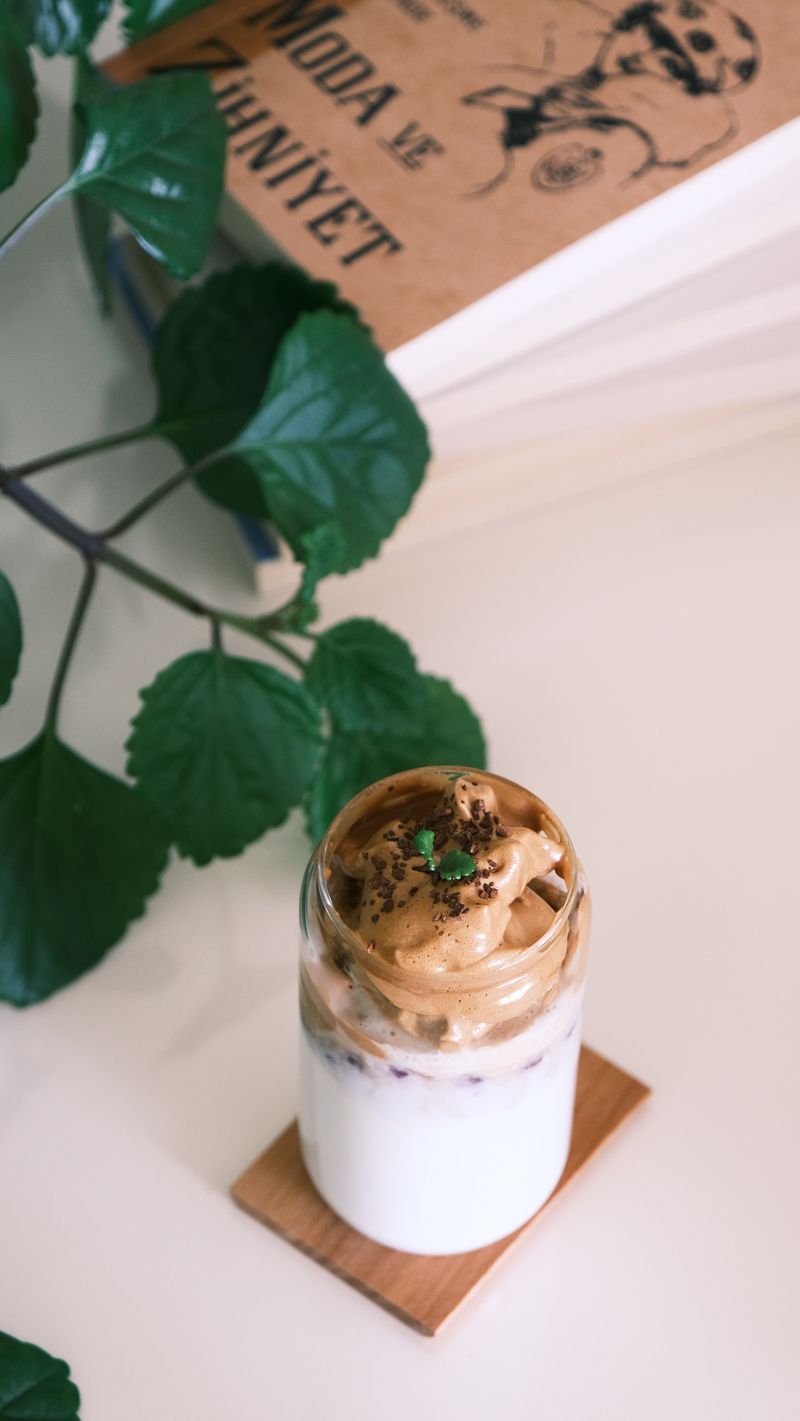
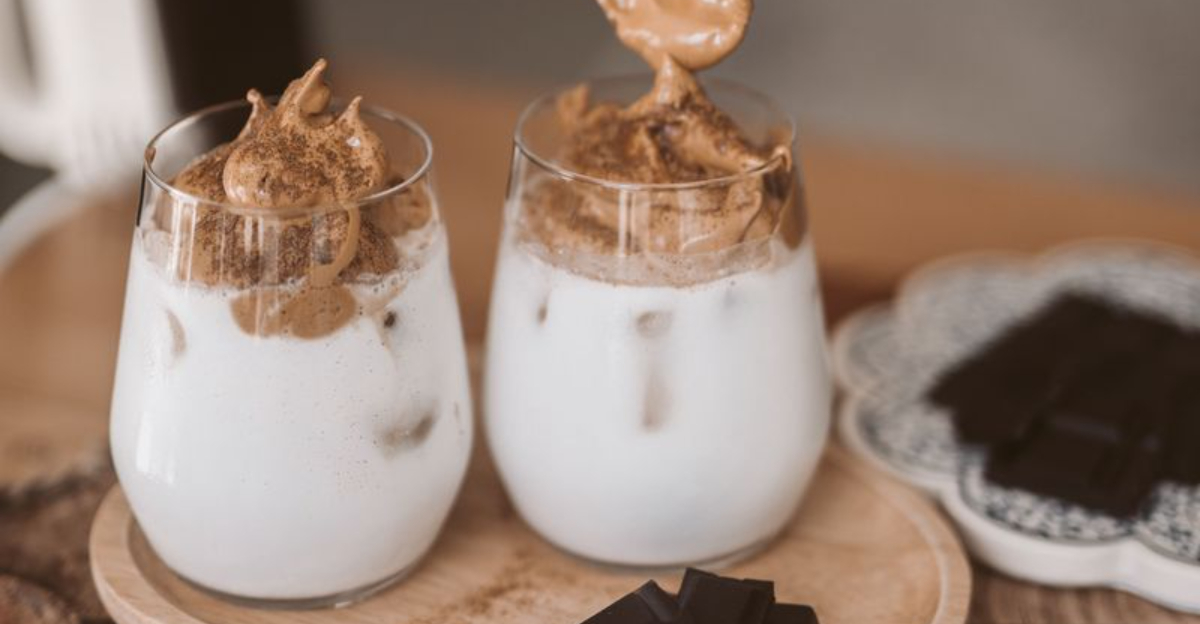
During the early months of the COVID-19 pandemic, millions of people stuck at home discovered one thing: whipping instant coffee, sugar, and hot water into a thick foam was oddly satisfying and delicious.
TikTok exploded with dalgona coffee videos, and the trend spread to virtually every corner of the world.
The name comes from Korean dalgona candy — a honeycomb toffee treat that Squid Game later brought massive international attention.
The coffee version had actually been popular in South Korea for years before going viral globally in 2020.
Dalgona coffee became a symbol of pandemic creativity — a simple, photogenic drink anyone could make with pantry staples.
It reminded people that sometimes the best food trends come not from restaurants, but from bored, resourceful people at home.
14. Cronut – The Viral Pastry That Broke the Internet
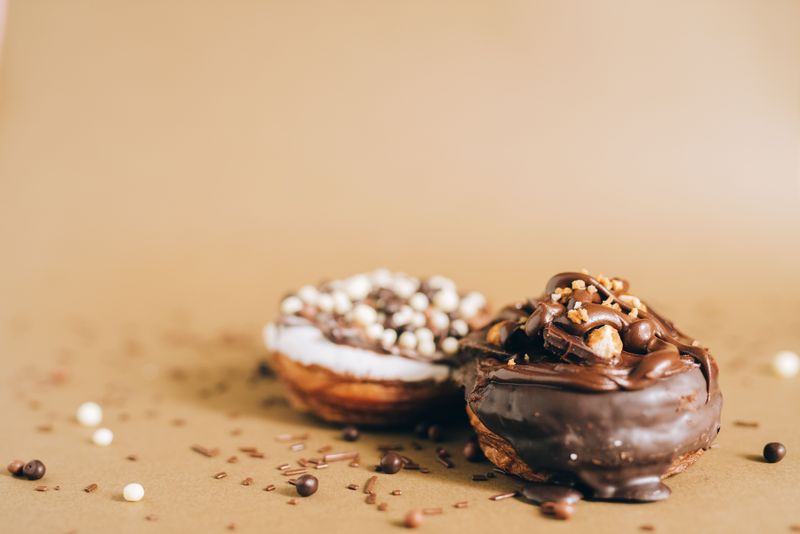
When pastry chef Dominique Ansel introduced the Cronut at his New York City bakery in May 2013, nobody predicted what would happen next.
Within days, lines stretched around the block before sunrise, and food bloggers were posting about it faster than Ansel could bake them.
The Cronut — a flaky croissant-donut hybrid — became the first true viral food of the social media era.
Instagram and food blogs spread images of the layered, cream-filled pastry worldwide, inspiring copycat versions from Tokyo to London almost immediately.
Ansel trademarked the name, but the concept sparked a whole new wave of hybrid food creativity.
Cronuts proved that a single brilliant idea, amplified by social media, could turn a local bakery into a global food phenomenon overnight.
The pastry world was never quite the same.