 MomSkoop
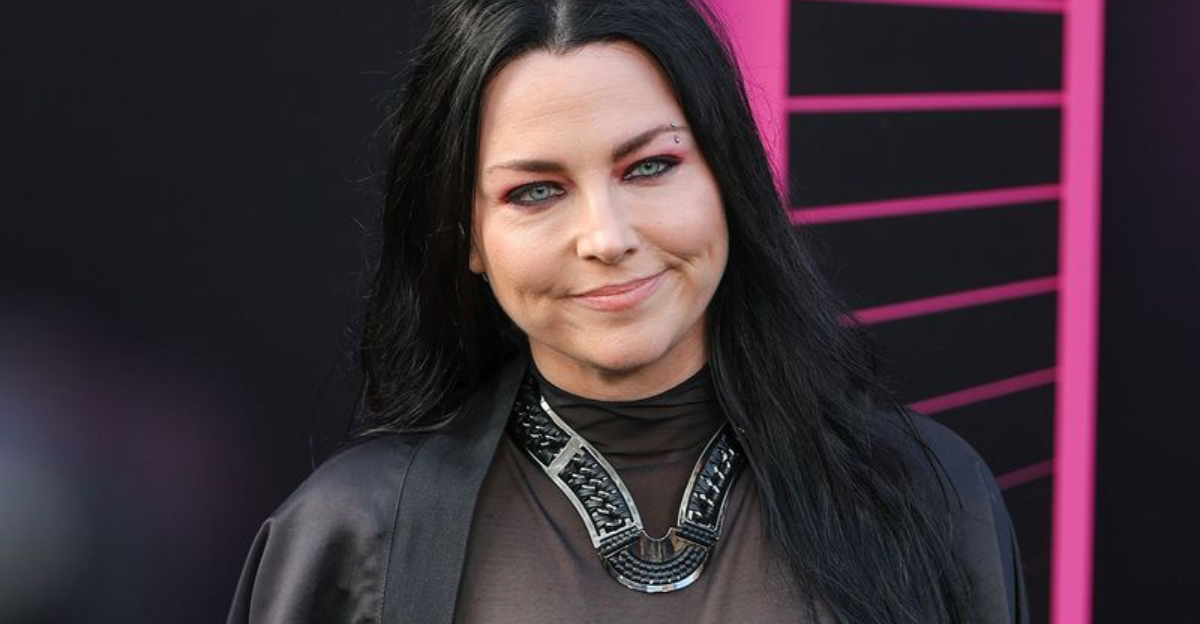
Rock music has always been about rebellion, raw emotion, and breaking the rules. While the genre is often associated with men, some of its most powerful voices have belonged to women who refused to be ignored.
From stadium-shaking screams to deeply personal lyrics, these artists didn’t just perform rock music — they shaped what it could be. Get ready to meet the legends who changed everything.
1. Tina Turner
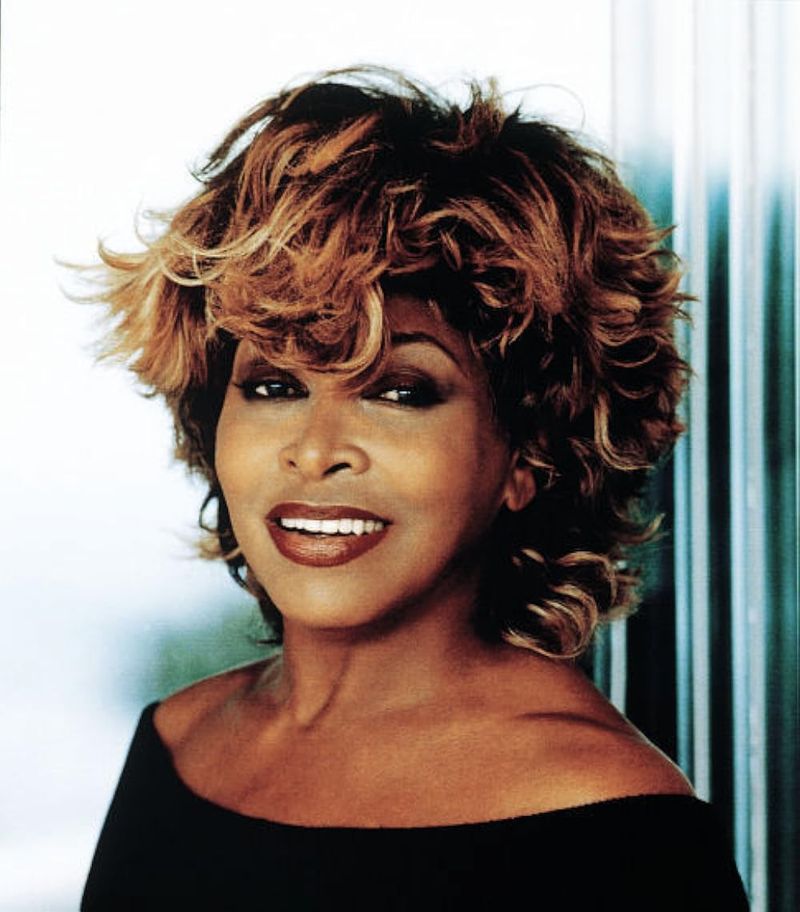
Few performers in history have commanded a stage quite like Tina Turner.
Born Anna Mae Bullock, she clawed her way out of hardship and personal pain to become one of the most electrifying live performers rock has ever seen.
Her legs, her voice, and her presence were forces of nature.
Songs like “Proud Mary” and “What’s Love Got to Do with It” weren’t just hits — they were declarations of survival.
She proved that reinvention at any age was not only possible but unstoppable.
Her 1984 comeback at age 44 left critics speechless and fans completely floored.
Tina’s story is proof that talent combined with sheer will can shake the entire world.
2. Janis Joplin
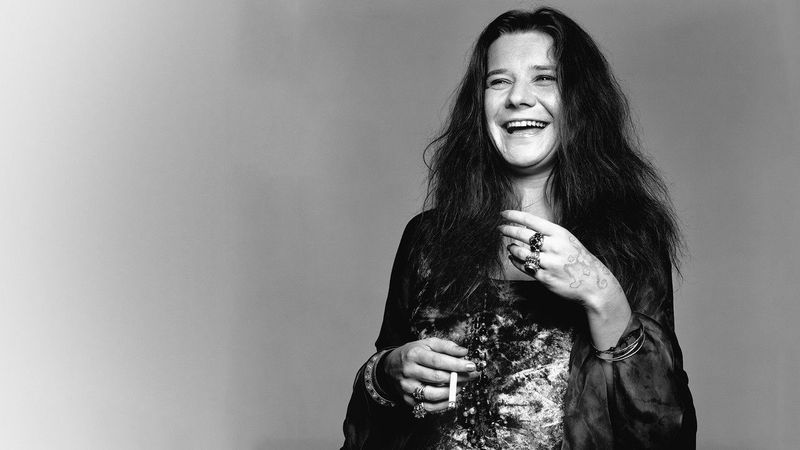
Janis Joplin sang like her heart was on fire.
Growing up as an outsider in Port Arthur, Texas, she found her tribe through the blues and psychedelic rock of the 1960s.
Nobody before or since has sounded quite like her — raw, ragged, and heartbreakingly real.
Her performances at Woodstock and Monterey Pop became legendary moments in music history.
Songs like “Piece of My Heart” and “Me and Bobby McGee” carried a weight that made listeners feel every single word deep in their bones.
Tragically gone at just 27, Janis left behind a voice that still haunts rock radio decades later.
She didn’t perform emotion — she lived it out loud every night.
3. Stevie Nicks
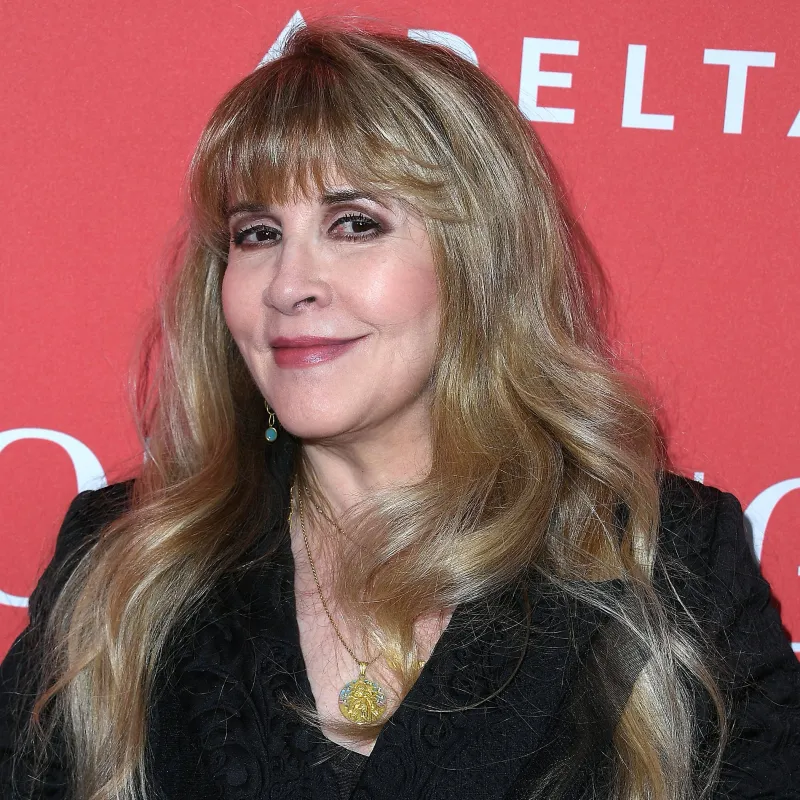
Stevie Nicks turned rock music into something almost mystical.
As the voice and heart of Fleetwood Mac, and later as a solo artist, she crafted songs that felt like spells cast under a full moon.
Her style — all flowing capes and platform boots — became as iconic as her music.
“Rhiannon,” “Gold Dust Woman,” and “Edge of Seventeen” aren’t just songs; they are experiences.
Stevie brought a poetic, witchy femininity to rock that nobody had dared explore before her.
She wrote about love, loss, and freedom with the pen of someone who had truly lived those stories.
Even now in her 70s, she remains one of rock’s most beloved and bewitching figures.
4. Patti Smith
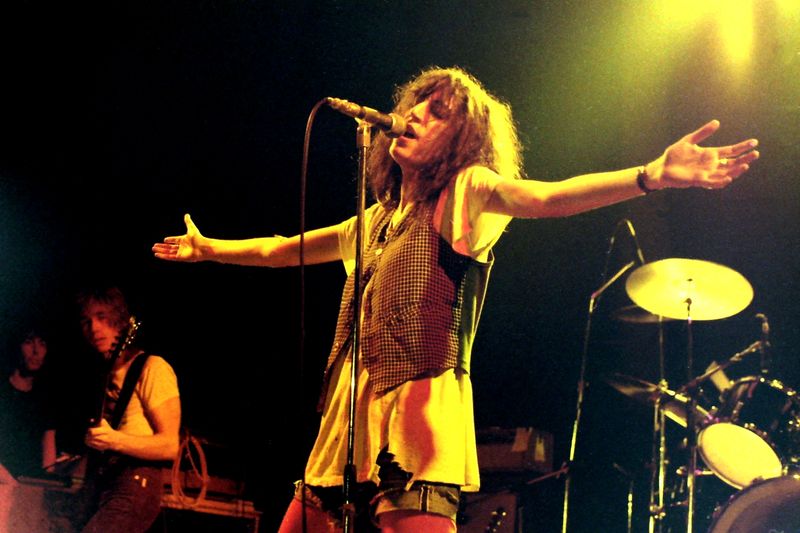
Long before punk had a name, Patti Smith was already living it.
Known as the “punk poet laureate,” she blended rock music with poetry in ways that made critics rethink what a rock song could even be.
Her 1975 debut album, “Horses,” is still considered one of the greatest records ever made.
Patti didn’t rely on glam or spectacle.
She showed up with words sharp enough to cut glass and a voice that felt like it came from somewhere ancient and urgent.
She opened doors for every alternative and indie artist who came after her.
Her influence stretches far beyond music — she is a painter, author, and activist who reminds us that art and rebellion are the same thing.
5. Joan Jett
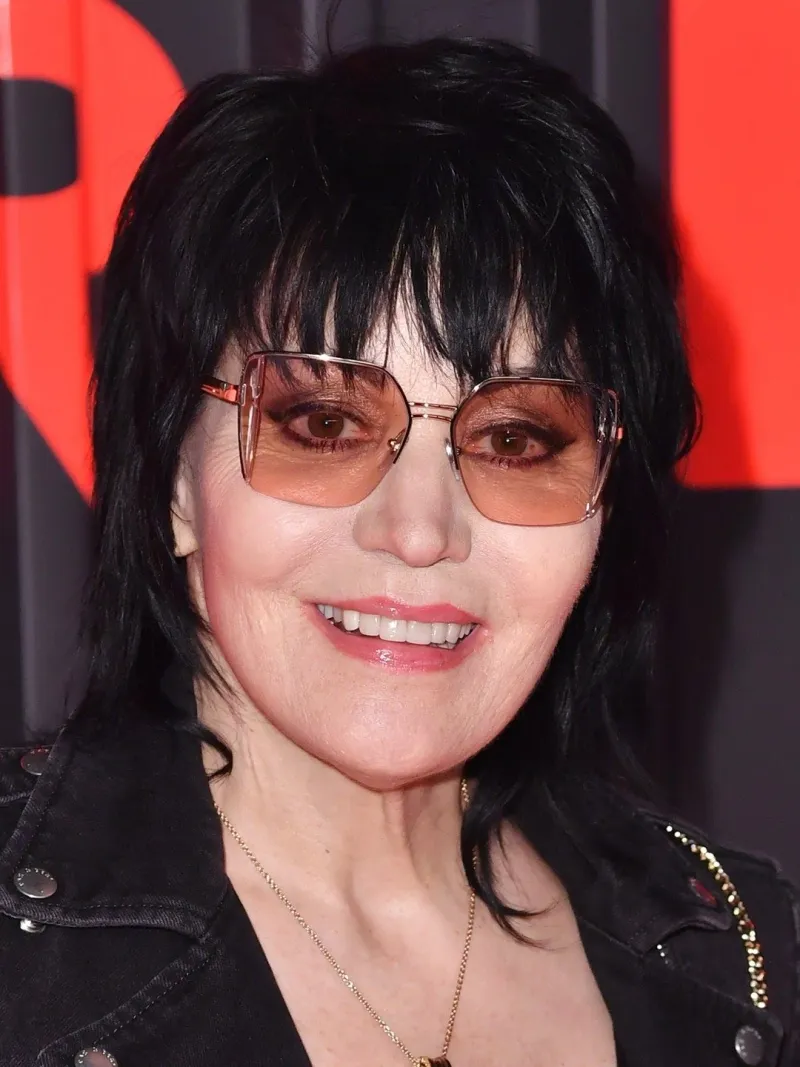
“I love rock and roll” — and nobody meant it more than Joan Jett.
After being told the all-female band The Runaways wasn’t a serious rock act, Joan went out and proved every doubter wrong.
She co-wrote one of rock’s most recognizable anthems and never looked back.
Her band Joan Jett and the Blackhearts gave the world a leather-jacketed, guitar-shredding icon who didn’t ask permission to take up space in a male-dominated genre.
She covered songs, wrote hits, and produced records at a time when women rarely did any of those things.
Joan Jett is the definition of a rock and roll lifer — someone who chose the music over everything else and built a legacy that still rocks hard today.
6. Ann Wilson (Heart)
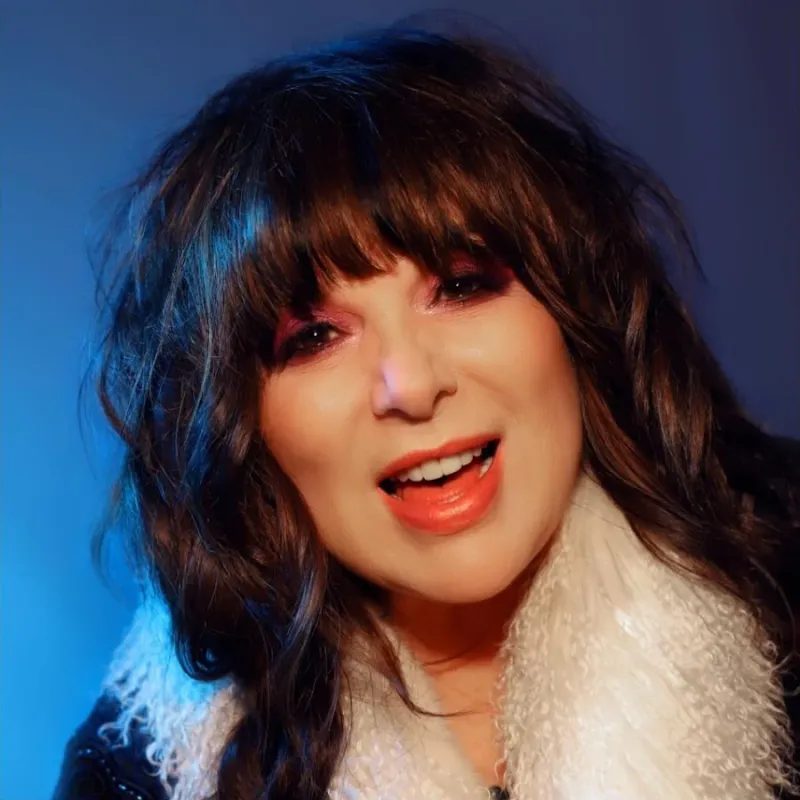
Ann Wilson possesses one of the most powerful voices rock has ever produced.
As the lead singer of Heart, she could go from a whisper to a full-throated roar in seconds flat, leaving audiences completely breathless.
She and her sister Nancy built Heart into one of the most successful rock bands of the 1970s and 80s.
Songs like “Barracuda” and “Crazy on You” showcased a ferocity that challenged anyone who thought women couldn’t front a hard rock band.
Ann also showed remarkable vocal range on ballads like “Alone,” proving she was equally comfortable in softer territory.
Heart sold over 35 million records worldwide, and Ann’s voice was always the engine driving that extraordinary success forward.
7. Chrissie Hynde (The Pretenders)
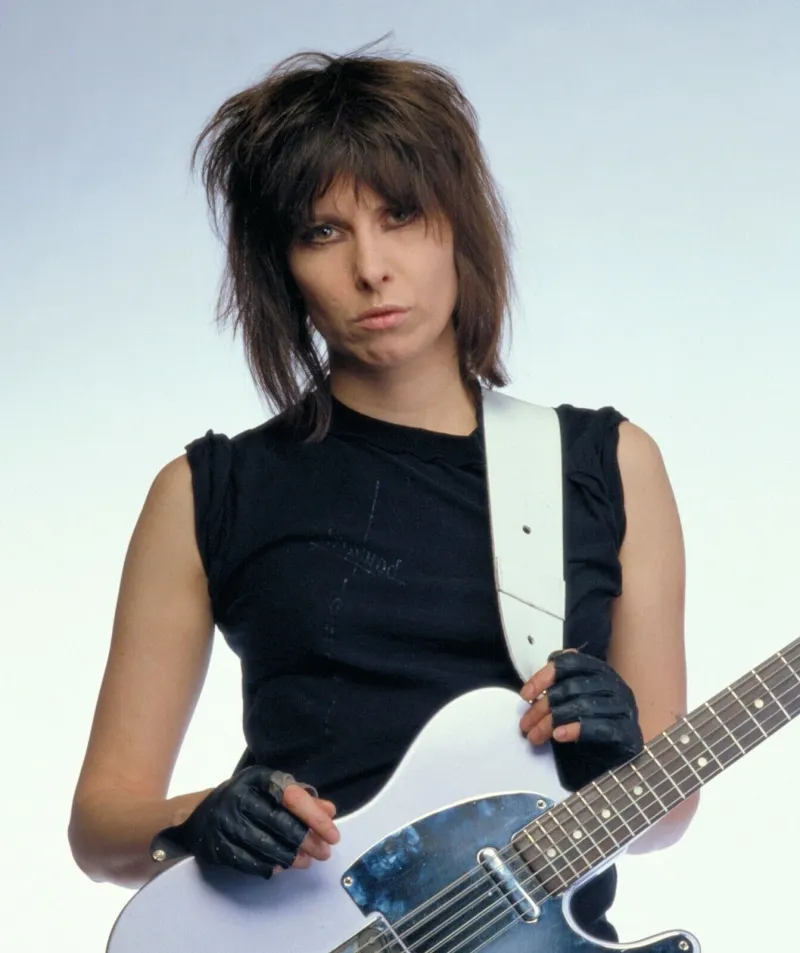
Chrissie Hynde walked into the boys’ club of rock and simply took over.
As the founder, guitarist, and singer of The Pretenders, she didn’t wait for anyone to hand her a seat at the table.
She built her own table, and it was cooler than everyone else’s anyway.
Her voice carried a husky, streetwise quality that matched perfectly with her sharp songwriting.
Hits like “Brass in Pocket” and “Back on the Chain Gang” balanced toughness with unexpected vulnerability, a combination that felt completely original.
What makes Chrissie especially remarkable is that she handled the band’s founding, direction, and artistic vision largely on her own terms.
She remains one of rock’s most genuinely independent and uncompromising creative forces to this day.
8. Debbie Harry (Blondie)

Cool, sharp, and completely ahead of her time — that’s Debbie Harry in a nutshell.
As the face and voice of Blondie, she helped bridge the gap between punk, new wave, pop, and even hip-hop at a time when those worlds rarely crossed paths.
The song “Rapture” featured one of the first rap verses to hit number one on the Billboard charts.
Debbie’s image was carefully constructed but never felt fake.
She had a downtown New York City attitude that made her magnetic to watch and impossible to imitate.
Songs like “Heart of Glass” and “Call Me” dominated the late 1970s and early 1980s.
She proved that being glamorous and punk at the same time was not just possible — it was powerful.
9. Grace Slick (Jefferson Airplane)
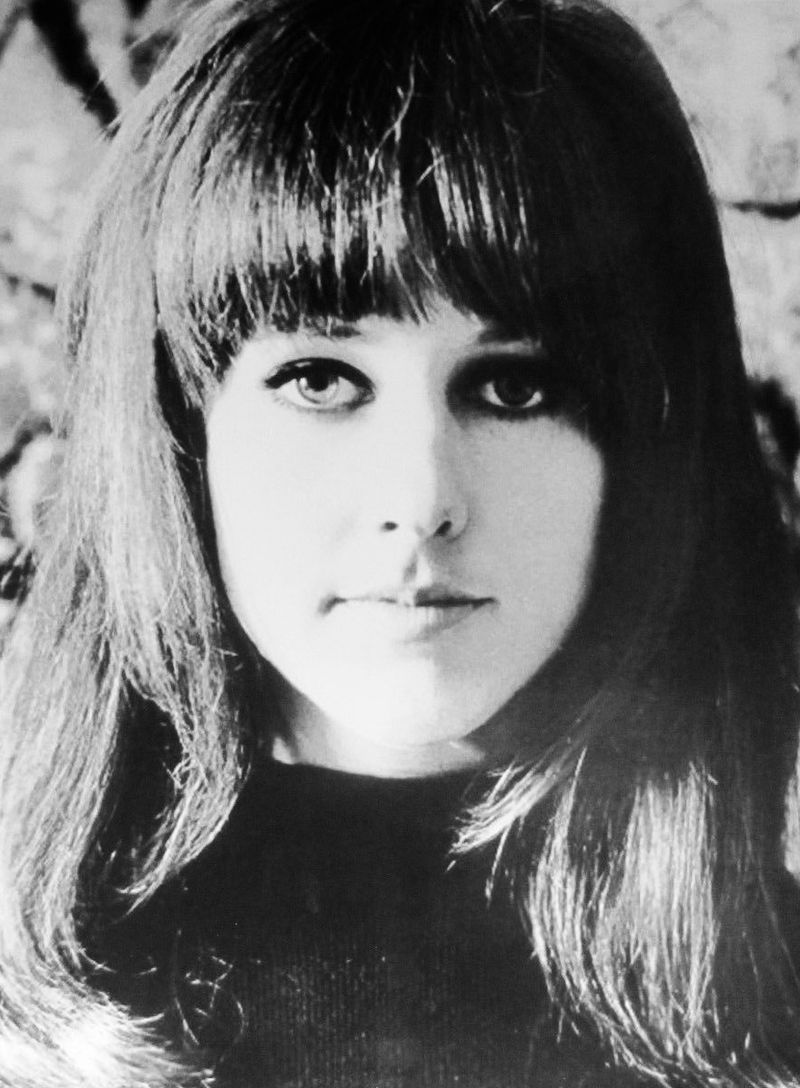
Grace Slick had a voice like a thunderstorm rolling over the San Francisco Bay.
As the lead singer of Jefferson Airplane, she became the sonic symbol of the entire psychedelic rock movement.
Her vocal delivery was commanding in a way that made even the most chaotic songs feel completely controlled.
“Somebody to Love” and “White Rabbit” remain two of the most iconic tracks from the entire 1960s counterculture era.
Grace wrote “White Rabbit” herself, blending Alice in Wonderland imagery with a pointed commentary on society and experimentation.
It was bold and brilliant.
She also performed at Woodstock, cementing her status as a true legend.
Grace Slick didn’t just ride the wave of the 60s — she helped create it.
10. Pat Benatar
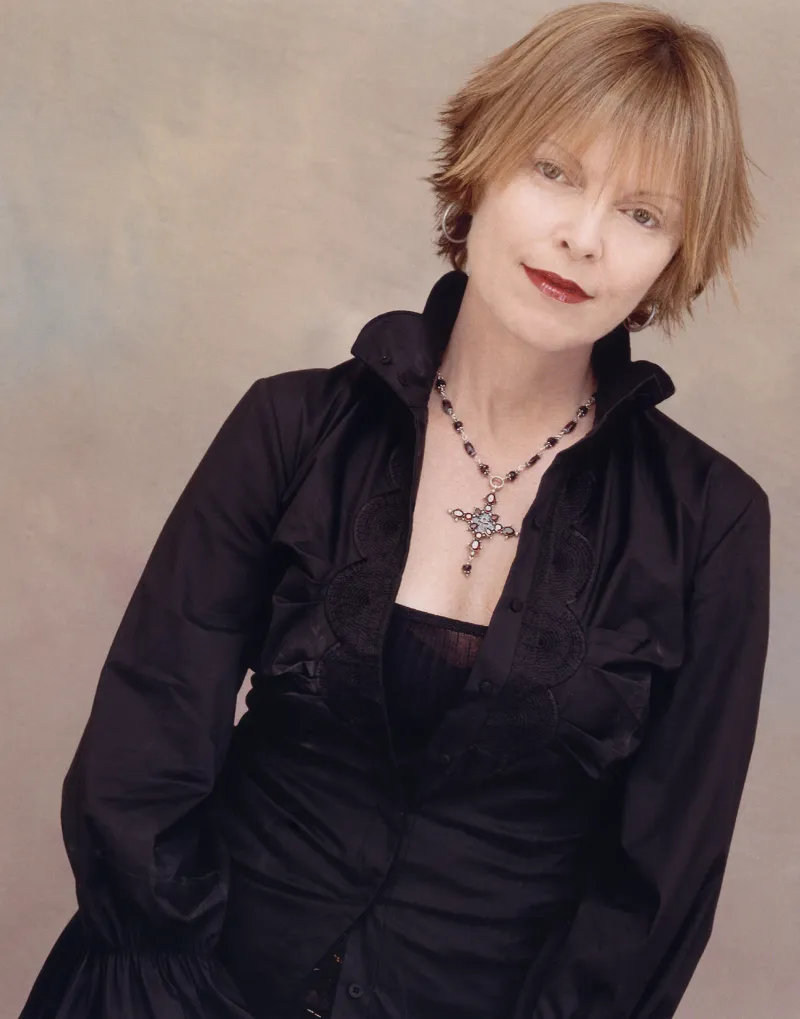
Pat Benatar hit the rock scene like a sonic boom.
With four consecutive Grammy wins for Best Female Rock Vocal Performance, she didn’t just compete with the genre’s biggest names — she outperformed most of them.
Her classical vocal training gave her a technical edge that few rock singers could match.
Songs like “Hit Me with Your Best Shot” and “Heartbreaker” were anthems of confidence and grit.
Pat also tackled serious themes — “Hell Is for Children” addressed child abuse at a time when pop music rarely touched such difficult subjects.
She shattered the idea that women in rock had to be either soft or shocking to get attention.
Pat Benatar was simply excellent, and excellence turned out to be more than enough.
11. Suzi Quatro
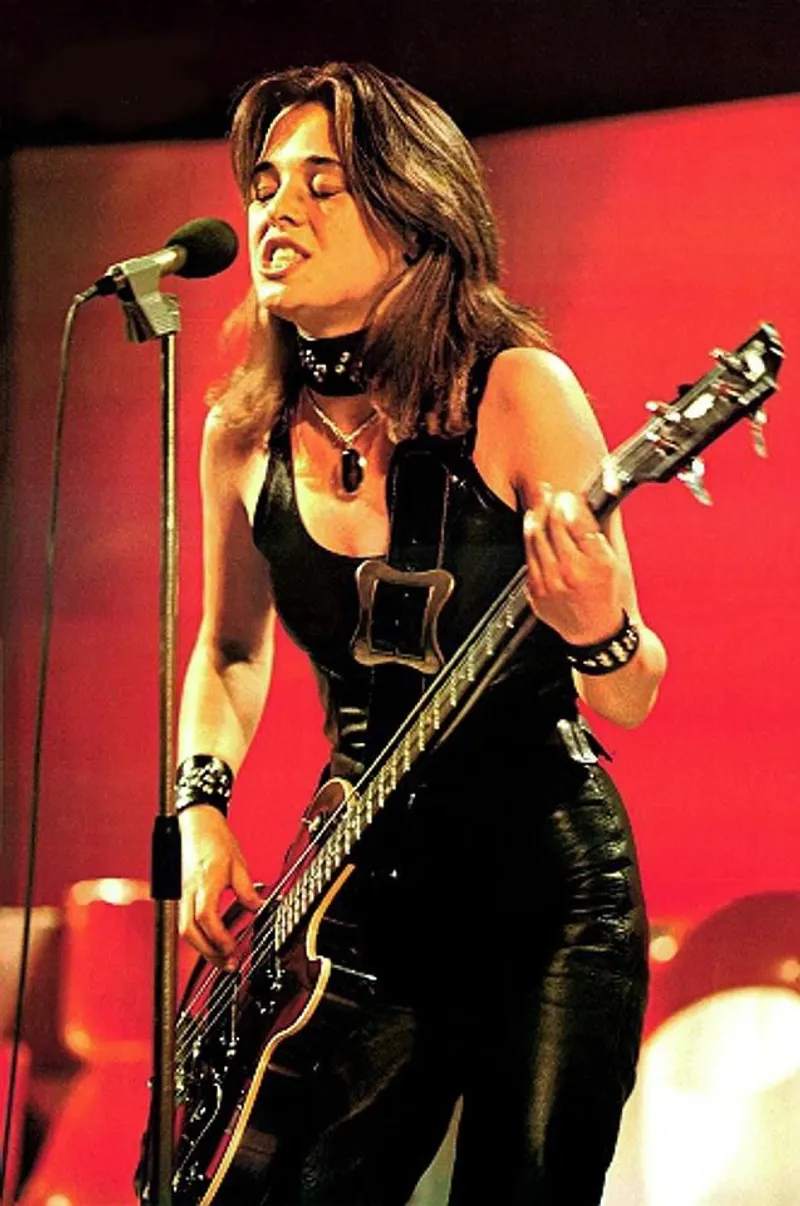
Before Joan Jett picked up a guitar, before Chrissie Hynde formed The Pretenders, there was Suzi Quatro.
She was among the very first women to front a rock band as the lead vocalist and bass player, doing it all while dressed in a black leather jumpsuit that became her trademark look.
Hits like “Can the Can” and “48 Crash” stormed the UK charts in the early 1970s, making Suzi a genuine rock star at a time when that role was almost exclusively reserved for men.
She didn’t soften her image to appeal to a wider audience — she doubled down on it.
Suzi Quatro essentially wrote the blueprint that countless female rockers would follow for decades to come.
12. Amy Lee (Evanescence)

When Evanescence released “Bring Me to Life” in 2003, Amy Lee’s voice stopped the entire music world in its tracks.
Combining classical piano training with metal-influenced rock arrangements, she carved out a sound that was completely her own — dramatic, emotional, and achingly powerful.
Amy wrote most of Evanescence’s lyrics herself, drawing from personal pain and spiritual questioning in ways that resonated with millions of fans who felt misunderstood.
The album “Fallen” sold over 17 million copies worldwide, which was a staggering achievement for a band that defied easy categorization.
She brought a theatrical, almost cinematic quality to rock music.
Amy Lee showed that vulnerability and strength aren’t opposites — sometimes they’re the exact same thing wearing different clothes.
13. Dolores O’Riordan (The Cranberries)
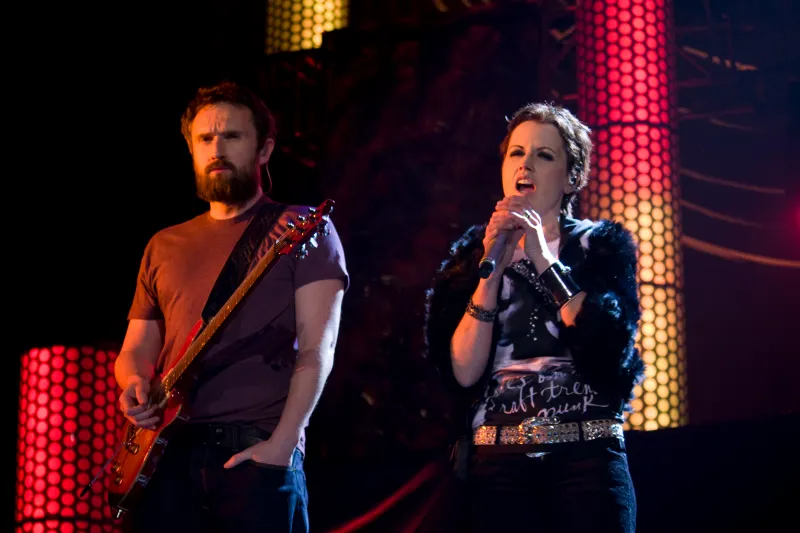
There is no voice in rock quite like Dolores O’Riordan’s.
Her distinctive Irish lilt and trademark vocal technique — a kind of trembling, keening wail — gave The Cranberries a sound that was immediately recognizable from the very first note.
She was the rare artist who needed no introduction.
“Zombie,” written as a protest against the IRA bombings in Northern Ireland, became one of the most powerful political rock songs of the 1990s. “Linger” and “Dreams” showed her softer, aching side.
Dolores could move between fury and tenderness without missing a single step.
Her passing in 2018 left a hole in rock music that simply cannot be filled.
What she built with The Cranberries remains timeless, honest, and deeply human.
14. Alanis Morissette

In 1995, a 21-year-old from Ottawa, Canada unleashed “Jagged Little Pill” on the world and changed alternative rock forever.
Alanis Morissette wrote with a brutal honesty that felt almost uncomfortable — and that’s exactly what made it so unforgettable.
She wasn’t polished or careful.
She was real.
Songs like “You Oughta Know” and “Ironic” captured the messy, contradictory feelings of young womanhood in ways that had never been articulated in rock before. “Jagged Little Pill” went on to sell over 33 million copies, becoming one of the best-selling debut albums in history.
Alanis proved that confessional songwriting wasn’t a weakness — it was a superpower.
She handed a generation of young women the words they didn’t know they needed.