 MomSkoop

Some women seem to have a magical handle on their money — no stress, no paycheck-to-paycheck scramble, just steady, confident financial progress. The truth is, there’s no magic involved.
Behind every financially independent woman is a set of smart, deliberate habits that anyone can learn and apply. Whether you’re just starting out or looking to level up, these moves can change everything.
1. She Lives Below Her Means, Not Above Them

Here’s a truth most people don’t want to hear: a bigger paycheck doesn’t automatically mean more wealth.
Financially independent women know this.
They resist the urge to upgrade their lifestyle every time income increases, choosing instead to keep their fixed expenses manageable and predictable.
Lifestyle inflation is sneaky.
A new car here, a fancier apartment there — suddenly, there’s nothing left to save.
By spending intentionally and asking “do I need this or just want it?” she creates breathing room in her budget.
That breathing room becomes savings.
Those savings become investments.
Investments become freedom.
Living below your means isn’t about deprivation — it’s about choosing your future self over instant gratification today.
2. She Pays Herself First

Most people pay bills, cover expenses, and save whatever’s left over — which is usually nothing.
Financially savvy women flip that script entirely.
Before a single dollar goes toward groceries, subscriptions, or coffee runs, a portion of every paycheck is automatically moved into savings or investments.
This “pay yourself first” strategy removes willpower from the equation.
The money moves before you can spend it, making saving feel effortless over time.
Even starting with just 10% can build momentum quickly.
Automating this process is key.
Set it up once, and your future self benefits every single payday without any extra effort.
Consistency beats perfection when building long-term financial security.
3. She Builds Multiple Income Streams

Relying on a single paycheck is like standing on one leg — it works until it doesn’t.
Women who achieve financial independence understand that diversifying income is one of the most powerful moves they can make.
A job loss or unexpected expense won’t topple their entire financial foundation.
Building additional income streams doesn’t require a dramatic leap.
It might start with freelancing on weekends, renting out a spare room, or investing in dividend-paying stocks.
Over time, small streams add up to something significant.
The goal isn’t to work more hours — it’s to make money work harder for you.
Multiple income sources create resilience, flexibility, and faster progress toward financial goals.
4. She Invests Consistently

Timing the market perfectly is a fantasy — even professional investors can’t do it reliably.
What actually builds wealth over time is consistency.
Financially independent women invest regularly, whether markets are up, down, or sideways, trusting the long-term power of compound growth.
Starting early matters enormously.
A woman who invests $200 a month at age 25 will accumulate far more than someone who waits until 35 to begin, even if that person invests twice as much.
Time is the most powerful ingredient in wealth-building.
Index funds, retirement accounts, and diversified portfolios are common starting points.
The key is to begin, stay consistent, and resist panic-selling when markets dip temporarily.
5. She Maintains an Emergency Fund

Life has a habit of throwing expensive surprises — a busted car engine, a sudden medical bill, an unexpected job gap.
Without a financial cushion, these moments can send someone spiraling into debt.
An emergency fund is the quiet backbone of financial stability, and smart women prioritize building one early.
Most financial experts recommend keeping three to six months of living expenses in an easily accessible savings account.
It’s not glamorous, and it doesn’t earn flashy returns — but it prevents one bad week from becoming a financial disaster.
Think of it as insurance for your peace of mind.
Knowing that unexpected expenses are covered makes every other financial decision calmer, clearer, and more confident.
6. She Avoids High-Interest Debt

Credit card debt with a 20% interest rate is essentially a financial leak draining your future wealth drop by drop.
Financially independent women treat high-interest debt like the emergency it actually is — something to eliminate quickly and avoid whenever possible.
Using credit strategically is different from carrying expensive balances.
A credit card used responsibly, paid in full each month, builds credit and earns rewards without costing a dime in interest.
The difference lies in discipline and awareness.
Before taking on any debt, she asks one critical question: does the return on this outweigh the cost?
If a loan funds education or a home, it may make sense.
If it funds impulse spending, it doesn’t.
7. She Continuously Learns About Money
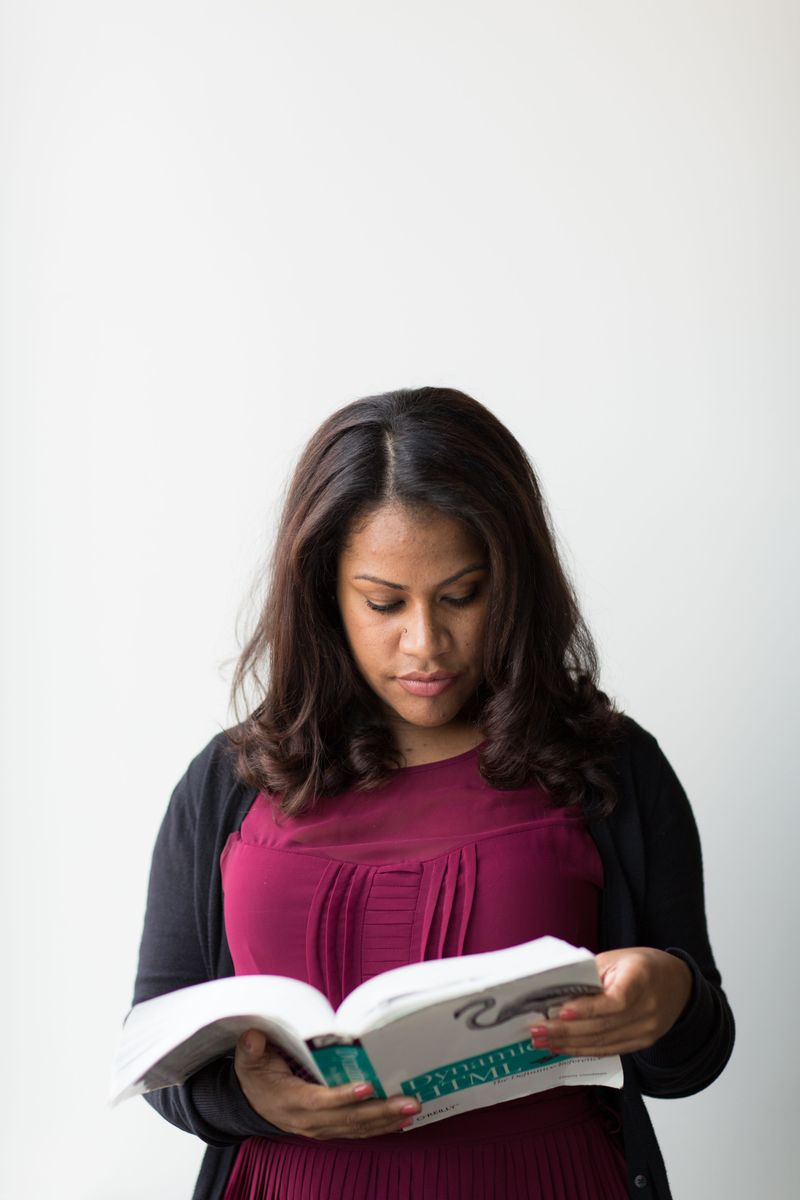
Financial literacy isn’t taught in most schools, which means most people enter adulthood without the knowledge they need to build wealth.
Women who achieve financial independence make up for that gap deliberately, treating money education as an ongoing priority rather than a one-time lesson.
Books like “Rich Dad Poor Dad,” podcasts from trusted financial educators, and reputable online resources can transform how someone thinks about money, taxes, and investing.
Even 20 minutes of reading a week compounds into powerful knowledge over time.
The financial world changes — tax laws shift, new investment tools emerge, and economic conditions evolve.
Staying curious and informed means she’s always equipped to make smarter decisions, no matter what the economy throws her way.
8. She Negotiates Her Worth

Studies consistently show that women who negotiate their salaries earn significantly more over their lifetimes than those who don’t.
Yet many women still hesitate to ask, worried about seeming pushy or ungrateful.
Financially independent women push past that discomfort — because they understand that negotiation is simply advocating for fair value.
Negotiation extends beyond salary.
It shows up when setting freelance rates, buying a car, or reviewing a contract.
Each successful negotiation compounds over years, adding thousands of dollars that can be saved and invested.
Preparation is everything.
Knowing your market value, researching industry standards, and practicing the conversation beforehand transforms a nerve-wracking ask into a confident, professional exchange.
She doesn’t apologize for knowing what she’s worth.
9. She Plans for the Long Term

Short-term thinking is one of the biggest obstacles to financial freedom.
Buying the latest gadget, booking an impulsive vacation, upgrading too soon — these choices feel rewarding in the moment but quietly chip away at long-term goals.
Financially independent women keep their eyes on the bigger picture while still enjoying today.
She sets clear, specific goals: pay off student loans by 30, own a home by 35, retire by 55.
These targets shape daily decisions in subtle but powerful ways.
When a choice comes up, she asks herself whether it moves her closer to or further from those goals.
Long-term planning isn’t about sacrificing joy — it’s about making sure the best chapters of life aren’t spent worrying about money.
10. She Treats Financial Independence as Freedom, Not Status

There’s a quiet but radical shift in mindset that separates truly financially free women from those chasing the appearance of wealth.
Rather than spending money to signal success or impress others, she spends it to buy options — the option to leave a bad job, take a sabbatical, or support causes she believes in.
Financial independence isn’t about designer bags or luxury vacations posted online.
It’s about waking up and knowing that your choices are your own.
That kind of security is invisible from the outside but deeply felt from within.
When money becomes a tool for freedom rather than a measure of worth, everything changes.
Decisions become clearer, stress decreases, and life feels more intentionally designed — exactly the way she wants it.