 MomSkoop
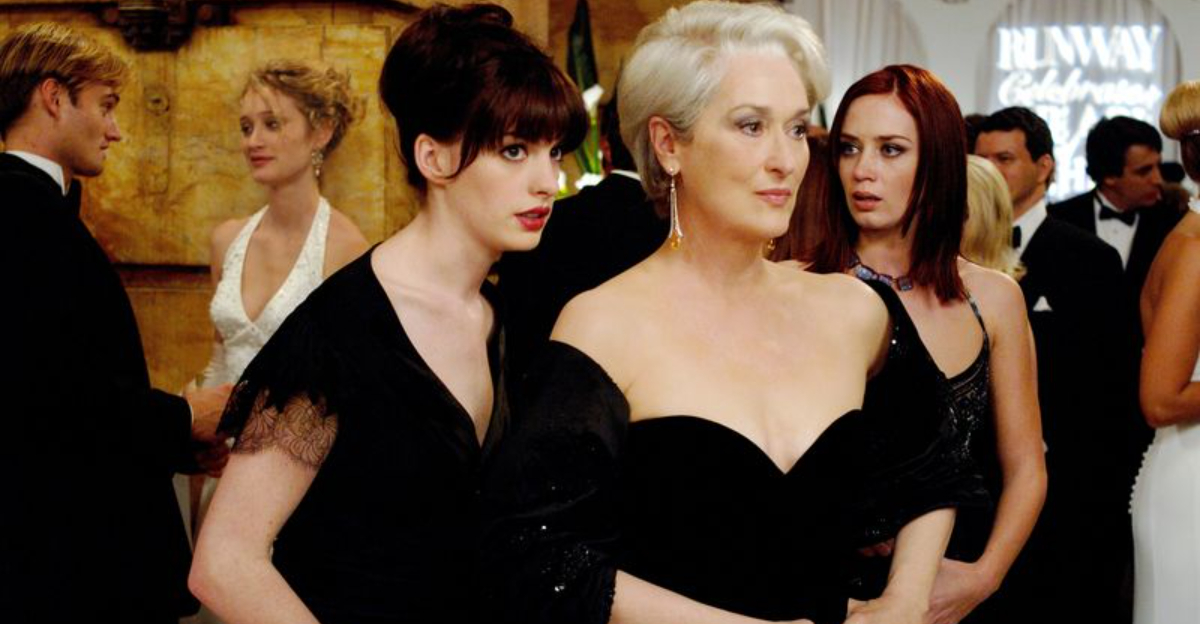
Some movies are so entertaining that we forget to question what they’re actually teaching us. From classic romances to crime dramas, plenty of beloved films send mixed or even harmful messages hiding behind great storytelling.
It’s easy to get swept up in the style, the music, or the charismatic characters without noticing the moral confusion underneath. These 13 fan-favorite films are worth a second, more critical look.
1. The Wolf of Wall Street (2013)
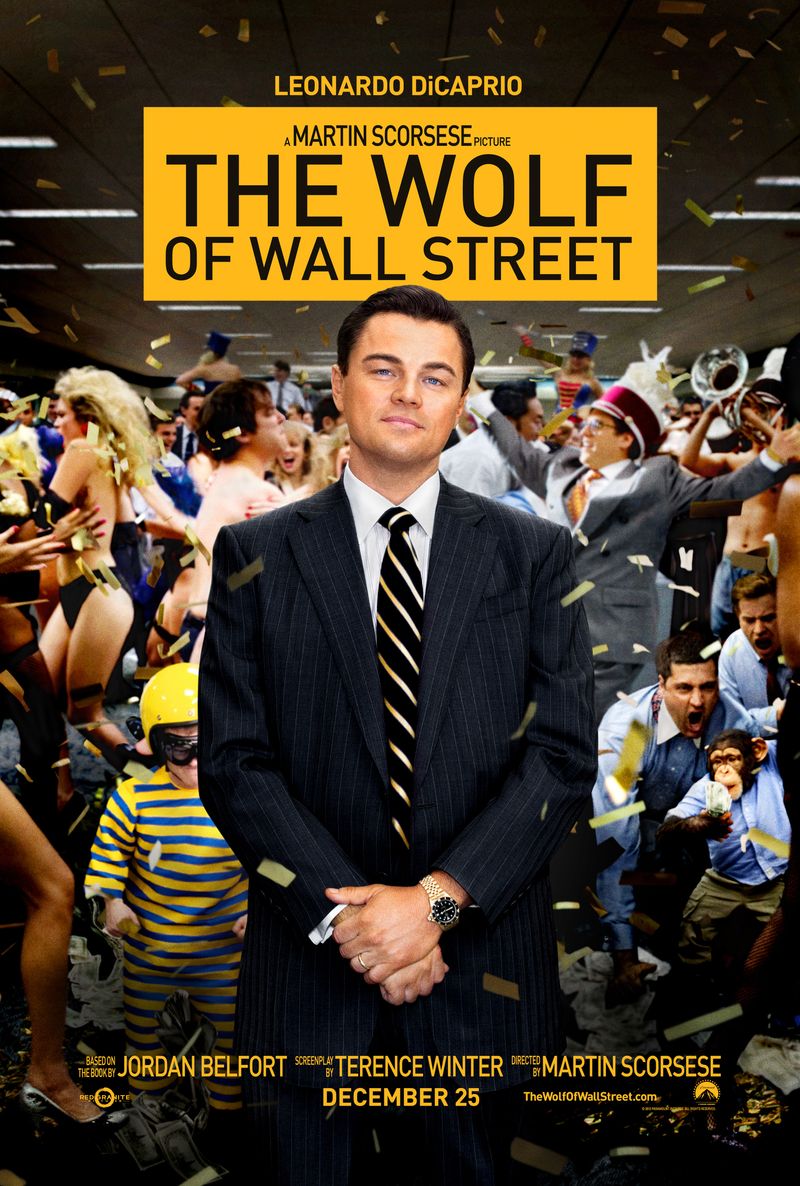
Few movies make fraud look this fun — and that’s exactly the problem.
Martin Scorsese designed The Wolf of Wall Street as a cautionary tale about greed, but many viewers walked out wanting Jordan Belfort’s lifestyle instead of condemning it.
The three-hour runtime is packed with parties, private jets, and piles of cash.
The consequences — prison, ruined relationships, destroyed lives — get far less screen time than the celebrations.
When style this compelling competes with substance, style often wins.
Belfort himself profited from the film’s release, which adds another uncomfortable layer.
Satire only works when the audience recognizes it as satire — and this one frequently gets lost in translation.
2. Grease (1978)
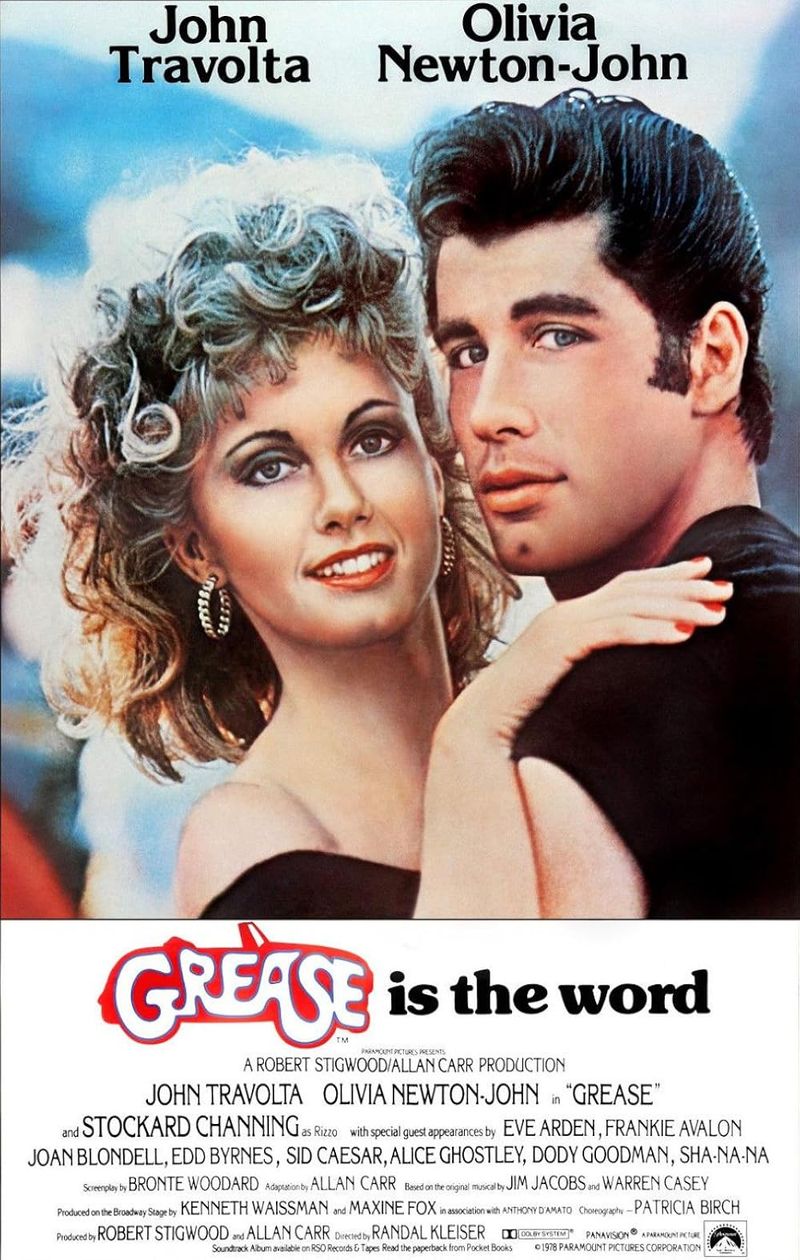
“Tell me about it, stud” — four words that launched a thousand debates.
Grease is a beloved musical, but its ending has bothered thoughtful viewers for decades.
Sandy completely transforms her personality and appearance to win Danny’s love, while Danny’s half-hearted attempt to change is quickly abandoned.
The film frames Sandy’s makeover as empowering, but there’s a thin line between self-expression and erasing yourself for someone else’s approval.
Young audiences absorbing this message may not immediately notice the difference.
Danny does briefly try joining the track team, but the movie rewards Sandy’s transformation far more visibly.
Romantic chemistry is electric in Grease — it’s just a shame the lesson underneath got tangled up in the poodle skirts.
3. The Devil Wears Prada (2006)
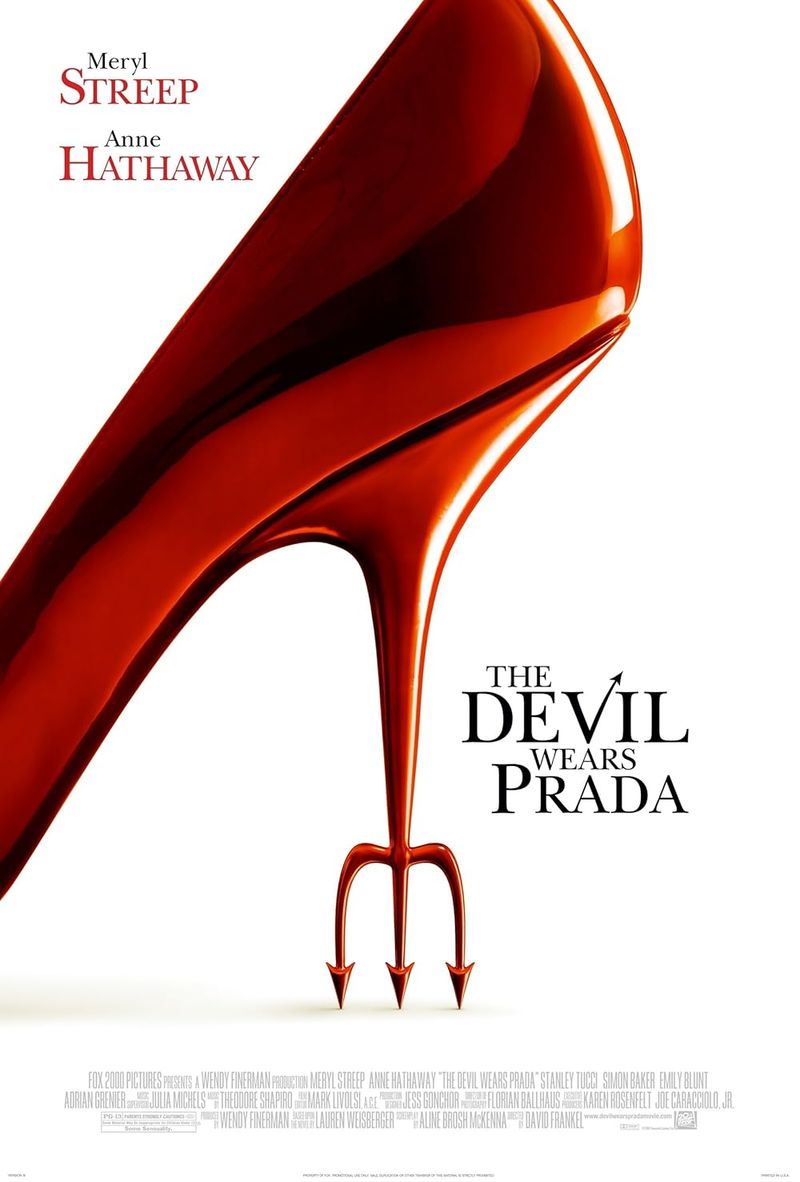
Ambition looks incredible in a Chanel coat.
The Devil Wears Prada follows Andy Sachs as she survives working for the terrifying Miranda Priestly, and it’s thrilling to watch her rise.
But somewhere between the makeover montages and the Paris trip, the film blurs an important line.
Miranda’s cruelty, unreasonable demands, and complete disregard for her employees’ personal lives are presented as signs of greatness rather than red flags.
Andy eventually walks away, but not before the audience has spent two hours finding Miranda oddly admirable.
Toxic workplaces are genuinely dangerous, and glamorizing them — even in fiction — can make real people hesitant to speak up.
Great fashion and sharp writing can’t fully cover up that uncomfortable truth hiding in plain sight.
4. Fight Club (1999)
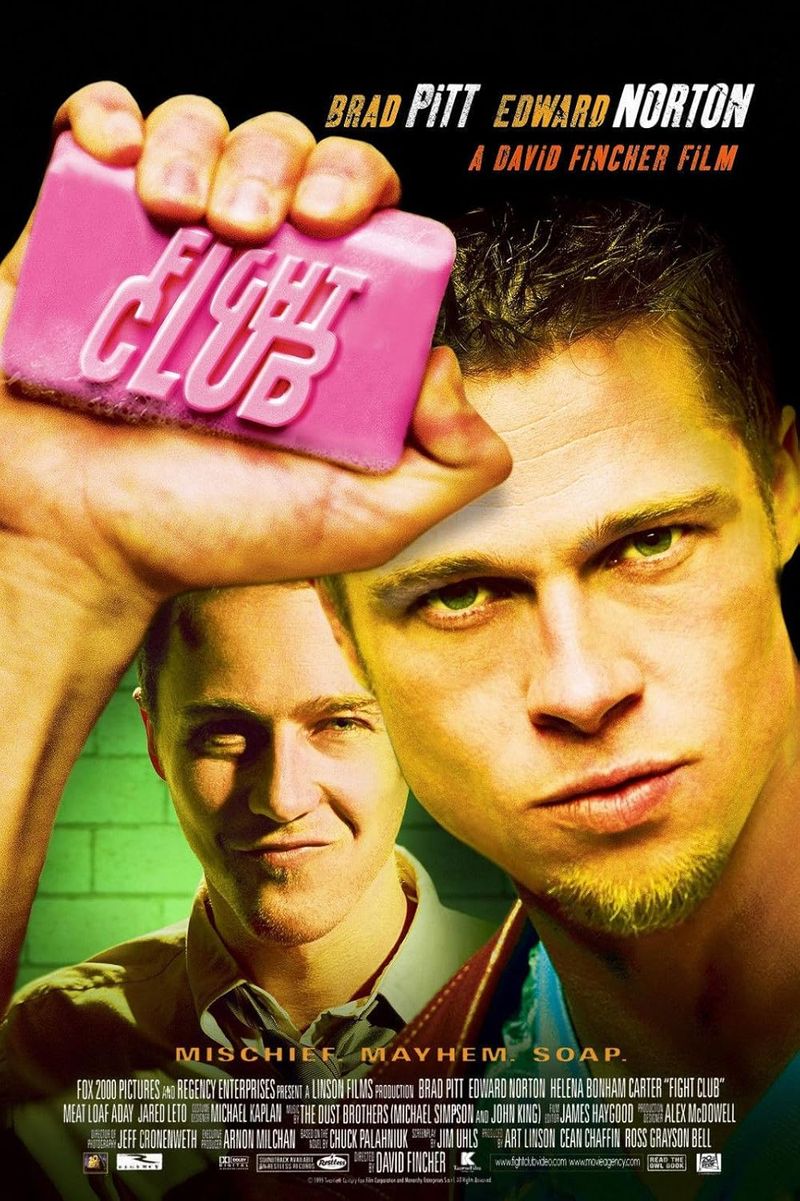
Brad Pitt’s Tyler Durden became one of cinema’s most quoted characters — which is a fascinating problem, considering he’s meant to be a warning.
David Fincher built Fight Club as a sharp critique of toxic masculinity and consumer culture, but a significant chunk of the audience missed the memo entirely.
Durden’s speeches about freedom and rebellion feel genuinely electrifying on screen.
The film wants you to recognize that his philosophy leads to chaos and destruction, but his charisma makes that difficult.
Many viewers adopted his worldview as a personal manifesto instead.
When a cautionary character becomes a role model, the satire has partially failed its audience.
Fight Club is brilliant filmmaking — it just accidentally created the very phenomenon it was trying to criticize.
5. Joker (2019)
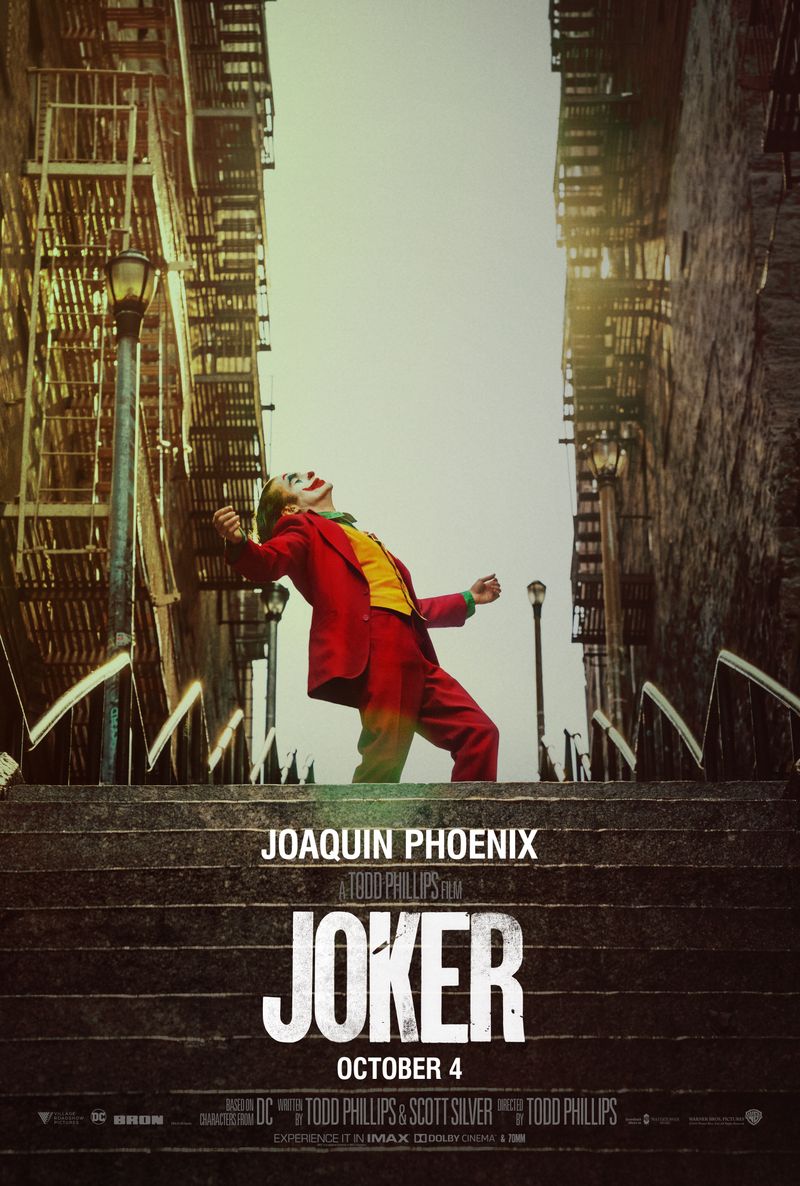
Arthur Fleck’s story is genuinely heartbreaking — a mentally ill man failed repeatedly by society, healthcare systems, and the people around him.
Joker asks us to understand how someone reaches a breaking point, which is a worthwhile conversation to have.
The problem arrives when understanding tips into glorification.
Several scenes frame Arthur’s violent acts with a cinematic beauty that feels celebratory rather than tragic.
Audiences who already feel marginalized sometimes leave the theater seeing Fleck as a hero rather than a cautionary portrait.
Director Todd Phillips intended a character study, not a blueprint.
But intent and reception don’t always match, especially when a film makes revenge look this visually stunning.
Mental health advocacy groups raised serious concerns about the film’s messaging — and those concerns deserve genuine attention.
6. Scarface (1983)
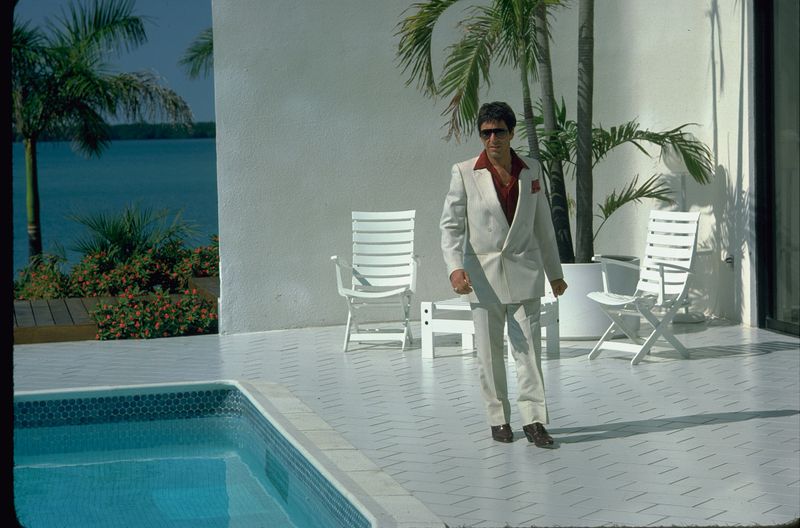
“Say hello to my little friend” has been printed on more merchandise than most motivational quotes.
Tony Montana’s rise from Cuban refugee to Miami drug lord is one of cinema’s most gripping stories — and one of its most frequently misread ones.
Brian De Palma made Scarface as a tragedy.
Tony’s paranoia, isolation, and violent end are the entire point of the film.
Yet the posters, the T-shirts, and the bedroom walls of millions of fans suggest the downfall gets skipped over in favor of the swagger.
Tony destroys his friendship, his marriage, his sister’s life, and ultimately himself.
The movie shows all of this clearly.
The audience just tends to rewind to the mansion scenes instead of sitting with what they cost.
7. American Psycho (2000)
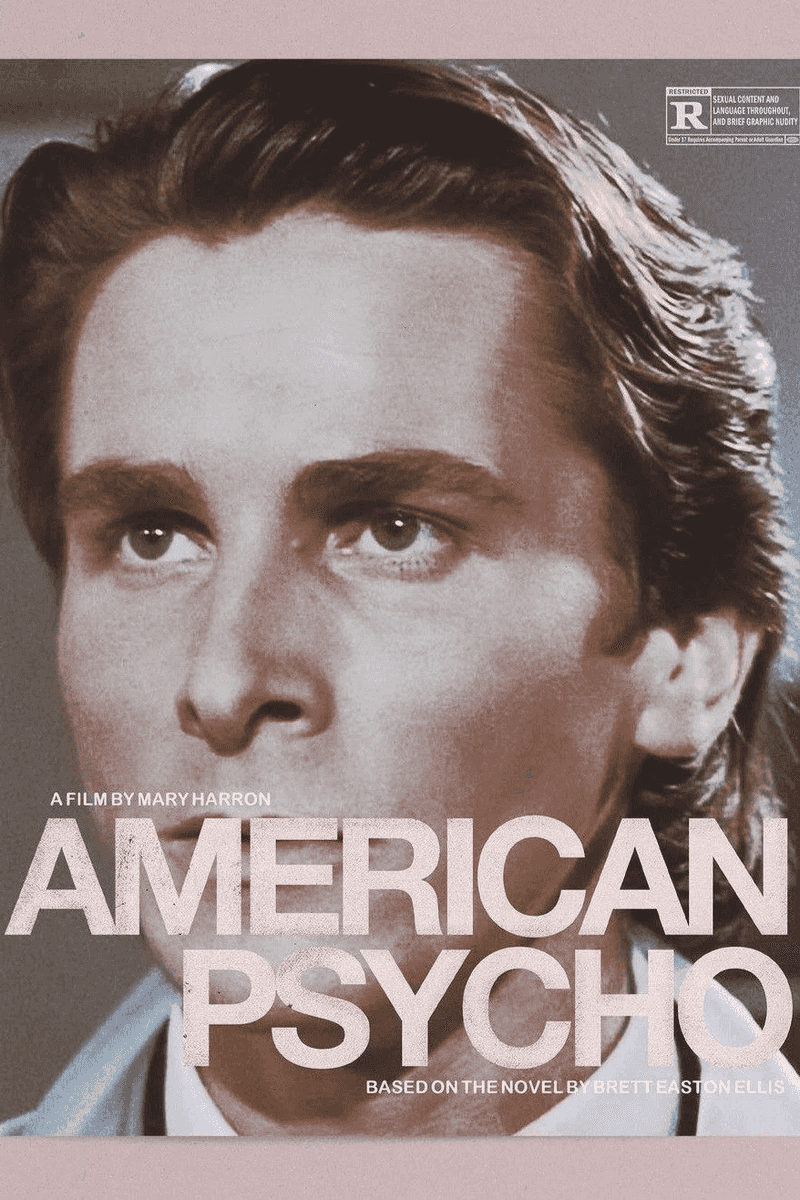
Patrick Bateman has become a strange kind of internet icon — and that would horrify the people who made this film.
Mary Harron directed American Psycho as a razor-sharp satire of 1980s corporate masculinity, materialism, and the emptiness beneath polished surfaces.
Bateman obsesses over business card fonts, restaurant reservations, and designer suits while possibly committing murders.
The joke is that no one around him notices or cares — because they’re equally hollow.
The satire is pointed and deliberate.
Online, however, Bateman’s morning skincare routine and cold confidence get shared as aspirational content, completely stripped of context.
When a character designed to expose toxic values becomes a lifestyle aesthetic, something has gone seriously sideways in how we consume stories.
8. The Greatest Showman (2017)
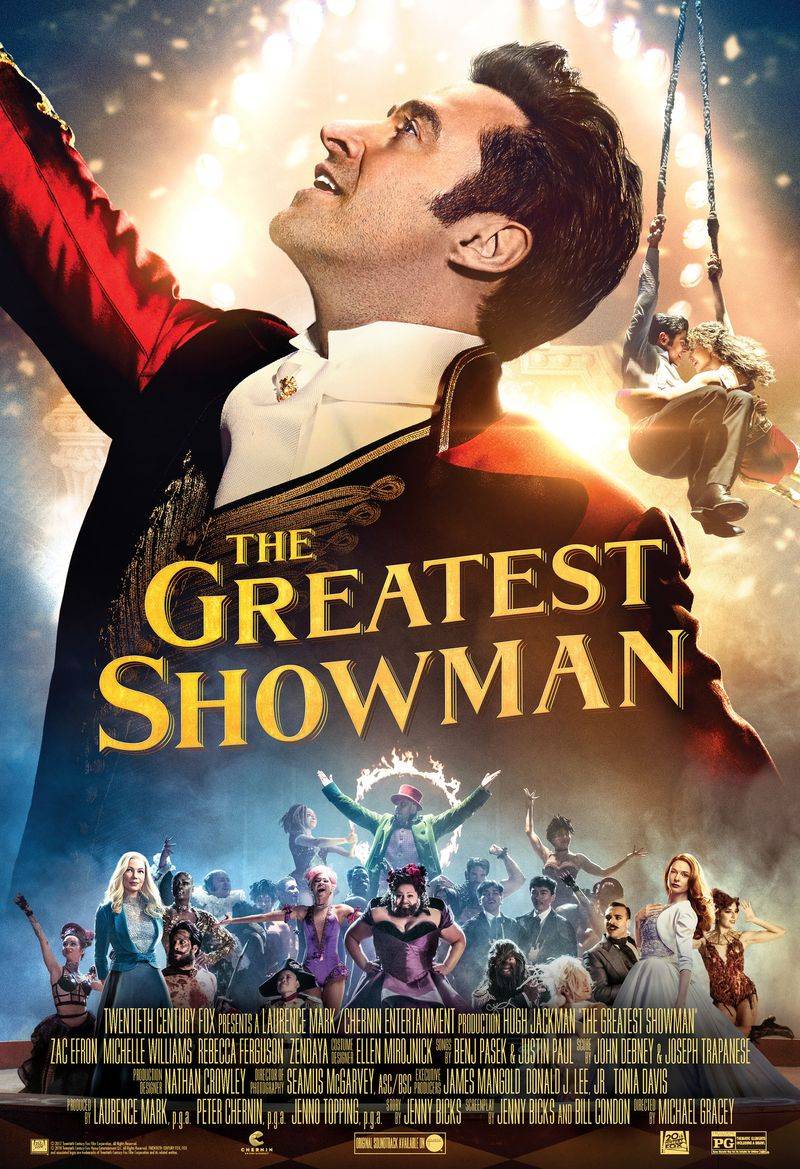
Few movie soundtracks hit as hard as The Greatest Showman. “This Is Me” became an anthem for self-acceptance, and Hugh Jackman’s P.T.
Barnum is portrayed as a scrappy dreamer who built something magical from nothing.
It’s genuinely uplifting to watch.
Here’s the historical catch: the real Barnum was not exactly a champion of the people he employed.
He routinely exploited performers with disabilities, fabricated stories about them, and treated human beings as profitable curiosities rather than people deserving dignity and fair pay.
The film acknowledges some ethical tension but quickly resolves it with a big musical number.
Catchy songs are powerful tools — powerful enough, apparently, to rewrite a complicated man’s legacy into something much more comfortable and considerably less accurate than the truth.
9. Breakfast at Tiffany’s (1961)
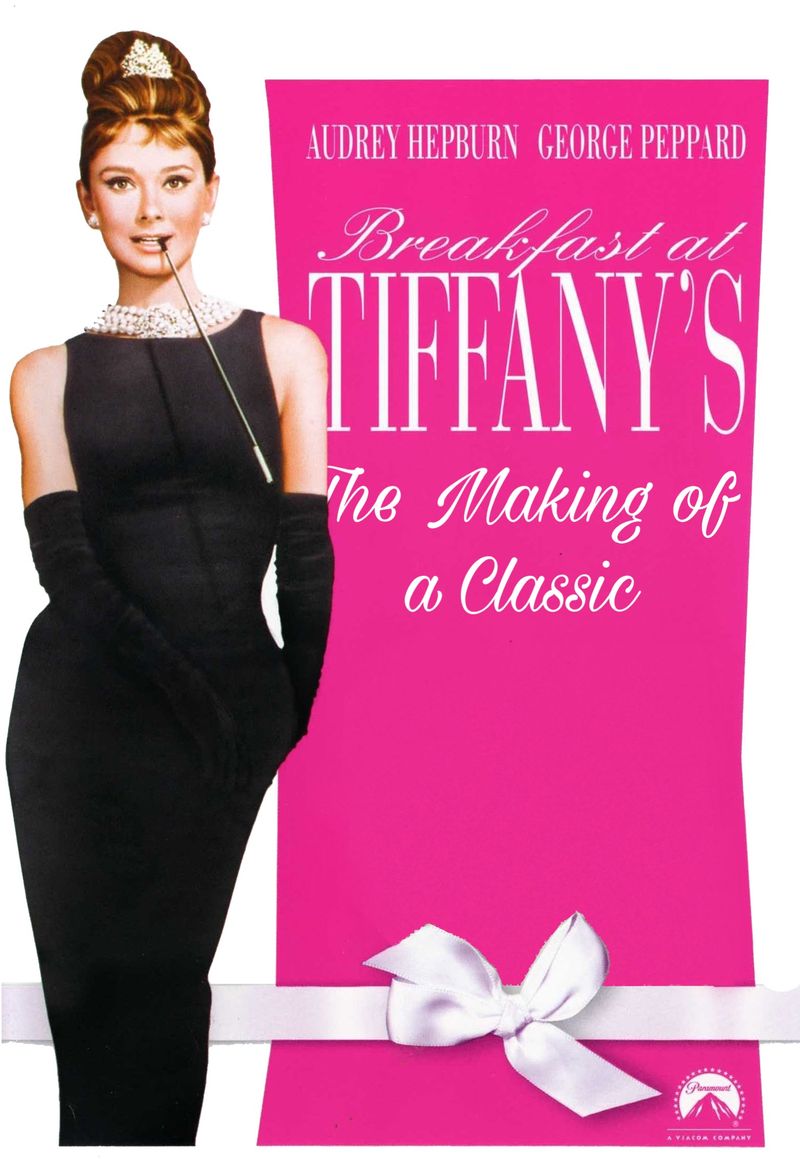
Audrey Hepburn made Holly Golightly one of cinema’s most enduring characters — mysterious, charming, and completely terrified of genuine emotional connection.
That last part is the piece audiences tend to romanticize most dangerously.
Holly runs from intimacy, avoids real commitment, and refuses to name her cat because naming things means caring about them.
The film treats these behaviors as whimsical quirks rather than patterns that cause real harm to herself and the people who love her.
Paul eventually breaks through her walls with a rain-soaked declaration, and the movie rewards emotional avoidance with a fairy-tale ending.
Real relationships rarely work that way.
Emotional unavailability isn’t charming — it’s painful, and framing it as romantic teaches young viewers a genuinely unhelpful lesson about love.
10. Mean Girls (2004)
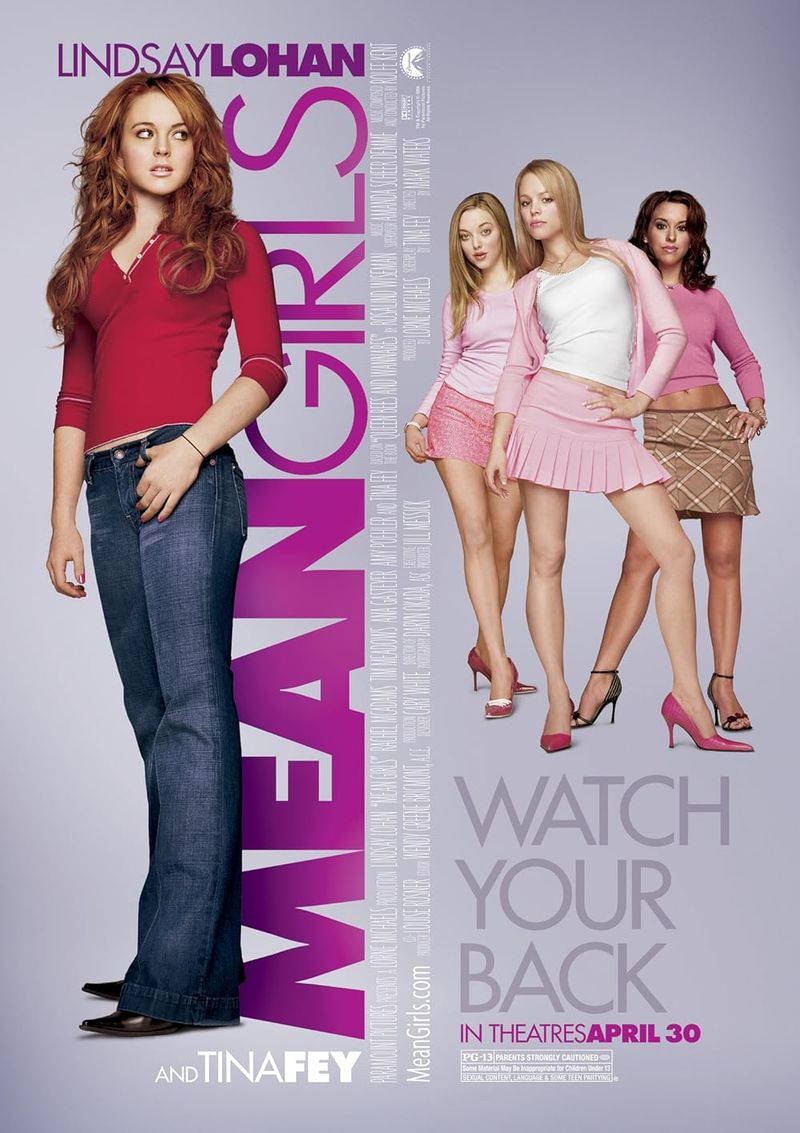
Tina Fey wrote Mean Girls to expose the cruelty of high school social hierarchies — and she did it brilliantly.
The Plastics are awful, and the movie knows it.
By the end, Cady learns that popularity built on cruelty is hollow and damaging.
The lesson lands.
The problem is everything that comes before it.
Watching the Plastics dominate, humiliate, and manipulate for most of the film is genuinely entertaining, which accidentally makes social cruelty look exciting and effective.
Studies on media influence suggest that the behaviors shown most frequently on screen carry more weight than the moral delivered at the end.
Mean Girls condemns bullying in its final act, but spends the majority of its runtime making it look like the most powerful game in school.
11. Pretty Woman (1990)
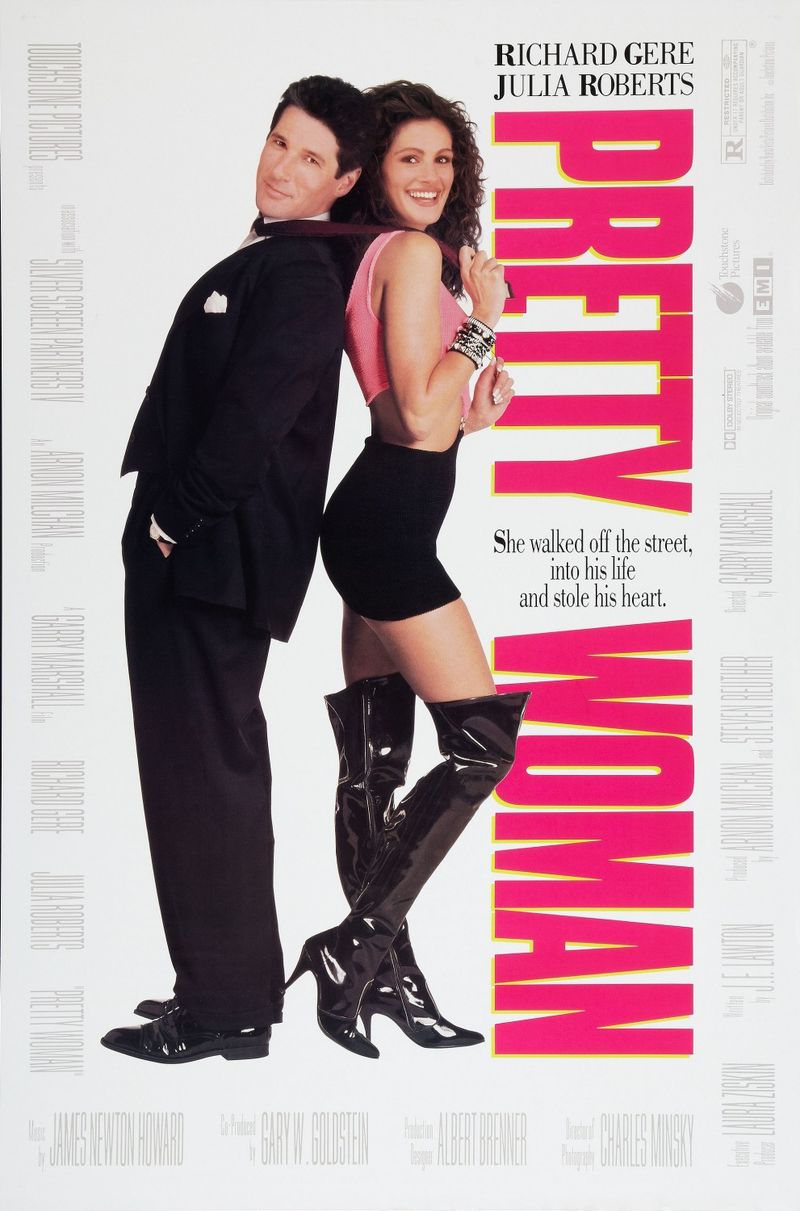
Richard Gere climbing a fire escape with flowers is one of cinema’s most iconic romantic moments.
Pretty Woman is undeniably charming, and Julia Roberts’ performance is genuinely magnetic.
As a feel-good fantasy, it delivers everything it promises.
Beneath the fairy-tale glow, though, the film suggests that the right wealthy man can solve every problem a woman faces — financial instability, lack of opportunity, social marginalization.
Vivian’s circumstances don’t actually change because she grows or builds something; they change because Edward chooses her.
Romantic love is wonderful, but it isn’t a socioeconomic policy.
Framing a relationship as the solution to deeply rooted inequality sends a message that keeps real conversations about systemic issues comfortably off the table and safely out of frame.
12. The Social Network (2010)
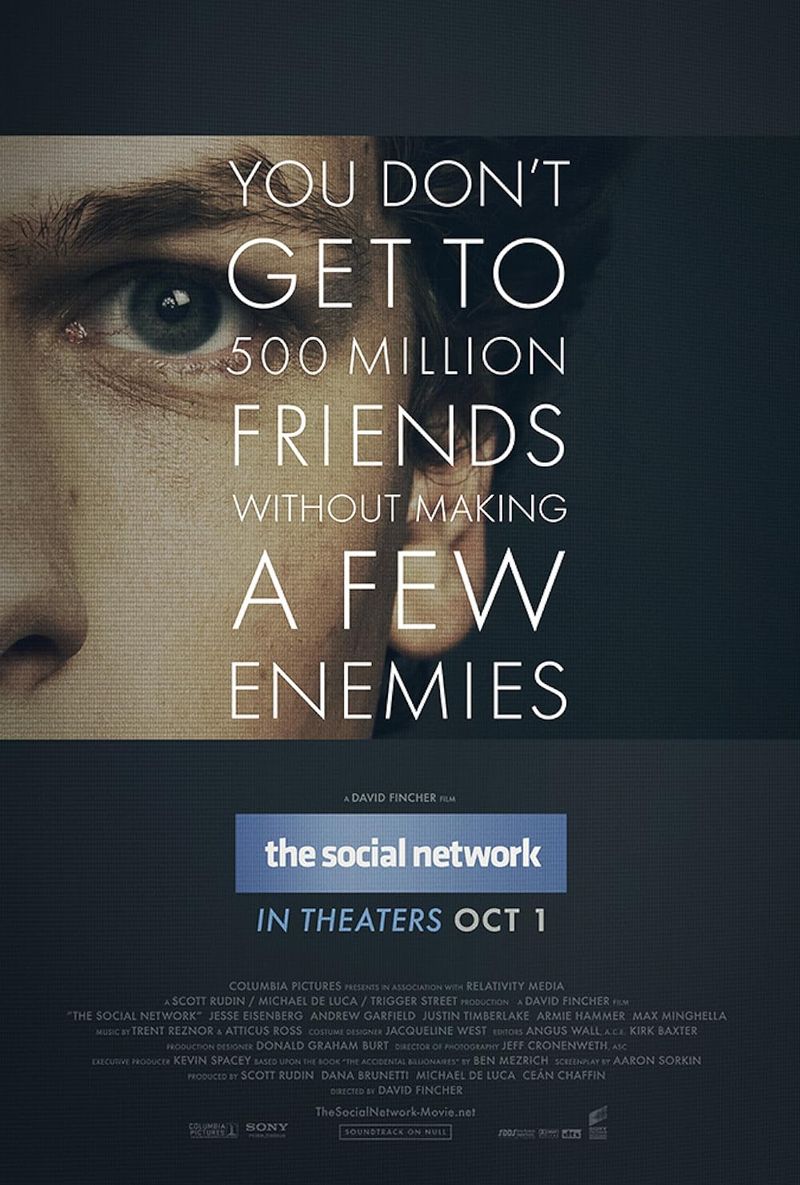
Aaron Sorkin’s script is one of the sharpest ever written, and The Social Network is a masterclass in storytelling.
Mark Zuckerberg’s journey from Harvard dorm room to global tech empire is told with incredible energy and intelligence.
It’s hard not to be riveted.
But the film also presents betrayal as almost inevitable on the road to greatness.
Zuckerberg freezes out his best friend, allegedly steals an idea, and burns relationships on his way to building a billion-dollar company.
The movie doesn’t fully celebrate this — but it doesn’t exactly condemn it either.
Young entrepreneurs watching the film absorb the unspoken suggestion: ruthlessness gets results.
Ambition and integrity can absolutely coexist, but The Social Network rarely pauses long enough to show that version of the story.
13. Gone with the Wind (1939)
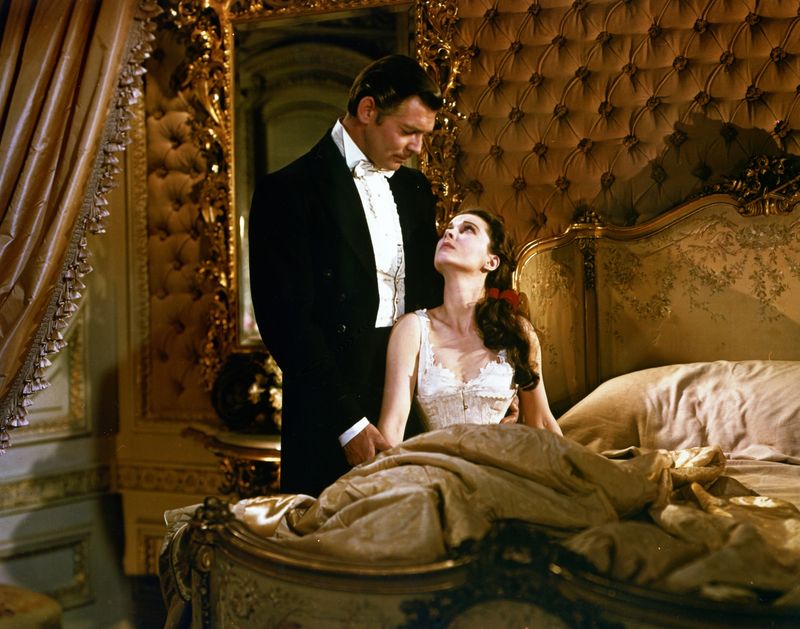
Gone with the Wind is undeniably a cinematic landmark — sweeping, beautifully shot, and emotionally gripping.
For decades it was considered the gold standard of Hollywood epic filmmaking, and its technical achievements remain genuinely impressive even today.
The moral problems, however, are enormous and well-documented.
The film portrays the antebellum South with deep nostalgia, depicting enslaved people as content and loyal rather than as human beings living under brutal oppression.
The “Lost Cause” mythology it reinforces has caused real historical harm by softening how people understand American slavery.
Appreciating a film’s craft while honestly confronting its harmful perspective is something audiences have to learn to do simultaneously.
Loving a movie doesn’t require defending everything it believes — and this one believes some deeply troubling things about history.