 MomSkoop
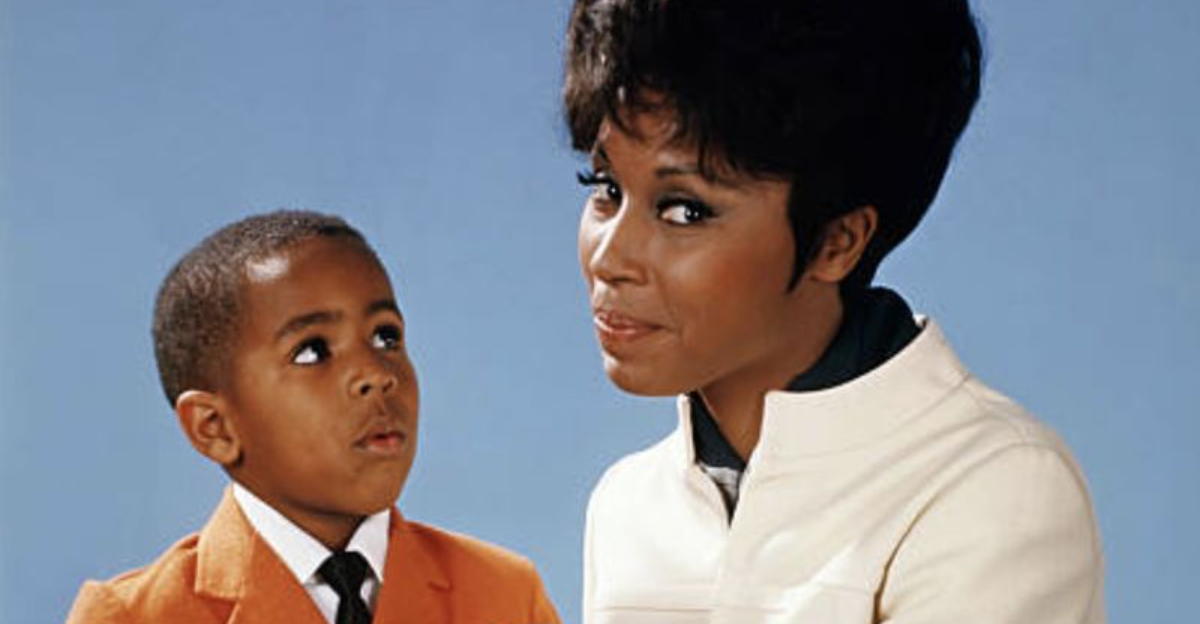
The 1960s were a wild, exciting time for television. While most people expected TV to offer simple entertainment, a handful of bold creators were busy making shows that tackled big ideas way before their time.
From social justice to artificial intelligence, these programs asked questions that still feel relevant today. Get ready to rediscover thirteen unforgettable shows that were truly ahead of the curve.
1. Star Trek (1966–1969)
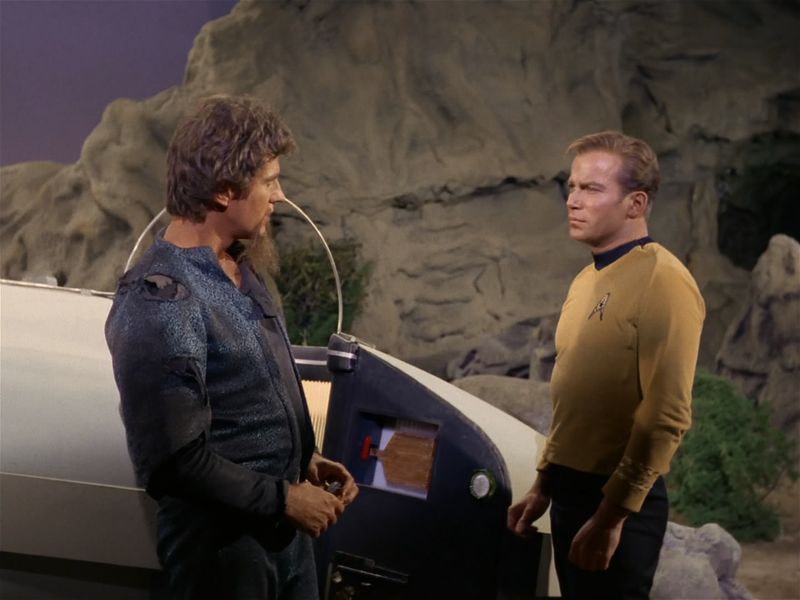
Before anyone had a smartphone or dreamed of video calling, Star Trek imagined a future where humanity had moved past racism, poverty, and war.
Captain Kirk led a crew of different races and genders working side by side as equals — something revolutionary for 1966 television.
The show tackled civil rights, anti-war themes, and even featured one of TV’s first interracial kisses.
Creator Gene Roddenberry used outer space as a safe stage to explore very real human problems.
Viewers were watching something that felt like tomorrow’s news dressed up in silver jumpsuits.
Star Trek proved science fiction could carry serious social messages without losing its sense of wonder and adventure.
2. The Twilight Zone (1959–1964)
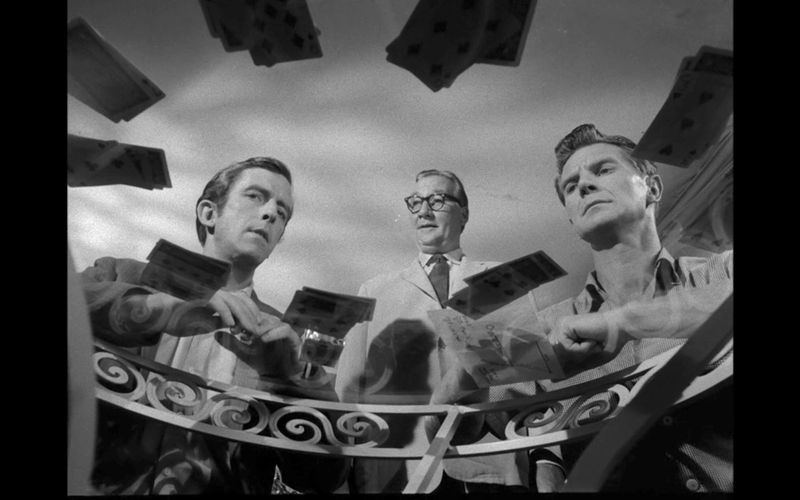
Rod Serling had a gift for making people uncomfortable in the best possible way.
Each episode of The Twilight Zone was a short, sharp story that wrapped social criticism inside a twist ending — like a lesson hidden inside a Halloween costume.
The show addressed racism, nuclear fear, conformity, and government control years before these topics became mainstream TV conversations.
Serling used fantasy and horror because networks were less likely to censor a story about aliens than one about politics.
That clever workaround made The Twilight Zone one of the most subversive shows ever aired.
Decades later, its influence echoes through nearly every genre series on television today.
3. The Prisoner (1967–1968)
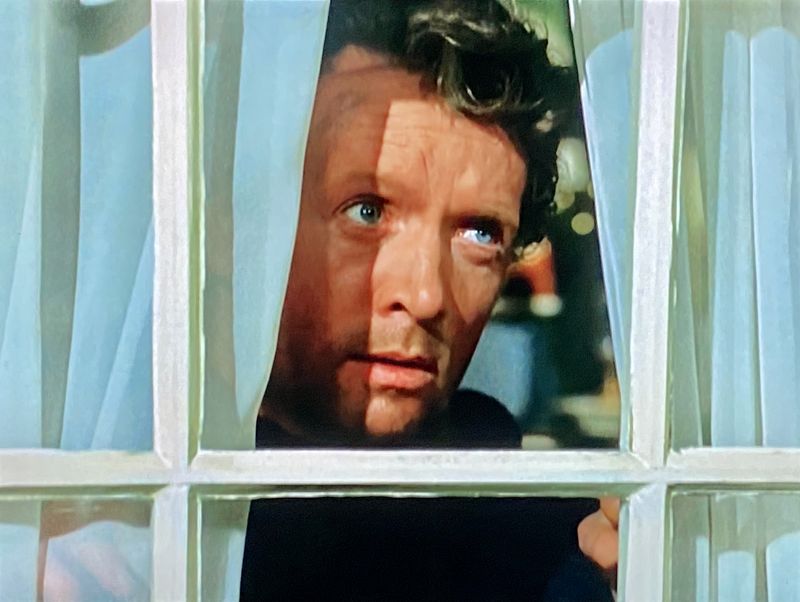
Imagine quitting your job and waking up trapped in a cheerful fake village where nobody has a name — only a number.
That was the unsettling world of The Prisoner, a British series starring Patrick McGoohan as a spy who refuses to explain why he resigned.
The show asked deep questions about identity, freedom, and government surveillance that feel shockingly modern in today’s age of data tracking and social media.
Each episode peeled back another layer of the strange community controlling Number Six’s life.
The Prisoner was confusing, brilliant, and deliberately uncomfortable.
It challenged viewers to think rather than just watch — a bold move for late-1960s television that still holds up today.
4. Mission: Impossible (1966–1973)
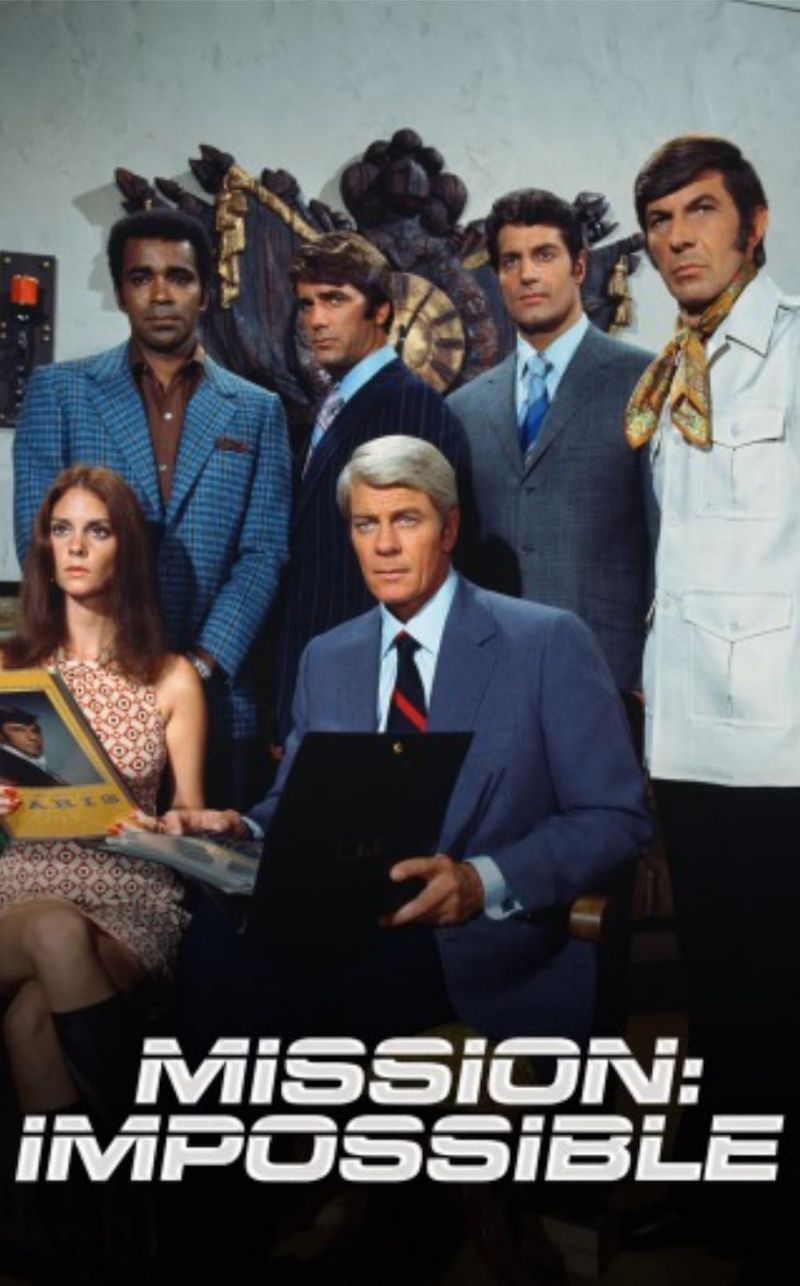
Long before action movies filled theaters with impossible stunts and digital effects, Mission: Impossible was wowing audiences with clever disguises, fake identities, and team-based problem solving every single week.
The IMF crew never relied on one hero — they worked as a unit where everyone’s skill mattered.
The show also introduced audiences to tech that felt like science fiction: voice-altering devices, hidden cameras, and remote-controlled gadgets.
Some of those ideas actually inspired real-world technology development later on.
What made the series feel ahead of its time was its procedural complexity.
Episodes demanded attention and rewarded smart viewers.
Today’s heist dramas and spy thrillers owe a huge creative debt to this trailblazing 1960s classic.
5. Dark Shadows (1966–1971)
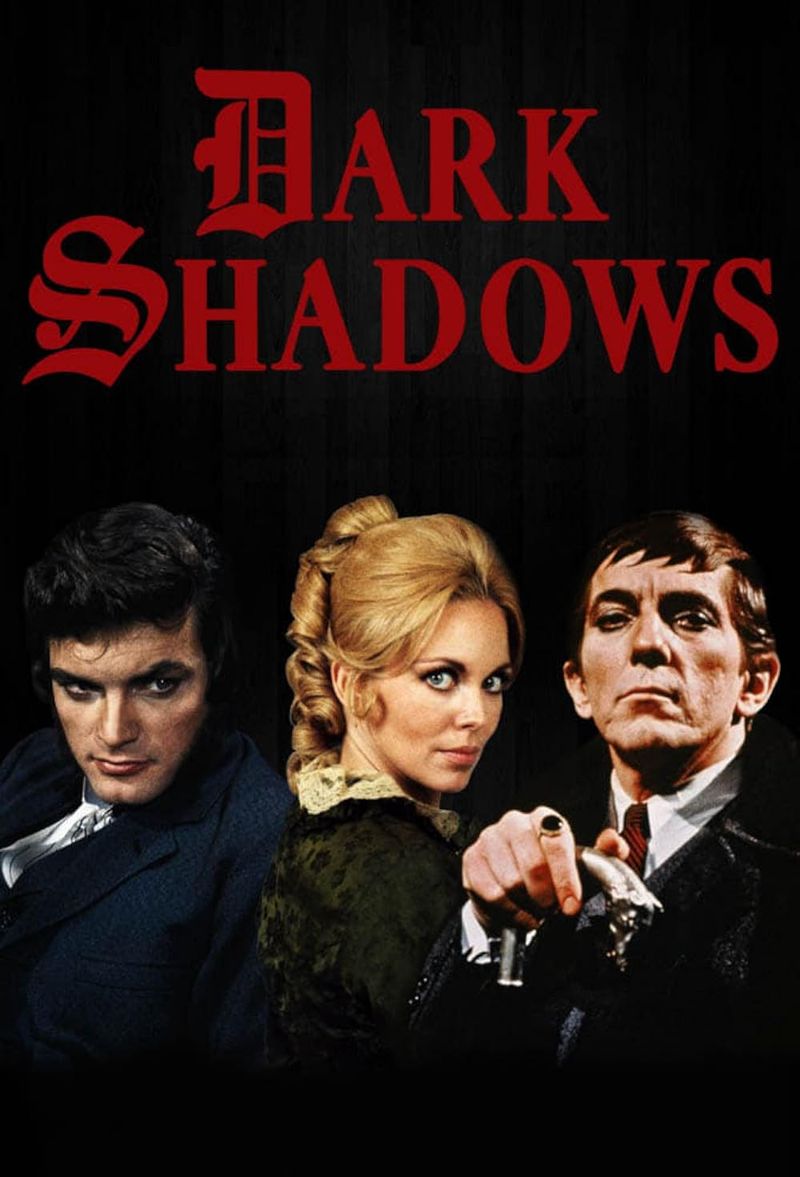
A daytime soap opera about a 200-year-old vampire sounds like something from today’s streaming era, but Dark Shadows was doing it in 1966.
The show blended horror, romance, and supernatural mystery into a daily drama that housewives and teenagers both obsessed over.
Barnabas Collins was one of TV’s first sympathetic monsters — a vampire who hated what he was and longed for human connection.
That emotional complexity predated modern vampire stories like Twilight and True Blood by decades.
Dark Shadows also experimented with time travel storylines and gothic storytelling that felt wildly original for daytime TV.
It proved that horror and heart could coexist on screen in ways that audiences were absolutely hungry for.
6. The Avengers (1961–1969)
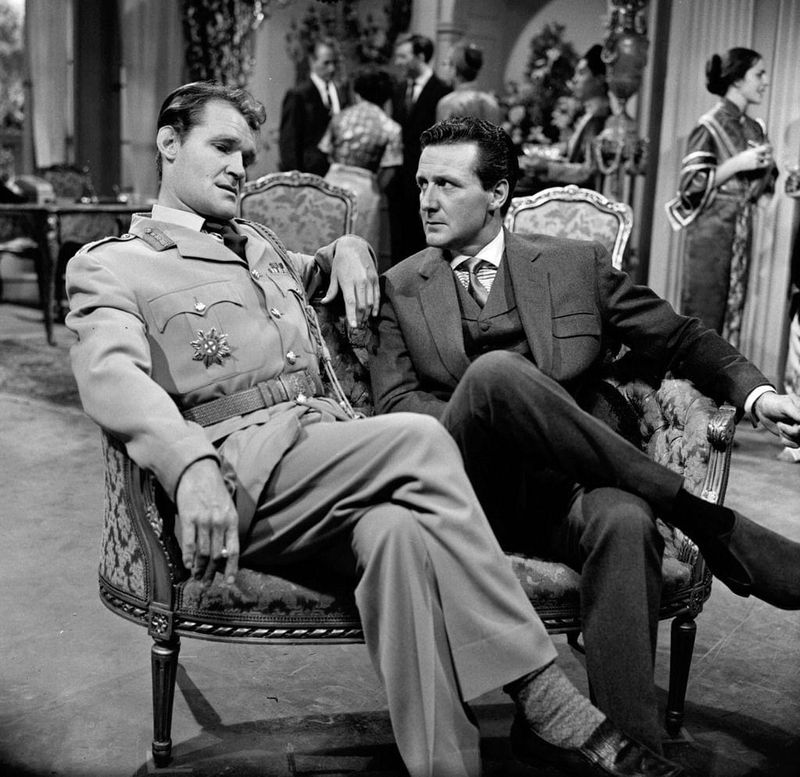
Emma Peel was not a sidekick.
She was brilliant, athletic, witty, and entirely in charge of her own destiny — a female TV character who fought villains as an equal partner long before that became standard.
The Avengers was quietly radical in its portrayal of gender roles.
The British series wrapped spy adventures in surreal, almost dreamlike storytelling that felt more like art house cinema than weekly television.
Strange villains, bizarre plots, and sharp humor gave it a tone unlike anything else on air at the time.
Diana Rigg’s performance as Emma Peel became a cultural touchstone for strong female characters.
The show’s stylish confidence and gender-forward storytelling were genuinely revolutionary for early 1960s audiences tuning in each week.
7. Batman (1966–1968)
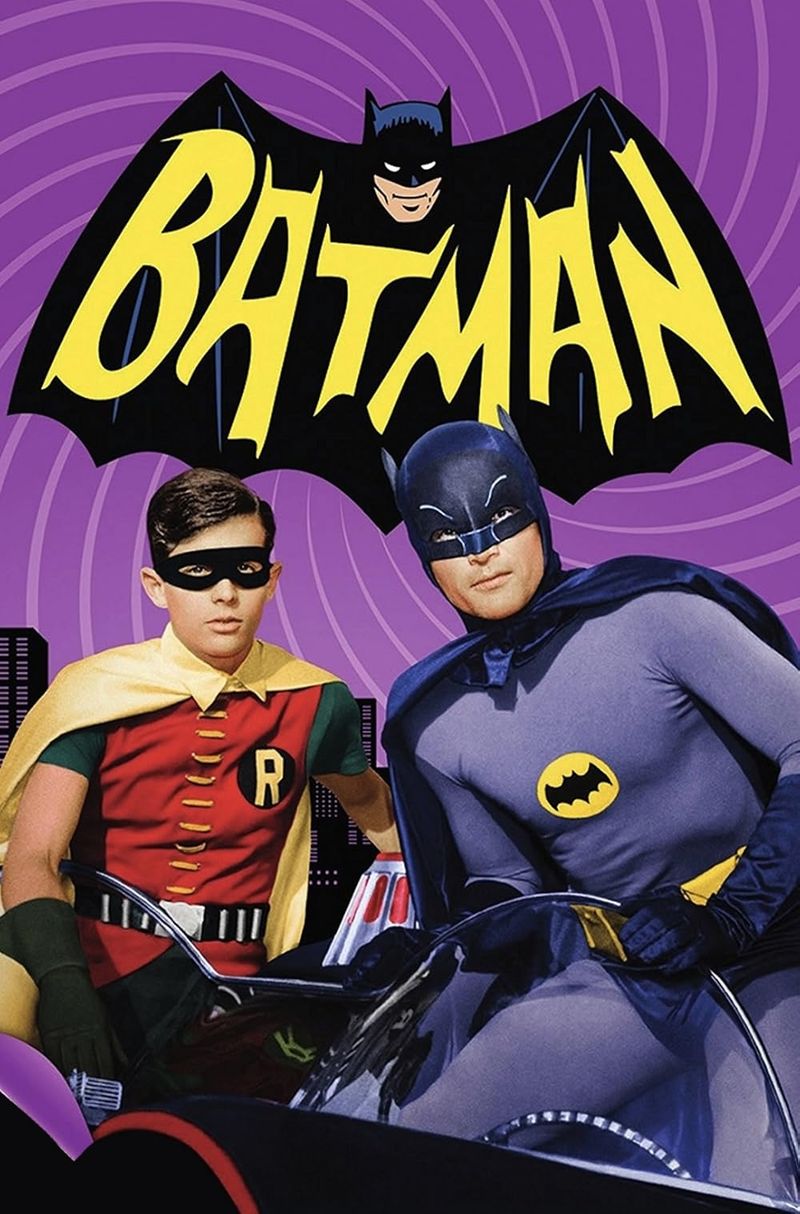
On the surface, Batman looked like a silly show full of colorful tights and ridiculous villains.
But underneath the camp, it was doing something remarkably clever — playing with the idea of media spectacle, celebrity, and the absurdity of heroism in ways that felt almost postmodern.
The show knew exactly how ridiculous it was and leaned into it with a wink.
That self-awareness was years ahead of the ironic, meta storytelling style that became popular in the 1990s and beyond.
Guest stars lined up to play over-the-top villains because the show was genuinely fun to make.
Batman also proved that comic book adaptations could be taken seriously as entertainment — a conversation Hollywood is still having today.
8. Rowan & Martin’s Laugh-In (1968–1973)
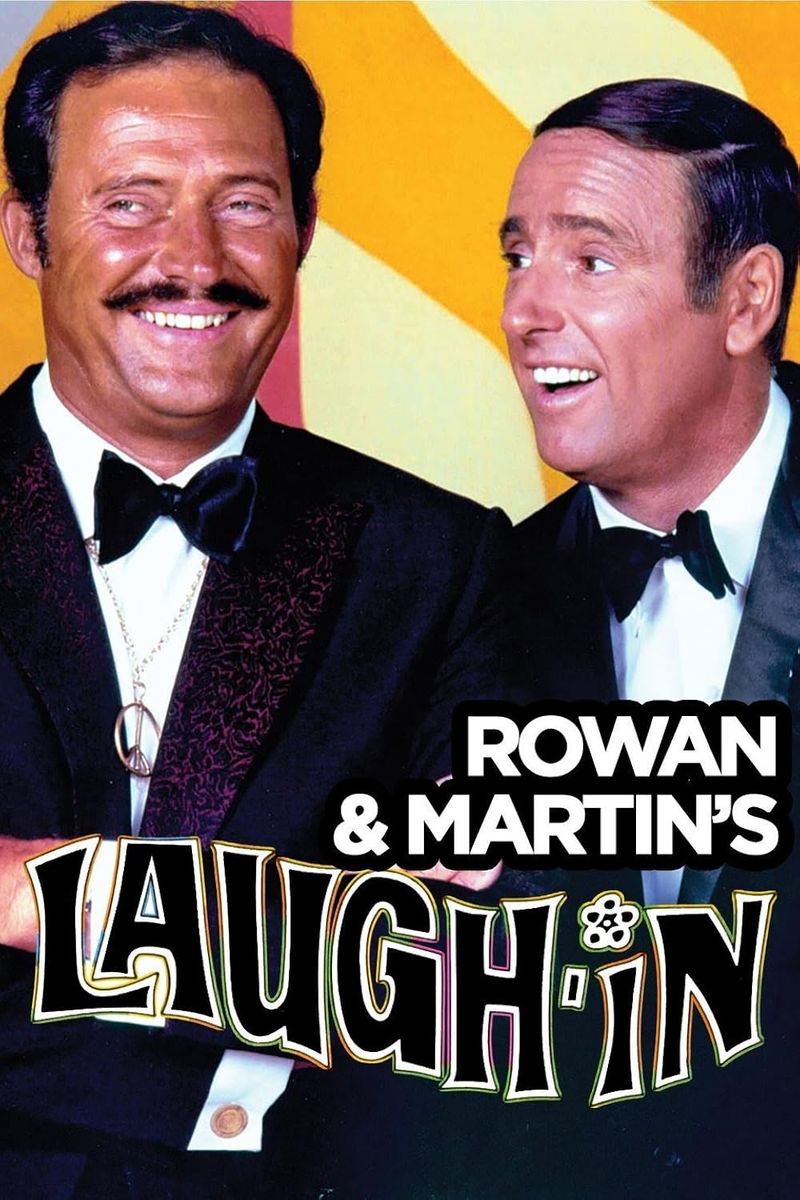
Fast cuts, rapid-fire jokes, visual gags, and political satire all crammed into one show — Laugh-In basically invented the format that Saturday Night Live and late-night comedy would later perfect.
It moved at a pace television had never attempted before.
The show gleefully mocked politicians, poked fun at war, and gave platforms to women and diverse voices at a time when TV variety shows were mostly led by middle-aged white men.
It was loud, chaotic, and deliberately hard to keep up with.
Even future president Richard Nixon appeared saying “Sock it to me” — proof the show had cultural power.
Laugh-In’s fast-paced format directly predicted the MTV generation’s appetite for quick, punchy content.
9. The Smothers Brothers Comedy Hour (1967–1969)
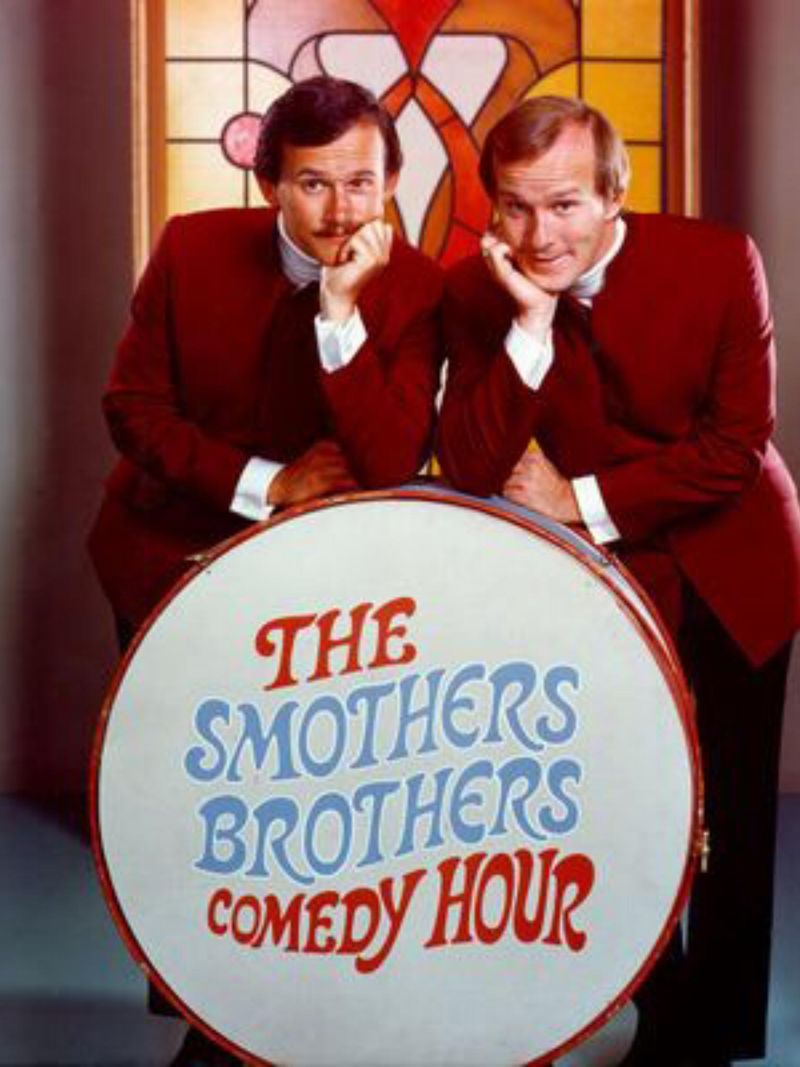
Tom and Dick Smothers used their comedy hour to say things CBS absolutely did not want said on national television.
They challenged the Vietnam War, criticized the government, and featured controversial guests like Pete Seeger performing anti-war songs — all in prime time.
The network censored episodes constantly, eventually canceling the show in 1969 despite strong ratings.
That battle over creative freedom and political speech on TV was a preview of debates that continue today around media censorship and platform responsibility.
The Smothers Brothers were essentially early media activists using entertainment as a protest tool.
Their courage under pressure helped open the door for political comedy to become a legitimate and powerful force in American culture.
10. Julia (1968–1971)
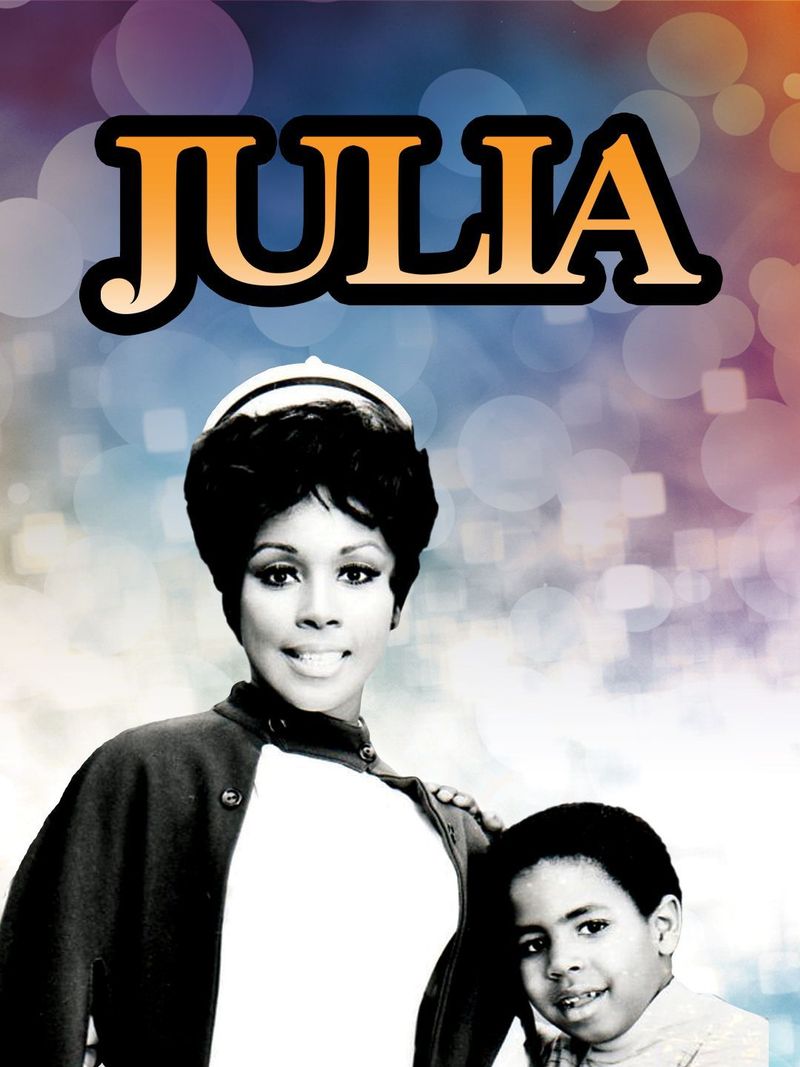
When Julia premiered in 1968, it was the first American TV series since Amos and Andy to star a Black woman in a non-stereotypical lead role.
Diahann Carroll played Julia Baker, a widowed nurse raising her son — a normal, professional, dignified Black woman on prime-time television.
That sounds simple, but it was groundbreaking.
The show arrived just months after Martin Luther King Jr. was assassinated, and its quiet statement about Black dignity and normalcy carried enormous weight.
Critics debated whether it went far enough in addressing racism, but its mere existence challenged the TV industry’s deep-rooted biases.
Julia planted seeds that shows like The Cosby Show and Black-ish would later grow into full cultural conversations about representation on screen.
11. Get Smart (1965–1970)
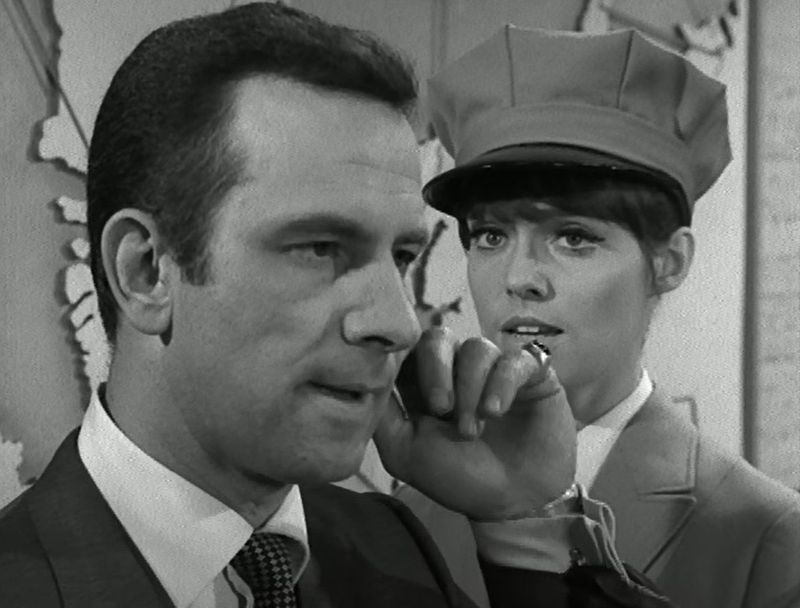
Created by Mel Brooks and Buck Henry, Get Smart was a parody of spy culture at a time when James Bond fever was at its absolute peak.
Maxwell Smart stumbled through missions, talked into his shoe phone, and somehow saved the world every week despite being hilariously incompetent.
The show sneaked in sharp satire about bureaucracy, Cold War paranoia, and government incompetence that audiences absorbed between laughs.
Agent 99 was also quietly ahead of her time — smarter and more capable than her male partner, yet endlessly patient with him.
The shoe phone itself became a cultural symbol, essentially predicting the idea of a personal communication device you carry everywhere.
Get Smart was funnier and sharper than it ever got credit for.
12. The Outer Limits (1963–1965)
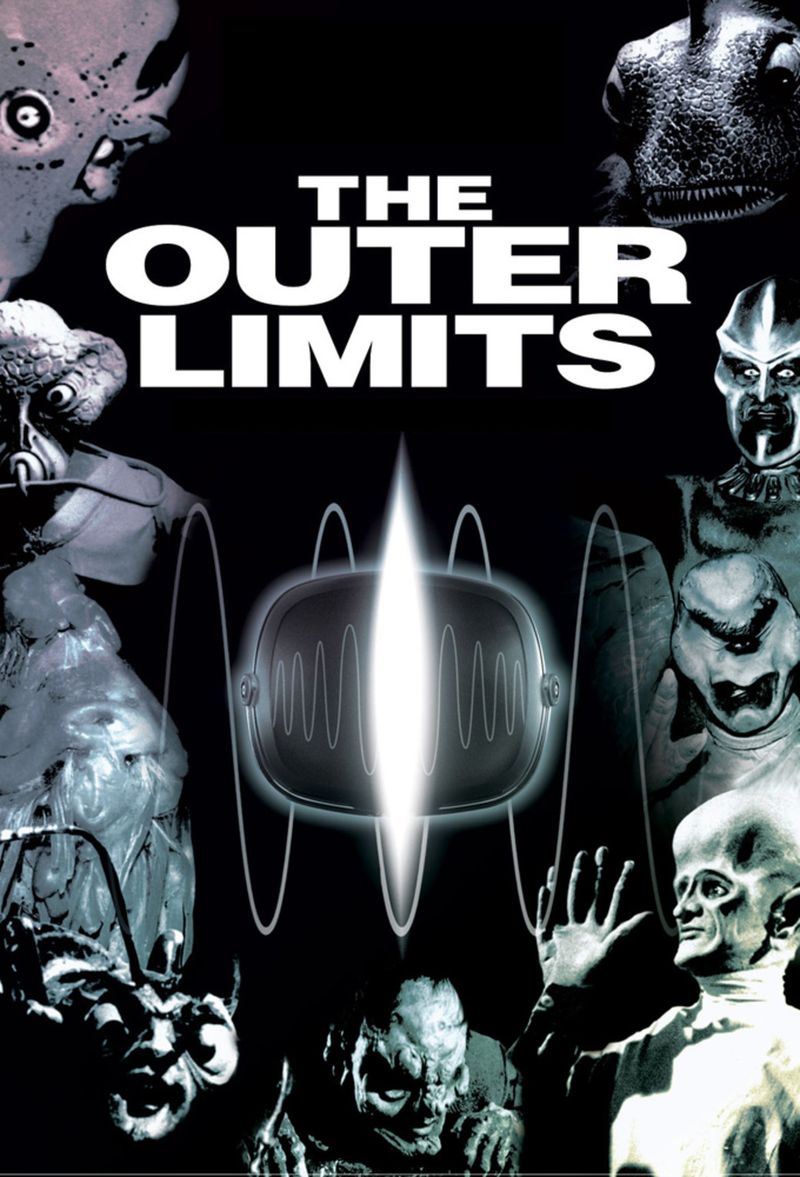
Every episode of The Outer Limits opened with a voice announcing that your television set had been taken over — and for the next hour, you belonged to them.
That eerie premise set the tone for stories that explored artificial intelligence, alien contact, and human evolution with remarkable seriousness.
While most TV treated science fiction as escapism, The Outer Limits used it to wrestle with real fears about technology and humanity’s future.
Some episodes feel like they could air today with minimal changes to their themes or questions.
The show ran only two seasons but left a massive footprint on science fiction storytelling.
Writers like Harlan Ellison contributed scripts that pushed the genre toward literary ambition, making it a clear ancestor of modern prestige sci-fi television.
13. The Fugitive (1963–1967)
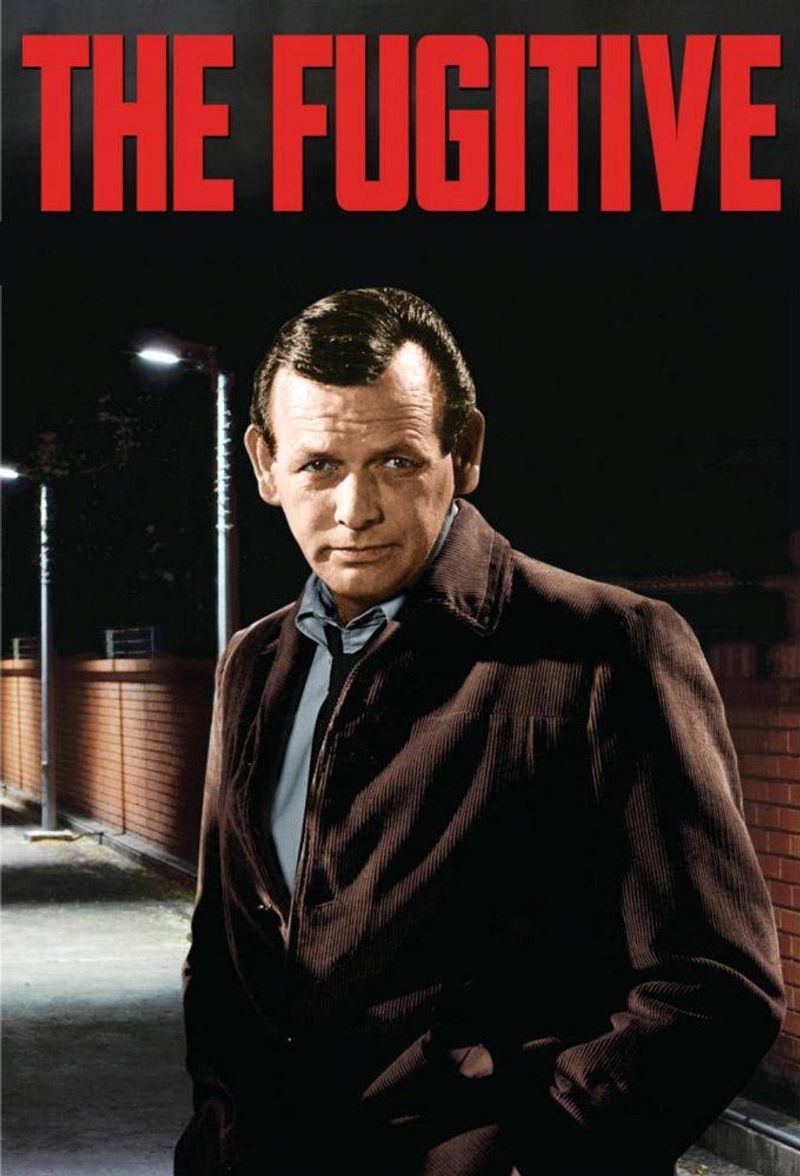
Richard Kimble was wrongly convicted of murder and spent four seasons running from the law while searching for the one-armed man who actually committed the crime.
Sound familiar?
The Fugitive basically invented the template for the wrongly-accused chase drama that dozens of shows have borrowed since.
The series also tackled loneliness, justice system failures, and the cost of being an outsider in America — themes that resonate just as strongly today.
Each week Kimble landed in a new town, helped strangers, and moved on before being caught.
Its serialized storytelling, where one big mystery stretched across hundreds of episodes, was a format that prestige dramas like The Americans and The Wire would later master.
The Fugitive was doing it first, quietly and brilliantly.