 MomSkoop
Some albums arrive with so much buzz that saying you love them almost feels like a requirement. Everyone posts about them, critics rave, and the sales numbers look incredible — but the playlists tell a different story.
Behind closed doors, plenty of listeners quietly skipped past these records after the first listen. Here are 14 albums that people championed loudly but rarely played again.
1. Metallica – St. Anger (2003)
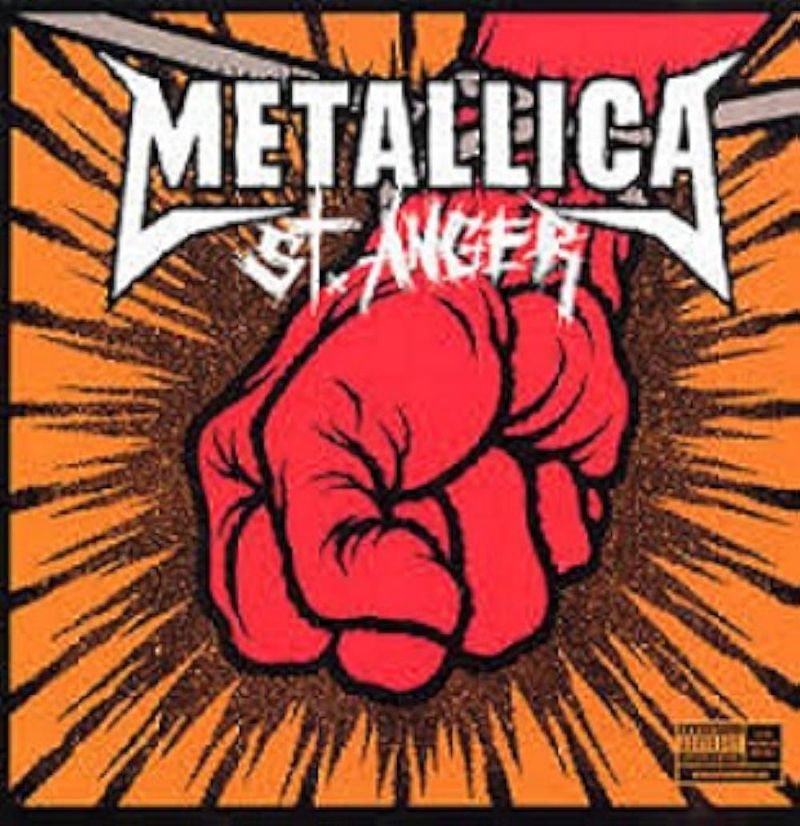
That snare drum.
If you were a Metallica fan in 2003, you remember exactly how it sounded — like someone hitting a trash can lid on repeat.
St. Anger debuted at No. 1 and sold massively, riding a wave of fan loyalty built over two decades.
But the raw, unpolished production and the complete absence of guitar solos left many listeners scratching their heads.
It felt like the band was trying to reinvent themselves without a clear destination in mind.
Most fans bought it, played it once or twice, then quietly shelved it next to albums they claim to appreciate but never actually queue up.
Respect, yes.
Replay value?
Not so much.
2. U2 – Songs of Innocence (2014)
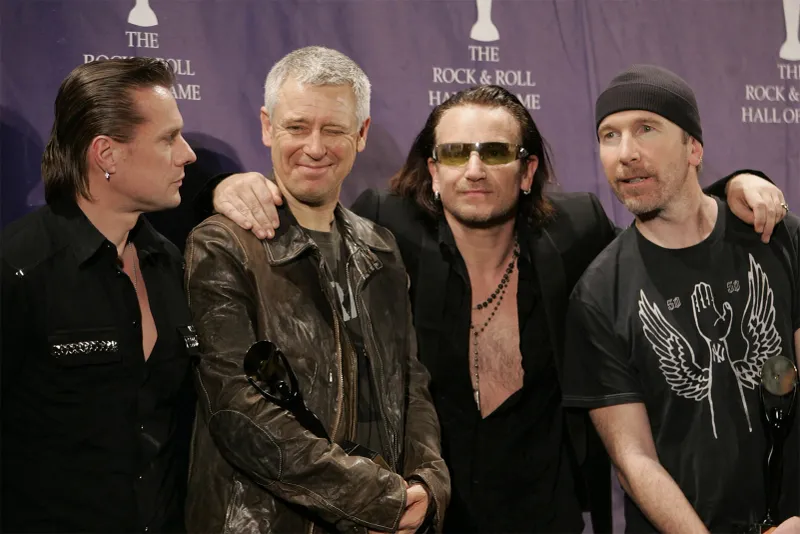
Waking up one morning to find an album you never asked for sitting in your iTunes library was a uniquely 2014 experience.
Apple and U2 teamed up to automatically push Songs of Innocence to over 500 million accounts, making it technically the most distributed album in history.
Critics offered cautious praise, but the public reaction ranged from confusion to outright irritation.
The controversy overshadowed whatever musical merit the record actually had.
Even people who genuinely enjoy U2 rarely mention this one when listing their favorites.
It became more of a tech headline than a music moment — an album remembered for how it arrived rather than what it sounded like.
3. Lou Reed & Metallica – Lulu (2011)
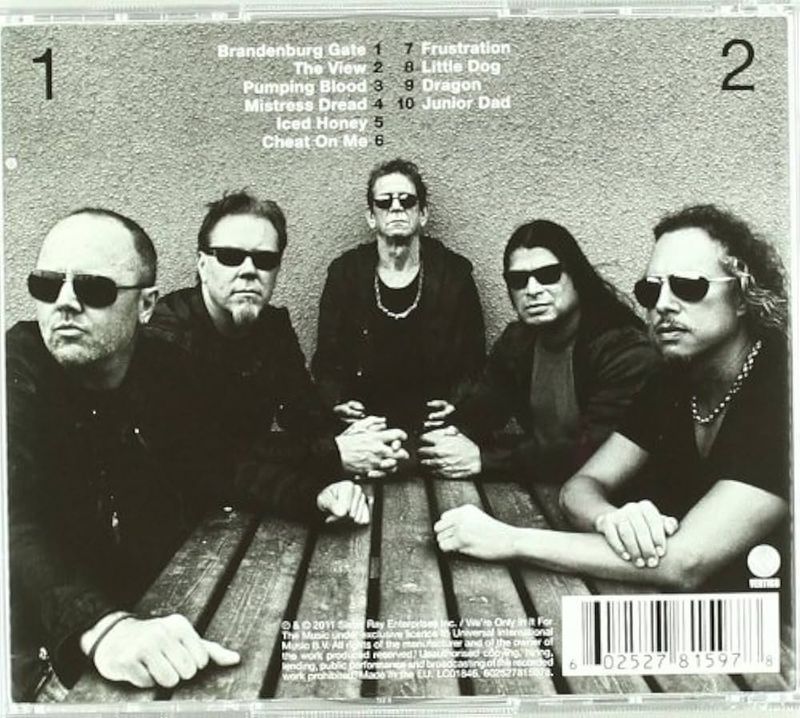
Curiosity might be the most honest word to describe why people paid attention to Lulu.
A collaboration between Lou Reed and Metallica sounded like either a brilliant experiment or a complete disaster — and the answer turned out to be closer to the latter for most listeners.
Critics were baffled.
Fans were confused.
The opening line “I am the table” became an instant punchline that spread faster than any actual song from the record.
People discussed Lulu endlessly online, turning it into a cultural event based almost entirely on its strangeness.
But actually sitting through its nearly 90-minute runtime?
That was a much rarer commitment.
It remains one of music history’s most talked-about, least-listened-to records.
4. Guns N’ Roses – Chinese Democracy (2008)

Fourteen years.
That is how long fans waited for Chinese Democracy to finally arrive.
Axl Rose spent an estimated $13 million making it, cycling through dozens of musicians and scrapping countless sessions along the way.
By the time the album actually dropped, expectations had grown so enormous that no record on earth could have satisfied them.
Early listeners sampled it eagerly, found some interesting moments, and then mostly moved on.
The anticipation had become the story, not the music itself.
Chinese Democracy lives in pop culture as a symbol of excess and delay more than as an album people regularly revisit.
It sold well enough, but its streaming numbers today tell a quieter, more honest tale about how often it actually gets played.
5. Oasis – Be Here Now (1997)
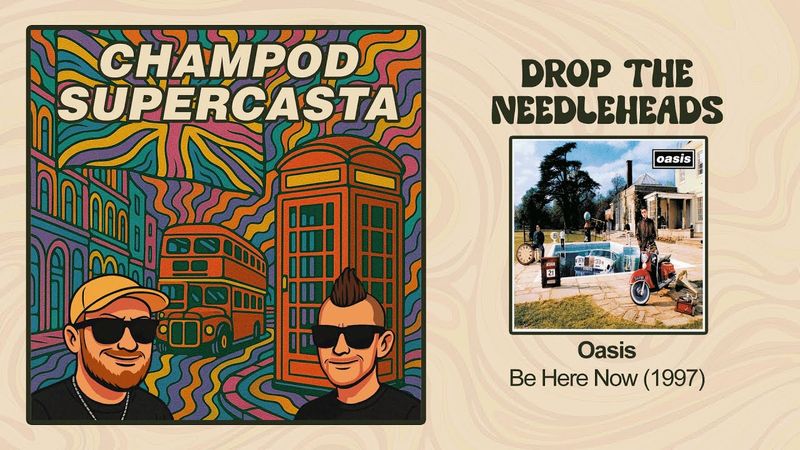
For about three weeks in 1997, Be Here Now felt like the most important album ever made.
Oasis were at the absolute peak of Britpop fame, and the record shattered UK sales records on its first day.
Reviewers handed out five-star ratings almost automatically.
Then people actually sat with it.
The songs stretched far longer than they needed to, the production was dense to the point of exhaustion, and the swagger that made Oasis exciting started feeling more like bloat.
Noel Gallagher himself later admitted the band were too deep into excess to notice the album’s flaws during recording.
Be Here Now stands as a fascinating case study in how hype can temporarily blind even the most devoted fans to what they are actually hearing.
6. Kanye West – Jesus Is King (2019)
Winning a Grammy for Album of the Year tends to signal that something extraordinary happened.
Jesus Is King pulled off that award while simultaneously dividing Kanye’s fanbase more sharply than almost any previous release.
The gospel-rap pivot was bold, and a handful of tracks genuinely landed.
But at just 27 minutes long, the album felt more like a statement of intent than a fully realized project.
Many supporters praised it publicly while privately admitting they mostly replay the same two or three songs.
Streaming data backs this up — the album’s numbers dropped off quickly compared to earlier Kanye releases.
It sparked plenty of conversation about faith, artistry, and creative risk-taking, but sustained listening was never really part of the equation for most people.
7. Drake – Certified Lover Boy (2021)
Certified Lover Boy broke streaming records within hours of dropping, which made it look like an undeniable triumph on paper.
Drake’s fanbase is enormous, and the album’s arrival was treated like a cultural event across social media platforms.
But ask anyone to name their five favorite songs from it a year later, and the room goes quiet.
Critics pointed out that many tracks blurred together, leaning heavily on familiar formulas without much surprise or emotional punch.
The numbers were real, but the enthusiasm faded fast.
CLB became one of those records that people streamed because it was simply there and Drake-shaped, not because any particular song demanded to be heard.
Popularity and memorability turned out to be very different things.
8. Coldplay – Music of the Spheres (2021)
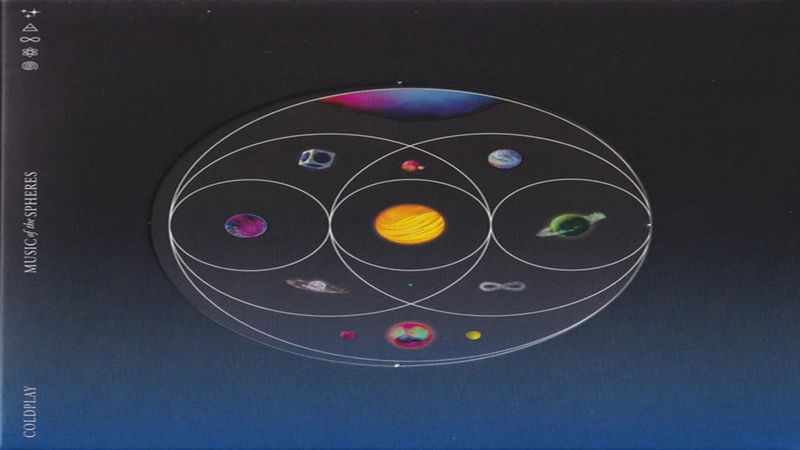
Nobody puts on a live show quite like Coldplay in their current era.
Music of the Spheres tours became legendary for their visual spectacle — glowing wristbands, confetti explosions, and enough color to make a rainbow feel understated.
The album itself, though, struck many longtime fans as surprisingly lightweight.
Collaborations with BTS and other pop heavyweights pushed it toward a broader commercial sound that felt less personal than earlier records like A Rush of Blood to the Head.
Chart positions were strong globally, but fan forums frequently rank it among the band’s weaker efforts.
People streamed it, attended the concerts, and posted the photos — then quietly went back to playing Yellow and The Scientist on repeat instead.
9. The Smashing Pumpkins – Machina/The Machines of God (2000)
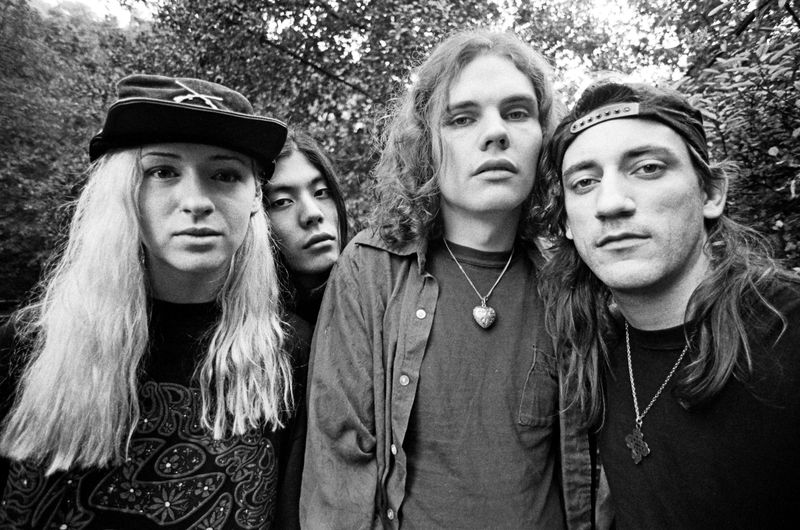
Coming off the massive success of Mellon Collie and the Infinite Sadness and Siamese Dream, expectations for Machina were genuinely sky-high.
Smashing Pumpkins fans were hungry for another sprawling, emotionally complex statement from Billy Corgan.
What they got was a concept album about a fictional rock star that left many listeners feeling disconnected.
The songwriting had its moments, but the grandiose ambition outpaced the execution in ways that were hard to ignore.
Reviews were mixed, and the album never embedded itself in the band’s legacy the way earlier work did.
Most casual fans can name maybe one or two songs from it — if that.
Machina is an album people respected for existing rather than one they genuinely fell in love with.
10. Eminem – Revival (2017)
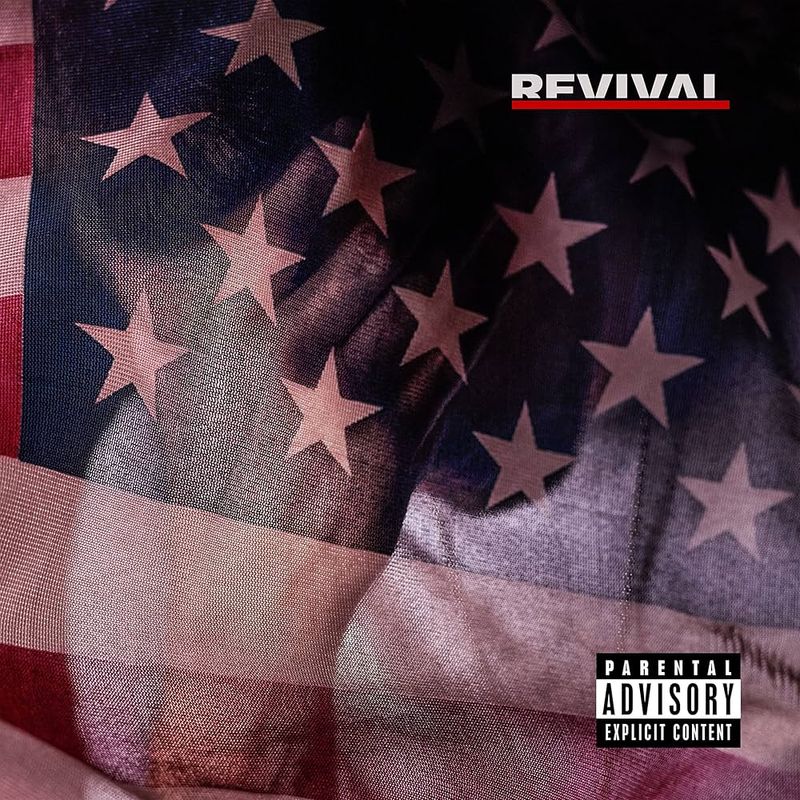
After years away from the spotlight, Eminem’s return should have been a celebration.
Revival arrived with the kind of built-in audience most artists could only dream of, and the marketing machine behind it was running at full power.
But the record landed with a thud among critics and longtime fans alike.
Many felt the production choices were dated, and the album’s attempts at political commentary came across as clunky rather than sharp.
Even supporters who defended it publicly admitted privately that they rarely replayed more than a song or two.
Revival became a case study in how nostalgia and brand loyalty can drive initial listens without actually creating a memorable album.
Eminem himself has since spoken critically about the record.
11. Madonna – MDNA (2012)
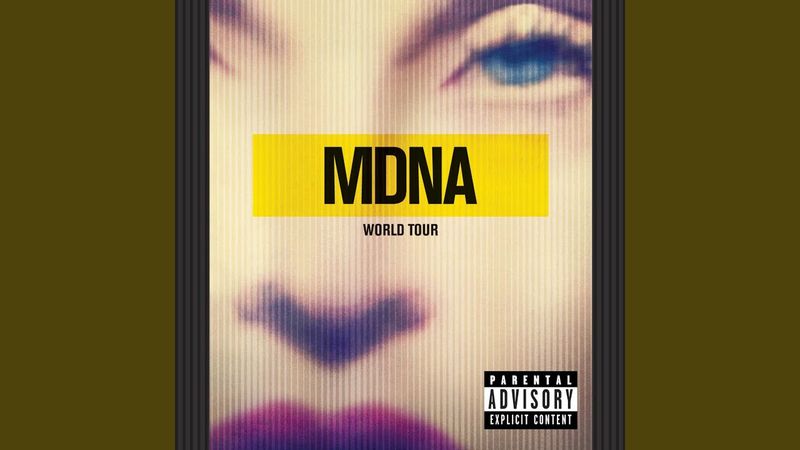
The Super Bowl halftime show Madonna delivered in February 2012 was genuinely spectacular — one of the most-watched performances in the event’s history.
Naturally, everyone expected MDNA to carry some of that same electric energy into album form.
It did not quite get there.
Critics acknowledged a few strong dance tracks but largely found the album inconsistent and rushed.
Sales were decent in the first week, buoyed almost entirely by the halftime performance buzz.
Within months, MDNA had largely vanished from cultural conversation.
Even devoted Madonna fans tend to skip past it when building playlists.
It is the kind of record that benefited enormously from the spectacle surrounding it rather than from anything the music itself delivered on its own terms.
12. Arcade Fire – Everything Now (2017)
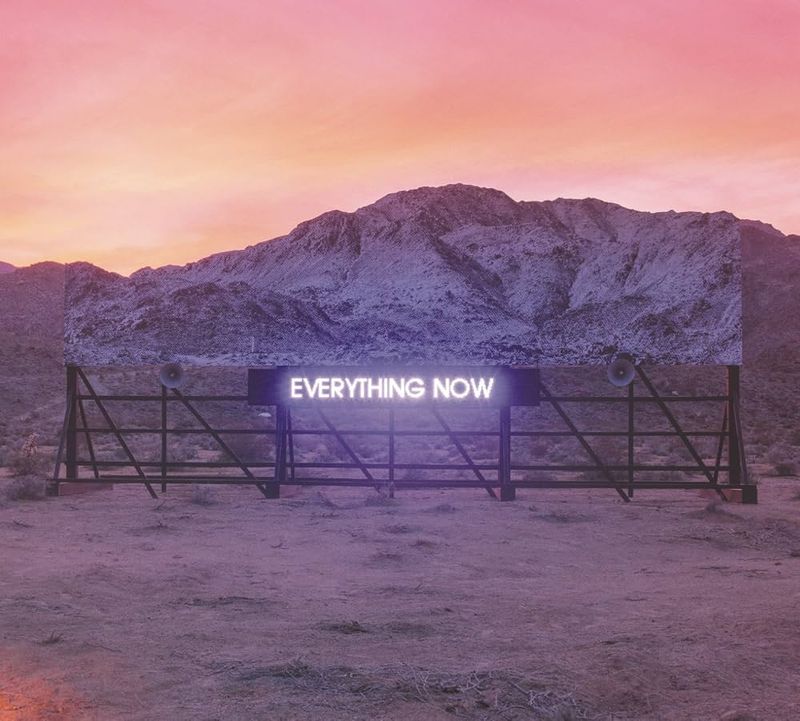
Arcade Fire built their reputation on albums that felt genuinely important — Funeral and The Suburbs in particular earned near-universal acclaim and a devoted following.
Everything Now arrived with that legacy fully intact and expectations running extremely high.
The album leaned into a dancier, more ironic aesthetic that divided fans almost immediately.
Some appreciated the stylistic risk; others felt the band had traded emotional depth for a surface-level commentary on consumerism that never quite landed.
Debut chart positions looked strong, but the conversation around the record faded unusually fast.
Fans who defended it enthusiastically on release day often grew quieter about it as months passed.
Everything Now became the rare case of an acclaimed band producing an album that felt more interesting to discuss than to actually hear.
13. Justin Timberlake – Man of the Woods (2018)
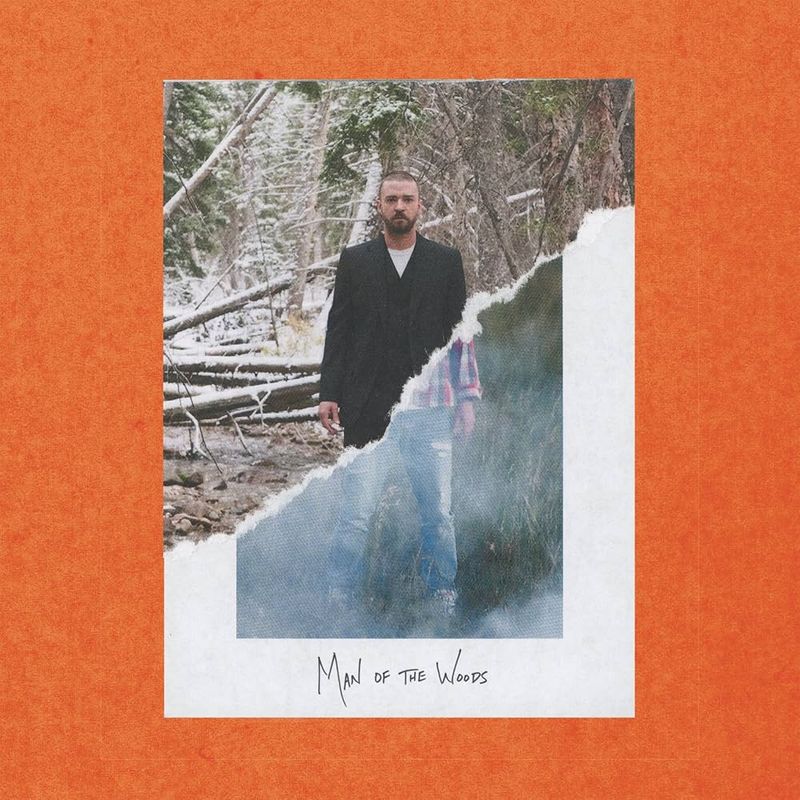
Few album rollouts in recent memory leaned as hard into a specific aesthetic as Man of the Woods.
Justin Timberlake released a moody trailer set in forests and fields, promising something raw, personal, and rooted in Americana.
The Super Bowl halftime slot amplified the buzz to enormous levels.
Then the album arrived, and the country-pop hybrid sound struck many listeners as awkward rather than authentic.
Critics were largely unimpressed, and even fans who showed up on release day drifted away quickly.
The halftime performance itself became more memorable than any song on the record.
Man of the Woods is remembered primarily as a marketing exercise that outperformed the actual music it was selling — a cautionary tale about style outrunning substance.
14. Chance the Rapper – The Big Day (2019)
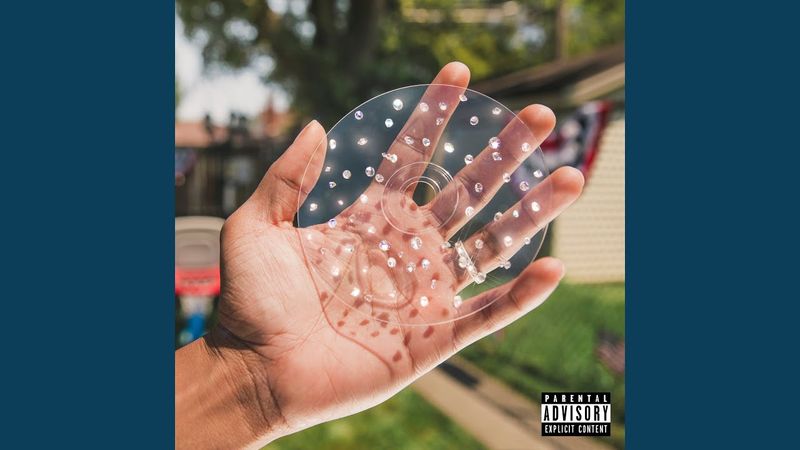
After Coloring Book earned widespread praise and a historic Grammy win for Best Rap Album, Chance the Rapper had built one of the most genuinely exciting stories in hip-hop.
The Big Day was framed as a joyful celebration of his wedding and life — a concept that sounded promising on paper.
At 22 tracks and over 77 minutes long, the album tested even the most patient listeners.
Critics pointed out that the songwriting felt unfocused and that the celebratory tone wore thin long before the final tracks.
Today, The Big Day is referenced more as a turning point in Chance’s cultural standing than as music people regularly enjoy.
It remains a well-meaning record that arrived too big, too long, and too disconnected from what made its creator so compelling in the first place.