 MomSkoop
Some movies are so powerful that they stay with you long after the credits roll. The classics on this list shaped cinema, culture, and the way we think about storytelling.
Whether you love romance, suspense, comedy, or drama, these films have something truly special to offer. Watch them before you turn 40, and you will understand why people still talk about them decades later.
1. Casablanca (1942)
Few love stories hit as hard as Casablanca.
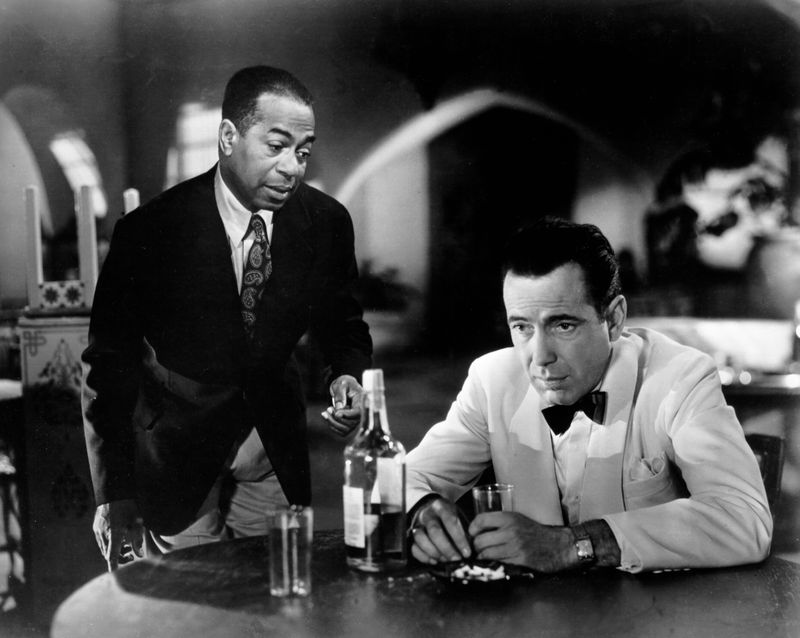
Set against the backdrop of World War II, this film follows Rick Blaine, a cynical American cafe owner in Morocco who reunites with the woman who broke his heart.
Humphrey Bogart plays Rick with cool, wounded charm, while Ingrid Bergman lights up every scene she is in.
The dialogue is sharp and deeply quotable.
Lines like “Here’s looking at you, kid” have become part of everyday language.
Beyond the romance, the film wrestles with sacrifice, courage, and choosing the greater good over personal happiness.
Casablanca proves that a great story, told with passion, never ages.
It remains as emotionally gripping today as it was in 1942.
2. 12 Angry Men (1957)
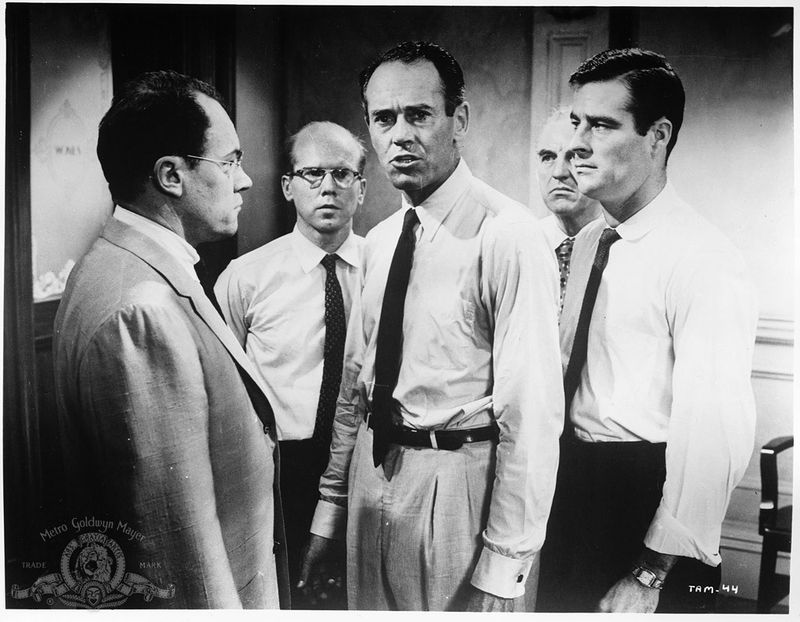
Imagine being locked in a sweltering room with eleven strangers, all convinced a teenager is guilty of murder except you.
That is exactly the pressure Henry Fonda’s character faces in 12 Angry Men.
Nearly the entire film takes place in one jury room, yet it never feels small or boring.
Director Sidney Lumet uses close-ups and shifting camera angles to crank up the tension with every passing minute.
The film is a brilliant study in how prejudice, stubbornness, and fear can cloud judgment.
Watching one man calmly challenge a room full of certainty is genuinely thrilling.
This movie will make you think twice about how quickly people rush to conclusions without truly listening to the evidence.
3. Citizen Kane (1941)
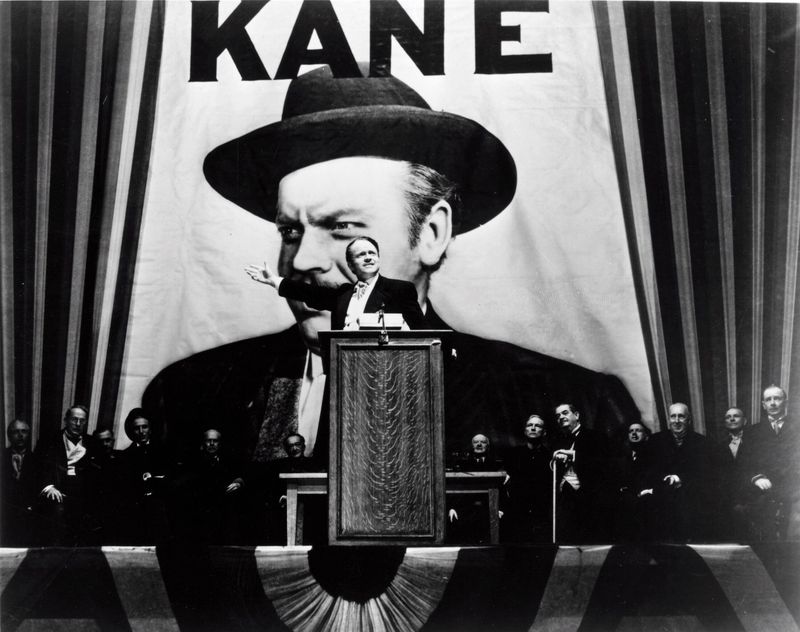
Orson Welles was only 25 years old when he co-wrote, directed, and starred in Citizen Kane.
That alone is jaw-dropping.
The film tells the story of Charles Foster Kane, a powerful media mogul whose life is pieced together through the memories of people who knew him after his mysterious death.
What made this film revolutionary was its technical brilliance.
Deep-focus photography, unusual camera angles, and a non-linear story structure were groundbreaking for 1941.
Film students still study it today as a textbook example of cinematic innovation.
At its core, Citizen Kane is a cautionary tale about wealth and loneliness.
The final image and the meaning of “Rosebud” deliver one of the most memorable endings in movie history.
4. The Godfather (1972)
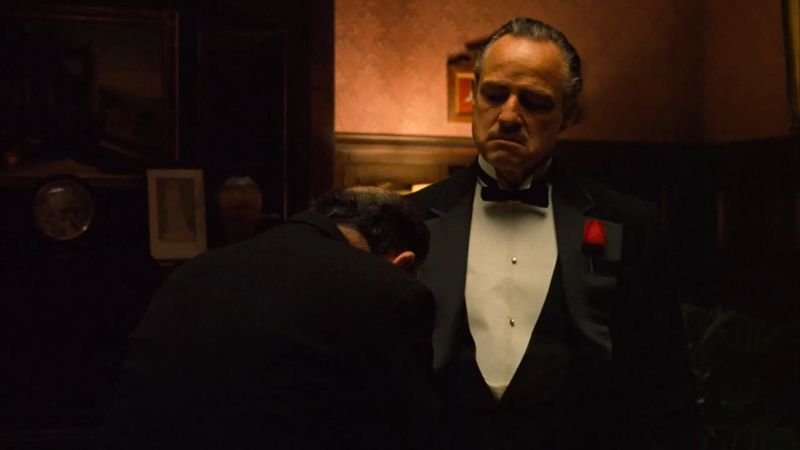
The Godfather is the kind of film that makes you feel like you have been let into a secret world.
Francis Ford Coppola’s crime epic follows the Corleone family, a powerful Italian-American mob dynasty navigating loyalty, betrayal, and survival.
Marlon Brando’s portrayal of Vito Corleone is legendary for good reason.
Al Pacino delivers one of cinema’s greatest character arcs as Michael Corleone, a war hero who slowly transforms into the very thing he once rejected.
The pacing is deliberate, the dialogue unforgettable, and the cinematography hauntingly beautiful.
Beyond the guns and power struggles, this is really a film about family and the price of ambition.
Every scene feels intentional, and the story rewards patient viewers with emotional depth that few films ever achieve.
5. The Wizard of Oz (1939)
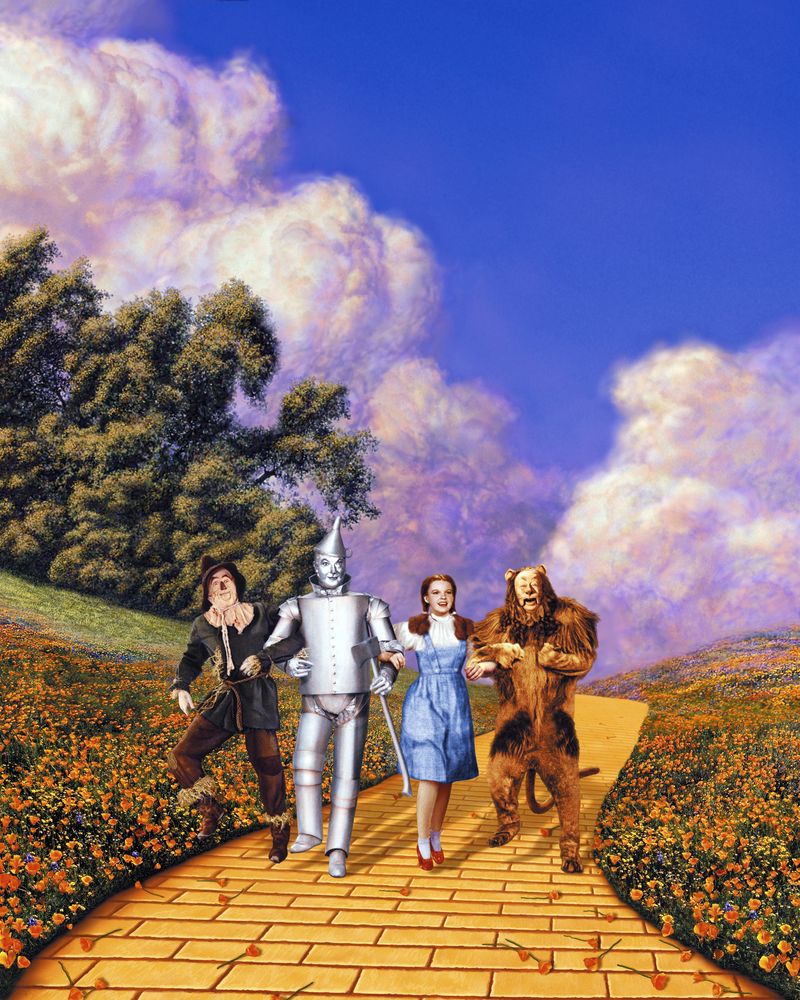
There is a reason The Wizard of Oz has been enchanting audiences for over 80 years.
When Dorothy gets swept away to the magical land of Oz, she meets a Scarecrow, a Tin Man, and a Cowardly Lion on an unforgettable journey.
The film’s shift from black-and-white to vivid Technicolor the moment Dorothy arrives in Oz was a cinematic miracle for 1939.
The songs, especially “Somewhere Over the Rainbow,” became instant classics that still bring people to tears today.
The story carries a simple but powerful message: the things you are searching for are often closer than you think.
Kids love the adventure, but adults pick up on deeper themes of courage, belonging, and self-belief.
It truly works for every age and every generation.
6. Psycho (1960)
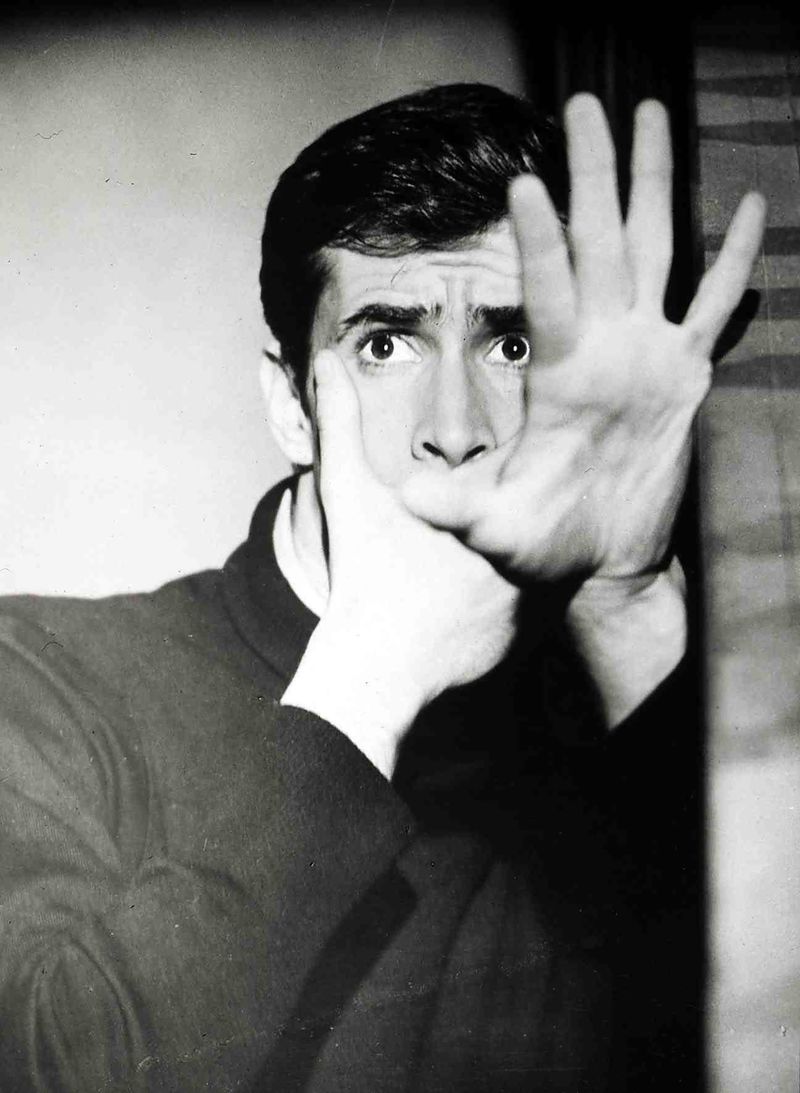
Alfred Hitchcock broke every rule of Hollywood filmmaking with Psycho, and audiences were not ready.
He killed off his lead character early in the film, something that simply was not done in 1960.
The shower scene alone changed how horror and suspense films were made forever.
Anthony Perkins plays Norman Bates, one of cinema’s most unsettling and oddly sympathetic villains.
His soft-spoken, nervous energy makes every scene with him feel deeply uncomfortable in the best possible way.
Bernard Herrmann’s screeching string score is still instantly recognizable today.
Psycho is a masterclass in building dread without showing much at all.
Hitchcock understood that what the audience imagines is always scarier than what you actually show them.
This film remains genuinely chilling decades later.
7. Singin’ in the Rain (1952)
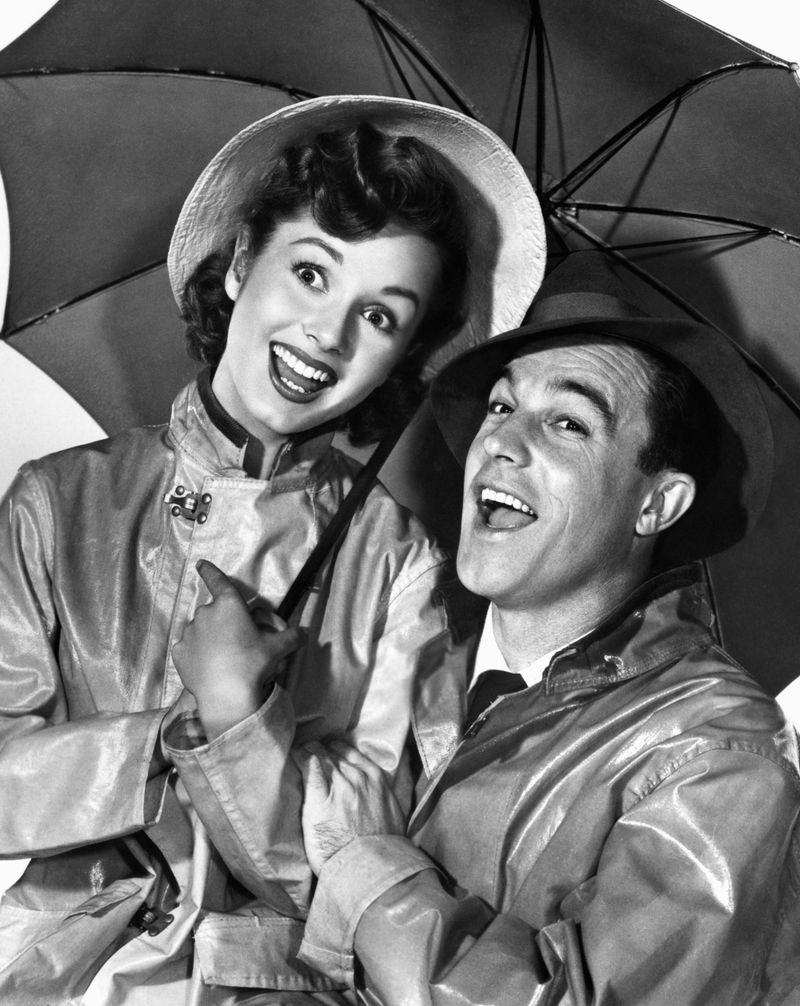
Pure joy is the best way to describe Singin’ in the Rain.
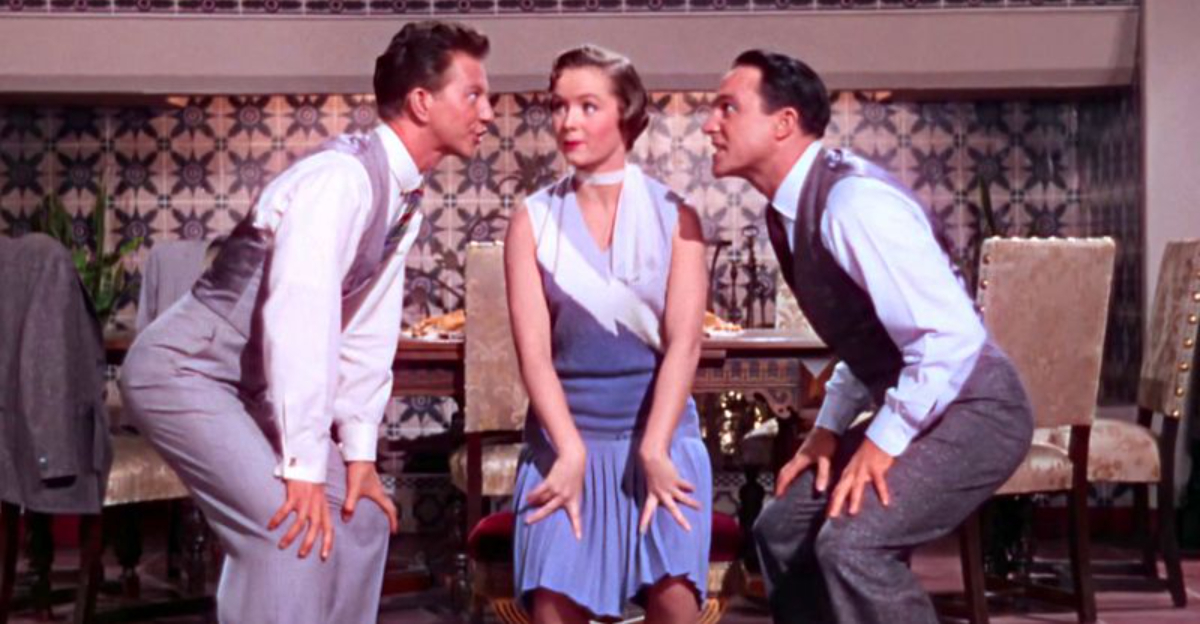
Gene Kelly’s iconic dance number in the rain is one of the most celebrated moments in movie history, full of energy and infectious happiness that makes you want to jump up and dance along.
Even if you have never seen the film, you have seen that image.
The story is a clever comedy about Hollywood’s chaotic transition from silent films to talkies in the late 1920s.
Donald O’Connor and Debbie Reynolds round out a trio of performers who have remarkable chemistry together.
Beyond the spectacle, the film is genuinely funny and surprisingly sharp.
It pokes fun at Hollywood ego and the entertainment industry with a wink that still lands perfectly.
Watching it feels like a celebration.
8. Lawrence of Arabia (1962)
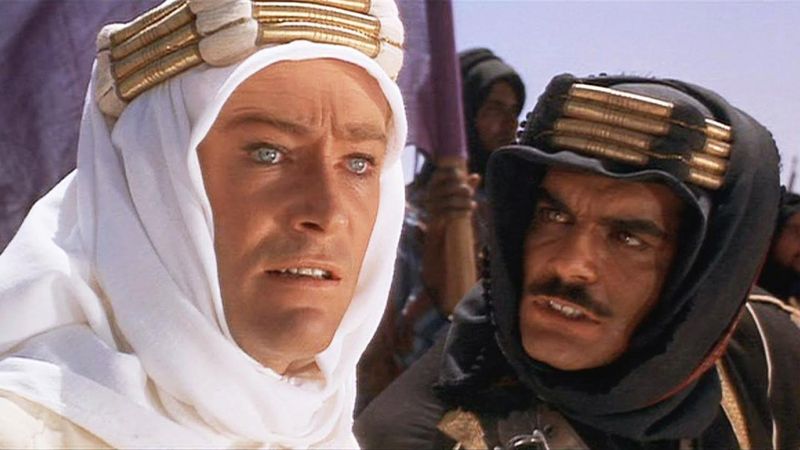
David Lean’s Lawrence of Arabia is the definition of epic cinema.
Clocking in at nearly four hours, this biographical adventure follows T.E.
Lawrence, a British officer who helps unite Arab tribes against the Ottoman Empire during World War I.
Peter O’Toole’s performance in the title role is magnetic from the very first frame.
The cinematography by Freddie Young is breathtaking.
The wide desert shots are so grand and beautiful that watching this on a big screen feels like a genuine once-in-a-lifetime experience.
It won seven Academy Awards, including Best Picture.
Lawrence of Arabia asks big questions about identity, war, and what happens when one person believes their own mythology too completely.
It is long, but not a single minute feels wasted.
9. Rear Window (1954)
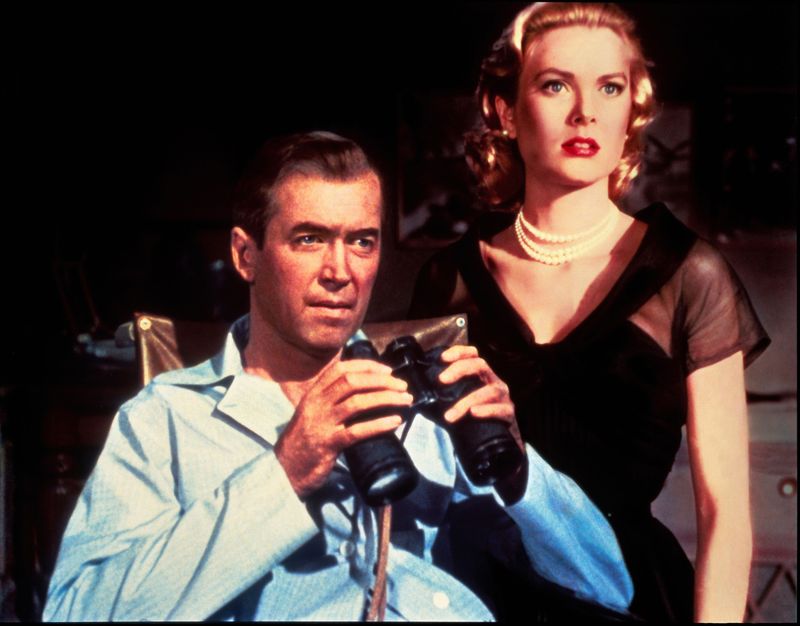
What would you do if you thought you watched your neighbor commit murder?
That unsettling question drives every tense minute of Rear Window.
James Stewart plays L.B.
Jefferies, a photographer stuck in his apartment with a broken leg who begins spying on his neighbors through the window to pass the time.
Grace Kelly shines as his stylish girlfriend, and their playful chemistry adds warmth to what is otherwise a deeply suspenseful story.
Hitchcock turns the apartment courtyard into a miniature world full of characters, each with their own story quietly unfolding.
The brilliance of Rear Window is how it makes the audience feel like voyeurs too.
You are watching along with Jeff, which makes the growing danger feel personal and uncomfortably real.
It is endlessly clever filmmaking.
10. To Kill a Mockingbird (1962)
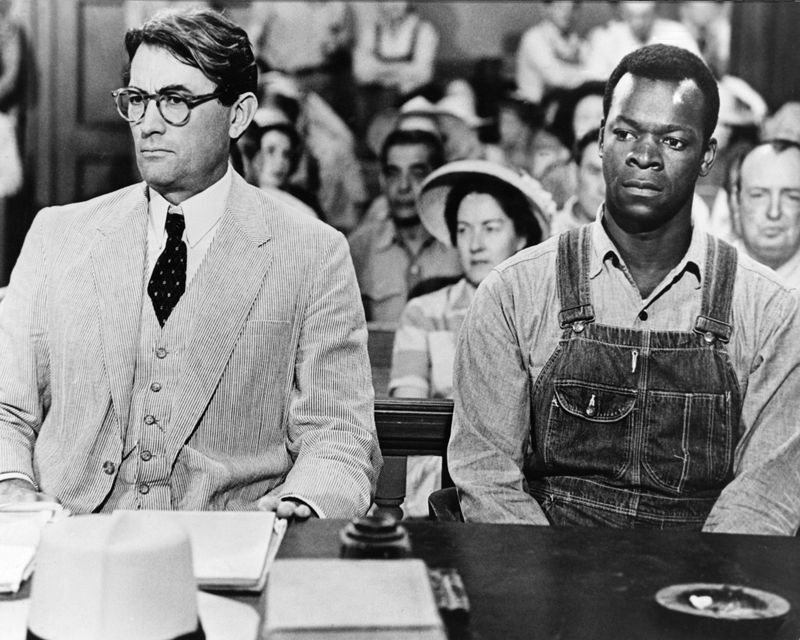
Gregory Peck’s portrayal of Atticus Finch is one of the most admired performances in Hollywood history.
Based on Harper Lee’s beloved novel, the film is set in Depression-era Alabama and follows a white lawyer who defends a Black man falsely accused of a serious crime.
Peck brings quiet dignity and moral courage to every scene.
The story is told through the eyes of Atticus’s young daughter Scout, which gives the film a tender, coming-of-age warmth.
Her innocent perspective makes the injustice she witnesses feel even more devastating.
To Kill a Mockingbird is not easy to watch at times, but that discomfort is the whole point.
It challenges viewers to think honestly about fairness, empathy, and the courage it takes to stand up for what is right.
11. Some Like It Hot (1959)
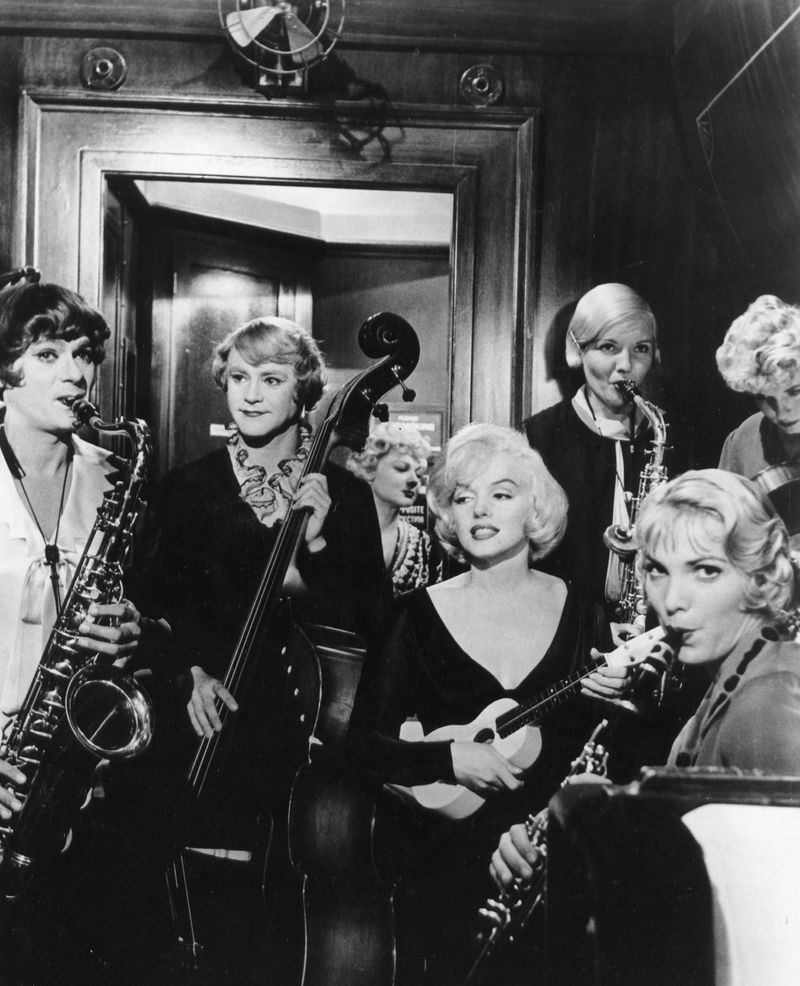
Voted the funniest American film ever made by the American Film Institute, Some Like It Hot still earns that title every time someone watches it.
After accidentally witnessing a mob massacre, two jazz musicians disguise themselves as women to hide in an all-female band.
What follows is one of the most brilliantly written comedies ever put on screen.
Marilyn Monroe is absolutely magnetic as Sugar Kane, delivering comedic timing and heartfelt vulnerability in equal measure.
Jack Lemmon and Tony Curtis are hilarious together, constantly escalating their ridiculous situation further and further.
Director Billy Wilder never lets the jokes feel forced or mean-spirited.
The humor comes from character and situation rather than cheap gags.
The final line of the film is arguably the greatest closing joke in movie history.
12. Sunset Boulevard (1950)
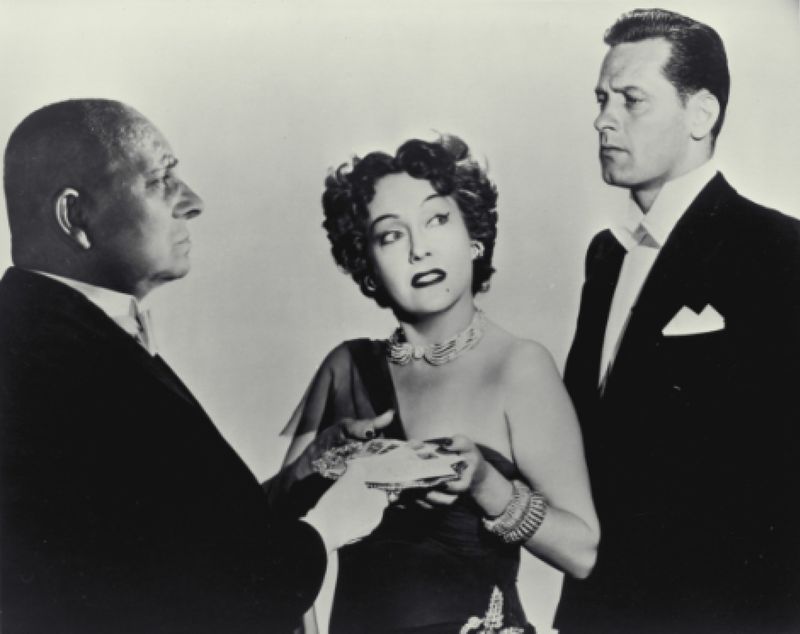
Sunset Boulevard opens with a dead man floating in a swimming pool narrating his own story.
That alone tells you this film is doing something completely different.
Billy Wilder’s noir masterpiece is a darkly funny and deeply tragic look at Hollywood, fame, and the desperate need to stay relevant.
Gloria Swanson plays Norma Desmond, a forgotten silent film star living in a crumbling mansion, convinced that a comeback is just around the corner.
Her performance is one of the most fearless and unforgettable in cinema history.
William Holden is equally compelling as the struggling screenwriter pulled into her world.
The film is equal parts fascinating and haunting.
Sunset Boulevard holds up a mirror to celebrity culture in a way that feels just as relevant now as it did over 70 years ago.
13. It’s a Wonderful Life (1946)
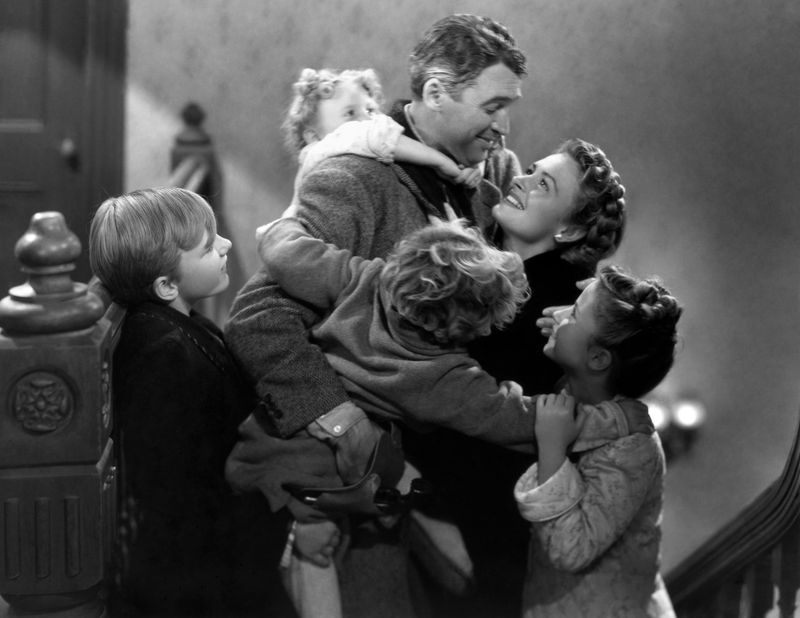
Most people think of It’s a Wonderful Life as a Christmas movie, but its real message has nothing to do with the holidays.
Frank Capra’s heartfelt drama follows George Bailey, a man who has spent his whole life sacrificing his dreams for others and reaches a breaking point one desperate winter night.
James Stewart pours everything into this role.
His portrayal of a good man pushed to the edge of despair feels raw and completely real.
When George gets the chance to see what the world would look like if he had never been born, the emotional impact is staggering.
The film reminds viewers that ordinary lives, lived with kindness and purpose, matter more than fame or fortune ever could.
Keep some tissues nearby for the final scene.