 MomSkoop

Social media is a great way to connect with others, share your life, and express yourself. But some habits can unintentionally make you look like you’re craving the spotlight a little too hard.
Most people don’t even realize they’re doing it. Knowing what these mistakes look like can help you post with more confidence and authenticity.
1. Posting Every Personal Achievement for Validation

Sharing good news feels amazing, and your followers genuinely want to celebrate with you sometimes.
But when every single post revolves around praise, promotions, compliments, or purchases, a pattern starts to emerge.
People begin to wonder if you’re sharing your life or simply collecting applause.
There’s a real difference between celebrating a milestone and broadcasting it purely for admiration.
Occasional achievement posts feel warm and exciting.
When they become daily occurrences, though, the authenticity starts to fade fast.
Ask yourself whether you’re sharing because it matters or because you want reactions.
Keeping some wins private actually makes the ones you do share feel more meaningful and special.
2. Using Vague Dramatic Posts

“Can’t believe this happened…” sounds dramatic, but without any context, it mostly just makes people ask questions.
That’s often the point.
Cryptic captions are a classic way to pull people into your world without actually telling them anything real.
Sometimes these posts come from a place of genuine emotion, and that’s understandable.
Everyone has rough days where they need to vent without going into full detail.
The problem shows up when this becomes a repeated pattern rather than a rare emotional moment.
Followers eventually catch on, and the concern transforms into eye-rolls.
Being open about what’s actually going on, or staying quiet entirely, usually earns far more respect than a cliffhanger caption designed to spark worry.
3. Constantly Showing Off Luxury Purchases

Sharing a new outfit or a fun vacation snapshot is completely harmless and honestly pretty enjoyable for followers.
The vibe shifts when almost every post features designer labels, pricey cars, or lavish experiences.
At that point, it stops feeling like sharing and starts feeling like a highlight reel designed to impress.
Status signaling on social media is more noticeable than most people realize.
Your audience picks up on the pattern quickly, even if they don’t say anything directly.
What was once exciting becomes predictable and a little exhausting to watch.
Mixing in everyday, relatable content alongside the fancy stuff keeps your profile feeling genuine.
People connect more with authenticity than with a perfectly curated display of wealth.
4. Turning Every Conversation Back to Yourself

Someone posts exciting news about a new job, and the first comment redirects the conversation entirely to your own career story.
Sound familiar?
This habit happens in real life constantly, but online it becomes even more visible because everyone can see the thread.
Consistently steering conversations toward your own experiences sends a subtle message that other people’s moments matter less than your own.
It can make followers and friends feel unheard, even when that’s not your intention at all.
Social media is meant to be a two-way space.
Practicing genuine engagement, like asking follow-up questions or simply congratulating someone without adding your own story, builds stronger connections and makes you someone people actually enjoy interacting with online.
5. Posting Excessive Selfies Every Day

Selfies are fun, expressive, and a totally normal part of social media culture.
Nobody is saying you should stop.
The issue creeps in when your entire feed becomes a daily flood of nearly identical close-up shots, each one quietly waiting for compliments to roll in.
Posting one or two selfies a week feels natural and confident.
Posting five to ten every single day starts to read less like self-expression and more like a constant need for reassurance from your audience.
The difference in perception is surprisingly significant.
Mixing in photos of places, hobbies, food, or friends gives your profile more personality and depth.
It shows followers there’s more to your world than just your face, which actually makes people more curious about you.
6. Constantly Announcing You’re Leaving Social Media

Few things on social media are as predictable as the dramatic farewell post. “Goodbye forever, this app is toxic” lands on everyone’s feed, generates a flood of “No, please stay!” comments, and then the account is back and active within a week.
It’s a cycle most people have seen play out dozens of times.
Occasional breaks from social media are genuinely healthy and worth taking.
The issue is when the goodbye announcement becomes a regular performance rather than an actual decision.
It starts to feel less like a personal choice and more like a move designed to see who will beg you to return.
If you truly need a break, just take one quietly.
The peace you find will be far more rewarding than the reactions.
7. Oversharing Every Relationship Detail

Relationships have natural highs and lows, and it’s sweet to share happy moments with the people who follow your life.
However, broadcasting every argument, dramatic breakup, tearful apology, and romantic reconciliation turns your private life into a public performance for an audience.
Most people watching your relationship unfold in real time don’t know how to respond, and over time it can feel uncomfortable to witness.
There’s also something worth protecting about keeping intimate moments between just the two of you.
Not everything needs an audience to be meaningful.
Sharing the occasional relationship milestone is lovely.
Sharing every emotional chapter, including the messy ones, blurs the boundary between authentic connection and performing your love life purely for engagement and reactions.
8. Always Needing to Be Part of Every Trend

Trends are genuinely entertaining, and hopping on a fun challenge here and there is part of what makes social media lively and enjoyable.
But there’s a noticeable difference between someone who joins trends because they find them fun and someone who chases every single one just to stay visible and relevant.
When your content has no consistent voice or personal flavor because you’re constantly copying whatever is popular that week, followers sense it.
Your feed starts to feel more like a strategy than a personality.
The creativity that makes accounts truly interesting gets buried under borrowed ideas.
Letting some trends pass and focusing on content that actually reflects who you are tends to attract a far more loyal and engaged audience over time.
9. Fishing for Compliments With Self-Deprecating Captions
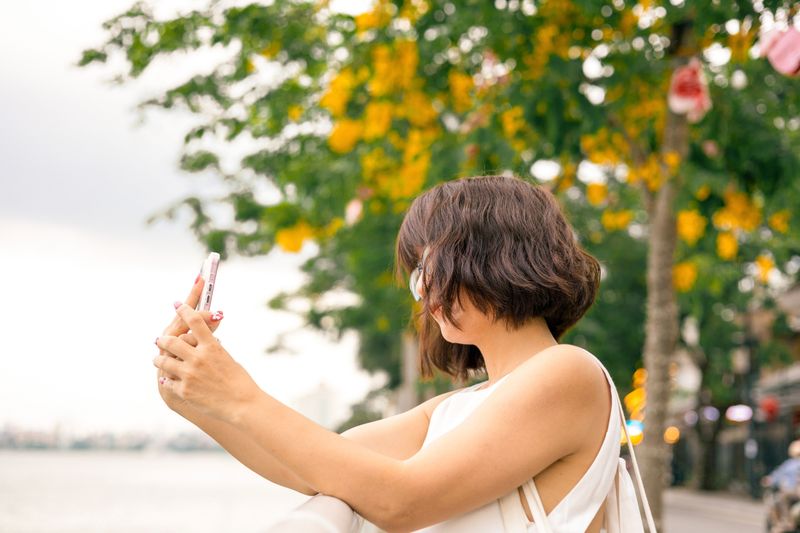
“Ugh, I look so bad in this” written underneath a perfectly lit, carefully filtered photo is one of the most recognizable moves in the social media playbook.
It’s designed to do one thing: make people rush to the comments to reassure you that you look amazing.
Feeling insecure sometimes is completely human, and there’s nothing wrong with having vulnerable moments.
The pattern becomes obvious when the self-deprecating captions appear consistently alongside photos that clearly took effort to stage and edit.
Followers notice the formula pretty quickly.
Posting confidently without fishing for reassurance is actually far more attractive and engaging.
Owning your photos without needing external validation signals a kind of self-assurance that people genuinely admire and find refreshing to see.
10. Checking In Everywhere You Go

Location check-ins can be fun when used occasionally, especially for exciting trips or events worth celebrating.
The habit gets a little odd when you’re tagging yourself at every single coffee shop, gym visit, grocery run, and casual lunch without exception.
Constant check-ins create the impression that every outing is being curated for your audience rather than simply enjoyed in the moment.
It suggests that the experience only fully counts if it’s documented and shared publicly.
That mindset can actually pull you away from being present where you actually are.
Some of the best moments in life happen when you put the phone down and just exist somewhere without broadcasting it.
Your followers will still be there when you get back, promise.
11. Creating Drama in the Comments

Some people treat the comment section like a stage.
Dropping a controversial opinion, picking fights with strangers, or posting something deliberately provocative just to watch the reactions pile up is a very specific kind of online behavior that most people recognize immediately.
Engagement numbers might go up temporarily when drama breaks out, but the reputation that follows tends to linger much longer than the interaction itself.
Being known as someone who constantly stirs the pot is not the kind of personal brand most people actually want, even if the attention feels satisfying in the moment.
Thoughtful, genuine conversations in comment sections build real community.
Controversy for the sake of controversy just attracts noise, and most of that noise is not the kind worth having.