 MomSkoop

The 1950s are often painted as a golden era of sock hops, drive-in movies, and white picket fences. But behind that cheerful postcard image were some deeply troubling norms that most people simply accepted without question.
From lighting up a cigarette in a hospital waiting room to treating discrimination as just “the way things are,” everyday life looked very different back then. Looking back at what was once considered normal is both eye-opening and a reminder of how much progress society has made.
1. Indoor Smoking Almost Everywhere

Imagine sitting down to enjoy a meal while the person at the next table blows cigarette smoke right in your direction.
In the 1950s, that was completely normal.
Cigarettes were lit up in restaurants, offices, airplanes, hospitals, and even elementary school classrooms without a second thought.
Nobody really talked about secondhand smoke back then because the dangers simply weren’t widely known or discussed.
Tobacco companies ran cheerful ads, and even some doctors endorsed certain cigarette brands.
Today, smoking is banned in most public indoor spaces, and for good reason.
Research has clearly shown that secondhand smoke causes serious health problems, including lung cancer and heart disease, even for people who never smoke themselves.
2. Open Workplace Gender Discrimination

Back in the 1950s, a woman could walk into a job interview fully qualified and still be turned away simply because of her gender.
Employers openly advertised positions as “men only” and paid women far less than their male coworkers for doing the exact same job.
Nobody blinked an eye.
Women were largely expected to stay home, raise children, and leave the breadwinning to men.
Those who did work were often steered into roles like secretary or nurse regardless of their actual skills or ambitions.
Today, gender-based hiring discrimination is illegal in most countries.
While pay equity is still an ongoing conversation, the blatant, out-in-the-open sexism of that era would spark immediate legal consequences and public outrage.
3. Racial Segregation

Separate water fountains.
Separate schools.
Separate seats on the bus.
In the 1950s United States, racial segregation wasn’t a fringe attitude held by a few extremists.
It was written into law in many states and accepted as standard practice across large parts of the country.
Black Americans and other minorities faced daily humiliation, limited opportunities, and even violence simply for existing in public spaces.
The Civil Rights Movement of the late 1950s and 1960s fought hard to dismantle these systems, leading to landmark legislation like the Civil Rights Act of 1964.
Today, legally enforced segregation is prohibited, though the fight for true racial equality is far from finished.
History serves as a powerful reminder of why those battles mattered so much.
4. Corporal Punishment in Schools

Getting paddled by a teacher used to be considered a perfectly reasonable response to misbehaving in class.
In the 1950s, corporal punishment was a standard tool in schools across the United States and many other countries.
A ruler across the knuckles or a paddle to the backside was seen as discipline, not abuse.
Parents rarely complained.
In fact, many supported it, believing physical consequences built character.
Today, the research tells a very different story.
Studies consistently show that hitting children as punishment leads to increased aggression, anxiety, and lower academic performance rather than better behavior.
Most countries have now banned corporal punishment in schools entirely.
In the U.S., it remains legal in a shrinking number of states, but public opinion has shifted dramatically against it.
5. Drunk Driving With Few Consequences

Hopping behind the wheel after a few drinks was treated more like a minor quirk than a dangerous crime in the 1950s.
Blood alcohol limits barely existed in most places, enforcement was minimal, and the cultural attitude was largely “boys will be boys.” Drunk driving was almost seen as a rite of passage on weekend nights.
The consequences were devastating, though nobody was talking about it loudly enough.
Thousands of people were killed each year in alcohol-related crashes, but public pressure to change the laws was slow to build.
Today, DUI laws are strict and seriously enforced, with penalties including heavy fines, license suspension, and jail time.
Organizations like MADD, founded in 1980, helped transform how society views driving under the influence.
6. Children Riding Without Safety Equipment
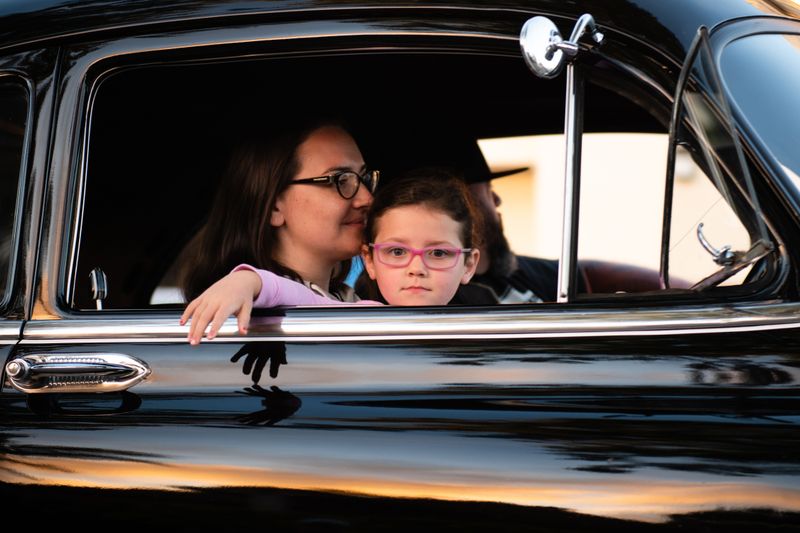
Road trips in the 1950s looked very different from today.
Kids bounced around freely in the back seat, sometimes rode in the front with no seatbelt, and a few adventurous families let children sit in the open beds of pickup trucks on highway drives.
Car seats for toddlers?
Practically unheard of.
Seatbelts themselves weren’t even standard equipment in most cars until the late 1950s and early 1960s, and wearing one was considered optional even when available.
Crashes that are survivable today were often fatal back then simply because of the lack of restraints.
Modern safety laws now require age-appropriate car seats, booster seats, and seatbelts for all passengers.
These regulations have saved hundreds of thousands of lives since they were introduced.
7. Routine Homophobia

Being openly gay in the 1950s could cost you your job, your freedom, and sometimes your life.
Homosexuality was classified as a mental illness by the American Psychiatric Association until 1973, and gay individuals were regularly fired, arrested, or institutionalized simply for who they were.
Society didn’t just look the other way.
It actively participated in the persecution.
Entertainment mocked LGBTQ+ people, employers blacklisted them, and the legal system offered no protection whatsoever.
The Stonewall Riots of 1969 marked a turning point in the fight for LGBTQ+ rights, sparking a movement that has achieved enormous legal and cultural gains.
Today, many countries have anti-discrimination laws protecting LGBTQ+ individuals in housing, employment, and public services, though full equality remains an ongoing struggle in many regions.
8. Little Concern for Environmental Pollution
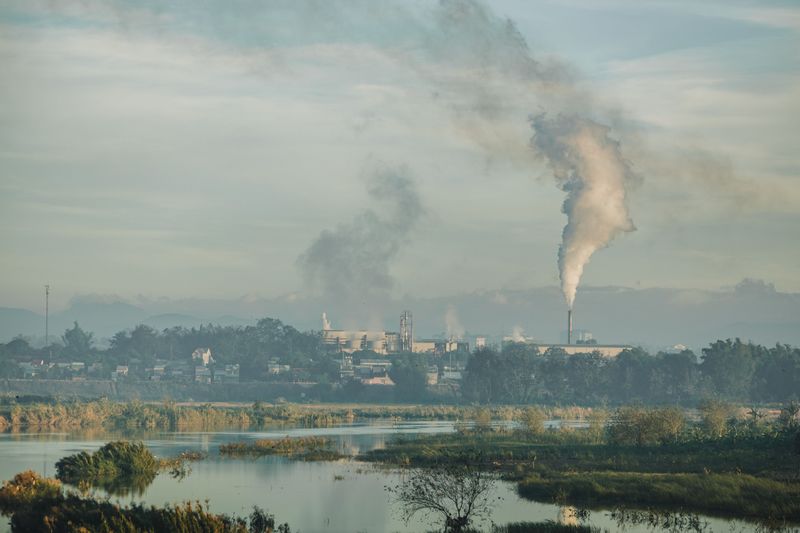
Rivers caught fire.
Smog blanketed cities so thickly that people could barely see across the street.
In the 1950s, factories dumped chemical waste directly into waterways, cars ran without emissions controls, and littering was so common that highways were lined with trash.
Most people viewed pollution as simply the price of progress.
There was no Environmental Protection Agency, no Clean Air Act, and very little public awareness that these habits were quietly poisoning the planet.
The Cuyahoga River in Ohio famously caught fire in 1969, helping shock the country into action.
Today, environmental regulations in many countries set strict limits on emissions and waste disposal.
Climate change has pushed environmental responsibility even further into the spotlight, making the casual pollution of the 1950s almost unimaginable to younger generations.
9. Workplace Harassment Being Dismissed

“That’s just how men are” was an excuse that carried a lot of weight in the 1950s workplace.
Sexual harassment, unwanted touching, demeaning comments, and inappropriate behavior toward women were either ignored by management or laughed off as harmless fun.
Women who complained were often told they were overreacting or, worse, blamed for inviting the behavior.
Human resources departments as we know them barely existed, and legal protections against workplace harassment were essentially nonexistent.
Women often had no choice but to endure it or quit.
The #MeToo movement, which gained enormous momentum in 2017, put a massive spotlight on how widespread this problem still is.
Today, employers are legally required to maintain harassment-free workplaces, and individuals can face serious professional and criminal consequences for crossing those lines.
10. Minimal Consumer Safety Standards

Toys with sharp metal edges.
Cribs with wide-spaced bars that trapped babies.
Household appliances with exposed wiring and no safety shutoffs.
In the 1950s, products hit store shelves with shockingly little testing or regulation, and warning labels were nearly nonexistent.
Manufacturers simply weren’t held to the same standards that exist today.
Lead paint was used in children’s toys and household items for years before anyone seriously questioned whether that was a terrible idea.
Flammable children’s pajamas were sold without fire-resistant treatment.
The Consumer Product Safety Commission wasn’t created until 1972, and its formation came largely because injuries and deaths from unsafe products had become impossible to ignore.
Today’s product safety standards are far more rigorous, though recalls still happen regularly, reminding us that vigilance never really ends.
11. Mental Health Being Heavily Stigmatized

Feeling depressed in the 1950s wasn’t something you talked about at the dinner table.
Mental health conditions like anxiety, depression, and bipolar disorder were widely misunderstood, and many people who struggled were told to simply “snap out of it” or pray harder.
Seeking therapy carried enormous shame, and many families hid relatives with mental illness rather than seek help.
Treatments of the era were often disturbing by modern standards, including lobotomies and electroconvulsive therapy used far too broadly and without informed consent.
The idea that emotional struggles were a sign of weakness kept millions of people suffering in silence.
Today, mental health awareness has grown significantly.
Therapy is widely encouraged, schools teach students about emotional wellbeing, and public figures openly sharing their struggles has helped normalize the conversation in powerful ways.