 MomSkoop

Sometimes words and actions tell two very different stories. When a man says one thing but does another, it can leave you feeling confused and unsure about where you stand.
Learning to recognize certain phrases can help you better understand what is really going on in a relationship. Knowing the difference between words and real intentions is one of the most valuable skills you can have.
1. I’m Just Really Busy Right Now

Busyness is real, but it can also become a convenient shield.
When someone genuinely cares, they find small moments to show it, even during hectic weeks.
A quick text, a short call, or a simple check-in takes only seconds.
If “I’m just really busy right now” becomes a repeated excuse, pay attention to the pattern.
Actions during busy times reveal a lot about priorities.
Someone who wants to be present will make even a little time.
This phrase can signal emotional distance more than a packed schedule.
Noticing whether the busyness ever lifts, or whether the excuses simply change, can help you see the situation clearly and make informed decisions about the relationship.
2. You Mean So Much to Me

Hearing “you mean so much to me” can feel like a warm hug for your heart.
Sweet words carry real weight, but only when they are backed by consistent behavior.
Compliments without follow-through can start to feel hollow over time.
Watch for whether this phrase shows up right after a disagreement or a period of neglect.
Sometimes it is used to smooth things over rather than express genuine emotion.
Timing matters just as much as the words themselves.
A person who truly values you will show it through reliability, respect, and effort.
Words like these should feel like a confirmation of what you already see in their actions, not a substitute for them.
3. I Don’t Want to Lose You

Fear of losing someone is a powerful emotion, and this phrase often comes out during moments of tension.
But clinging to someone verbally while continuing harmful patterns is not the same as genuinely working to keep them.
“I don’t want to lose you” can be sincere, or it can be a way to pause a difficult conversation without addressing the real issues.
The difference shows up in what happens after those words are spoken.
Real effort looks like changed behavior, honest conversations, and consistent follow-through.
If the phrase keeps appearing but nothing shifts, it may reflect a fear of being alone rather than a deep commitment to the relationship and the person in it.
4. I Just Need a Little More Time

Patience is a fair thing to ask for in a relationship, especially during tough personal seasons.
Growth takes time, and not everyone moves at the same emotional pace.
Giving someone space to work through things can be an act of real love.
The trouble starts when “a little more time” stretches into months or years without any visible movement.
Vague timelines with no milestones can become a way to delay hard decisions indefinitely.
Healthy relationships involve honest check-ins about where things are heading.
Asking what “more time” actually looks like, and what changes you can both expect to see, is completely reasonable.
Progress does not have to be fast, but it should be real and visible.
5. Trust Me

Two simple words that carry enormous weight.
Trust is not built through requests, it is built through repeated, reliable actions over time.
Asking someone to trust you is very different from giving them reasons to do so.
When “trust me” shows up frequently, especially after broken promises or unexplained behavior, it can actually signal the opposite of trustworthiness.
Genuine trust rarely needs to announce itself out loud.
Pay attention to whether the actions surrounding this phrase line up with what is being asked of you.
Healthy relationships are built on transparency and consistency, not on persuasion.
If you find yourself being asked to ignore your gut feelings, that is worth taking seriously and thinking through carefully.
6. I’m Not Good at Expressing My Feelings

Emotional expression does not come naturally to everyone, and that is genuinely okay.
Some people grew up in environments where feelings were not talked about openly, and unlearning that takes real effort and time.
However, there is a difference between someone who struggles to express feelings and someone who uses that struggle as a permanent excuse to avoid emotional intimacy altogether.
One is a challenge being worked on, the other is a wall being maintained.
A person who recognizes this limitation and wants to grow will try, even imperfectly.
They might write things down, seek help, or simply make more effort over time.
The willingness to try says far more about their feelings than any single phrase ever could.
7. Things Will Get Better Soon

Optimism in a relationship is a beautiful thing.
Believing in a better future together can carry a couple through genuinely hard times.
But hope without a plan can quietly become a way of avoiding accountability.
“Things will get better soon” works best when paired with specific steps being taken to make that happen.
Without action attached to the promise, the phrase can start to feel like a delay tactic dressed up as encouragement.
Ask what “better” actually means and what steps are being taken to get there.
A partner who is serious about improvement will welcome that conversation.
One who deflects or gets defensive might be more comfortable with the idea of change than the reality of making it happen.
8. You’re Overthinking It

Sometimes people do overthink situations, and a gentle reality check from a caring partner can be genuinely helpful.
But there is a big difference between offering perspective and shutting down a valid concern before it can be fully expressed.
“You’re overthinking it” can be a way to make someone question their own instincts rather than address what they are pointing to.
When this phrase is used repeatedly, it can erode confidence and make a person feel like their feelings are a problem rather than a message.
Your feelings deserve to be heard and taken seriously.
A partner who cares will try to understand what is behind your concern, not dismiss it.
Trusting your own perceptions is not overthinking, it is self-awareness.
9. I Love You
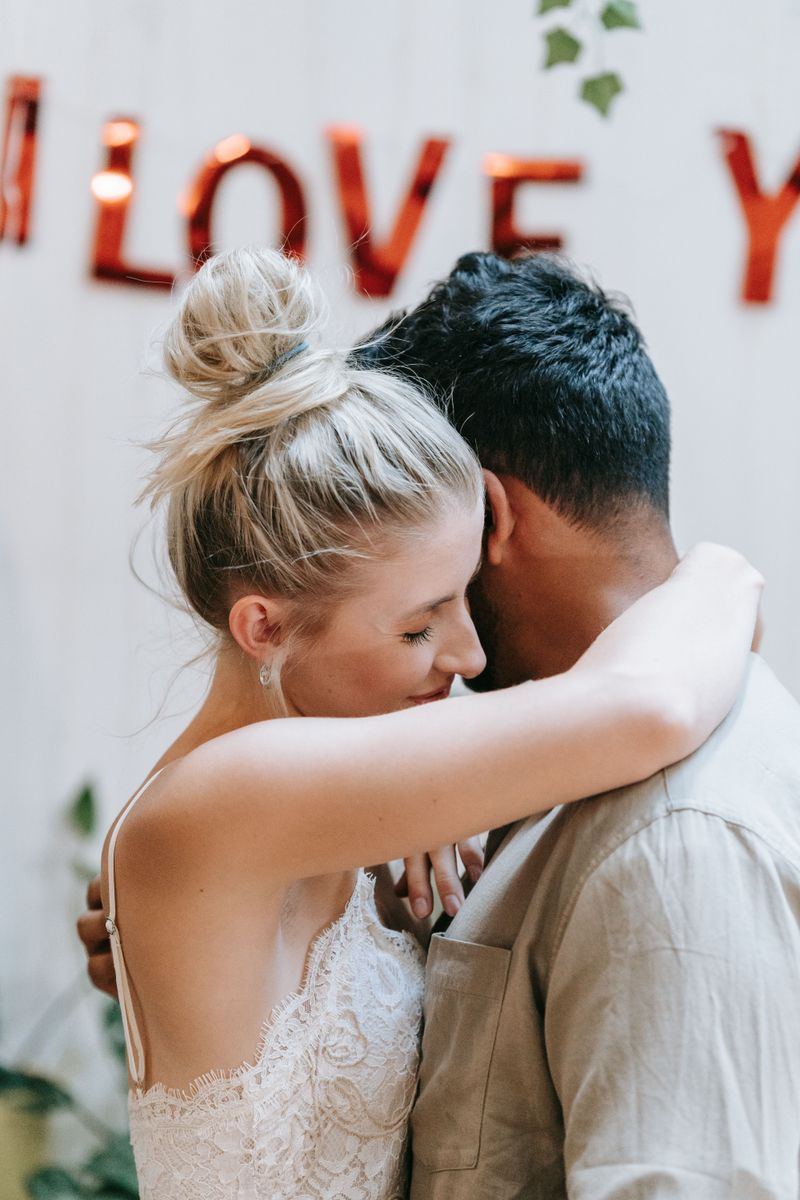
Few phrases carry more emotional power than these three words.
Hearing them can light up a room and make a hard week feel manageable.
But love is not just a feeling stated out loud, it is something that shows up in daily choices and habits.
When “I love you” is said frequently but the surrounding behavior feels cold, controlling, or careless, the phrase starts to lose its meaning.
Words repeated without matching actions can become background noise over time.
Real love is visible in how someone treats you on ordinary days, not just in the moments when they want to repair something.
Noticing the gap between what is said and what is done is not cynical, it is wise and worth paying attention to.
10. I Didn’t Mean It Like That

Everyone says something clumsy or poorly worded sometimes.
Misunderstandings happen in even the healthiest relationships, and a sincere clarification can clear the air quickly.
Context and intention genuinely do matter in communication.
The pattern becomes concerning when hurtful words keep getting walked back with this phrase, especially without a real apology. “I didn’t mean it like that” can become a way to avoid responsibility by placing the burden of interpretation on the other person.
A thoughtful partner will not only clarify what they meant but will also acknowledge the impact their words had.
How something lands emotionally is just as important as what was intended.
Consistent carelessness with words is its own kind of message worth paying attention to.
11. I’ll Make It Up to You

There is something genuinely sweet about a partner who wants to make things right.
Knowing someone cares enough to repair a mistake can feel reassuring and bring a couple closer together when it is sincere.
The phrase loses its warmth, though, when it becomes a cycle.
Hurt, followed by “I’ll make it up to you,” followed by a temporary improvement, followed by the same hurt again, is a pattern worth naming.
Gestures are meaningful only when the underlying behavior actually changes.
Making things up to someone is not just about a nice dinner or a thoughtful gift.
It is about understanding what went wrong and committing to doing things differently.
Without that understanding, the gesture is just a reset button waiting to be pressed again.
12. That’s Just How I Am

Self-awareness is genuinely valuable.
Knowing your own tendencies and being honest about them shows a level of maturity that many people lack.
Owning your personality without apology can even be an attractive quality in a partner.
But “that’s just how I am” becomes a red flag when it is used to justify behavior that consistently hurts someone else.
Personality is not a free pass for poor treatment.
Everyone has the capacity to grow, adjust, and show up better for people they care about.
A partner who truly values the relationship will be willing to examine habits that cause harm, even when change feels uncomfortable.
Using identity as a reason to stay the same is a choice, not a limitation, and it is worth recognizing that clearly.
13. You’re the Only One I Want

Exclusivity and desire are deeply meaningful in a romantic relationship.
Knowing that someone chooses you, and only you, builds a foundation of security and trust that allows both people to feel safe being vulnerable.
When this phrase shows up right after suspicious behavior or during a moment of insecurity, it is worth pausing to notice the timing.
Reassurance offered in those moments can sometimes be more about managing the situation than expressing genuine devotion.
Actions that reflect loyalty, honesty, and respect will always speak louder than this kind of declaration.
A partner who is truly committed will not need to frequently remind you of your place in their life.
You will simply feel it in the way they show up every day.
14. I’ll Change

Hope is one of the most powerful forces in any relationship.
Believing that someone you care about can become a better version of themselves is not naive, it is human.
Real change does happen, and it can transform a relationship completely.
The difference between genuine change and the promise of it comes down to sustained effort over time. “I’ll change” said once during an emotional moment is very different from someone who quietly begins showing up differently week after week.
Watch for the small, consistent shifts rather than grand declarations.
Real change does not usually announce itself with speeches.
It appears in daily choices, in how conflicts are handled, and in whether old patterns fade or simply take a new shape.
That is where the truth lives.