 MomSkoop
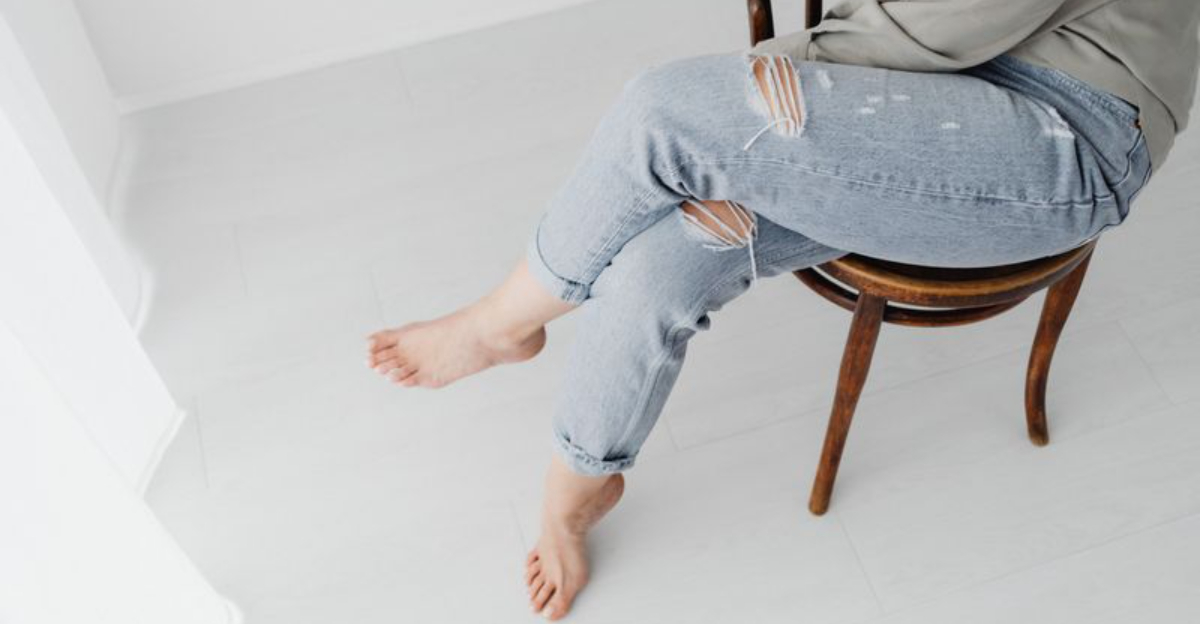
Finding jeans that actually fit can feel like searching for treasure. With so many cuts, rises, and styles out there, it is easy to feel overwhelmed in the fitting room.
The good news is that a few simple tips can make the whole process much easier. Whether you are shopping for the first time or just tired of jeans that never quite work, these 11 practical tips will help you find a pair you will love wearing every day.
1. Identify Your Body Shape First

Knowing your body shape before you even step into a store can save you a lot of time and frustration.
Most people fall into one of five general shapes: pear, apple, hourglass, rectangle, or inverted triangle.
Each shape has proportions that work better with certain jean styles.
For example, pear shapes often look great in bootcut or wide-leg jeans that balance out wider hips.
Apple shapes may prefer high-rise styles for extra support around the midsection.
You do not need to fit perfectly into one category.
Think of body shape as a starting point, not a strict rule, to help you shop smarter and feel more confident.
2. Pay Attention to the Rise
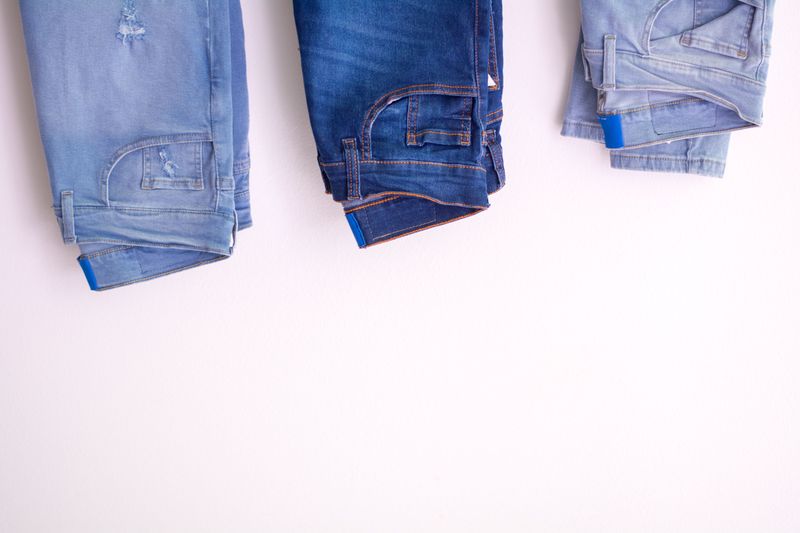
The rise of a jean refers to the distance from the crotch seam to the top of the waistband, and it makes a bigger difference than most people realize.
High-rise jeans sit above the natural waist, offering more coverage and a defined silhouette.
They are especially popular for tucking in shirts and creating a polished look.
Mid-rise jeans are the everyday go-to for many people because they balance comfort and style without feeling too restrictive.
Low-rise styles sit right at the hips and suit a more relaxed, casual vibe.
Trying all three in the fitting room helps you figure out which rise feels most natural for your body and your daily routine.
3. Match the Leg Shape to Your Proportions

Leg cut is one of the most powerful tools for flattering your figure.
Straight-leg jeans are a classic that works for almost every body type, making them a reliable starting point for anyone building a wardrobe.
Wide-leg styles add a relaxed, fashion-forward feel and can visually balance out wider hips by drawing attention downward.
Bootcut jeans flare slightly below the knee, which works beautifully for people with fuller thighs because it creates an even line from hip to hem.
Slim and skinny fits hug the leg closely and create a streamlined silhouette.
There is no single best option.
The right leg shape is simply the one that makes you feel comfortable and confident in your own skin.
4. Check the Waist Fit Before Anything Else

Here is a truth most shoppers learn the hard way: if the waist does not fit right, nothing else about the jeans will feel right either.
A waistband that digs in, gaps at the back, or constantly slides down will ruin an otherwise great pair of jeans before you even leave the house.
The ideal waistband sits snugly without pinching your skin or leaving red marks after a few hours of wear.
You should be able to fit two fingers inside the waistband comfortably, but not much more.
If the waist fits well, smaller issues like a slightly long hem or a minor adjustment in the thigh area are usually easy to fix with basic tailoring.
5. Consider Stretch Carefully

Stretch denim has become incredibly popular because it feels comfortable right away.
Jeans with about 1 to 2 percent elastane offer just enough give to move freely while still holding their shape throughout the day.
Many people find this small amount of stretch is the sweet spot between comfort and structure.
Higher stretch percentages, sometimes labeled as super stretch or ultra flex, can feel amazing in the morning but may sag or bag at the knees and seat by afternoon.
If you love a more structured, classic denim look, 100 percent cotton jeans might be worth trying.
They feel stiffer at first but mold to your body over time and tend to keep their shape much longer with regular wear.
6. Do Not Focus Only on the Size Tag

Sizing in the fashion world is notoriously inconsistent, and jeans are one of the worst offenders.
A size 28 in one brand might fit completely differently from a size 28 in another, even if both are labeled the same.
Letting the number on the tag dictate your choices can lead to a lot of unnecessary disappointment and frustration.
Instead, grab a few different sizes when you head to the fitting room and try them all on without peeking at the label.
Judge each pair purely by how it feels and looks on your body.
Comfort, mobility, and confidence matter far more than any printed number.
Once you find a brand whose sizing consistently works for you, shopping becomes much simpler and more enjoyable.
7. Look at Pocket Placement
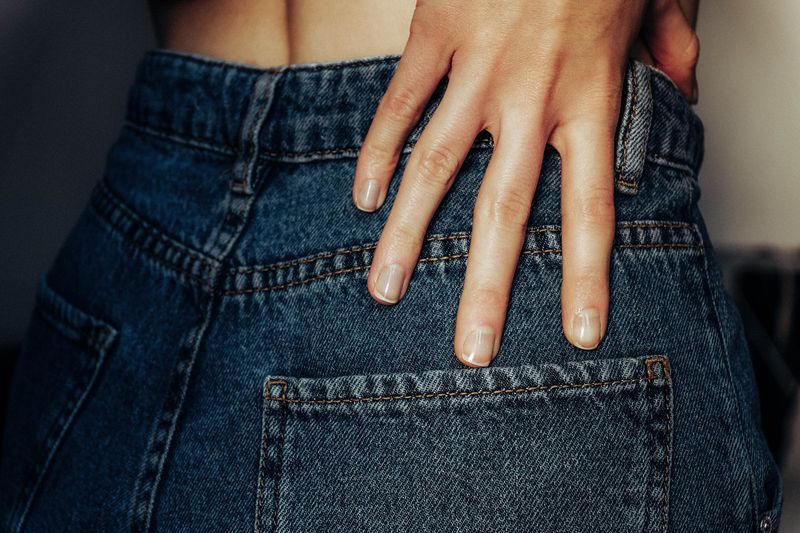
Back pockets might seem like a small detail, but their size and placement can quietly change how a pair of jeans looks from behind.
Pockets that are centered on the seat and proportionate to the overall cut tend to create a balanced, flattering appearance for most body types.
Pockets that sit very low can make the seat look longer and flatter than it is.
Pockets placed too high or too close together can have the opposite effect.
Unusually wide-set pockets may make hips appear broader.
When trying on jeans, take a moment to check the back view in the mirror.
It is a quick step that many shoppers skip but one that can genuinely help you find a more flattering pair.
8. Think About Your Height
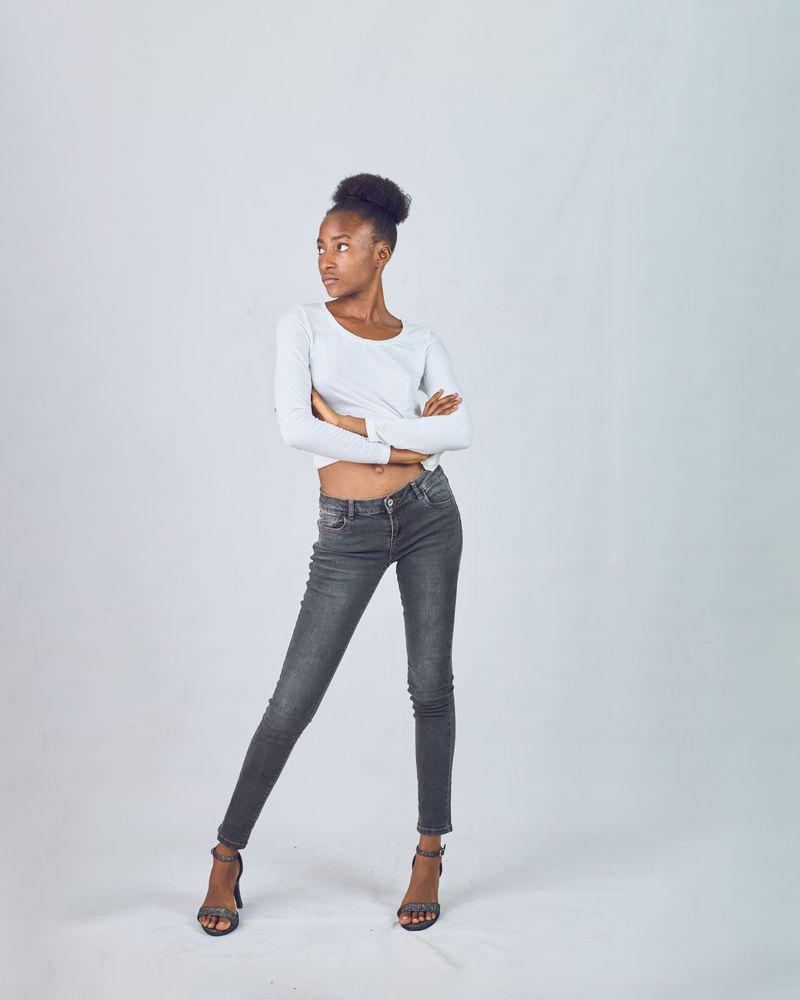
Height plays a surprisingly large role in how jeans look and feel when worn.
Petite shoppers, generally those under 5 feet 4 inches, often find that regular-length jeans bunch at the ankles or drag on the floor.
Cropped, ankle-length, or petite-cut jeans can solve this problem without requiring a trip to the tailor.
Taller shoppers frequently face the opposite challenge, with regular inseams ending several inches too short.
Many brands now offer tall or long-length options with inseams of 34 inches or more.
Choosing the right inseam length makes jeans look intentional and well-fitted rather than like an afterthought.
Always check the inseam measurement on the label before buying, especially when shopping online, to avoid a poor fit.
9. Try Sitting and Walking Before Buying

Standing still in a fitting room gives you only part of the picture.
Jeans that feel perfectly comfortable while upright can pinch at the waist, pull across the thighs, or slide down the back the moment you sit down or start moving.
Real life involves a lot more than just standing still.
Before committing to a pair, walk a few steps, do a shallow squat, and sit down on the fitting room bench.
Pay attention to where the fabric pulls, where it gaps, and whether the waistband stays in place.
This quick movement test takes less than two minutes but can save you from bringing home jeans that end up sitting unworn in your closet because they are just not comfortable enough for everyday use.
10. Choose Washes That Match Your Wardrobe
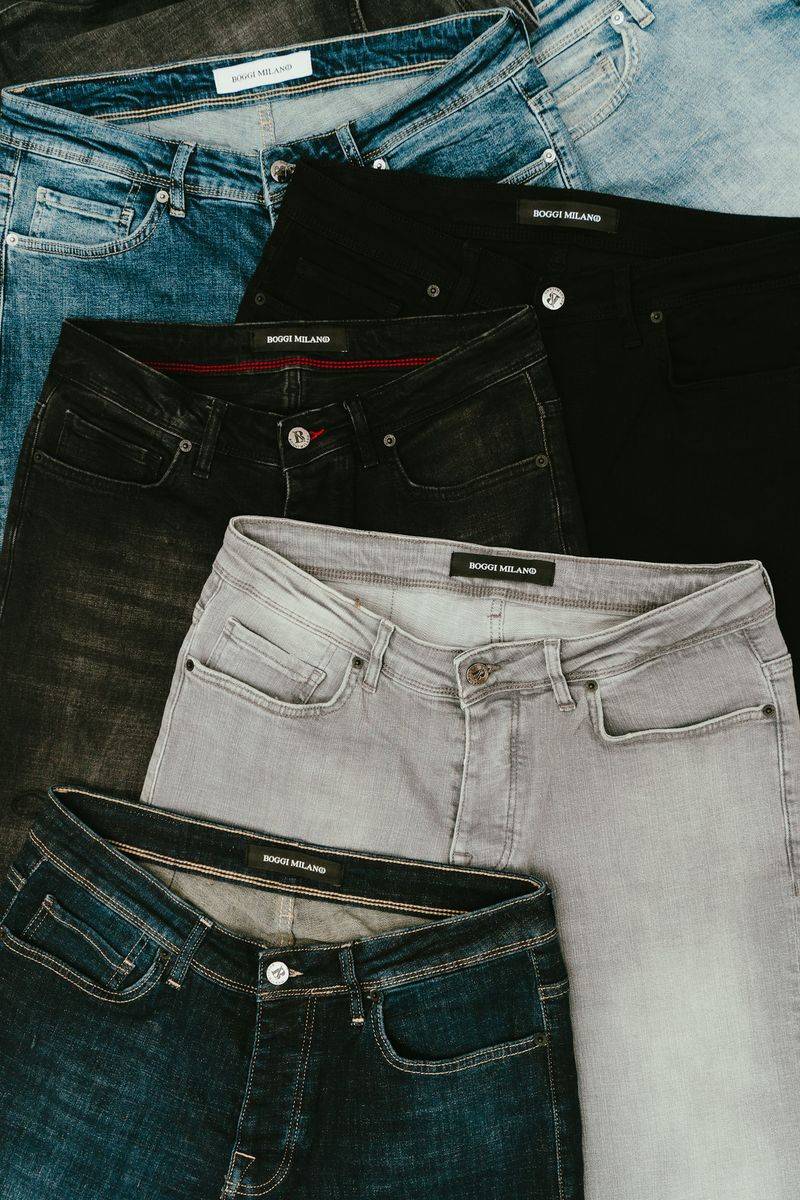
Denim wash refers to the color and finish of the fabric, and it affects how versatile your jeans will be in your day-to-day wardrobe.
Dark washes in deep indigo or black tones are among the most flexible options available.
They pair easily with casual tops, blazers, or dressy blouses, making them suitable for a wide range of occasions.
Medium washes in a classic blue shade work well with relaxed outfits like t-shirts and sneakers.
Light washes have a breezy, laid-back feel that suits warm-weather looks and weekend wear.
Before buying, think about the colors and styles already in your closet.
Choosing a wash that genuinely complements what you already own means your new jeans will actually get worn regularly rather than pushed to the back of the shelf.
11. Prioritize Comfort Over Trends

Fashion cycles move fast, and what is trending one season can feel outdated the next.
Ultra-low-rise jeans, baggy silhouettes, and other bold styles come and go, but the jeans you will actually wear are the ones that feel genuinely good on your body.
Chasing trends can lead to a closet full of jeans that looked great in a photo but never quite felt right in real life.
A classic, well-fitted pair of jeans in a comfortable cut will serve you far longer than a trendy style you only feel okay wearing.
Comfort does not mean boring.
It means choosing jeans that suit your lifestyle, move with your body, and make you feel like yourself.
That kind of fit never goes out of style, no matter what season it is.