 MomSkoop
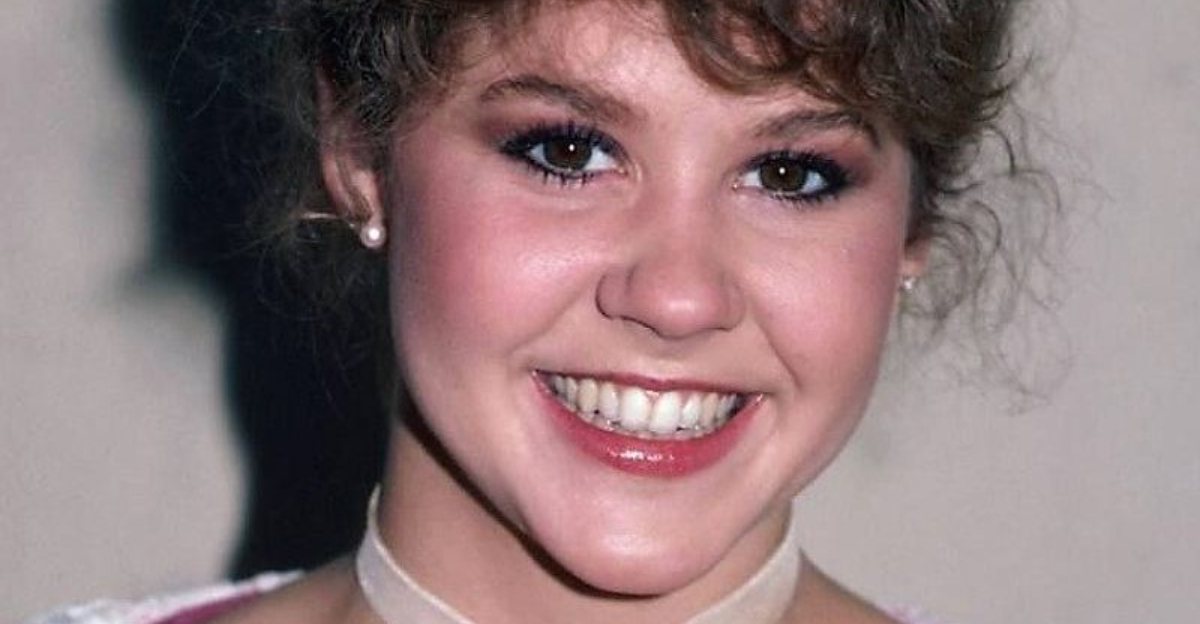
The 1970s produced some of the most iconic stars in entertainment history. From blockbuster movies to hit TV shows, these celebrities captured the hearts of millions around the world.
But fame is rarely a smooth road, and many of these beloved stars faced serious personal challenges behind the scenes. Their stories remind us that even the brightest lights can flicker when life gets tough.
1. John Travolta
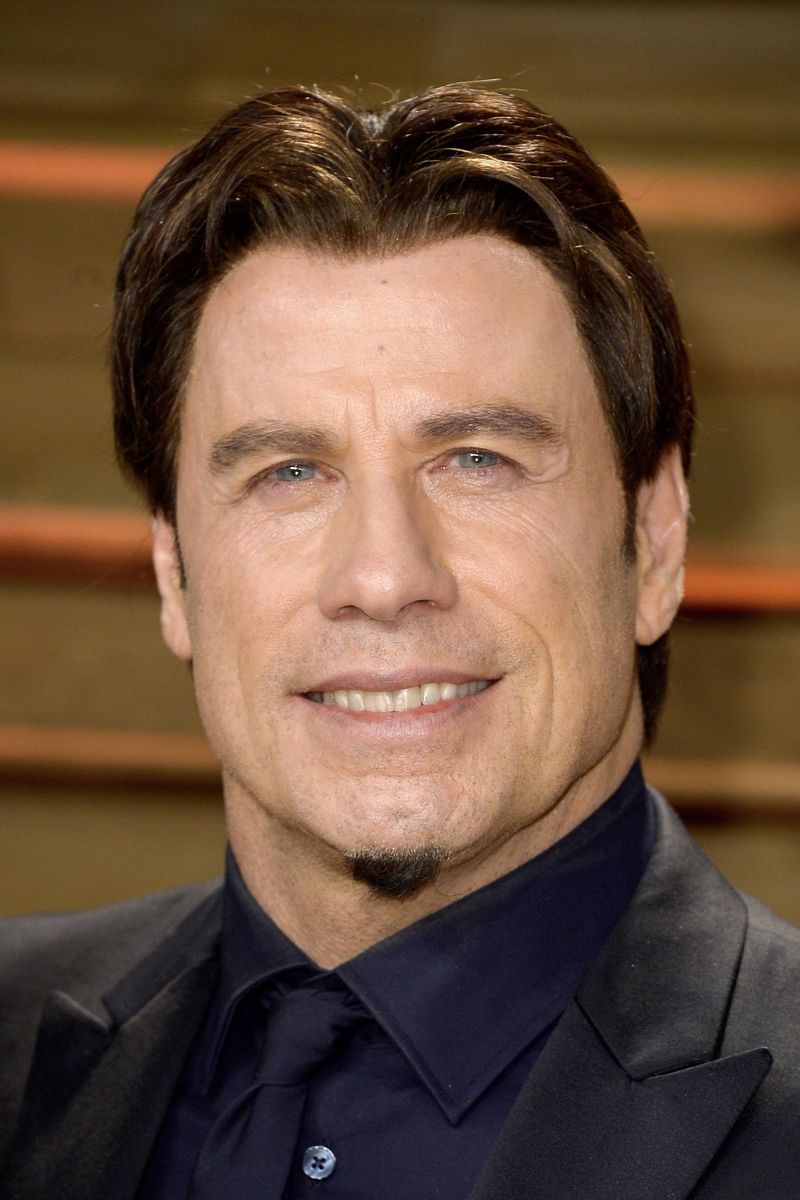
Few stars burned as brightly in the late 1970s as John Travolta.
His role in Saturday Night Fever made him a global sensation almost overnight, and Grease sealed his place as one of Hollywood’s biggest names.
Before that, TV fans already loved him from Welcome Back, Kotter.
Behind the spotlight, Travolta faced some of life’s most painful moments.
He lost his longtime girlfriend Diana Hyland to cancer in 1977, and decades later, the death of his son Jett in 2009 shook him deeply.
His mother also passed during his peak years.
Through every heartbreak, Travolta kept returning to his craft.
His resilience in the face of grief has made him a figure many fans admire beyond just his on-screen talent.
2. Farrah Fawcett
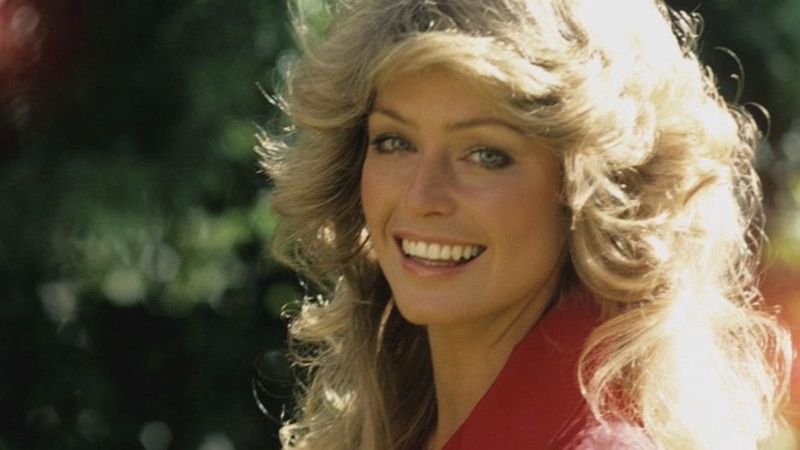
That red swimsuit poster became one of the best-selling posters in history, and Farrah Fawcett became a household name almost instantly.
Her role in Charlie’s Angels made her a symbol of 1970s pop culture, with fans copying her signature feathered hairstyle worldwide.
Walking away from the show at the height of her popularity surprised many people.
Fawcett wanted to be taken seriously as an actress, not just a pretty face.
She went on to earn critical praise in dramatic roles that showed real depth.
Her later years brought a courageous and very public battle with anal cancer.
She documented her fight on film, showing extraordinary bravery.
Farrah Fawcett passed away in June 2009, leaving behind a legacy far greater than any poster.
3. Richard Pryor
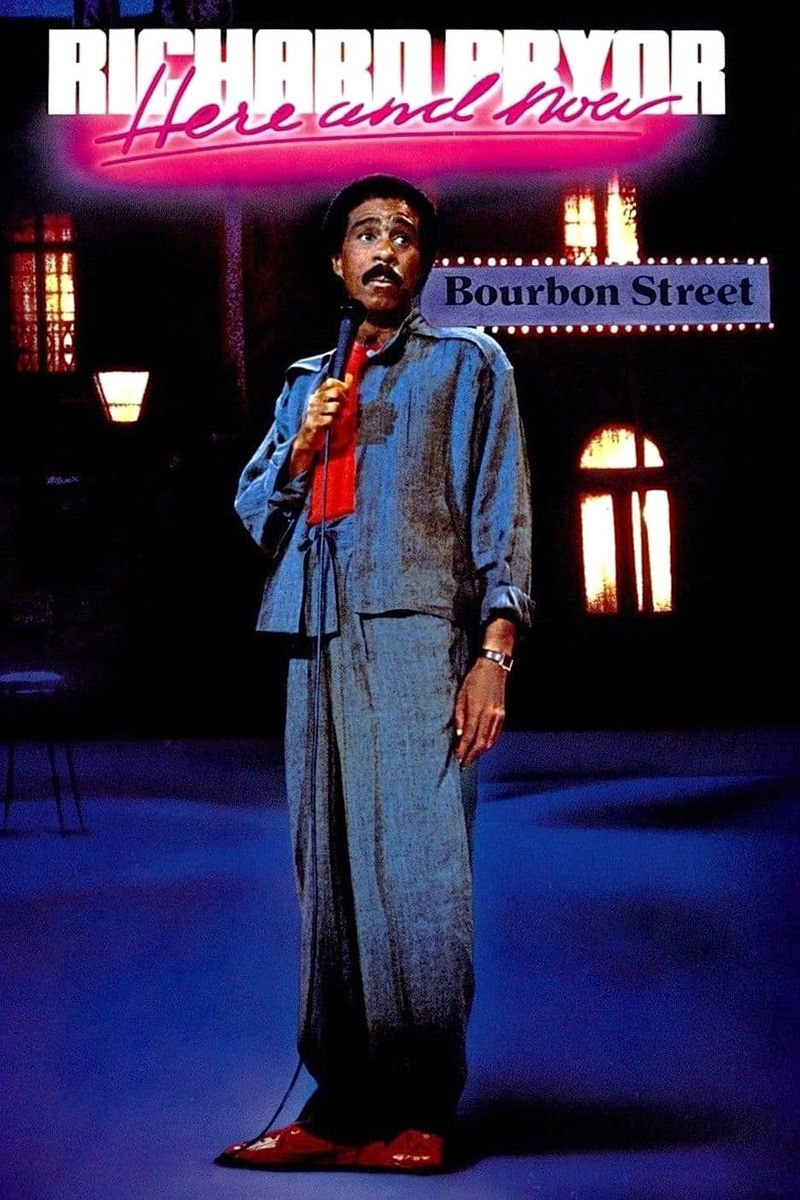
Richard Pryor did not just tell jokes.
He told the truth in a way that made people laugh and think at the same time.
His comedy albums and live performances in the 1970s changed stand-up forever, blending raw honesty with sharp social commentary.
Off stage, Pryor’s life was filled with real pain.
He struggled with substance abuse for years, and in 1980, a fire at his home – widely reported as related to drug use – left him with serious burns.
The incident became one of the most talked-about moments of his life.
He was later diagnosed with multiple sclerosis, which gradually limited his ability to perform.
Even so, Pryor’s influence on comedy remains enormous.
Comedians today still credit him as one of the greatest who ever lived.
4. Liza Minnelli
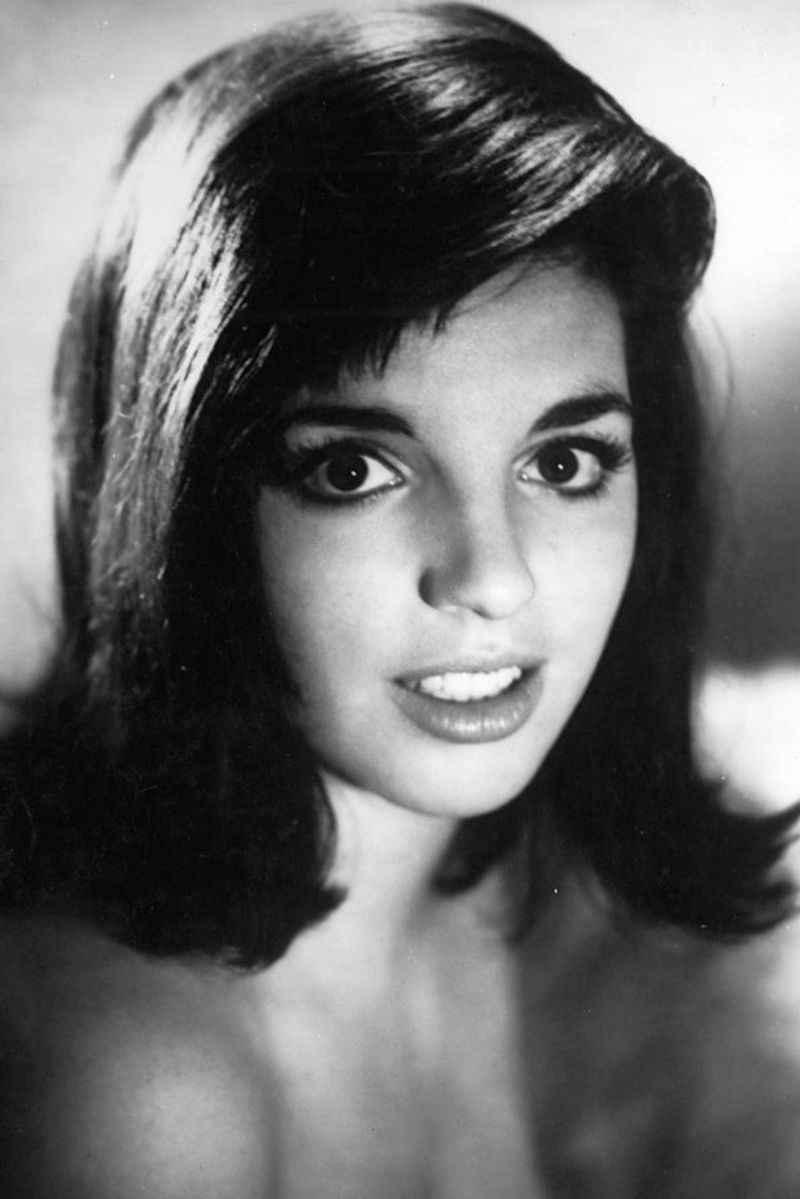
Winning the Academy Award for Cabaret in 1972 put Liza Minnelli at the very top of the entertainment world.
With powerhouse vocals and electric stage presence, she was impossible to ignore.
Being the daughter of Judy Garland only added to the weight of expectations she carried.
Over the decades, Minnelli was open about her battles with prescription drug dependency and alcohol.
She entered rehabilitation multiple times, showing both vulnerability and a willingness to fight for her health.
Each comeback showed how deeply her fans cared about her.
Health challenges including back surgery and a viral encephalitis diagnosis in 2000 slowed her considerably.
Still, Liza Minnelli remains a celebrated figure in entertainment.
Her story is one of talent, pressure, and the complicated cost of a life lived fully in the spotlight.
5. Burt Reynolds
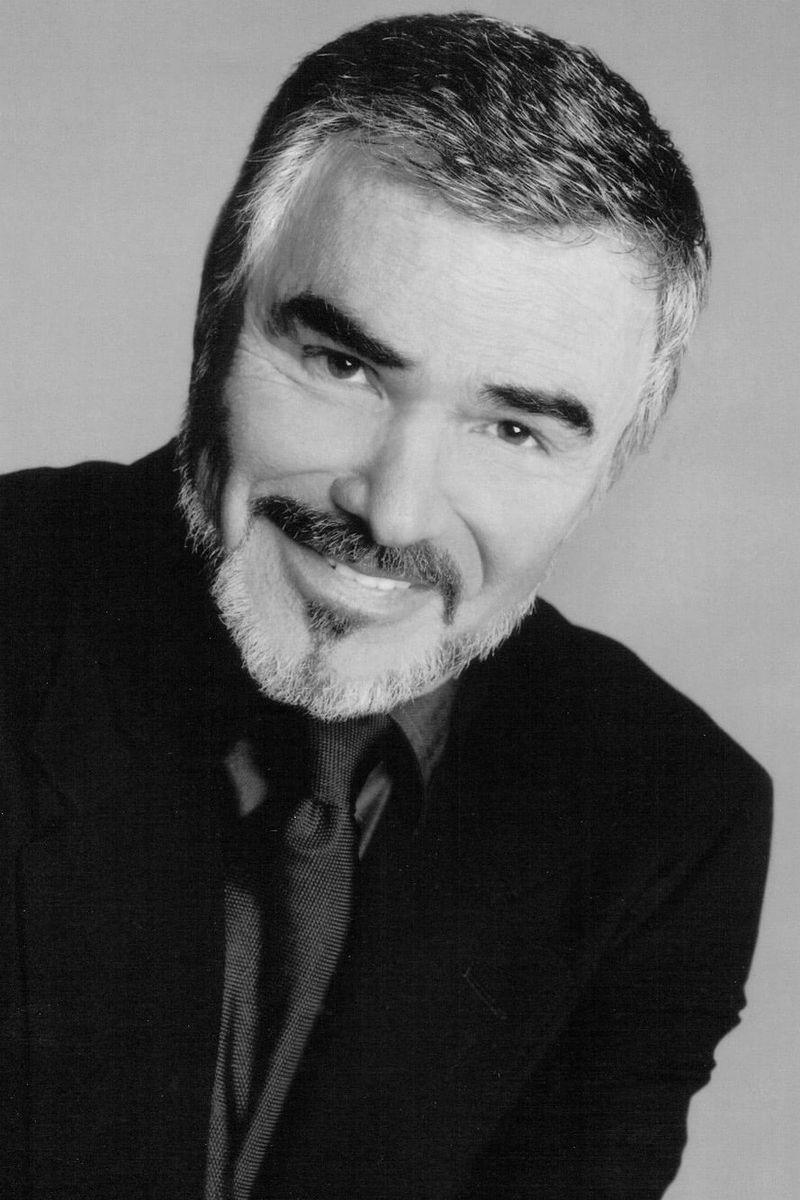
For a stretch of the late 1970s, Burt Reynolds was arguably the most popular actor in America.
Movies like Smokey and the Bandit and The Cannonball Run had audiences lined up around the block.
His charm, humor, and tough-guy image made him a box office king.
By the 1990s, the financial picture had changed dramatically.
Poor investments and expensive lifestyle choices left Reynolds facing serious money troubles, including bankruptcy in 1996.
It was a steep fall from the glamour of his peak years.
Health problems, including heart surgery and a painful jaw condition, added to his difficulties.
Reynolds made a celebrated comeback with Boogie Nights in 1997, earning an Oscar nomination.
He passed away in 2018, but fans remember him as one of Hollywood’s most entertaining personalities.
6. Margaux Hemingway
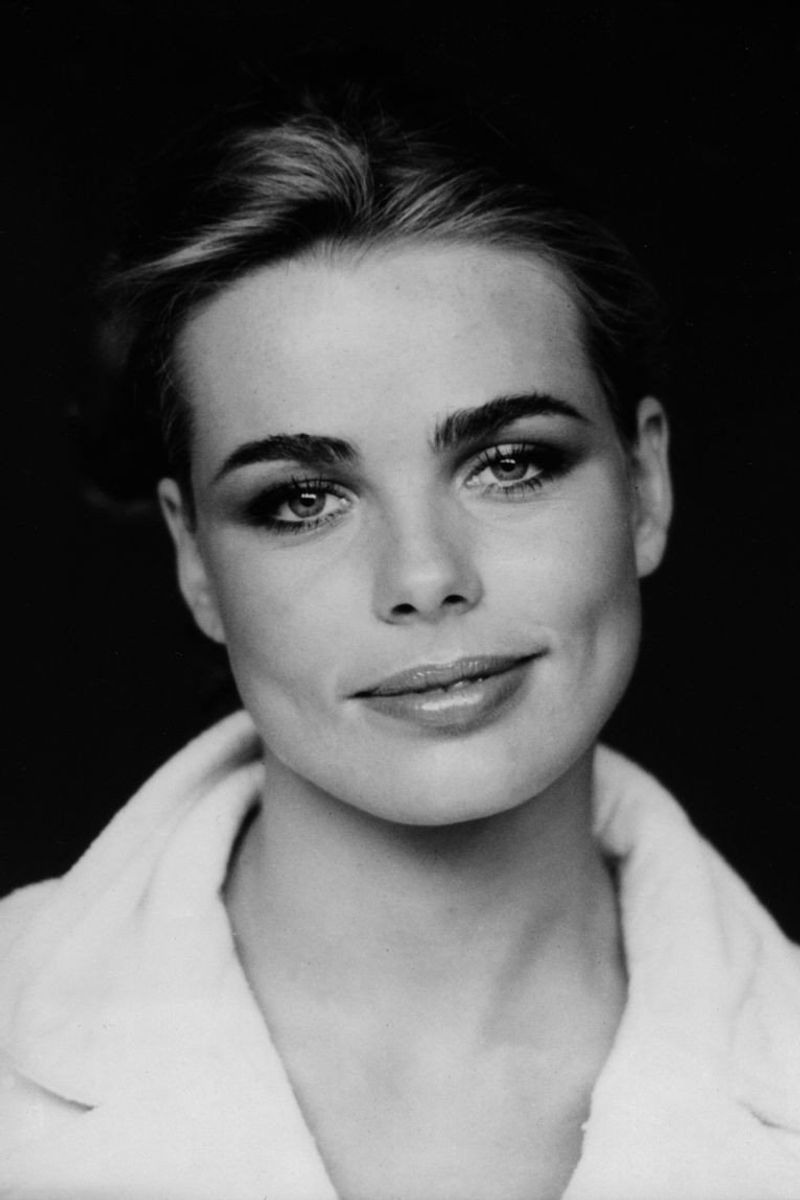
Standing nearly six feet tall with striking looks and a famous last name, Margaux Hemingway arrived on the scene like a force of nature.
She became one of the first models to land a million-dollar contract, signing with Faberge in the mid-1970s.
Her face was everywhere.
Acting roles followed, but the transition proved harder than expected.
Films did not bring the same success as modeling, and public attention slowly shifted away.
The pressure of living up to her grandfather Ernest Hemingway’s legendary name added a unique kind of weight to everything she did.
Margaux struggled with epilepsy, eating disorders, and personal difficulties throughout her adult years.
She passed away in 1996 at just 41 years old.
Her story is a reminder of how quickly the spotlight can move on, even from the most dazzling of stars.
7. Andy Gibb
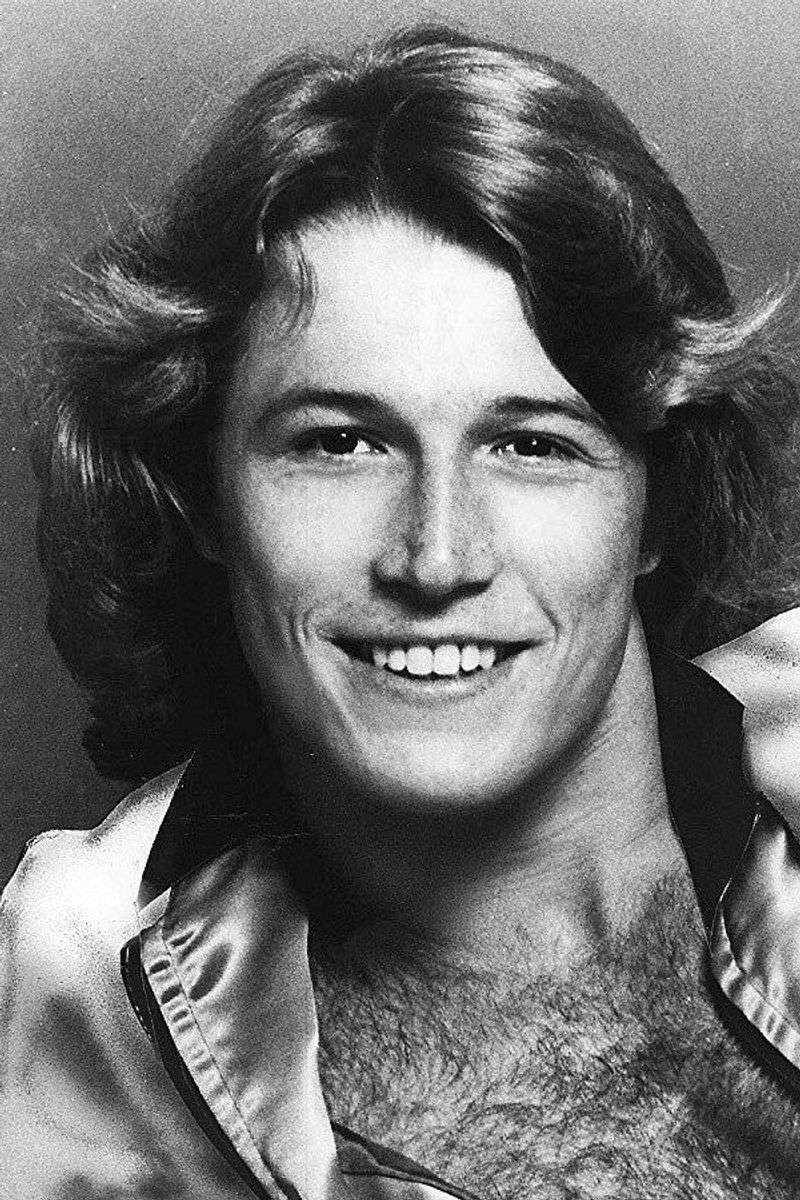
Riding the massive wave of his brothers’ success with the Bee Gees, Andy Gibb carved out his own solo career that was genuinely impressive.
He scored three consecutive number-one singles in the United States between 1977 and 1978, a feat very few artists have matched.
Behind the cheerful pop image, Andy was struggling.
Substance abuse became a serious problem that damaged his career and personal relationships.
A high-profile romance with actress Victoria Principal also ended painfully, adding to his emotional difficulties during this period.
He was dropped from the Broadway production of Joseph and the Amazing Technicolor Dreamcoat due to his struggles.
Andy Gibb passed away in 1988 at just 30 years old, days after his birthday.
His brief but brilliant career left a real mark on pop music history.
8. David Cassidy
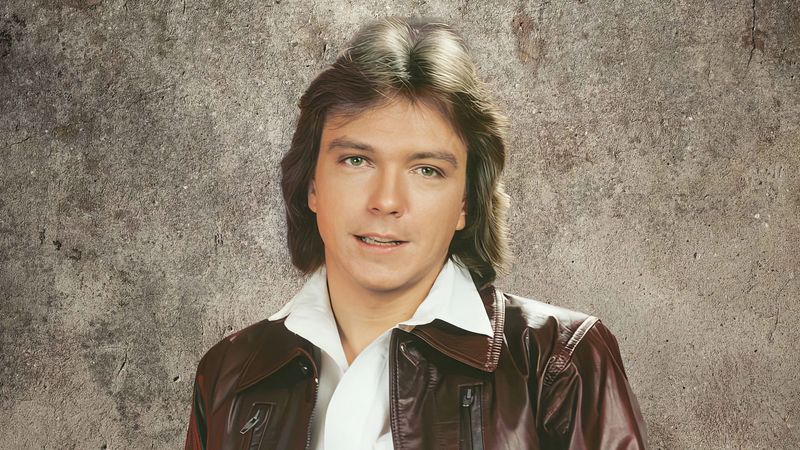
Screaming fans, sold-out concerts, and a face on every teen magazine cover – David Cassidy had the kind of fame in the early 1970s that most people can barely imagine.
As Keith Partridge on The Partridge Family, he became the defining teen idol of the decade.
Cassidy himself often said the fame felt overwhelming and hollow.
He actively tried to move past the teen idol image, but audiences found it hard to see him any other way.
That struggle followed him through much of his adult career.
Financial difficulties mounted over the years, and he filed for bankruptcy in 2015.
Health issues, including a dementia diagnosis, surfaced in his final years.
David Cassidy passed away in 2017, and his story reflects how hard it can be to outgrow a single defining moment of fame.
9. Mackenzie Phillips
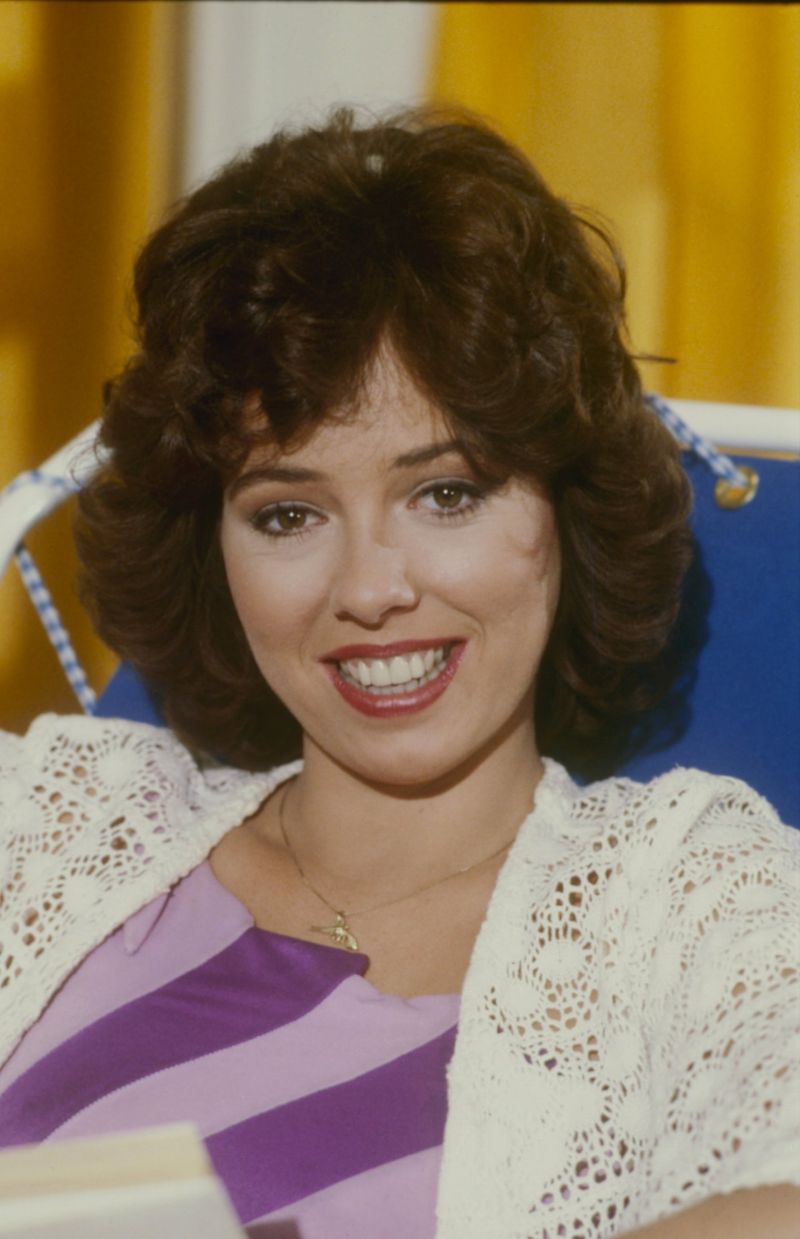
Growing up on national television is no small thing, and Mackenzie Phillips did exactly that.
Her role as Julie Cooper on One Day at a Time made her a familiar face in American living rooms throughout the 1970s.
She came from music royalty too, as the daughter of John Phillips of The Mamas and the Papas.
Off screen, her life became increasingly difficult.
Drug use began early and grew into a serious addiction that interrupted her work multiple times.
She was fired from the show not once but twice due to her struggles, which played out very publicly.
In 2009, her memoir revealed deeply troubling family secrets that shocked the public.
Phillips has since worked hard on her recovery and has spoken openly about her experiences.
Her honesty has helped others dealing with similar challenges feel less alone.
10. Leif Garrett
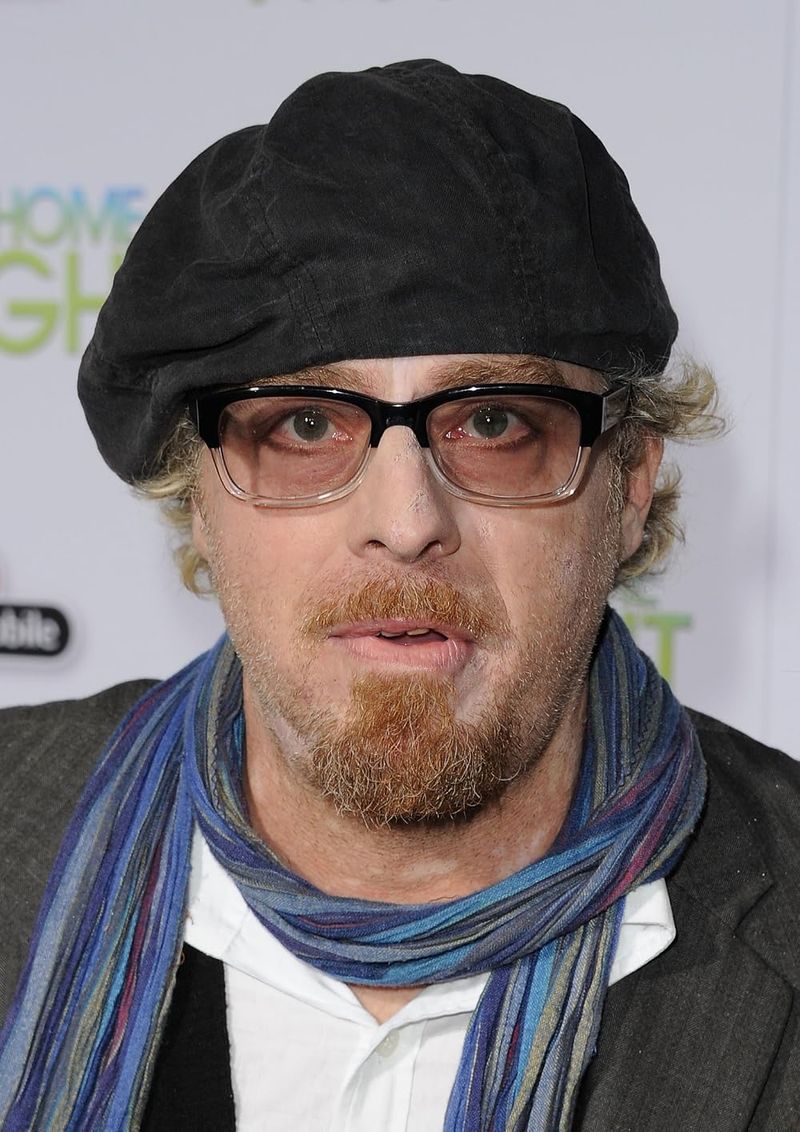
With golden hair and a boyish smile, Leif Garrett was everywhere in the late 1970s.
Teen magazines could not get enough of him, and his pop singles climbed the charts with ease.
He also acted in films, showing range beyond just his pop star persona.
A serious car accident in 1979 injured his passenger and close friend Roland Winkler, leaving Winkler with permanent disabilities.
The guilt Garrett carried from that night weighed heavily on him for years.
He has spoken about it many times as a turning point in his life.
Legal troubles and substance abuse issues followed him into adulthood, keeping him in the tabloids for the wrong reasons.
Garrett has made efforts toward recovery over the years.
His journey is a complicated mix of early brilliance and the long shadow that one night cast over everything that followed.
11. Tatum O’Neal
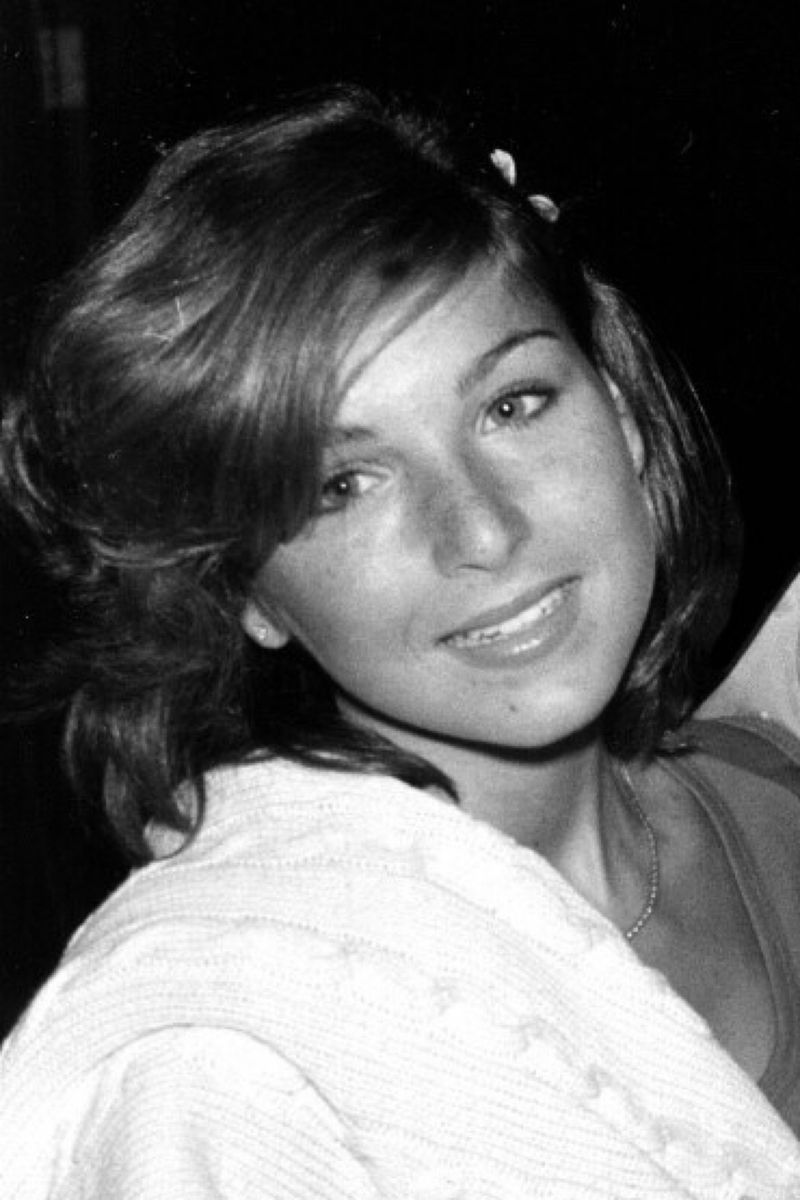
At just ten years old, Tatum O’Neal won the Academy Award for Best Supporting Actress for Paper Moon in 1974.
She remains the youngest competitive Oscar winner in history, a record that still stands today.
That kind of early achievement is almost impossible to fully grasp.
Growing up with actor Ryan O’Neal as her father brought its own set of complications.
In her memoir and interviews, she described a childhood marked by neglect and exposure to a fast-moving adult world she was not ready for.
Struggles with drug addiction defined much of her adult life, and she has been very public about the road to recovery.
Tatum O’Neal’s story is both inspiring and sobering.
Her willingness to speak honestly about her experiences has made her a voice for others navigating similar paths through pain.
12. Karen Carpenter
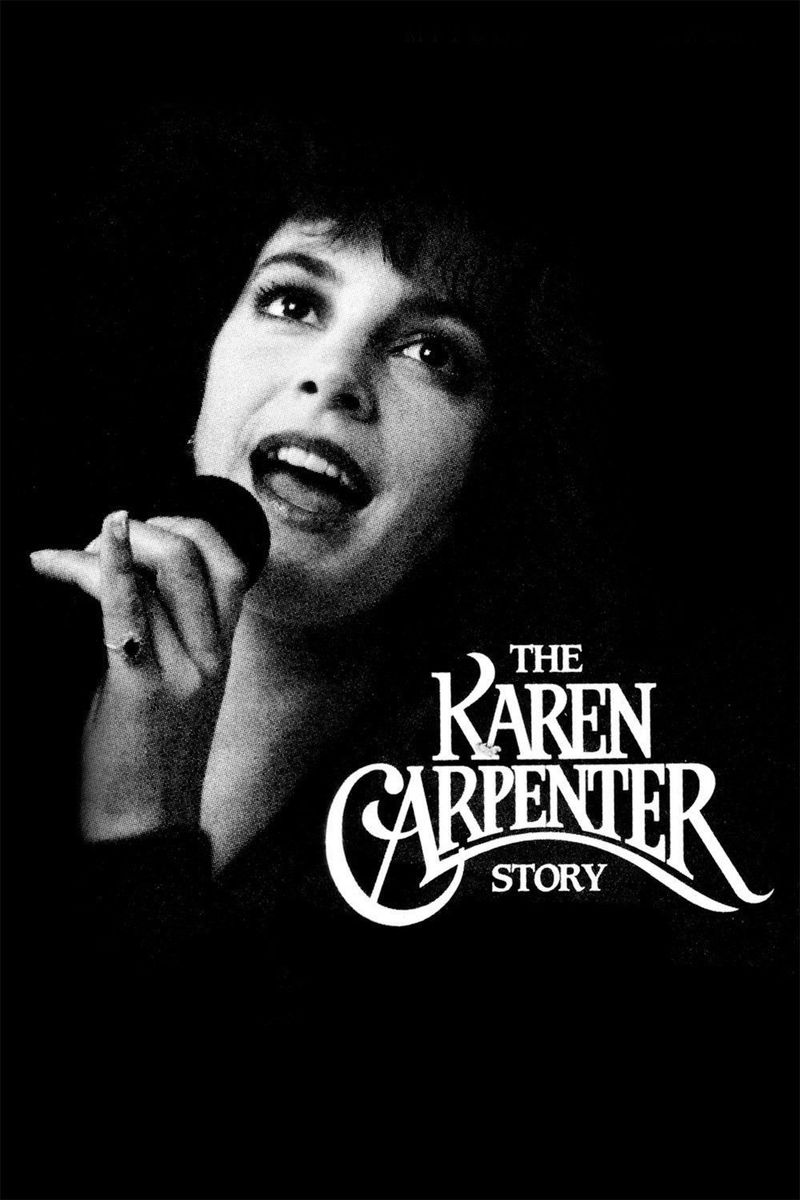
Karen Carpenter had one of the most naturally beautiful voices in the history of popular music.
The Carpenters sold over 100 million records worldwide, and songs like Close to You and We’ve Only Just Begun became timeless classics.
Audiences adored her quiet warmth and effortless talent.
Behind that warm public image, Karen was quietly fighting a battle most people knew nothing about.
She suffered from anorexia nervosa at a time when the condition was barely understood or even named publicly.
Her weight dropped to dangerous levels, and those close to her grew increasingly worried.
Karen Carpenter passed away in February 1983 at just 32 years old.
Her death brought widespread public attention to eating disorders for the first time.
Her legacy lives on not only in her music but in the conversations her story helped start about body image and health.
13. Freddie Prinze
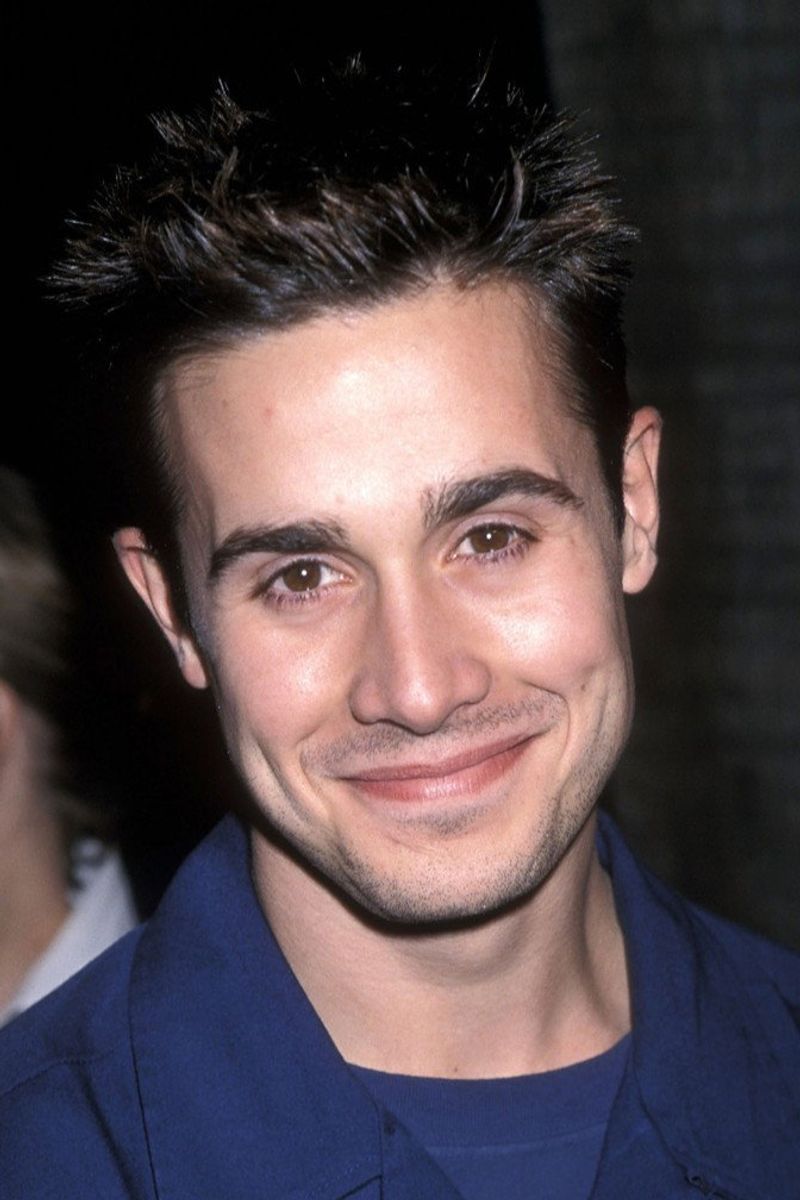
By the time he was 19, Freddie Prinze had already performed on The Tonight Show and landed the lead role in Chico and the Man.
The sitcom was a massive hit, and Prinze’s quick wit and magnetic charm made him one of the most exciting young talents of the decade.
Beneath the confident comedian exterior, Prinze was dealing with serious emotional pain.
He spoke openly about feeling depressed and disconnected despite his success.
The pressures of sudden fame, combined with personal struggles, took a very real toll on his mental health.
Freddie Prinze passed away in January 1977 at just 22 years old, a loss that stunned the entertainment world.
His son, Freddie Prinze Jr., later followed him into acting.
The elder Prinze’s brief career left a lasting impression on comedy and on everyone who saw him perform.
14. Anissa Jones
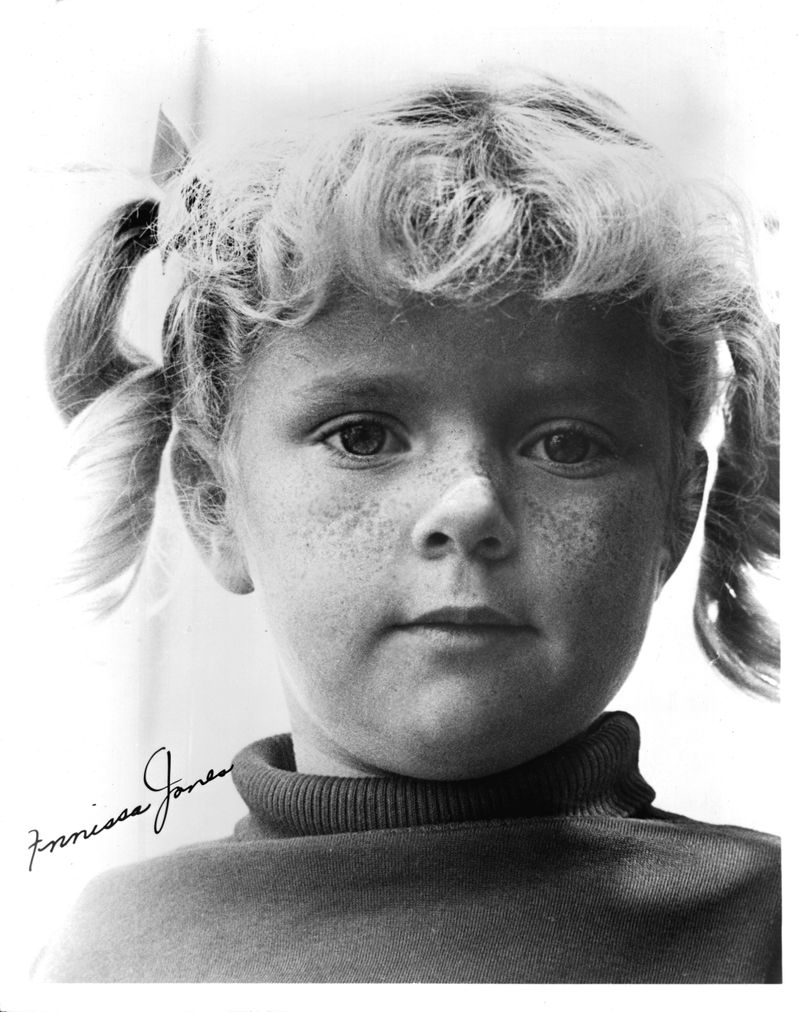
As little Buffy on Family Affair, Anissa Jones charmed television audiences with a naturalness that most child actors spend years trying to develop.
The show ran from 1966 to 1971, and her character’s relationship with her beloved doll Mrs. Beasley became genuinely iconic in American pop culture.
When the show ended, Anissa found the shift away from the spotlight deeply unsettling.
She had grown up entirely in front of cameras, and normal teenage life felt foreign and difficult.
Reports from people who knew her described a young woman who struggled to find her footing outside of acting.
Anissa Jones passed away in August 1976 at just 18 years old.
Her story is one of the earliest and most heartbreaking examples of the challenges child stars face when the cameras stop rolling and real life begins.
15. Linda Blair
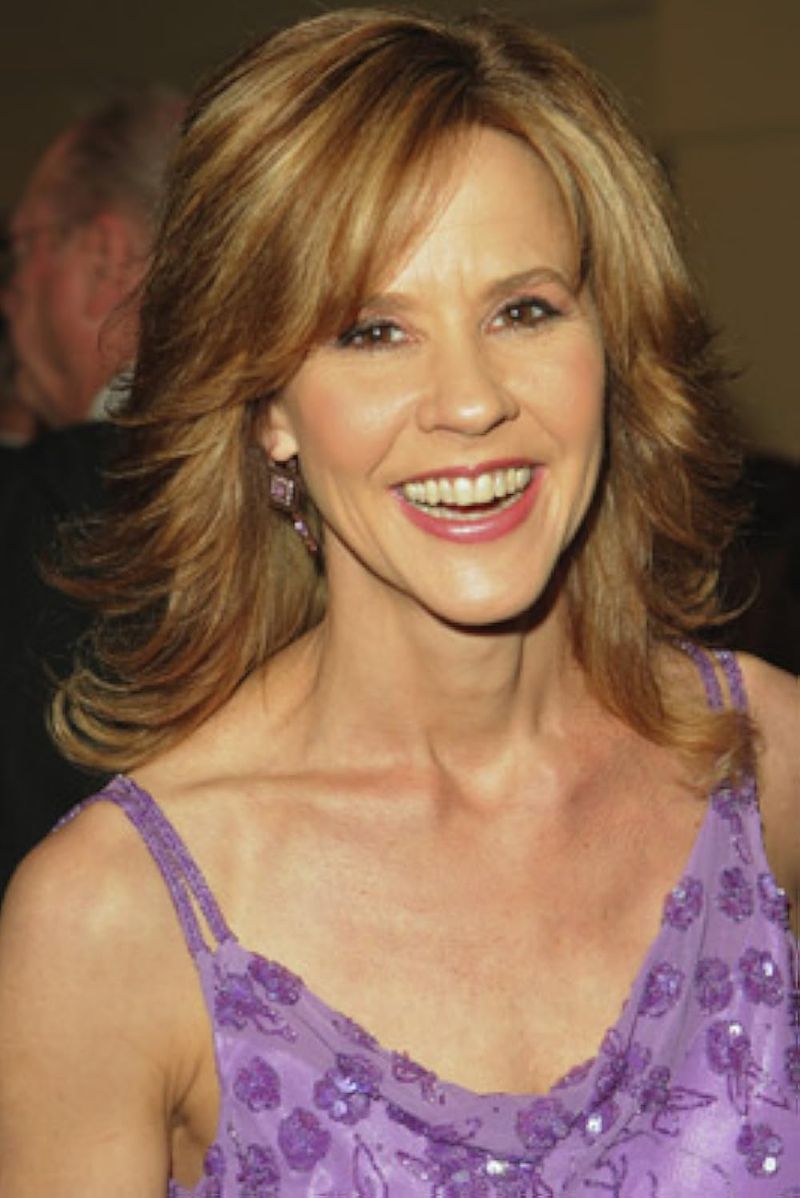
Playing the demon-possessed Regan in The Exorcist took enormous courage for a 14-year-old actress, and Linda Blair pulled it off in a way that terrified audiences worldwide.
She received an Academy Award nomination for the role, instantly becoming one of the most recognizable young actresses in Hollywood.
The years that followed were bumpy.
Blair had legal troubles in the late 1970s related to drug charges, and finding roles that moved her past the shadow of The Exorcist proved genuinely difficult.
Hollywood had a hard time seeing her as anything other than that one unforgettable performance.
Rather than letting those setbacks define her, Blair channeled her energy into animal welfare activism.
She founded the WorldHeart Foundation and has dedicated decades to rescuing animals.
That second chapter of her life has become just as meaningful as her famous first act on screen.