 MomSkoop

Every marriage has those conversations that feel awkward, uncomfortable, or just plain hard to start. For many husbands, certain topics can feel like walking into a room with no exits.
Whether it is fear of conflict, not knowing the right words, or worrying about hurting feelings, staying silent often makes things worse. Understanding what these tough topics are can be the first step toward building a stronger, more honest relationship.
1. Feeling Emotionally Disconnected

Some mornings a husband might sit across the breakfast table from his wife and realize he feels like a stranger in his own home.
Emotional disconnection is one of the hardest things to put into words, especially when life is busy and feelings get buried under daily routines.
Many husbands avoid bringing this up because they worry it will sound like a complaint or start an argument.
They might not even fully understand the feeling themselves.
But naming it out loud is often the first step toward fixing it.
Talking about emotional distance does not mean the marriage is broken.
Couples who address it early tend to grow much closer as a result.
2. Concerns About Physical Intimacy

Physical intimacy is one of those topics that can make even the most confident man go quiet.
Many husbands have worries about this area of their marriage but stay silent because they feel embarrassed or fear rejection.
Changes in how often or how deeply a couple connects physically can affect the whole relationship.
When one partner feels unsatisfied but says nothing, small frustrations can build into bigger problems over time.
Bringing up concerns about physical intimacy takes courage, but it opens the door to honest conversations that can actually bring couples closer.
A good approach is to speak from a place of care, not criticism, and to listen just as much as you talk.
3. Financial Stress or Spending Habits

Money fights are one of the top reasons couples argue, yet many husbands still dread bringing up financial concerns with their wives.
Whether it is overspending, debt, or just different money values, these conversations can feel like a minefield.
Some men grew up in households where money was never discussed openly, so talking about it now feels unnatural or even shameful.
Others worry that raising the topic will come across as controlling or critical.
The truth is, couples who talk openly about finances tend to make smarter decisions together and fight less in the long run.
Setting a regular time to review the family budget together can make money talks feel less threatening and more like teamwork.
4. Feeling Unappreciated at Home

A lot of husbands quietly carry the feeling that their efforts at home go unnoticed.
They might work long hours, handle repairs, or manage finances without ever hearing a simple thank you.
Over time, that silence can quietly chip away at a man’s motivation and mood.
Bringing up this feeling is hard because it can come across as needy or demanding.
Many men would rather bottle it up than risk sounding like they are fishing for compliments.
But feeling unappreciated is a real and valid emotion.
Sharing it honestly, without blame, gives a spouse the chance to understand and respond.
Most partners genuinely want to show appreciation – they just sometimes need a gentle nudge to know it matters.
5. Changes in Attraction

Attraction in a long-term marriage naturally shifts over the years.
Bodies change, stress levels rise, and the butterflies from early dating can fade into something quieter.
For many husbands, admitting that attraction has changed feels like a dangerous confession.
They worry that saying something will hurt their spouse deeply or trigger a crisis.
So instead, they say nothing and hope the feeling passes on its own.
Sometimes it does, but often the silence creates more distance.
Talking about changes in attraction does not have to be hurtful.
When framed with kindness and a desire to reconnect, it can actually spark new energy in a relationship.
Many couples find that honest conversations like this lead to positive changes both partners appreciate.
6. Mental Health Struggles

Men have historically been told to tough it out when it comes to mental health.
Anxiety, depression, and burnout are common, but admitting to them in a marriage can feel like showing weakness.
Many husbands quietly suffer rather than open up to their wives.
The fear of being seen differently or becoming a burden keeps a lot of men silent.
They may withdraw, become irritable, or lose interest in things they used to enjoy, all without ever explaining why.
Sharing mental health struggles with a spouse takes real bravery, but it can also bring enormous relief.
A supportive partner can make a huge difference in recovery.
Seeking help together, whether through therapy or honest conversation, strengthens the bond rather than weakening it.
7. Unequal Household Responsibilities

Ask any couple about chores and you will likely hear two very different stories.
The division of household tasks is a common source of quiet resentment in many marriages.
Husbands who feel they contribute enough may not realize their partner sees things completely differently.
Bringing up this imbalance is tricky because it can quickly turn into a blame game.
No one wants to feel like they are being graded on their performance at home.
Still, ignoring the issue only lets frustration grow.
A calm, honest conversation about how tasks are shared, and what feels fair to both people, can lead to practical solutions.
Even small adjustments in who handles what can make both partners feel more respected and less overwhelmed at home.
8. Different Parenting Approaches

Parenting is deeply personal, shaped by how each person was raised.
When a husband and wife come from different backgrounds, their ideas about discipline, rules, and boundaries can clash in ways neither expected.
This is one topic many dads tiptoe around to avoid conflict.
Some husbands go along with their partner’s approach even when they disagree, telling themselves it is not worth the argument.
But when parents are not on the same page, kids notice, and it can create confusion at home.
Having an honest, private conversation about parenting values, away from the kids, is a healthy habit.
The goal is not to win an argument but to build a shared approach that both parents feel good about and that gives children a stable, consistent home environment.
9. Career Pressure or Job Insecurity

For many men, their career is closely tied to their sense of identity and self-worth.
When work gets rocky, whether from a bad boss, a layoff, or just feeling stuck, the emotional weight can be enormous.
Yet most husbands struggle to talk about this pressure with their wives.
There is often a fear of looking like a failure or a worry that admitting uncertainty will cause panic at home.
So they carry the stress alone, which usually makes it worse.
Letting a spouse into the reality of career struggles builds trust and allows both partners to plan together.
A wife who knows what her husband is facing can offer support, ideas, or simply a listening ear, which often means more than any quick fix ever could.
10. Boundaries With Extended Family

In-laws and extended family can be a wonderful support system, but they can also be a major source of tension.
Many husbands find it nearly impossible to bring up concerns about family boundaries, especially when it involves their own parents or siblings.
They might feel caught between loyalty to their family and loyalty to their spouse.
Raising the topic risks hurting someone they love, so silence feels like the safer option, even when it is not.
Healthy marriages require clear, respectful boundaries with extended family.
Setting those boundaries is not about cutting people off – it is about protecting the marriage and making sure both partners feel like a team.
Talking about it early, before resentment builds, makes the conversation much easier to have.
11. Unresolved Resentment From Past Conflicts
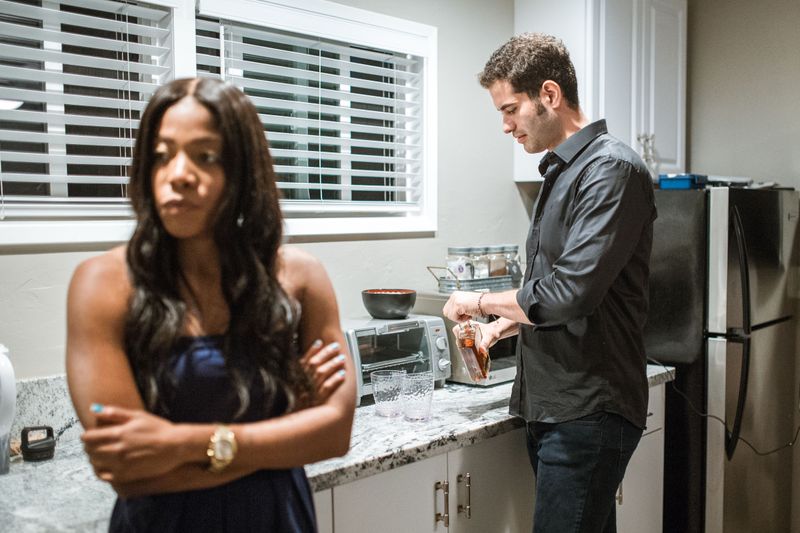
Old arguments have a way of hanging around long after the conversation is over.
Many husbands quietly carry resentment from past conflicts without ever fully processing or expressing it.
Over time, those unresolved feelings can color everything from daily moods to big decisions.
Bringing up old wounds is uncomfortable because it can feel like reopening a healed cut.
A lot of men would rather just move on and pretend an issue is resolved when it really is not.
But buried resentment tends to leak out in other ways, through irritability, withdrawal, or overreacting to small things.
Addressing it honestly, ideally with the help of a counselor, gives both partners a chance to truly clear the air and rebuild trust on a stronger foundation.
12. The Need for More Personal Space

Needing personal space in a marriage does not mean a husband loves his wife any less.
Everyone recharges differently, and for many men, solitude is essential for mental clarity and emotional balance.
Still, asking for alone time can feel like a rejection waiting to happen.
Many husbands avoid the topic entirely, instead sneaking in alone time here and there without explaining why.
This can confuse or hurt their partner, who may wonder what they did wrong.
Being upfront about needing personal space is actually a sign of self-awareness and emotional maturity.
When a husband explains his need for downtime clearly and kindly, it removes guesswork and helps his wife understand it is about recharging, not running away from her or the relationship.
13. Fears About the Marriage Ending

Few fears feel as heavy as the quiet worry that a marriage might not last.
Some husbands carry this fear for months or even years without ever saying a word.
Voicing it out loud feels like it might somehow make it more real or accelerate the very outcome they dread.
This silence can be incredibly isolating.
A man wrestling with these fears alone may pull away emotionally, which ironically makes the relationship weaker over time.
Sharing this fear with a spouse, or with a therapist, takes tremendous courage but can also spark meaningful change.
Many couples who have had this raw, honest conversation discover that both partners were scared and that the act of talking itself brought them back together in a powerful way.
14. Expectations for the Future

Where do you see us in ten years?
That question might sound simple, but for many husbands it opens up a flood of uncertainty.
Expectations about career moves, having more children, where to live, or how to retire are conversations that often get pushed to the back burner.
Some men avoid the topic because they genuinely do not know what they want yet.
Others worry that their vision for the future does not match their partner’s, and they are not ready to face that gap.
Talking about the future regularly, even in small doses, helps couples stay aligned and avoid growing in opposite directions.
These conversations do not need all the answers right away.
Starting with curiosity rather than demands makes the whole discussion feel less like a test and more like a shared adventure.