 MomSkoop
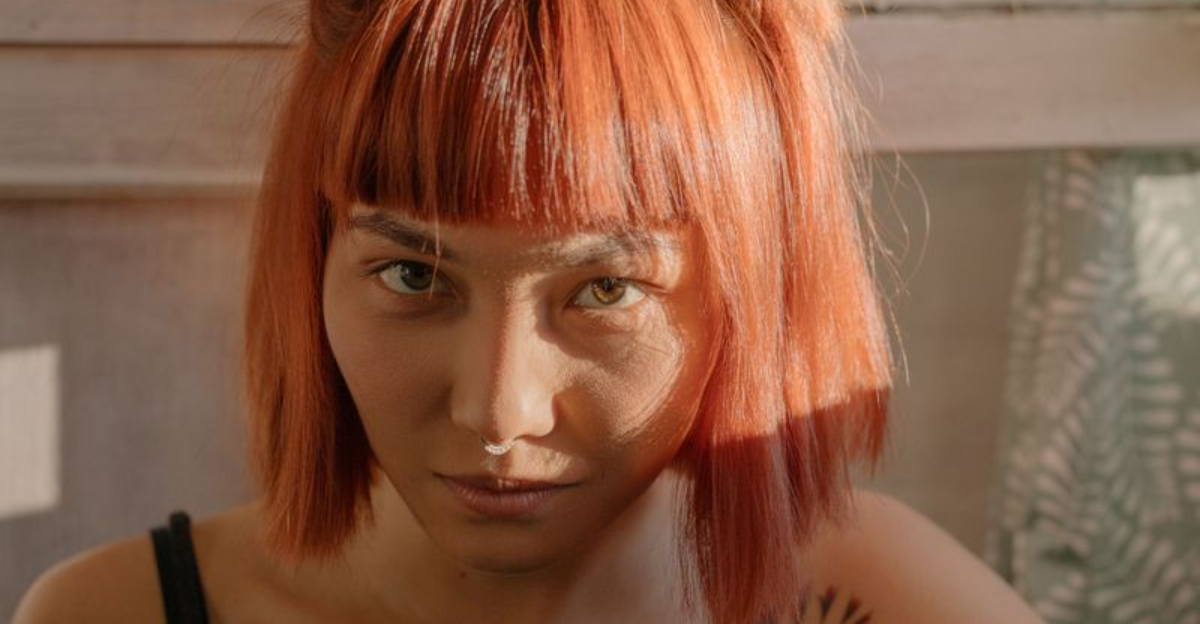
Hair color trends move fast, and what felt fresh two years ago can start to look a little tired. As 2026 approaches, stylists and color experts are pointing to certain looks that have had their moment in the spotlight.
If you are ready to refresh your style, knowing which trends are fading can help you make a smarter choice at your next salon visit. Here are the hair color trends worth leaving behind as you step into something new.
1. Chunky Money-Piece Highlights
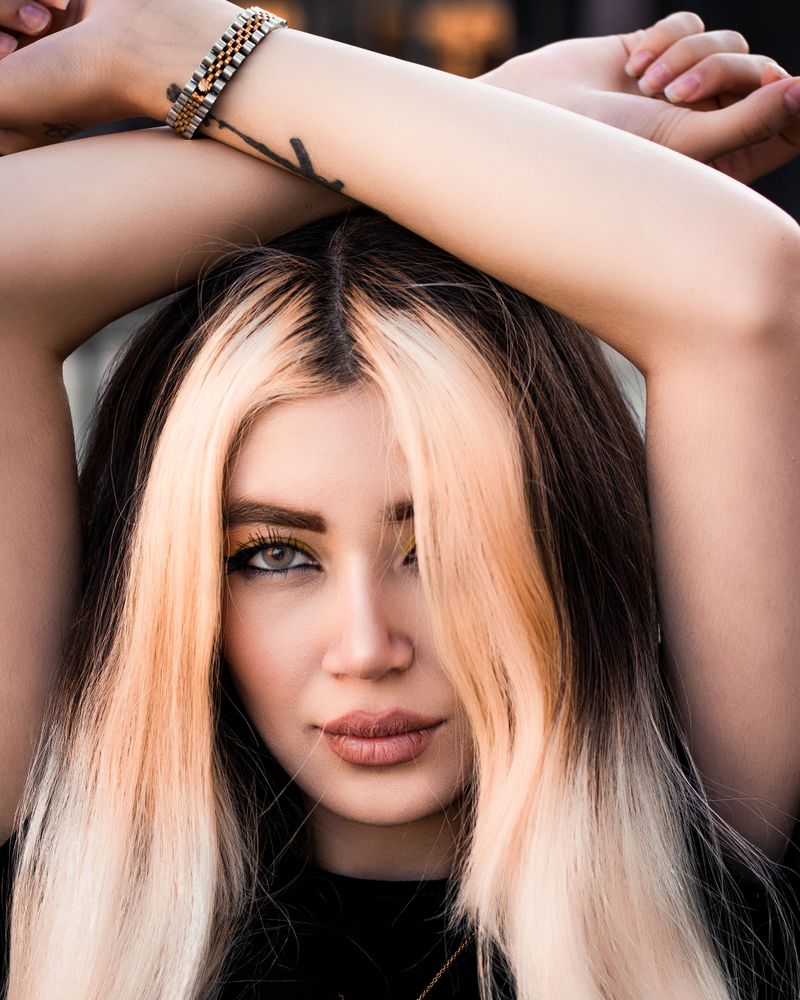
Remember when thick, dramatic face-framing highlights were absolutely everywhere?
The chunky money-piece look took over social media feeds for a solid couple of years, and it was hard to scroll without seeing those bold stripes of color flanking someone’s face.
The problem is that chunky placement can look harsh rather than flattering.
It tends to draw attention in a way that feels costume-like rather than polished.
Subtlety is having a major comeback, and finer, more blended pieces are replacing the blocky approach.
If you love brightening your face, ask your colorist for softer, wispier highlights instead.
A delicate touch still frames your face beautifully without the heavy, dated contrast.
2. High-Contrast Balayage
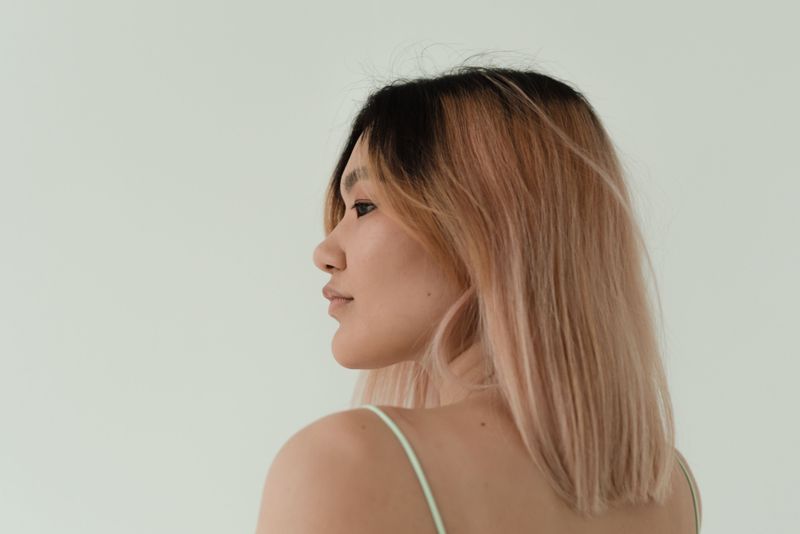
Balayage itself is not going anywhere, but the super-dramatic, high-contrast version has officially overstayed its welcome.
For years, the goal was to go as light as possible on the ends while keeping roots nearly black, creating an almost shocking difference between top and bottom.
That extreme contrast can age a look quickly and requires a lot of upkeep to avoid looking unintentional.
Modern balayage is moving toward softer, more seamless transitions where light and shadow blend naturally together.
Think of it as the difference between a sunset and a spotlight.
Gradual, lived-in color feels more current and honestly more wearable for everyday life.
Softer tones are where things are heading.
3. Uniform Jet-Black Color
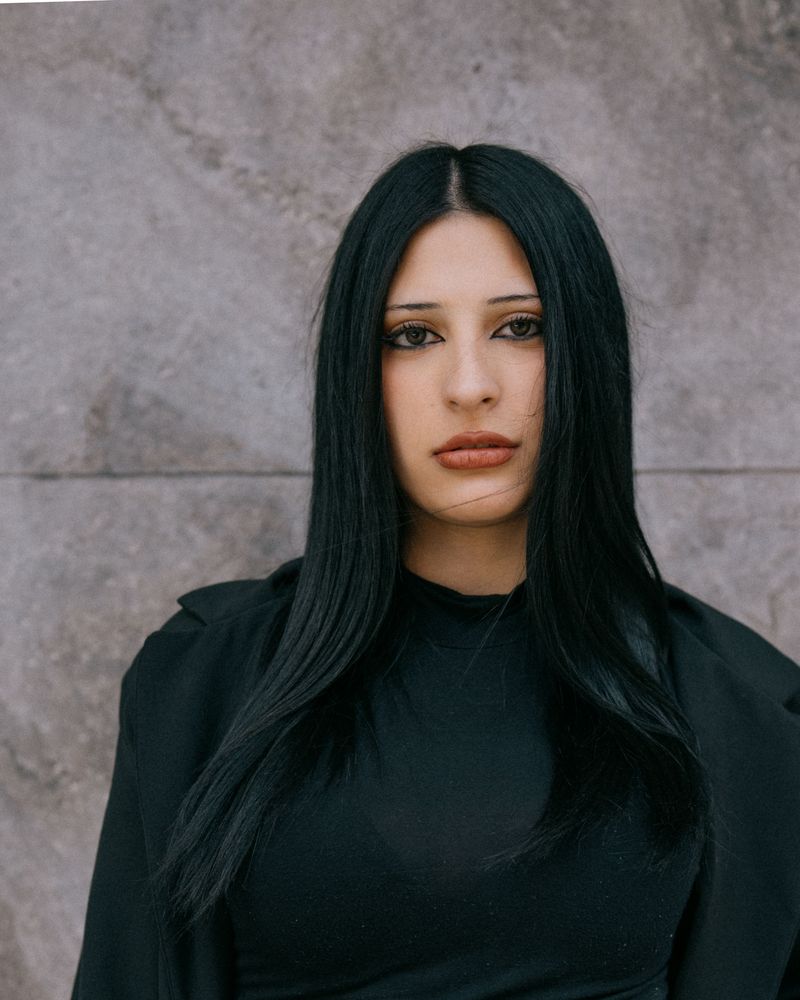
Jet black sounds bold and edgy, but a completely uniform, all-over application tends to fall flat – literally.
Without any variation in tone or shine, single-process black dye can make hair look two-dimensional and plastic rather than rich and glossy.
Colorists are now leaning toward multidimensional dark shades, blending blue-blacks, soft browns, and deep espresso tones to create depth.
The result is hair that moves and catches light in a way that flat black simply cannot replicate.
If dark hair is your thing, you do not have to give it up.
Just ask your stylist to add subtle dimension through glossing or low-contrast toning.
Your hair will look noticeably more alive and vibrant.
4. Cool-Toned Platinum Blonde
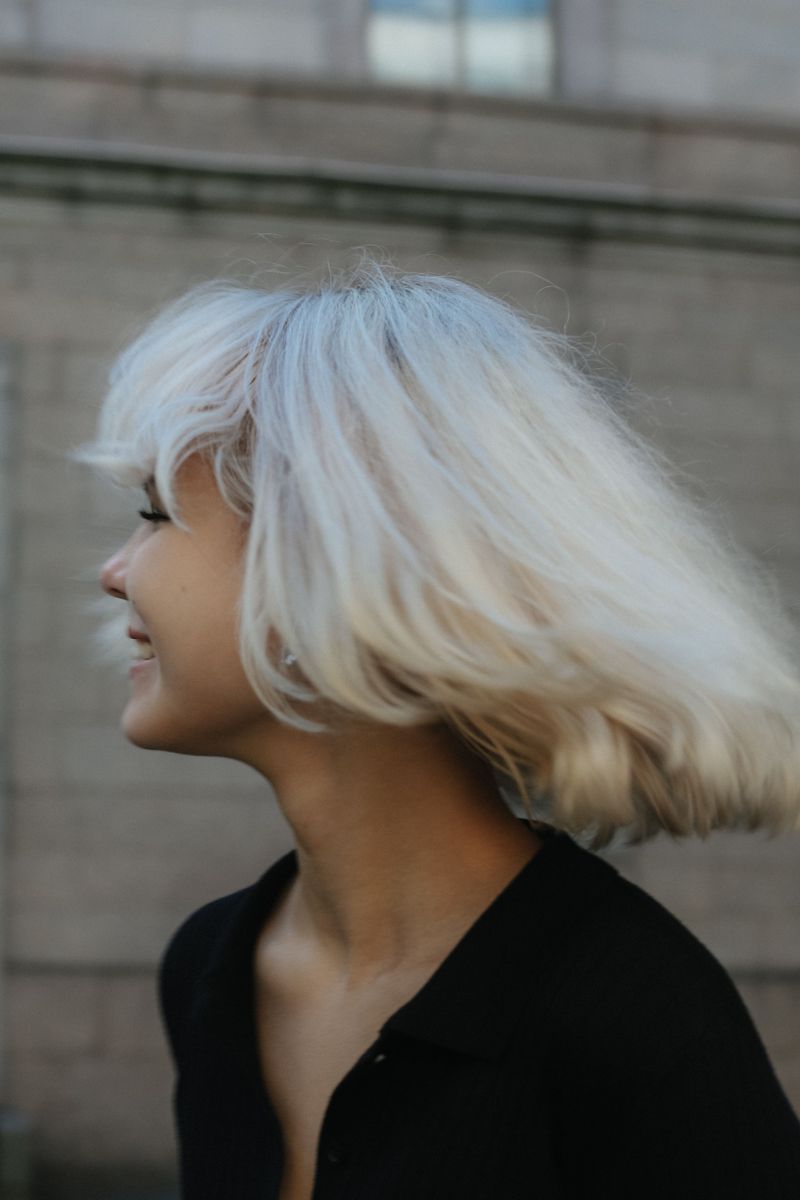
Icy platinum had a massive run, and credit where it is due – it takes serious commitment and skill to pull off.
But the aggressively cool, almost white-silver tone that dominated the past few years is starting to feel more costume than chic.
Warmer blondes are making a strong comeback in 2026.
Think creamy, buttery, and golden tones that work with more skin types and require less aggressive upkeep.
The shift is toward blonde that looks like it belongs rather than blonde that demands attention.
Cool platinum also tends to require frequent toning to prevent brassiness, which adds up in time and money.
Going warmer is not a step backward – it is actually a very smart move forward.
5. Bright Copper Orange
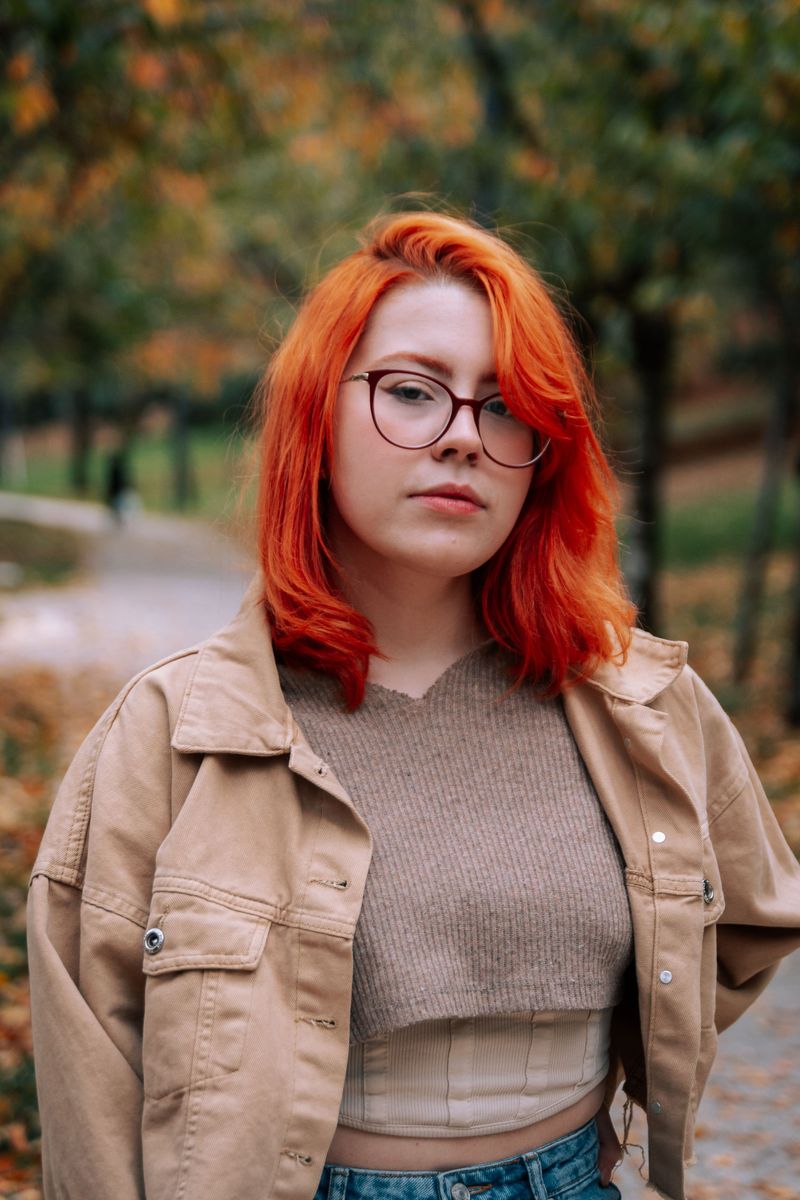
Copper had its golden era, pun intended.
The fiery, almost neon-orange copper that flooded Pinterest boards a few years back was genuinely fun for a season or two.
Celebrities rocked it, influencers copied it, and salons could not mix the formula fast enough.
Now, though, that highly saturated copper tone is starting to read more costume than fashion-forward.
The trend is cooling down into more muted, earthy copper shades that feel grounded and natural.
Think terracotta and warm auburn rather than traffic cone orange.
Softer copper variations still give you that warm, glowing effect without the artificial punch.
Muted tones are far easier to maintain and blend much more gracefully as they fade between appointments.
6. Dip-Dyed Ends
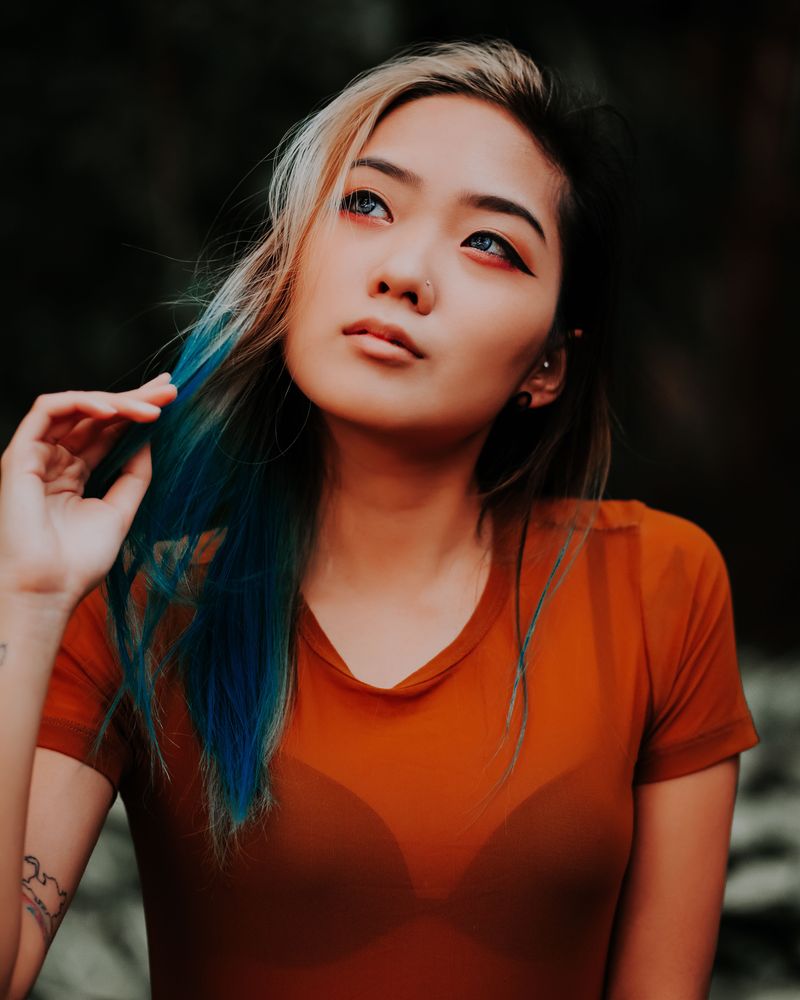
Dip-dye was the rebellious little sibling of balayage, and for a while, it was everywhere.
The look involved dunking the bottom portion of hair into a contrasting color – often pastel purple, pink, or teal – creating a sharp line between natural and dyed sections.
The problem with dip-dye is that the hard line of demarcation ages poorly.
As hair grows, the effect becomes harder to maintain without it looking accidental.
The sharp contrast also tends to feel very early 2010s at this point.
Color placement has evolved so much since then.
Blended, intentional color work has replaced the dunked-ends approach entirely.
If you still love the idea of color at the ends, ask for a seamlessly melted version instead.
7. All-Over Gray Coverage
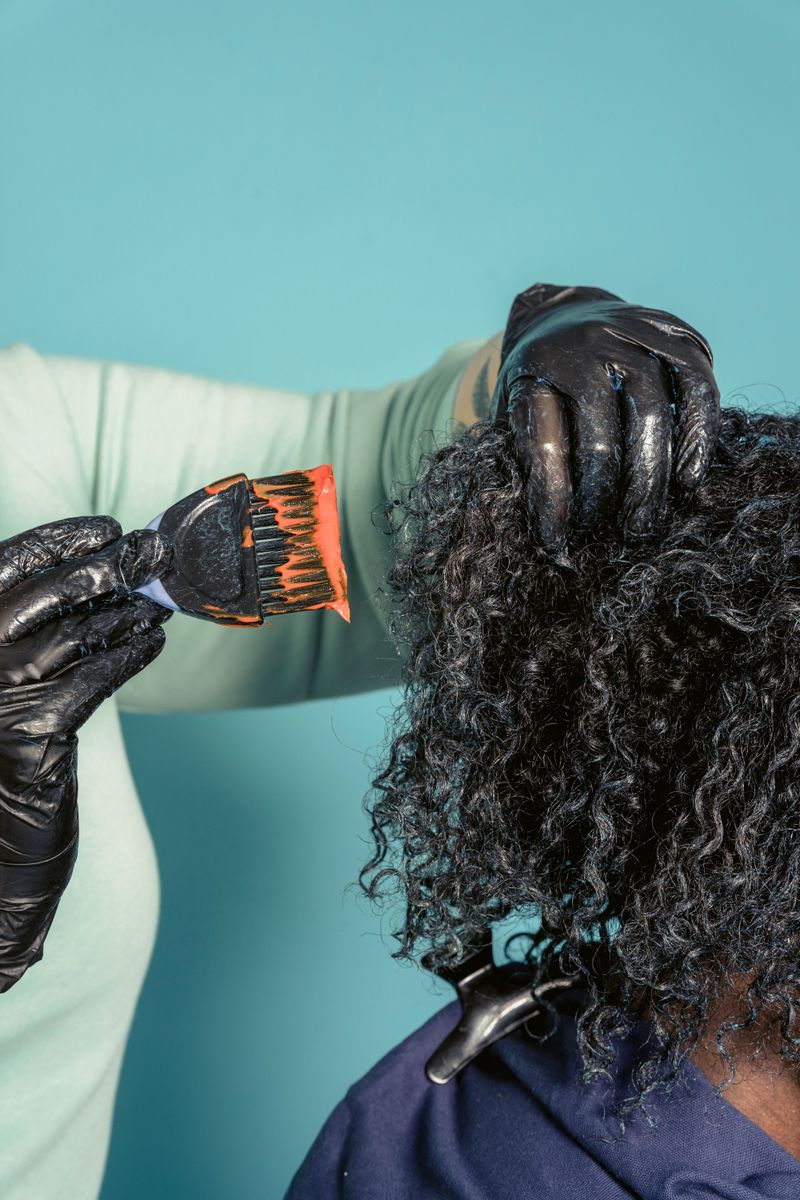
Gray hair is not the enemy – in fact, going gray gracefully is one of the hottest moves in modern hair styling.
But the old habit of slapping an all-over, single-tone dye across every gray strand to make it disappear completely?
That approach is fading fast.
Flat, uniform gray coverage tends to look heavy and unnatural, especially as roots grow in and create a sharp contrast line.
More colorists are now blending gray into the overall color story rather than erasing it entirely.
Techniques like gray blending and root smudging work with your natural grays instead of fighting them.
The result is a softer, more organic look that grows out beautifully and skips the harsh regrowth line entirely.
Embrace what you have.
8. Heavily Shadowed Roots
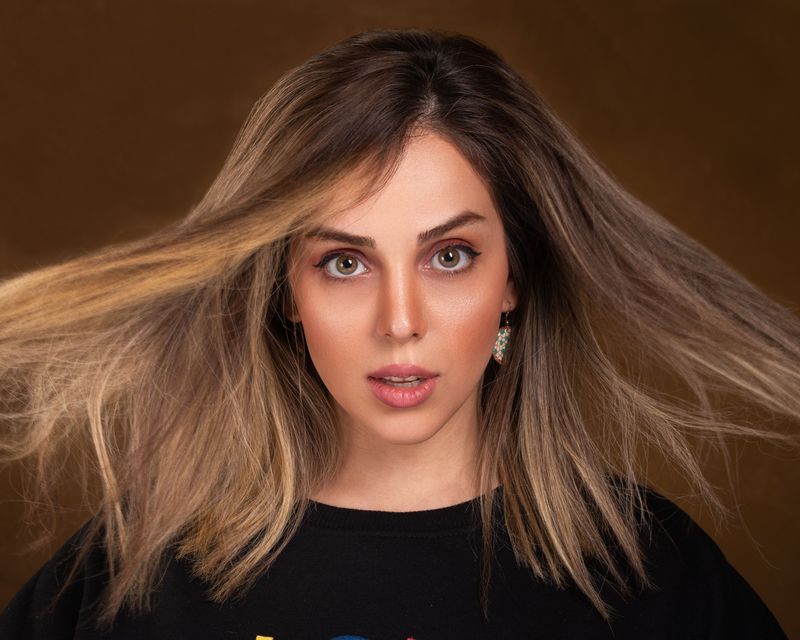
Root shadowing started as a genius way to extend time between color appointments, and in moderation, it still works well.
But the heavily exaggerated version, where roots are dyed almost black to create an ultra-dramatic shadow effect, has crossed into overdone territory.
When the root shadow is too dark or covers too large a section, it can look less like a stylish choice and more like a grow-out that got out of hand.
The contrast ends up pulling focus in a way that feels heavy and unbalanced.
Subtle root melting is the updated alternative.
A soft, natural-looking shadow that mimics how hair actually grows adds depth without drama.
Less intensity at the root creates a more polished, effortless finish that feels genuinely current.