 MomSkoop
Walk into the home of someone over 50, and you might feel like you’ve stepped into a living time capsule. Tucked away in cabinets, displayed on shelves, or sitting right on the kitchen counter are items that younger generations rarely recognize.
These classic household staples carry real stories, deep memories, and a charm that modern gadgets just can’t replicate. From handwritten recipe cards to ticking grandfather clocks, these treasures have stood the test of time.
1. Fine China Sets
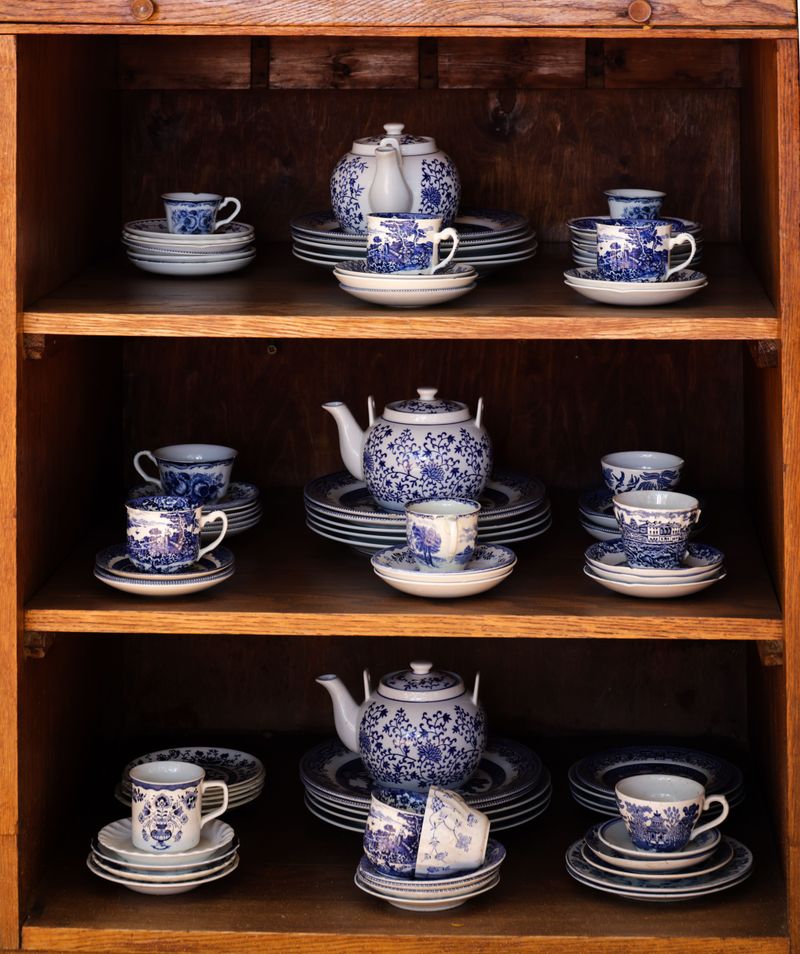
Pulling out the fine china used to be a big deal.
Whether it was Thanksgiving, Easter, or a special Sunday dinner, these delicate dishes signaled that the occasion truly mattered.
Many people over 50 received their china as wedding gifts and have kept every piece wrapped safely in padded cases for decades.
Fine china is usually made from porcelain and is fired at very high temperatures, making it surprisingly strong despite its fragile look.
Many sets feature hand-painted designs or gold trim that you simply won’t find on everyday dishware.
Some families have patterns that were discontinued years ago, making each piece genuinely irreplaceable.
Even if the china rarely leaves the cabinet, it remains a point of pride and a powerful family heirloom.
2. Crystal Glassware
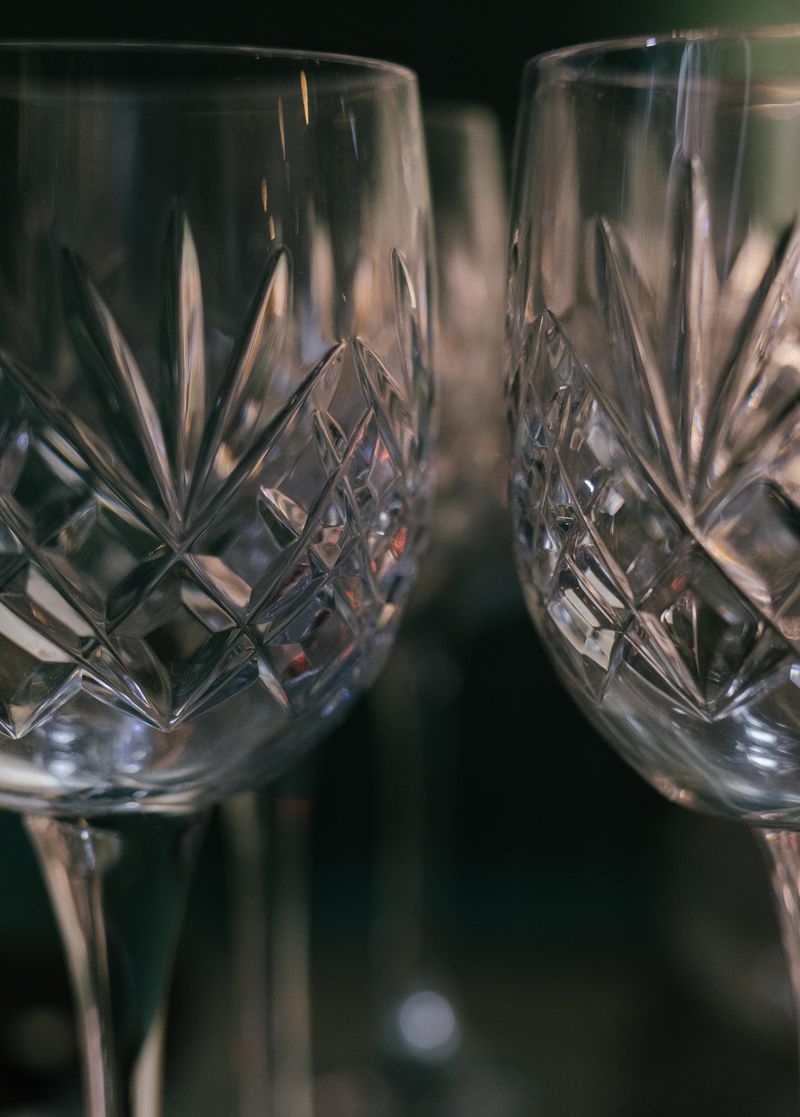
There is something almost magical about the way crystal glassware catches the light.
Lift a crystal wine glass and tap it gently, and you’ll hear that unmistakable clear, ringing tone that ordinary glass can’t produce.
That sound alone tells you something special is in your hand.
Homes of people over 50 often feature full sets of crystal, including wine glasses, water goblets, and decanters, many of them gifts from weddings or anniversaries.
Brands like Waterford and Lenox were household names, and sets were collected piece by piece over years.
Real lead crystal contains a small amount of lead oxide, which gives it that brilliant sparkle and weight.
These days, lead-free crystal has taken over, but the older sets remain prized possessions worth protecting.
3. Wooden Curio Cabinets
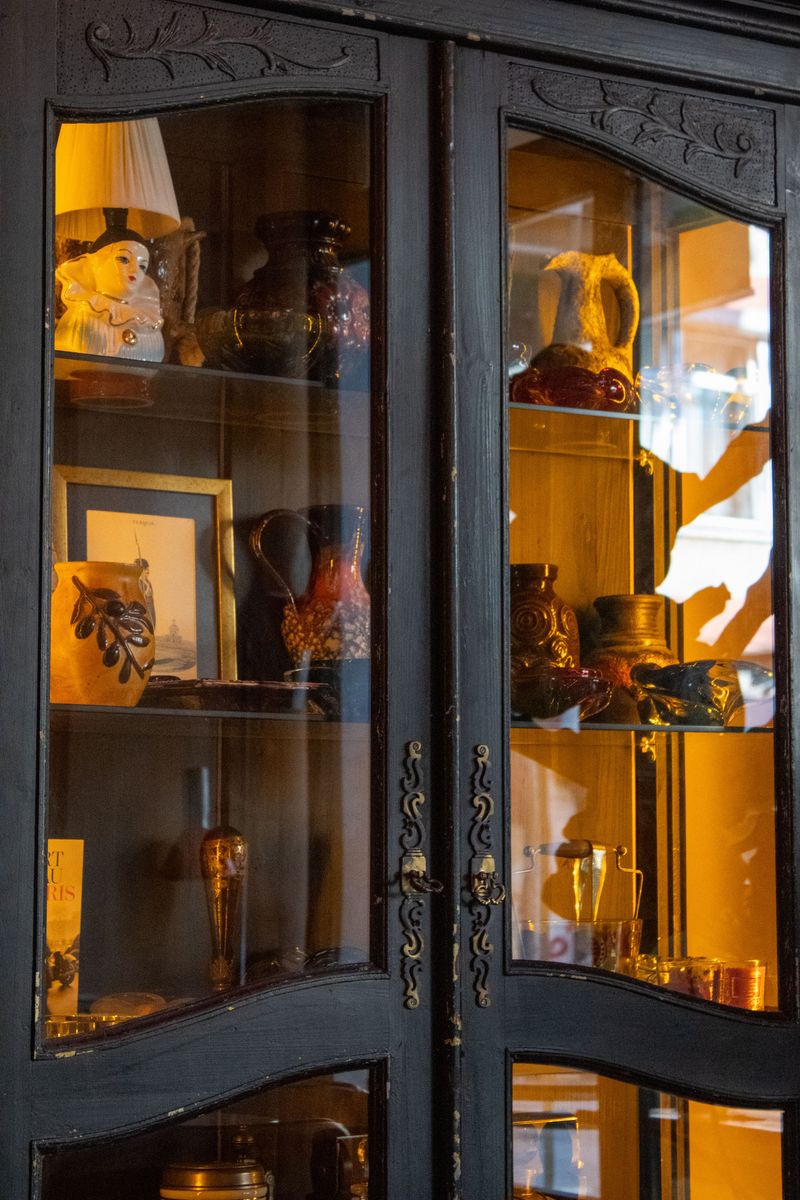
A curio cabinet is basically a stage for the things that matter most.
Behind those glass doors, you might find tiny porcelain animals, travel souvenirs, thimble collections, or miniature lighthouses.
Every item inside has a story, and the cabinet itself becomes a kind of autobiography in miniature.
These cabinets became wildly popular in the 1970s and 1980s, and many homes still have the originals.
They were often made from oak, cherry, or walnut and featured built-in lighting to show off whatever was displayed inside.
Some models even rotated or had mirrored backs to make collections look even more impressive.
For many families, the curio cabinet is completely off-limits to children, which only adds to its legendary status in the household.
4. Grandfather Clocks
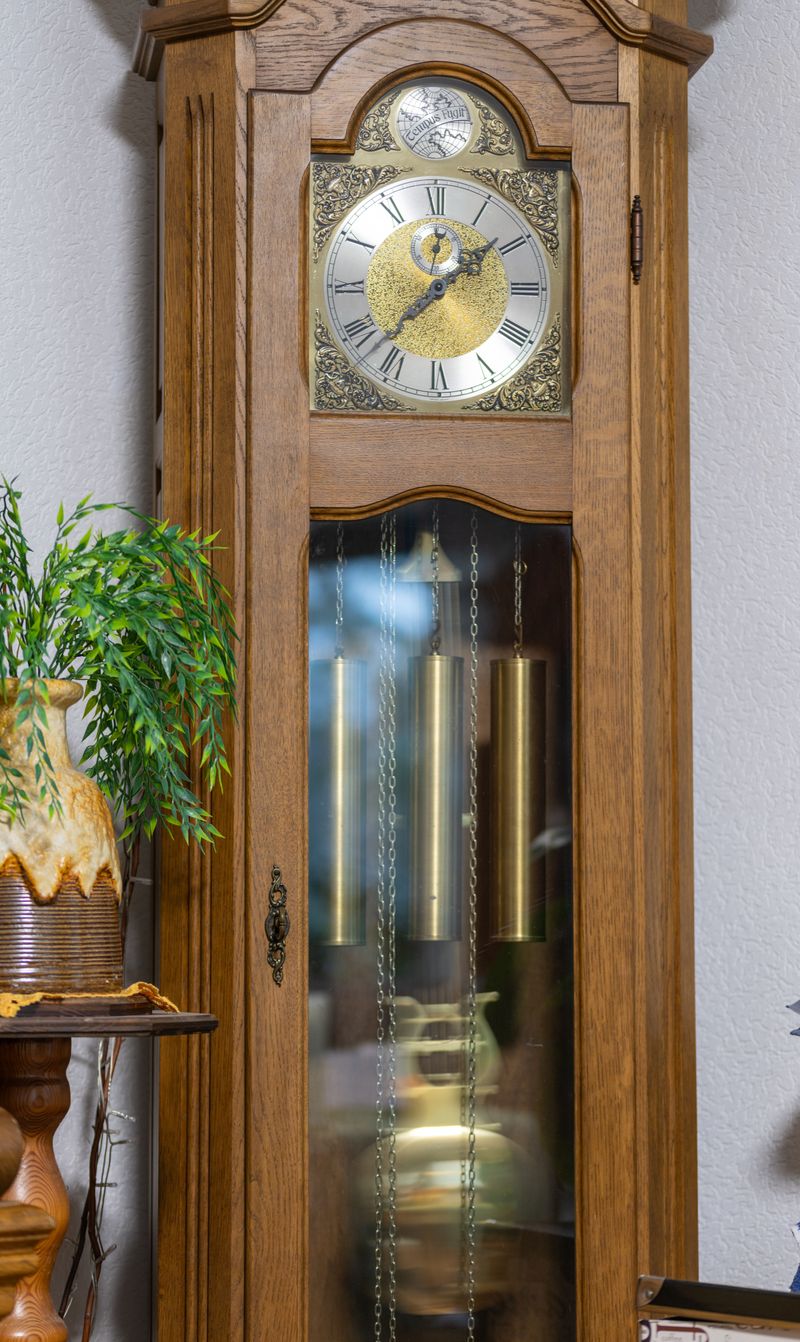
Few things command a room quite like a grandfather clock.
Standing anywhere from six to eight feet tall, these mechanical giants have been marking time in family homes for centuries.
The steady tick-tock and the deep, resonant chime on the hour are sounds that many people over 50 associate with childhood and a sense of security.
Grandfather clocks, formally called longcase clocks, were invented in the late 1600s.
The long wooden case was actually designed to protect the pendulum and weights that powered the clock’s movement.
Winding one each week became a ritual in many households, passed down from one generation to the next.
Even when these clocks stop working, most families refuse to part with them.
They’re simply too meaningful to move out.
5. Landline Telephones
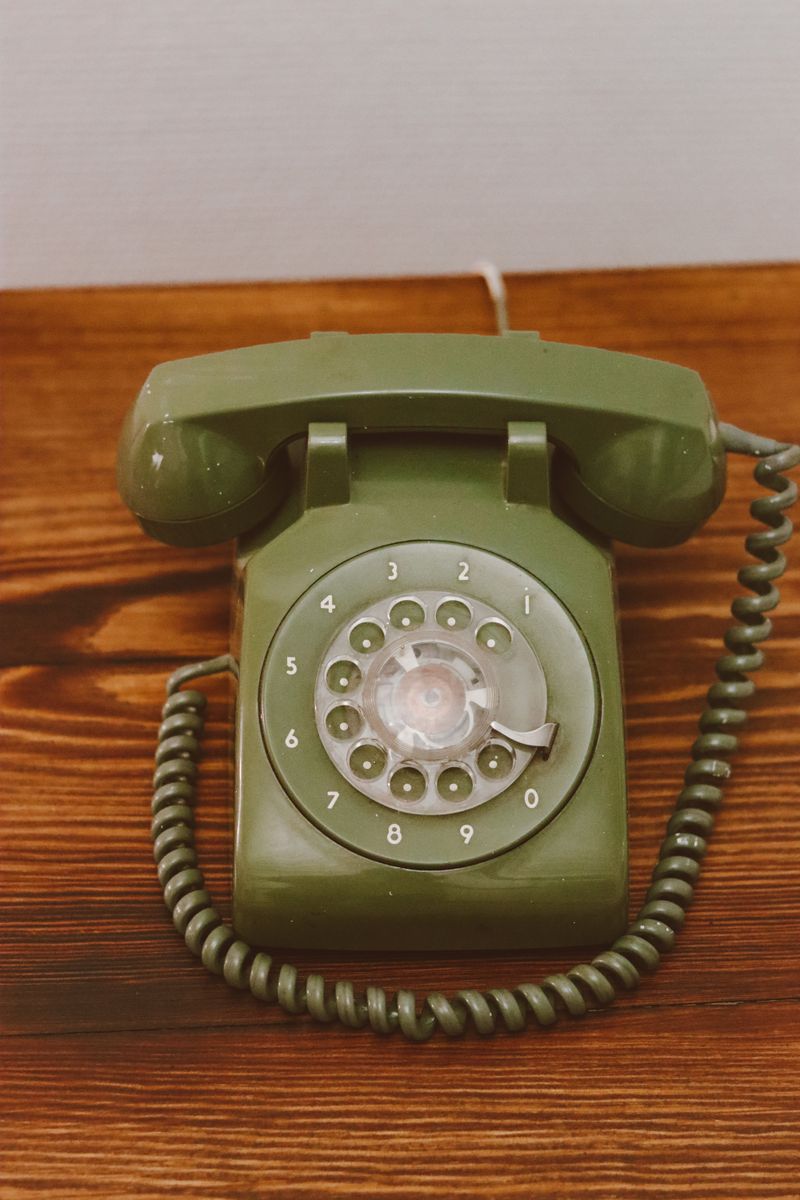
Before smartphones took over every pocket, the landline telephone was the social lifeline of the household.
Families gathered around a single phone mounted on the kitchen wall, and teenagers stretched the curly cord as far as it would go to get a little privacy during calls.
Many people over 50 still keep a landline, and not just out of habit.
Landlines work during power outages when cell service can be unreliable, and they offer a crystal-clear call quality that wireless phones still struggle to match.
Some even keep their original rotary or push-button phones from the 1970s and 1980s as functional decor.
There is also something reassuring about a phone that only does one thing.
No notifications, no apps, just a call.
6. Printed Encyclopedias
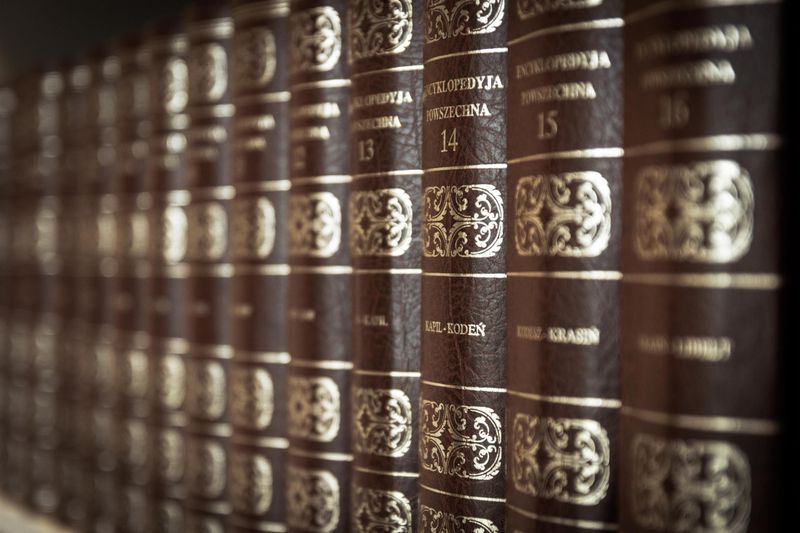
Before search engines existed, the encyclopedia was the smartest thing in the house.
A full set of Encyclopedia Britannica or World Book lined the shelves like a badge of intellectual ambition, and parents invested serious money to bring one home.
Kids were sent to look things up instead of asking questions directly.
These multi-volume sets were updated and sold door-to-door by salespeople who were surprisingly persuasive.
Owning a complete set felt like giving your children an edge in school and in life.
Many families still have their sets from the 1970s or 1980s sitting proudly on bookshelves.
Sure, the information is outdated now, but cracking open a volume and reading an entry still feels like a genuinely satisfying experience that no website has fully replaced.
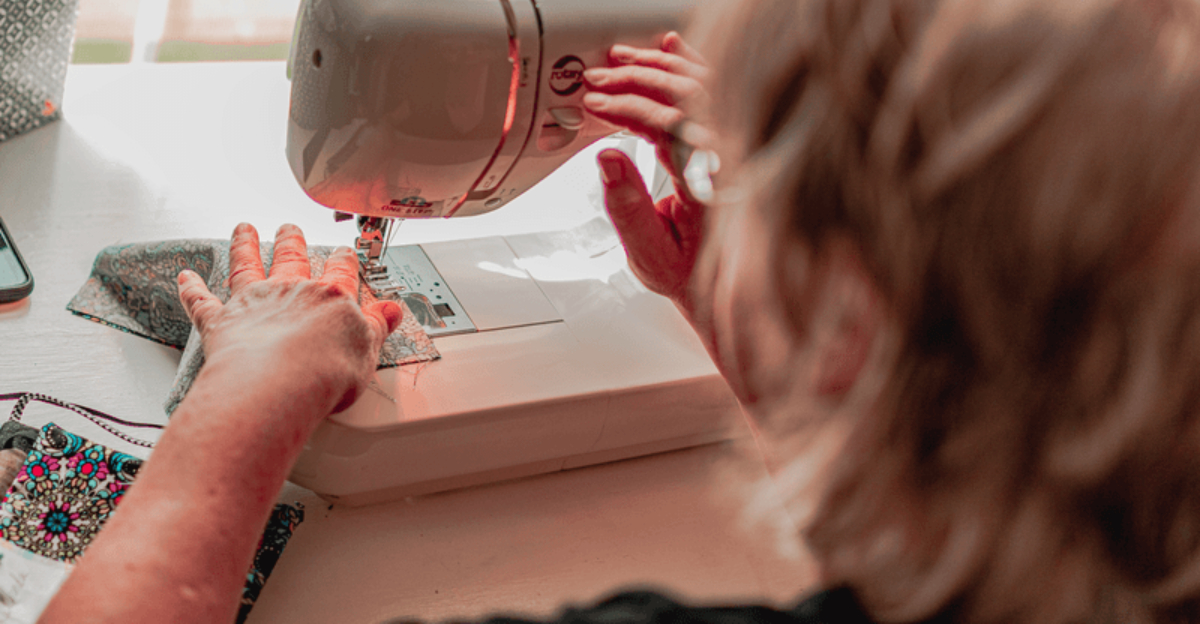
7. Sewing Machines
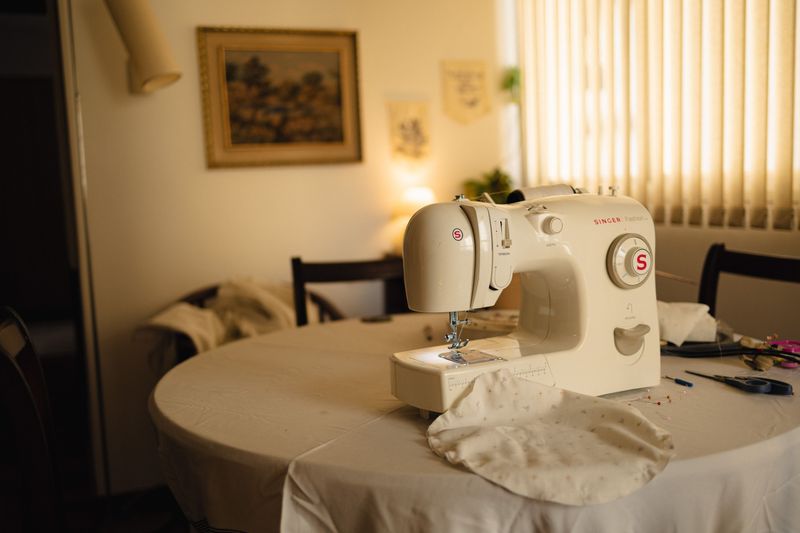
Singer sewing machines from the 1950s, 60s, and 70s were built to last a lifetime, and they have.
Many people over 50 learned to sew on the same machine their mother used, and those heavy cast-iron models are still humming along today.
They were made with real metal gears and solid construction that modern plastic machines simply can’t compete with.
Sewing used to be a basic life skill, not a hobby.
Families mended clothes, made curtains, and stitched Halloween costumes from scratch.
The sewing machine sat in a prominent spot in the house because it was used regularly, not stored in a closet.
Today, many of these machines are experiencing a comeback as younger people discover the joy of making and repairing things by hand.
Vintage Singers are genuinely sought after.
8. Cast-Iron Cookware
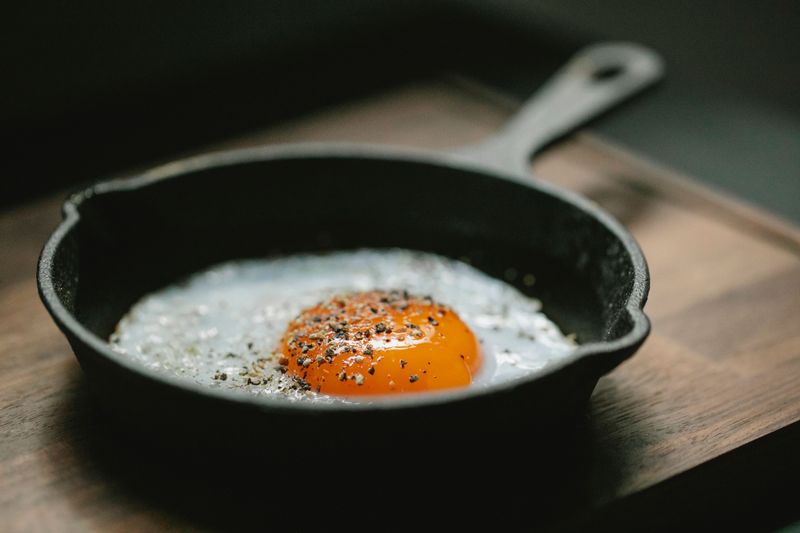
Cast-iron skillets have been passed down through generations like family heirlooms, because that is exactly what they are.
A properly seasoned cast-iron pan gets better with every use, building up a natural non-stick surface that improves over decades.
Some pans in use today are 50 or even 100 years old and still perform beautifully.
Lodge has been making cast-iron cookware in the United States since 1896, and their pans remain a staple in kitchens across the country.
These heavy pans hold heat evenly, work on any cooking surface, and can go straight from stovetop to oven without a second thought.
Caring for cast iron is a ritual in itself.
You season it with oil, never soak it in water, and dry it immediately.
That kind of mindful care is something older generations practiced naturally.
9. Ceramic Figurines
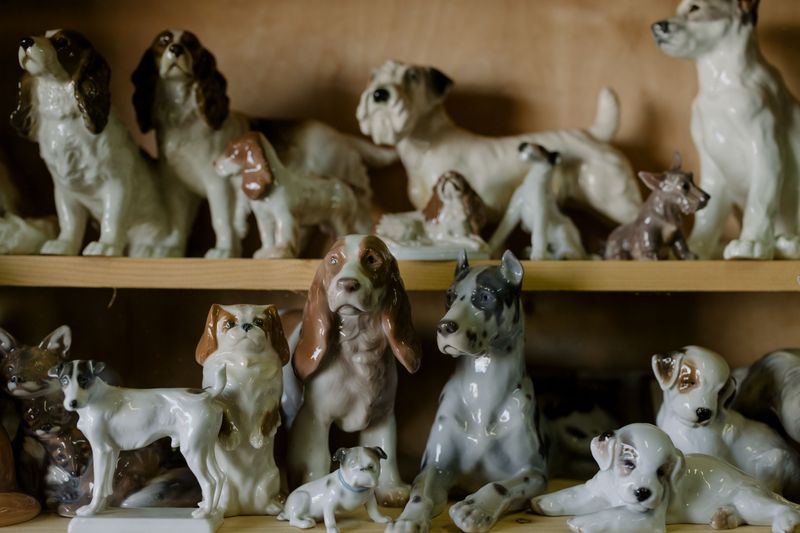
Hummel figurines, Lladro porcelain pieces, and ceramic animals have graced the shelves and mantels of American homes for decades.
Each figurine was often purchased as a gift or souvenir, and over time a small collection could grow into an impressive display that covered an entire shelf or cabinet.
These little sculptures were crafted with surprising detail.
Hummel figures, based on the artwork of a German nun named Sister Maria Innocentia Hummel, became wildly popular in the United States after World War II.
Soldiers brought them home as gifts, and the tradition of collecting them stuck for generations.
Many ceramic figurines are worth real money today, especially early editions in mint condition.
Even those that aren’t valuable carry sentimental weight that no price tag could capture.
10. Vinyl Record Collections
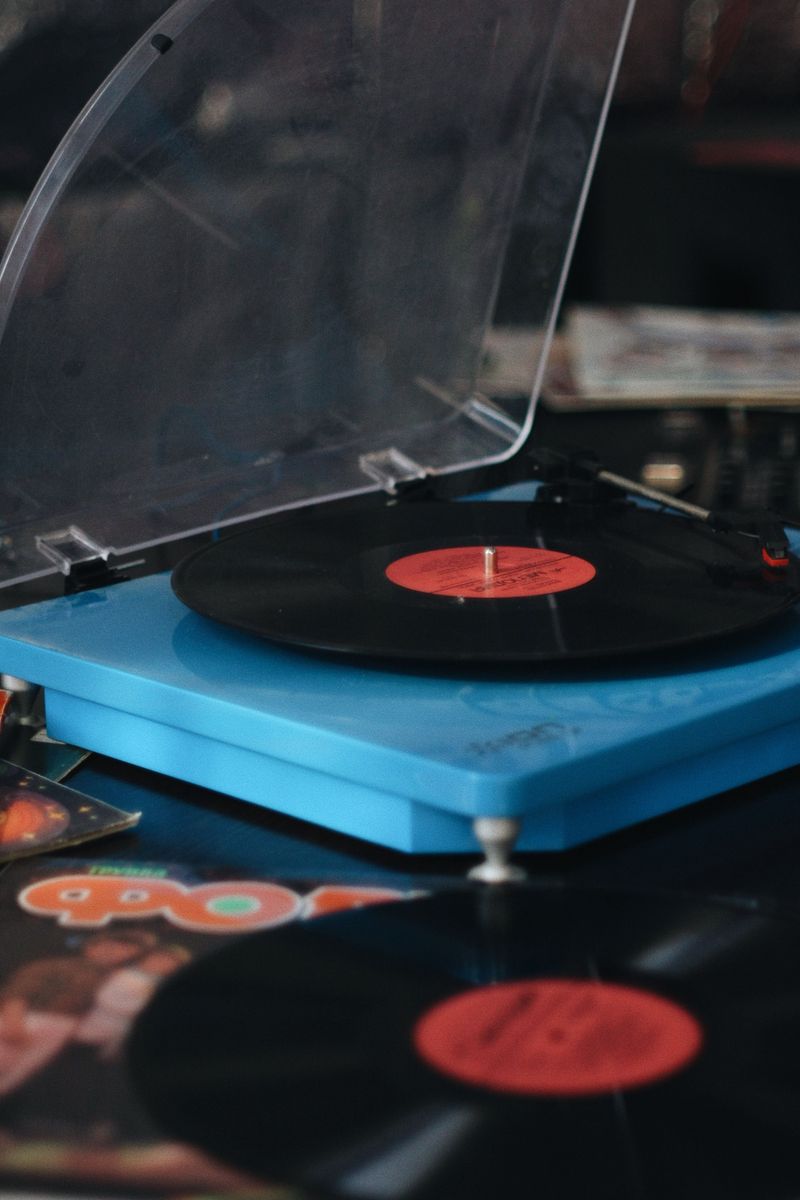
Vinyl records never really went away in homes of people over 50, because many of them never stopped playing them.
While the rest of the world moved to cassettes, then CDs, then streaming, these dedicated listeners kept their turntables running and their collections carefully organized.
Albums were stored alphabetically, handled by the edges, and treated with genuine respect.
The warmth of vinyl sound is something audiophiles have argued about for years, but the experience goes beyond just audio quality.
Pulling an album from its sleeve, reading the liner notes, and dropping the needle is a full sensory ritual that a playlist simply cannot replicate.
Classic rock, jazz, Motown, and country collections are among the most common finds.
Many records are rare pressings now worth hundreds of dollars to the right collector.
11. Recipe Boxes with Handwritten Cards
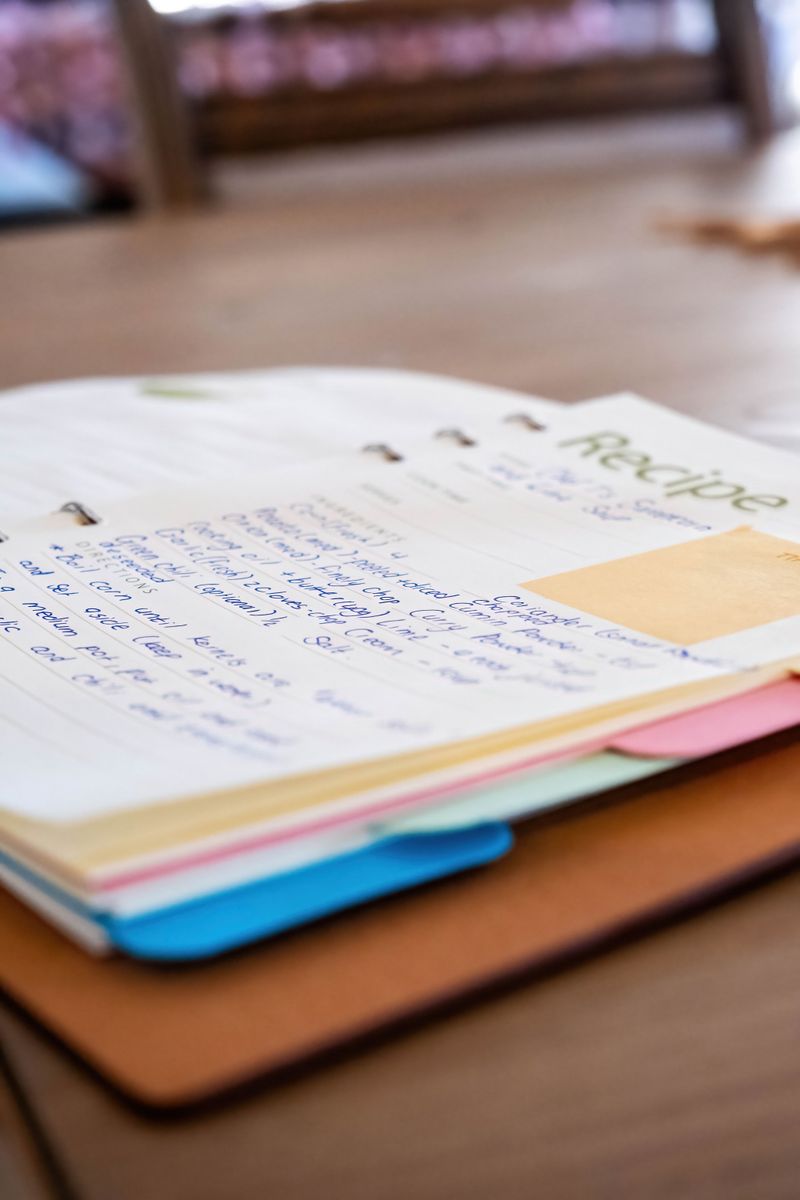
Somewhere in nearly every kitchen of a person over 50 sits a small box stuffed with handwritten recipe cards, newspaper clippings, and index cards stained with vanilla and butter.
These boxes hold generations of cooking knowledge, from a grandmother’s pie crust to an aunt’s famous casserole that no one has ever successfully recreated from memory alone.
The handwriting on those cards tells its own story.
You can see where someone rushed through a step or added a note in the margin years later.
Faded ink and grease-spotted cards are signs of recipes that were truly loved and used repeatedly over many years.
No cookbook or cooking app carries that kind of personal history.
These little boxes are primary sources, family documents written in flour-dusted kitchens by people who cooked from the heart.
12. Silver Serving Trays
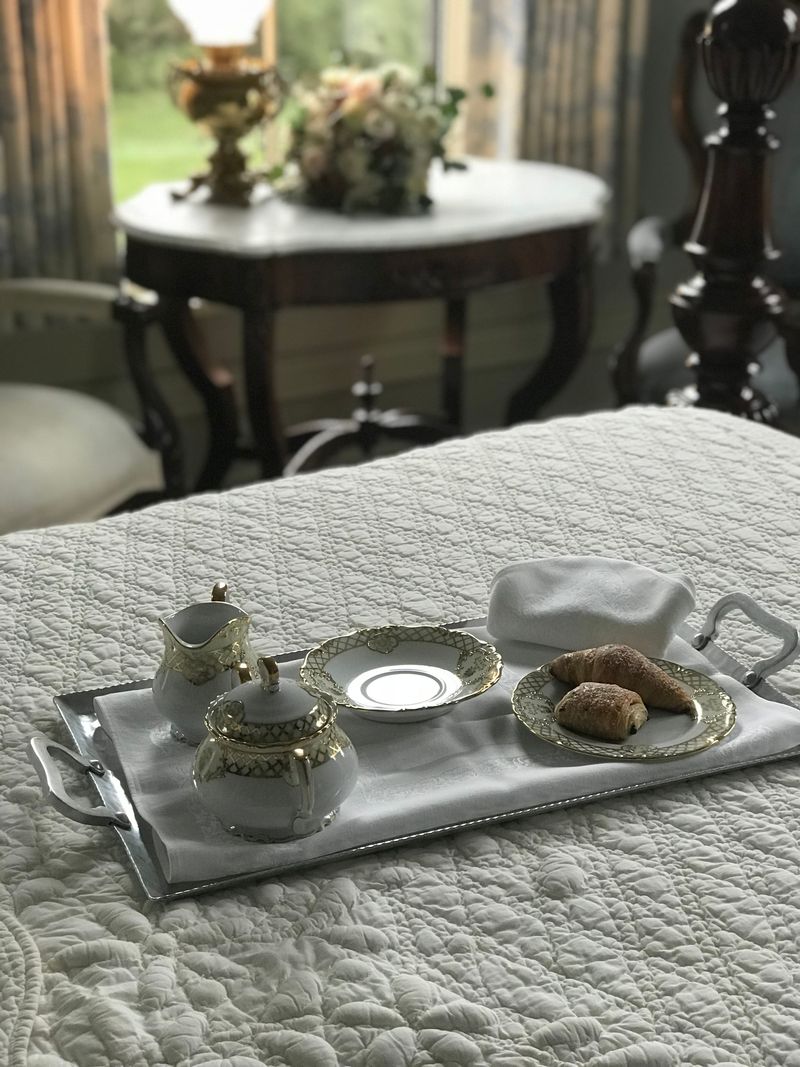
Silver serving trays have a presence that nothing else in the dining room can match.
Polished to a mirror shine, they reflect the room around them and make even a simple gathering feel formal and special.
Many families brought these trays out only for holidays and company, which only added to their mystique.
Sterling silver trays were often engraved with initials or dates, turning them into personalized keepsakes.
Silver-plated versions were more affordable and equally beautiful, though they require regular polishing to stay bright.
Both types have been passed down through families as symbols of hospitality and good taste.
Tarnish is the enemy of silver, but a little polishing paste and a soft cloth can restore a tray to its original gleam.
The effort involved makes the result feel even more rewarding.
13. Floral Tablecloths and Doilies
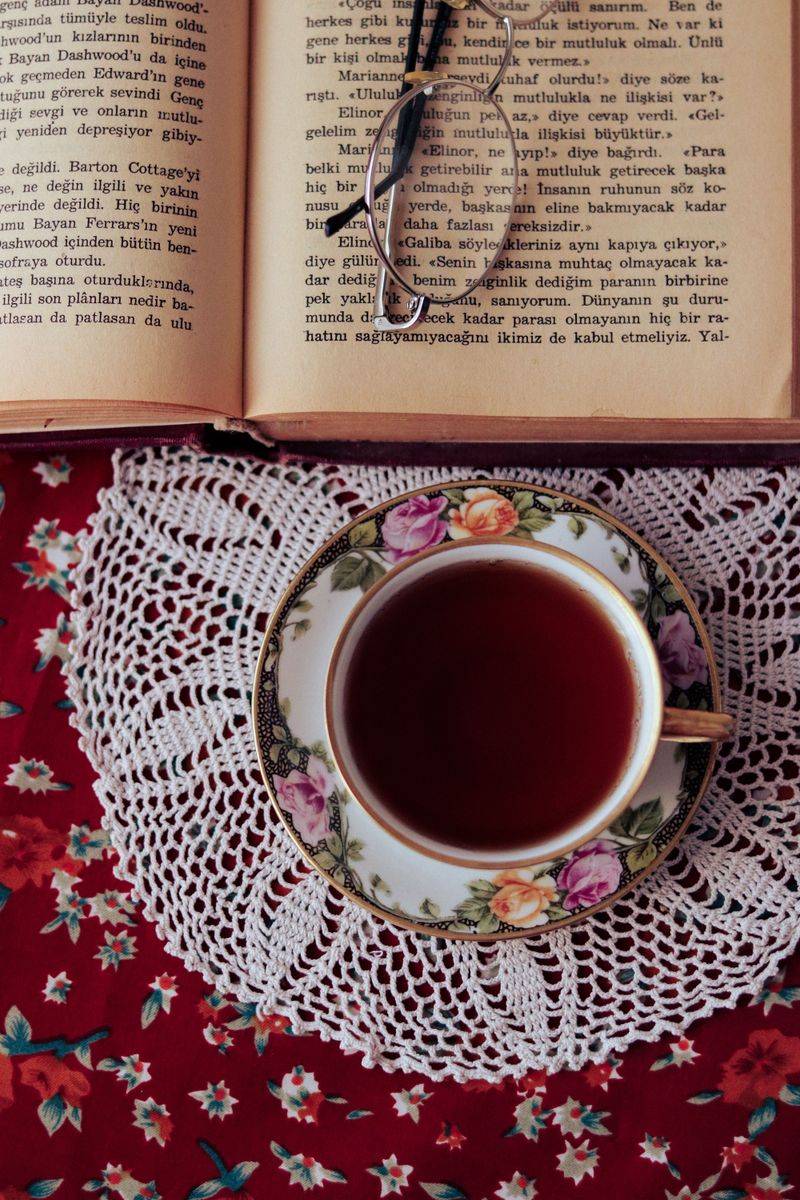
Crocheted doilies and floral tablecloths are two of the most recognizable signatures of a home decorated with care and tradition.
Doilies were placed under lamps, vases, and decorative plates to protect furniture surfaces while adding a delicate, handmade touch to every room.
Many were crocheted by hand over long evenings by grandmothers who found the repetitive motion deeply satisfying.
Floral tablecloths brought color and warmth to kitchen and dining room tables year-round.
Certain patterns were associated with specific seasons, and switching out tablecloths was a small but meaningful way of marking the passage of time through the year.
Both doilies and floral tablecloths have had surprising moments of revival in modern home decor trends.
What was once considered old-fashioned is now being celebrated as charming, handcrafted, and full of character.