 MomSkoop
Some songs are so powerful that they launch an entire career from a single moment. A catchy melody or unforgettable lyric can stick in people’s heads for decades, giving an artist a platform they never expected.
For these 15 musicians, one breakout song opened doors to tours, licensing deals, and lasting fame. Their stories prove that sometimes, all it takes is one perfect track to change everything.
1. Norman Greenbaum – Spirit in the Sky (1969)
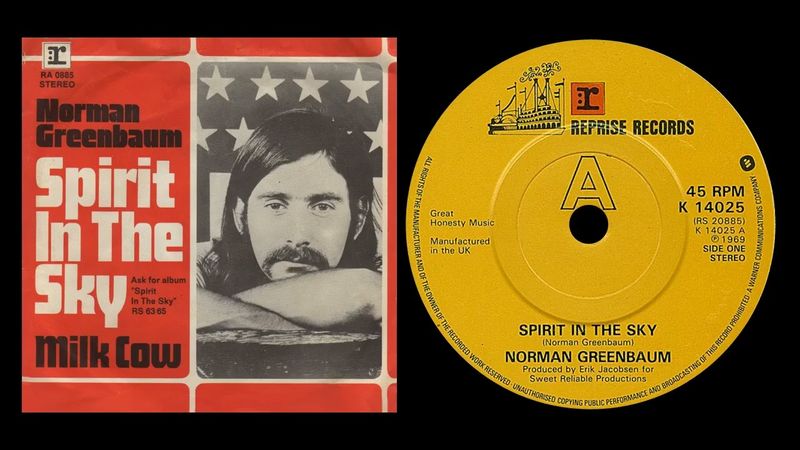
Few songs have aged as gracefully as “Spirit in the Sky.” Norman Greenbaum recorded this gospel-tinged rock anthem in just one session, and it shot straight to number three on the Billboard Hot 100.
The fuzz guitar riff became one of the most recognizable sounds in rock history.
What makes the story even more fascinating is that Greenbaum was a Jewish man writing a Christian-themed song, purely because he thought the idea was catchy.
That creative boldness paid off big time.
The song has been featured in over 20 major films and TV shows, earning Greenbaum royalties for more than 50 years.
Even today, “Spirit in the Sky” gets licensed regularly, proving that one inspired moment in the studio can fund a lifetime.
2. Los del Rio – Macarena (1993)

Picture a Spanish duo from Seville recording a fun, upbeat track that ends up becoming the anthem of an entire decade.
That is exactly what happened with Los del Rio and “Macarena.” The song started as a regional hit in Spain before exploding globally in 1995 and 1996.
The accompanying line dance made it impossible to ignore at weddings, school dances, and sporting events worldwide.
It topped the Billboard Hot 100 for a jaw-dropping 14 weeks, a record at the time for a song by a foreign act.
Los del Rio leveraged that moment into continued touring and appearances across Latin America and Europe.
The Macarena remains a guaranteed crowd-pleaser at any party, keeping their name alive decades later.
3. Vanilla Ice – Ice Ice Baby (1990)
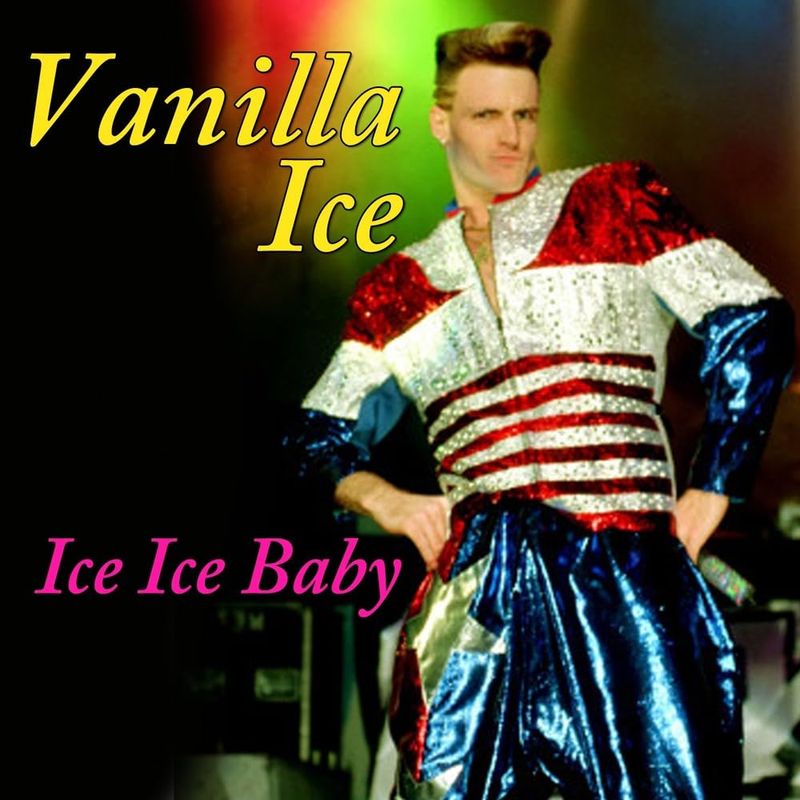
“Ice Ice Baby” became the first hip-hop single to top the Billboard charts, making Vanilla Ice a household name almost overnight.
Robert Van Winkle, better known as Vanilla Ice, was just 22 years old when that bass line borrowed from Queen and David Bowie took over the airwaves.
Critics were quick to dismiss him, but the numbers told a different story.
The song sold over 15 million copies worldwide, and his debut album moved more than 11 million units.
That commercial explosion gave him a financial foundation that lasted well beyond the spotlight.
He later reinvented himself as a home renovation TV host, showing real business savvy.
His story is a reminder that one big hit, managed wisely, can open surprising new doors.
4. Dexys Midnight Runners – Come On Eileen (1982)
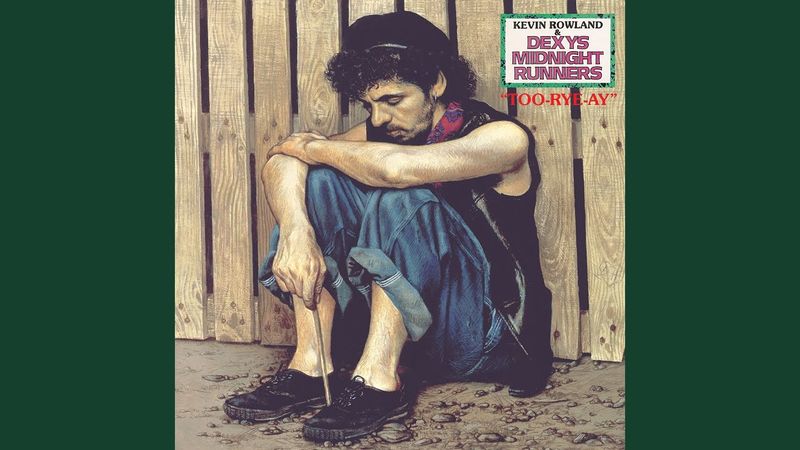
There is something almost magical about “Come On Eileen” – it starts slow, builds with fiddles and horns, then explodes into one of the most joyful finales in pop history.
Dexys Midnight Runners hit number one in both the UK and the US with this Celtic-soul anthem, which is no small feat for a British band.
In America especially, the song became a staple of 80s nostalgia playlists and college bar jukeboxes for years after its release.
Kevin Rowland and the band used that success to maintain a loyal fanbase across two continents.
The song still gets heavy rotation at weddings and retro parties today.
Its enduring energy proves that a song rooted in real emotion can outlast almost any trend.
5. The Buggles – Video Killed the Radio Star (1979)
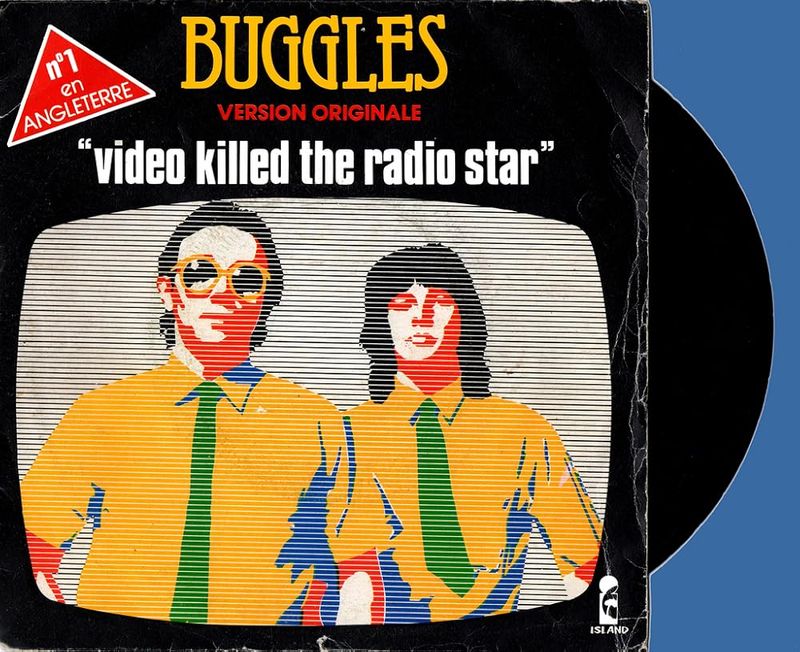
Not many songs can claim to have literally changed the history of television, but “Video Killed the Radio Star” can.
The Buggles earned permanent fame by being the first video ever aired on MTV when the channel launched in August 1981.
That single moment of pop culture history kept their name in every music documentary ever made about that era.
The song itself is a clever, synth-driven commentary on technology replacing traditional media, which feels remarkably relevant even today.
Trevor Horn and Geoff Downes wrote something that accidentally became a time capsule.
Horn went on to become one of the most successful music producers of the 1980s, working with artists like Frankie Goes to Hollywood.
That one song launched two very different but equally impressive careers.
6. Lipps Inc. – Funkytown (1980)
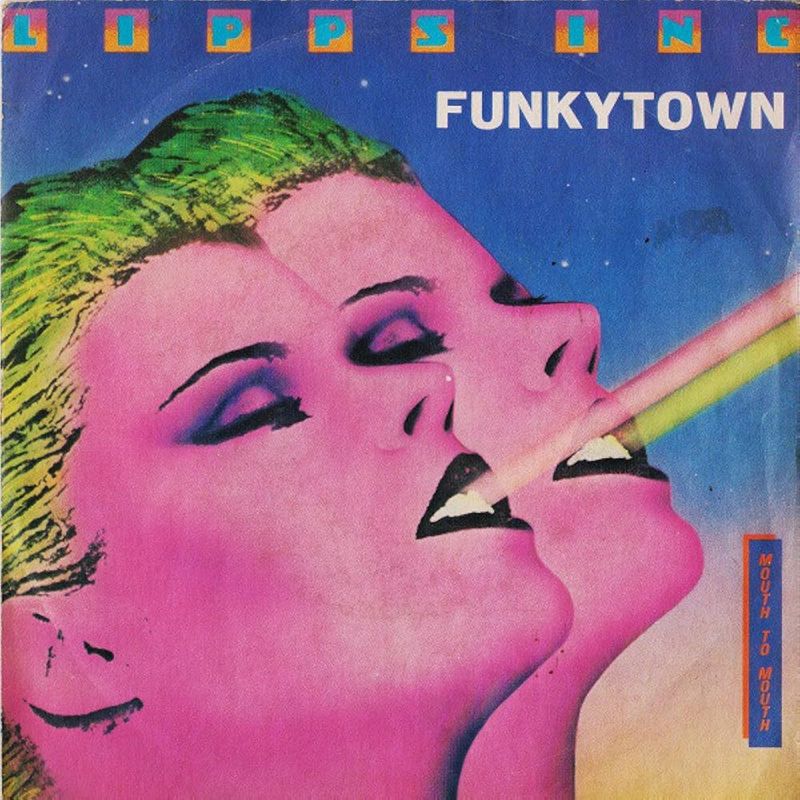
“Funkytown” arrived at the tail end of the disco era and became one of the biggest songs of 1980, hitting number one in 28 countries.
Lipps Inc., led by vocalist Cynthia Johnson, delivered a track so infectiously catchy that it refused to fade away quietly when disco fell out of fashion.
The song has been sampled, remixed, and covered dozens of times since its release, keeping it commercially relevant across multiple generations.
Its driving synth bass and Johnson’s cool, confident vocal style made it a blueprint for electronic dance music that followed.
Lipps Inc. may not have matched that commercial peak again, but licensing revenue from “Funkytown” has been consistent and substantial.
Sometimes one perfectly timed hit is all you need to secure lasting financial success.
7. Bobby McFerrin – Don’t Worry, Be Happy (1988)
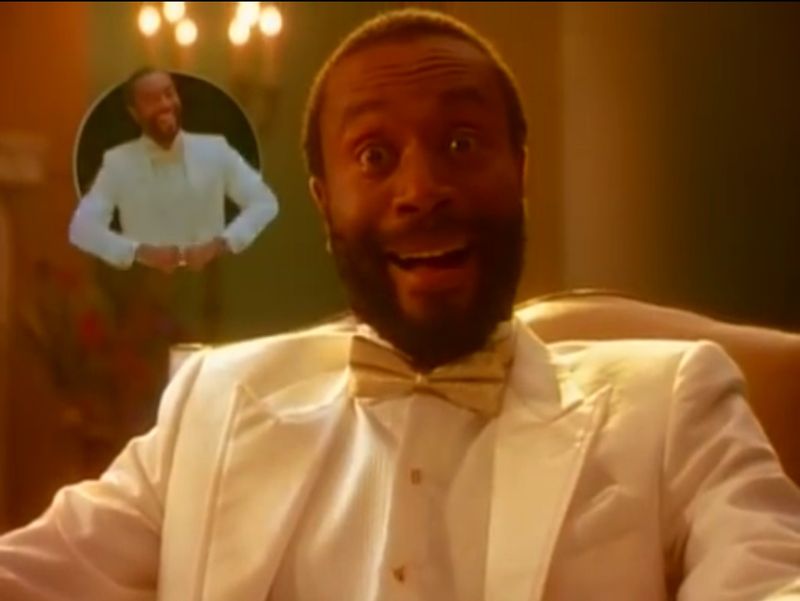
Bobby McFerrin recorded “Don’t Worry, Be Happy” using nothing but his voice, no instruments, no backing tracks.
Every single sound in that song came from his mouth, which was a genuinely groundbreaking achievement at the time.
The track won the Grammy for Song of the Year in 1989 and became the first a cappella song to reach number one on the Billboard Hot 100.
McFerrin was already a respected jazz vocalist before the song hit, but this catchy, feel-good anthem introduced him to a mainstream audience of millions.
The message was simple and universal, which is exactly why it traveled so far.
He has continued performing and conducting orchestras around the world ever since.
That one song gave his already impressive artistry a global stage it might never have found otherwise.
8. Carl Douglas – Kung Fu Fighting (1974)
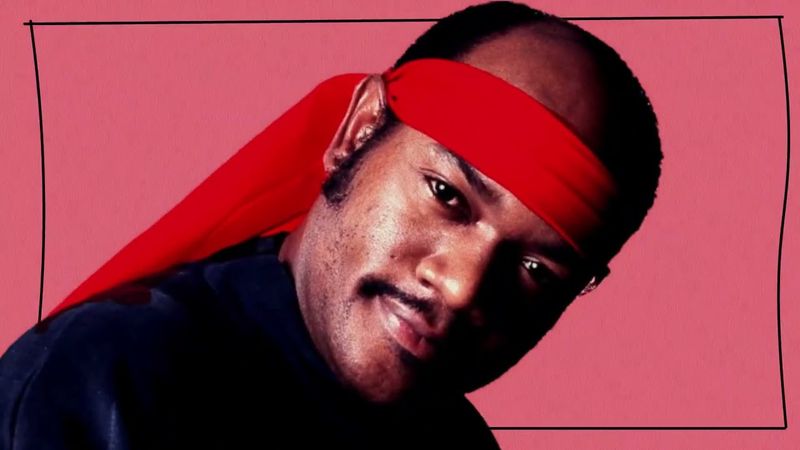
“Kung Fu Fighting” was originally recorded as a B-side filler track in just 10 minutes.
Carl Douglas and producer Biddu were not even planning to release it as a single.
But when executives heard it, they flipped it to the A-side, and the result was one of the best-selling singles of 1974, moving over 11 million copies worldwide.
The timing was perfect.
Bruce Lee had made martial arts a global phenomenon, and this bouncy, playful track captured the excitement of that cultural moment brilliantly.
It hit number one in both the UK and the US simultaneously.
Douglas never replicated that commercial success, but the song has been featured in countless films, ads, and TV shows.
Royalties from that accidental B-side have kept his name in the conversation for 50 years.
9. Right Said Fred – I’m Too Sexy (1991)
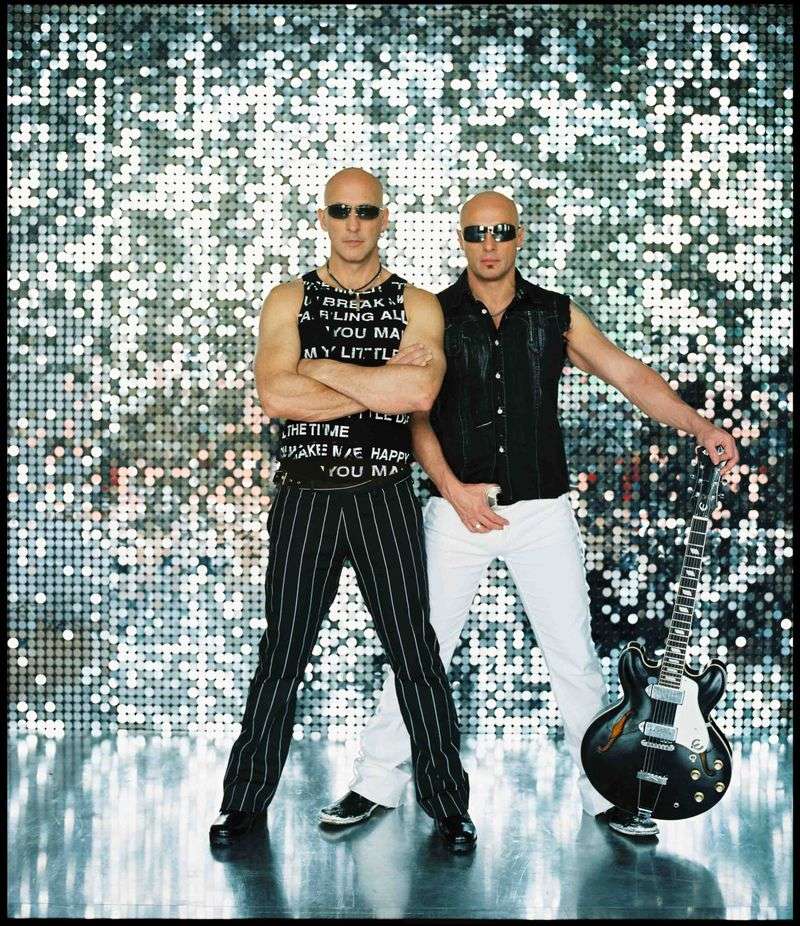
“I’m Too Sexy” is one of those songs that is so self-aware and tongue-in-cheek that it practically winks at you while it plays.
Brothers Richard and Fred Fairbrass released it in 1991, and it became a massive transatlantic hit, reaching number one in the UK and number one in the US in 1992.
The song’s humor was its secret weapon.
It poked fun at the fashion industry and male vanity in a way that felt fresh and cheeky rather than mean-spirited.
That playful attitude made it enormously likable across a wide audience.
Right Said Fred have continued recording and touring ever since, trading on both nostalgia and genuine charm.
Their story shows that a sense of humor, paired with a killer hook, can sustain a career far longer than most expect.
10. Soft Cell – Tainted Love (1981)
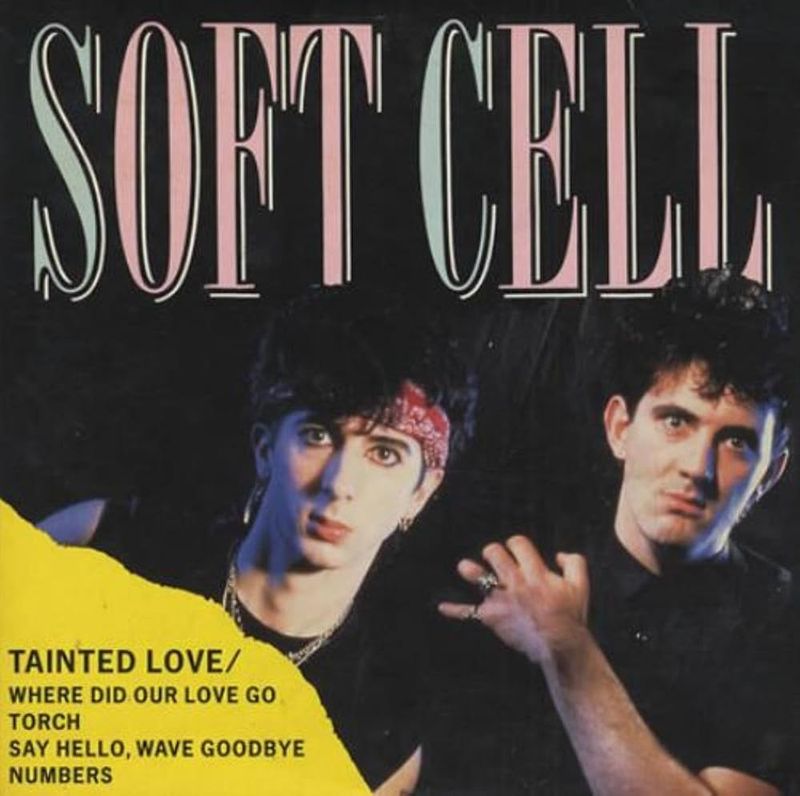
Soft Cell did not write “Tainted Love” – it was originally a Northern Soul track recorded by Gloria Jones in 1964.
But Marc Almond and Dave Ball transformed it into a cold, synth-driven anthem that became one of the defining sounds of the early 1980s.
Their version reached number one in the UK and stayed on the charts for a record-breaking 43 weeks.
In North America especially, the song became the band’s calling card, appearing in films, TV shows, and commercials for decades after its release.
It introduced millions of American listeners to the synth-pop sound that was sweeping Britain.
Soft Cell broke up not long after their initial run of success, but “Tainted Love” kept earning.
Few cover versions have so completely overtaken the original in public memory.
11. Chumbawamba – Tubthumping (1997)
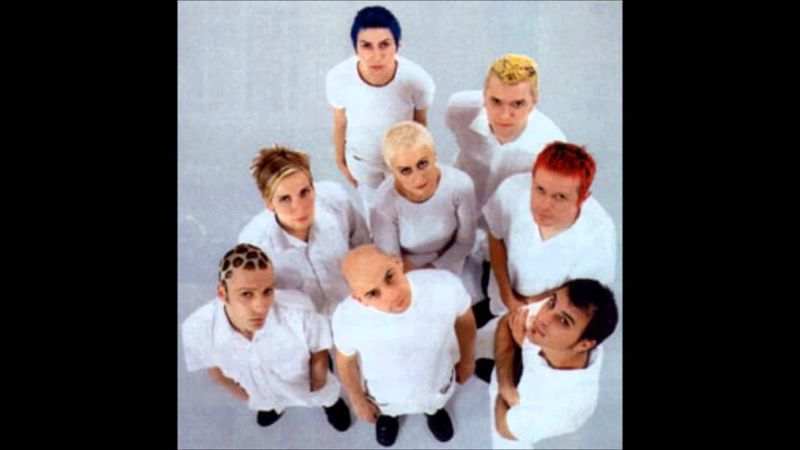
“I get knocked down, but I get up again” might be the most stubbornly optimistic lyric in pop music history.
Chumbawamba were a politically charged British band who had been making music since 1982 before “Tubthumping” suddenly turned them into international stars in 1997.
The song peaked at number two in the UK and number six in the US.
What makes their story unique is that they were unapologetically anti-establishment and used the money from their mainstream success to fund activist causes.
They were never trying to become pop stars, which made the whole situation wonderfully ironic.
The song has been used in sports broadcasts, movies, and motivational contexts worldwide ever since.
Chumbawamba proved that one anthem with the right message can echo through culture for a very long time.
12. Nena – 99 Luftballons (1983)
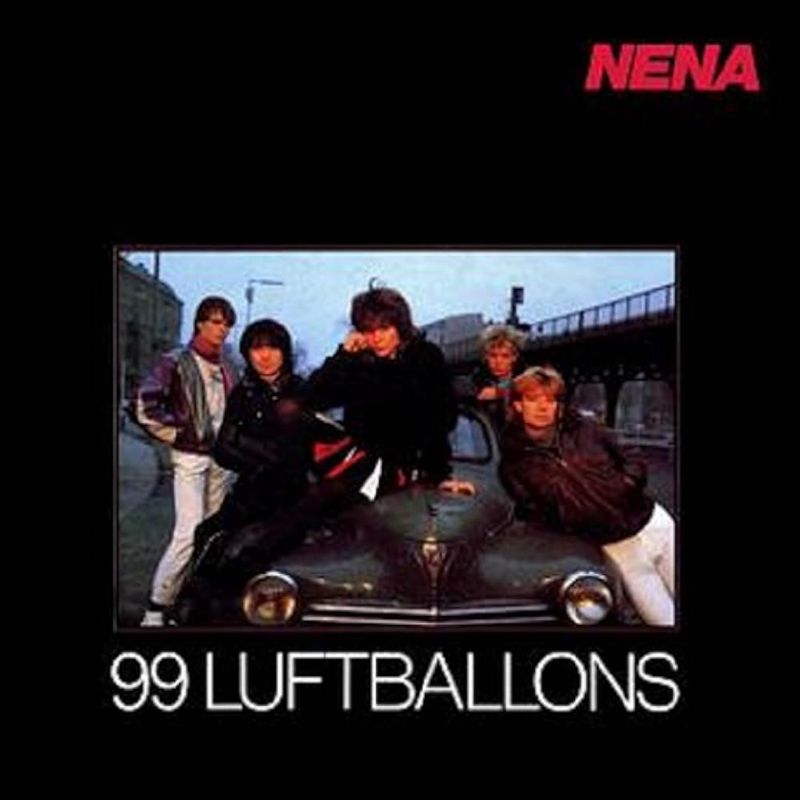
Singing in German and breaking into the English-speaking pop market is an enormous challenge, but Nena pulled it off with style. “99 Luftballons” reached number two on the UK Singles Chart and number two on the US Billboard Hot 100 in 1984, an almost unheard-of achievement for a German-language song.
The track carried a surprisingly serious anti-war message beneath its bouncy new wave surface, which resonated deeply with audiences living through Cold War tensions.
That emotional depth gave it staying power far beyond a typical novelty foreign-language hit.
Nena remained a beloved pop icon in Germany and German-speaking countries long after the international spotlight faded.
Outside those borders, her name and that song are permanently linked, a testament to how music can cross any language barrier.
13. OMC – How Bizarre (1996)
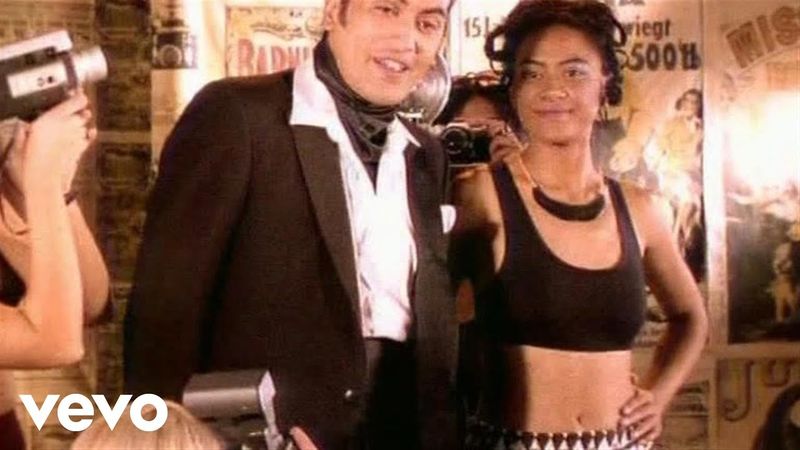
Coming out of Auckland, New Zealand, OMC and their frontman Pauly Fuemana created something genuinely unexpected with “How Bizarre.” The song blended hip-hop, pop, and a hint of mariachi brass into a breezy, feel-good track that seemed to come from nowhere and everywhere at once.
It became New Zealand’s best-selling single ever at the time of its release and crossed over to become a genuine international hit, peaking at number four in the US and reaching the top five in multiple countries.
For a small island nation, that was an extraordinary achievement.
Fuemana sadly passed away in 2010, but the song remains a source of pride for New Zealand music fans. “How Bizarre” showed the world that great pop music has no geographic limits.
14. Eiffel 65 – Blue (Da Ba Dee) (1998)
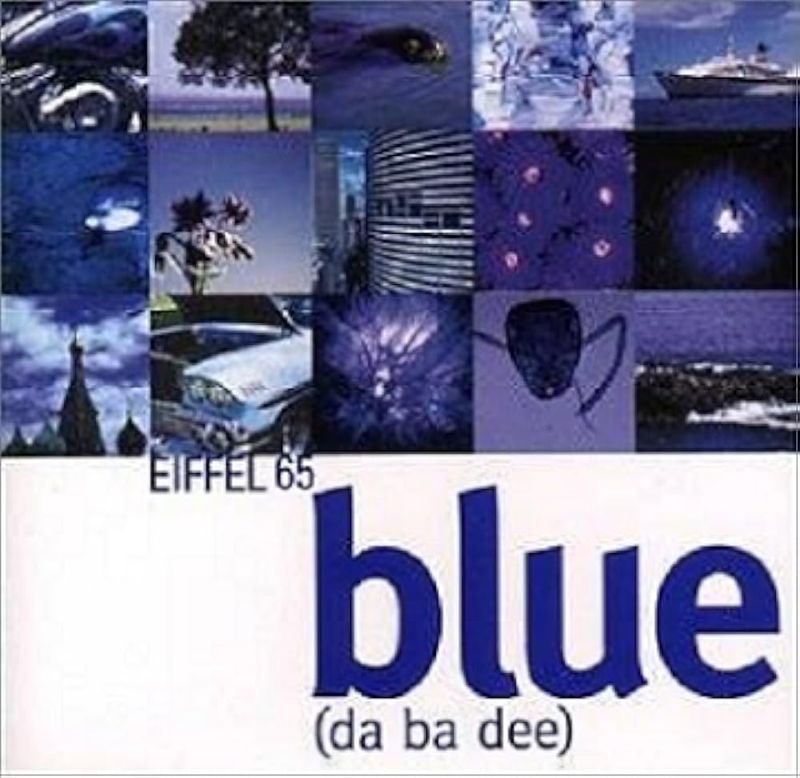
Few songs capture the late 1990s quite like “Blue (Da Ba Dee).” The Italian electronic trio Eiffel 65 created a track built around a nonsense phrase and a hypnotic synth loop that somehow became one of the biggest dance songs of the entire decade.
It reached number one in 12 countries and sold over six million copies worldwide.
The song started as a small regional release in Italy before a German DJ picked it up and helped push it to international audiences.
That grassroots journey to global stardom makes the story even more satisfying.
Eiffel 65 continued releasing music and touring through the 2000s and beyond, riding the wave of 90s nostalgia with obvious enthusiasm. “Blue” remains a staple at retro dance nights and video game soundtracks to this day.
15. Gotye – Somebody That I Used to Know (2011)
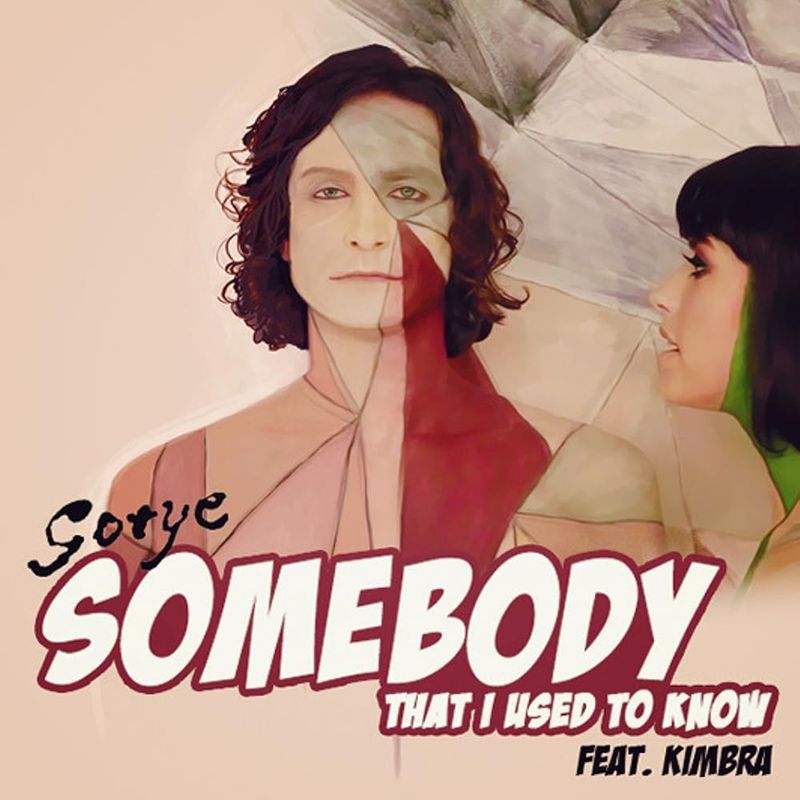
“Somebody That I Used to Know” arrived in 2011 and became the kind of phenomenon that only happens once or twice a decade.
Gotye, the stage name of Wouter De Backer, created a haunting breakup song with Kimbra that spent eight weeks at number one in the US and topped charts in over 25 countries.
The music video, featuring the two singers painted into a colorful mural, was visually striking and perfectly suited to the YouTube era.
It accumulated over a billion views, making it one of the first songs of that scale to be driven largely by online sharing.
Gotye has since stepped back from mainstream music, focusing on other creative projects.
But that one song cemented his place in pop history and continues earning streams in the hundreds of millions.