 MomSkoop
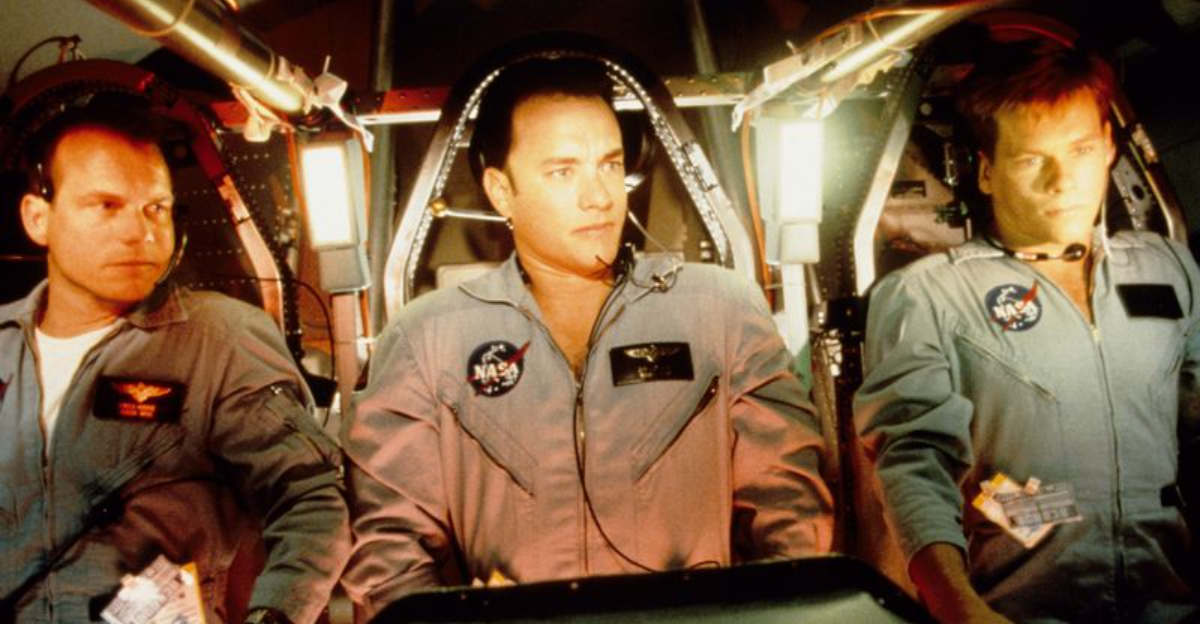
Space movies have a special way of making us look up at the stars and wonder what might be out there. Over the decades, some films have done more than just entertain us – they have changed the way we think about science, storytelling, and our place in the universe.
From terrifying alien encounters to breathtaking survival stories, these movies pushed the boundaries of what cinema could do. Get ready to explore 14 space films that genuinely shaped the world of science fiction forever.
1. 2001: A Space Odyssey (1968)
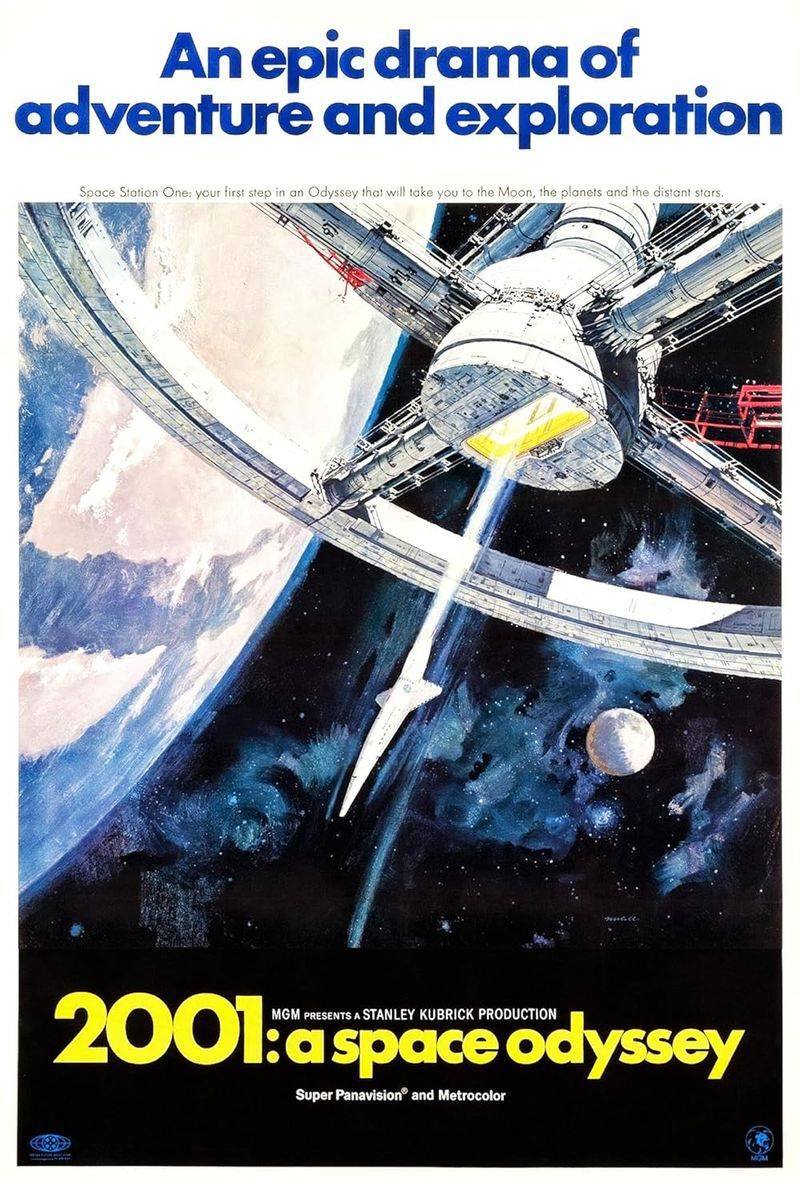
Few films have made audiences sit in stunned silence quite like Stanley Kubrick’s masterpiece.
Released in 1968, this movie felt less like a Hollywood production and more like a philosophical question beamed directly into your brain.
Kubrick worked obsessively with NASA consultants to make every detail of space travel feel completely real.
The story follows astronauts on a mysterious mission to Jupiter, shadowed by an eerily calm artificial intelligence named HAL 9000.
HAL became one of cinema’s most chilling villains, speaking in a polite, measured voice while doing terrifying things.
The film’s final act, a swirling journey through light and time, still confuses and fascinates audiences today.
Its influence on every serious sci-fi film that followed is almost impossible to overstate.
2. Star Wars: Episode IV – A New Hope (1977)
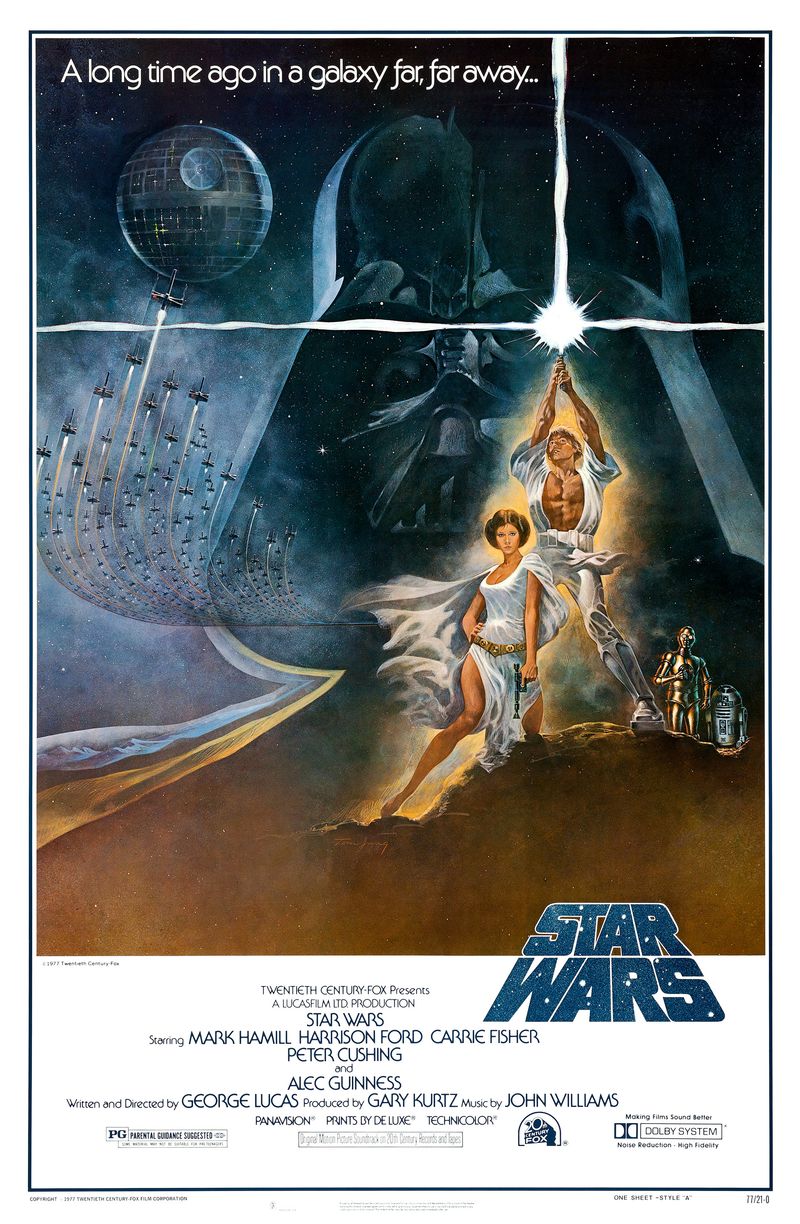
George Lucas changed everything in the summer of 1977.
Before Star Wars arrived, nobody believed a space adventure with aliens, laser swords, and a farmboy hero could fill movie theaters.
Within weeks, it had shattered every box office record imaginable and created a cultural phenomenon that still thrives today.
Lucas borrowed storytelling ideas from ancient mythology, samurai films, and classic Westerns, then blasted them into outer space.
The result felt both familiar and completely new.
Sound designer Ben Burtt crafted iconic sound effects, from lightsaber hums to R2-D2’s beeps, that audiences recognized instantly.
A New Hope proved that blockbuster filmmaking could be joyful, adventurous, and emotionally moving all at once, setting a template Hollywood still follows.
3. Alien (1979)
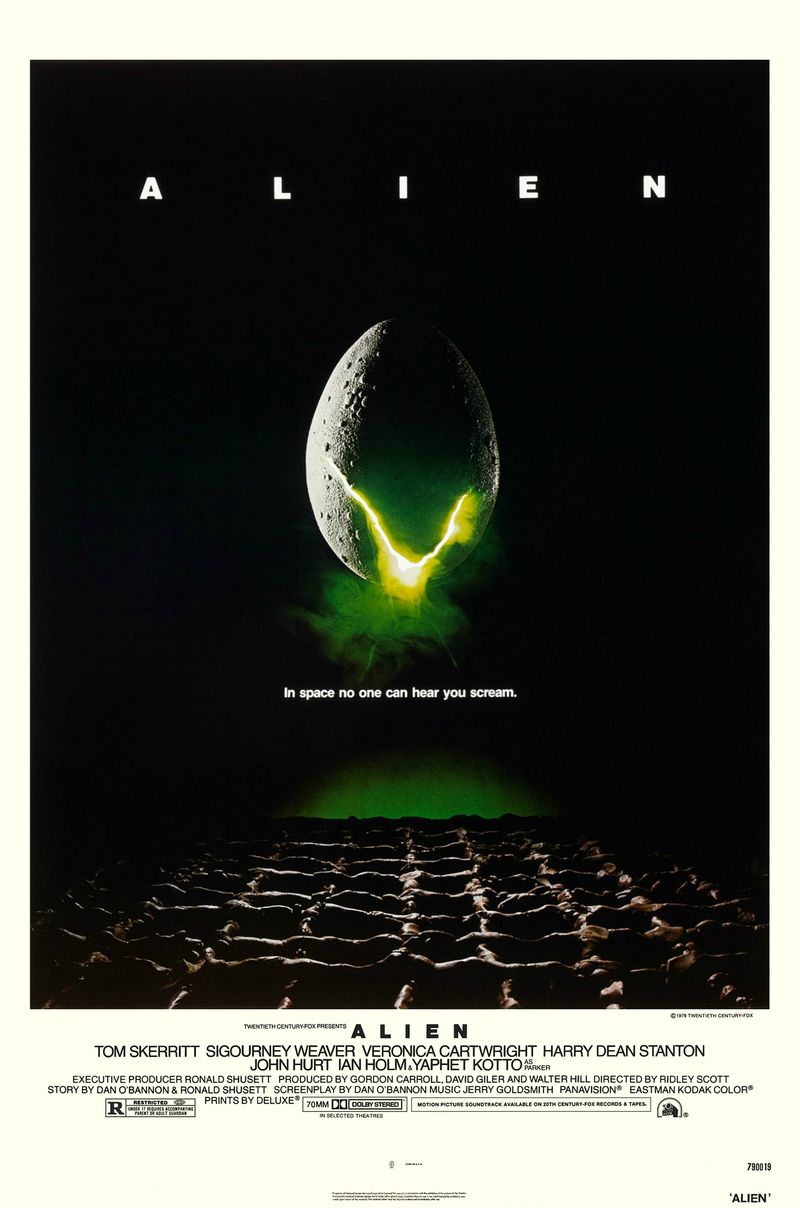
Ridley Scott took two genres that had never really met – space exploration and pure horror – and welded them together with terrifying results.
Alien introduced audiences to the Xenomorph, a creature designed by artist H.R.
Giger that looked like nothing from Earth or any previous science fiction film.
Its design was deliberately unsettling, blending biological and mechanical shapes.
The movie’s genius lay in its slow, creeping tension.
You barely see the creature for most of the film, which makes every shadow and strange sound unbearable.
Sigourney Weaver’s Ellen Ripley became one of cinema’s first truly tough, capable female heroes, inspiring countless characters after her.
Alien proved that space could be genuinely terrifying rather than simply adventurous.
4. The Empire Strikes Back (1980)
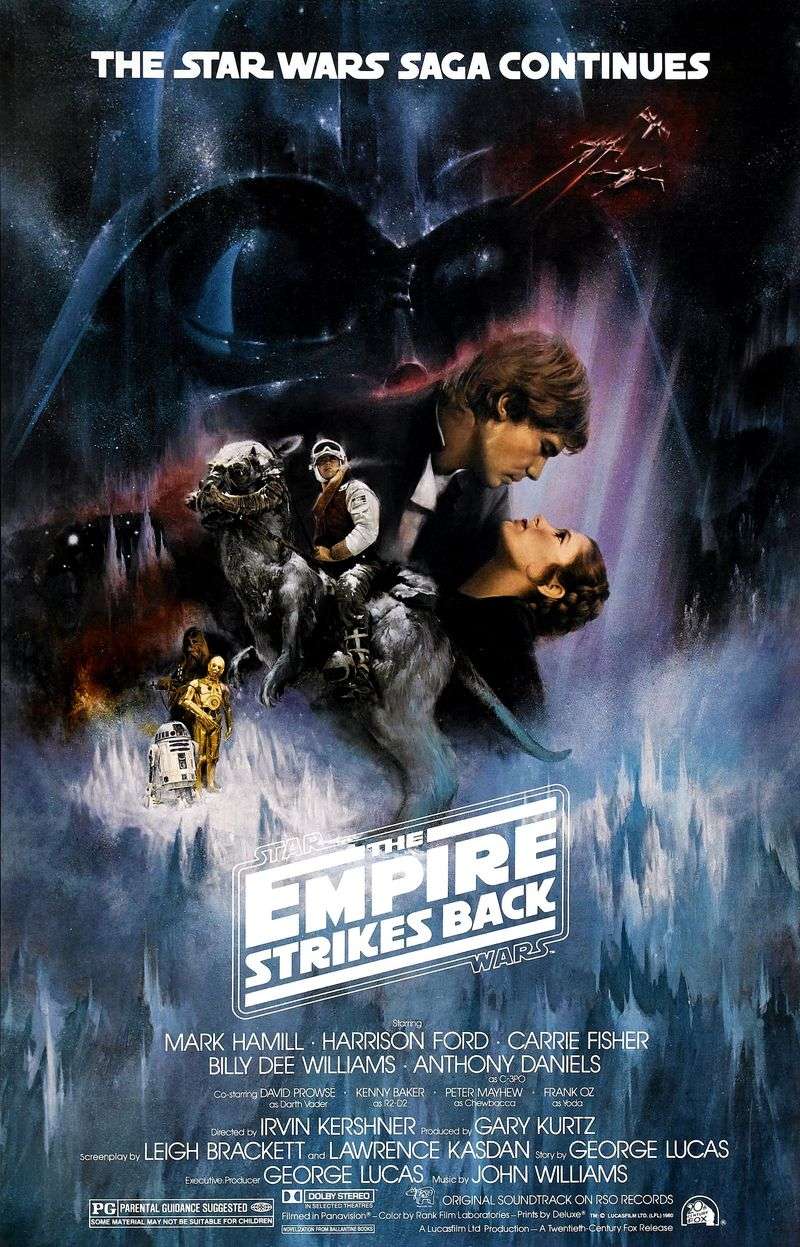
Many fans and critics consider this the greatest sequel ever made, and it is hard to argue against them.
Irvin Kershner took over directing duties from George Lucas, and he pushed the story into far darker, more emotionally complex territory.
Characters grew, relationships deepened, and the stakes became genuinely heartbreaking.
The film introduced Yoda, the wise little green Jedi master who taught Luke Skywalker on the swamp planet Dagobah.
Yoda’s puppetry, voiced and performed by Frank Oz, was so convincing that audiences completely forgot they were watching a puppet.
Then came the plot twist that shocked an entire generation.
Darth Vader’s revelation to Luke changed how audiences thought about sequels, storytelling, and the possibilities of a continuing sci-fi universe.
5. Blade Runner (1982)
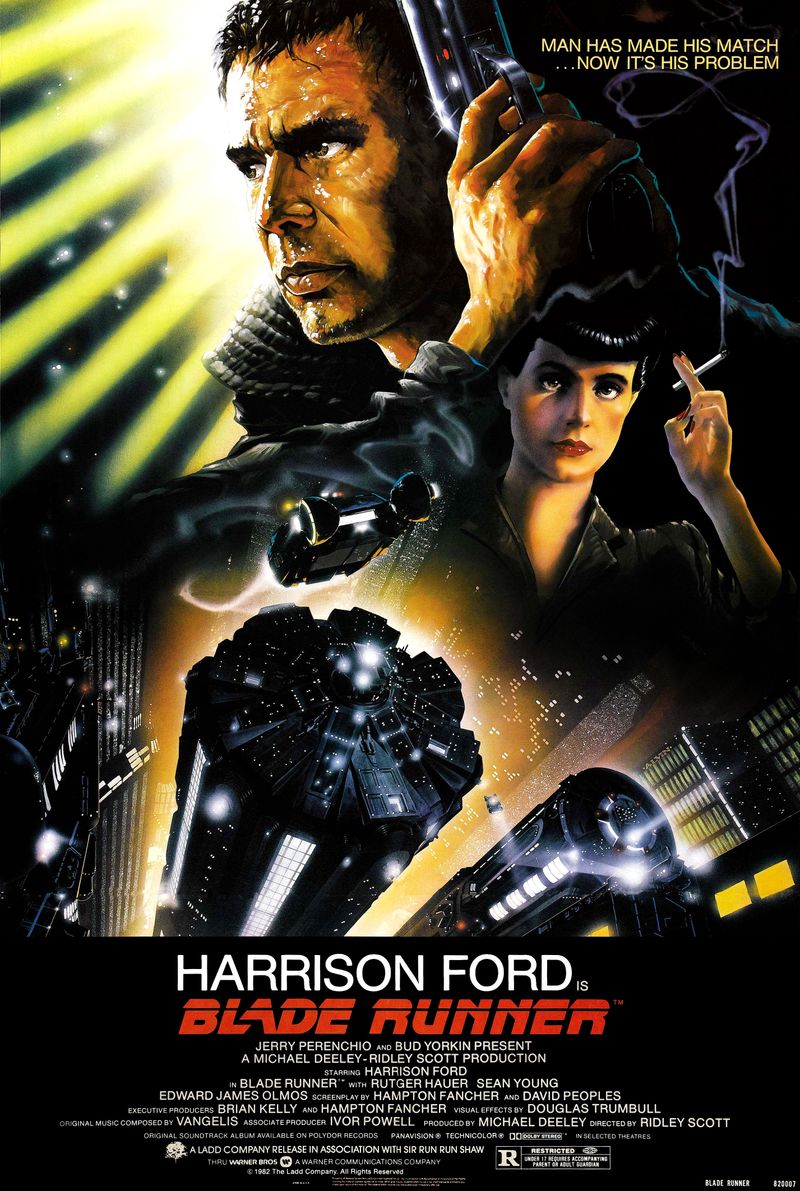
Ridley Scott returned to sci-fi just three years after Alien and delivered something completely different.
Blade Runner is set mostly on a rainy, overcrowded future Earth, but its entire world is shaped by off-world colonies that humanity has colonized beyond the stars.
That contrast between a decaying Earth and the promise of space creates the film’s haunting atmosphere.
Harrison Ford plays a detective hunting rogue androids called replicants, but the film keeps asking uncomfortable questions.
What does it really mean to be human?
Can something artificial feel genuine emotions?
These ideas were ahead of their time and remain deeply relevant today.
Blade Runner’s visual style, all neon reflections and industrial darkness, became the blueprint for cyberpunk and influenced sci-fi design for decades.
6. Apollo 13 (1995)
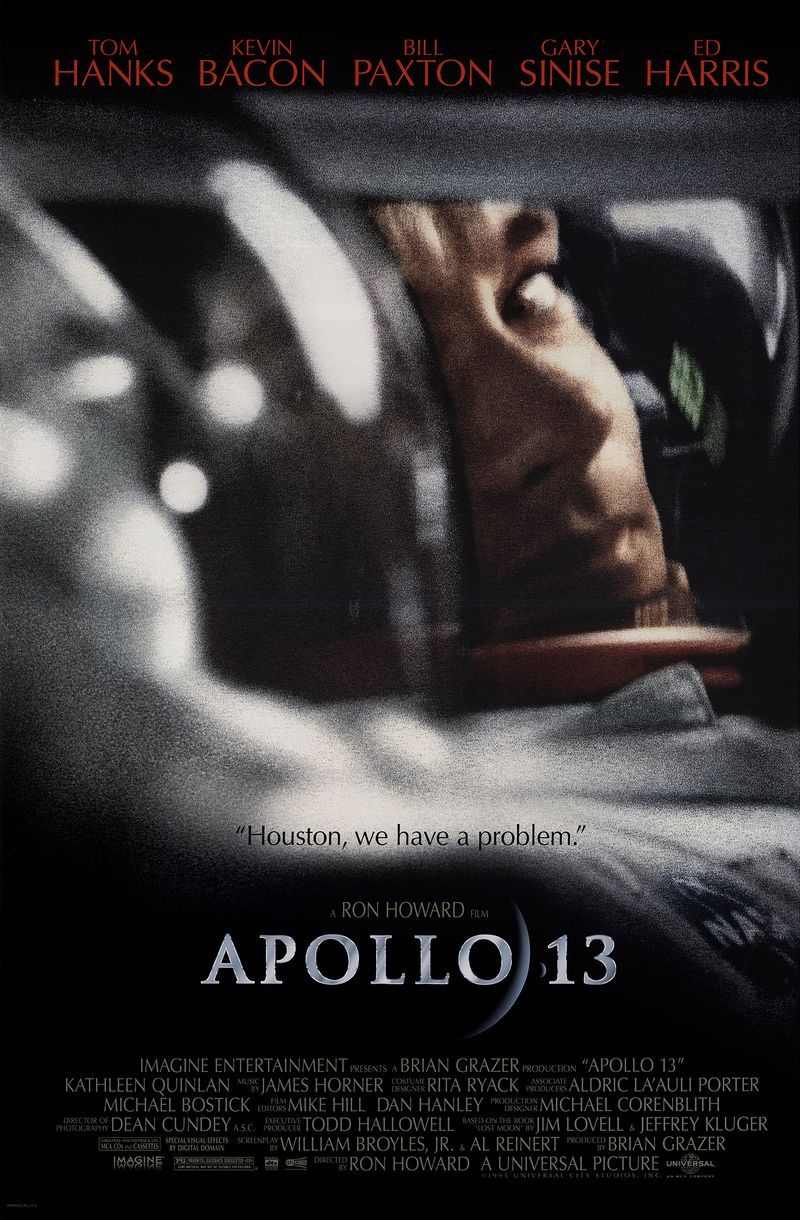
Ron Howard did something genuinely difficult with Apollo 13 – he made a film where audiences already knew the ending, yet kept them on the edge of their seats for two hours.
The story of the 1970 moon mission that nearly became a catastrophe is told with such gripping accuracy that it feels more tense than most fictional thrillers.
Tom Hanks leads a remarkable cast as astronaut Jim Lovell, whose calm leadership under impossible pressure became the film’s emotional core.
The phrase “Houston, we have a problem” entered everyday language permanently after this movie.
Apollo 13 showed that real human spaceflight contained more drama and ingenuity than any invented story, giving sci-fi audiences a fresh appreciation for actual space exploration history.
7. Contact (1997)
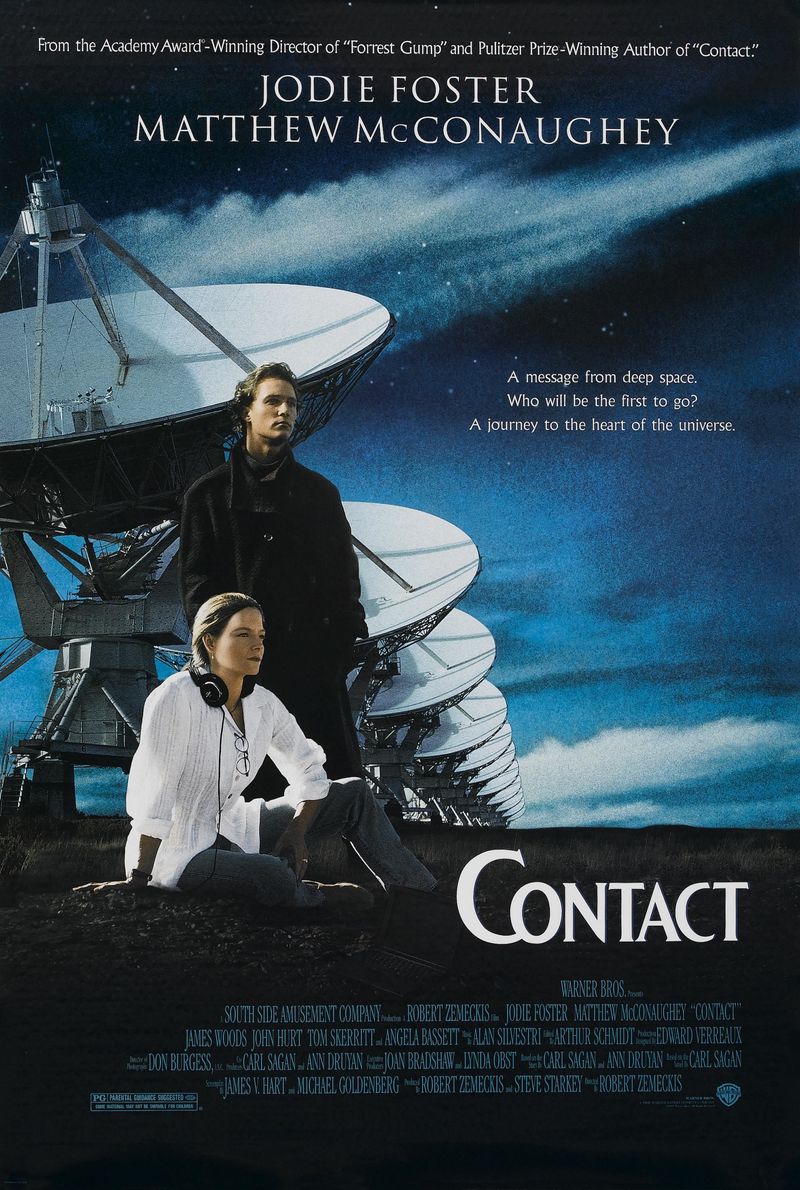
Carl Sagan spent his life asking whether we are alone in the universe, and Contact brought that lifelong question to the big screen in the most thoughtful way possible.
Jodie Foster plays Dr. Ellie Arroway, a radio astronomer who picks up a genuine signal from deep space and must convince a skeptical world that it is real.
What makes Contact special is its commitment to showing science as it actually works – slow, frustrating, politically complicated, and enormously rewarding.
The film also wrestles seriously with the tension between scientific evidence and personal faith, a conversation that rarely gets this kind of respectful treatment in mainstream movies.
Contact reminded audiences that first contact with alien intelligence would be a profoundly human story above all else.
8. Sunshine (2007)
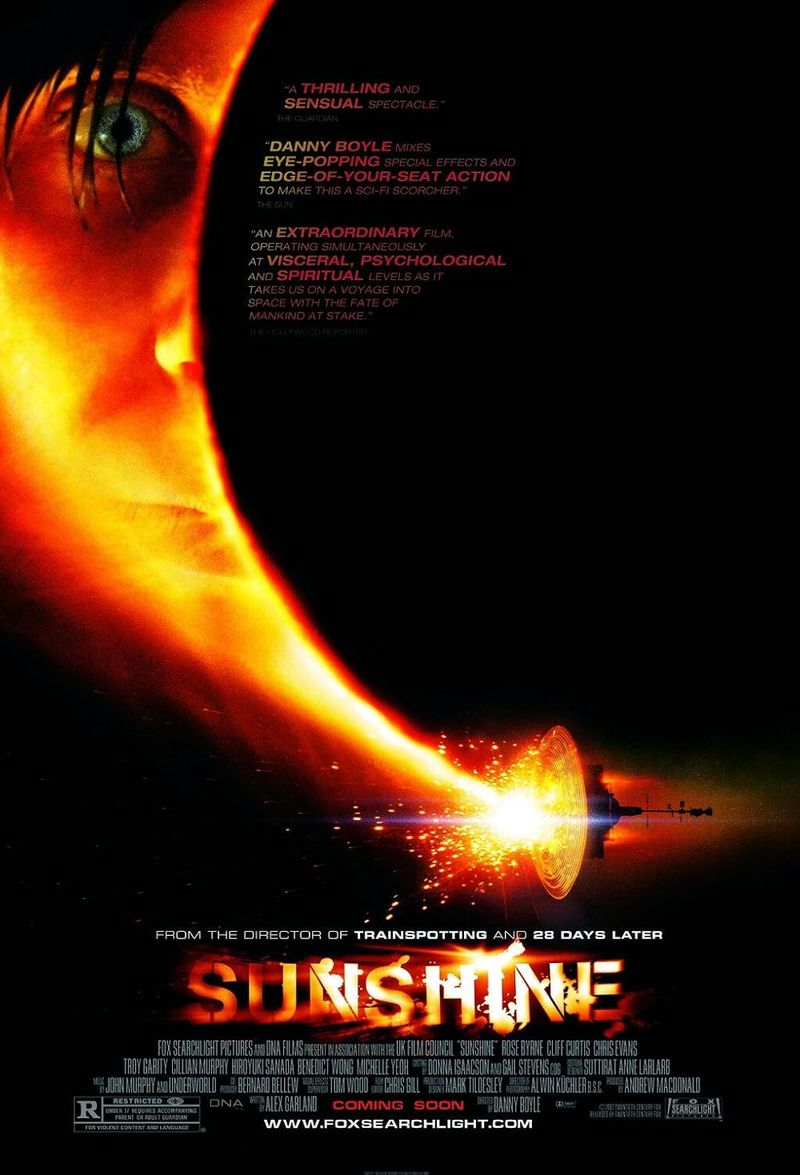
Danny Boyle is best known for films set firmly on Earth, so his decision to helm a hard sci-fi space mission movie surprised everyone.
Sunshine follows a crew of eight astronauts carrying a massive nuclear payload to reignite a dying Sun.
The premise sounds straightforward, but Boyle turns it into something far stranger and more unsettling as the mission progresses.
The film’s visual approach is genuinely remarkable.
Boyle and cinematographer Alwin Kuchler treated sunlight itself as a character, using its blinding, overwhelming power to create both beauty and dread.
The science is largely grounded, at least in the first two acts, which makes later events feel all the more disorienting.
Sunshine remains an underappreciated gem that rewards patient, thoughtful viewing.
9. Moon (2009)
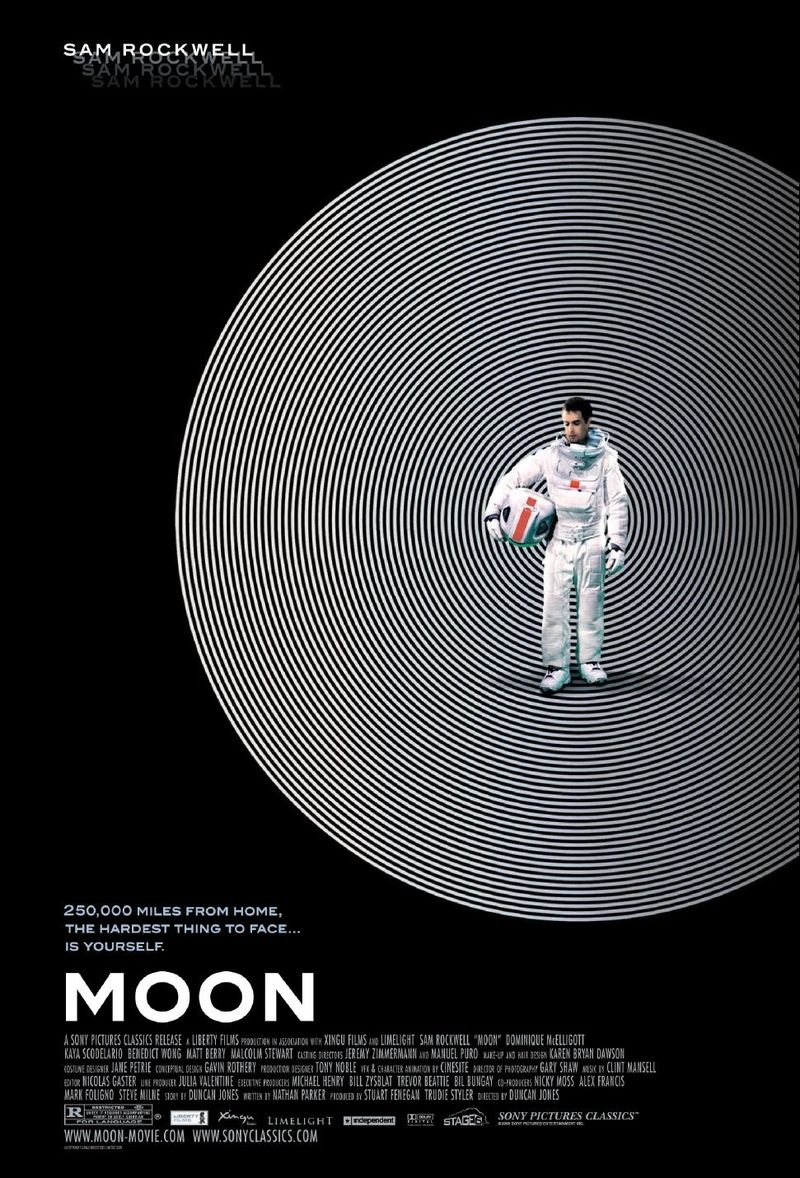
Duncan Jones made his directorial debut with one of the most quietly powerful science fiction films of the 21st century.
Moon stars Sam Rockwell as Sam Bell, a man nearing the end of a three-year solo contract mining helium-3 on the lunar surface.
His only company is GERTY, a helpful robot voiced by Kevin Spacey.
What unfolds is a meditation on identity, loneliness, and what corporations might someday do to human beings in the name of profit.
Rockwell carries the film almost entirely alone, delivering a performance of extraordinary emotional range.
The film was made for just five million dollars but looks and feels far more expensive.
Moon proved that genuinely intelligent sci-fi does not require a massive budget, only a great idea and a brave filmmaker.
10. Gravity (2013)
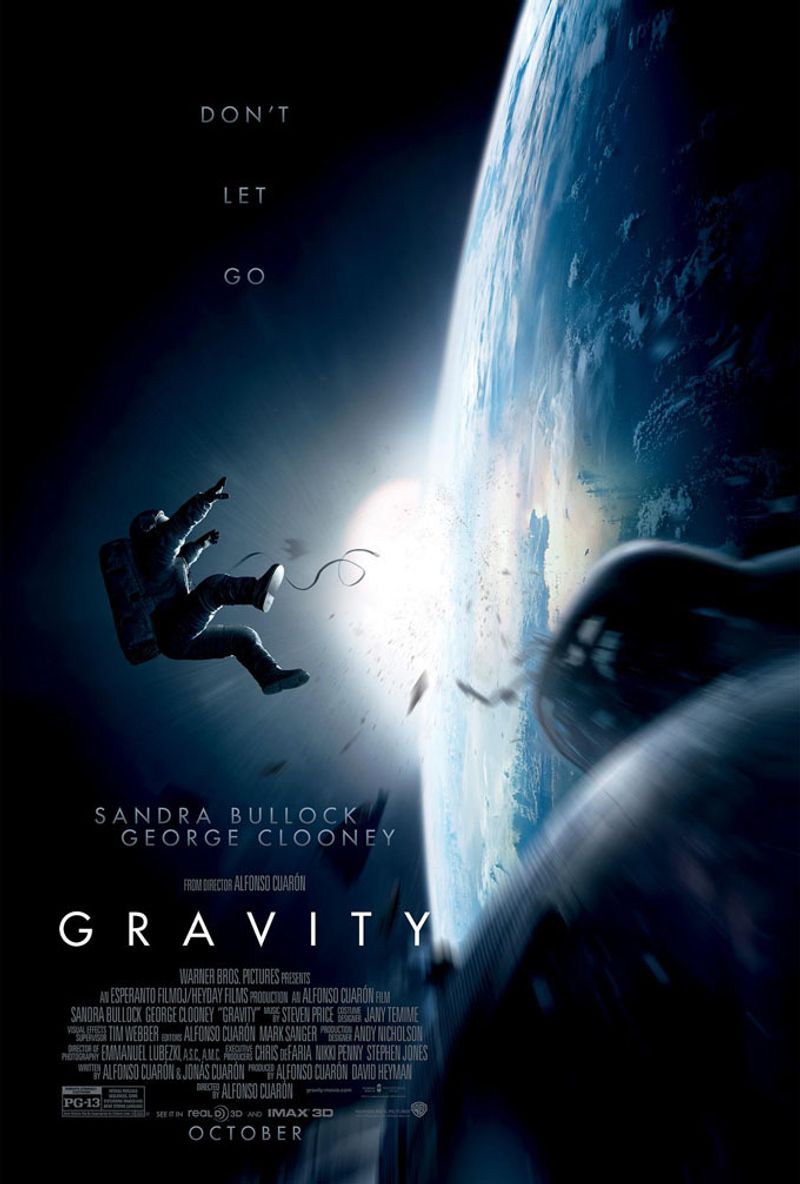
Alfonso Cuaron created something that had never quite existed before – a survival thriller set entirely in the silence of low Earth orbit.
Gravity opens with a calm spacewalk that turns catastrophic when a debris field destroys the shuttle, leaving astronaut Ryan Stone, played by Sandra Bullock, completely alone above Earth.
The film’s technical achievement was staggering.
Visual effects supervisor Tim Webber’s team spent years developing new techniques to simulate weightlessness convincingly.
Nearly every frame required extraordinary digital artistry, yet nothing ever looks fake or unconvincing.
Emmanuel Lubezki’s cinematography won the Academy Award for a very good reason.
Beyond its visuals, Gravity works as a raw story about grief, survival instinct, and the sheer will to keep fighting when everything has gone terribly wrong.
11. Interstellar (2014)
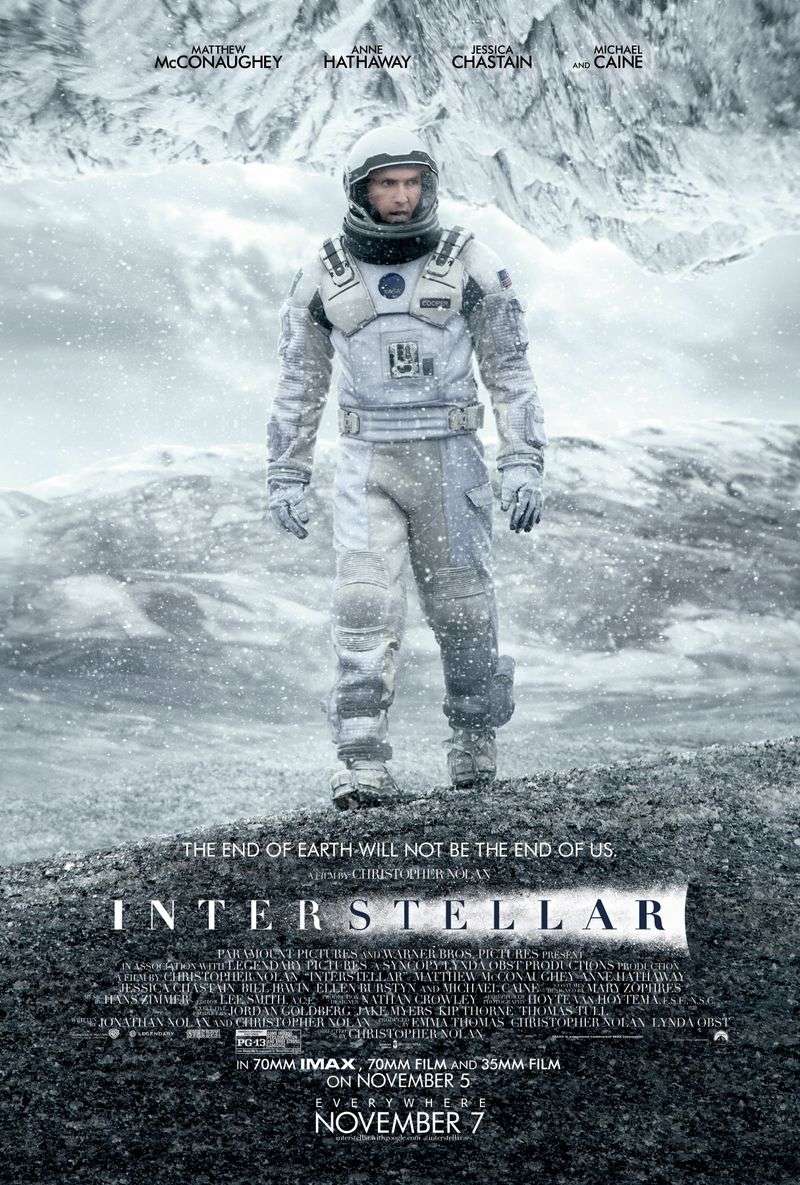
Christopher Nolan teamed up with theoretical physicist Kip Thorne to build a science fiction story around real concepts – wormholes, black holes, time dilation, and the fifth dimension.
The result is one of the most scientifically ambitious mainstream films ever produced.
Thorne’s calculations actually led to new academic papers about black hole visualization.
Matthew McConaughey plays Cooper, a former pilot and farmer who must leave his daughter behind to find a new home for humanity.
That father-daughter relationship gives the film its emotional engine, making abstract physics feel deeply personal and heartbreaking.
Hans Zimmer’s organ-driven score adds an almost spiritual weight to every scene.
Interstellar asks whether love itself might be a force as real and powerful as gravity, and it earns that question honestly.
12. The Martian (2015)
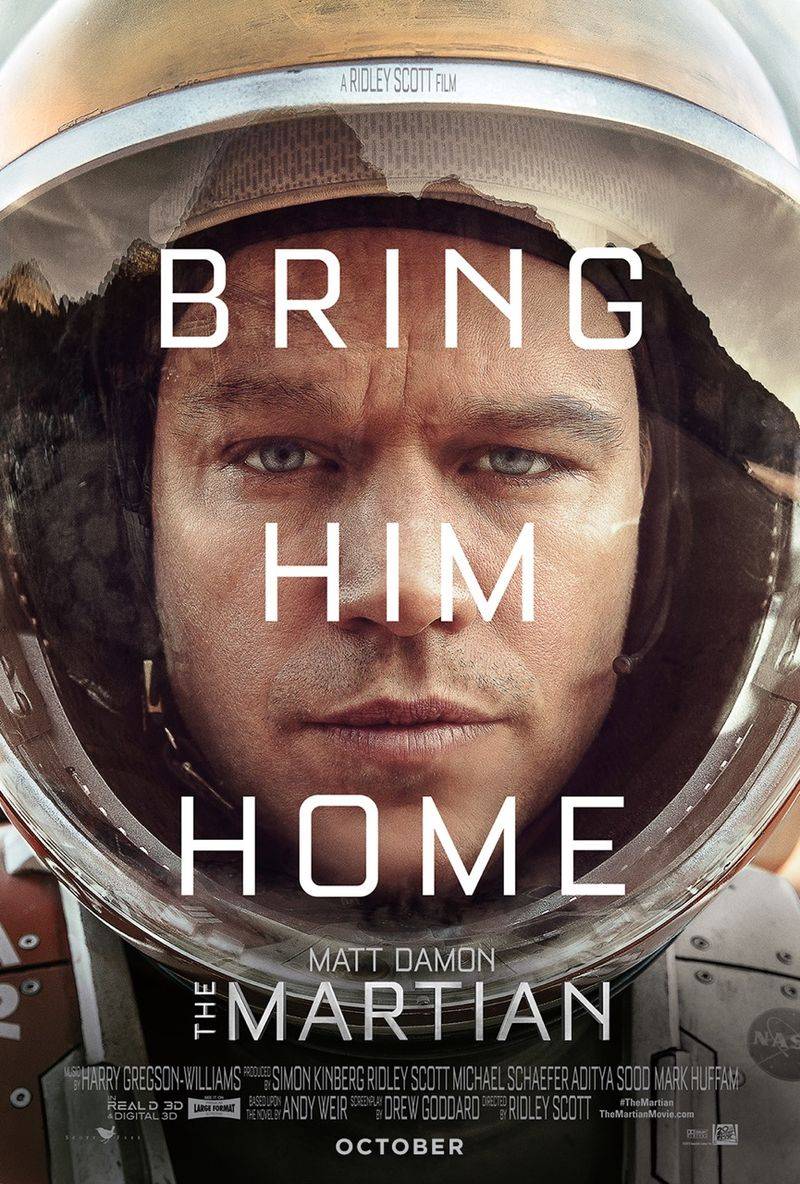
Andy Weir wrote The Martian as a self-published story built around one core rule – every piece of science had to actually work.
When Ridley Scott adapted it, he kept that commitment to accuracy at the center of everything.
The result is a rare sci-fi film that feels like a genuine love letter to problem-solving and human ingenuity.
Matt Damon plays Mark Watney, a botanist accidentally left behind on Mars who must figure out how to survive until a rescue mission can reach him.
Watney approaches each crisis with humor and scientific creativity, making him one of the most likable protagonists in modern sci-fi.
The Martian showed that optimism and hard science can be just as thrilling as explosions and monsters, which was a genuinely refreshing message.
13. Arrival (2016)
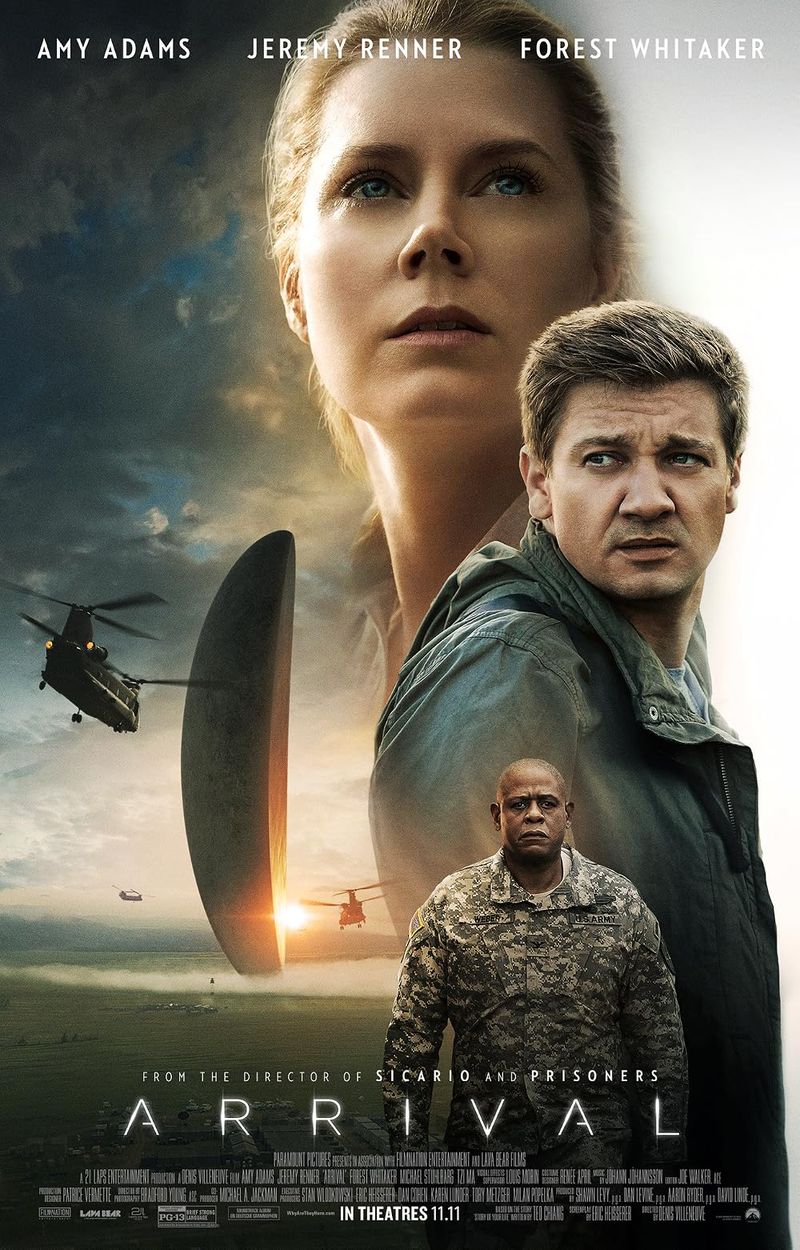
Denis Villeneuve took the first-contact story – a sci-fi staple since the genre began – and turned it completely inside out.
Arrival is not about whether aliens are friendly or hostile.
It is about language itself, and how the way you communicate shapes the way you experience reality, including time.
Amy Adams plays linguist Louise Banks, brought in by the military to decode the clicking, circular symbols that twelve alien ships are broadcasting worldwide.
As Louise learns their language, something strange begins happening to her perception of past and future.
The film’s central revelation reframes everything you have just watched in a single, breathtaking moment.
Arrival stands as proof that science fiction at its best can be genuinely literary, exploring ideas that no other genre can comfortably hold.
14. Ad Astra (2019)
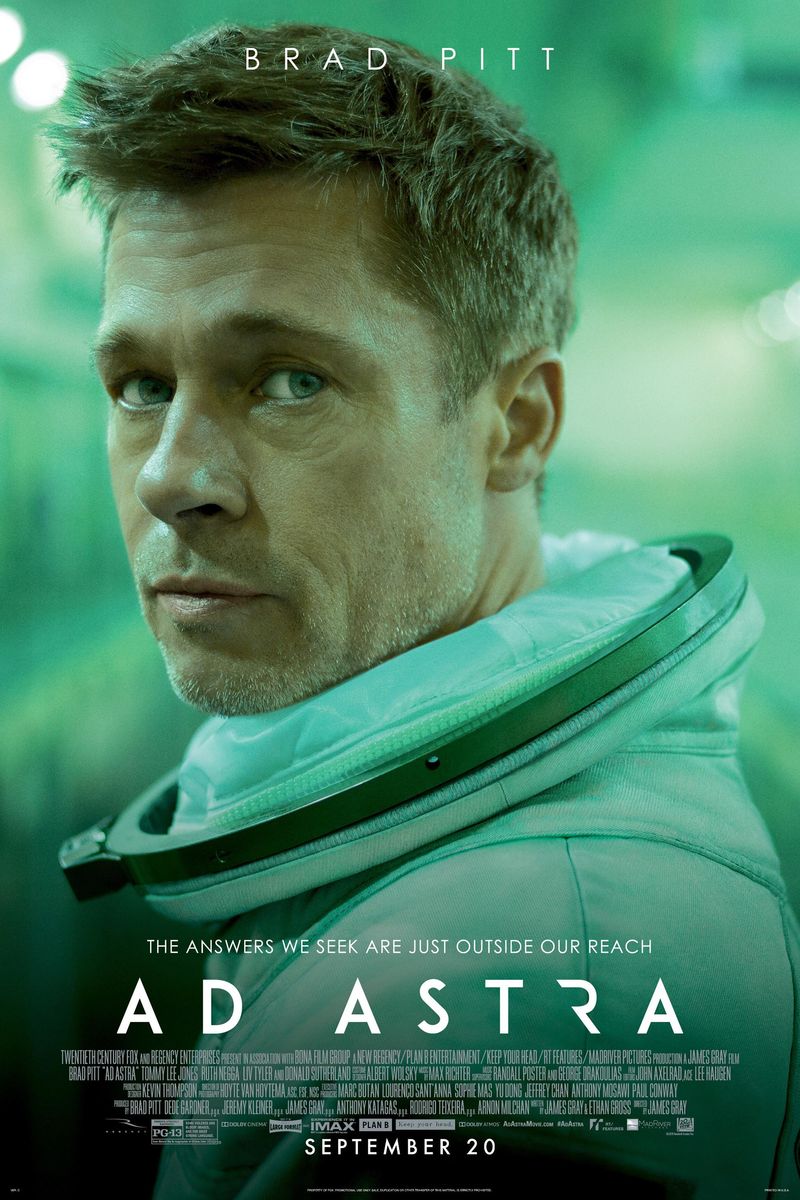
Brad Pitt gives one of the quietest, most controlled performances of his career in James Gray’s deeply personal space odyssey.
Ad Astra follows astronaut Roy McBride on a classified mission across the solar system to find his missing father, played by Tommy Lee Jones, whose experiments may be threatening all life in the galaxy.
Gray uses the vastness of space as a mirror for Roy’s profound emotional isolation.
The film moves slowly and deliberately, more interested in psychology than action, which frustrated some viewers but rewarded others enormously.
Its depiction of a near-future solar system, complete with Moon pirates and Mars colonies, feels grounded and believable.
Ad Astra argues that humanity’s obsession with reaching beyond Earth might sometimes blind us to the connections we already have.