 MomSkoop
The 1970s was a golden era for soft, heartfelt music that spoke directly to people’s emotions. Ballads from this decade told stories of love, loss, and longing in ways that still resonate today.
From tender piano melodies to soaring vocal performances, these songs became the soundtrack of a generation. Whether you grew up in the 70s or discovered these tracks later, there is something timeless about each one of them.
1. Bridge Over Troubled Water – Simon & Garfunkel (1970)
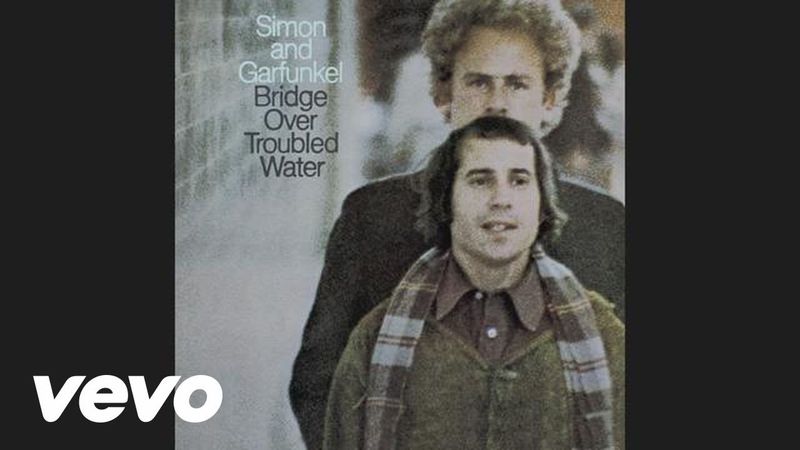
Few songs have ever offered comfort the way this one does.
Released in 1970, “Bridge Over Troubled Water” became one of the best-selling singles of the entire decade.
Art Garfunkel’s soaring vocals paired with Paul Simon’s heartfelt piano arrangement created something truly unforgettable.
The song was written by Simon as a promise to stand by a friend during hard times.
It won five Grammy Awards, including Song of the Year.
Its message of loyalty and support struck a chord with millions of listeners around the world.
Even today, hearing those opening notes feels like a warm hug on a difficult day.
This track is widely considered one of the greatest songs ever recorded.
2. Without You – Harry Nilsson (1971)
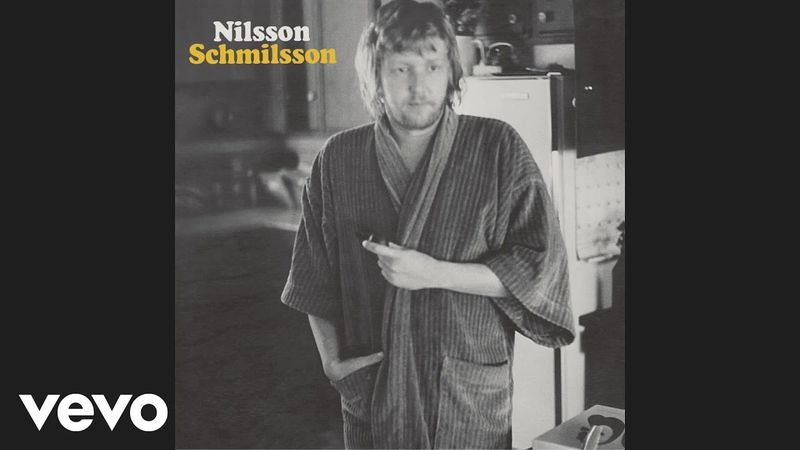
Harry Nilsson had a voice that could break your heart in the best possible way. “Without You” was originally written by Pete Ham and Tom Evans of Badfinger, but Nilsson’s version turned it into something extraordinary.
His emotional delivery pushed the song to the top of charts worldwide.
The track reached number one in both the United States and the United Kingdom.
Nilsson reportedly recorded the vocals in a single take, channeling raw pain into every note.
That kind of authenticity is rare and impossible to fake.
Mariah Carey later covered the song in 1994, introducing it to a new generation.
Still, most music fans agree that Nilsson’s original carries an emotional weight that remains unmatched.
3. American Pie – Don McLean (1971)
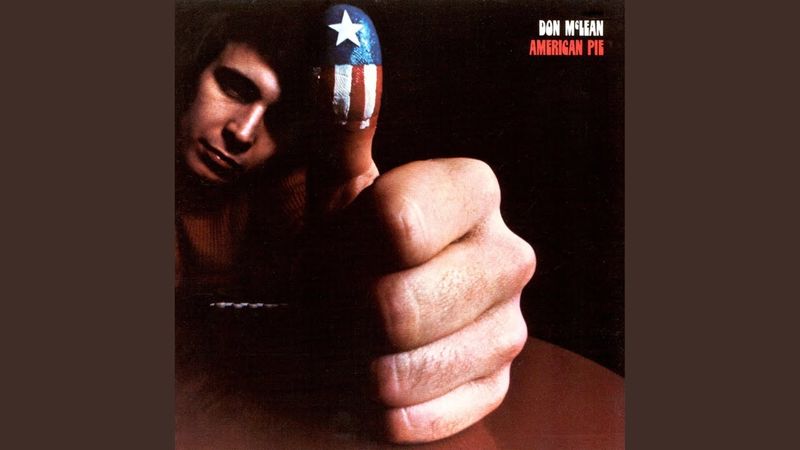
Running over eight minutes long, “American Pie” was unlike anything radio stations had ever played before.
Don McLean wrote this epic folk-rock ballad as a tribute to Buddy Holly, Ritchie Valens, and The Big Bopper, who died in a 1959 plane crash he called “the day the music died.”
The song is packed with symbolic references to musicians and cultural moments from the 1950s and 60s.
Listeners have spent decades debating exactly what each verse means.
That mystery became part of the song’s lasting charm.
McLean has never fully explained all the lyrics, keeping fans guessing year after year. “American Pie” reached number one and stayed there for four weeks, cementing its place in music history.
4. The First Time Ever I Saw Your Face – Roberta Flack (1972)
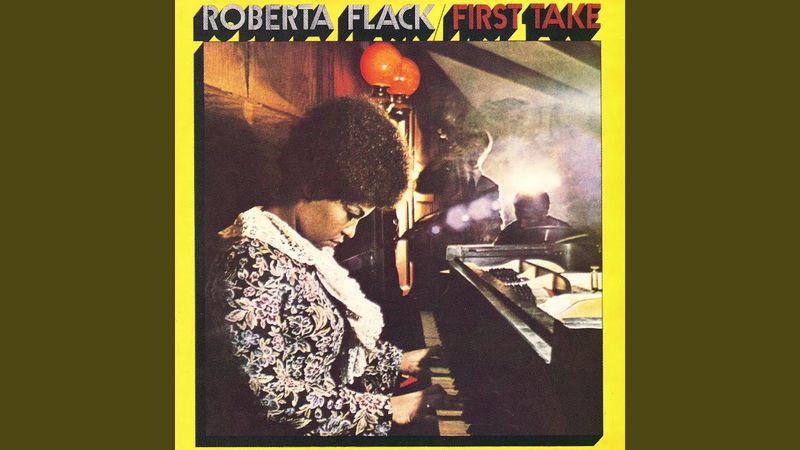
Originally written by folk singer Ewan MacColl in 1957, this song found its true home when Roberta Flack recorded it in 1969.
It was not until 1972, after Clint Eastwood featured it in his film “Play Misty for Me,” that it became a massive hit.
The song spent six weeks at number one on the Billboard Hot 100.
Flack’s slow, deliberate vocal style made every word feel deeply personal.
Listeners felt as though she was singing directly to them, describing love at first sight with breathtaking tenderness.
The track won the Grammy Award for Record of the Year in 1973.
It remains one of the most beautifully performed love songs in pop music history, timeless in its simplicity and power.
5. Killing Me Softly with His Song – Roberta Flack (1973)
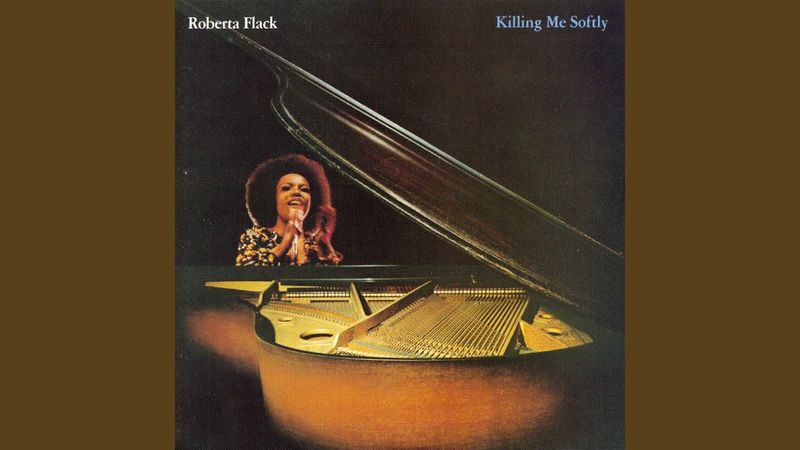
Roberta Flack made history twice in a row when this song won her a second consecutive Grammy for Record of the Year. “Killing Me Softly with His Song” was inspired by singer Lori Lieberman’s experience watching Don McLean perform live.
The lyrics describe the overwhelming feeling of hearing a song that perfectly captures your own emotions.
Flack’s version became a cultural phenomenon, reaching number one for five weeks.
Her voice moved with such grace and control that it sounded almost effortless, even though the song demands incredible skill.
The Fugees covered it in 1996 and brought it back to the charts.
But Flack’s original still stands as the definitive version, full of warmth, soul, and quiet power that never fades.
6. Annie’s Song – John Denver (1974)
John Denver reportedly wrote “Annie’s Song” in just ten minutes while riding a ski lift in Aspen, Colorado.
He was thinking about how much his wife Ann meant to him, and the words came pouring out.
That kind of spontaneous inspiration produced one of the most beloved love songs of the 1970s.
The song compares the feeling of love to natural wonders like rain on the desert and a walk in the mountains.
Denver’s warm, clear voice made those images feel vivid and real.
It reached number one in the United Kingdom and became a top five hit in the United States.
Flutist James Galway later recorded a classical instrumental version that also became a hit.
The song’s simplicity and sincerity are exactly what make it so enduring.
7. Mandy – Barry Manilow (1974)
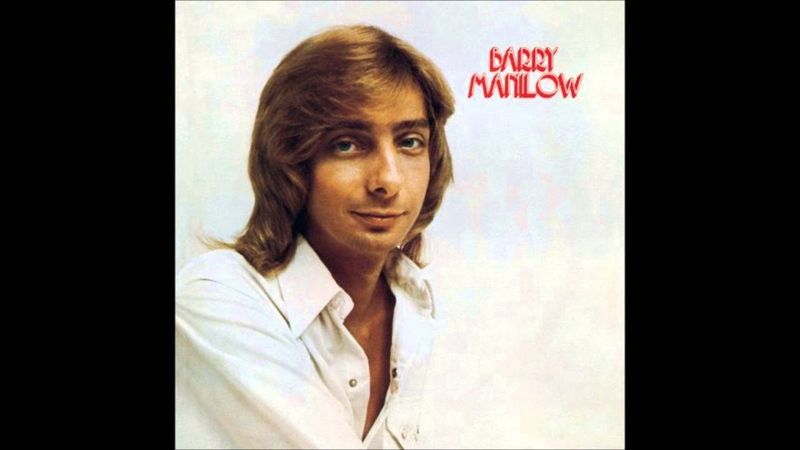
Barry Manilow did not write “Mandy,” but he made it entirely his own.
Originally recorded by Scott English under the title “Brandy,” the song was reworked and renamed to avoid confusion with another hit.
Manilow’s version became his very first number one single in the United States.
The song tells the story of a bittersweet romance with someone who brought warmth into a lonely life.
Manilow’s theatrical vocal style gave the lyrics extra emotional punch, turning a simple pop song into a full-blown dramatic experience.
“Mandy” launched one of the most successful careers in adult contemporary music.
Manilow went on to become one of the biggest-selling artists of the entire decade, and this track started it all in spectacular fashion.
8. Love Will Keep Us Together – Captain & Tennille (1975)
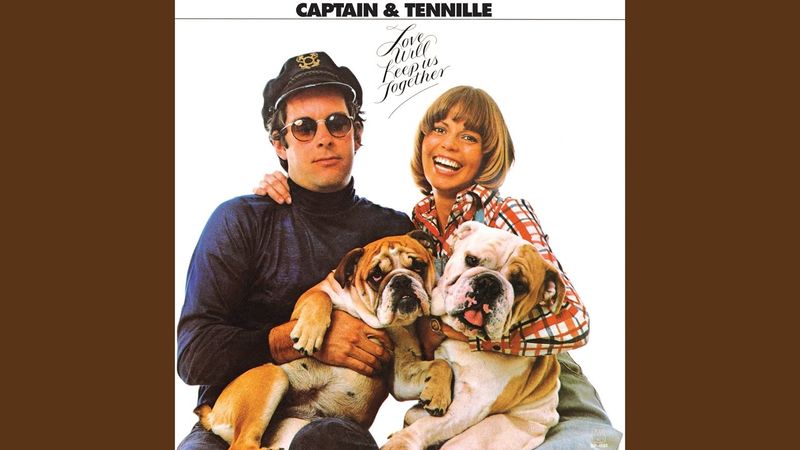
Written by Neil Sedaka and Howard Greenfield, this upbeat love song became the best-selling single of 1975 in the United States.
Captain and Tennille brought a cheerful, breezy energy to the track that made it impossible not to smile while listening.
It spent four weeks at number one on the Billboard Hot 100.
The duo, who were a real-life couple, gave the song an extra layer of authenticity.
Toni Tennille’s bright, playful vocals complemented the song’s feel-good message perfectly.
Neil Sedaka even released his own version, but it was the Captain and Tennille recording that captured the public’s heart.
The song won the Grammy Award for Record of the Year in 1976.
It remains a joyful reminder that love, when celebrated openly, can feel like pure sunshine.
9. If You Leave Me Now – Chicago (1976)
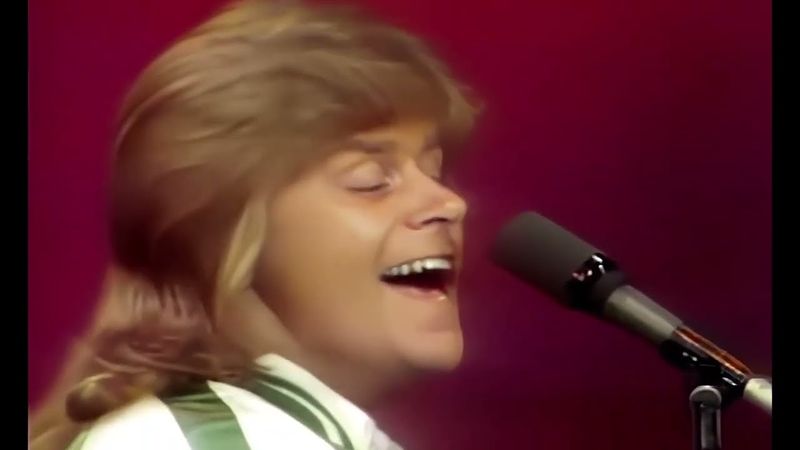
Chicago was known for its energetic horn-driven rock sound, so when “If You Leave Me Now” came out, it surprised a lot of fans.
This gentle, aching ballad showed a completely different side of the band.
Peter Cetera’s soft tenor voice carried the song’s message of heartbreak with quiet grace.
The song spent two weeks at number one and became Chicago’s first chart-topper in the United States.
It also reached number one in the United Kingdom, making it a genuine international hit.
The lush production and understated arrangement gave the track a warmth that felt intimate and personal.
Many fans consider it a turning point in the band’s career.
It proved that Chicago could move people just as powerfully with softness as they could with full-band energy.
10. Don’t Give Up on Us – David Soul (1976)
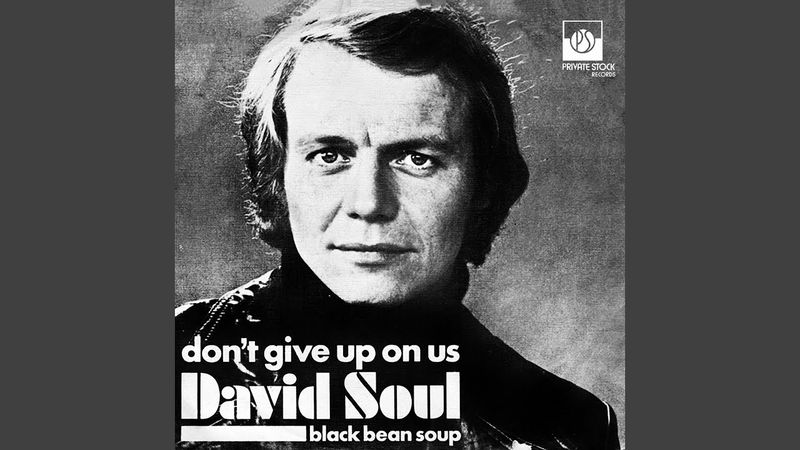
Most people in the 1970s knew David Soul as Detective Ken Hutchinson from the hit TV show “Starsky and Hutch.” So when he released “Don’t Give Up on Us,” audiences were genuinely surprised by how well he could sing.
The song became a massive hit, reaching number one in both the United States and the United Kingdom.
The track is a heartfelt plea from someone begging a partner not to walk away from a troubled relationship.
Soul’s earnest delivery made the emotional appeal feel completely believable.
It spent one week at the top of the American charts and four weeks at number one in the UK.
The song showed that television fame and musical talent could absolutely go hand in hand.
Soul proved the skeptics wrong with this tender, beautifully crafted ballad.
11. How Deep Is Your Love – Bee Gees (1977)
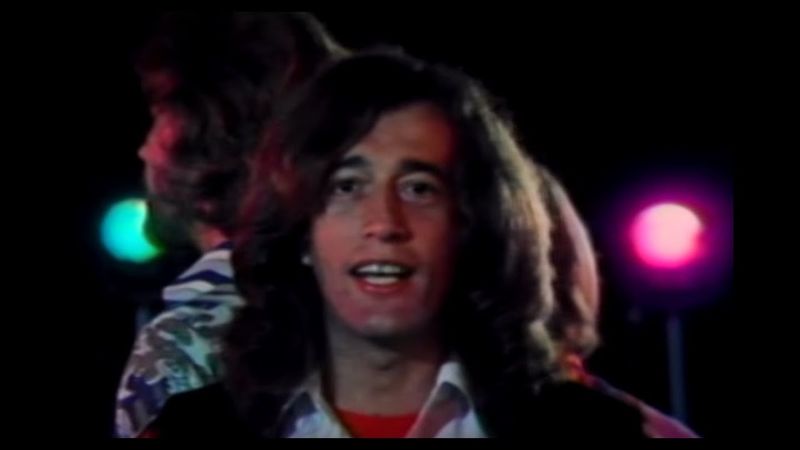
Written for the “Saturday Night Fever” soundtrack, “How Deep Is Your Love” showed the Bee Gees at their most romantic and restrained.
Unlike their uptempo disco hits, this song floated on a cloud of soft harmonies and gentle keyboards.
Barry Gibb’s falsetto voice blended seamlessly with his brothers’ backing vocals to create something genuinely beautiful.
The song spent three weeks at number one in the United States and became one of the best-selling singles of 1977.
It also performed strongly across Europe and Australia.
The lush, cinematic production by Karl Richardson and Albhy Galuten gave it a polished, timeless quality.
Decades later, the song still appears in romantic playlists and wedding receptions worldwide.
Its quiet elegance proves that the Bee Gees were far more than a disco act.
12. Just the Way You Are – Billy Joel (1977)
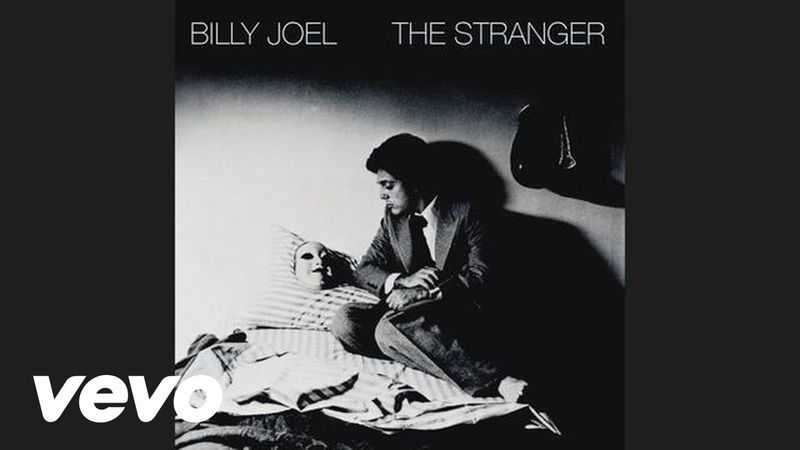
Billy Joel wrote this song for his then-wife Elizabeth Weber as a promise to love her exactly as she was, without asking her to change.
The result was one of the most honest and straightforward love songs of the entire decade.
Simple piano chords and direct, unpretentious lyrics made it feel like a personal conversation rather than a performance.
“Just the Way You Are” won two Grammy Awards in 1979, including Record of the Year and Song of the Year.
It reached number three on the Billboard Hot 100 and became Joel’s first major hit.
The saxophone solo by Phil Woods added a warm, jazzy texture that perfectly matched the song’s mood.
Decades of couples have claimed this as their song.
Its message, that real love accepts people completely, never goes out of style.
13. Sometimes When We Touch – Dan Hill (1977)
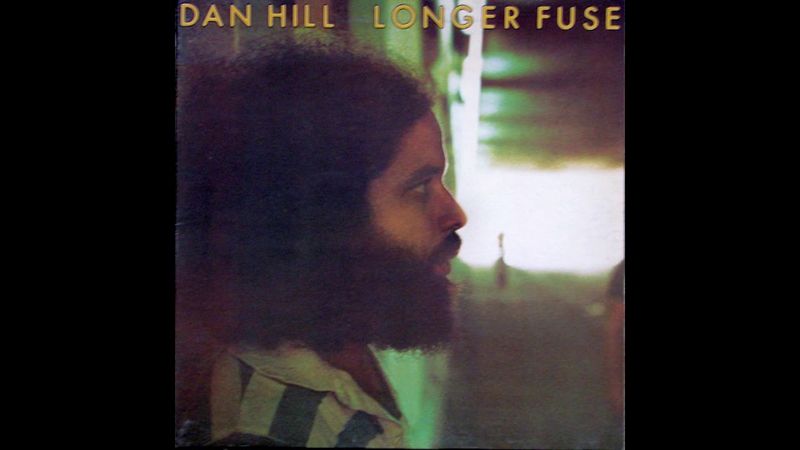
Raw vulnerability is not easy to put into a pop song, but Dan Hill managed it brilliantly. “Sometimes When We Touch” is one of the most emotionally exposed ballads of the 1970s, with Hill singing about the complicated mix of love, fear, and tenderness that comes with deep relationships.
His voice cracked with genuine feeling throughout the recording.
The song reached number three on the Billboard Hot 100 and became a top five hit in several countries.
Co-written with Barry Mann, the lyrics resonated with anyone who had ever felt overwhelmed by love.
Hill was only 22 years old when the song became a hit.
Critics sometimes called it overwrought, but fans loved its honesty.
Sometimes a song just needs to wear its heart on its sleeve, and this one did exactly that.
14. Three Times a Lady – Commodores (1978)
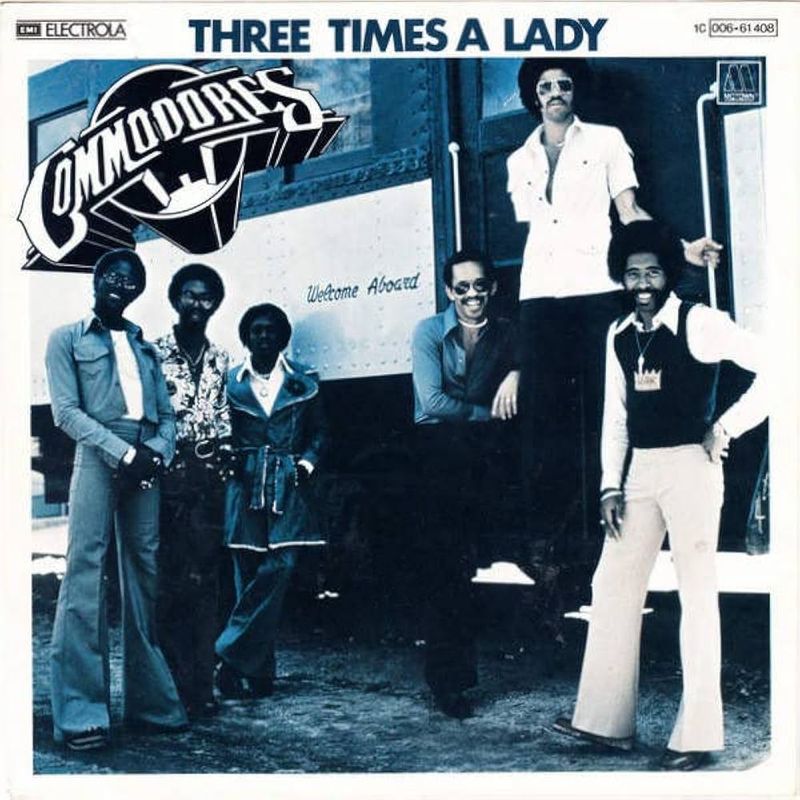
Lionel Richie wrote “Three Times a Lady” after watching his father dance with his mother at their 25th anniversary party.
Moved by that tender moment, he sat down and wrote the song in just one night.
The result was a sweeping, orchestral ballad that became the Commodores’ first and only number one hit in the United States.
The song also topped charts in the United Kingdom, Australia, and Canada, making it a worldwide phenomenon.
Richie’s smooth, emotional vocal style gave the lyrics a depth that felt deeply personal.
The lush string arrangement elevated the track from a simple love song into a grand romantic statement.
It remained on the Billboard Hot 100 for 22 weeks.
Richie’s talent for writing songs that feel like shared human experiences was already fully on display here.
15. Babe – Styx (1979)
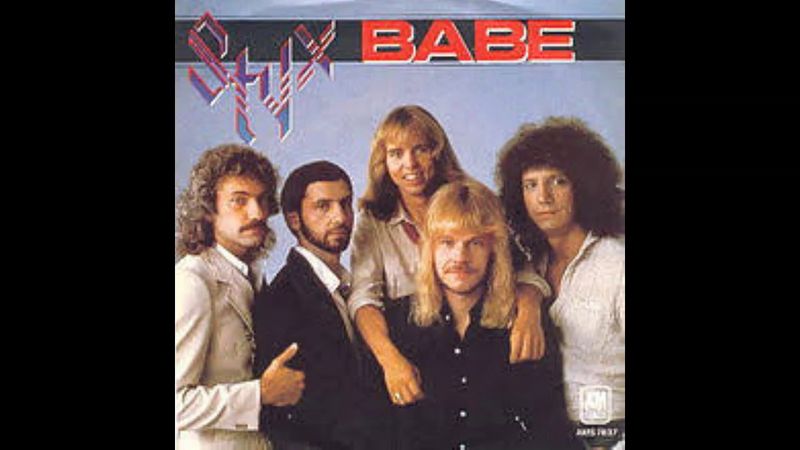
Styx was primarily known as a hard rock and progressive rock band, so “Babe” caught many people off guard.
Dennis DeYoung wrote the song as a farewell gift to his wife Suzanne before the band headed out on a long tour.
That personal backstory gave the song an emotional sincerity that fans immediately connected with.
“Babe” became Styx’s only number one single on the Billboard Hot 100.
Its soft piano intro and DeYoung’s tender vocals stood in sharp contrast to the band’s usual energetic style.
The song proved that even the heaviest rock bands had a softer, more romantic side worth exploring.
Closing out the decade on such a heartfelt note felt fitting. “Babe” remains a beloved reminder that love songs can come from unexpected places and still hit with full force.