 MomSkoop
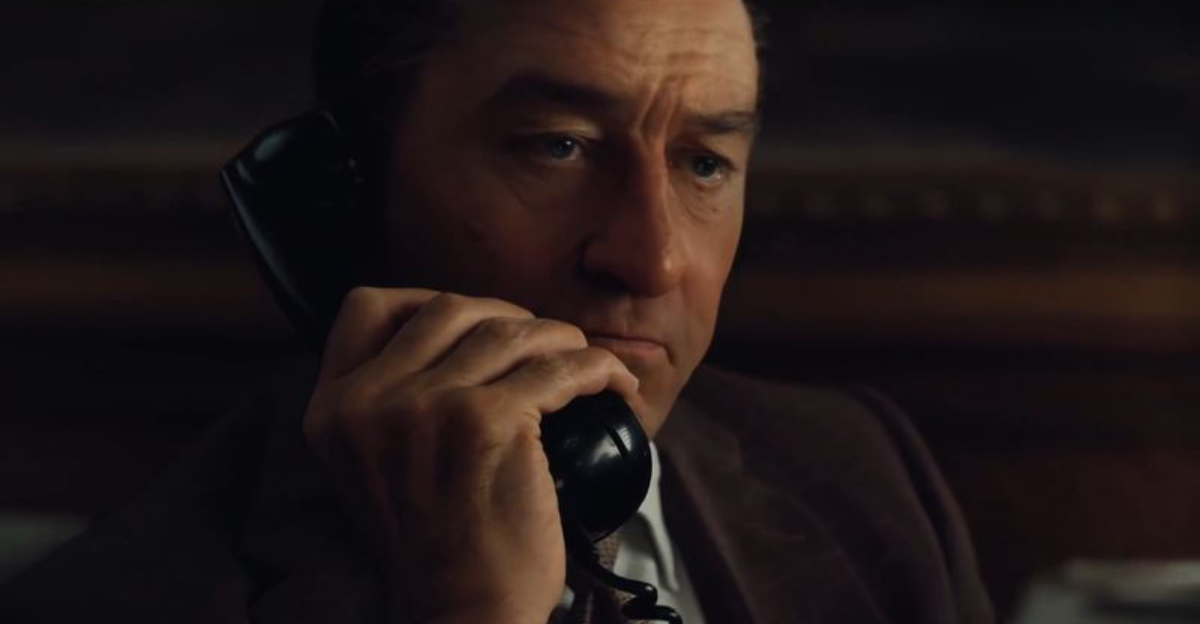
Some movies are so rich in story and character that two hours just isn’t enough. A handful of filmmakers have dared to push past the three-hour mark, crafting experiences that feel more like journeys than simple trips to the movies.
These films demand your full attention, and in return, they offer something rare: a story that truly stays with you. From war epics to crime dramas, this list celebrates the greatest long films ever made.
1. The Godfather Part II (1974) – 3h 22m
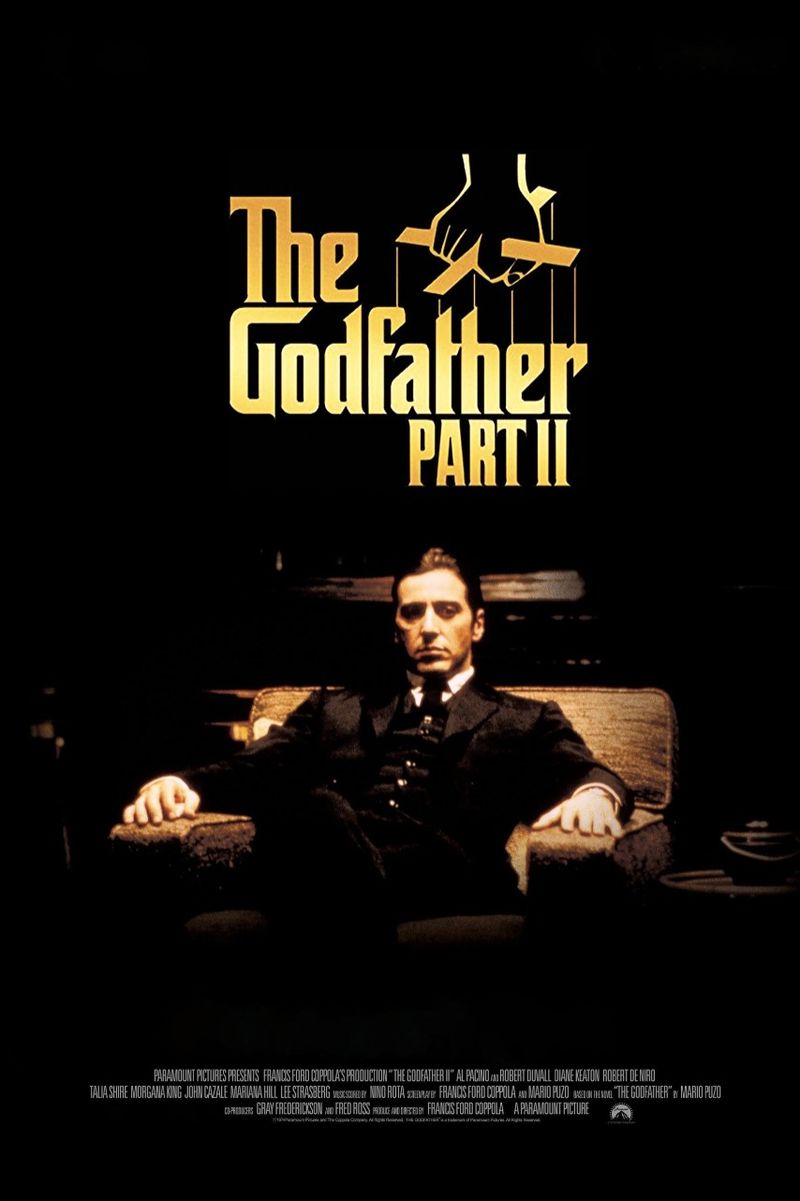
Few sequels have ever matched, let alone surpassed, their predecessor, but The Godfather Part II did exactly that.
Director Francis Ford Coppola weaves two timelines together, showing both the rise of young Vito Corleone and the slow moral collapse of his son Michael.
The result is a film that feels like two great movies stitched into one unforgettable experience.
Al Pacino delivers one of cinema’s most chilling performances as a man who gains power while losing his soul.
Robert De Niro won an Oscar for his portrayal of the young Vito.
At 3 hours and 22 minutes, every scene earns its place, making the runtime feel completely justified.
2. Schindler’s List (1993) – 3h 15m
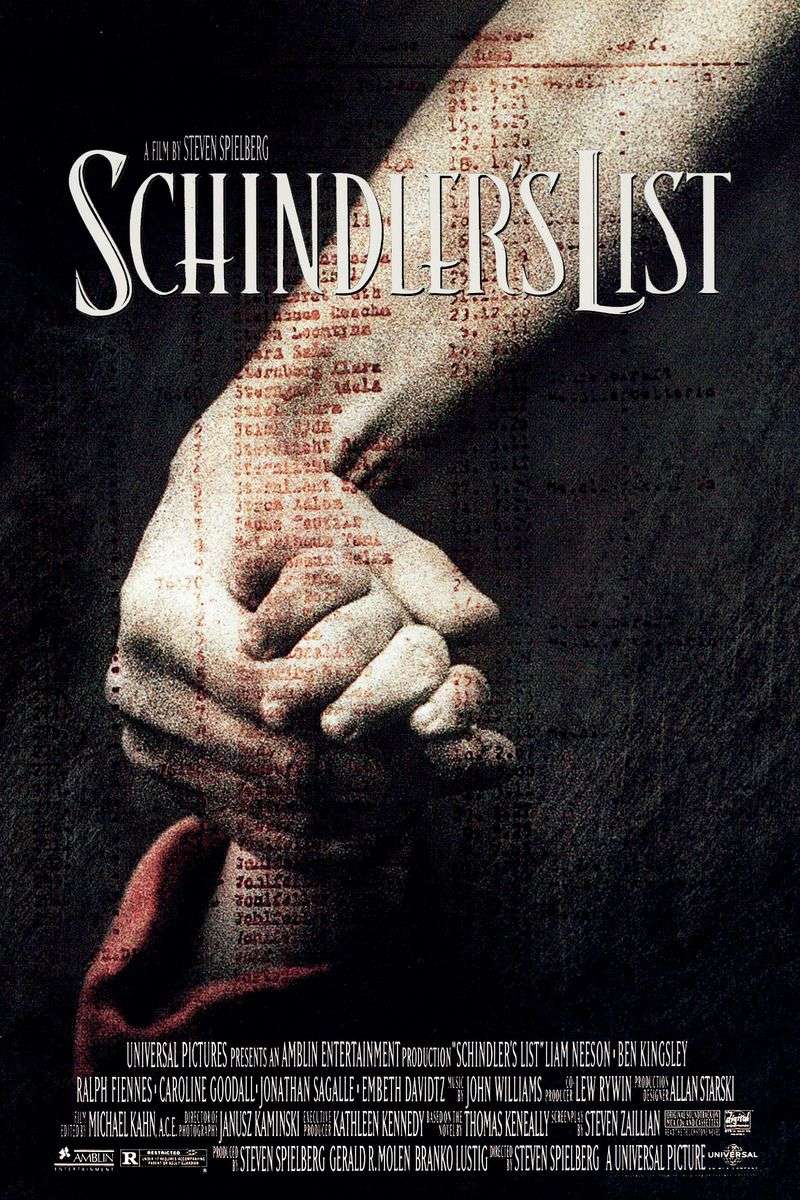
Steven Spielberg made something extraordinary with Schindler’s List, a film so emotionally powerful that it changed how Hollywood approached historical storytelling.
Shot almost entirely in black and white, the movie follows Oskar Schindler, a German businessman who saved over a thousand Jewish lives during the Holocaust.
The choice to film in black and white gives every frame a haunting, documentary-like weight.
Liam Neeson plays Schindler with quiet intensity, while Ralph Fiennes delivers a terrifying performance as a Nazi officer.
At 3 hours and 15 minutes, the film never loses its emotional grip.
Winning seven Academy Awards including Best Picture, this remains one of the most important films ever committed to celluloid.
3. The Lord of the Rings: The Return of the King (2003) – 3h 21m
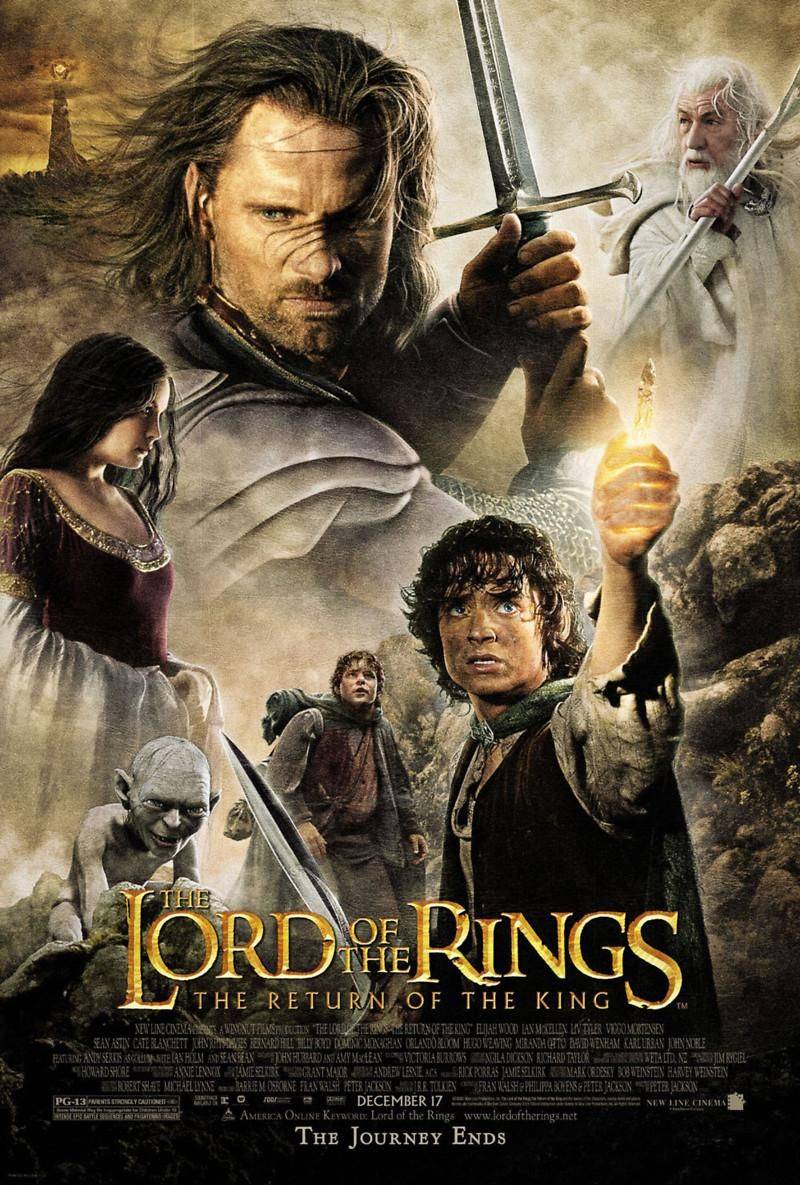
Peter Jackson closed his legendary trilogy with a film so grand in scale that it swept the Academy Awards, winning all 11 categories it was nominated for.
The Return of the King brings the War of the Ring to its thunderous conclusion, balancing massive battle sequences with deeply personal emotional moments.
Watching Frodo and Sam struggle toward Mount Doom feels like witnessing a true act of friendship under fire.
The film runs 3 hours and 21 minutes in its theatrical cut, yet audiences worldwide sat glued to their seats.
The Battle of Pelennor Fields alone is one of cinema’s greatest action sequences.
Jackson proved that fantasy storytelling could be both spectacular and deeply moving.
4. Killers of the Flower Moon (2023) – 3h 26m
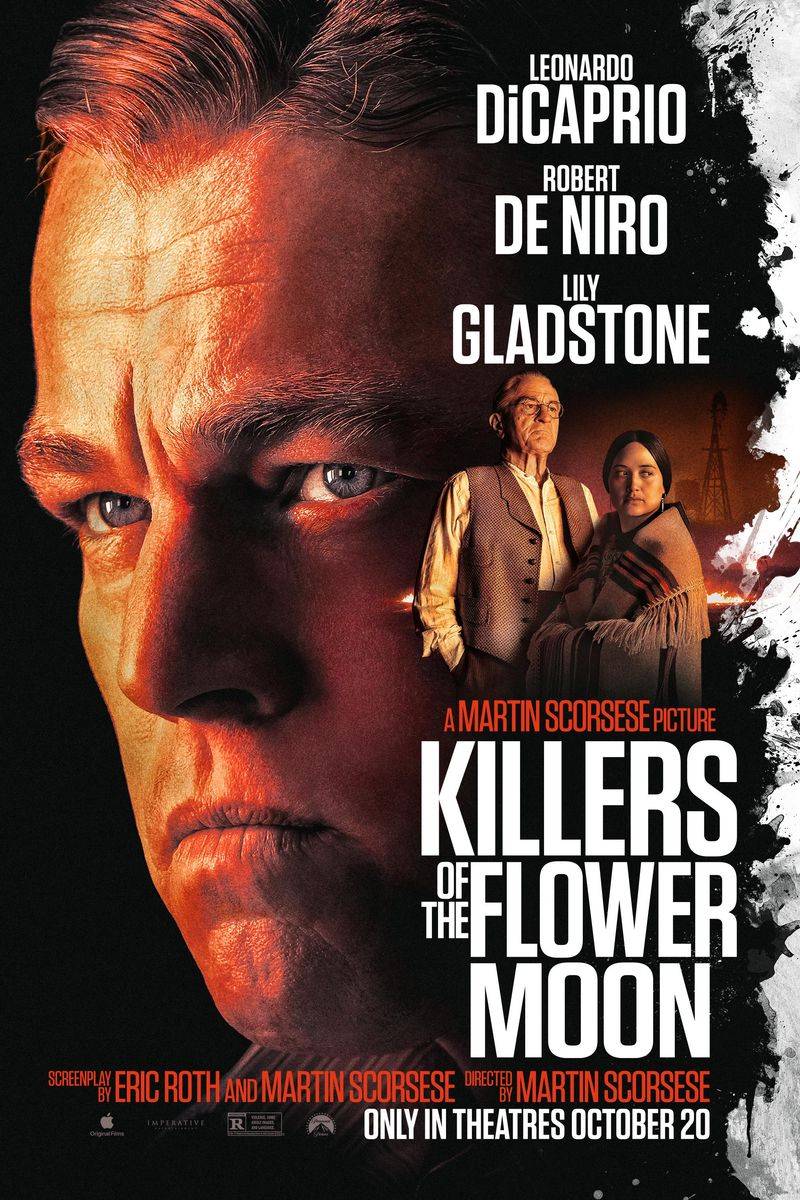
Martin Scorsese returned to epic filmmaking with one of the most unsettling American crime stories ever told.
Killers of the Flower Moon chronicles the systematic murders of Osage Nation members in 1920s Oklahoma, carried out by white settlers hungry for oil money.
What makes this film so haunting is how it frames evil not as monstrous, but as casual and domestic.
Leonardo DiCaprio plays Ernest Burkhart, a man who loves his Osage wife while participating in her community’s destruction.
Robert De Niro is chilling as the calculating William Hale.
Clocking in at 3 hours and 26 minutes, Scorsese refuses to rush a story that America has ignored for too long.
5. Oppenheimer (2023) – 3h 0m
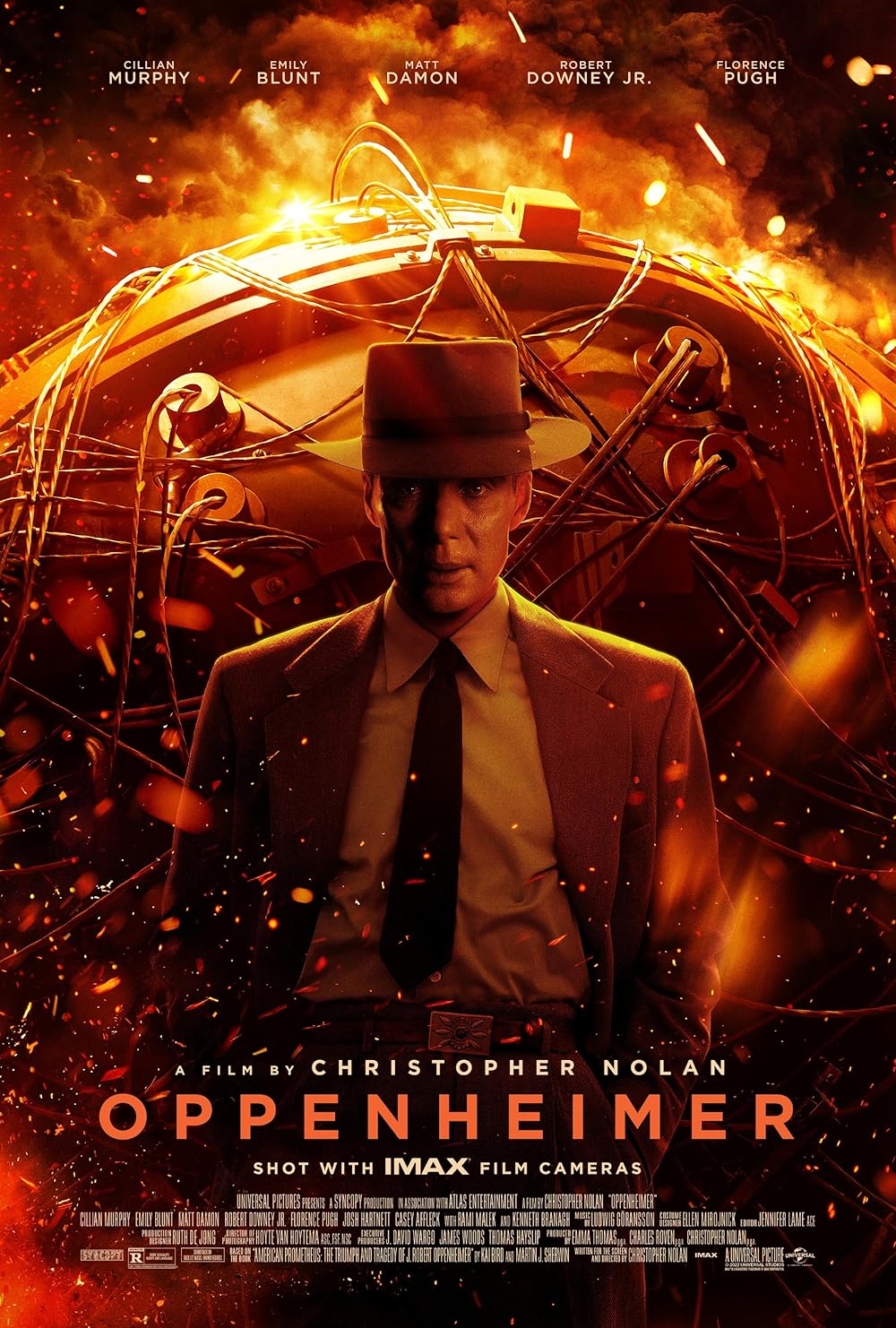
Christopher Nolan tackled one of history’s most complex figures with a film that hits exactly the three-hour mark without wasting a single second.
Oppenheimer tells the story of J.
Robert Oppenheimer, the physicist who led the Manhattan Project and helped create the atomic bomb.
The film uses a non-linear structure that mirrors the fractured, guilt-ridden mind of its central character.
Cillian Murphy gives a career-defining performance, portraying Oppenheimer as a brilliant man haunted by what his genius unleashed.
The Trinity test sequence is breathtaking, filmed practically without digital effects.
Nolan captures the terrifying paradox of scientific triumph and moral catastrophe in a way that feels urgently relevant today.
6. The Irishman (2019) – 3h 29m
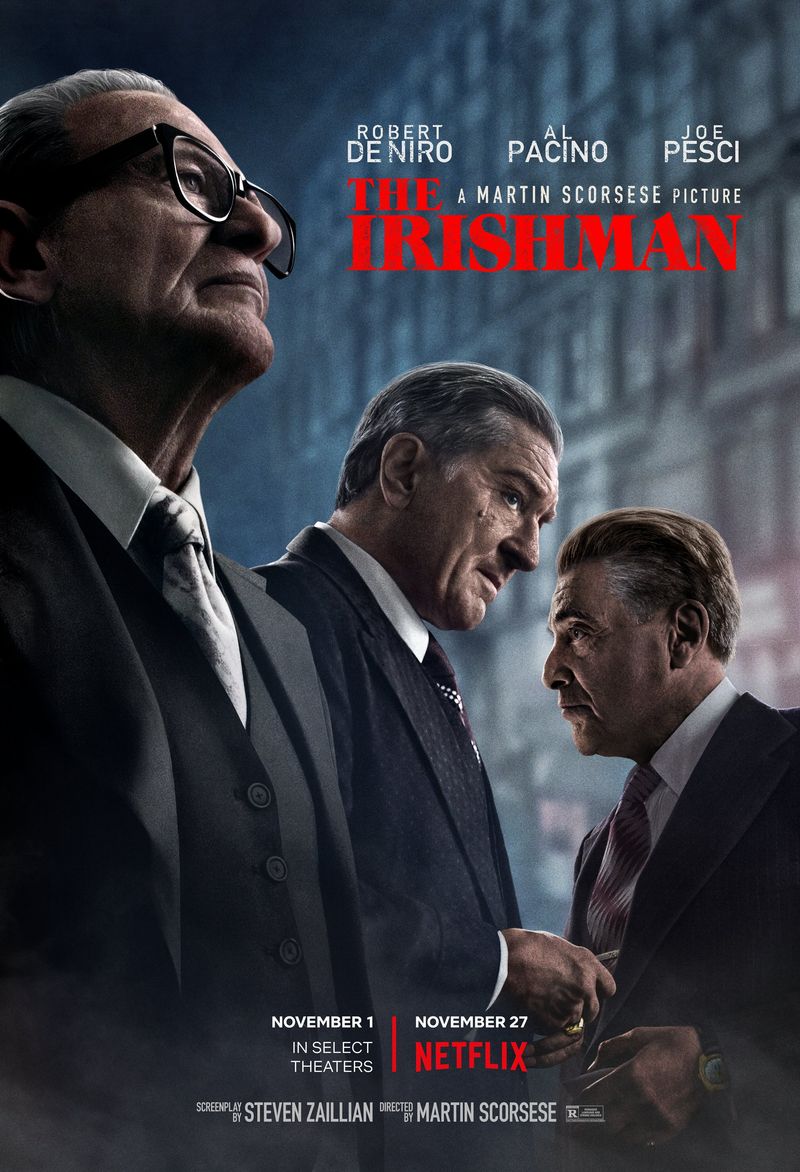
Scorsese reunited with Robert De Niro and Joe Pesci while adding Al Pacino to the mix, creating a crime epic that feels like a final word on the gangster genre.
The Irishman follows Frank Sheeran, a hitman who claims to have been involved in the disappearance of union leader Jimmy Hoffa.
Netflix’s backing allowed Scorsese to make the film entirely on his own terms, including a 3-hour-and-29-minute runtime.
De-aging technology was used to show the actors at various life stages, a bold creative choice that sparked wide debate.
Yet the film’s quiet final act, showing an old man alone with his regrets, is devastating.
Few crime films have ever reckoned so honestly with the cost of a violent life.
7. Lawrence of Arabia (1962) – 3h 47m
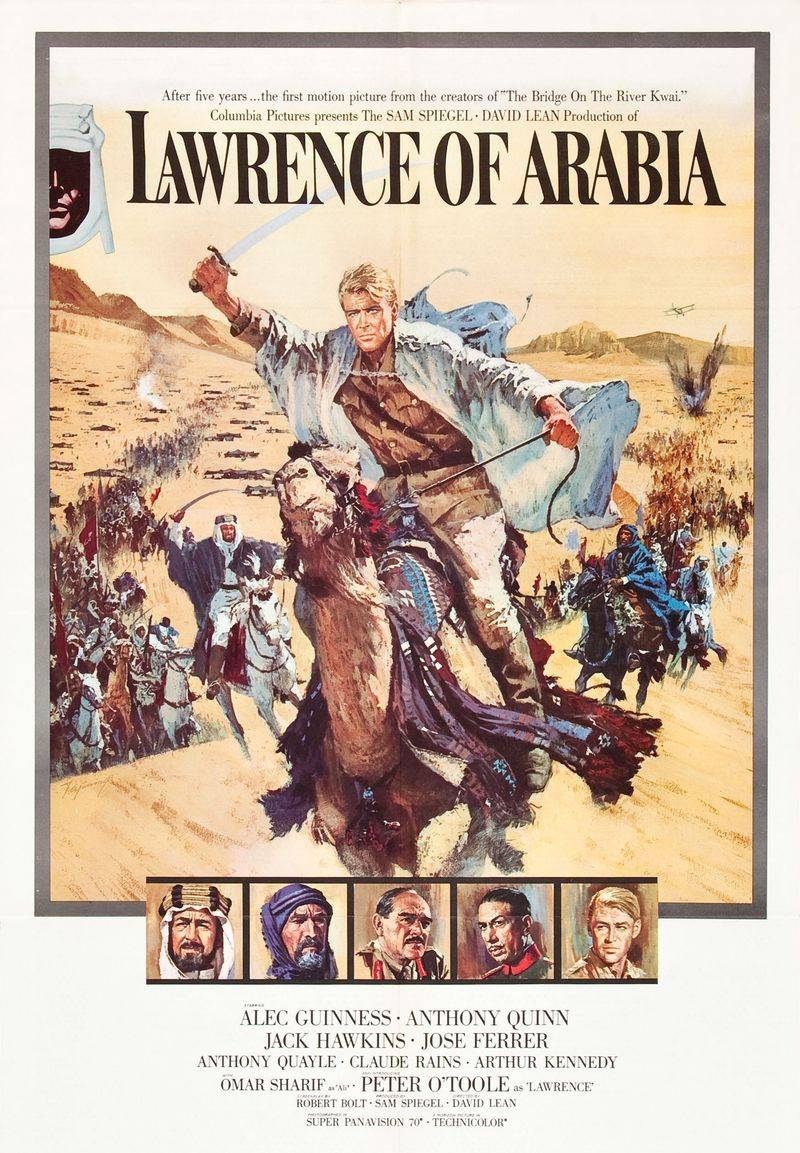
David Lean’s masterpiece is arguably the greatest epic ever put on film, a sweeping portrait of T.E.
Lawrence’s extraordinary role in the Arab Revolt during World War I.
At 3 hours and 47 minutes, it is the longest film on this list, yet it never drags because Lean fills every frame with breathtaking visual storytelling.
The desert itself becomes a character, vast and indifferent to human ambition.
Peter O’Toole’s portrayal of Lawrence is magnetic and deeply complex, capturing a man torn between cultures and consumed by his own legend.
The film won seven Academy Awards including Best Picture.
Watching it on the biggest screen possible remains one of cinema’s great sensory experiences, even over six decades later.
8. Seven Samurai (1954) – 3h 27m
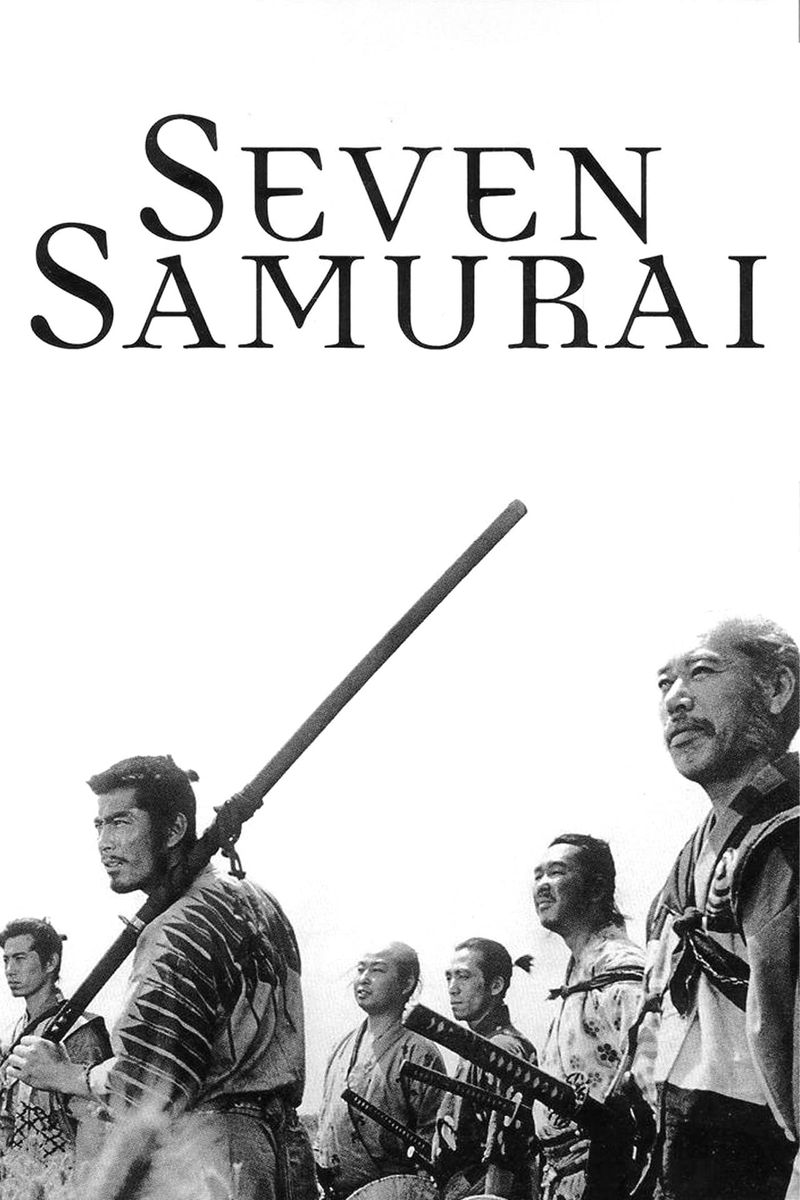
Akira Kurosawa’s Seven Samurai is the film that invented the template for nearly every ensemble action movie that followed it.
A poor farming village hires seven masterless samurai to defend them against bandits, and what unfolds is a story about class, honor, sacrifice, and community.
Made in 1954, it runs 3 hours and 27 minutes and still feels completely modern in its storytelling energy.
Toshiro Mifune steals every scene as the wild, unpredictable Kikuchiyo, while Takashi Shimura provides the film’s moral anchor.
The final battle in the rain is one of cinema’s most electrifying sequences.
Kurosawa’s masterwork has been remade and referenced countless times, but the original remains untouchable.
9. Once Upon a Time in America (1984) – 3h 49m
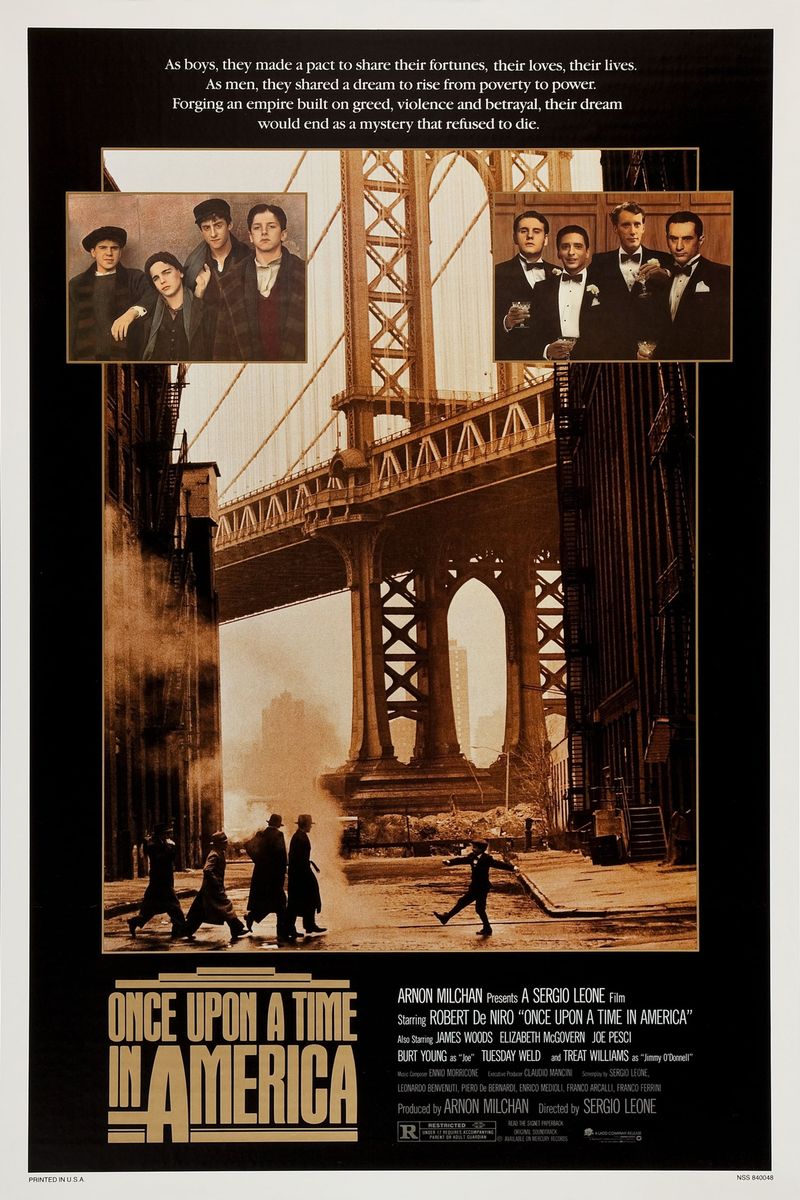
Sergio Leone’s final film is a sprawling, melancholy meditation on friendship, betrayal, and the passage of time.
Running a staggering 3 hours and 49 minutes, it follows Jewish gangsters from their youth on the Lower East Side through decades of crime and consequence.
Leone originally intended an even longer cut, and the film was controversially re-edited without his consent for its American theatrical release.
Robert De Niro and James Woods deliver career-best work, their chemistry crackling across different time periods.
Ennio Morricone’s haunting score ties the film’s fractured timeline together beautifully.
Once Upon a Time in America rewards patient viewers with one of cinema’s most emotionally complex endings, a conclusion that reframes everything you thought you understood.
10. The Green Mile (1999) – 3h 9m
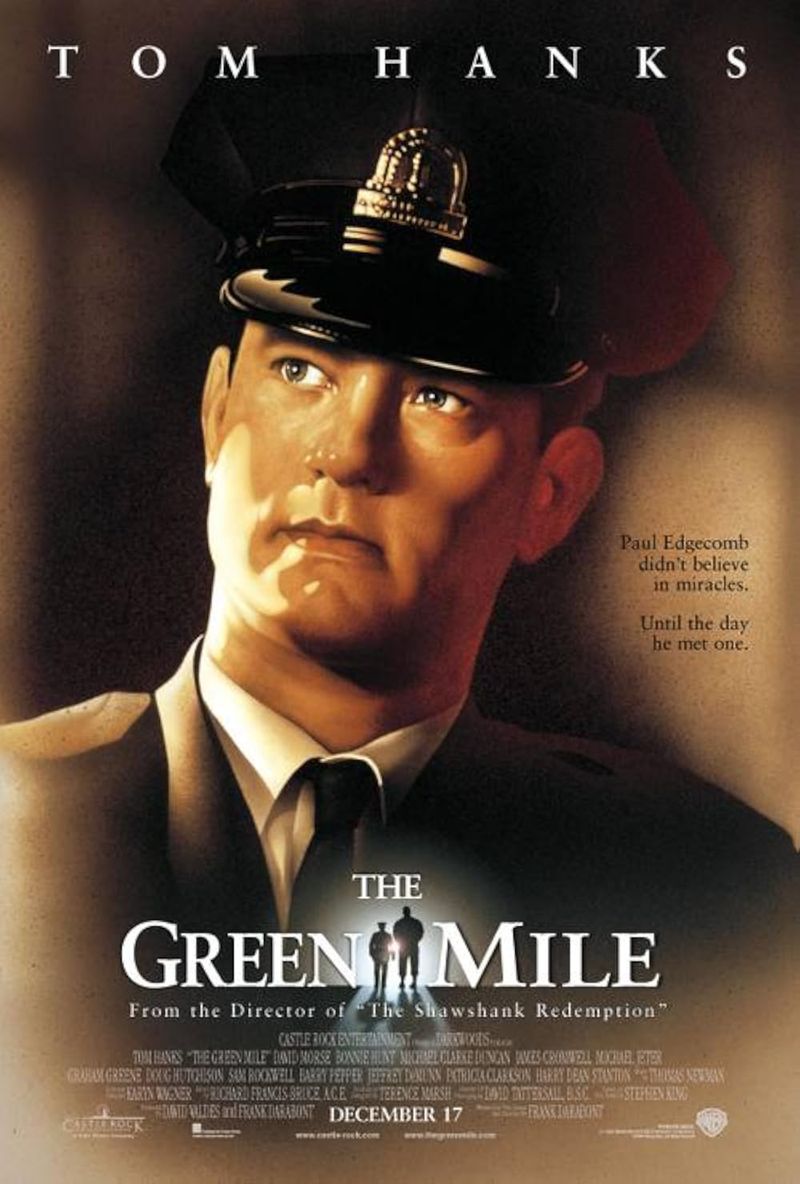
Frank Darabont adapted Stephen King’s serialized novel into a film that somehow manages to be both a supernatural fantasy and a deeply grounded human drama.
Set on death row in a 1930s Southern prison, The Green Mile centers on a gentle giant named John Coffey who possesses miraculous healing abilities.
Tom Hanks plays the prison guard Paul Edgecomb, a man whose life is forever changed by knowing Coffey.
Michael Clarke Duncan’s performance as John Coffey earned him an Academy Award nomination and remains one of the most moving portrayals of innocence in film history.
At 3 hours and 9 minutes, the film earns every tear it draws.
Darabont proves again that King’s emotional stories translate beautifully to the screen.
11. Magnolia (1999) – 3h 8m
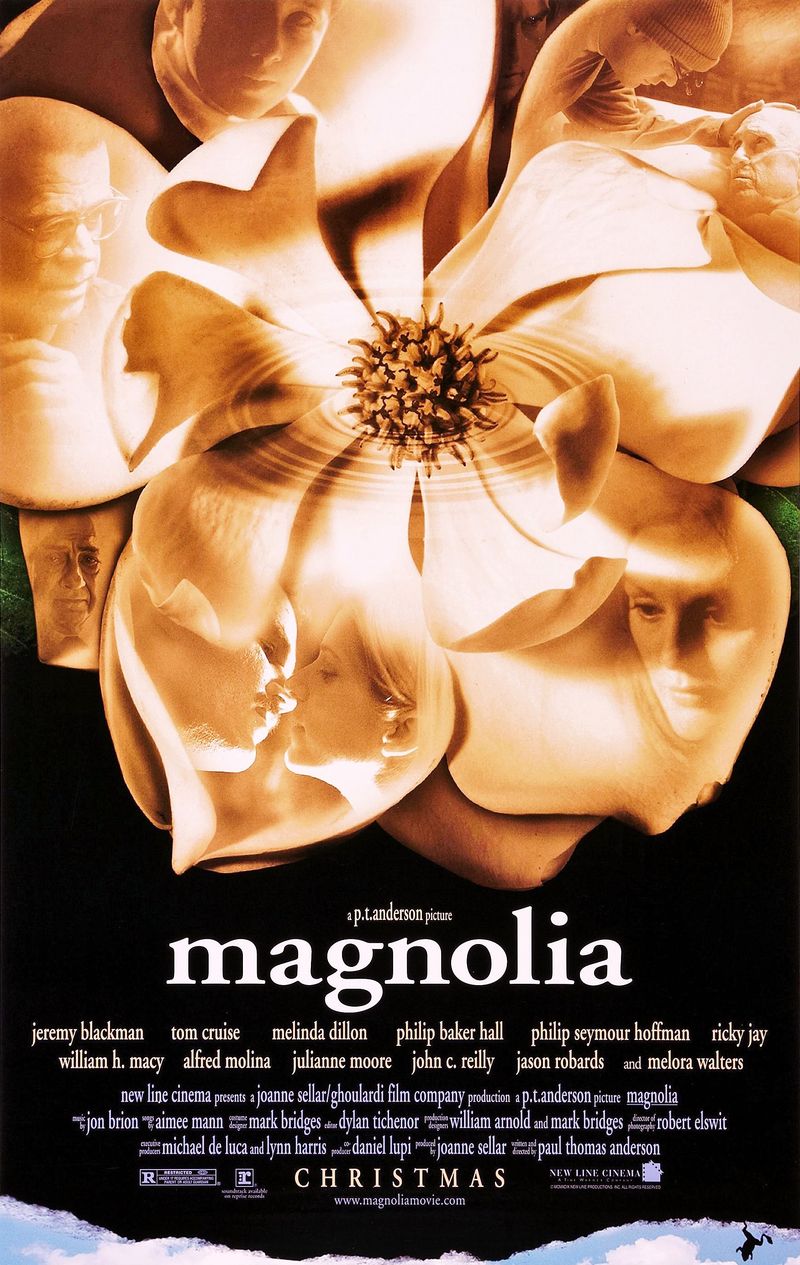
Paul Thomas Anderson was only 29 when he made Magnolia, an audacious, sprawling portrait of interconnected lives in the San Fernando Valley.
Nine storylines weave together over the course of a single day, exploring regret, forgiveness, and the strange ways people are connected.
The film opens with a narrated sequence about bizarre coincidences that sets the tone for everything that follows.
Tom Cruise gives perhaps the most surprising performance of his career as a misogynistic self-help guru confronting his dying father.
The film’s third act includes one of cinema’s most surreal and debated sequences, one that you absolutely should not have spoiled.
At 3 hours and 8 minutes, Magnolia is demanding, strange, and completely unlike anything else made that year.
12. Barry Lyndon (1975) – 3h 5m
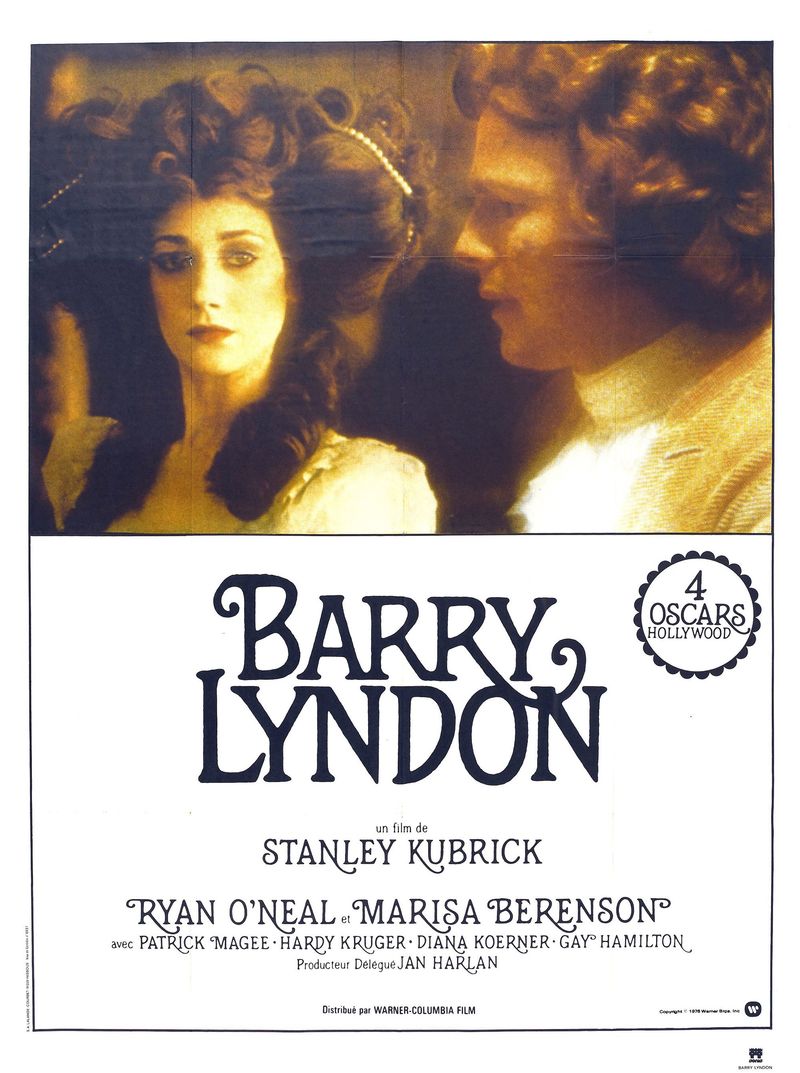
Stanley Kubrick used specially designed NASA lenses to film Barry Lyndon entirely by candlelight, creating images so gorgeous they look like oil paintings come to life.
The film follows an Irish rogue’s rise through 18th-century European aristocracy and his inevitable, self-inflicted downfall.
Kubrick’s deliberate pacing and visual formality make it feel less like a movie and more like a history book you can actually feel.
Ryan O’Neal plays Redmond Barry with a blank intensity that perfectly suits Kubrick’s cold, ironic gaze.
The film flopped on release but has since been recognized as one of cinema’s greatest visual achievements.
At 3 hours and 5 minutes, Barry Lyndon rewards viewers who are willing to slow down and simply absorb its extraordinary beauty.
13. The Wolf of Wall Street (2013) – 3h 0m
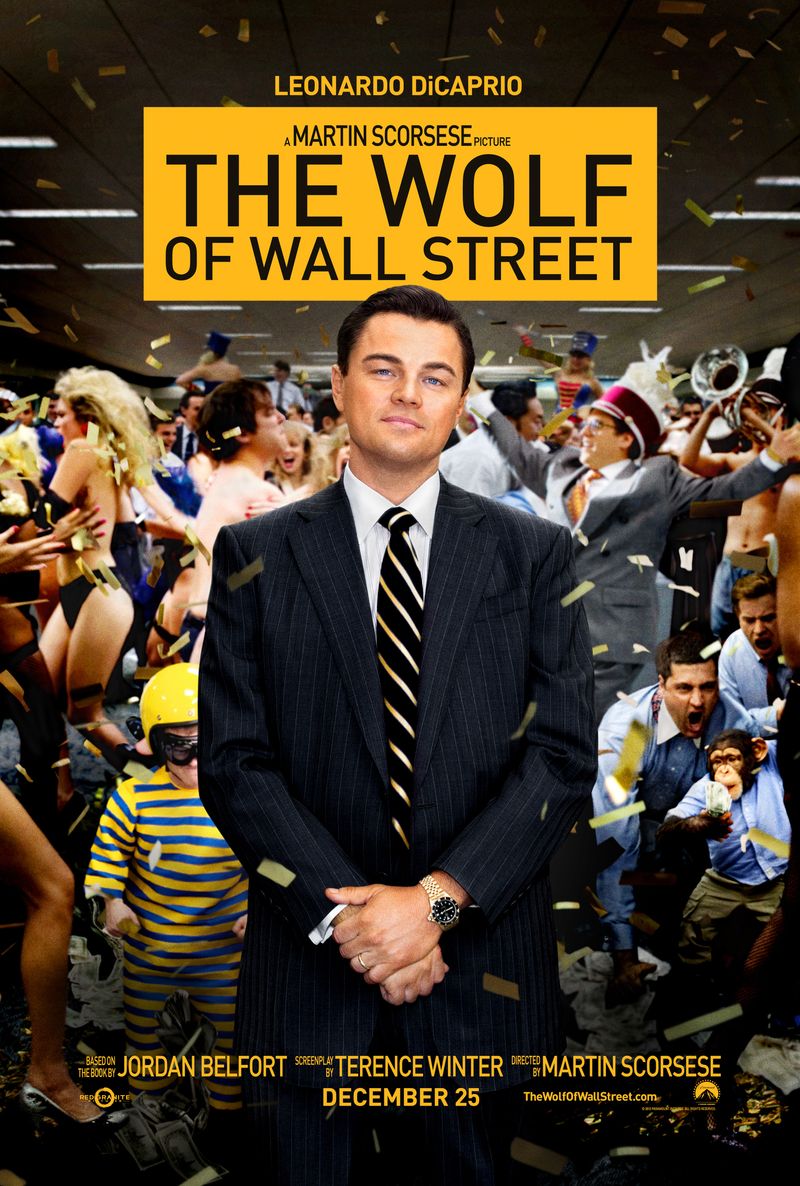
Scorsese’s most frenetic film hits the three-hour mark with the energy of a freight train that never once considers slowing down.
The Wolf of Wall Street follows Jordan Belfort, a real-life stockbroker who built a corrupt empire of fraud, drugs, and excess in the 1990s.
Leonardo DiCaprio plays Belfort with such manic, magnetic energy that the film becomes genuinely funny even as it depicts deeply awful behavior.
Jonah Hill and Margot Robbie deliver scene-stealing supporting performances in a film overflowing with memorable moments.
Scorsese walks a deliberate tightrope, making excess look thrilling while quietly showing its human cost.
The film generated controversy for glamorizing Belfort, but that tension between seduction and critique is precisely what makes it so sharp.
14. Titanic (1997) – 3h 14m
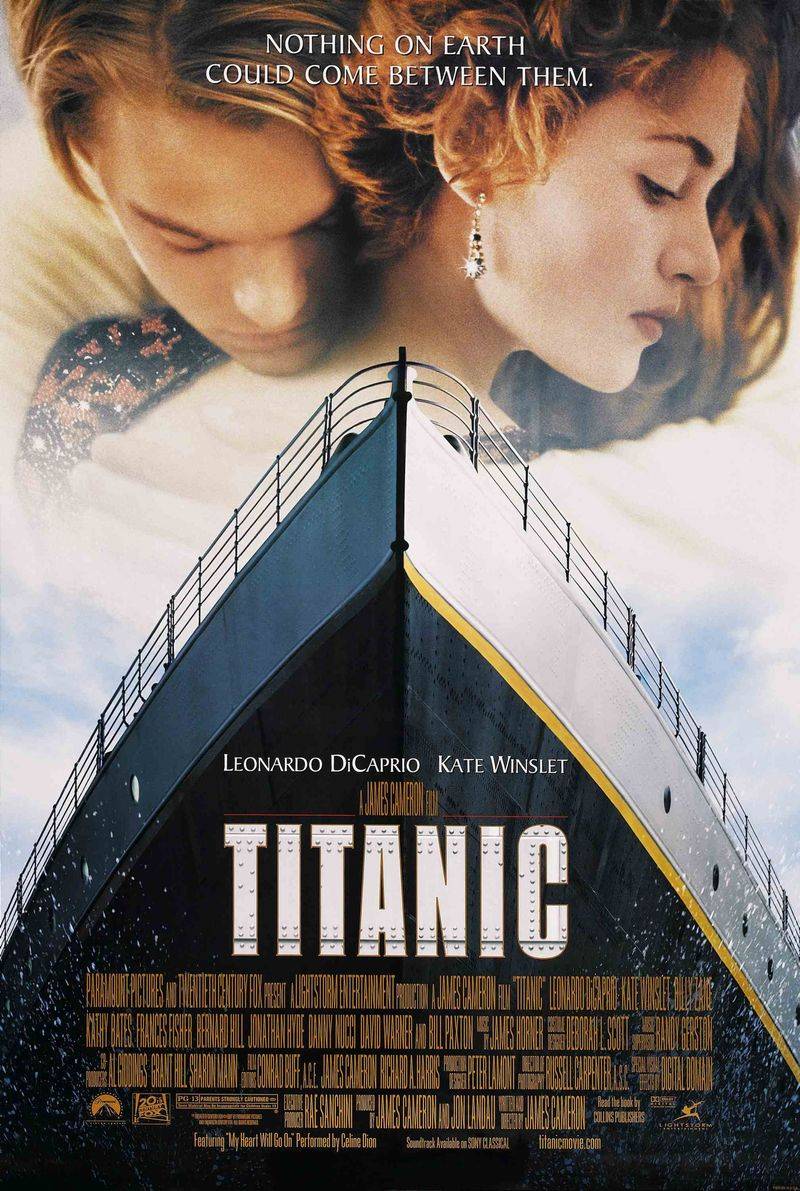
James Cameron spent over $200 million and pushed filmmaking technology to its absolute limits to recreate the sinking of the RMS Titanic, and the gamble paid off spectacularly.
Released in 1997, Titanic became the highest-grossing film in history at the time, spending 15 consecutive weeks at the top of the box office.
Cameron frames the disaster through a love story between Jack, a poor artist, and Rose, a wealthy young woman trapped by her social class.
Leonardo DiCaprio and Kate Winslet have a chemistry so natural it makes the tragedy hit even harder.
At 3 hours and 14 minutes, the film’s second half is relentlessly gripping.
Cameron’s obsessive attention to historical detail makes the ship’s destruction feel terrifyingly real.
15. Drive My Car (2021) – 2h 59m
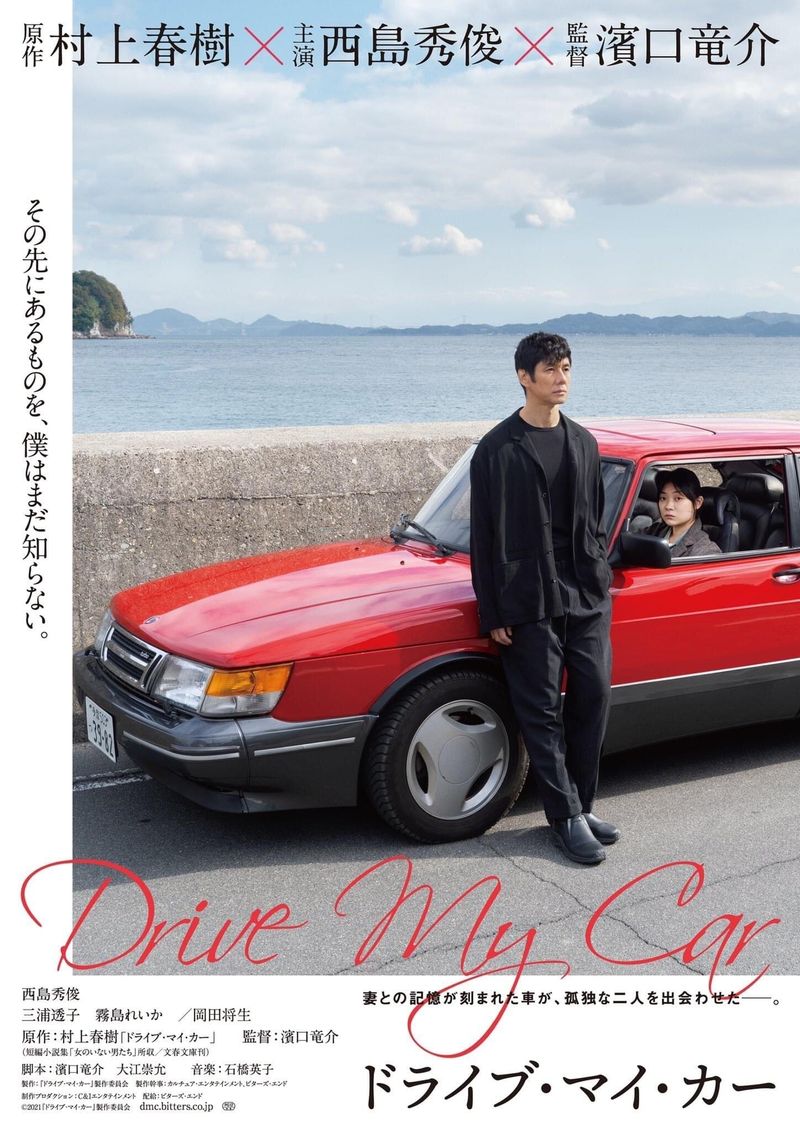
Ryusuke Hamaguchi’s Drive My Car is the rare film where the opening credits don’t appear until 40 minutes in, and that bold choice tells you everything about how this story operates.
Based on a Haruki Murakami short story, the film follows a theater director processing grief after his wife’s sudden death, aided by a quiet young woman hired to drive his car.
The conversations that unfold during those long drives carry the emotional weight of the entire film.
Hidetoshi Nishijima plays the lead with a restrained sorrow that slowly becomes overwhelming.
The film won the Academy Award for Best International Feature Film in 2022.
At just under three hours, Drive My Car proves that slowness and silence can be cinema’s most powerful tools.