 MomSkoop

Some jokes have been around so long that they feel less like humor and more like a broken record. Many women have heard the same punchlines repeated over and over, and honestly, they are getting old.
These tired stereotypes do not just fall flat, they can actually be hurtful and dismissive. Here is a look at ten of the most overused jokes about women and why so many women wish people would finally retire them.
1. Women Take Forever to Get Ready

Picture this: someone makes a joke about women taking forever to get ready, and every woman in the room rolls her eyes.
Sound familiar?
This joke has been recycled so many times it practically has its own frequent flyer miles.
The truth is, many women face real pressure to look polished and professional every single day.
Society sets high beauty standards, and then laughs at women for trying to meet them.
That is a pretty unfair double standard.
Getting ready can also be a form of self-care, creativity, and confidence-building.
Making fun of that process dismisses something that genuinely matters to a lot of people.
Maybe it is time to appreciate the effort instead of turning it into a punchline.
2. Women Are Terrible Drivers

Statistically speaking, men are actually involved in more car accidents than women.
So where did this joke even come from?
The “women can’t drive” stereotype has been floating around for decades, and it simply does not hold up to the facts.
Jokes like this one stick around because they feel harmless on the surface, but they quietly reinforce the idea that women are less capable.
That message adds up over time and can affect how women are treated in everyday situations.
Every time someone laughs at a bad driver and says “must be a woman,” they are choosing a lazy stereotype over reality.
Women drive safely, commute daily, and navigate traffic just as well as anyone else on the road.
3. Women Never Know Where They Want to Eat
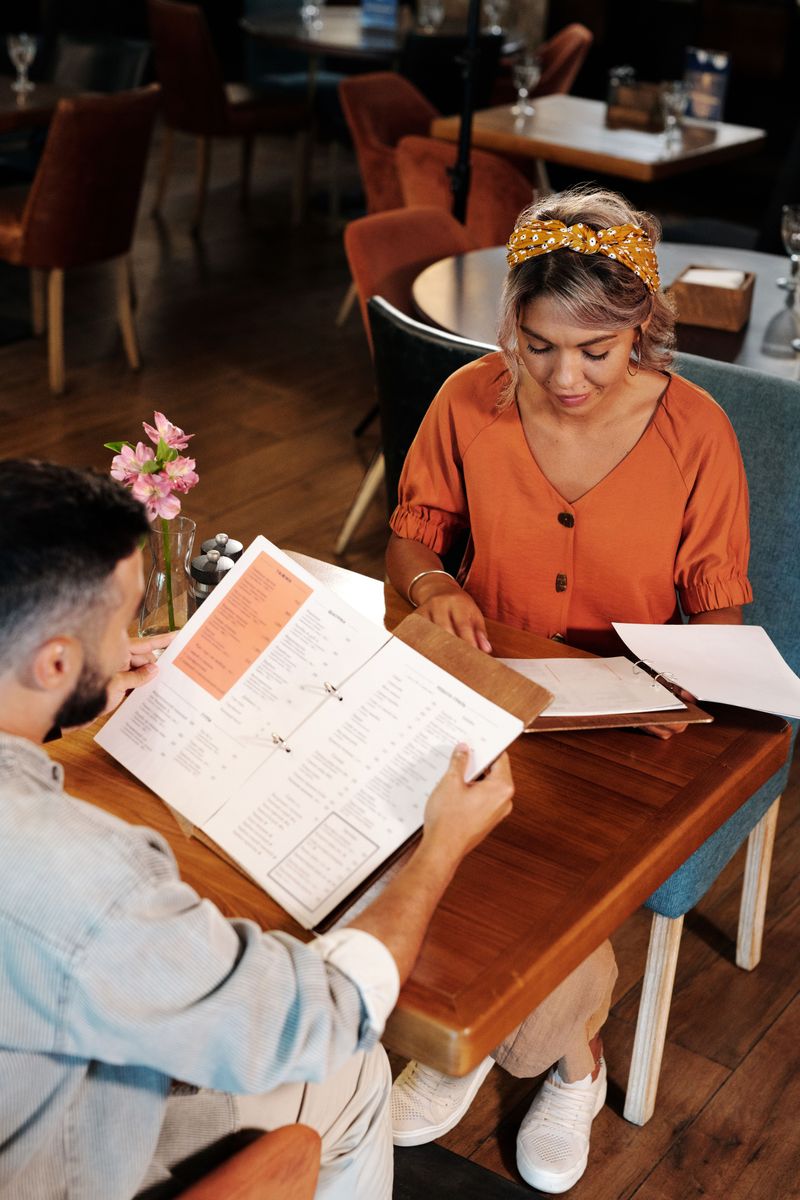
Ah yes, the classic “where do you want to eat” joke.
It usually ends with a woman saying she does not care, and everyone laughing like it is the funniest thing they have ever heard.
But here is the thing: indecisiveness around food is not a female trait.
Plenty of people, regardless of gender, struggle to pick a restaurant.
The difference is that this behavior only became a punchline when it was attached to women.
That selective targeting is what makes the joke feel unfair rather than funny.
Women often defer to others out of politeness or consideration, not confusion.
Framing that as a flaw instead of a social habit says more about the joke than it does about women.
4. Women Spend Too Much Money Shopping

The shopping joke is one of the oldest in the book, and it paints women as financially irresponsible by default.
But spending money on things you enjoy is not a character flaw, and it certainly is not exclusive to women.
Men spend heavily on electronics, sports gear, cars, and hobbies all the time, but those purchases are rarely mocked the same way.
The joke only seems to apply when a woman buys clothes or beauty products, which reveals a pretty clear bias.
Women also make the majority of household purchasing decisions in many families, which means their shopping often serves practical purposes.
Reducing that to a frivolous stereotype overlooks how much financial responsibility women actually carry in their everyday lives.
5. Women Talk Too Much

Research from a study published in the journal Science found that men and women actually speak roughly the same number of words per day, about 16,000 on average.
So the idea that women are nonstop chatterboxes is more myth than fact.
What makes this joke particularly frustrating is that it has been used historically to silence women in professional and social settings.
When a woman speaks up, she risks being labeled “too much,” while a man saying the same things might be called articulate or passionate.
Communication is a strength, not a weakness.
Women who speak clearly and often are exercising a skill that should be celebrated.
The real issue is not how much women talk, but how often they are told to be quiet.
6. Women Always Overreact

Calling a woman’s emotional response an “overreaction” is one of the most common ways her feelings get dismissed.
When women express frustration, sadness, or anger, it is often labeled as dramatic rather than valid.
That pattern has a name: gaslighting.
The overreaction joke teaches people to distrust women’s emotions rather than listen to them.
Over time, this makes it harder for women to advocate for themselves without being written off as too sensitive or irrational.
Emotions are information, not performances.
When someone reacts strongly, there is usually a real reason behind it worth understanding.
Instead of laughing at a woman for feeling something deeply, a better response is to ask what is going on and actually listen to the answer.
7. Women Only Care About a Man’s Money

This joke assumes that women are incapable of being attracted to anything other than a fat wallet.
It is both insulting to women and honestly a little insulting to men too.
Nobody wants to believe their only appeal is their bank account.
The gold-digger stereotype erases the reality that most women today are financially independent.
Women earn degrees, run businesses, and support families on their own.
Suggesting they are all secretly scheming for someone else’s money ignores a whole lot of real-world context.
Relationships are built on connection, respect, and shared values, not just finances.
Women, like everyone else, look for kindness, humor, and compatibility in a partner.
Reducing that to a money grab is a lazy punchline that says very little about actual human relationships.
8. Women Can Never Keep a Secret

Gossip has no gender.
Yet somehow, the image of women spilling secrets has become one of the most enduring stereotypes in comedy.
It shows up in movies, TV shows, and casual jokes so often that people start to believe it without questioning where the idea came from.
Men share information, talk about others, and pass along news just as frequently as women do.
The difference is that when women do it, it gets labeled as gossip.
When men do it, it is often called networking or just chatting.
Trust is built through actions, not gender.
Plenty of women are among the most loyal, discreet, and trustworthy people you will ever meet.
Treating an entire group as unreliable based on a tired joke is both unfair and pretty unoriginal at this point.
9. Women Are Impossible to Understand

There is a whole genre of comedy built around the idea that women are mysterious creatures no one can figure out.
Greeting cards, sitcoms, and stand-up sets have all leaned on this one hard.
But treating women like puzzles rather than people is more dehumanizing than funny.
The “impossible to understand” joke often comes from a place of not really trying to listen.
When someone dismisses women as confusing instead of making an effort to communicate, the problem is not the women.
It is the lack of curiosity and effort on the other side.
People are complex, full stop.
Understanding someone takes patience, attention, and genuine interest.
Women are not a riddle to be solved.
They are individuals with thoughts, feelings, and perspectives worth taking the time to actually hear.
10. Women Say They Are Fine When They Are Not

“I’m fine” has become the punchline of countless jokes about women, usually paired with a wink suggesting the opposite is true.
While there is a grain of relatable truth in there, the joke has a way of making it seem like women are manipulative or dishonest rather than emotionally guarded.
Many women have learned over time that expressing negative emotions leads to being labeled dramatic or difficult.
Saying “I’m fine” is sometimes a protective response, not a game.
Understanding that changes the whole conversation.
Rather than turning it into a joke, it is worth creating space where people feel safe saying how they actually feel.
That applies to everyone.
When women do not feel heard, “I’m fine” is often the safest answer available, and that is worth reflecting on.