 MomSkoop
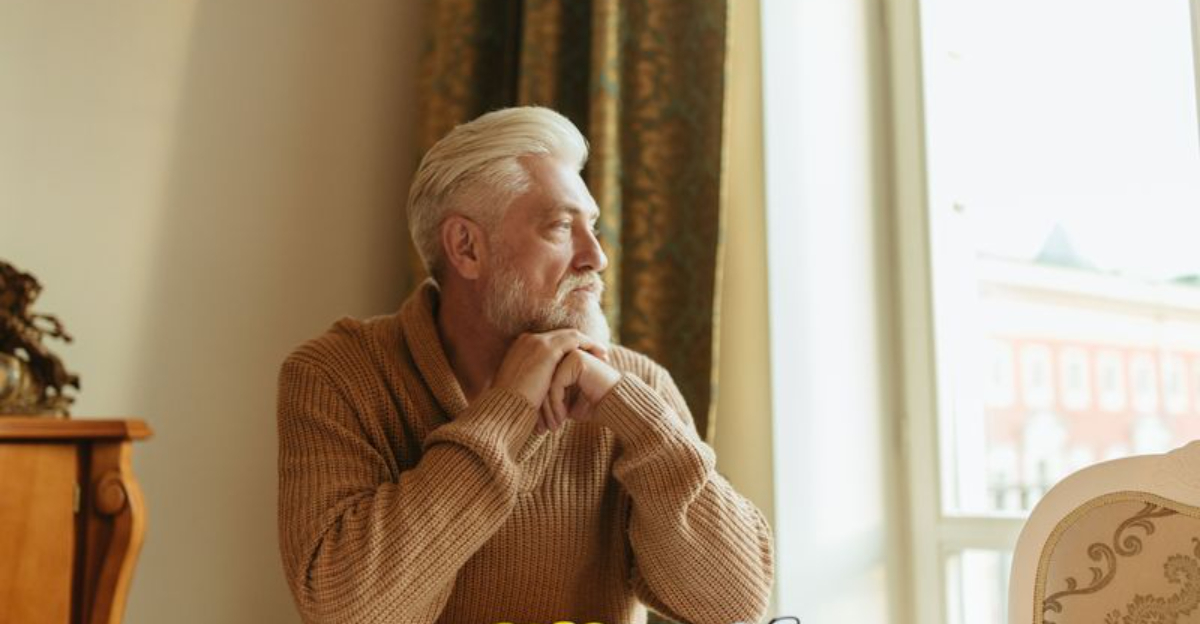
Getting back into dating after a divorce or losing a spouse is one of the most emotionally complex experiences an older man can face. The world of relationships has changed, personal circumstances are different, and the emotional baggage carried from a long marriage does not simply disappear overnight.
For men over 50 or 60, the path back to companionship can feel exciting, confusing, and even a little frightening all at once. Understanding the real challenges can help make the journey feel a little less overwhelming.
1. They May Still Be Processing Grief
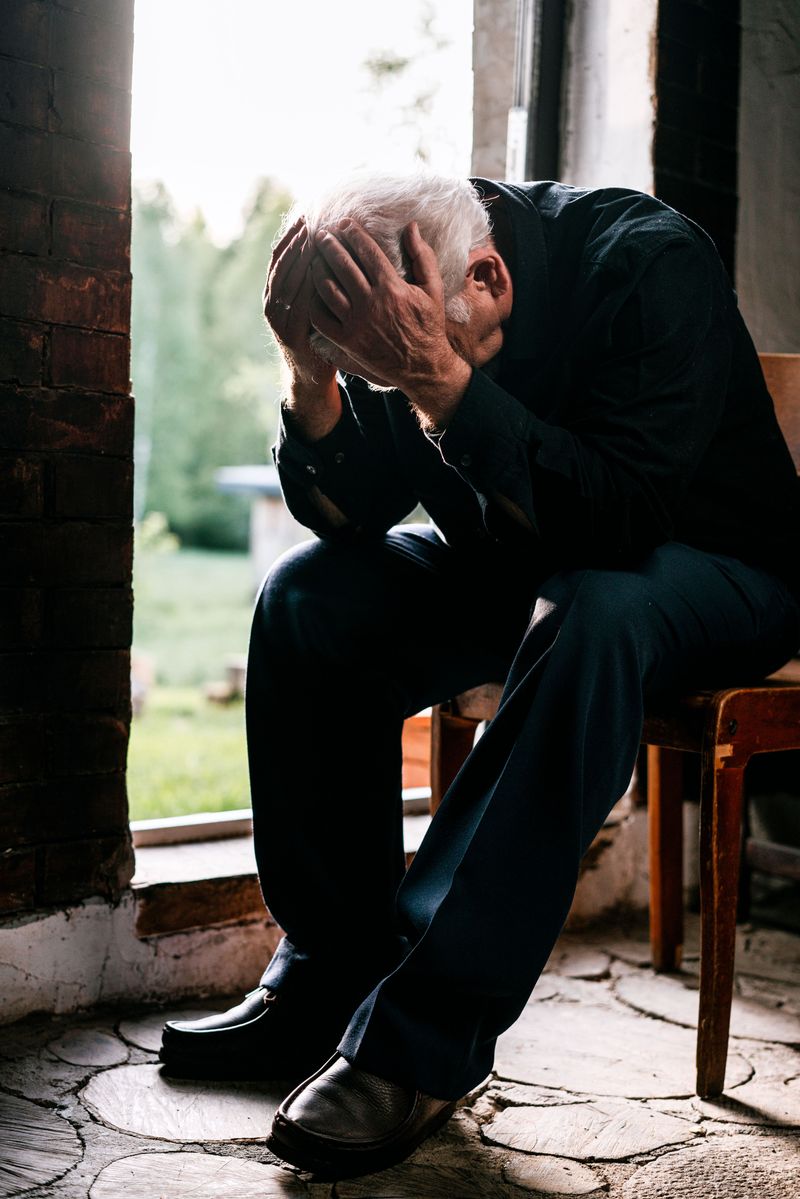
Grief does not follow a schedule, and many older men are surprised to find that the pain of loss lingers far longer than they expected.
Whether a marriage ended through divorce or the death of a spouse, emotional recovery is rarely a straight line.
Some days feel manageable, while others bring a wave of sadness without warning.
Jumping into dating before that healing is complete can cause real problems.
A new partner may sense emotional unavailability, and the man himself may feel guilty or confused by his own feelings.
Giving yourself permission to grieve fully, without a deadline, is one of the most important steps before opening your heart again.
2. Accustomed to Living on Their Own Terms

After years of living alone, a person builds habits that feel completely natural, even sacred.
The morning coffee ritual, the specific side of the bed, the weekend routine, all of these small things add up to a lifestyle that feels deeply personal.
Asking someone to share that space, physically or emotionally, is a much bigger ask than it sounds.
Many older men genuinely enjoy their independence and are not always aware of how attached they have become to it.
A new relationship requires compromise, flexibility, and a willingness to adjust.
That adjustment can feel surprisingly uncomfortable, even when the person genuinely wants companionship.
Recognizing this tendency early can prevent unnecessary friction down the road.
3. Trust Can Be Harder to Rebuild
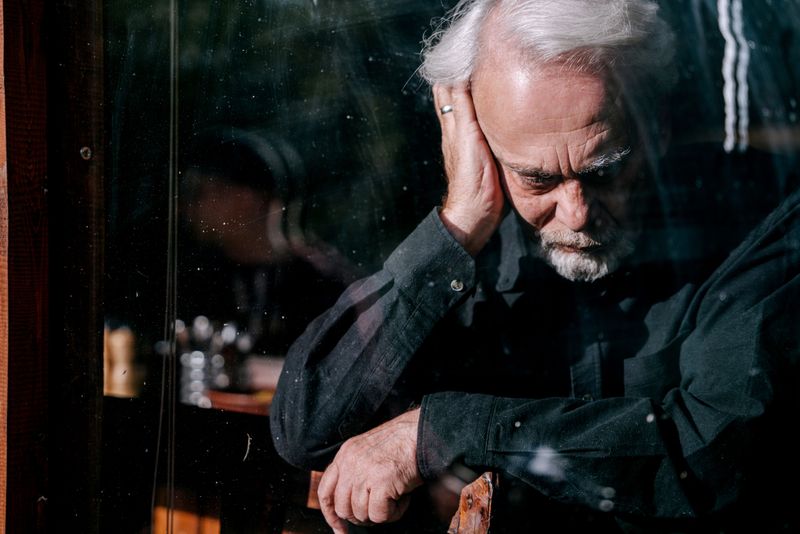
A painful divorce or a relationship marked by betrayal leaves marks that do not fade quickly.
Many older men carry a quiet wariness into new connections, not because they want to, but because experience has taught them to be careful.
Vulnerability once led to hurt, and the emotional memory of that hurt does not disappear just because time has passed.
Rebuilding trust requires patience, both from the man himself and from any potential new partner.
Rushing into emotional intimacy before trust has been established can backfire badly.
Therapy, honest self-reflection, and open communication can all help.
A new relationship built on gradual, mutual trust tends to be far more stable than one that moves too quickly.
4. Comparisons to the Past Relationship Are Almost Inevitable
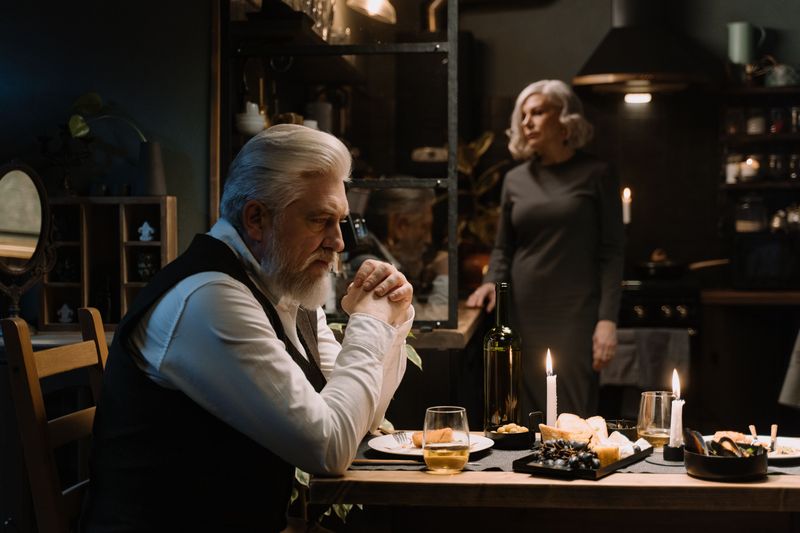
Decades spent with one person create a powerful emotional blueprint.
The way she laughed, the way she handled conflict, even the small habits that once felt annoying can become strangely precious in memory.
When a new person enters the picture, comparisons often happen automatically, sometimes without the man even realizing it.
A late spouse tends to be remembered with warmth and idealization, while an ex-wife may be remembered with resentment or lingering regret.
Either way, the new partner is being measured against a ghost.
No real person can compete with a memory.
Being honest about this tendency, and actively working to see a new partner as her own person, is key to building something genuine.
5. Adult Children Can Complicate Things

Adult children often have strong feelings about a parent entering a new relationship.
They may worry about family traditions being disrupted, feel protective of the memory of a deceased parent, or have practical concerns about inheritance and finances.
These reactions are understandable, even when they create friction.
Some adult children are genuinely supportive, while others may express disapproval in ways that put a parent in an uncomfortable position.
A man who tries to keep everyone happy at once often ends up making no one happy, including himself.
Healthy boundaries are essential.
Maintaining open, honest conversations with children while also protecting the privacy of a new relationship is a delicate but necessary balance to strike.
6. A Smaller Social Circle Makes Meeting People Harder

Retirement removes one of the most natural social environments adults have.
Add in relocation, the deaths of friends, and friendships that faded over the years, and many older men find their social world has shrunk considerably.
Fewer connections mean fewer opportunities to meet someone new in an organic, low-pressure setting.
The old-fashioned way of meeting someone through mutual friends or community activities still works, but it requires a more deliberate effort than it once did.
Joining clubs, volunteering, attending local events, or taking a class can all expand a social circle meaningfully.
Building new friendships first, without the pressure of romance, often creates the most natural path to meeting a compatible partner.
7. Modern Dating Feels Like a Foreign Language

Swiping right, texting abbreviations, video dates, online profiles, and the unspoken rules of modern dating can feel overwhelming to someone who last dated decades ago.
The landscape has changed dramatically, and there is often no instruction manual for navigating it at 60.
Many older men feel embarrassed to admit they do not know how these platforms work, which leads to avoidance rather than engagement.
The good news is that plenty of dating apps are now designed specifically for people over 50, and the learning curve flattens quickly with a little practice.
Asking a trusted friend or family member for help setting up a profile can take a lot of the pressure off and make the whole thing feel far less intimidating.
8. Financial Matters Carry Real Weight at This Stage

By the time a man reaches his 60s, finances are rarely simple.
Retirement savings, pensions, property ownership, existing debt, and estate planning all become significant factors when considering a new relationship.
Money conversations that might have felt premature at 30 become necessary much sooner at 60.
A divorce may have already divided assets in ways that feel painful, making financial vulnerability a sensitive topic.
Combining finances with a new partner raises legitimate questions about protecting what has been built.
Prenuptial agreements, separate accounts, and transparent financial discussions are not signs of distrust.
They are signs of maturity and practical wisdom.
Couples who handle money conversations honestly early tend to build stronger, more stable foundations for the relationship ahead.
9. Fear of Losing Someone Again Runs Deep

When you have already lived through the end of a long relationship, whether through divorce or death, you know exactly how devastating that loss feels.
That knowledge does not disappear.
For many older men, the fear of going through that kind of pain again becomes a quiet but powerful barrier to emotional commitment.
Protecting yourself by keeping emotional distance feels safer than risking another heartbreak.
But that same protective wall also keeps genuine connection out.
Recognizing fear as a normal response to real experience is the first step.
Working through it, perhaps with a counselor or a trusted friend, allows a man to take measured risks again without letting fear make every decision for him.
10. Long-Established Habits Can Clash Unexpectedly

Spend thirty years doing things your way, and those habits become part of your identity.
How you organize the kitchen, when you go to bed, how loud the television runs, what you eat for breakfast, all of it becomes deeply ingrained.
When two people with decades of separate living try to share space, those small differences can cause surprisingly big friction.
Neither person is wrong, but both can feel irritated and misunderstood.
Compromise is possible, but it takes real effort and genuine goodwill from both sides.
The key is approaching differences with curiosity rather than frustration.
Understanding why a habit matters to the other person, rather than simply labeling it annoying, goes a long way toward finding comfortable middle ground together.
11. Wanting Different Levels of Commitment
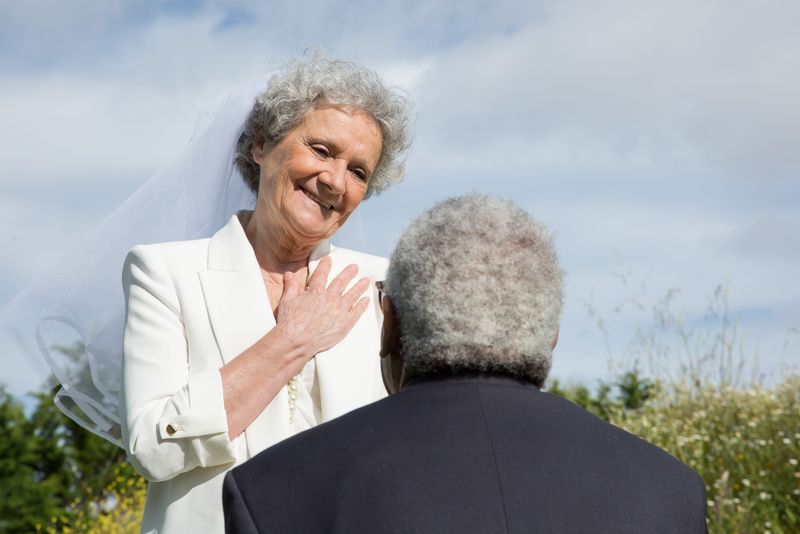
Not everyone who dates later in life is looking for the same thing.
One person may want marriage, a shared home, and full legal partnership.
Another may simply want companionship, someone to travel with or share meals, without merging households or finances.
Neither desire is wrong, but mismatched expectations can cause real heartache.
Older men sometimes assume their new partner wants the same level of commitment they do, without actually asking.
Having honest conversations about what each person truly wants, early and openly, saves both people from months of misunderstanding.
Clarity is not a mood killer.
A relationship where both people know exactly what they are building together is far more likely to thrive than one built on hopeful assumptions.
12. Health and Aging Shape Relationship Expectations
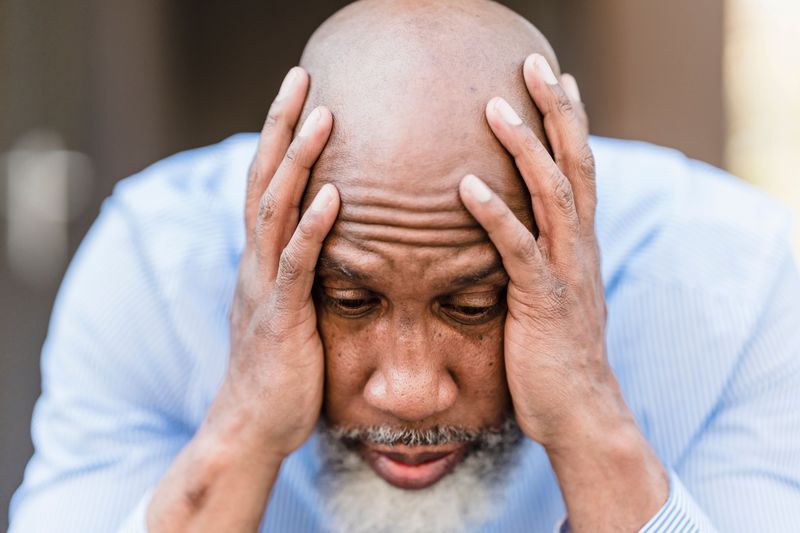
Health is rarely a simple topic at 65.
Energy levels, chronic conditions, mobility limitations, and the possibility of needing care in the future all play a role in how a man approaches a new relationship.
Some men worry about becoming a burden.
Others worry about taking on caregiving responsibilities before they feel ready.
A new partner may also bring her own health challenges, and understanding what that might mean for the relationship is a real and fair consideration.
These conversations can feel uncomfortable, but avoiding them leads to bigger problems later.
Approaching health topics with openness and compassion, rather than avoidance, allows both people to make informed decisions about the kind of future they are actually capable of building together.
13. Starting Over Means Being Vulnerable Again

After years in a long-term partnership, the muscles required for early romance, flirting, expressing interest, handling rejection, can feel completely out of shape.
Putting yourself out there again, not knowing how someone will respond, is genuinely nerve-wracking at any age.
At 60, it can feel almost absurd.
Many older men quietly wonder whether they are too old for all of this, whether anyone would actually be interested, or whether they even remember how to date.
Those doubts are normal and widely shared.
Vulnerability is not weakness.
It is the price of connection, and it gets a little easier with each honest conversation and each small risk taken.
Starting over is hard, but it is also proof that hope is still very much alive.