 MomSkoop
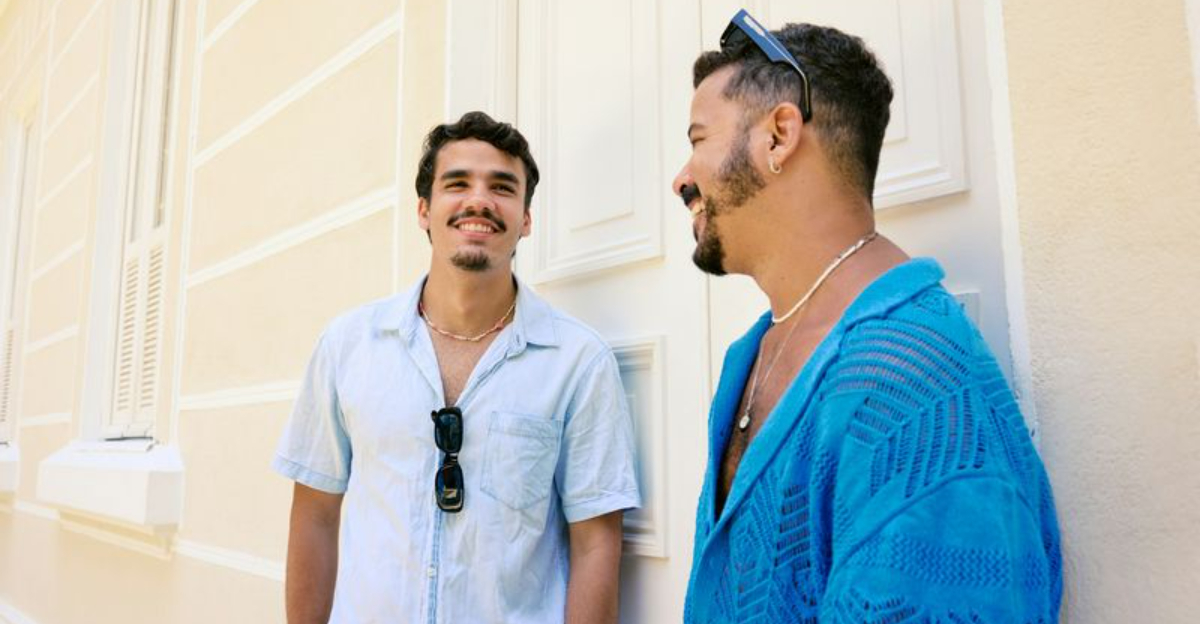
Fashion has no rulebook, but some styling choices can shift the vibe of an outfit in unexpected ways. For men who want to keep a traditionally masculine look, certain decisions in clothing and accessories can unintentionally lean feminine.
Understanding these choices helps you dress with more intention and confidence. Whether you are building a wardrobe from scratch or just refining your style, knowing what to watch for makes all the difference.
1. Wearing Excessively Tight-Fitting Clothes
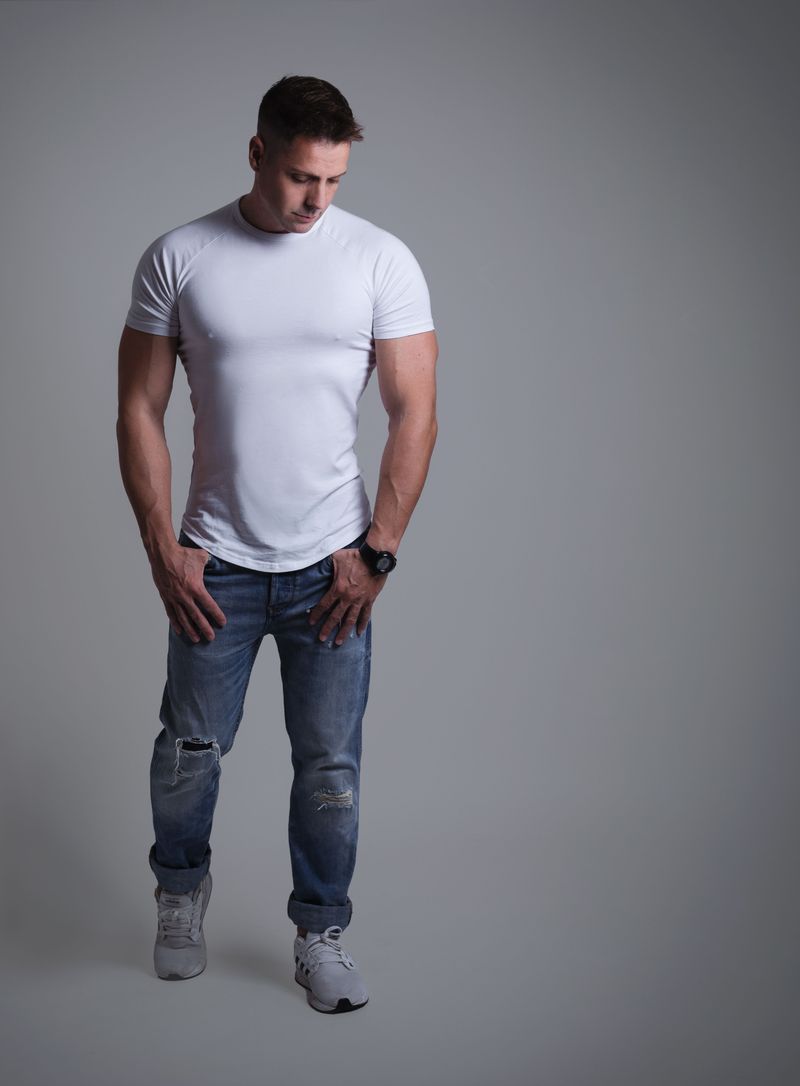
Clothes that fit well are a cornerstone of great style, but there is a big difference between a tailored fit and clothes that are uncomfortably snug.
When fabric stretches across the chest, thighs, or stomach with no breathing room, the silhouette starts to mirror styles more commonly associated with womenswear.
Tight clothing emphasizes body curves in a way that can shift the overall look significantly.
For menswear, a slim fit with a little structure tends to look polished and sharp.
Aim for clothes that follow your body shape without clinging too closely.
A good rule of thumb is that you should be able to pinch a small amount of fabric at any point on the garment.
2. Choosing Very Short Trouser Lengths
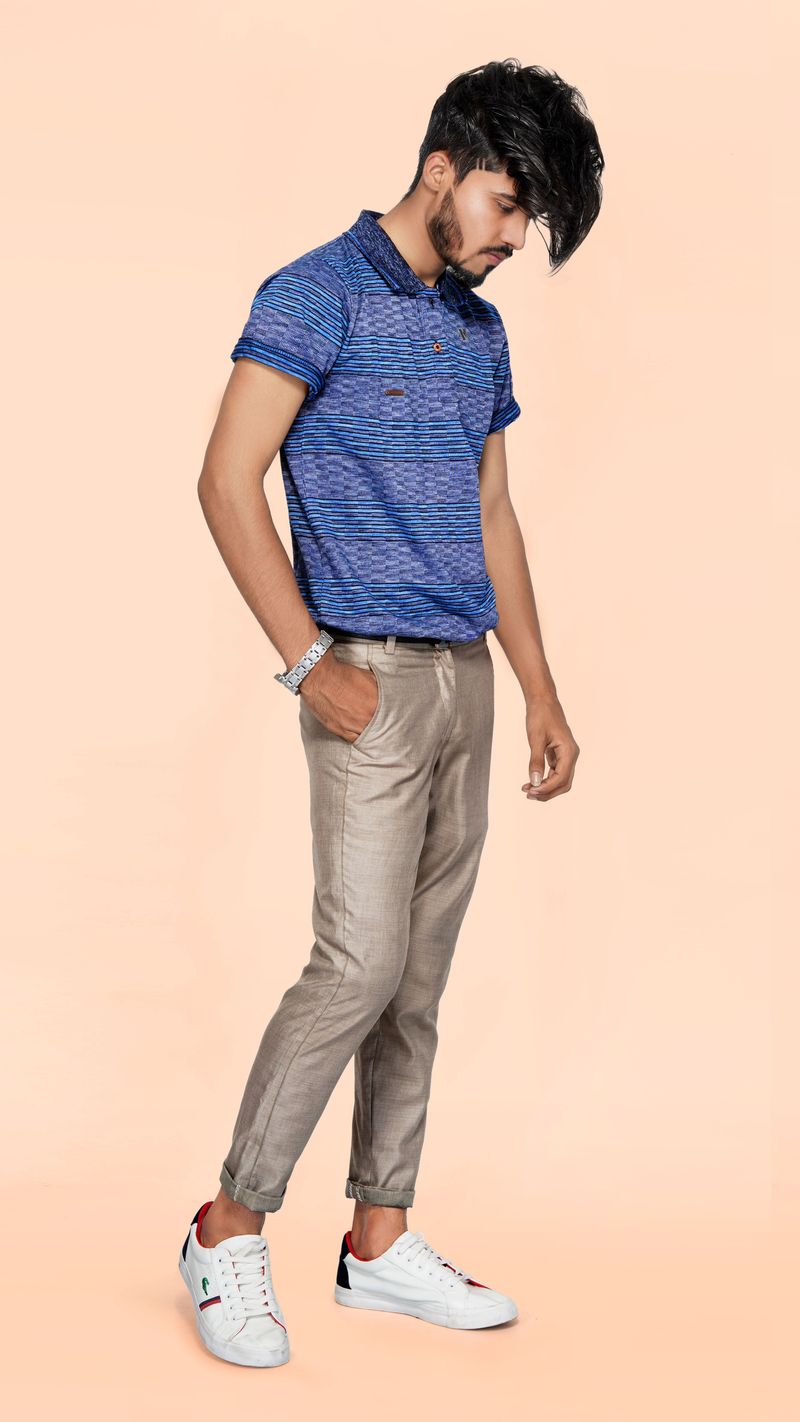
Trouser length plays a surprisingly powerful role in how masculine or feminine an outfit reads.
Cropped trousers that end several inches above the ankle can echo silhouettes that are more traditionally feminine in cut and proportion.
There is a stylish way to show a little ankle, especially in warmer months, but going too short can throw off the whole balance of an outfit.
The sweet spot for most men is a hem that sits just at or slightly above the ankle bone.
This keeps things modern without pushing the look into territory that feels off for the vibe you are going for.
Proportion is everything when it comes to trouser styling.
3. Overusing Pastel Colors
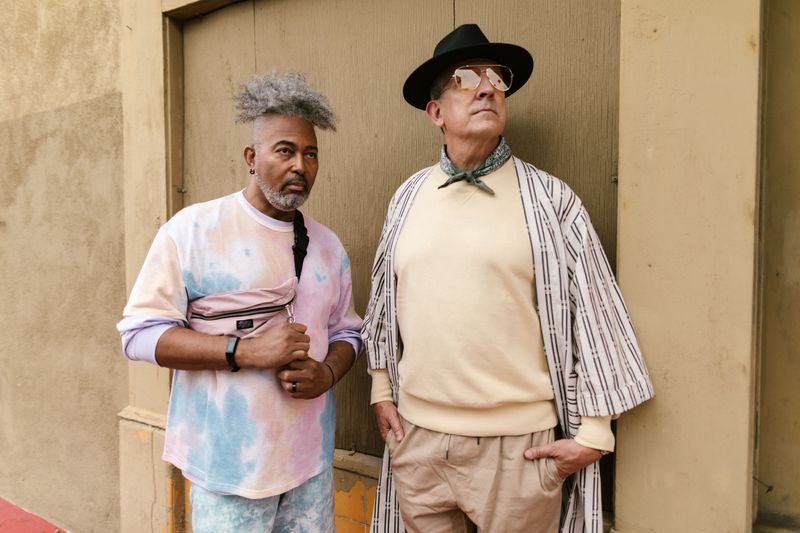
Pastel colors like baby pink, lilac, and soft mint are perfectly fine on their own, but layering too many of them together in one outfit creates a look that leans heavily feminine.
These shades have long been associated with softer, more delicate aesthetics.
Wearing one pastel piece can add a fresh, modern touch to menswear without any issue.
The challenge comes when the entire outfit is built around multiple soft, washed-out tones with no contrast or grounding element.
Try pairing a pastel shirt with neutral trousers in navy, grey, or camel to keep things balanced.
Adding a structured piece like a blazer can also anchor the look and maintain a more traditionally masculine feel overall.
4. Picking Shirts With Deep Necklines
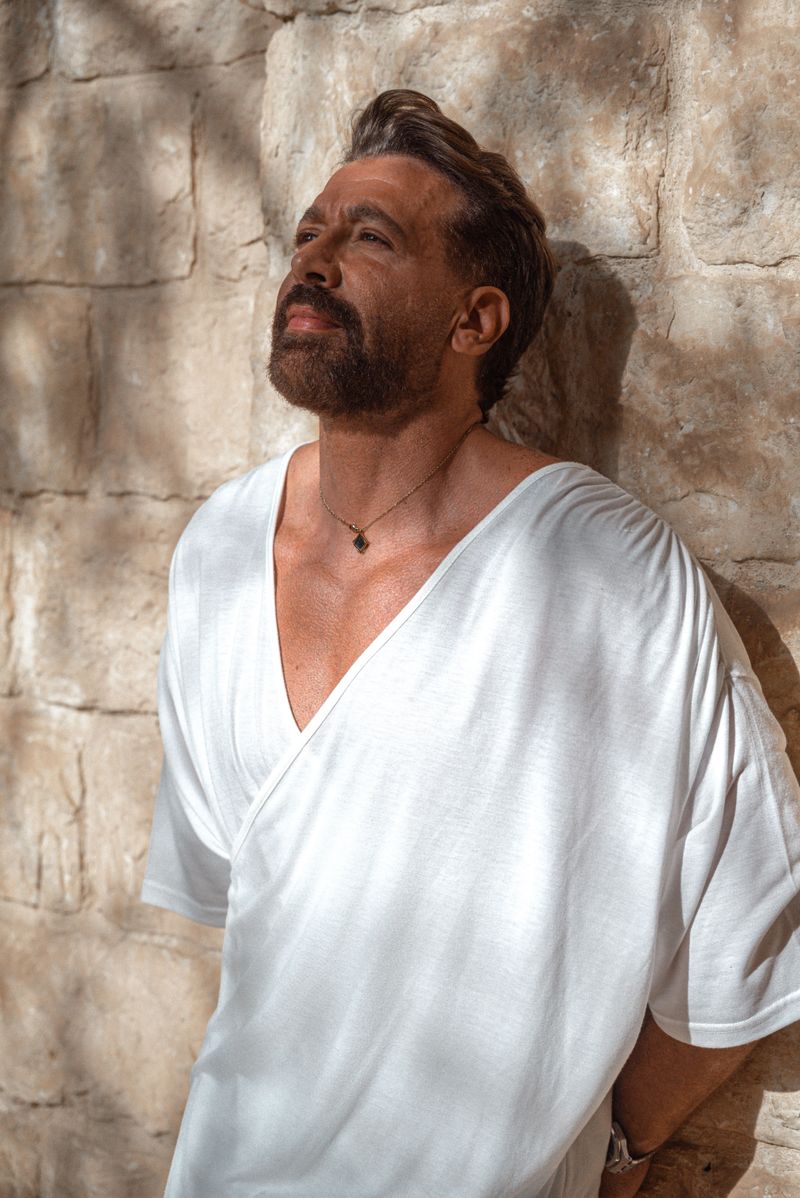
A V-neck shirt is a classic menswear staple, but when the neckline dips too low, the shirt starts to resemble styles more commonly designed for women.
Deep necklines that expose a large portion of the chest dramatically change how an outfit reads.
The key is finding a V-neck depth that feels intentional rather than borrowed from another wardrobe section.
For most men, a neckline that ends around the collarbone or just a couple of inches below works well.
Anything that plunges past the sternum can feel out of place in a traditionally masculine outfit.
Crew necks and moderate V-necks are reliable choices that keep the look clean, confident, and appropriately structured without sacrificing any style points.
5. Wearing Too Much Delicate Jewelry
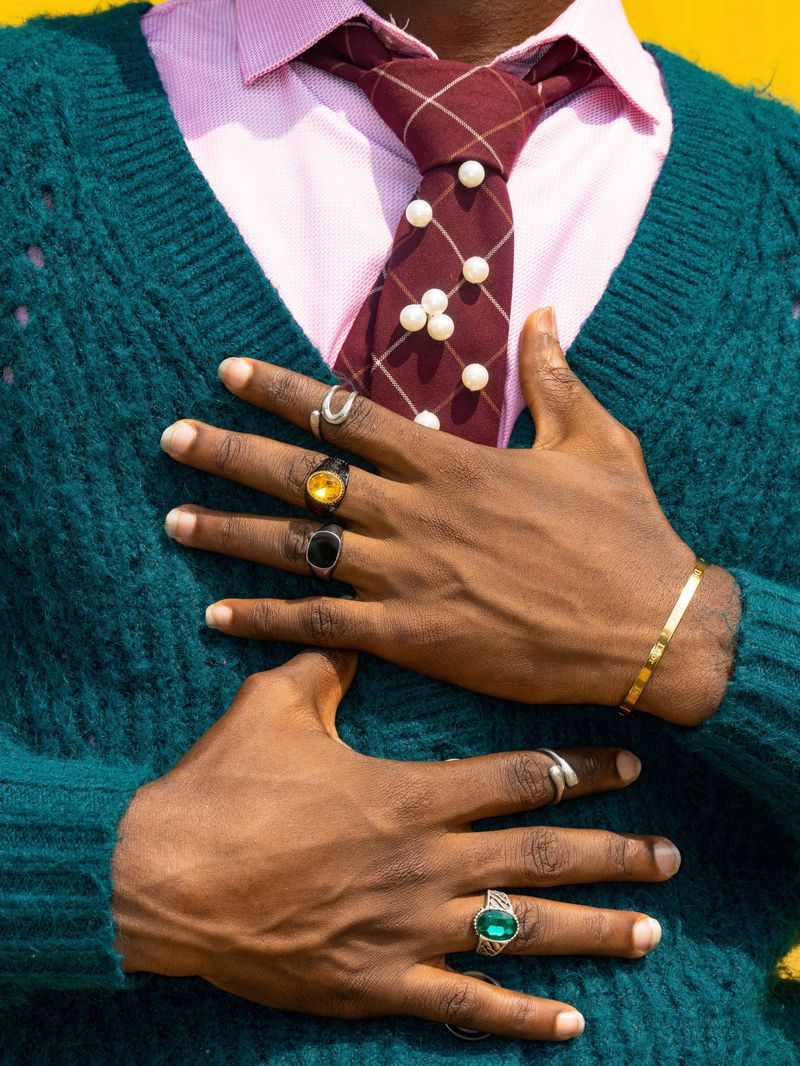
Jewelry can absolutely be part of a strong menswear look, but there is a tipping point.
Stacking multiple thin chain necklaces, layering dainty bracelets, and wearing tiny stud earrings all at once creates a combination that reads more feminine than intentional.
The difference between masculine jewelry and delicate jewelry often comes down to weight, thickness, and scale.
Chunky chains, leather bracelets, and bold rings tend to feel more at home in menswear.
Delicate pieces are not off-limits, but moderation matters.
Choosing one or two accessories with a little visual weight goes much further than piling on several wispy, fine pieces.
Think of jewelry as a finishing touch rather than the main event in your outfit.
6. Choosing Overly Flowing Fabrics
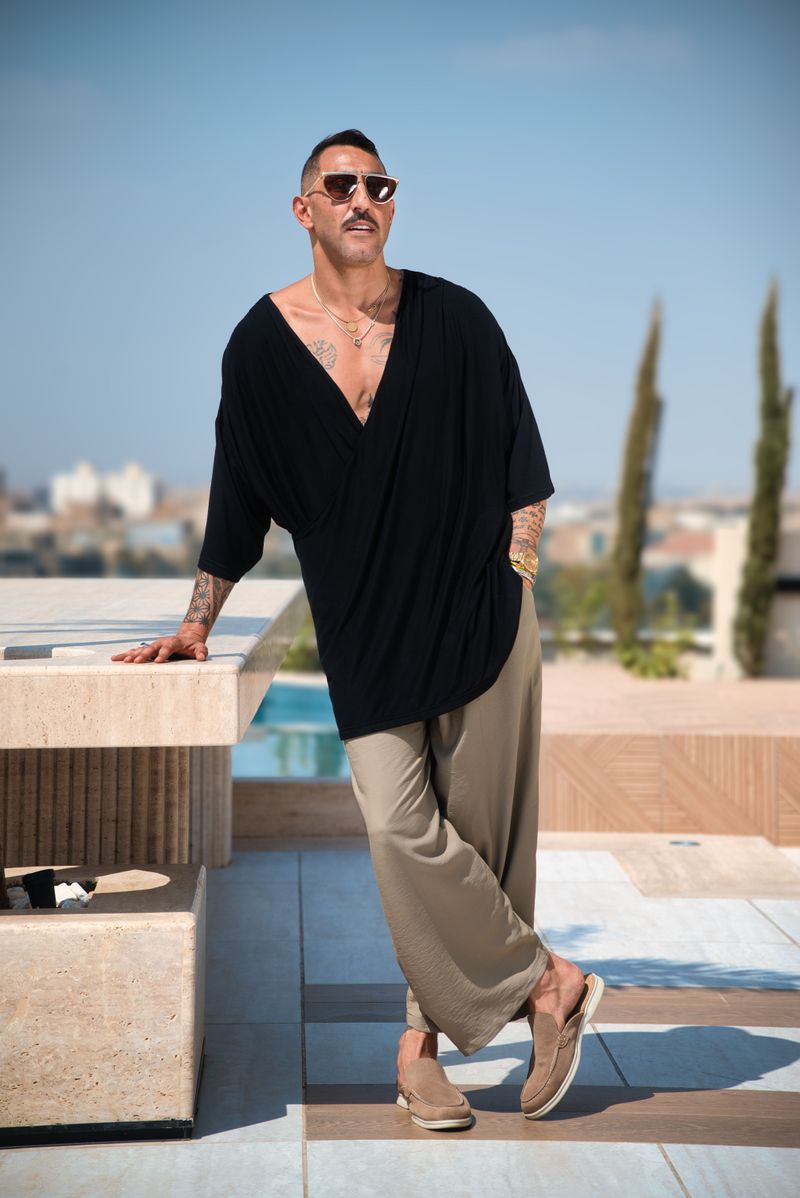
Fabric choice is one of the most underrated elements of menswear, and it can completely change how an outfit is perceived.
Fabrics that are extremely lightweight and billowy, like chiffon or very thin rayon, tend to drape in ways that are traditionally associated with feminine clothing silhouettes.
Linen and lightweight cotton can flow slightly and still read as masculine because of their texture and structure.
The issue arises when fabric has so little body that it moves and drapes like a skirt or a blouse rather than a shirt or trousers.
Choosing fabrics with a bit more weight and structure keeps things grounded.
Look for materials like Oxford cloth, twill, or mid-weight linen for a balanced and polished result.
7. Opting for Extremely High-Waisted Trousers
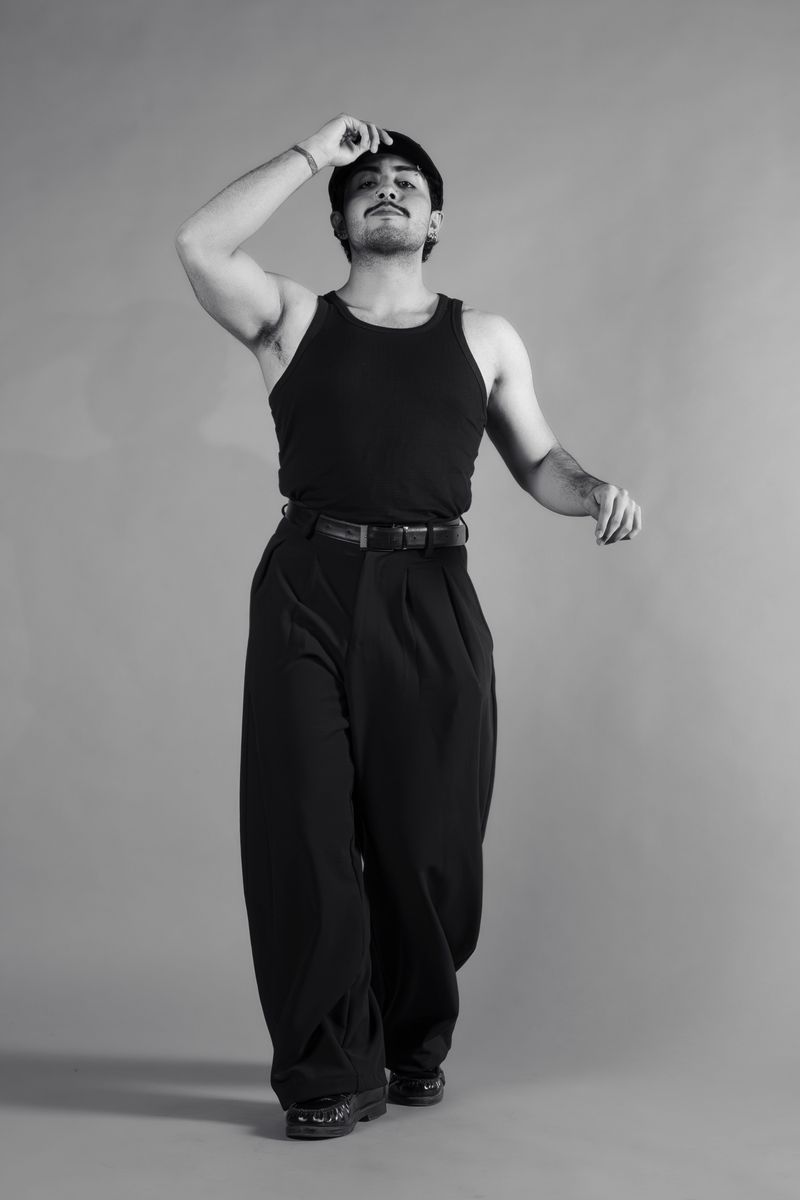
High-waisted trousers have made a comeback in menswear, and a moderate rise can look sharp and vintage-inspired.
However, when trousers are pulled up extremely high, past the natural waist and toward the ribcage, the silhouette begins to echo womenswear more than classic menswear.
Historically, men did wear trousers with a higher rise, but there is a balance to strike between retro style and an unintentionally feminine look.
Trousers that sit at the natural waist or slightly above it tend to look refined and intentional.
Going much higher than that can alter the proportions of the torso in a way that feels borrowed from a different style tradition.
Pair high-waisted trousers with a tucked shirt for the best proportional result.
8. Wearing Very Thin or Delicate Belts
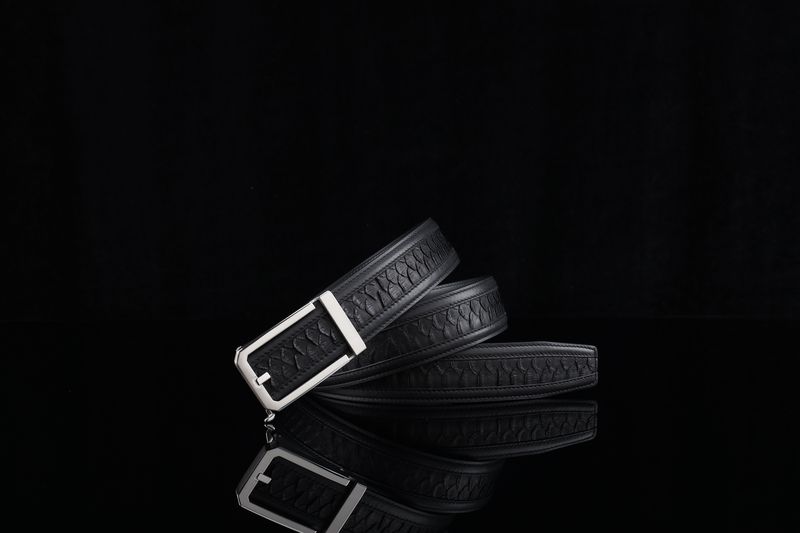
Belts are a functional and stylish accessory in menswear, but the width of the belt matters more than most people realize.
Very thin belts, especially those that are narrow and decorative rather than sturdy, are closely associated with womenswear styling.
Traditional menswear belts tend to be around one and a half inches wide, offering a visual weight that complements the scale of trousers and shoes.
A belt that is barely a quarter inch wide can look out of place and shift the overall tone of the outfit.
Stick with belts that have some presence and a solid buckle.
Leather belts in classic widths are a reliable choice that works across casual and more formal menswear without any confusion.
9. Overdoing Floral Prints
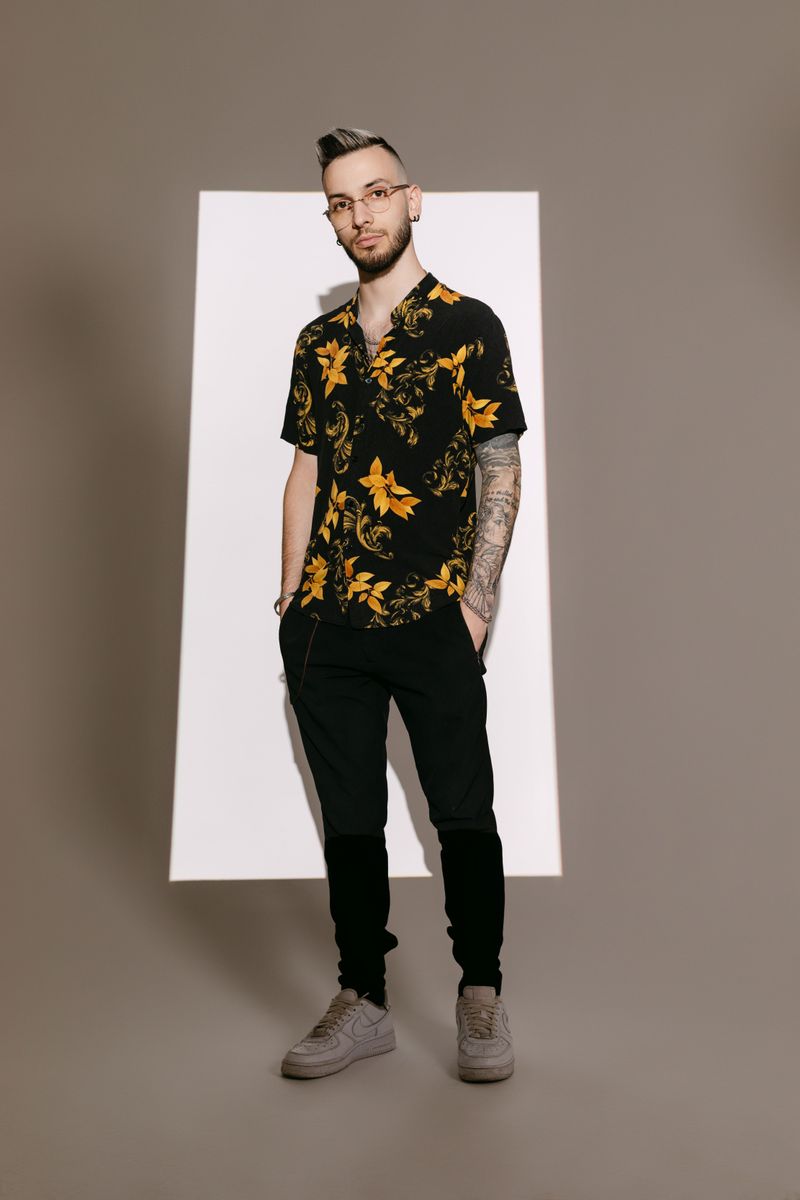
Floral prints are not inherently off-limits in menswear.
A subtle floral shirt or a patterned pocket square can add personality and flair to an outfit.
The problem starts when floral patterns are layered throughout the entire look without restraint.
Large, bold floral prints combined with delicate colors and soft fabrics can push an outfit firmly into feminine territory.
The scale and color palette of the floral print matter a lot.
Smaller, more muted florals on a structured fabric tend to read as masculine.
Bigger, brighter blooms on flowing material read very differently.
A good approach is to use florals as one statement piece and keep everything else in the outfit simple, solid, and grounded in classic menswear shapes.
10. Choosing Jackets With Little Shoulder Structure
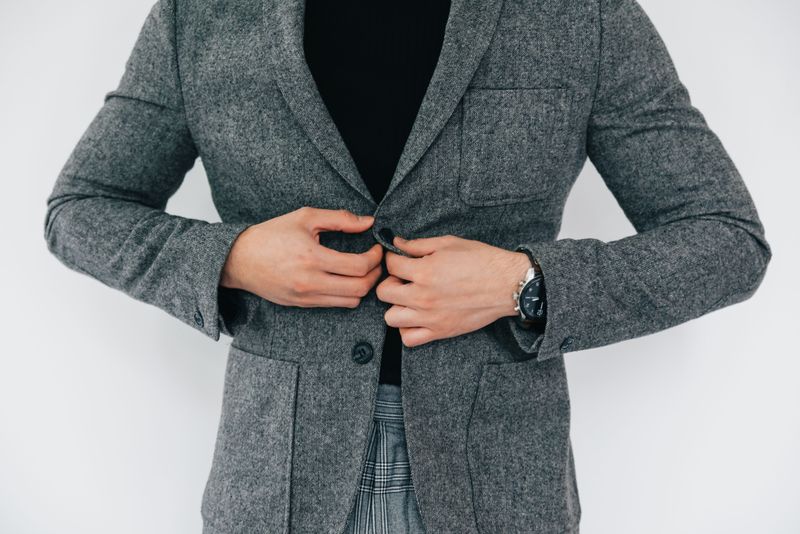
Shoulder structure in a jacket does a lot of heavy lifting when it comes to creating a traditionally masculine silhouette.
Jackets with no padding, soft construction, and dropped shoulders tend to follow the natural slope of the body rather than adding any visual breadth or strength.
This kind of soft tailoring is popular in some fashion circles, but it can blur the lines between menswear and womenswear when taken too far.
A jacket with even a small amount of shoulder padding creates a clean, defined line that reads as sharp and masculine.
Unstructured blazers can work in casual settings, but pairing them with structured pieces elsewhere in the outfit helps maintain balance.
Shoulder shape is one of the easiest ways to anchor a look.
11. Wearing Excessively Cropped Jackets
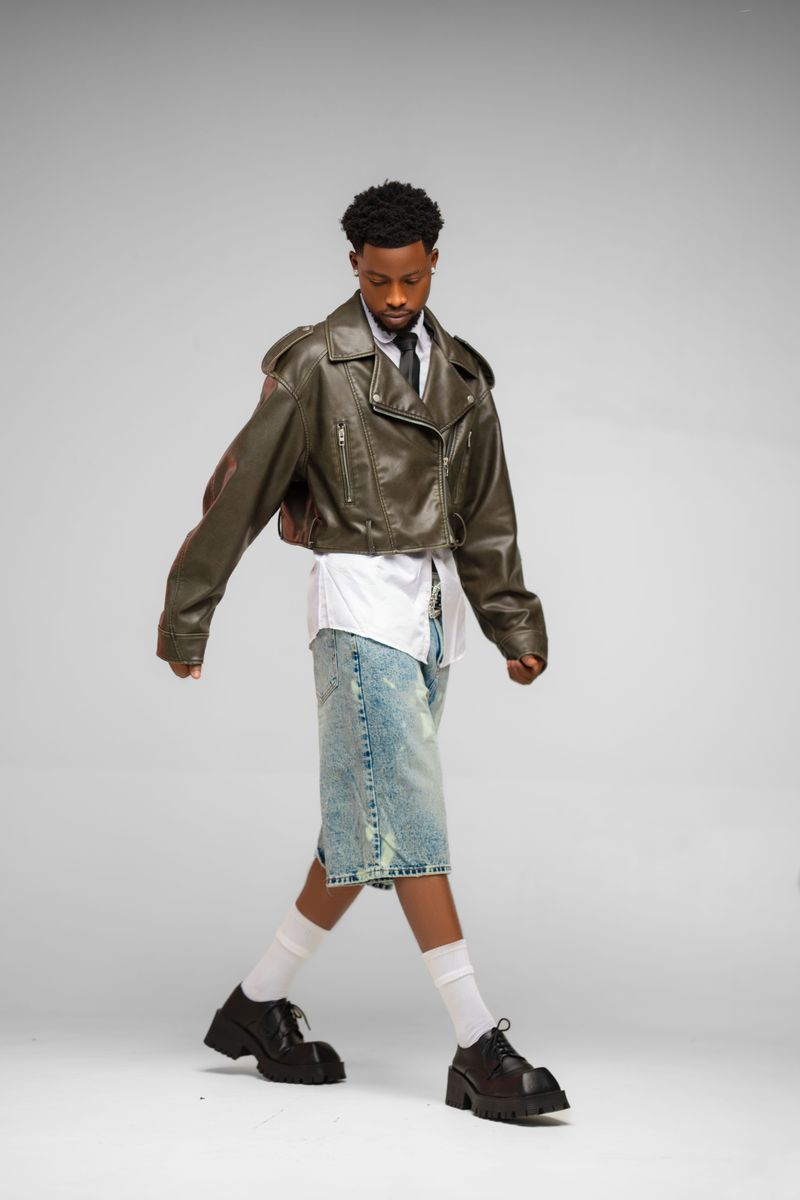
Cropped outerwear has been a defining trend in womenswear for decades, and when men wear jackets that end at or above the waist, the look borrows heavily from that tradition.
A slightly shorter jacket can work in menswear, but extreme cropping changes the proportions dramatically.
The visual effect of a very cropped jacket paired with high-waisted trousers creates a silhouette that is almost entirely borrowed from feminine fashion.
Menswear blazers and jackets traditionally end around the hip or slightly above, providing coverage and structure that complements the rest of the outfit.
If you enjoy a shorter jacket, look for styles that end at the natural waist rather than the midriff.
That small difference in length makes a significant impact on how the outfit reads.
12. Pairing Too Many Soft Colors Together
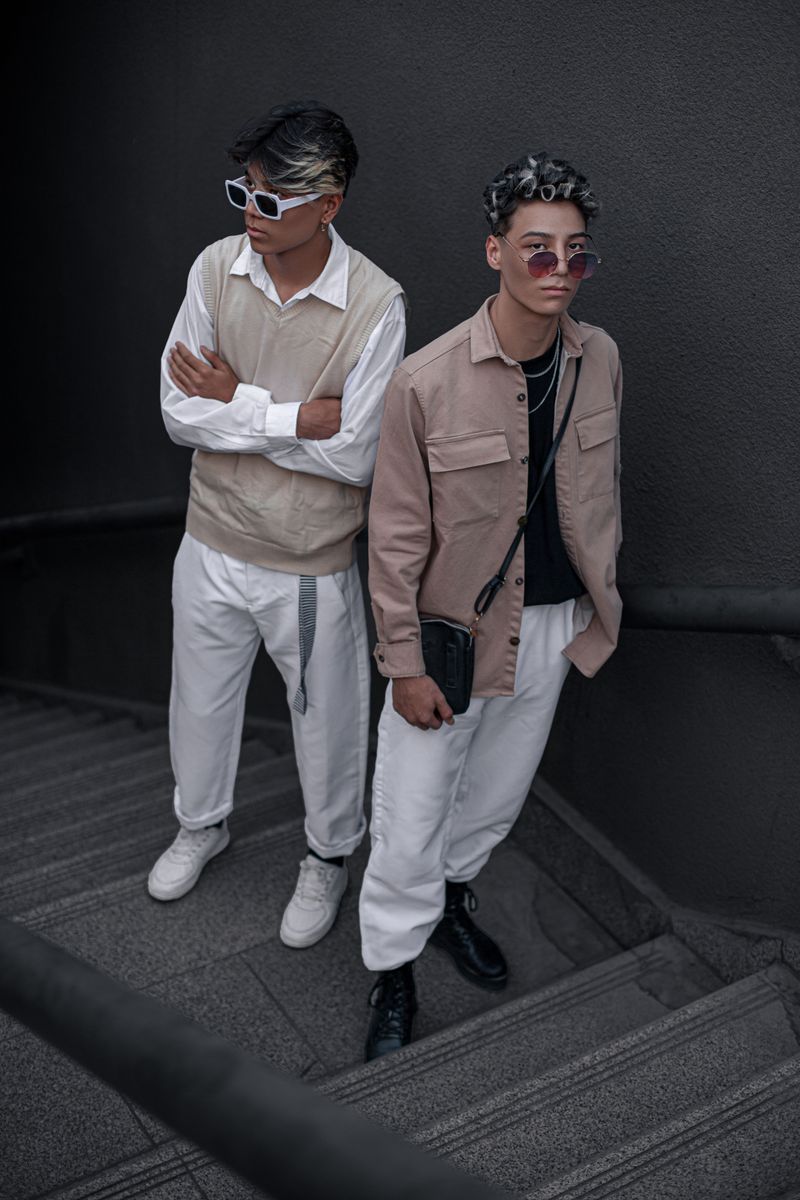
Color combinations say a lot about the overall tone of an outfit.
When every single piece in a look is a soft, muted, or washed-out shade, the result can feel more delicate and feminine than intended.
Soft colors are not the problem on their own.
Blush, cream, and dusty tones have found their way into menswear successfully, but they work best when anchored by something with more visual weight.
Pairing a soft-toned shirt with dark trousers or a structured jacket keeps the balance in check.
When the shoes, trousers, shirt, and outerwear are all equally soft and light, the look loses the contrast and definition that gives menswear its traditional edge.
A single bold or neutral piece can reset the whole outfit effectively.
13. Choosing Very Small or Delicate Accessories
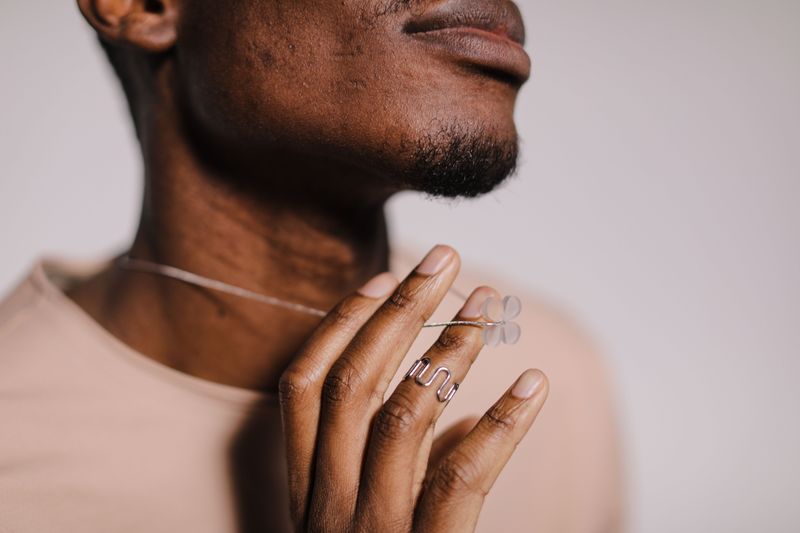
Accessories are where personal style really shows up, but scale matters enormously in menswear.
Very small bags, miniature sunglasses, tiny belt bags, and fine-detail accessories are closely associated with womenswear aesthetics and can shift the tone of an outfit quickly.
Menswear accessories traditionally have a bit more bulk and presence.
Think leather tote bags, classic aviator or wayfarer sunglasses, and watches with a solid case size.
When every accessory in an outfit is tiny, fragile-looking, or dainty, the overall effect leans feminine regardless of the clothing underneath.
Choosing accessories that match the scale of your outfit and your body creates a cohesive and intentional look.
Bigger does not always mean better, but appropriately scaled accessories make a noticeable difference in how put-together you appear.
14. Wearing Shiny or Satin-Heavy Outfits
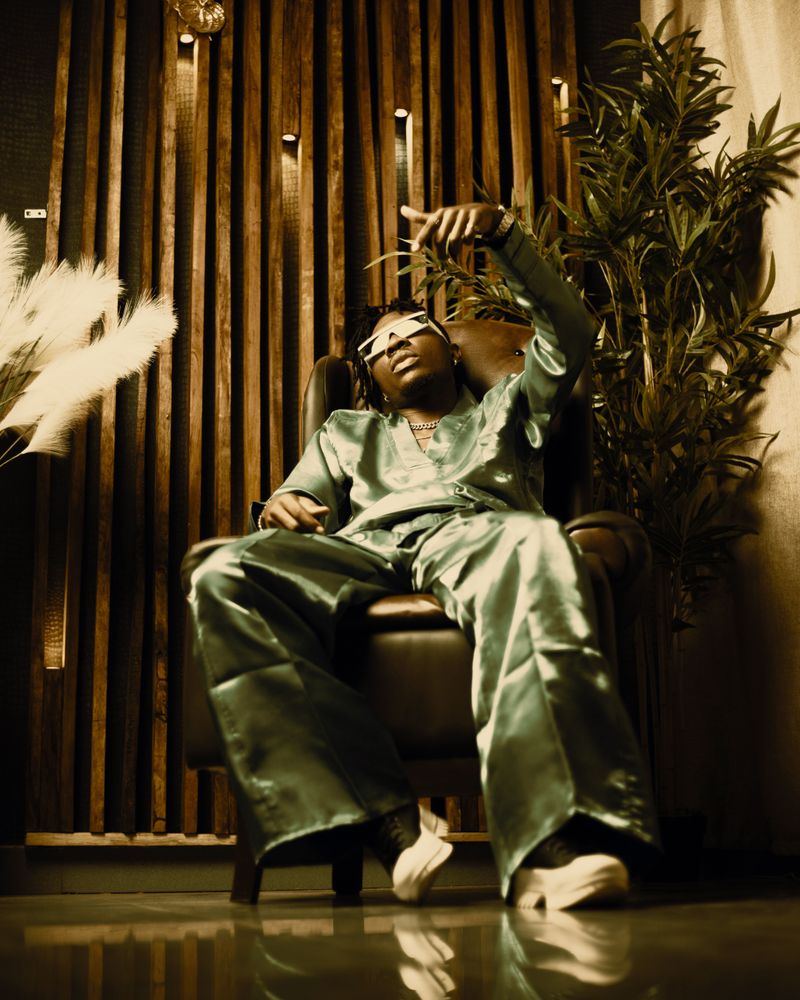
Satin and high-shine fabrics have a luxurious quality, but they are also deeply associated with feminine formalwear like evening gowns and lingerie.
When men build an entire outfit around shiny or satin-heavy pieces, the look can veer far from traditional menswear territory.
A satin pocket square or a subtle sheen on a dress shirt can work well in formal settings.
The challenge comes when the jacket, shirt, and trousers all share the same high-gloss finish.
Too much shine removes the visual texture and weight that gives menswear its structure.
Matte or semi-matte fabrics like wool, cotton, and tweed tend to read as more traditionally masculine.
If you enjoy a little shine, try limiting it to one piece and letting everything else stay grounded in texture.
15. Overusing Ruffles, Lace, or Decorative Details
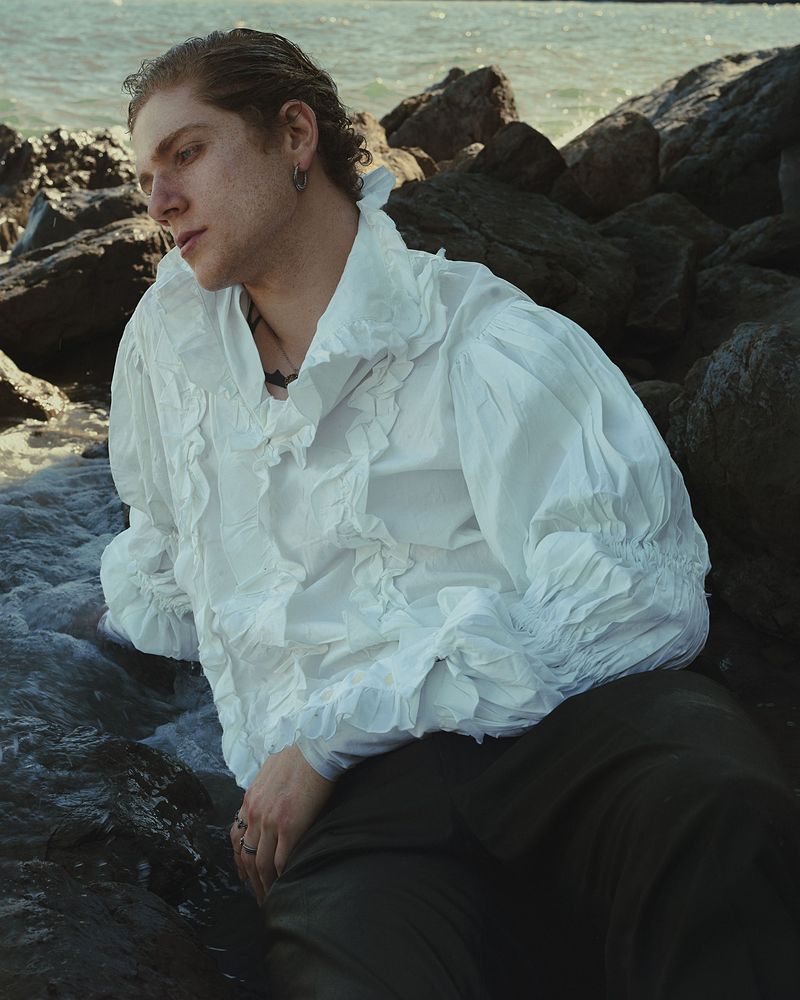
Ruffles, lace trim, and heavy decorative detailing have a long history in menswear, especially in historical fashion from the 17th and 18th centuries.
However, in modern context, these elements are strongly associated with feminine clothing and can dramatically shift how an outfit reads today.
A single subtle decorative detail, like a small embroidered motif or a textured button, can add character without confusion.
The issue comes when ruffles appear on the collar and cuffs, lace trims the hem, and additional decorative elements pile on top of one another.
Each detail by itself might be manageable, but together they create an overwhelmingly ornate look that leans feminine.
Keeping decorative details minimal and purposeful is the smartest approach for men who want to maintain a traditionally masculine aesthetic.