 MomSkoop
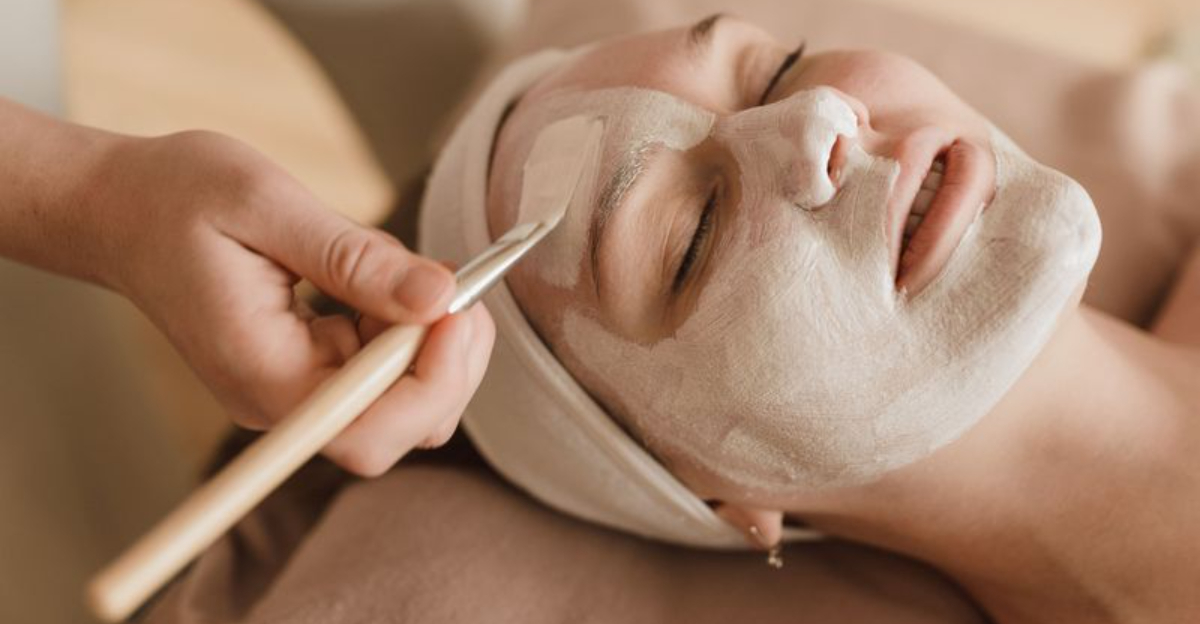
What one generation calls vanity, another calls Tuesday. Gen Z has grown up with a whole new set of grooming and hygiene standards that can look over-the-top to older generations, especially Baby Boomers who kept things pretty simple.
From multi-step skincare routines to tongue scrapers, these habits are not about showing off. For millions of younger people, they are just part of taking care of themselves.
1. Having a Multi-Step Skincare Routine
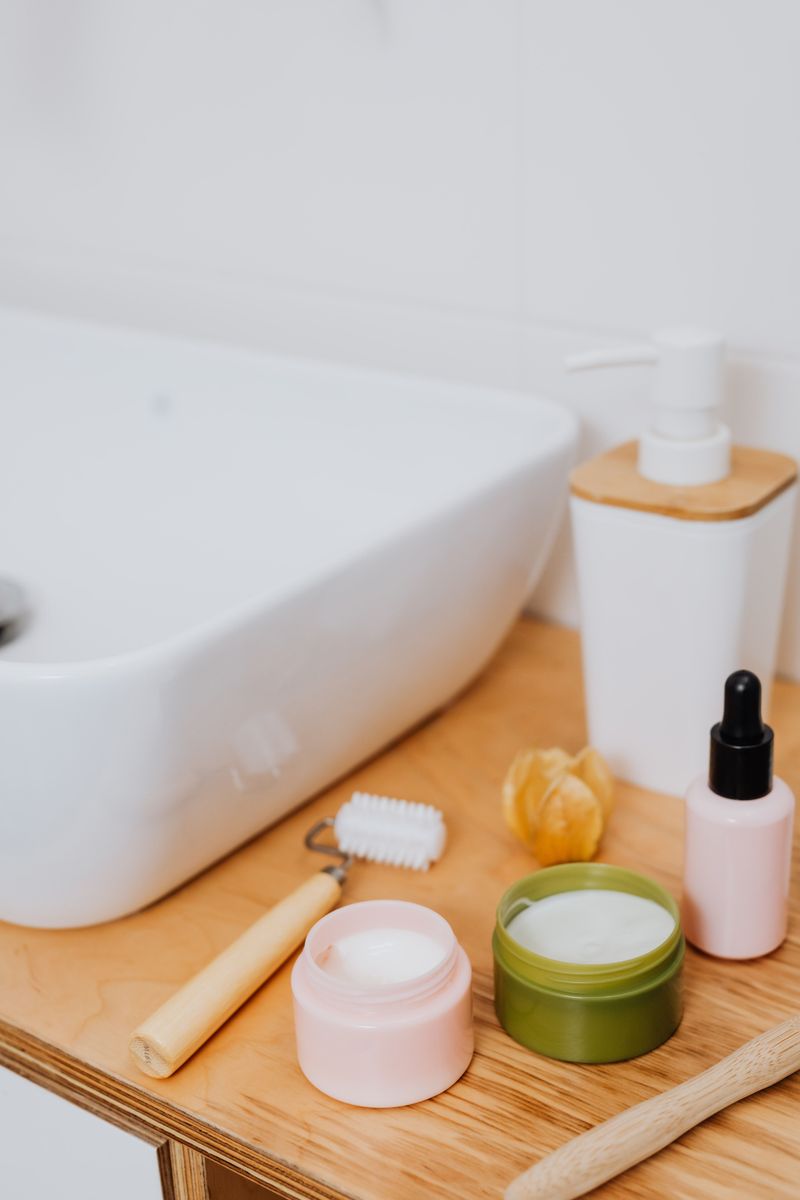
Walk into any Gen Z bathroom and you might find a lineup of five to eight products sitting right next to the sink.
To some older folks, that looks like a lot of extra fuss.
But younger people see each product as doing a specific job, from cleaning pores to locking in moisture.
Cleansers remove dirt and oil.
Serums target things like dark spots or dryness.
Moisturizers keep skin balanced.
Sunscreen protects against long-term damage.
When you break it down step by step, the routine starts to make a lot of sense.
Skincare education has exploded on social media, giving Gen Z access to dermatology tips that previous generations simply did not have.
Knowing more means doing more.
2. Wearing Sunscreen Every Day
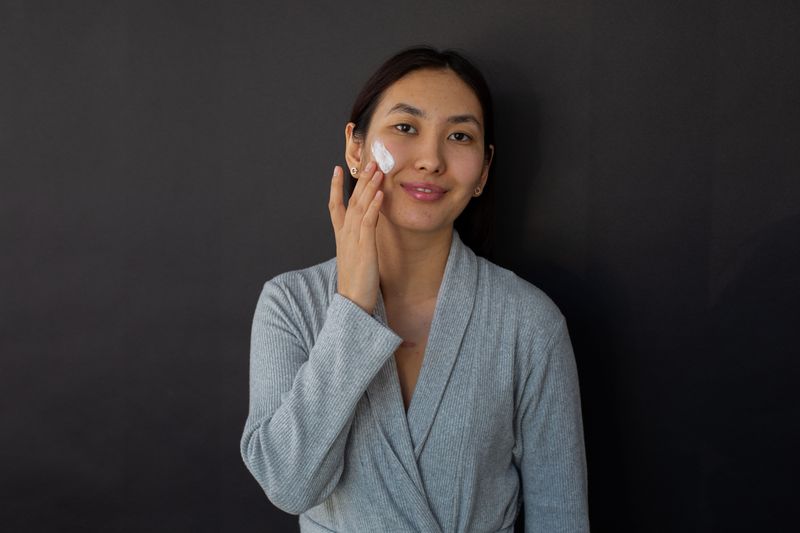
Sunscreen used to be something people grabbed on the way to the beach.
For Gen Z, it is as automatic as brushing teeth every single morning.
Dermatologists have been saying for years that daily SPF use is one of the best things you can do for your skin long-term.
UV rays do not take days off.
Even on cloudy days or during short outdoor walks, skin absorbs sun exposure that adds up over time.
Early protection can lower the risk of skin cancer and slow the appearance of wrinkles.
Boomers might see this as vanity or overthinking, but the science backs it up.
Gen Z is simply applying what research has made widely available to anyone with a smartphone.
3. Getting Regular Manicures
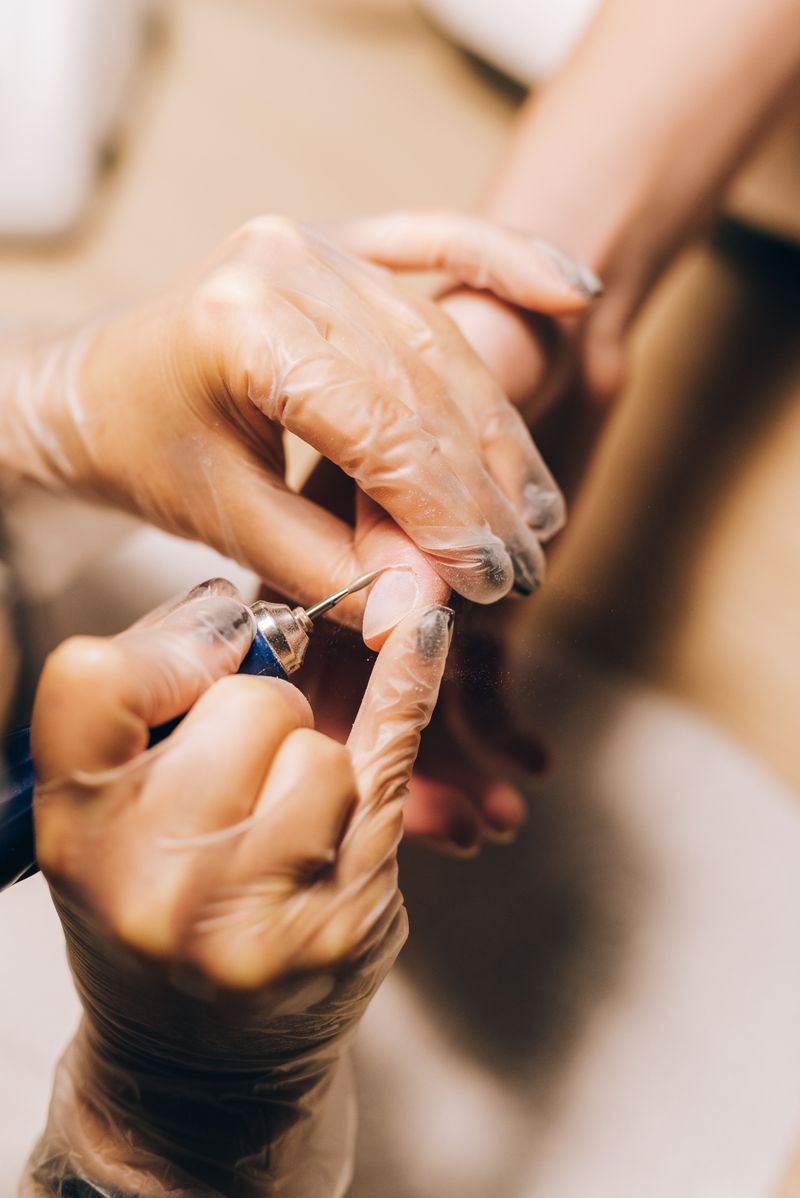
Nails say a lot about how someone takes care of themselves, at least that is how many Gen Zers see it.
Regular manicures are not just about color or polish.
Keeping nails trimmed, clean, and shaped prevents breakage, hangnails, and buildup of bacteria underneath.
For older generations, manicures were often reserved for special occasions like weddings or job interviews.
Today, younger people schedule them the same way they would a haircut, as routine maintenance rather than a luxury splurge.
Both men and women in Gen Z are visiting nail salons more frequently, and many do their own nails at home with professional-grade tools.
Groomed nails have simply become part of looking and feeling put together on any regular day.
4. Using Separate Products for Your Face and Body
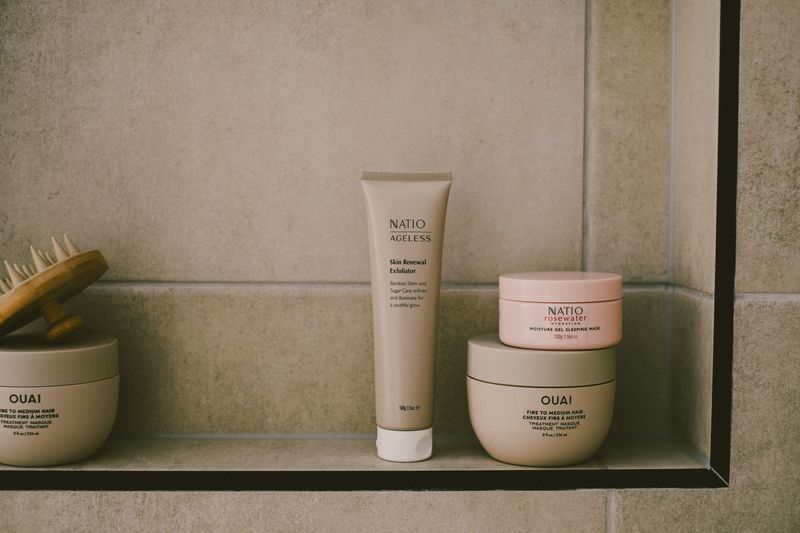
Using bar soap on your face might make a Boomer shrug and say it works just fine.
But Gen Z knows that the skin on your face is thinner and more sensitive than the skin on your arms or legs, and it needs different care.
Facial cleansers are formulated to clean without stripping away natural oils.
Body washes handle tougher skin.
Specialized face moisturizers are lighter and less likely to clog pores.
Using the wrong product in the wrong place can actually cause breakouts or irritation.
Dermatologists have long recommended this separation, and Gen Z took that advice seriously.
It is not about having more stuff.
It is about using the right tool for the right job, which is just smart thinking.
5. Grooming or Shaping Eyebrows
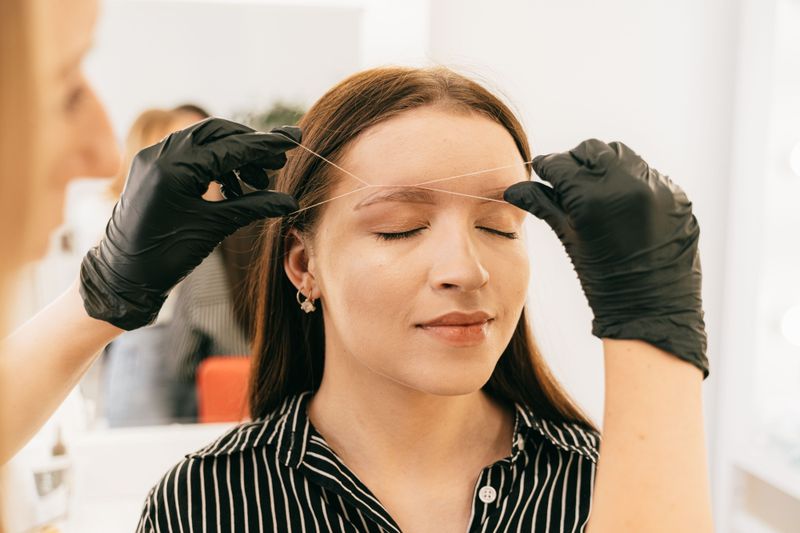
Eyebrows frame the entire face, and Gen Z takes that seriously.
Whether it is tweezing a few stray hairs, getting them threaded at a salon, or filling them in with a brow pencil, keeping eyebrows shaped is considered basic grooming for many young people today.
Older generations sometimes see brow products and appointments as excessive or even a little silly.
But think about it this way: most people trim their hair to keep it looking neat.
Brows are no different.
Maintaining them is just another form of keeping your appearance tidy.
Brow trends have shifted a lot over the decades, from thin arches in the 90s to fuller, natural-looking shapes today.
Whatever the style, the goal stays the same: looking intentional and put together without a lot of effort showing.
6. Removing or Trimming Body Hair
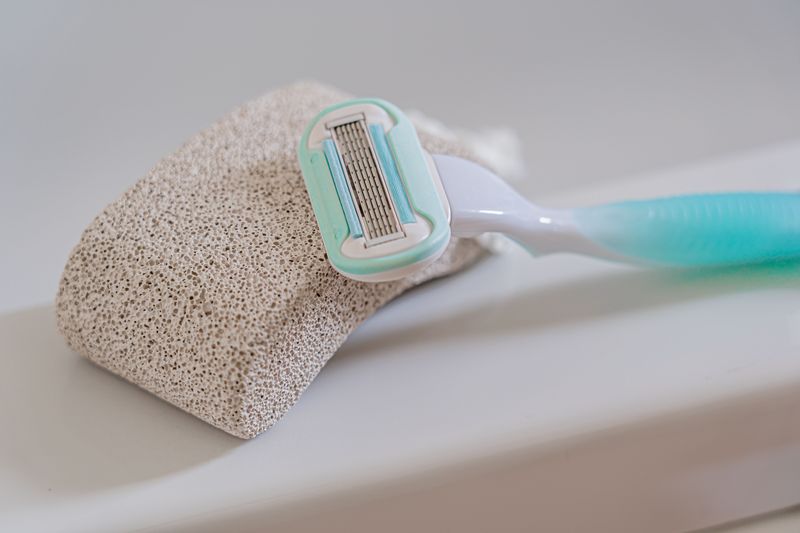
Body hair removal has been around for centuries, but Gen Z has made it a regular part of their routine rather than something done only before a special event.
Shaving, waxing, trimming, or using hair-removal creams are all tools in a normal weekly schedule for many younger people.
What makes this generation different is that the standards apply more equally across genders.
Men in Gen Z are just as likely to trim or remove body hair as women, breaking down older ideas about who this kind of grooming is for.
Boomers might raise an eyebrow at the time and money spent on this.
But for Gen Z, it is less about meeting beauty standards and more about personal comfort and feeling clean in their own skin every day.
7. Getting Professional Teeth Whitening
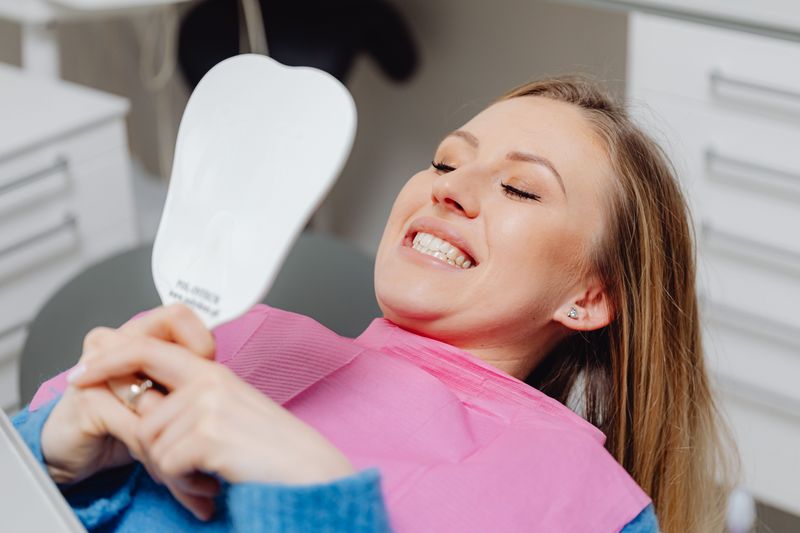
A bright smile is something many Gen Zers consider part of their overall hygiene package.
Professional teeth whitening is no longer seen as something only celebrities or wealthy people do.
It has become an accessible option that younger people fit into their regular dental care plans.
Coffee, tea, and certain foods naturally stain teeth over time.
Whitening treatments help reverse that buildup, and many dentists now offer affordable in-office or at-home options.
For Gen Z, keeping teeth white is just another layer of oral health maintenance.
Boomers might call it unnecessary vanity, pointing out that teeth do not need to be bright white to be healthy.
Fair point.
But Gen Z sees a clean, maintained smile as a confidence booster that falls right in line with taking good care of yourself.
8. Using a Tongue Scraper
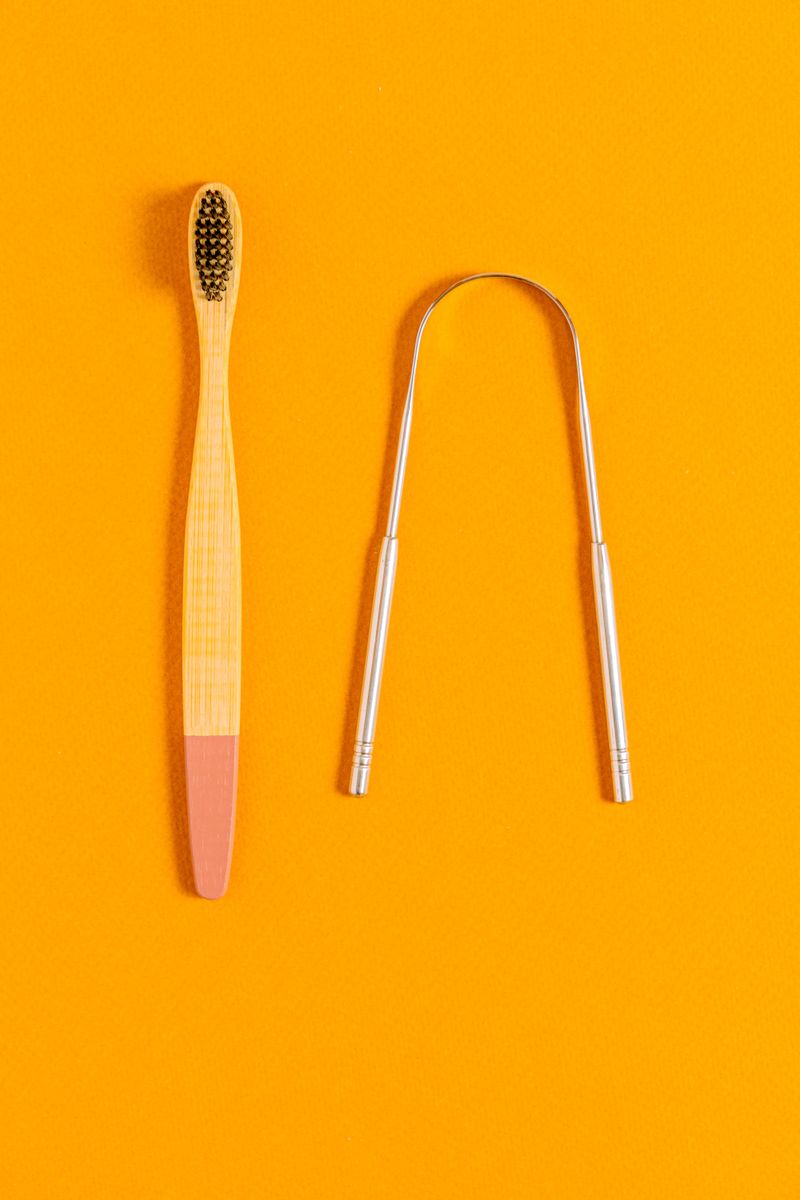
Pull out a tongue scraper in front of a Boomer and you might get a puzzled look.
But this small, U-shaped tool has been used in Ayurvedic medicine for thousands of years.
Gen Z did not invent it.
They just rediscovered it and added it to their morning routine.
Bacteria and dead cells collect on the tongue overnight.
Brushing your teeth helps, but it does not fully remove that buildup.
A tongue scraper sweeps it away in a few seconds, reducing bad breath and improving overall oral hygiene more effectively than a toothbrush alone.
Dentists actually recommend tongue scrapers, which makes this less of a quirky trend and more of a legitimate health habit.
Once you try it, most people say they cannot imagine skipping it.
9. Having an Extensive Shower Routine
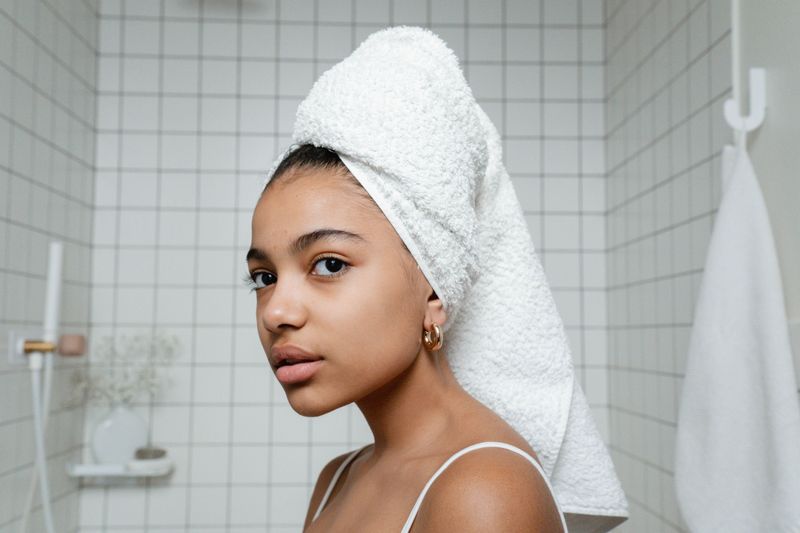
For some people, a shower is a quick rinse and done.
For Gen Z, it can be a full ritual that takes 20 to 30 minutes and involves several steps.
Exfoliating with a scrub, shampooing, conditioning, shaving, and applying a body oil afterward can all be part of the process.
Each step serves a purpose.
Exfoliating removes dead skin cells.
Conditioning prevents breakage and dryness.
Body oils lock in moisture right after the shower when skin absorbs products best.
This is not about being dramatic.
It is about getting results.
Older generations might see this as a waste of water or time.
But Gen Z argues that a thorough shower routine means healthier skin and hair over time, which means spending less money on fixing problems later.
10. Using Specialized Hair Products
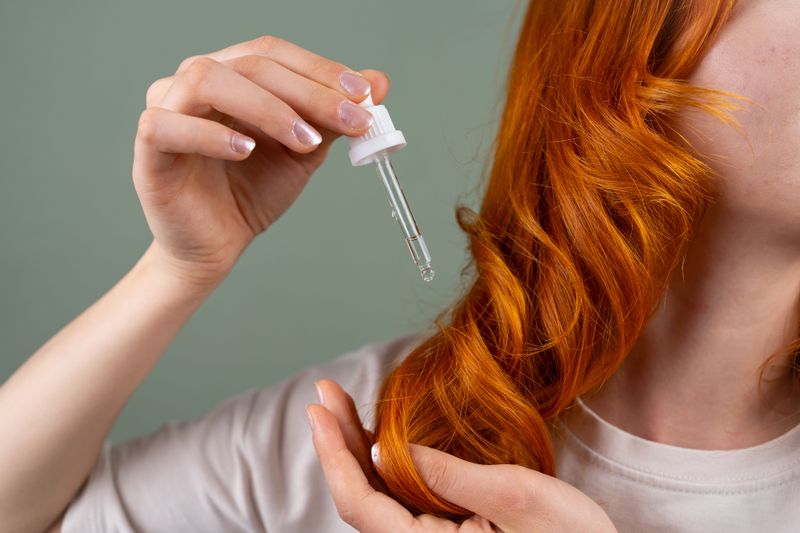
Remember when shampoo and conditioner were the only two hair products most people used?
Gen Z has expanded that list significantly.
Leave-in conditioners, scalp serums, hair masks, oils, and heat protectants are now standard parts of a weekly hair care routine for many young people.
Each product targets a specific concern.
Heat protectant shields hair from blow dryer and flat iron damage.
Scalp treatments address dryness or buildup at the root.
Hair masks restore moisture after color treatments or environmental damage.
Using the right products can make a real difference in hair health over time.
Boomers might call it excessive, but trichologists and hair stylists have been recommending these steps for years.
Gen Z just finally started listening and treating hair care with the same seriousness as skincare.
11. Getting Regular Facials
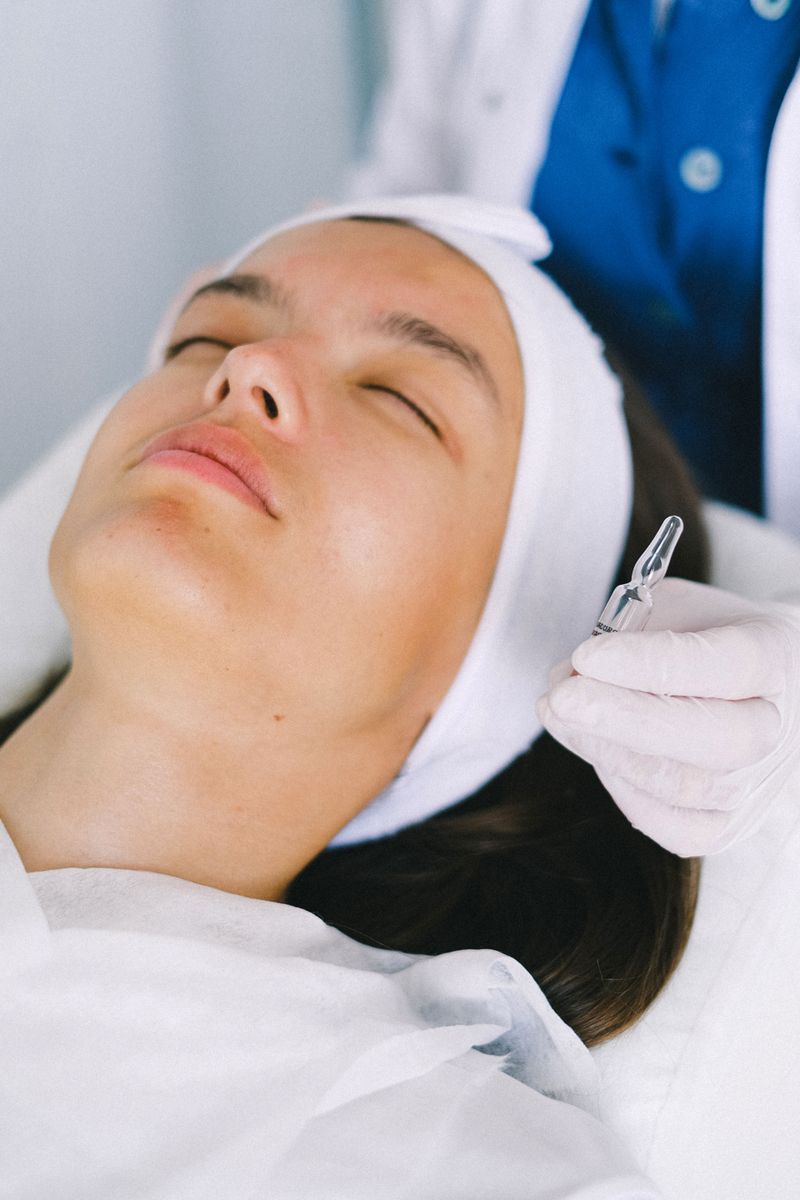
Facials used to feel like something you did once a year as a birthday treat.
For a growing number of Gen Zers, they are scheduled every four to six weeks like a regular skin maintenance appointment.
The thinking is simple: your skin works hard every day, so give it professional attention regularly.
Professional facials can include deep cleaning, extractions, exfoliation, and targeted treatments for acne, dryness, or uneven tone.
An esthetician can also catch early signs of skin issues before they become bigger problems.
Older generations might see this as self-indulgent spending.
But when you compare the cost of regular facials to treating serious skin problems later, the math actually starts to favor prevention.
Gen Z sees it as an investment, not a splurge.
12. Using Deodorant Beyond the Underarms
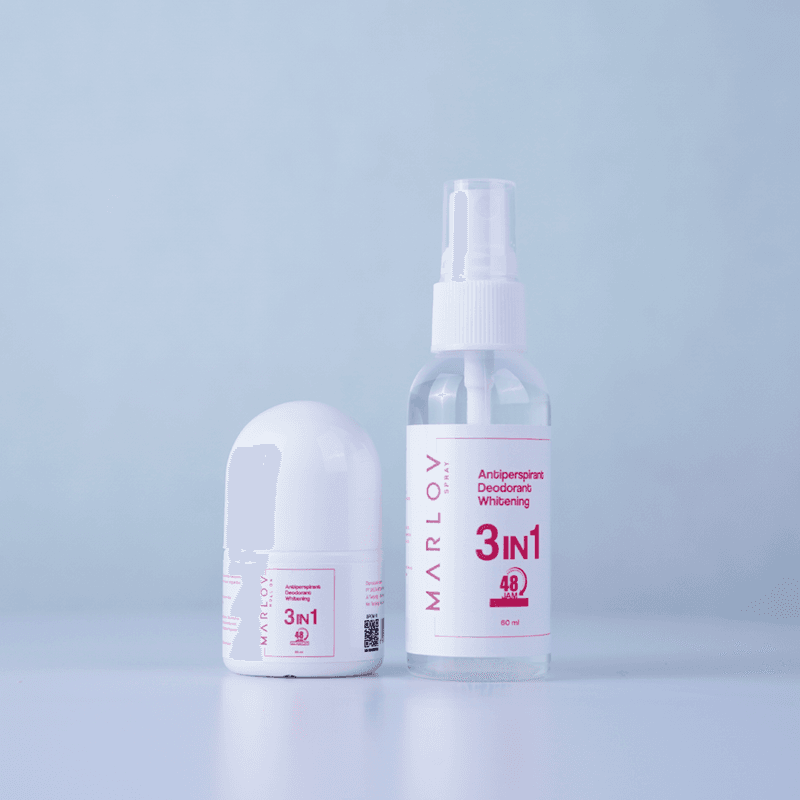
Underarm deodorant has been a standard hygiene product for decades.
But Gen Z has taken odor control a step further by applying deodorant or sweat-blocking products to other areas of the body, including the feet, inner thighs, and chest.
This might sound strange to older ears, but it makes practical sense.
Sweat glands are not exclusive to the underarms.
Friction, heat, and physical activity can cause odor and discomfort in multiple areas.
Whole-body deodorant products have been developed specifically for this purpose, and they are flying off shelves.
Boomers might chuckle at the idea, but dermatologists confirm that keeping sweat-prone areas clean and dry is a legitimate hygiene practice.
Gen Z is simply applying logic to a problem that everyone deals with but few generations talked about openly.
13. Maintaining a Detailed Nighttime Grooming Routine
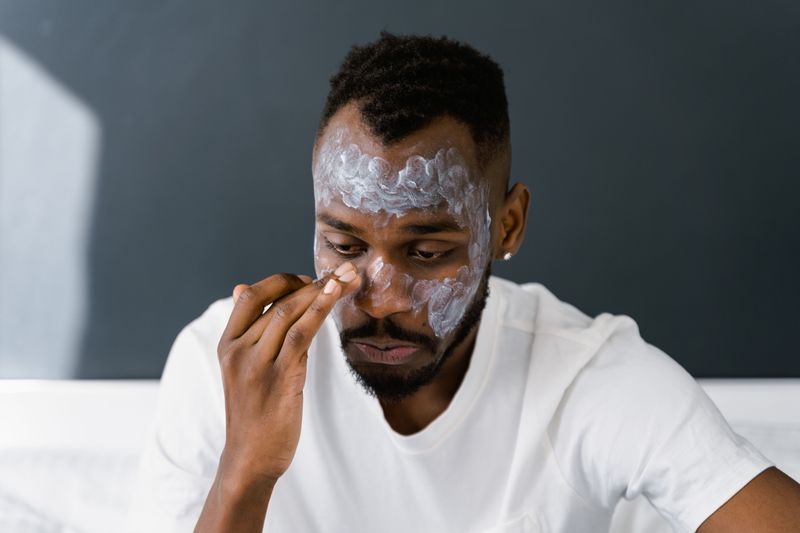
Nighttime used to mean washing your face and calling it done.
Gen Z has turned the pre-bed routine into a full self-care session.
Flossing, oil cleansing, applying serums, using a retinol cream, moisturizing, and even doing a quick scalp massage can all happen before the lights go out.
There is real science behind nighttime routines.
Skin repairs itself while you sleep, making it the perfect time to apply treatment products.
Flossing at night removes food particles that cause bacteria buildup overnight.
Each step supports the next morning’s fresh start.
To a Boomer, this might look like an exhausting amount of effort just to go to bed.
But Gen Z sees it as setting themselves up for better health in the morning and better skin for years to come.