 MomSkoop
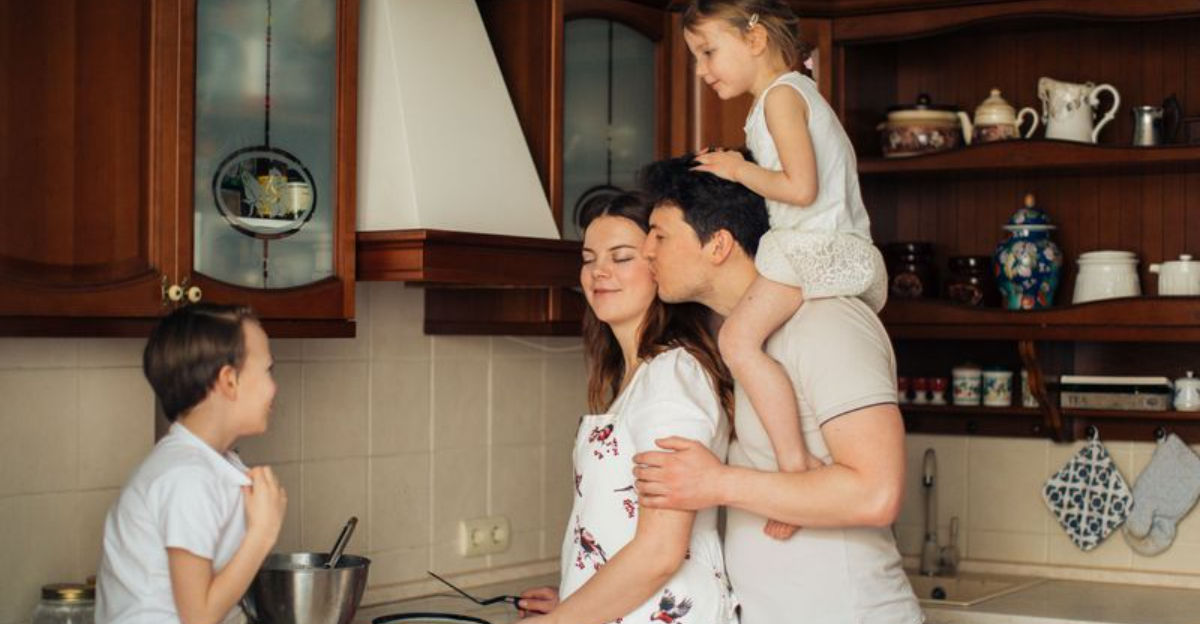
Growing up, many women absorbed a very specific picture of what marriage was supposed to look like. These unwritten rules shaped how wives were expected to behave, what roles they were meant to fill, and how much of themselves they were supposed to give up.
For women over 40, many of these expectations feel all too familiar. Looking back at them today can be eye-opening, even a little surprising.
1. The Husband Should Be the Main Breadwinner

For decades, a man bringing home the paycheck was seen as the foundation of a stable marriage.
Women were often expected to step back from careers or never pursue them seriously in the first place.
The family’s financial security rested almost entirely on his shoulders.
This expectation put enormous pressure on husbands and quietly limited wives.
Many women who wanted to work felt judged or unsupported.
Even when wives did earn money, it was often treated as “extra” rather than essential.
Today, dual-income households are common and celebrated.
Many couples share financial responsibility equally.
But women over 40 may remember a time when a wife outearning her husband felt uncomfortable or even shameful to some people around them.
2. The Wife Should Handle Most of the Housework
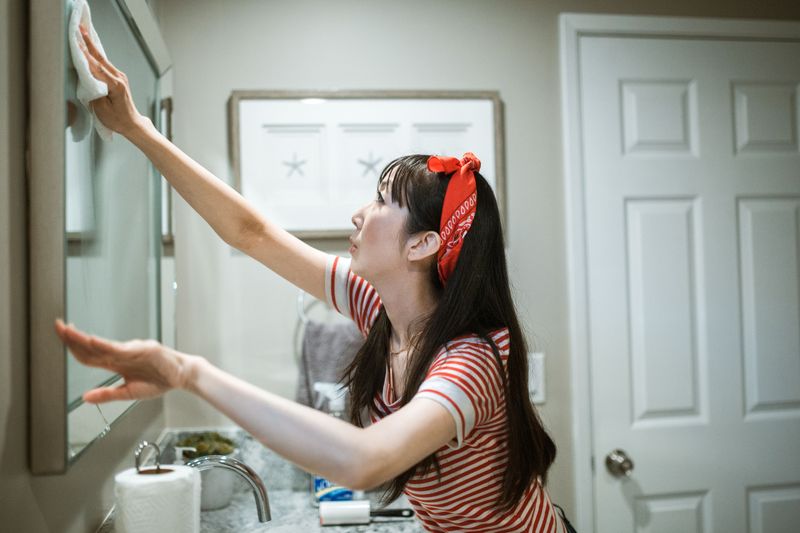
Scrubbing floors, doing laundry, washing dishes – keeping the home clean was considered a wife’s job, plain and simple.
Even women who worked full-time outside the home were still expected to manage most of the household chores.
It was rarely questioned out loud.
This uneven split left many women exhausted and feeling invisible.
The labor they put into maintaining a home was rarely counted as real work.
Appreciation was scarce, and complaints were often brushed aside.
Research today confirms what many women always knew: housework is still not shared equally in most households.
Progress has been made, but the expectation that women are the default cleaners lingers in subtle ways that women over 40 know all too well.
3. Dinner Should Be Ready When the Husband Gets Home
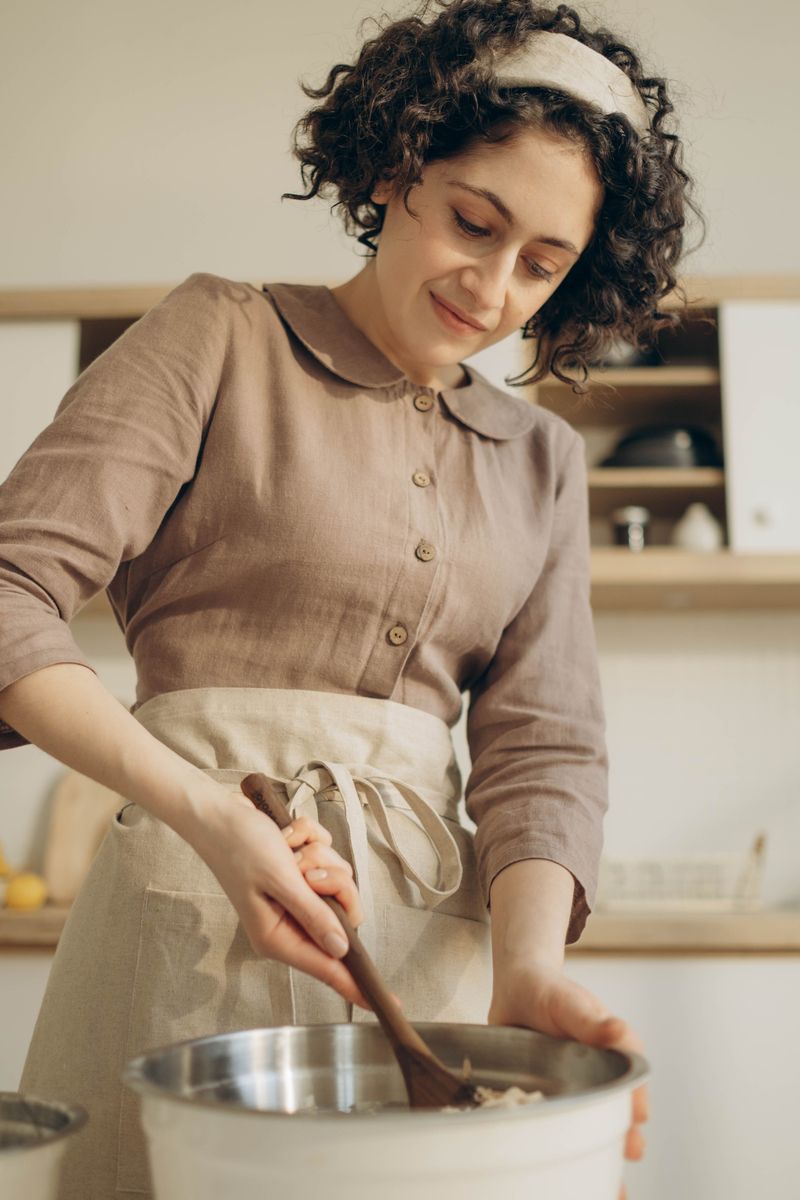
There was a time when having a hot meal waiting on the table was considered one of a wife’s most important daily duties.
Cookbooks from past decades even included tips on how to look cheerful and presentable before your husband walked through the door.
Seriously.
The expectation was not just about food – it was about showing devotion through domestic performance.
A wife who failed to have dinner ready risked being seen as neglectful or lazy.
The pressure was real and quietly relentless.
Many women over 40 grew up watching their mothers rush to get dinner on the table before dad arrived.
Today, meal prep is more of a shared or flexible task, but that old image still sticks in the memory.
4. The Wife Should Take Her Husband’s Last Name
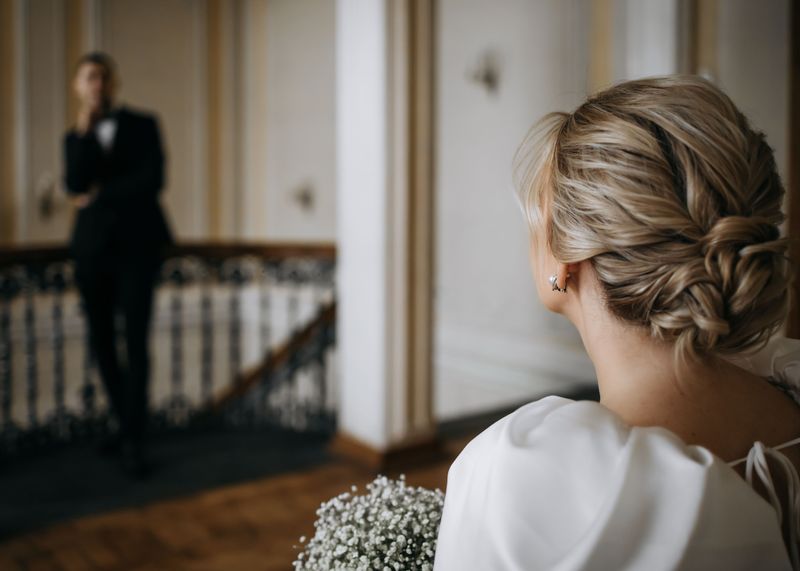
Taking a husband’s last name after marriage was not really presented as a choice for most women – it was simply what you did.
Keeping your own name or hyphenating was seen as unusual, even suspicious.
Some people took it as a sign that a woman was not fully committed to the marriage.
For many women, their name carried their professional identity, family history, and personal sense of self.
Giving it up could feel like erasing a part of who they were before the wedding.
Yet speaking about that loss was rarely encouraged.
Today, women have far more options and face far less judgment for their name choices.
Still, statistics show the majority of women in the U.S. still take their husband’s surname, showing how deeply this tradition runs.
5. The Husband Should Make the Major Financial Decisions

Big money decisions – buying a house, investing savings, taking out a loan – were largely considered a husband’s territory.
Even when a wife had solid financial knowledge or a good income, her input was often treated as secondary.
Some women were not even included in those conversations at all.
Banks reinforced this dynamic well into the 1970s.
Women often needed a husband’s signature to open a credit account or take out a loan in their own name.
Financial independence for married women was genuinely limited by law and custom.
Women over 40 may remember parents or grandparents operating this way without question.
Today, financial equality in marriage is widely encouraged, but breaking old habits can still take real, conscious effort from both partners.
6. The Wife Should Put Her Husband’s Career First

When a husband got a job offer across the country, the assumption was simple: the family moves.
A wife’s career, friendships, and community were expected to take a back seat to his professional advancement.
Her ambitions were treated as flexible; his were treated as fixed.
Many women quietly gave up promotions, opportunities, or entire careers to support a husband’s path forward.
The sacrifice was often expected without thanks or acknowledgment.
Resentment could build slowly over years, sometimes without either partner fully understanding why.
This expectation sent a clear message: his goals mattered more.
Women over 40 who navigated this reality know how much it cost them.
Thankfully, more couples today actively discuss career decisions as a team, making space for both partners’ goals to matter equally.
7. Having Children Was Considered the Natural Next Step

Getting married and having children were treated as one package deal.
The question was never really “if” but “when.” Couples who chose not to have children were often met with confusion, pity, or pressure from family members who assumed something must be wrong.
Women bore the brunt of this expectation.
A childless wife was sometimes seen as incomplete or selfish, regardless of her reasons.
Medical issues, personal choice, or career focus rarely earned much sympathy from older generations who saw motherhood as a woman’s highest calling.
Attitudes have shifted significantly.
Many couples today choose child-free lives and feel proud of that decision.
But women over 40 likely remember the uncomfortable questions at family dinners, the knowing looks, and the unsolicited advice that never seemed to stop coming.
8. The Wife Was Expected to Manage the Childcare

Once children arrived, the responsibility of raising them fell primarily on the mother’s shoulders.
Feeding, bathing, scheduling doctor’s visits, helping with homework – all of it was considered mom’s domain.
Fathers were praised for “helping out,” as if they were doing a favor rather than parenting their own kids.
This imbalance took a real toll.
Mothers often ran on little sleep, little support, and even less recognition.
Asking for help could feel like admitting failure, so many women pushed through alone rather than risk judgment.
The phrase “involved dad” was once considered a compliment rather than a basic expectation.
Women over 40 watched this shift happen in real time.
Today, shared parenting is more common, though many mothers will tell you the invisible labor is still far from evenly split.
9. Divorce Was Something Couples Should Avoid at Almost Any Cost

Staying married, no matter what, was treated as a moral obligation for much of the 20th century.
Divorce carried heavy social stigma, especially for women.
A divorced woman was often pitied, whispered about, or quietly excluded from certain social circles.
The shame could follow her for years.
Many women stayed in unhappy, and sometimes even harmful, marriages because leaving felt impossible.
Financial dependence, fear of judgment, and lack of legal protections made escape genuinely difficult for far too many.
Endurance was treated as virtue.
The divorce rate climbed through the 1970s and 1980s as women gained more independence and legal rights.
Women over 40 may have watched parents or relatives stay in miserable marriages “for the children,” a sacrifice that shaped how they understood love and commitment for years.
10. Marital Problems Should Stay Behind Closed Doors

“What happens at home stays at home” was practically a marriage commandment for older generations.
Talking openly about marital struggles – to friends, family, or a therapist – was seen as disloyal, embarrassing, or a sign that the marriage was failing.
Silence was the expected response to suffering.
This rule hit women especially hard.
Without anyone to talk to, many wives felt completely isolated in their pain.
Problems that could have been addressed early were left to fester and grow.
Help was available, but asking for it felt shameful.
Therapy and open conversations about relationship struggles are far more accepted today.
Women over 40 may remember a time when admitting you were seeing a marriage counselor felt like confessing something scandalous.
Thankfully, asking for support is now seen as a sign of strength, not weakness.
11. The Husband Should Handle Repairs and Other Manly Jobs

Fixing a leaky faucet, mowing the lawn, changing a tire – these tasks were firmly filed under “husband’s responsibilities” in the traditional marriage playbook.
Women were often not expected to know how to handle these things, and in some households, they were quietly discouraged from trying.
The division made a certain kind of sense when roles were completely separate, but it also left many women feeling helpless when husbands were unavailable or gone.
Widows or divorced women sometimes struggled with basic home maintenance simply because they had never been taught.
Today, plenty of women are skilled with power tools and proud of it.
Home repair tutorials online have helped level the playing field.
But women over 40 may remember a time when a woman fixing her own sink raised more than a few eyebrows.
12. The Wife Should Keep Up Her Appearance for Her Husband

Looking attractive for your husband was treated as part of a wife’s marital duty.
Women were encouraged to stay slim, dress nicely, and keep themselves “put together” to maintain their husband’s interest.
Letting yourself go, as it was bluntly called, was seen as a form of marital neglect.
The pressure was deeply one-sided.
Husbands were rarely held to the same standard with the same intensity.
A woman who gained weight after having children, or who prioritized comfort over glamour, could face real criticism from partners or in-laws.
Beauty became a form of performance.
Women over 40 grew up absorbing these messages from magazines, television, and family conversations.
Many are still working through the complicated relationship with their own bodies that those early expectations created.
Self-acceptance, thankfully, is now a much louder and more celebrated conversation.
13. A Good Marriage Required the Wife to Keep the Peace
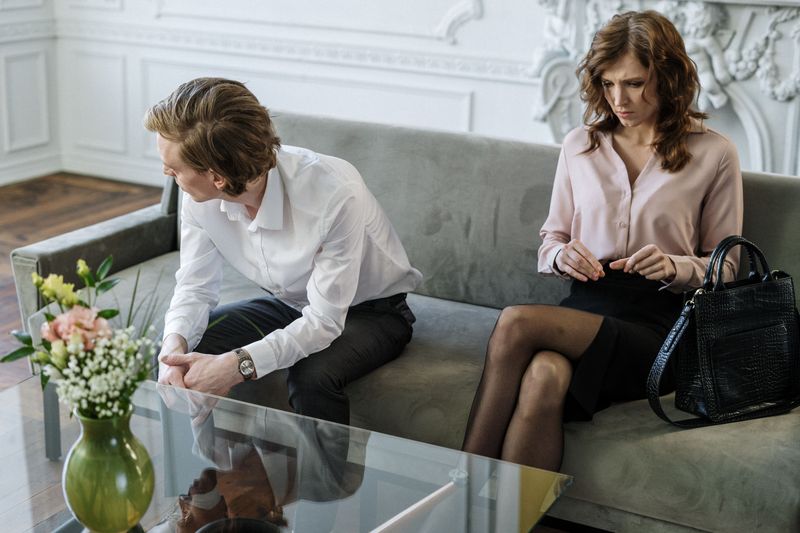
Keeping everyone happy, avoiding conflict, and smoothing over arguments were considered core wifely skills.
A good wife did not rock the boat.
She managed the emotional temperature of the home, absorbed tension, and kept family relationships running smoothly – even when it cost her own peace of mind.
This expectation trained many women to suppress their own needs and opinions.
Saying “it’s fine” when it was not fine became a survival strategy.
Over time, that habit of shrinking oneself could quietly chip away at confidence and self-worth in ways that were hard to name.
Women over 40 may recognize this pattern in themselves or in the women who raised them.
Healthy conflict and honest communication are now understood as signs of a strong relationship, not a broken one.
Speaking up, it turns out, is not the enemy of love.